1 free read left. Create a free account for unlimited reading + AI research.
Create free account
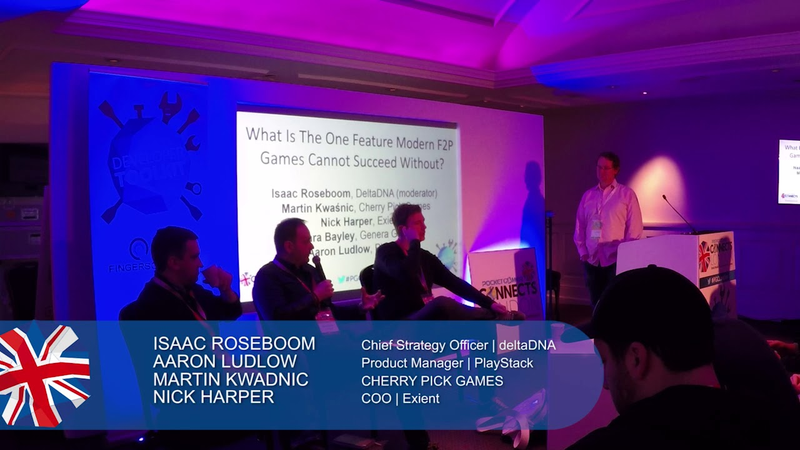
What is the one feature modern F2P games cannot succeed without?
Key insights
6 takeaways- 01Modern free-to-play titles must adhere to established genre expectations, as significant deviations from familiar mechanics often result in player rejection.
- 02Developers should prioritize iterative, data-driven refinement during soft launch phases to validate core gameplay loops rather than pursuing excessive polish or radical innovation before release.
- 03Operational success requires rigorous AB testing of isolated variables to ensure that performance metrics lead to actionable design improvements rather than overwhelming data.
- 04Long-term engagement and monetization stability are achieved by combining predictable live events with targeted, data-driven sales offers.
- 05Success in modern free-to-play games is driven by personalized experiences, where audience segmentation allows developers to tailor matchmaking, pricing, and content to specific cohorts like casual users versus super fans.
- 06As games increase in complexity over time, developers must implement effective exposition and re-engagement strategies to help both new and returning players navigate the evolving mechanics.
Ask AI about this video
Transcript
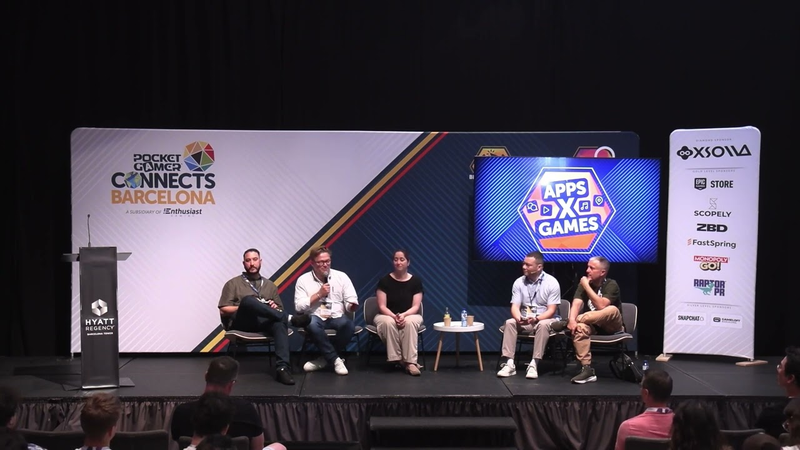
Um, thanks everyone for coming. This is a pretty wide open session on uh free play game design and strategies behind um how to be successful in free to play. So, my panel today is um Nick Harper from Exient. He's CEO Exient. I've got uh Martin, sorry I'm not going to try your last name. Kristensen. See, you can do it. Um, who's CEO at uh Cherry Pick Games. And then I've got Aaron Ludlow who is product manager at Playstack. So, three industry experts on how to succeed and make really successful free play games. And so, you know, one of the kind of themes that I wanted to kick off here is that, you know, games have always borrowed ideas from other games. You know, it's a very
common thing to happen. But, free to play is a bit of the one step up from that where you could be playing any free to play game and it will almost certainly have lots of stuff that you just obviously stolen from other games. Or even just the concept of clones of games is such a big deal in free to play. It's easy to see this as being a really bad thing. It's unoriginal. It's kind of bringing games down. But, you can look at it from the player's perspective that this familiarity with these concepts makes it much easier for them to to get into the game. And, you know, really old example of this is that like every every shooter since the '90s has used WASD controls, right? So, when people jump in, they know exactly how to use the game. So, there's kind of two sides to the to this the story here. And I think the first thing I was going to put to my panel is, you know, how important is familiar concepts in free to play? Can you make an original game? Can How hard is it to put an original idea into a game and be successful? Well, I guess as I've got the microphone, I I'll give the first answer. Um, I think for me there's a balance that exists. As game creators, we're always trying to we want to create something original. I think that's our dream.
That's what we got into the industry for. Um but the business of free-to-play is about familiarity, I think. Unless you're a huge uh company that can afford to spend a huge amounts of money on marketing, you have to take um cues from other successful games. Um the risk actually is so, you know, in some of the games that we've done, we've where we've branched out and tried to be a little bit more original, what we found from user feedback is that it actually often has a negative impact because they say, "Well, it doesn't work how I how I expect it to work." So, it's a strange sort of uh dilemma that you put yourself in. You're You're trying to be creative. You're trying to do something original because that's also that's fun for you as a developer, but it's also you believe fun for your consumer. But a lot of the time, they really don't want it. Then of course, you have to balance that with the fact that you've got to make money cuz these games you're giving out for free. Um but I'm sure that's a later question, so I'm going to hand over Martin.
Yeah, actually fully agree with um with Nick. So, I think that uh we we had the same experience actually with our game that uh when we when we decided to put some new kind of innovative things into the game that people didn't really like it. So, um and you know, it's very important to have things that people really like, right? So, uh um yeah, same experience for us. Um I think there's a balance. Um I always use uh my mom as an example in many of these conversations. Uh my mom likes two types of games. She likes match-three games and she likes slot games. And what if I looked at her iPad currently, I would probably see about 50 match-three games and 50 slot games. And if it didn't work like Candy Crush, then she wouldn't be interested cuz she just plays one, loses all her lives, goes to the next one. However, there is uh a the the balance is um you want to try and be a bit different if you want to try and get in front of
Apple or Google and you want to look for featuring because um definitely if you're just a me too product, then you've got less chance of that. That can be through art style or that can be through genre. And of course you see you've seen the likes of like Homescapes and Gardenscapes that are a bit of a mashup of genres uh which is a thing at the moment. So you have it's familiar to to players that that understand those genres, but it's different as well because um uh because some of these mashups are relatively new. Uh so um so yeah. It's a balance. Cool. So I guess I guess the answer is let other people innovate and then try and steal it as quickly as possible. But it's the same it's it's the same on console, it's the same on PC. If you look at platform if you look at platform games or puzzle games um I think I think the difference on mobile is that you you get a lot of I hate the word mainstream but players that that don't play on console and don't play on PC. So they don't quite get some of the
mechanics that that you would assume players that play Battlegrounds or that play Super Mario would would actually understand. Um so copying or just being familiar from other games definitely definitely helps. Cool. That makes sense. So my next question on my list so you know, the process of building free-to-play games is a little bit different from normal games in that you can sort of do a bit piecemeal, right? You can have your core loop, you can put it out to beta testers, you can start to add mechanics, get in soft launch, that kind of stuff. So you know, everyone well, I assume most people build a game by you build the core game loop first and then start to add the meta game free-to-play stuff around it. So my question to the panel is what's the first thing that you would add once you've got your your neat little core loop mechanic working? What's the first meta game feature you get in there and start testing? Well, actually so actually we made for Rovio we made Angry Birds Transformers and the first thing we did was the meta game. Um because I was paranoid about making a
game that everybody liked and we didn't make any money from and we would basically go bust. Uh so to talk a little bit about that game it's it's an oldish game now it's about I think it's in its fourth year and we still service it. Um obviously the value for us is that Rovio have an amazing channel and can get users like nobody's business. But when we made that game originally it was supposed to be a it was really taking Angry Birds Go which our company had done prior and turning it into so it was a it was a driving game originally. Um and we didn't really know what we wanted the core game to be but we did have an idea of what we wanted the meta game to be so we actually made a a flash prototype that was when people still used flash. Halcyon days, the old days. Um and we did we did our meta in flash and figured it all out it took about two three weeks while as we were working out what the core was. Um so to go back to the question which was
what do you do with the core? I think you have to be very dynamic and reactive to the play experience. You always go into a game thinking this is what I want to make um and you'll start making that and then at a certain point in that process you will either find a spark of something very different to what you originally had as a vision or you'll find that your original idea actually was good in your head or good on paper but doesn't feel right. And I think at that point it's very important to be able to to pivot your team and your thinking. Um but be be able to really explain why we now we were going that way but we're now going that way. I think that. That's my answer. I waffle a bit, sorry. That's okay. Um so what for us when developing My Hospital, which is the biggest game for us so far, we actually as you know at the beginning we knew what the core game play would be. And we've been quite lucky because we also knew what the what all the other parts
of the game will be. So when we started to develop the game the game we we had this ideas and we we did a lot of testing as well. So for us you know in AB testing of even you know this kind of things like meta games that would that that was very important for us. And as I said we we we've been quite lucky because we understood what we wanted to to reach with the game and and we did quite easily. And um yeah so uh but it's important. It's really important to I think for us the most it was really important to test everything that we put into the game. And and uh uh even the core loop that we we we very sure that this this is this is something that will work for us. We tested a lot. So yeah. Yes I think what's important especially on mobile is is just on paper have like um uh have like a flow chart of of
understanding what the core loop is. And then coming out of that you have the monetization, you have the retention mechanics. And um because obviously mobile there's so many different areas that you need to satisfy from a player's point of view. But then also when it comes to acquiring users. So it's it's best to just as you're designing the core loop just understand how you're going to retain these people. How you're going to get monetize these people as well. Is it going to be through video ads? Is it going to be through IAPs? Um and just quite early on you just in um incorporate that into the your core loops. And then and then what what loop are you talking about? You're talking about the short-term short-term, medium-term, or long-term? What's going to keep players coming for 30 days or what's going to get players to come back tomorrow? So it's just it's just I find at least on paper if writing it down even before you get to a prototype stage, just understand
how you want that prototype to go in terms of them different areas. So so I guess the answer to my question to kind of summarize what you guys said is that you have to do it all together. You can't sort of separate out the here's the game bit and all this kind of all the free-to-play jazz. It's got to be a one-off, right? You got to get it all right. I think so. I don't think it's I don't think you can have a piecemeal approach to something like that. So so I mean I guess all that leads to another question which is you know quite often you'll see games launch without certain features. So in free-to-play it's quite a common thing that you'll launch a game with you know the most important stuff like a reward loop and an achievement thing but you might have like VIP features or more mature gameplay that you're going to deploy later. How do you decide how to split that stuff up? Well I think first of all from a soft launch it's good to get something out there as quick as you can. But you also need to make sure you're at a standard where the the the the metrics you're getting in and the KPIs are actually relevant to the type of product that you put out there. Like if you haven't put a very good
product out there then you can that's not going to test if your game if your game loops works. It's just going to say that you've not got a very good product. And I think it's best start from that approach and then you've got things like daily rewards. You know daily rewards is going to is going to increase retention by a certain amount especially to engage players. So that's not necessarily as important at the start trying to there's no point doing the daily rewards doing these fancy clans assuming the game isn't needs the clans to be success. If you soft launch and the the the game just doesn't work and you're not getting the metrics and all that work you did on the daily rewards is just kind of redundant because the game is not going to work. Yeah, I think that it's very important to have a plan what features you want to add into the game. And I think you know, if if you if you had a core loop and the core loop is really really really good. And you launch the game,
you you do a soft launch or a pre-soft launch or whatever it would be. Not having already ideas for for uh VIP features or other features, that's that's bad because I think you you don't have enough time to actually to to create the features during the soft launch. So for us it always works that you know, we have the core loop and we we understand the core loop and then we also have plans for features that we want to add. And we do it step-by-step. So for us social features are very important. Daily rewards as well. And as Serkan said, there are some features that you understand those features will kind of um deliver a little bit a little bit better retention. So you can be sure that this will help. And and this this this for us for example, that that's that's the features that we add um first. So when everything is set, then the features that we understand we add first and then we try to figure out what can be interesting for players as well. And then obviously you need to listen to to players and see what they
really expect from the game. And in some cases as as you said in the first question, I think that um there is no really innovation when it comes to mobile games. It's it's yeah, copying I don't know, but you know, you copy a lot of stuff. And and but you need to listen to the players because you know, you you can you can you can copy, I don't know, Angry Birds with different birds and it doesn't work, right? So it's I think it's very important to have a plan what you want to add, then add the the the features that you really understand, and then maybe um if everything works well, add some new innovative, you know, features, if you have ideas. Yeah, I think the the the most important thing that we want to do when we make a game is fundamentally, you want to make something that is a fun experience for people to play. That's what your soft launch should be testing. Is it fun? If it's fun, you should be retaining your players generally. Um once you know that, all the other stuff you can actually start
to bolt on later. Um yeah, there are obvious things, daily rewards and so on, that you uh you know will help. So, you don't need to worry about that. I think you've got to be very very disciplined. What generally seems to happen is teams are quite reluctant in to release something before they feel it's absolutely perfectly polished. And actually, what could happen then is that could really damage your business because you spend extra X number of months fiddling around with something, and then you get it out and turns out nobody likes it. So, that's a that's a disastrous strategy. So, you're much better to go, "Okay, let's make sure that people enjoy what that we've created." Um and as long as that's the case, then we can add the extra bits as we go along. Um what you have to remember, of course, is that as soon as you go into soft launch, your uh work productivity will drop if you have the same team size because suddenly everyone's finding bugs and the players are coming back and saying this didn't work and that didn't work, and suddenly from going into a nice
little enclosed environment of just you and a few testers, you've got, ideally, several thousand people playing the game, which is great, but also it means that there's all the issues that you didn't find in the before in in production will then come about. So, then your productivity drops because you're going, "Oh, crap, I've got to fix this now." And that thing and that network's not working over there, have someone in Brazil can't play it or whatever is going on. So, I mean that's that's interesting, right? Cuz I mean I think Sam Martin was sort of saying like you need to have a plan and you're saying you're not going to be able to complete your plan because you're going to be too busy. How do you balance those two things? Do you know? I think you you're probably true that you if you don't have a plan you're going to get yourself caught out, but also once you're live, you know, all plans go out of out the window. So, is there is there you know, do you do you kind of force yourself to you know, say you're going to launch this feature in version 1.1 if 1.1 comes out next month or 3 months time that's definitely going to happen or do you try to wing it? Um so, we have a road map for all our games that are live um which I usually manage. So, we try and do a release
every month uh so, an update every month and we have a pretty clear road map of what that I say pretty clear. As a I'm a game designer at heart. So, I am the worst feature creeping person in the world. Uh so, we might have plans to do ABC and then I'll come along and go oh, I was playing the game last night and this thing really annoyed me. I think we should definitely do that and the team I've kind of learned to manage me more than anything unfortunately for them. But yeah, I think you do need to have a clear road map of what you want to do. Ideally for probably 6 plus months. Um then what you have to do is are you able to deliver on that? Cuz things happen fire fire fires happen and you have to put those fires out. Usually you probably won't get everything done on your plan that you've wanted to do and at least from my experience. So, you've got to be very disciplined about making sure the team focus on the top thing of you let's say you've got five things that you want to do for the next update. Get the team to focus on the top thing
which is usually quite rare. Programmers tend to focus on the thing that they enjoy doing rather than the thing that is important. Artists same all of us we we go oh, that's really awful. I don't want to do that, but that thing on number four on the list that looks great. I'm totally going to do that. So, you need strong discipline amongst the entire team and not not in the sense of a sort of strong arm producer. You need to buy in of the team as to why are we doing this and what do we believe we're going to get? And then when you miss some of the elements, then then you have to make the decision of these ones we missed more important than what next month's plan is and then they would you'd reorder your prioritization every month. Sorry, can I go now? Go on. Yeah. And one of the things that we do with our games is we um It depends on the size of the teams, but we tend to have uh two teams in that when I say two teams, it could mean there's just one person in one team or one person in the other team if it's a really short small dev side, but you've got the you've got the strand that obviously you had the live game because in inside
the live game, you've also got data updates which are there obviously to do AB testing and to try and push our daily KPIs up as much as possible. And the way we build our games or when a developer comes to us, we try and we try and install in the dev to make sure as as much as possible is can be updated using data. It brings its own problems that of course which we might go into later, but it can it can be a bit more of a headache because you now have a team that's just already working on the app updates and you have a team that's working on live data updates as well. It brings its own problems, but it also you can reap the reward by having good good data updating structure especially to be able to change things on a daily basis without having to pump out new new app updates. Yeah, we try to update our game on a monthly basis as well and in most cases
kind of successful with this, but we also have a plan that is for more than six six months. So that that is that is a kind of like a road map a a of features that we want to add or maybe bugs that we know we need to fix. And uh the same goes for us. So, our team picks all always the the best ones to do, but uh uh we try to to do the biggest biggest issues uh first. And um and uh but it it can change because, you know, as you said, game is live. So, you get live data and you you you need to analyze your data. And based on the data, you may change your decision to uh maybe to to do the um the update that is planned for next month now because it's it's needed. So, um yeah, for us for us data is key. So, that you know, we also try to um set up or you know, plan the road map based on the data that we collect. Okay, so that's I mean, that's an interesting point in that you're saying you've got a kind of relatively set plan of what you're going
to develop, but then you're looking at the data, trying to understand what the people are doing and what they want. How do you How do you balance that? Cuz I mean, sometimes you're going to look at the data and it's going to tell you, "We don't need this amazing feature over here. We need this other thing which is totally missing." So, how I mean, I guess the question is, how much can data influence the actual road map rather than just basically giving you bugs to squash? Uh I think it it it can uh big time. So, um yeah, so I think for for live games and free-to-play games, you need data. And uh based on the data, you need to make your decisions. And I think, you know, all of us are gamers and uh most probably gamers and love love to uh to do game design, but in some cases you really need to look at the numbers. And um and it might be that, you know, that there is a cool feature, a cool social feature, maybe there's a there's a very cool new sexy thing coming from uh from Apple or Google and you want to implement, but it will not have any effect on your on your um monetization or retention, then then it
doesn't make sense to make it now. So, at least for us. So, we we we um really first we look at numbers. And uh when it makes sense for us then we do it. If not then then then we we skip and try to to do later if possible. I just want to I just want to add that data actually tells you nothing. They what what the product managers and the analysts they extract from the data what the game actually needs and uh and what the what the game what the game road map should be. Uh data and analytics I get heavily involved with because I think it's fascinating. And it's and it's all good to track absolutely everything in your game. But being able to actually look at that data and make business decisions based off that data it can be interpreted in so many different ways. You need to make sure you've got the uh the analysts and the product managers that are there are able to identify what's what's coming what's coming out of that data
because so many times you I see especially when we get smaller independent teams that are like oh yeah we've got we've got everything in the analytics and I'm like okay well why are you tracking this or why are you tracking that? I don't know I just got told to track everything. So so data is is critically important in mobile but being able to actually encode that and understand what it's telling you is the is the the most important thing. So I'm being Just just just heard on that sorry. Okay. Okay. Just just heard on that I fully fully agree. So I said that data is key for us but you need to understand your data and often to have often having too much data is really it can be a problem. So for us for example we track only a few things and based on our analytics that we find out you know that this this kind of things are very important for us. And but yeah you can collect millions of of different you know things and uh yeah. Yeah I mean from our perspective we we
look at three things, really. Uh what does the data say? What do the consumers say? And what do we think? Um and if all three of those align, that usually determines that's the thing that we want to try. Um I'll be honest, there's many things that we've tried that we thought were guaranteed to improve our KPIs and have had a complete disastrous impact. Uh that is usually when you go into your panic mode that you talked about, where your uh your road map kind of gets thrown away and you go, "Crap, why did that happen? We thought this was going to happen, and now we have to change it." And then you have to rapidly fix things. Um I think it's the nature of the It's what makes the industry exciting, I think, but it's also can be quite terrifying. But But those three things, I think, are really important to look at. What do you believe as developers is a is a good element to have? What is the data Is the data proving or disproving your your hypothesis? And then the consumers asking for what you want to to give with your your um forums and so on.
So, I guess there's an interesting balance there. I mean, in in ideal world, you know, you you have a flow where you sort of you have stuff on your road map or you have stuff the data's telling you, and you design a feature that is you hope is going to improve your KPIs, but then you would slowly roll it out via AB testing and in a particular region and that kind of stuff. How much of How much of what you do is that kind of very thorough, let's test things and optimize them first and then release them? And how much is the let's just get it out there? Um So, there's a balance between the ideal and the reality. The ideal is that you should really AB test everything, because there's nothing worse, from experience, of doing a feature or an update that you believe is going to have a positive impact on your KPIs, and it has a negative impact, and you don't understand what went wrong, and then you kind of can't roll it back as easily. Um so, I think really it's important to try and AB test as much as you can. Uh the hard part about AB testing, um at
least certainly for us, uh these guys might have a different perspective, is it's a slow process. Because you can't you can't like any like any scientist, you can't I'm going to test three things at once. Well, which is the what's Oh, that's changed, but which of the three things that I tested is the thing that had the impact? So, you know, unless you can really distinctively separate the things that you're testing, there's always going to be this sort of blurry crossover, which means that you can slow the process can slow the process down a lot. Um and when you're an impatient person like me, that's where the the ah let's go for it full mentality can come and bite you on the bum a little bit. Yeah, so AB testing um is interesting because I think it's becoming ever more important. Uh you know, and especially as we get even more tech that enables us to do so. Um I think you've got to be careful in a couple of areas. Obviously, when it comes to changing IP so uh changing perhaps in our purchases and
um cost and items. If you have a have a uh a very large game, then um you're at risk of uh community feedback um about why is this price X and this and why is this price Y. Um and it can be a very it can AB testing generally can be uh as Nick says, can be very slow uh because you need to get the uh the right amount of users to to actually have enough to be able to decide on which route is to go. Um but I think it's a combination between instinct and gut feel and basing it on uh previous games you've worked on um uh and uh and separately which ones that you actually have to AB test. Yeah, I also think for us it's very important to test only one thing at the at the time. Uh just as um as um as you said, it's uh it can be dangerous to test too many things because you may not know what what really
Yeah. What was the you know which feature really How was it you know popped up your attention or whatever it would be. So, we always try to to test only one thing. It might be you know different things. It might be a gameplay feature or a new you know I don't know ad implementation whatever. So, yeah. Cool. Yeah, so I think you know, connected to AB testing is also this concept that's you know bubbling up now about like live ops for a game, right? So, as well as you know, you can dynamically change your game a bit with AB testing, but there's also this idea that you're constantly having sort of seasonal or weekend offers or promos and things like that. You know, in the same vein, how do you how do you make sure those are balanced and don't impact your community negatively? So, for us first what is much more important is um in terms of live operations, global event that we run on a weekly basis. That that's number one for us. Number two, that will be special offers. Sometimes we obviously connect both, but
we found out for us we found out that for us it's more important to have global events that people can Yeah, communicate with you know others in the game and and that that that's what we see drive drives numbers for us. And and then number number two will be actually you know some sales offers that we run as well. And that we don't really have a plan that we need to run a sales sales offer every week or every two weeks or a month. It really also depends sometimes on the data that we see when it makes sense for us to to run an offer. Not sure if this answers the question. Yeah, I mean for us it's the same as Martin was saying. There's having a predictability about your live ops and the service that you offer to the players is really valuable. So, um on the Transformers game, the we have a weekly tournament. It starts every Thursday, ends Wednesday. Uh on because we do the Dancing with the
Stars Strictly game, obviously we follow the format of the TV shows. So, at the weekend, it's the live show. So, a lot of players come in just to do the live show. So, there's a predictability that exists in the game which I think makes adds huge value for the players. You know, not everybody in your audience has the amount of spare spare time that you would like them to have. Um having said that, there's also an a level of unpredictability that you need to keep. So, for example, when we do offers, we don't make them predictable because we don't want everyone to know, "Oh, every Friday it's offer day. I won't bother spending Monday to Thursday. I'll just wait till Friday, right?" Cuz then that's bad for our business. So, that side of the the live ops is quite erratic. Um use I know there are some companies uh not us uh probably cuz we're just not sophisticated enough yet, but some companies definitely have a a sort of they can switch on a sale immediately. As if they look at the data and they go, "Okay, we we were supposed to have made, I don't know, 50 grand today and we've only made 40. Stick an offer out. Let's
get extra 10 grand in, lads." Um things like that can happen. Um but that I think it's right to have an unpredictability at that aspect. But in terms of the pure game experience, having that uh predictability I think it's quite important for the audience experience. Yeah, I I I kind of agree with um both the guys already. Um I think having having I think Nick's right about um about you don't want to culture your games that people do wait for the offers. Uh but I I I do think occasionally to have some predictability not necessarily a bad thing. I think Clash Royale is probably the the the the uh a great uh great one to look at cuz obviously you have the um you have the the in the card shop you have the the cards which which rotate on a every X amount of hours and then at the weekends on a they have double the amount of cards you can you can get so there's an increased chance that the one you want's going to be there.
So I think that's I think that's pretty cool if you have a place where perhaps you have these timed offers that they just appear and they're going to rotate every 12 hours or 24 hours because that and that keeps players to come back to see if there was an offer that suits them. And it's quite it's quite good then if you keep them within the same time period it's not obviously not quite an AP test cuz you're not doing it at the same time but you can you can build up a catalog of of which offers were most popular. So I think in the same kind of vein I mean what you're already kind of saying is that a game should be predictable and should be you know not catch people off guard except for the course in the case of offers where you kind of want them to feel that it's a special thing and not a not a kind of permanent fixture. But do you think there's any place or do any of you do any sort of micro-targeting or personalization of the game aimed at a particular group of players and does that cause any issues with say customer support? Um yeah we we do a lot of segmentations and this kind of things and we we do this not only for sales offers but
also for some events that we run in the game. And not not sure if this causes any problems but it might be that you get simply you know more emails from players because they complain of something and maybe they have a friend in the states and they got this super offer and and he's in in UK he he's not you know Um so it it might be but you know this is what it is. It's it's it's it's it's a free-to-play game so it changes every day as least for us. So um Yeah you need I think as said a couple of times, you need to plan this and you need to to have a road map for this kind of things. I think what's really important is you you you want to segment your audience, but in a way, well, there's two ways of looking at it. The the the sort of business cutthroat side is you segment your audience in a way that it gets you the most money, but I think a nicer thing to do is to segment your
audience in a way that gives all of your players the best experience they can have. So, for instance, imagine your game has a weekly competition. You can look at your data and you can determine that, let's say for example, some players can only play they only play once a day. That's that's it. For whatever reason, it might be just they don't have the time or the inclination, whatever it is. Whereas other players could be real super fans and they're playing four or five times a day. If you put those two groups in the same tournament bucket, obviously the single player day group are going to struggle to get anywhere compared to the super fans. So, in that sense, segmenting them out into well, we'll put the more casual players here and the more super fans here creates, actually, I believe, the best experience for both groups because you've got the people who can only afford a little bit of time are getting a great experience because they're with a similar cohort to them. Whereas the super fans are playing because they really enjoy that level of
competition. I think that it's weird cuz when you think about it, you think, well, that's really not a good way of treating our players, but actually I think it creates the best experience for them, in my opinion. I don't know if these guys agree or disagree with that. Um, well, on the on the let's say subject of offers, um, one of the one of the one of the features we've been on on one of our other games is designing an offer system that's that's personalized to the player. So, we track, for instance, power-ups that are used, um, gadgets that are purchased, etc. And if we know that a player likes a likes a particular play style or likes a particular item, then we would include that on a in a in an offer in a or a bundle deal because we think that they're most likely to convert into to be in a payer. And so we we we just have like a a general IP and dependent on on what
the context is also depends on the price as well. So you'll have someone that so super fan is really engaged um may have spent over $100 in your game. So you know that there we can we can we can probably send give them a $9.99 offer and there's a fairly decent chance that they may take it up if it includes stuff that they're that that they use. Whereas that you might have someone that hasn't converted yet and you might have a a smaller offer and a a cheaper offer but I think it's I think it's important to see if you if you can personalize these offers then it's a great it's great because there's no you don't want to show something in the shop that you know you've got no chance of converting a player to. Makes sense? And I mean I I guess the the immediate question is, you know, does the data support that this strategy of personalization works? What have you I mean I'm not going to ask you quite a numbers but in your experience have you seen you know, we talked about uplifting KPIs before. By doing these kind of things do you see a big uplift in in your revenue?
Well we definitely yeah. We we by giving these personalized offers we definitely seen an uplift but also an uplift in like player love as well because if they're they're getting something if they get they're getting something that they like for cheaper than they're they're going to play longer. There's good chance they'll give you a good review and um it it it keeps them within the ecosystem. Cool. So I think I've got time for one more question for the panel and I'll open up to the audience. So, similar kind of vein, um I think one of the one of the biggest challenges I I see for games is that you say you have a very successful game and you're 6 months in and you're doing really great. But, you know, now got a quite a tricky problem that you've got all these older players that are really experienced and really really, you know, they know the ins and outs of the game, you know, to my new detail. But, you're still bringing in new players cuz you you have to keep bringing in new players. So, how do you at that point in the game's life cycle, how do you balance the needs of your mature base with the guys that are
coming in for the first time? That's a tough one. We don't do it. Um Um Um Come on, I gave you the questions they had, so. It's interesting because um what's it's kind of in a similar vein. Again, Clash Royale is a great example of of a game that I I I um I stepped away for a for a good 6 months. I loaded the game up again, tried to get into it, and I was like it was so difficult to get into because there's new cards, there's new balancing, and uh you know, your game needs to you need to continue evolving your game. But, you need to to something I think a lot of games don't do very well is that um is when they do re-engagement campaigns to try and get people back into the game is they don't they don't easily let that player know what's changed uh what's changed. It's like if you're watching a a series on Netflix or something kind of like previously on, you know, you almost
want something like that, but then depending on when they're re-entering, you could actually somehow see what see what they've missed. Like um again again similar vein, we're trying something similar whereas we'll display a um HTML 5 pop-up uh and we'll try to establish when we uh re-engage the player um when they last played to see the kind of the kind of big features or the big changes in the game that they they missed that we can try and educate them. I don't know if that answers it. No, no, no. It's perfect. I think You got an answer? I've got I've got I've got an answer. I don't know if it's a good one, but anyway. Um I mean, I'm a huge believer in exposition in games from from the first-time user experience through to re-engagement. Um I think I think it's one of those things that we kind of talk about uh quite casually. Oh, I just need to sort my exposition, which is phenomenally difficult to get right. Um
you know, whilst it's not uh whilst I'm not a really a mobile developer, but you know, Nintendo are the masters of exposition. So, you know, play their games to understand it. Um I think that is a huge element of re-engagement that we have to get right. Um the challenge, of course, is that you without really having a solid data structure for all of your players, you if someone goes away and comes back, it's very hard for you to know exactly why when they left and why and why they've come back to therefore do that level of exposition. And from a technical perspective, it's phenomenally difficult to make sure that you serve those those returning players um or the new players versus the existing players the right elements so that they can get back into the game. Um so, this is kind of a sort of non I'm kind of avoiding the question a bit with my answer, but because it's it's like the silver bullet, really. I think if you get it right, that's when you're onto a mega hit. But, you can't underestimate the amount of effort required to do it. It's a phenomenal
amount of work and you need to really nail it. Yeah, that's why I asked the question cuz even I think the best games out there, that's the if you look at the ones that have lasted for years, that's still their biggest challenge is how do you solve this new user problem? Um all right, one final thing. One word answer, since we didn't answer the question on the panel, what is the one feature that modern free-to-play games can't succeed without? I think they have to be fun. Otherwise, no one will play them. I agree. And also agree with your you know previous answer, good one. Um yeah, fun and what else? For us at least that's events that we run in the game. Okay, live events. Um monetization. You can have the most fun game in the world if it's not making any money then then it's only just a bit of a boring answer I'm afraid but if it's not making any money then uh then great. Yeah. Cool. Hobby. Yeah, it's a hobby. Well, I'll thank my panelists again for a really lively discussion and
Summary
Modern free-to-play game development prioritizes the seamless integration of core gameplay, monetization, and retention loops over radical innovation. Success hinges on adhering to established genre expectations, as players frequently reject significant deviations from familiar mechanics. Rather than pursuing excessive polish before launch, developers should adopt a disciplined, data-driven approach that emphasizes testing the fundamental enjoyment of the product during soft launch phases. This iterative process allows teams to refine features based on actual player behavior rather than speculative design choices.
Operational excellence in this sector requires a precise balance between long-term strategic roadmaps and the agility to respond to real-time performance metrics. While data collection is essential, it must be managed by skilled analysts to ensure that insights remain actionable rather than overwhelming. Effective optimization relies on rigorous AB testing, where isolated variables are adjusted to measure impact accurately. By combining predictable live events with targeted, data-driven sales offers, developers can maintain consistent engagement levels and stabilize monetization throughout the game’s lifecycle.
Long-term viability is further bolstered by sophisticated audience segmentation and personalized content delivery. By distinguishing between diverse player cohorts, such as casual users and dedicated super fans, developers can tailor matchmaking, pricing, and gameplay experiences to maximize conversion rates. Furthermore, as games evolve, effective exposition and re-engagement strategies are critical to helping both new and returning players navigate increasingly complex mechanics. Ultimately, the ability to provide a personalized experience while maintaining a cohesive design framework serves as the primary driver for success in the competitive free-to-play market.




















Comments