Mobile reports and market data
Documents

UA & monetisation trends in 2018
The mobile gaming industry in 2018 is undergoing a fundamental transition from aggressive, short-term conversion tactics toward sustainable, long-term player retention.
- Mobile game monetization is shifting from short-term conversion tactics toward sustainable, long-term player retention strategies.
- Rewarded video has become the primary monetization tool for balancing revenue generation with positive user experience.
- Programmatic advertising and header bidding offer only modest revenue improvements of 5–10%, pushing developers to prioritize LiveOps and interactive ad formats.
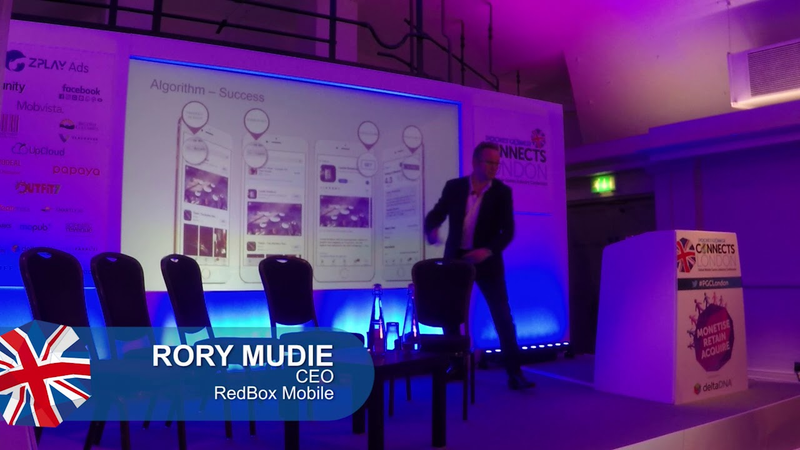
How to get your app to the top of the App Store
Achieving a top ranking in the App Store is a deliberate, labor-intensive process rather than a result of accidental viral success.
- Approximately 65% of all app discovery occurs through search, making App Store Optimization (ASO) and paid search the primary drivers of visibility.
- Metadata should be treated as a tool for algorithmic communication rather than human marketing, requiring iterative testing and the systematic removal of underperforming keywords.
- Developers must maximize the use of available character limits across titles, subtitles, promotional text, and descriptions to seed high-relevance keywords multiple times.
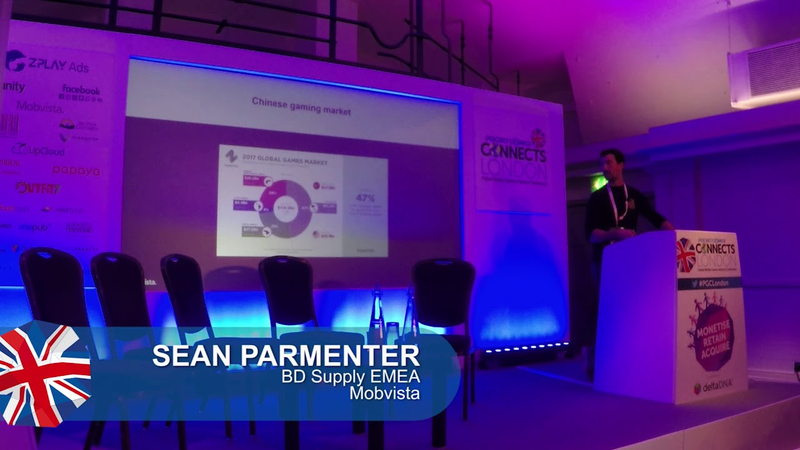
The rise and rise of the Chinese mobile gaming market
The Chinese mobile gaming market represents a significant and rapidly expanding opportunity for global app developers, currently serving as a primary growth engine for the industry.
- The Chinese mobile gaming market has surpassed North America in total gaming revenue, generating $27.5 billion with mobile gaming accounting for over 50% of that total.
- The market currently supports approximately 500 million mobile gamers, and the average revenue per user has increased tenfold since 2014.
- Strategic and adventure-based games featuring long-term progression are currently the strongest performers, driven by high engagement rates and word-of-mouth growth.

Maxing out your Facebook user acquisition for games
Effective user acquisition for mobile games on Facebook and Instagram relies on a sophisticated transition from broad, volume-based targeting to highly refined, value-driven optimization.
- Transition user acquisition strategies from broad, volume-based install targeting to App Event Optimization and Value Optimization once sufficient player data is collected.
- Identify and prioritize specific post-install milestones, such as tutorial completion or competitive ranking, to train algorithms to target high-value players rather than just download volume.
- Focus human effort on creative strategy and visual storytelling, as constant iteration of ad content is the primary differentiator for success in a landscape where automation handles technical delivery.
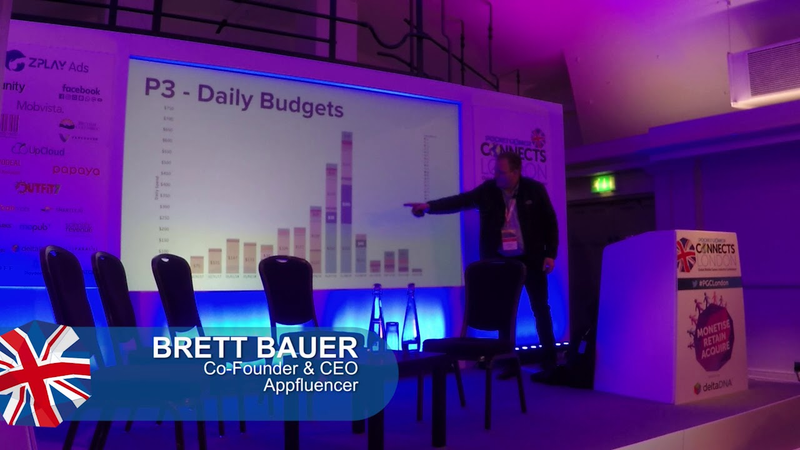
Through the looking glass – Following the rabbit down the data… Whole
This analysis explores a data-driven methodology for optimizing user acquisition (UA) campaigns through transparent, real-time bidding (RTB) platforms.
- Shift user acquisition focus from vanity metrics like click-through rates to value-based outcomes, specifically long-term user retention and monetization.
- High click-through rates are poor indicators of performance, as some low-engagement creatives have been shown to generate double the installs at a fraction of the cost.
- Utilize machine learning systems capable of processing over 24 trillion daily calculations to automate complex decisions regarding country targeting, app selection, and dynamic pricing.
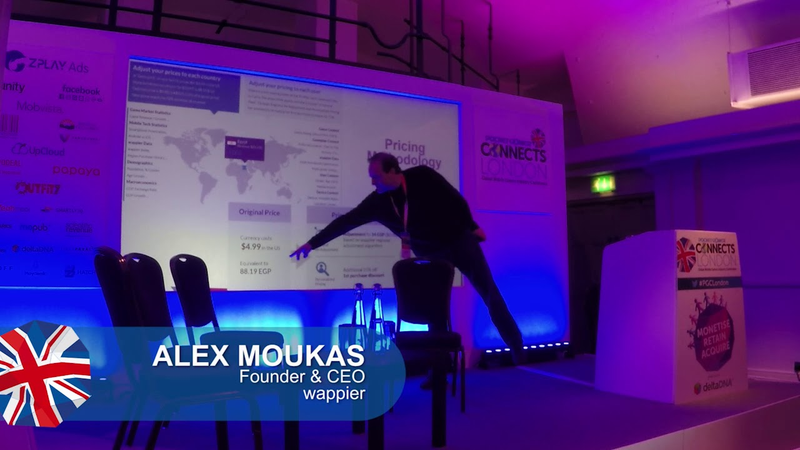
Don't do it like a virgin – Automated revenue management in gaming
The mobile gaming industry is experiencing rapid growth, with in-app purchase revenue projected to reach $140 billion within four years.
- Automated Revenue Management (ARM) systems leverage machine learning to shift focus from user acquisition to maximizing lifetime value (LTV) through personalized monetization.
- Adjusting pricing to local economic conditions can increase transaction volume by over 170% in specific markets.
- Data-driven loyalty programs and automated engagement tactics can improve player retention rates by 20% to 40%.
5 reasons why you need to embrace interactive ads now
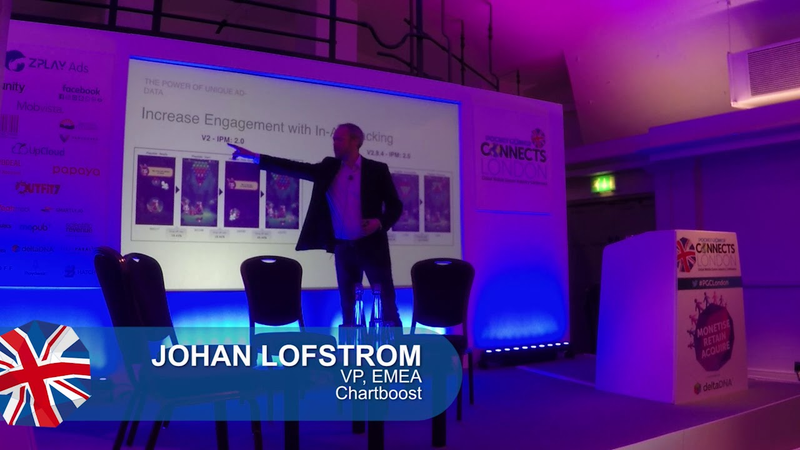
Interactive advertising represents the next generation of mobile marketing, offering superior performance compared to traditional banners, interstitials, and standard video units.
- Interactive ads, including playables and interactive videos, outperform traditional banners and interstitials by driving higher conversion rates, improved brand recall, and superior long-term user retention.
- Interactive formats provide granular data that allows developers to track user behavior within the ad, identifying specific drop-off points to optimize ad funnels.
- Analyzing metrics like installs per mille (IPM) enables developers to refine ad content, remove unnecessary tutorial steps, and highlight the most compelling gameplay elements to increase revenue and ROI.
Hatch and the new opportunity of on-demand gaming
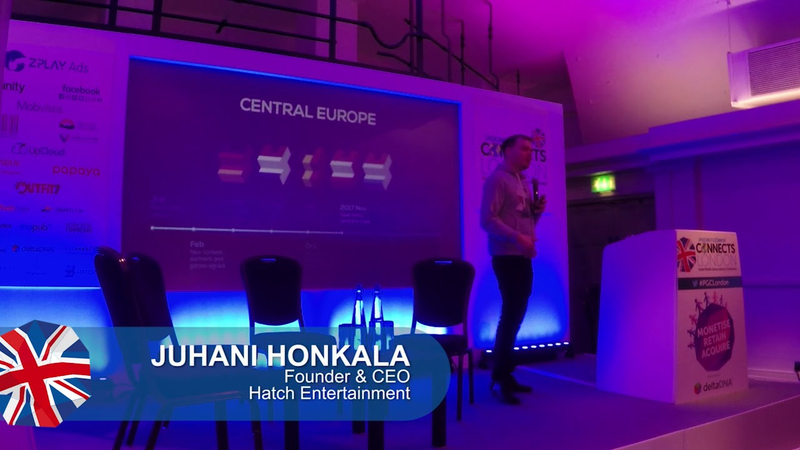
The emergence of on-demand, cloud-based gaming represents a significant shift in the mobile industry, mirroring the transition from ownership to subscription models seen in music and video streaming.
- The platform utilizes cloud architecture to stream native Android games, eliminating the need for HTML5 ports and reducing multiplayer prototype development time from months to days.
- The service operates on a dual-revenue model combining advertising and subscriptions, with a commitment to share 70% of generated revenue with content partners.
- The business model shifts mobile gaming from free-to-play monetization loops to a subscription-based, on-demand format that prioritizes premium content quality.
Mobile gaming: Been there, done that
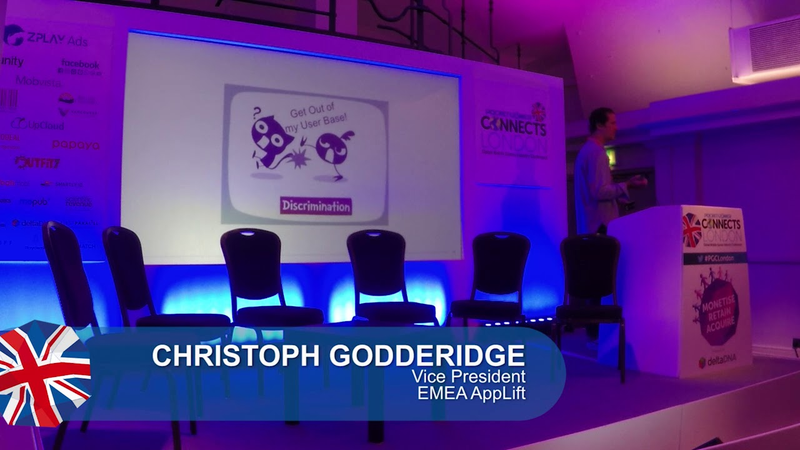
The mobile gaming industry has experienced exponential growth since 2009, with app stores now hosting millions of titles.
- The top five apps on a user's device capture approximately 90 percent of their total screen time, creating a highly saturated environment where most installed applications struggle to gain meaningful engagement.
- Market dominance is increasingly held by established titles, as data shows the most successful games are often several years old rather than new releases.
- Retention is a more critical driver of success than initial acquisition, particularly because the cost of acquiring a new user significantly exceeds the cost of retaining an existing one.
Monetisation revealed – stories and data behind ad revenue success
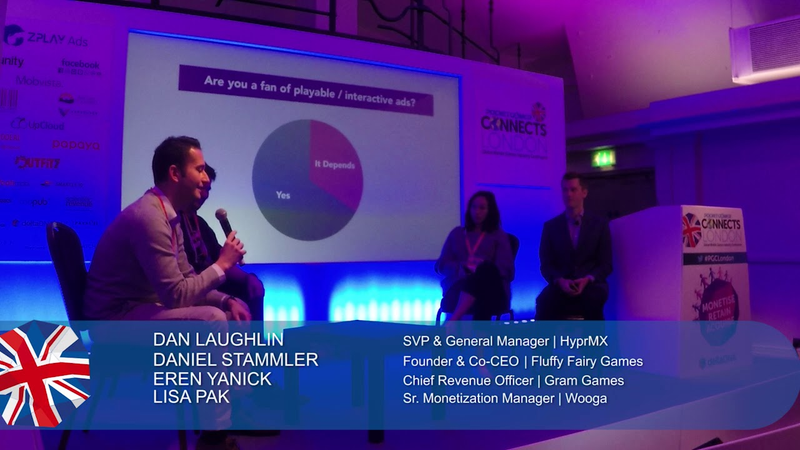
This panel discussion explores mobile game monetization strategies, focusing on the balance between ad revenue and user experience.
- Prioritize long-term player retention over short-term revenue gains by ensuring monetization strategies are deeply integrated into the core game loop.
- Implement only voluntary, opt-in ad formats, such as rewarded videos, to avoid the negative impact on user experience associated with intrusive interstitials.
- Utilize multiple ad networks through mediation rather than relying on a single source to ensure competitive bidding, higher fill rates, and better ad quality.

Gamified panel: Which ad won?
Interactive mobile advertising strategies prioritize gameplay-driven mechanics to maximize user acquisition and conversion.
- Granular creative refinement and visual iterations can drive performance improvements of up to 99%.
- Localized creative assets significantly boost performance, yielding up to a 56% uplift in specific markets like Sweden.
- Interactive, gameplay-driven ads consistently outperform static or video-only formats in user acquisition and conversion.
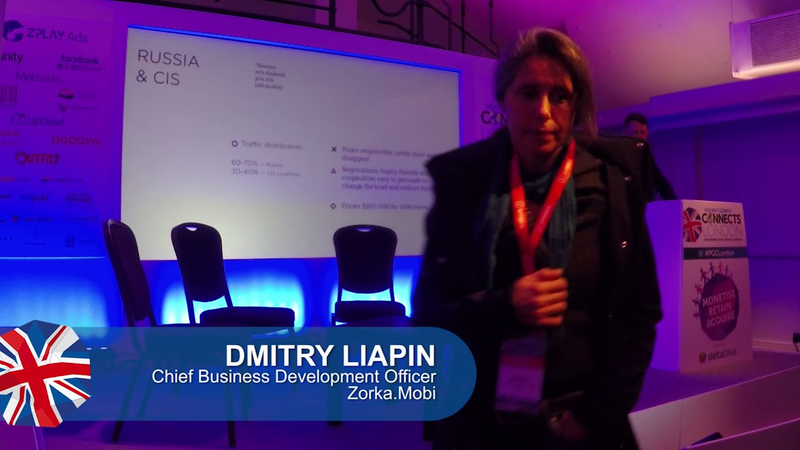
Influencer marketing: The tips that your app needs
Influencer marketing has emerged as a high-growth channel for mobile game user acquisition, driven by increasing consumer trust in content creators and the widespread adoption of ad-blocking technology.
- Influencer marketing serves as a high-growth user acquisition channel that bypasses ad-blocking technology by leveraging the authentic trust between creators and their audiences.
- Mid-tier creators often outperform top-tier influencers in both cost-efficiency and campaign performance, making them a more strategic focus for most mobile game developers.
- Campaign success relies on providing creators with language-specific briefs and in-app incentives to drive conversions, supported by 24/7 communication to manage operational needs.