Mobile reports and market data
Documents
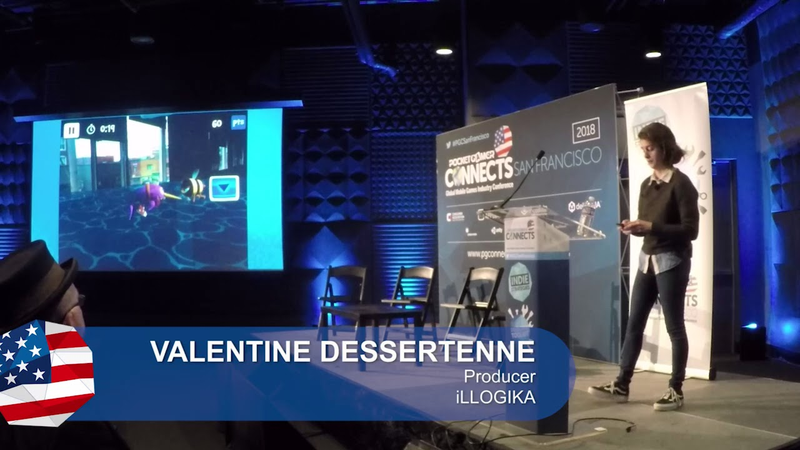
Augmented reality games for kids – Lessons learned from Sky Whale AR
The development of Sky Whale AR, an augmented reality (AR) expansion for a Nickelodeon-branded mobile game, serves as a case study for addressing the technical and ergonomic challenges inherent in creating AR experiences for children.
- To mitigate physical fatigue in children, AR sessions should be limited to approximately one-minute, high-intensity intervals with minimal edge-based screen interactions.
- Developers should adopt a non-gated approach to AR, ensuring it remains an optional feature that does not compromise the core 2D gameplay experience, as seen in the April 2018 launch of Nickelodeon's Sky Whale AR.
- Rather than relying on unreliable surface detection, developers should prioritize device movement as the primary control input to improve tracking consistency.
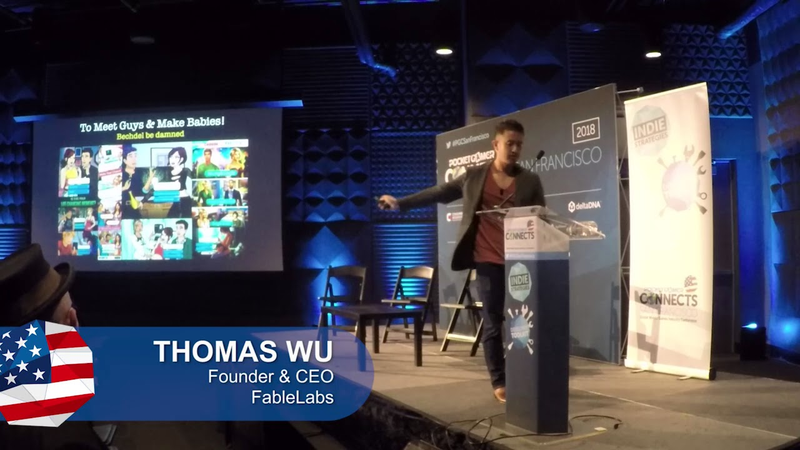
Talking narrative in games
The presentation argues that the video game industry frequently relies on flawed, exclusionary patterns and oversimplified data models that stifle innovation and misidentify target audiences.
- Industry reliance on rigid, bias-driven data models frequently leads to the misidentification of target audiences and the stifling of creative innovation.
- Historical industry generalizations regarding gender-based genre preferences are inaccurate, as female audiences represent significant viewership segments for high-fantasy, horror, and sci-fi content.
- Developers should shift from reactive, data-obsessed design to first-principles thinking, using data only to validate hypotheses and identify pain points rather than to dictate creative direction.
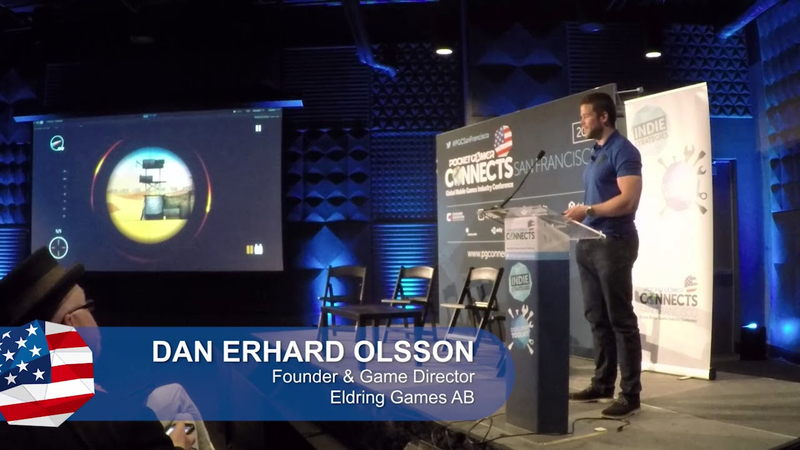
Clear Vision: From hospital bed to hit game
The development of the Clear Vision sniper game series serves as a case study in transitioning from personal adversity to professional success within the independent game industry.
- The Clear Vision sniper series, created by Dan Erhard Olsson of Eldring Games, has achieved over 35 million mobile downloads and millions of plays since its 2007 debut.
- Eldring Games successfully differentiated its product by pairing a minimalist stick-figure aesthetic with dark, mature, story-driven narratives.
- The studio is currently evolving the franchise with Clear Vision Online, a synchronous multiplayer title that integrates base-building and weapon customization mechanics.
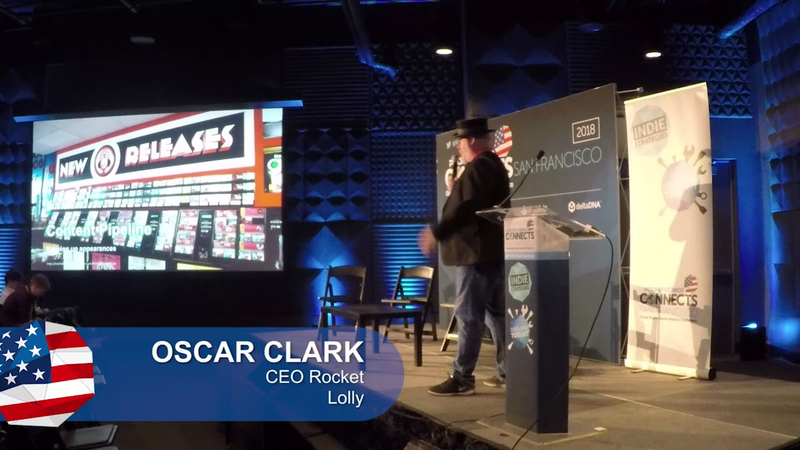
What does live ops mean for your indie game?
LiveOps represents the essential practice of managing the player lifecycle post-launch, a phase that often accounts for 80% of a game’s total workload.
- Post-launch management accounts for 80% of a game’s total workload, necessitating a shift from a product-based mindset to a sustainable service model.
- Predictable, scheduled updates—such as rotating content or price changes—are the primary drivers of player retention and increased revenue.
- Developers should implement automated content pipelines and templated assets to maintain engagement without requiring constant manual intervention from the team.
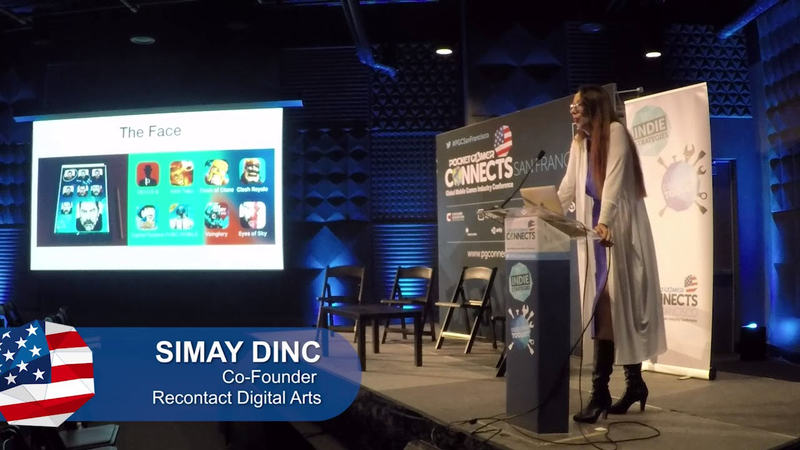
Recontact Istanbul: Eyes Of Sky postmortem
Recontact Digital Arts, a Turkish studio, developed the Recontact series to pioneer the integration of interactive cinema and mobile gaming.
- Recontact Digital Arts scaled its development team from three to 30 employees to produce the interactive cinematic game Recontact: Istanbul using the Unity engine.
- The studio successfully reached approximately 60 million users globally by merging high-fidelity live-action film with interactive mobile gameplay.
- Technical optimization was critical to the project, requiring the studio to compress high-resolution video assets from two gigabytes down to 500 megabytes for mobile performance.
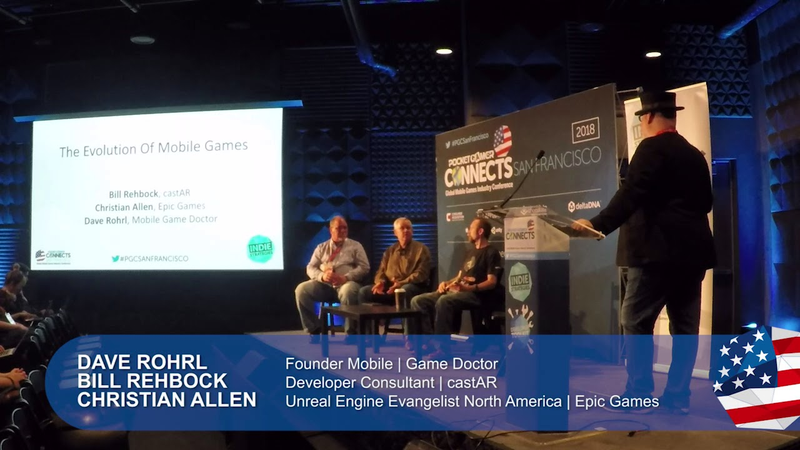
The evolution of mobile games
Mobile game development has undergone a fundamental transformation, shifting from the creation of secondary, bite-sized experiences to the integration of mobile platforms into primary, high-end development pipelines.
- Mobile gaming has shifted from short, two-to-five-minute sessions to long-form, console-quality experiences, as evidenced by the success of titles like Fortnite.
- Developers should adopt a platform-agnostic strategy by building projects from the lowest level of detail upward to ensure scalability across mobile, PC, and XR platforms.
- Prioritizing core gameplay loops over transient monetization trends is essential for long-term success in an industry where traditional platform barriers are becoming increasingly porous.
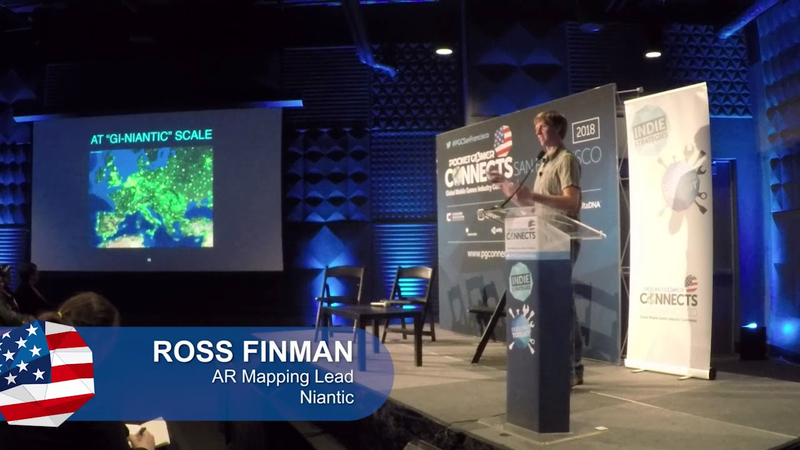
Niantic's AR mapping lead on using Earth as an AR gameboard
The integration of the physical world as a primary game board represents the next frontier for augmented reality (AR) gaming.
- The future of AR gaming involves shifting from simple digital overlays to a hybrid model where physical geography, objects, and social interactions dictate core gameplay mechanics.
- AR interactivity is evolving through four levels, progressing from basic digital overlays to the long-term goal of bidirectional interaction where digital content appears to manipulate physical objects.
- The current state of the AR gaming industry is analogous to the mobile gaming market in 2007, indicating it is in an early developmental phase that requires the creation of new, AR-specific mechanics.
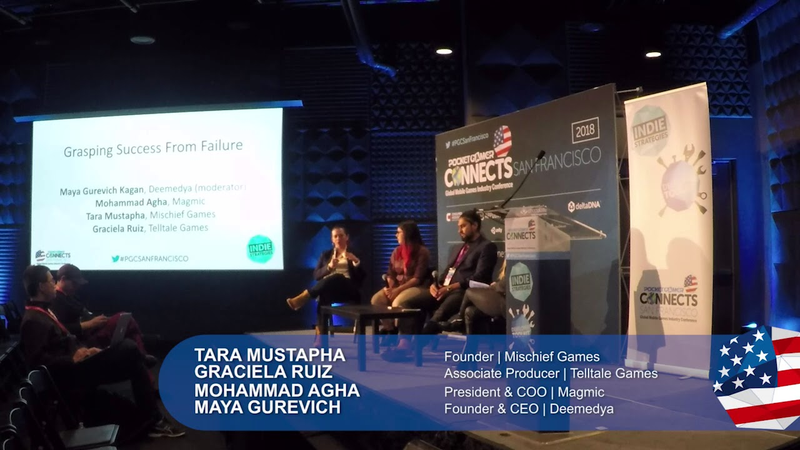
Grasping success from failure
The mobile gaming industry faces significant hurdles regarding user acquisition, development scope management, and the emotional difficulty of abandoning underperforming projects.
- Adopt a data-driven methodology that treats project failure as an inevitable part of the creative process to optimize production workflows and decision-making.
- Utilize regional soft launches to rigorously test core game loops and identify churn triggers before committing to a global release.
- Integrate monetization models during the earliest stages of development, as these choices fundamentally dictate the design of the core game loop.
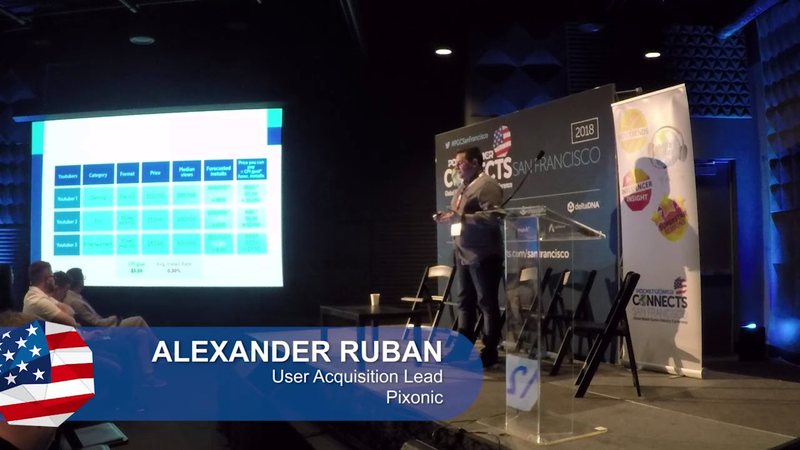
Influencer marketing – Easy ways to start receiving positive return on investment
Influencer marketing serves as a critical, high-performing acquisition channel for mobile games, particularly as ad-blocking technologies limit the effectiveness of traditional display advertising.
- Transform influencer marketing into a predictable acquisition channel by using median view metrics rather than volatile individual video performance to forecast reach.
- Calculate affordable influencer partnership rates by multiplying median views by average conversion rates and target cost-per-install (CPI) goals before entering negotiations.
- Categorize influencers by genre and content type to identify high-performing segments, such as non-gaming or DIY channels, which often outperform traditional gaming influencers.
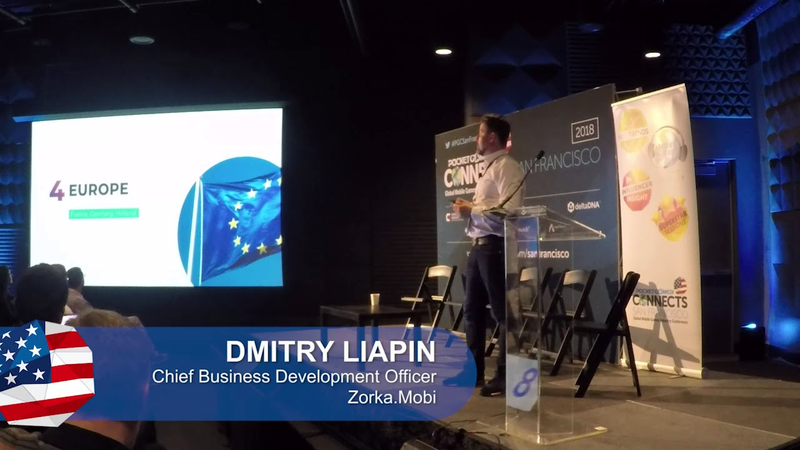
Dare to manage – Regional features of influencer marketing
Influencer marketing requires a nuanced, region-specific strategy to effectively drive mobile app user acquisition.
- Influencer campaigns can drive significant organic uplift, with well-executed strategies often resulting in up to 70% of total app installs coming from organic sources.
- Global influencer marketing requires region-specific operational workflows: US campaigns are contract-heavy and high-effort, requiring approximately 1,000 outreach emails to secure 20 partnerships.
- Advertisers must implement rigorous data verification to combat fraudulent metrics, as falsified demographic screenshots are a persistent risk in influencer marketing.
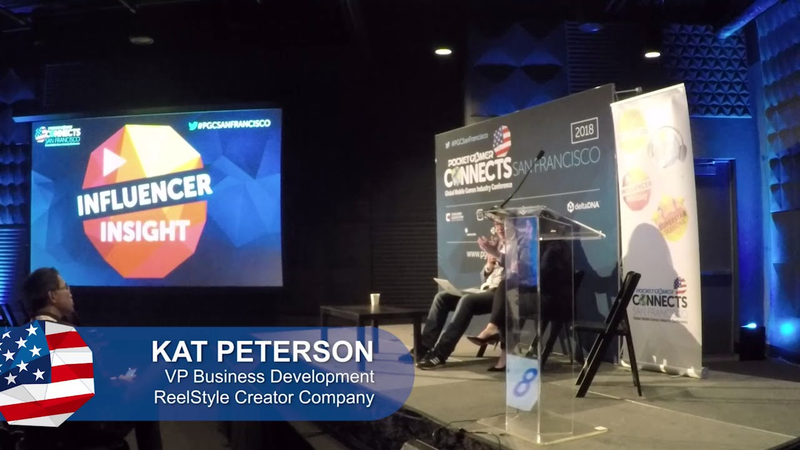
Fireside Chat: The dos And don’ts of working with influencers
Influencer marketing requires a strategic, human-centric approach that prioritizes authentic alignment between creators and brands over purely transactional exchanges.
- Only 30% of inbound influencer inquiries convert into paid campaigns, primarily due to poor outreach clarity and mismatches between brand expectations and creator content styles.
- Brands should prioritize transparency by explicitly stating budgets and confirming the partnership is a paid campaign to increase the likelihood of securing a creator.
- The industry is shifting away from programmatic, automated ad-buying toward direct, human-centric relationships that mirror traditional media models like radio.
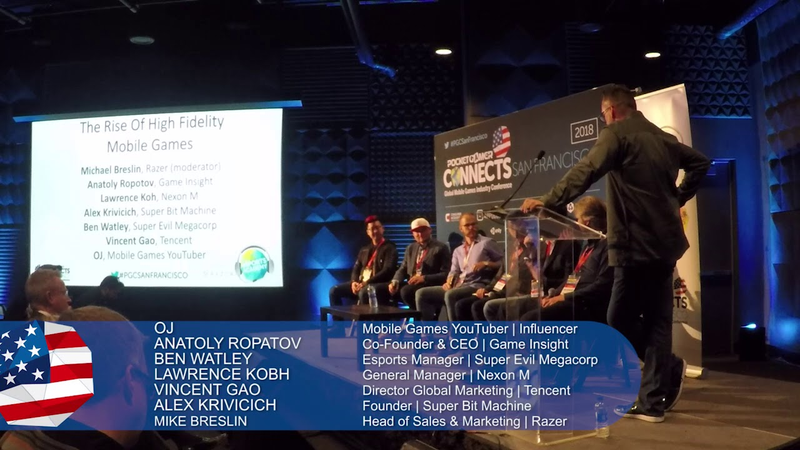
The rise of high fidelity mobile games
The mobile gaming industry is undergoing a fundamental transformation as it shifts from casual, low-complexity titles toward high-fidelity, hardcore experiences that rival traditional console and PC gaming.
- The mobile gaming market is shifting from casual, low-complexity titles to high-fidelity, hardcore experiences that directly compete with console and PC gaming.
- Technological advancements, specifically the widespread adoption of high-refresh-rate displays and 5G connectivity, have removed latency barriers to enable complex, synchronous multiplayer gameplay.
- High-fidelity titles like battle royales and MOBAs are increasingly displacing traditional puzzle games in Western markets due to superior monetization potential and deeper player engagement.