Mobile reports and market data
Documents

Next-Gen Mobile Games: The Arrival of Cross-Platform and Evolution of High-Fidelity Mobile Games
Mobile has become the largest and fastest-growing gaming platform, and its next phase is defined by the rise of high-fidelity, cross-platform titles.
- Mobile gaming is the industry's dominant force, generating $90.7 billion in 2021 and accounting for over half of total global gaming revenue.
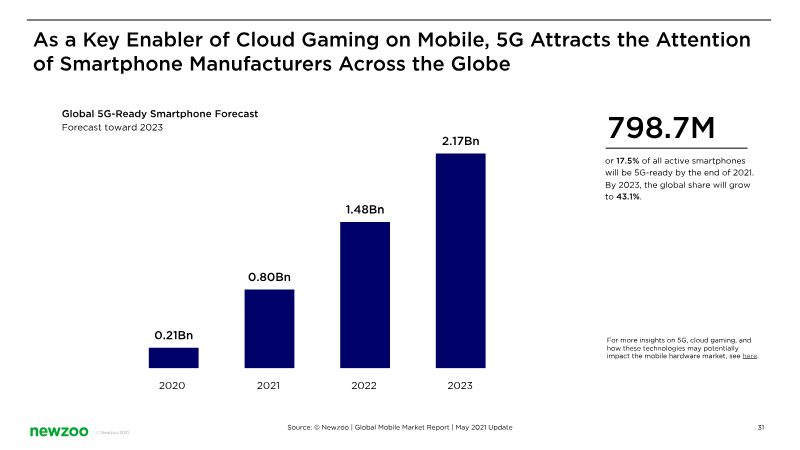
- The global mobile player base is projected to grow from 2.8 billion in 2021 to 3.2 billion by 2023.
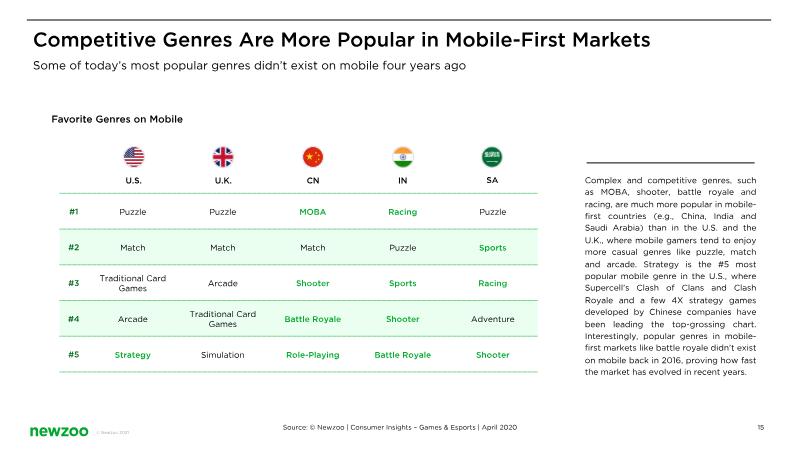
- High-fidelity games with AAA-quality production now account for nearly 70% of the top-grossing iOS titles in China, signaling a shift away from casual-only dominance.

How to Win on Mobile in LATAM
Latin America's mobile market is large, fast-growing, and Android-dominated, with significant opportunity in gaming, shopping, finance, and entertainment.
- Brazil and Mexico dominate the LATAM mobile market, collectively accounting for 73% of the region's 20.9 billion downloads between July 2020 and June 2021.
- While Android commands 89% of total downloads, iOS captures 56% of consumer spend, highlighting a significant disparity in monetization potential between the two platforms.
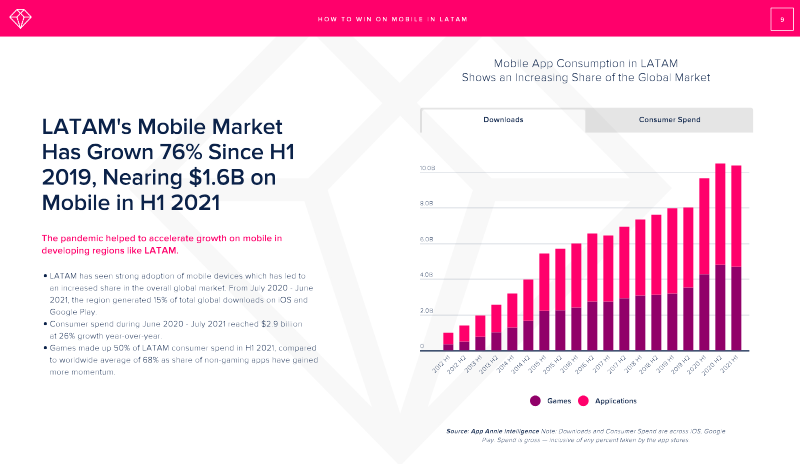
- Gaming represents 50% of total consumer spend in the region, with hypercasual titles driving volume while Strategy and RPG subgenres account for 60% of gaming revenue.

The State of MOBA Mobile Games 2021
Mobile MOBA is one of the fastest-growing Strategy sub-genres, and revenue is increasingly concentrated among a few dominant titles.
- The mobile MOBA market is a 'winner-takes-all' environment dominated by Tencent, Supercell, and ByteDance, making it difficult for new entrants to succeed without established brand recognition.
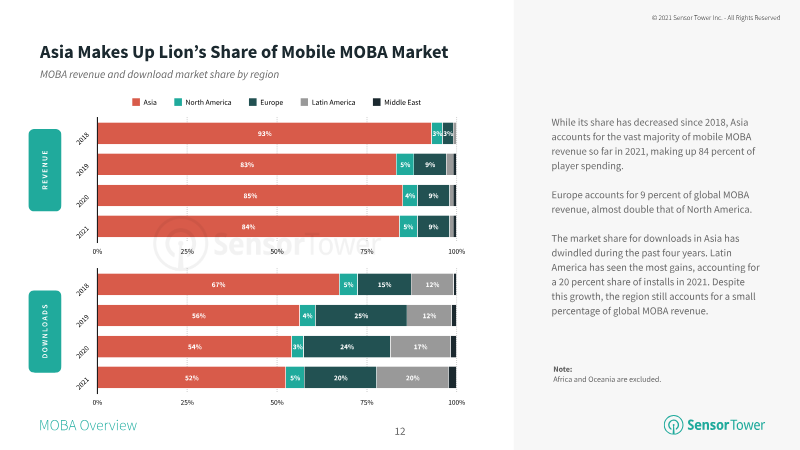
- Global MOBA player spending reached approximately $2 billion in the first half of 2021, with Asia accounting for 84 percent of total revenue.
- Honor of Kings is the industry leader with over $10 billion in lifetime revenue, while Pokémon Unite set a sub-genre record with 15 million downloads in its first two days following its September 2021 launch.

Mobile Game Taxonomy Report 2021
Sensor Tower's 2021 taxonomy analysis examines how mobile game genres, art styles, camera perspectives and themes performed worldwide in 2020, focusing on the top 1,000 games by downloads and the top 100 by spending.
- Hypercasual games became the dominant volume leader in 2020 with 6.3 billion downloads, a 123% year-over-year increase that surpassed the Arcade genre.
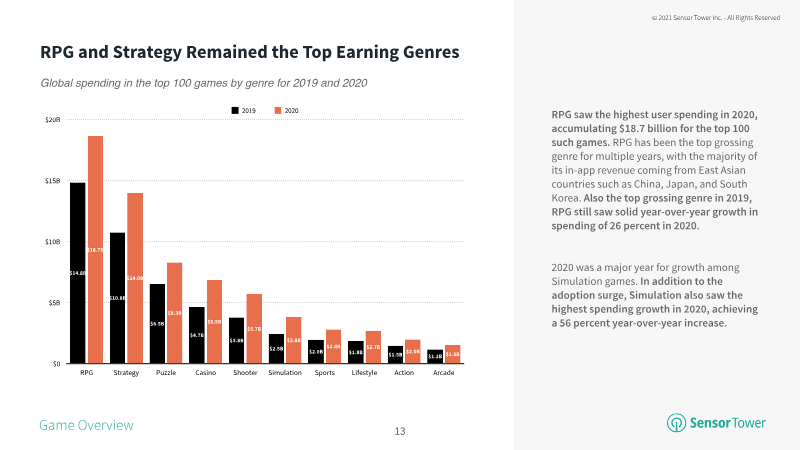
- RPG and Strategy titles maintained their financial stronghold, collectively generating 50% of the total global revenue among top-performing mobile games.
- Simulation games experienced the highest spending growth in 2020, recording a 56% increase in consumer expenditure.

Mobile App Trends 2021: A Focus on APAC
Mobile app behavior in the Asia-Pacific region shifted sharply in 2020 as lockdowns pushed users toward mobile for entertainment, banking, shopping and daily tasks.
- APAC dominates the global mobile market, accounting for 64% of total app downloads and 60% of global mobile gaming revenue.
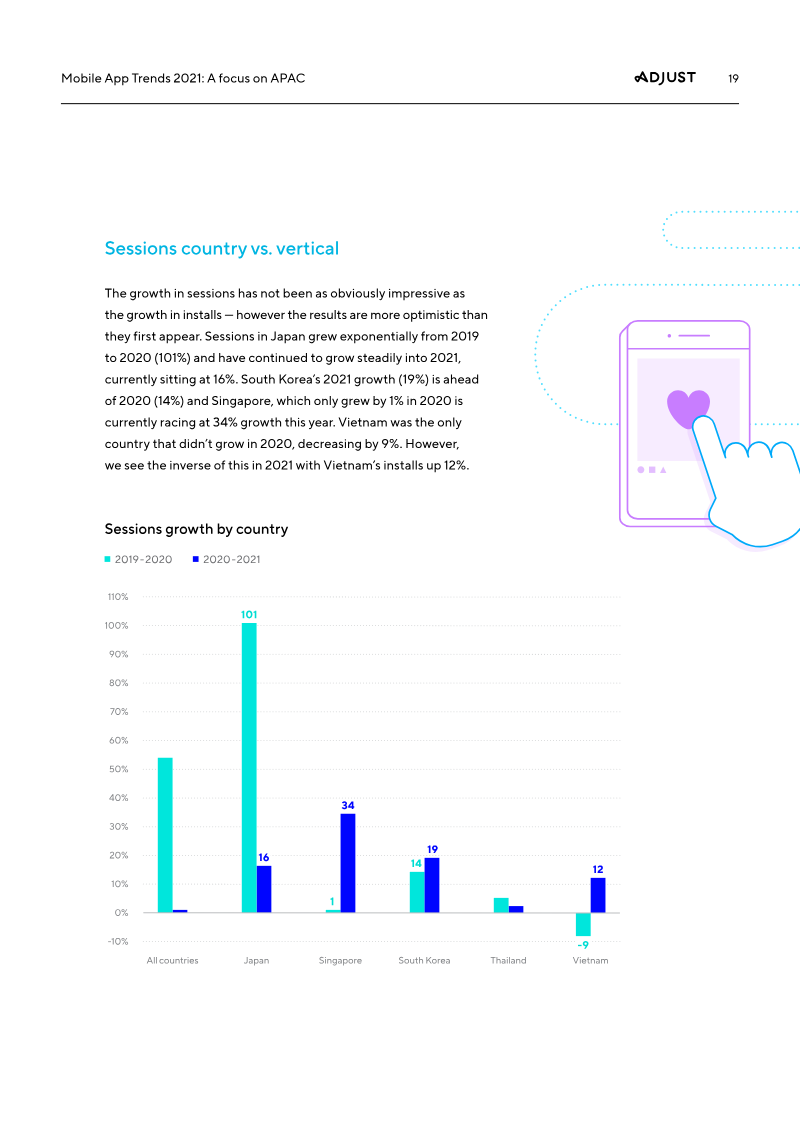
- Mobile adoption surged during 2020 lockdowns, driving a 31% increase in regional installs and a 54% rise in sessions year-over-year.
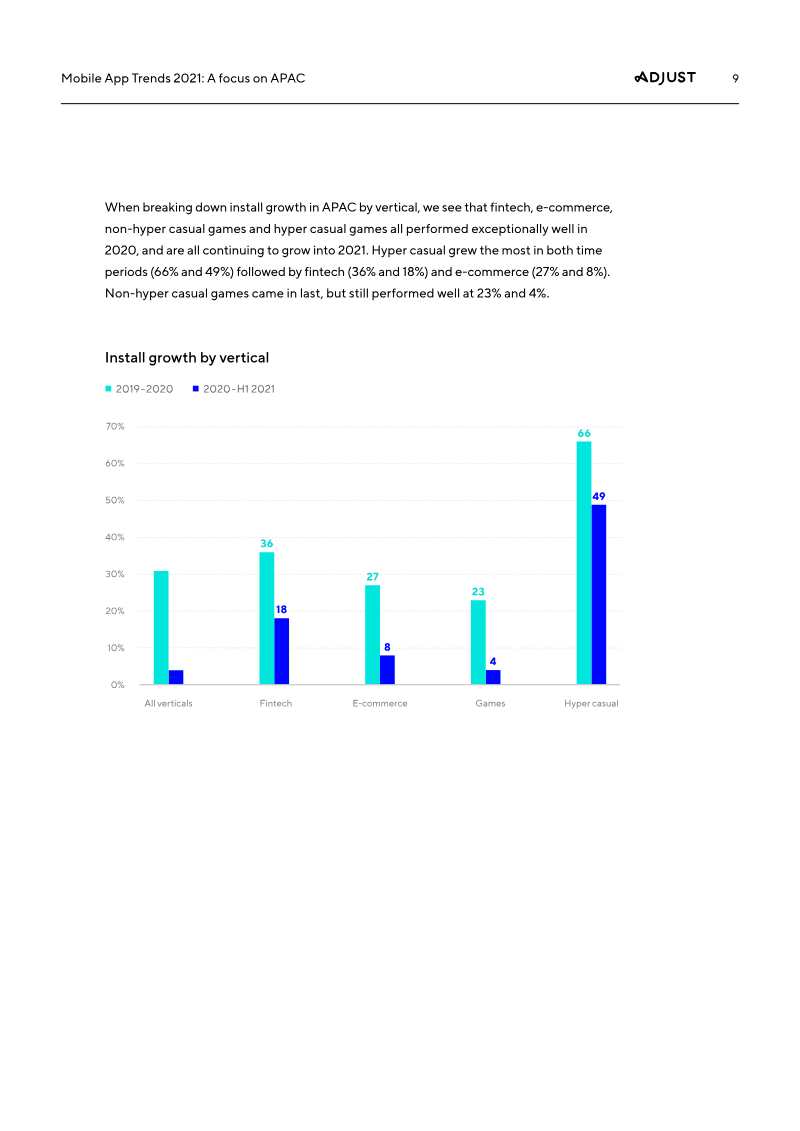
- Hyper-casual gaming experienced explosive growth with a 66% increase in installs during 2020, while fintech installs grew by 36% in the same period.
Mobile App Trends 2021: A Global Benchmark of App Performance
Adjust's 2021 global benchmark examines how mobile app performance shifted during 2020's pandemic-driven surge and into early 2021, with the central argument that marketers must look beyond headline install numbers and account for vertical-specific behavior.
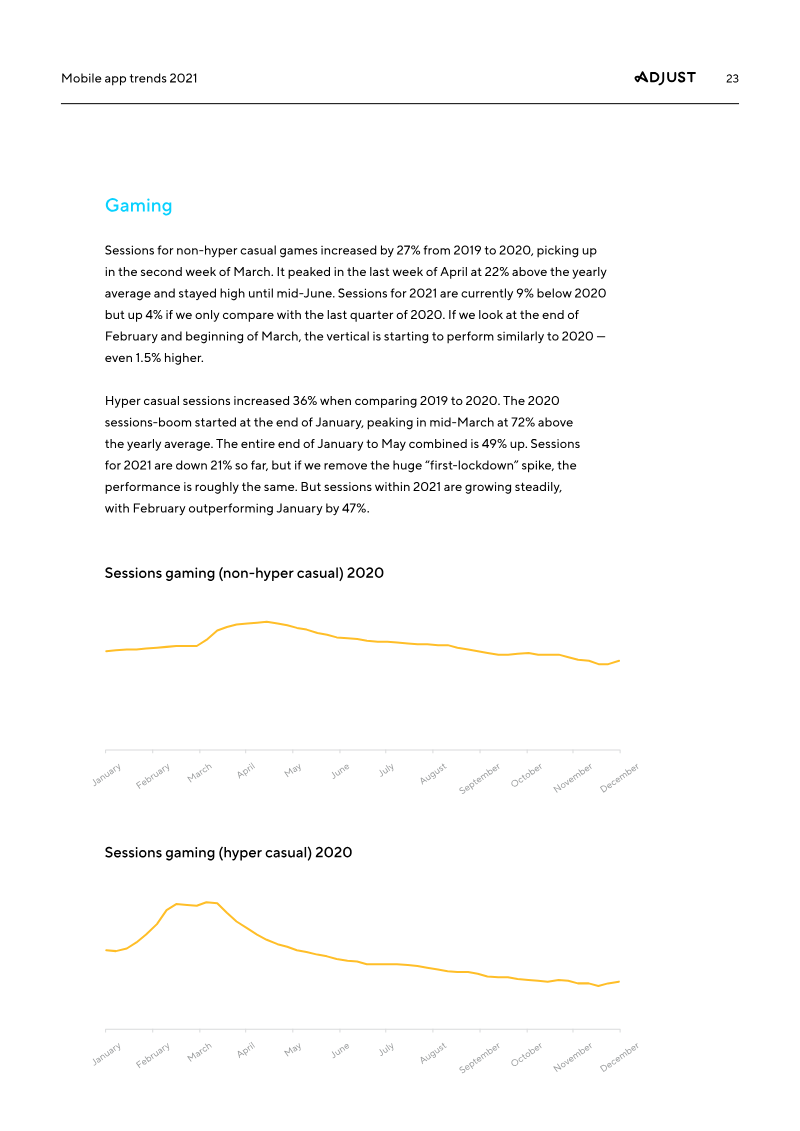
- The gaming industry reached a $165 billion valuation in 2020, bolstered by a 43% surge in hyper-casual game downloads.
- E-commerce experienced a shift toward deeper user integration, evidenced by a 58% increase in in-app transactions despite only a 6% rise in new installs.
- Fintech led all sectors in install growth at 51% and saw an 85% increase in total user sessions.

Casual Gaming Apps Report: The State of Play in 2021
Liftoff's Casual Gaming Apps Report analyzes how casual mobile games performed during the pandemic-driven boom, drawing on data from March 1, 2020 to February 28, 2021.
- Casual gaming user acquisition costs rose significantly between March 2020 and February 2021, with the average cost-per-install (CPI) increasing 45.2% year-over-year to $1.96.
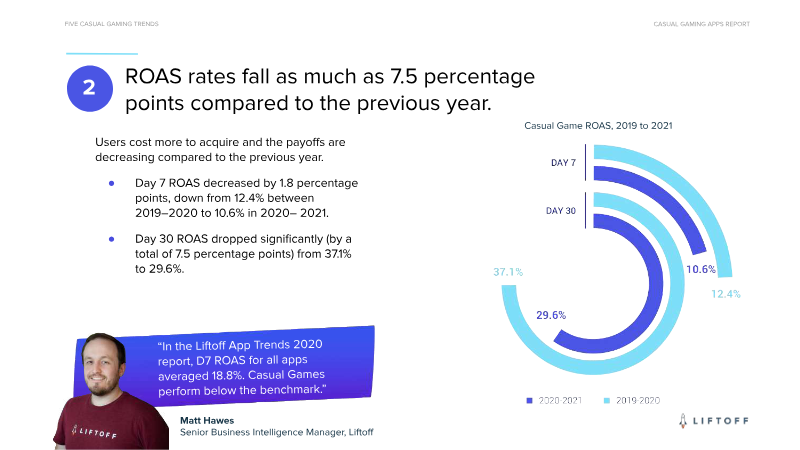
- Return-on-ad-spend (ROAS) for casual games declined by 7.5 percentage points to 29.6% by Day 30, signaling a tightening market for profitability.
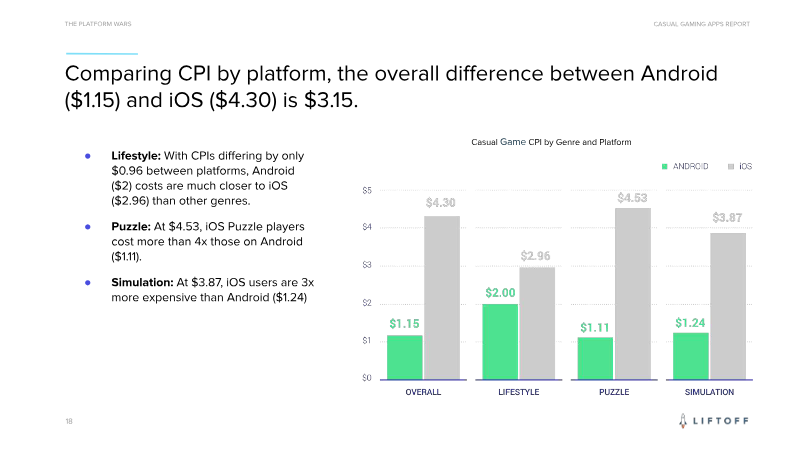
- Android CPIs surged 120% as marketers shifted strategies ahead of iOS privacy changes, though iOS remains more expensive with an average CPI of $4.30 compared to $1.15 on Android.
State of Mobile 2021
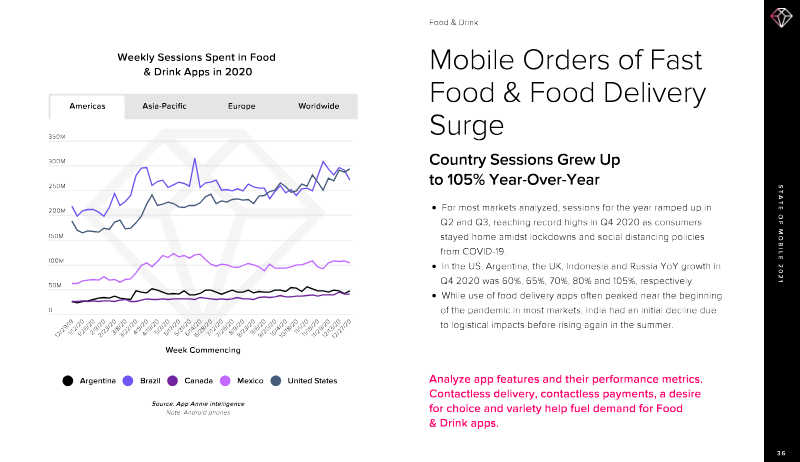
Mobile expanded sharply in 2020 as COVID-19 accelerated adoption and engagement worldwide.
- Mobile gaming remains the primary economic engine of the industry, accounting for 66% of total consumer spending and projected to exceed $120 billion in 2021.
- Global consumer spending on apps rose 20% year-over-year to $143 billion, while daily mobile engagement reached an average of 4.2 hours per user, surpassing live television viewership in the U.S.
- The mobile advertising market reached $240 billion in total spend, bolstered by a 95% increase in ad placements within the United States.

Mobile Game Genre Report: Comparing & Contrasting Eastern and Western Markets
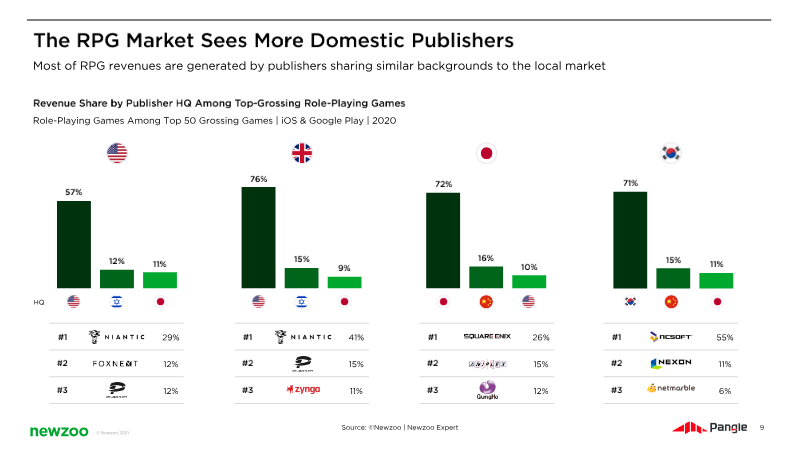
Newzoo and Pangle's second mobile genre report, following an earlier edition on puzzle games, examines role-playing games and contrasts how the genre performs in Eastern and Western markets.
- Role-playing games (RPGs) dominated the 2020 mobile market with $18.5 billion in revenue, representing over 21% of the global market share.
- East Asian markets (China, Japan, and South Korea) drive RPG financial performance, accounting for 72% of the genre's total global earnings.
- Successful RPG monetization is shifting toward hybrid models, as 83% of players are receptive to opt-in rewarded video ads alongside traditional gacha mechanics and battle passes.
The Modern Mobile Gamer: 2021 Gen Z Edition
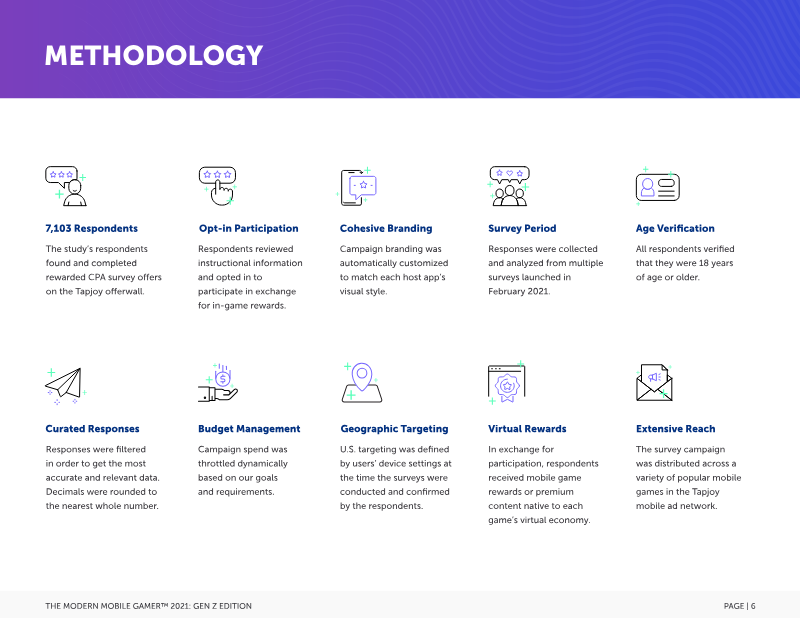
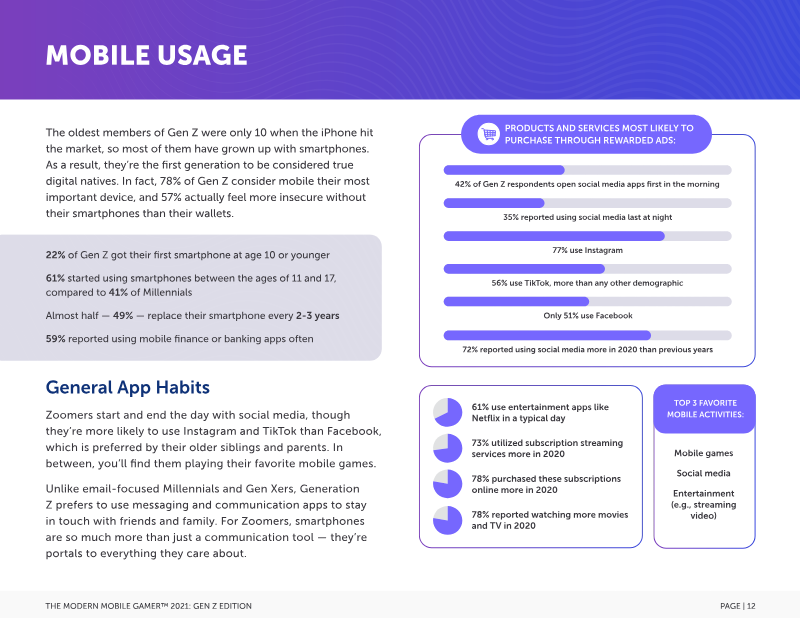
Tapjoy's 2021 Gen Z edition of its Modern Mobile Gamer series profiles U.S. consumers born in 1997 or later, arguing that Zoomers are digital natives who represent an underused opportunity for mobile marketers.
- Mobile is the dominant gaming platform for Gen Z, with 86% of the demographic using smartphones for gaming compared to only 42% who use consoles.
- Rewarded advertising is the most effective engagement strategy for this group, with 54% preferring rewarded ads and 53% engaging with them, significantly outperforming Instagram (38%) and TikTok (23%).
- The COVID-19 pandemic significantly accelerated mobile gaming adoption, with 71% of Gen Z respondents reporting increased mobile gameplay during 2020.
The State of App Engagement 2021: An Analysis of Key Global App Usage Trends in 2021
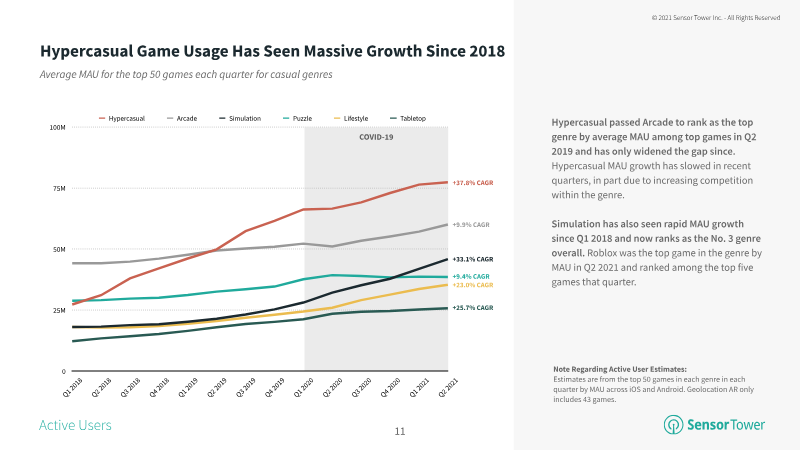
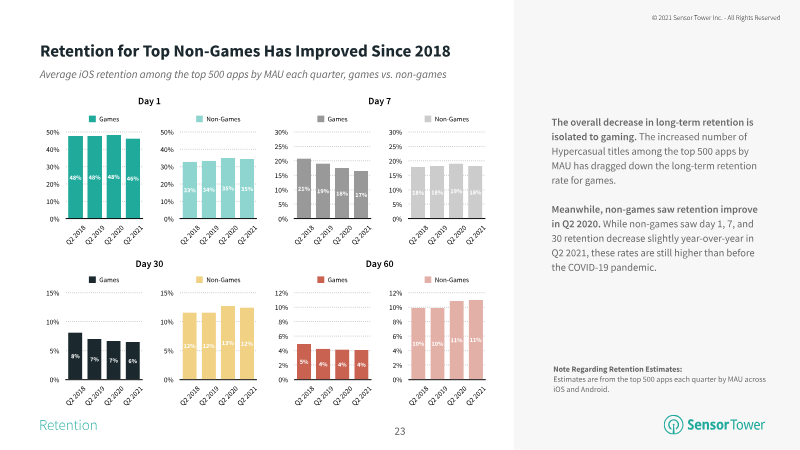
Mobile app engagement grew steadily worldwide from Q1 2018 through Q2 2021, according to an analysis of iOS and Android usage and store data covering active users, session metrics, and retention.
- Monthly active users for the top 500 apps grew at a compound annual growth rate of 12 to 14 percent between 2018 and 2021, with the average top app adding 10 million users annually.
- While pandemic-driven engagement spikes normalized by Q2 2021, overall usage metrics across iOS and Android remain higher than pre-pandemic levels.
- Mid-core gaming genres like Strategy and RPG command the highest engagement, with users averaging one hour of play per day and showing a strong correlation between time spent and revenue per download.

Gaming Spotlight 2021: The Year in Review
Mobile gaming is now the primary engine of growth in digital games, and cross-platform play is reshaping the wider market.
- Mobile gaming is the dominant market force, with 2021 spending projected to reach 2.9 times that of PC/Mac and 3.1 times that of home consoles.
- Pandemic-driven engagement peaked in Q1 2021 with over 1 billion weekly game downloads, a 30% increase over pre-pandemic levels, and weekly consumer spending rising 40% to $1.7 billion.
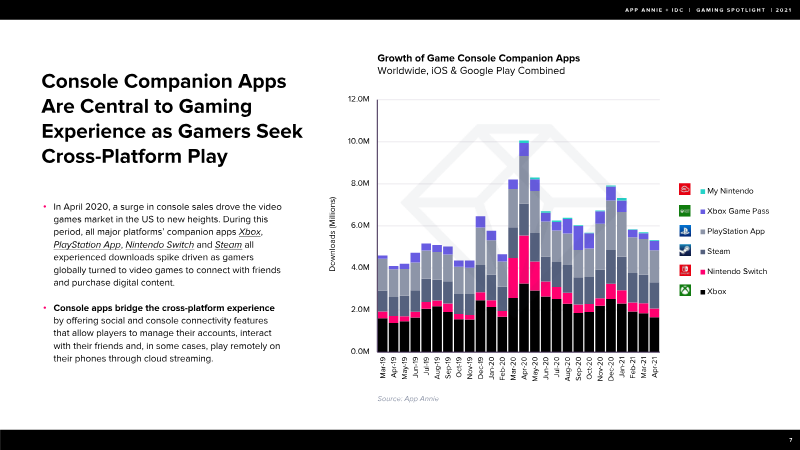
- Cross-platform play and real-time social features are now essential for engagement, as evidenced by the success of titles like Roblox and Genshin Impact.
Writers
Games and companies
Games