ReportAdjust
Mobile App Trends 2021: A Global Benchmark of App Performance
202135 pages~21 min full read
The mobile app industry underwent a transformative period of growth in 2020, characterized by a 50% year-over-year increase in global installs and a total consumer spend of $112 billion. While the fintech sector led in raw install growth at 51%, the gaming industry remained a dominant force with a $165 billion valuation, driven by a 43% surge in hyper-casual downloads. E-commerce demonstrated a distinct trend toward intensified user engagement; despite a modest 6% rise in installs, the vertical experienced a 44% increase in sessions and a 58% jump in in-app transactions, signaling a shift in consumer behavior toward deeper digital integration.
User engagement metrics across the ecosystem reflected this heightened activity, with overall sessions rising by 30%. Fintech and e-commerce sessions saw particularly sharp increases of 85% and 44%, respectively. Within the gaming sector, performance varied significantly by sub-genre. Hyper-casual titles relied heavily on paid acquisition and faced rapid churn, whereas non-hyper-casual games maintained superior retention, reaching median session lengths of 45 minutes by day 30. Cost structures also diverged sharply, as acquisition costs for general gaming peaked at $2.52 per install in the fourth quarter, while hyper-casual costs plummeted to a low of $0.27.
Sustaining growth in this increasingly competitive landscape requires a strategic pivot from volume-based metrics to sophisticated behavioral analytics. Developers must prioritize retention rates and effective cost per install (eCPI) to refine onboarding processes and ensure long-term profitability. Success in the current market depends on a data-driven, UX-centric approach that utilizes automation and real-time measurement to navigate evolving privacy regulations, such as iOS 14. Ultimately, the path to maximizing return on investment lies in personalized marketing campaigns and a granular understanding of vertical-specific user behaviors.
Adjust · 2026
Adjust · 2026
Adjust · 2025

Adjust · 2025

Adjust · 2025

Adjust · 2025
Adjust · 2025

Adjust · 2025

Adjust · 2025

Adjust · 2024

Sensor Tower · 2024
Adjust · 2024
Bryter · 2026

GameAnalytics · 2026

Sensor Tower · 2026
AppMagic · 2025

GameAnalytics · 2025

GameIntel · 2025

GameAnalytics · 2025
Xsolla · 2024
Apptica · 2023

Mistplay · 2023
Sensor Tower · 2022
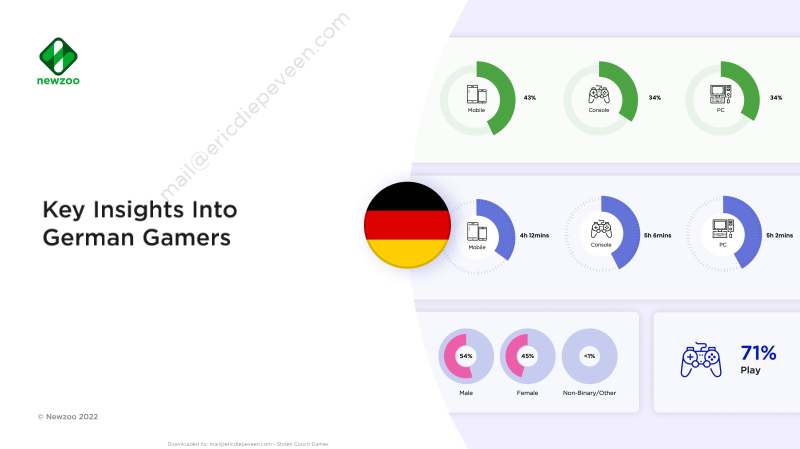
Newzoo · 2022