Market Forecast reports and market data
Documents


Microsoft Windows Azure Gaming Summit: Overview of and Future Outlook on the Global Games Market
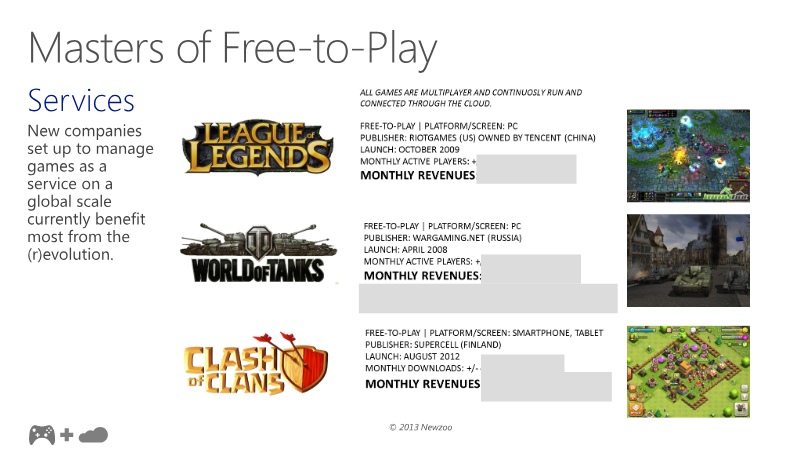
The global games market is undergoing a fundamental transformation, shifting from a product-based model to a service-oriented ecosystem driven by cloud connectivity and multi-screen engagement.
- The global games market generated $66.3 billion in 2012, serving a total population of 967 million gamers.
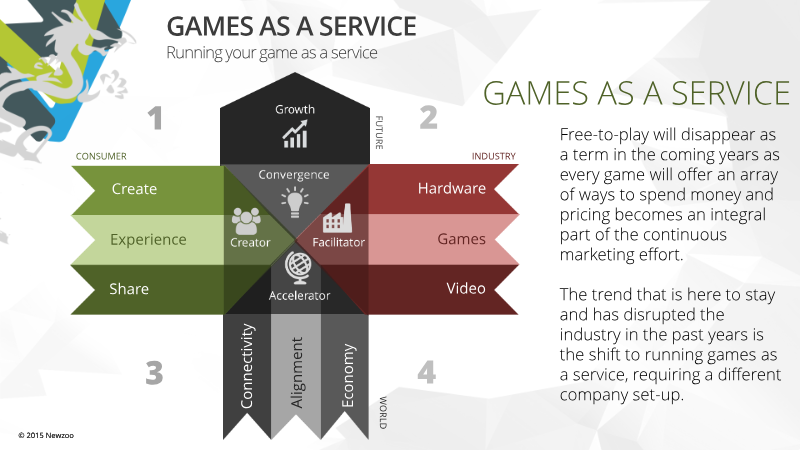
- The industry is shifting from a product-based model to a service-oriented ecosystem, with free-to-play business models now accounting for the majority of revenue across mobile and digital platforms.
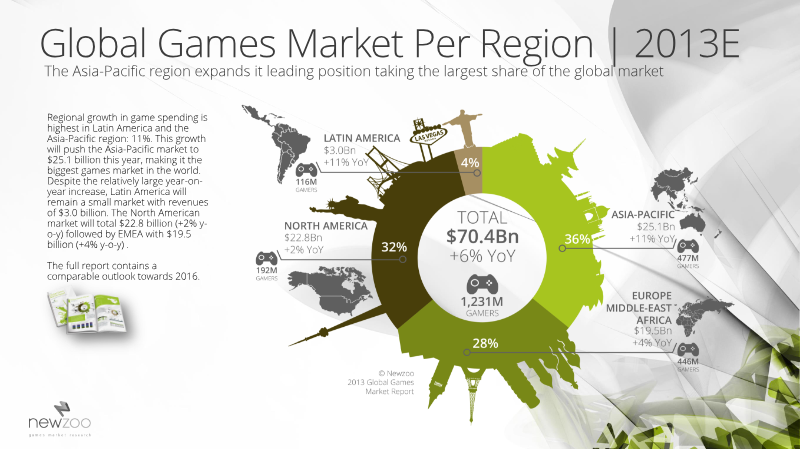
- Regional revenue is led by North America at $22.5 billion and the Asia-Pacific region at $22.4 billion, with Europe contributing $18.7 billion.

The Global Games Market: Trends, Market Data and Opportunities
The global games industry is currently undergoing a fundamental transformation characterized by the rapid ascent of mobile gaming and the professionalization of competitive esports.
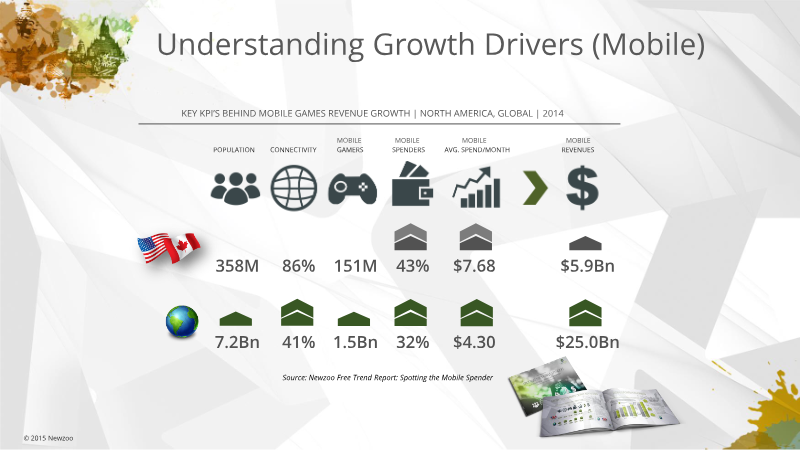
- Mobile gaming is the dominant global revenue driver, with the United States, China, and Japan serving as the primary engines of growth.
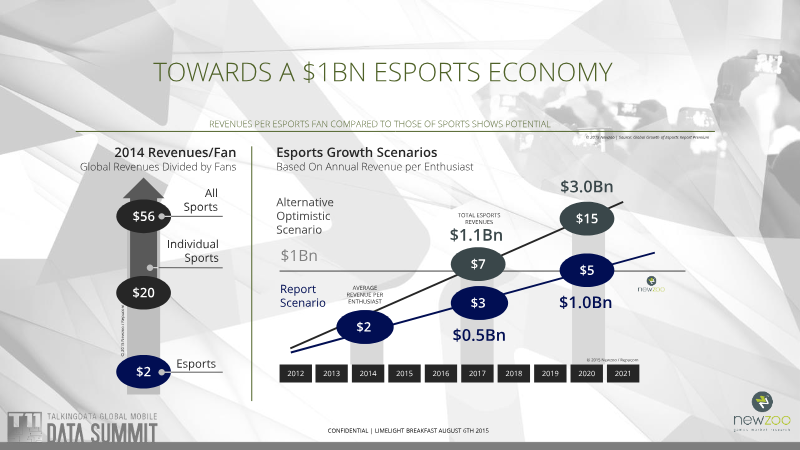
- The esports sector is projected to reach a $1 billion valuation by 2019, driven by the convergence of traditional sports and digital competitive play.
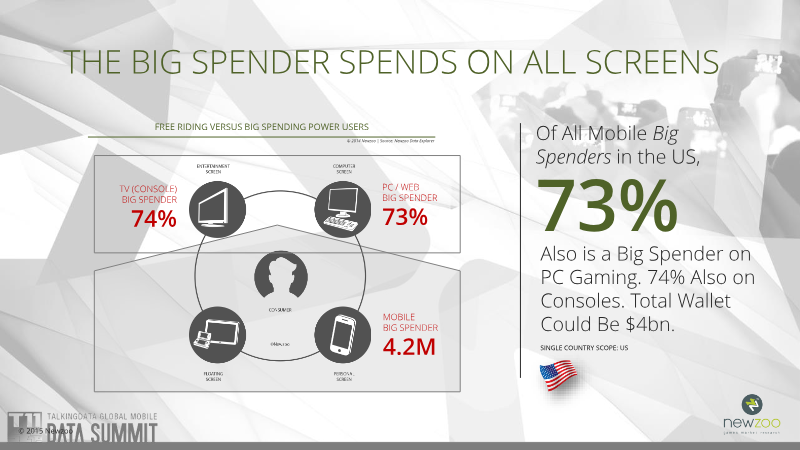
- In the United States, the most valuable consumer segment is comprised of employed, family-oriented males aged 21 to 35 who engage across multiple platforms.


Rolling into the Southeast Asian Games Market: Sizing Opportunities in the World's Fastest Growing Region
The Southeast Asian games market is currently experiencing a period of rapid expansion, positioning the region as one of the fastest-growing sectors in the global gaming industry.
- The Southeast Asian games market is projected to double in total revenue from $1.1 billion in 2014 to $2.2 billion by 2017.
- Mobile gaming is the primary growth engine for the region, with mobile revenues expected to triple and the total number of mobile gamers growing by 184% from 440 million to 1.25 billion between 2014 and 2017.
- Indonesia and the Philippines are the fastest-growing markets in the region, with projected CAGRs of 37.3% and 36.5% respectively between 2013 and 2017.

China's & Southeast Asia's Mobile Games Market: Every Piece of the Puzzle
This analysis examines the mobile gaming landscape in China and Southeast Asia as of mid-2015, highlighting the region’s pivotal role in the global games market.
- Mobile gaming is the fastest-growing segment of the global market, projected to reach $44.2 billion by 2018 with a compound annual growth rate of 15.9%.
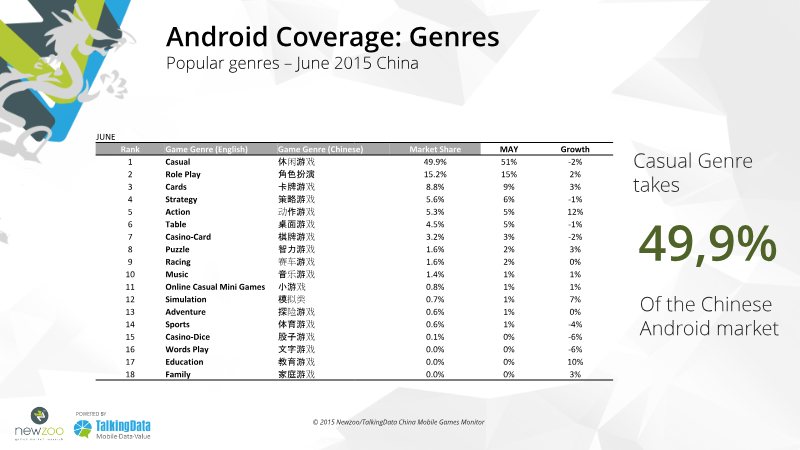
- China is the world's largest mobile games market, with 2015 revenues of $6.5 billion expected to grow to $11 billion by 2018.
- Southeast Asia is the fastest-growing region for gaming, with a projected revenue growth rate of 30.2% between 2014 and 2018, doubling total market value from $1.6 billion to $3.4 billion.


The Global Games Market: Key Facts & Insights 2012-2016
The global games market is projected to experience steady growth between 2012 and 2016, with total revenues expected to reach $86.1 billion by the end of the period.
- The global games market is projected to reach $86.1 billion in revenue by 2016, reflecting a compound annual growth rate (CAGR) of 6.7%.
- The Asia-Pacific region will solidify its market dominance, accounting for 37.9% of total global game revenues by 2016.
- Computer gaming remains the largest platform with a projected 35.8% market share by 2016, supported by a 10.4% CAGR in the MMO sector.
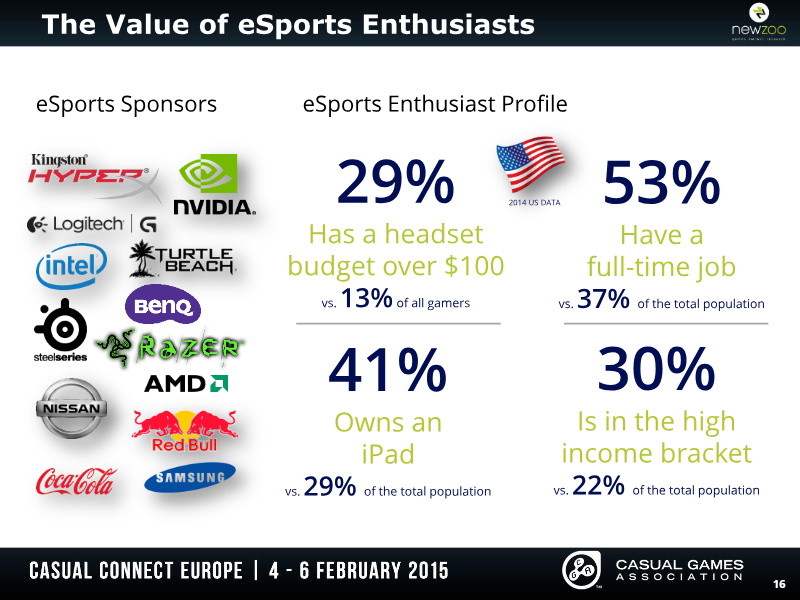

The eSports Economy: Trends, Audience and Revenue Growth Towards 2017
The eSports economy is experiencing rapid expansion, driven by a fundamental shift in how consumers interact with gaming content.
- The eSports enthusiast base is projected to exceed 100 million by 2017, maintaining a 20% compound annual growth rate between 2012 and 2017.
- Approximately 40% of eSports viewers are spectators who do not actively play the games they watch, indicating a shift toward viewing as a standalone entertainment medium.
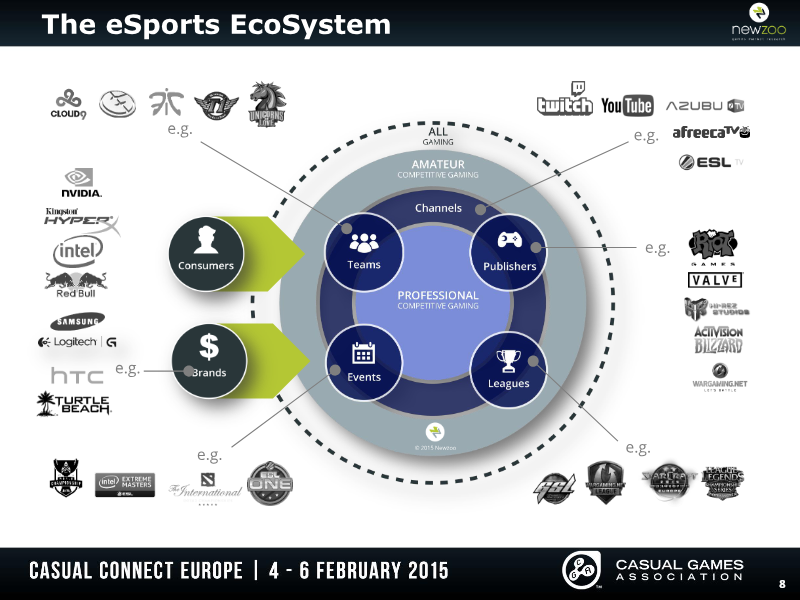
- Streaming platforms are central to the industry's infrastructure, exemplified by Twitch reaching 100 million unique monthly viewers in 2014.
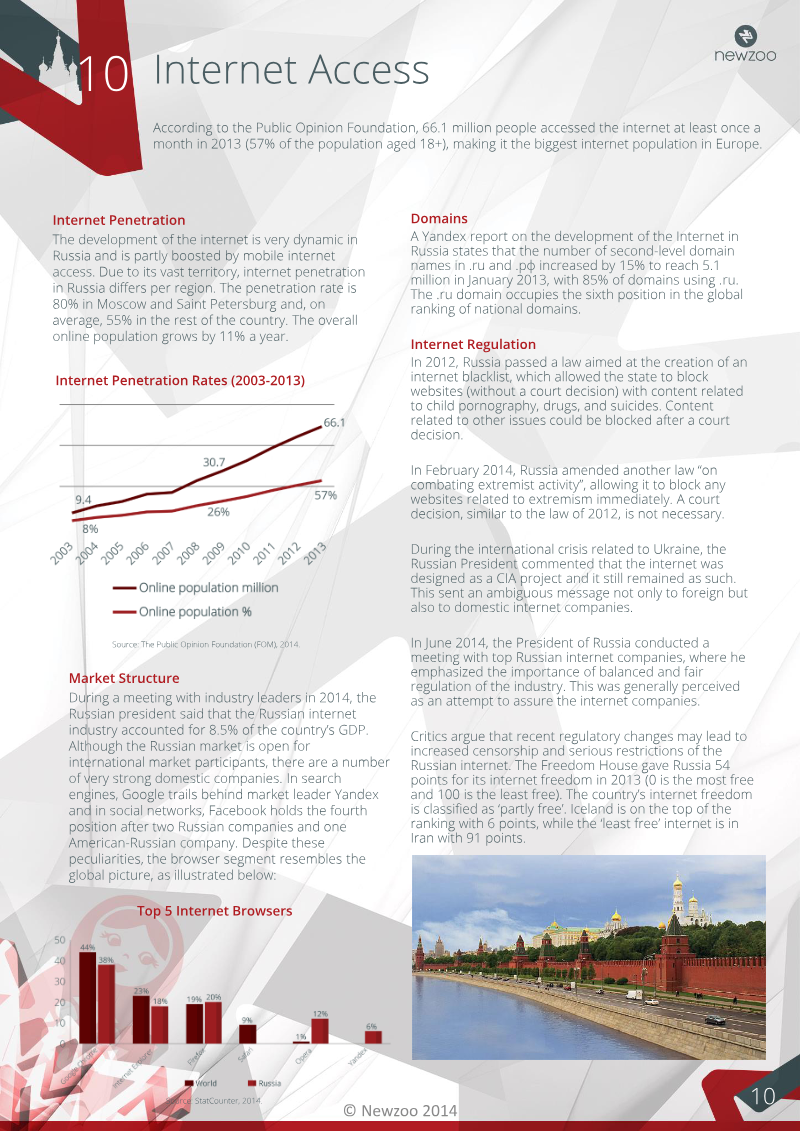
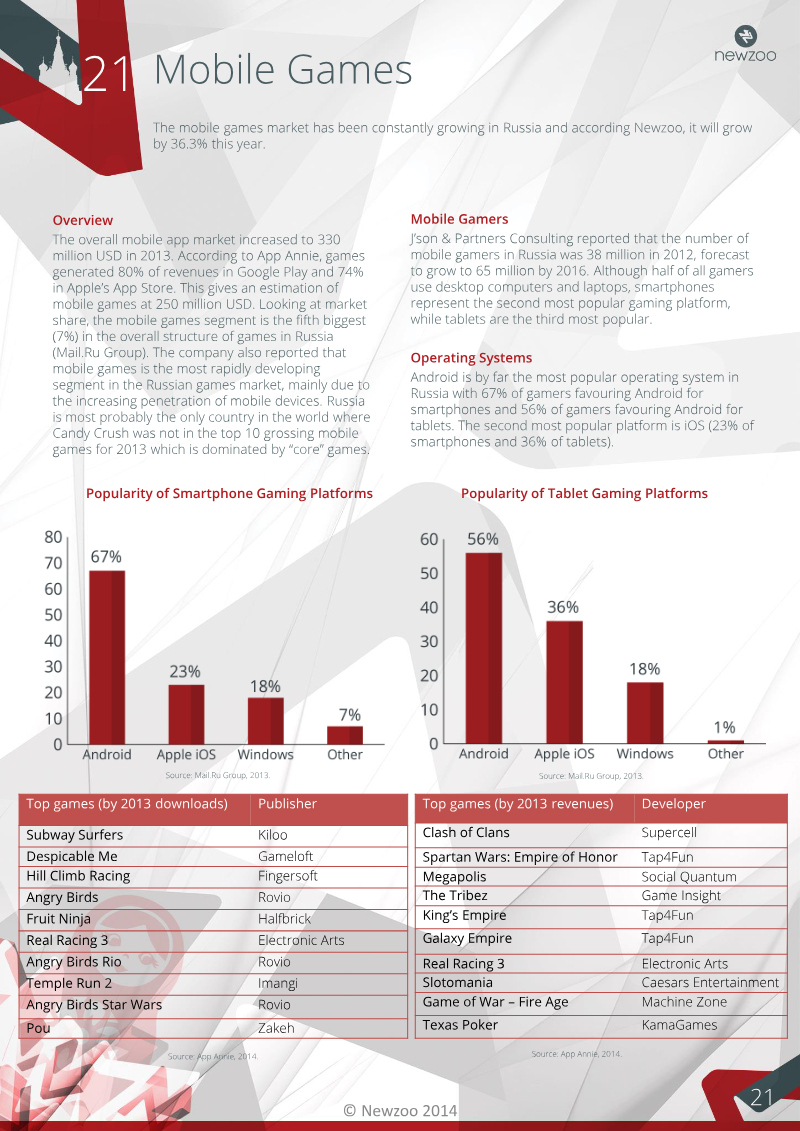

Introduction to the Russian Games Market: Opportunities in This Submerged Market
The Russian games market represents a significant, high-growth sector currently ranked 12th globally, with an estimated valuation between $1 billion and $1.5 billion.
- The Russian games market is the 12th largest globally, with an estimated valuation between $1 billion and $1.5 billion.
- PC gaming and massively multiplayer online (MMO) titles dominate the market, though mobile is the fastest-growing segment due to high smartphone adoption and Android dominance.
- Market entry requires navigating complex regulatory hurdles, including stringent data storage requirements, evolving intellectual property laws, and intricate payment processing regulations.
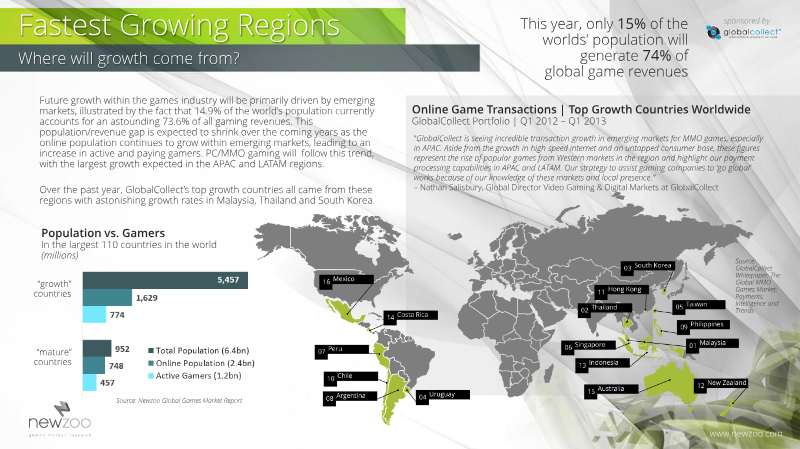

PC Gaming: Power to the People
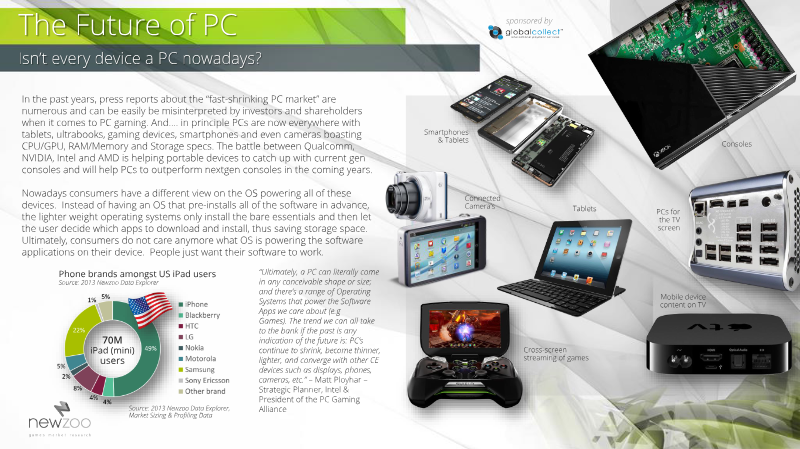
PC gaming currently stands as the dominant force in the global interactive entertainment industry, commanding a 39% market share with $27.6 billion in annual revenue.
- PC gaming leads the global interactive entertainment industry with a 39% market share, generating $27.6 billion in annual revenue from a base of approximately 900 million players.
- The free-to-play business model is the primary financial driver for the sector, with revenues projected to reach $13.3 billion by 2016.
- The core PC and MMO gaming segment consists of 168 million players, with significant growth occurring in the APAC and LATAM regions.

VR Games Market Report: An Overview and Outlook of Virtual Reality
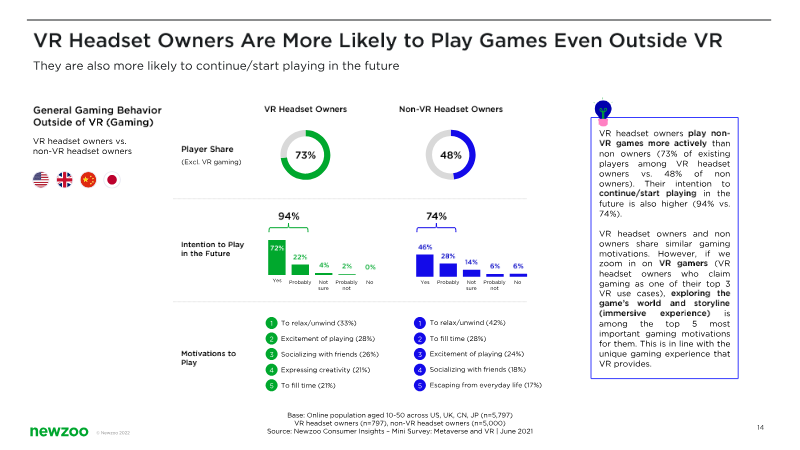
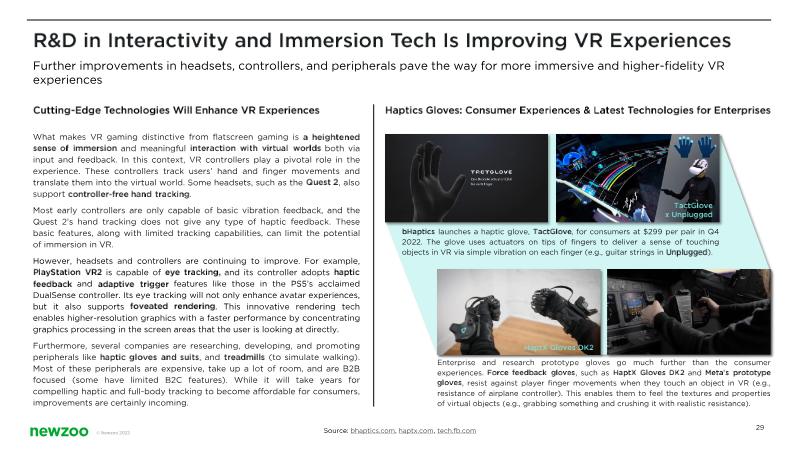
The virtual reality gaming market is undergoing a significant resurgence, fueled by the widespread adoption of affordable, standalone six-degree-of-freedom headsets.
- The global VR gaming market is projected to reach $3.2 billion in annual revenue by 2024, more than doubling current figures.
- The active hardware install base for VR is expected to grow to 46 million units by 2024, driven primarily by the adoption of affordable, standalone six-degree-of-freedom headsets.
- Industry growth is shifting toward hybrid monetization models, moving away from one-time purchases to incorporate subscriptions, DLC, and in-game microtransactions.
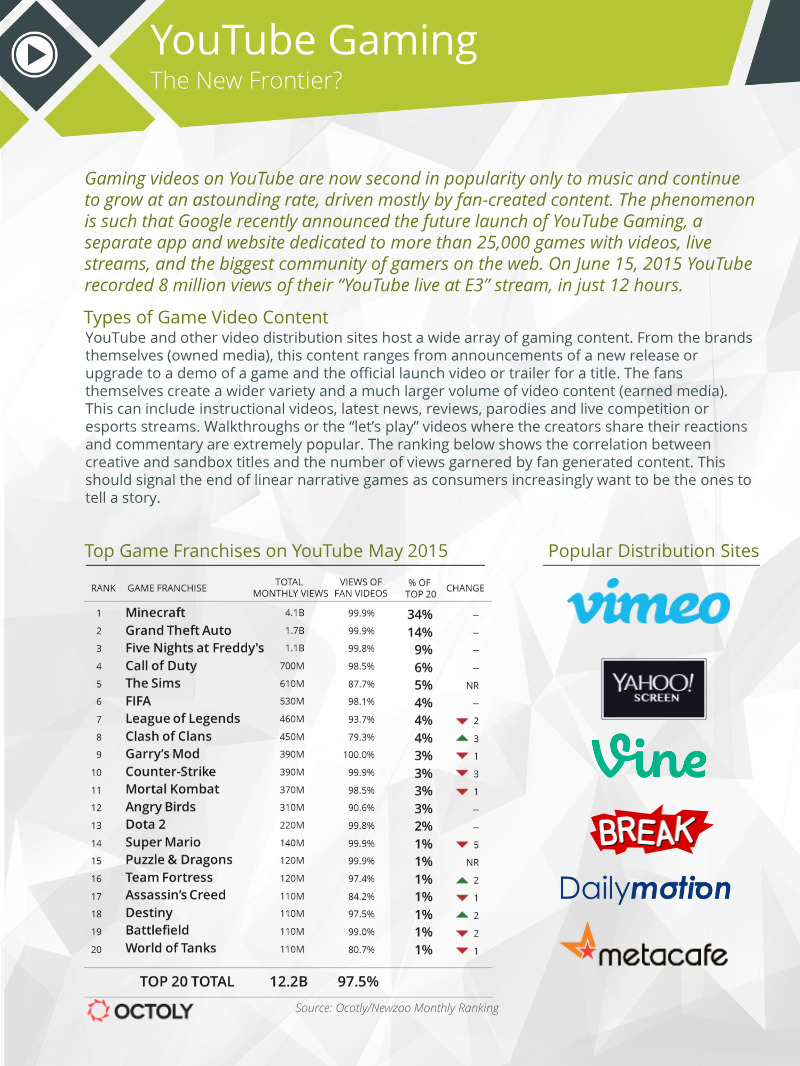

The Consumer as Producer: How Games & Video Converge to Drive Growth
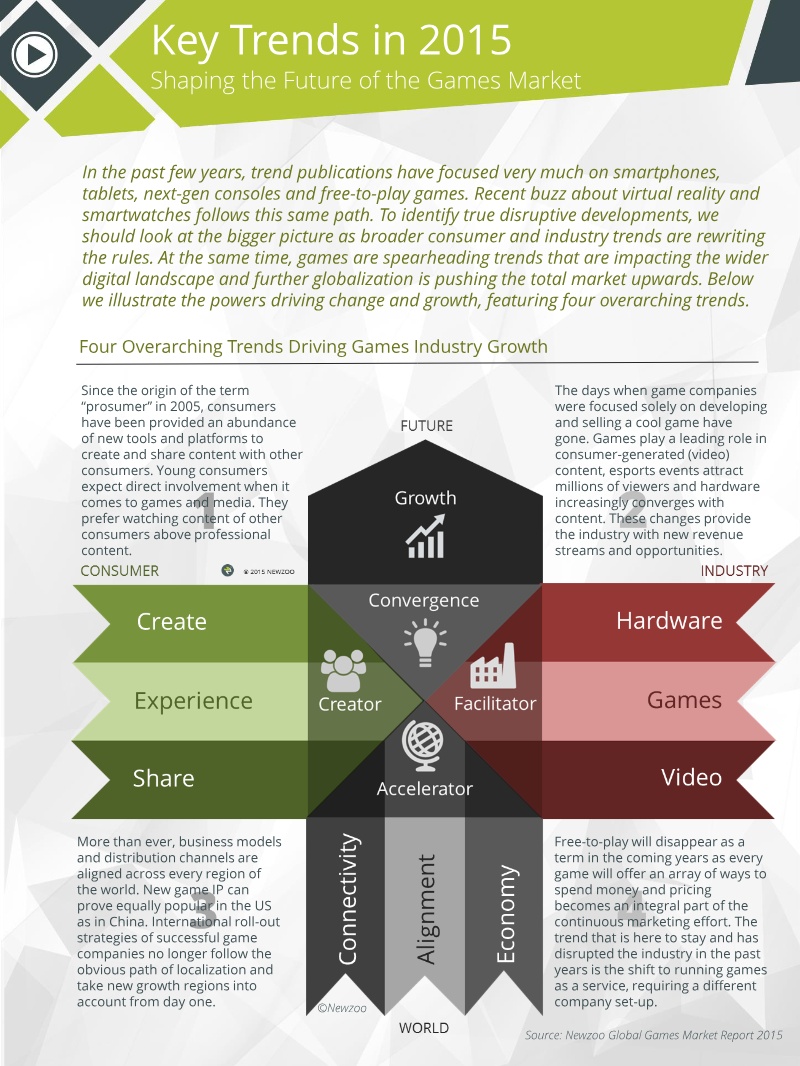
The global games industry is undergoing a fundamental transformation driven by the convergence of gaming, video streaming, and consumer-generated content.
- The gaming industry is shifting from a one-way consumption model to a collaborative ecosystem where players act as 'prosumers' who create, share, and monetize content.
- Global games revenue is projected to reach $113.3 billion by 2018, growing at a compound annual rate of 7.9% from 2014.
- China and the United States will dominate the market, collectively accounting for 50% of global gaming revenues by 2018.
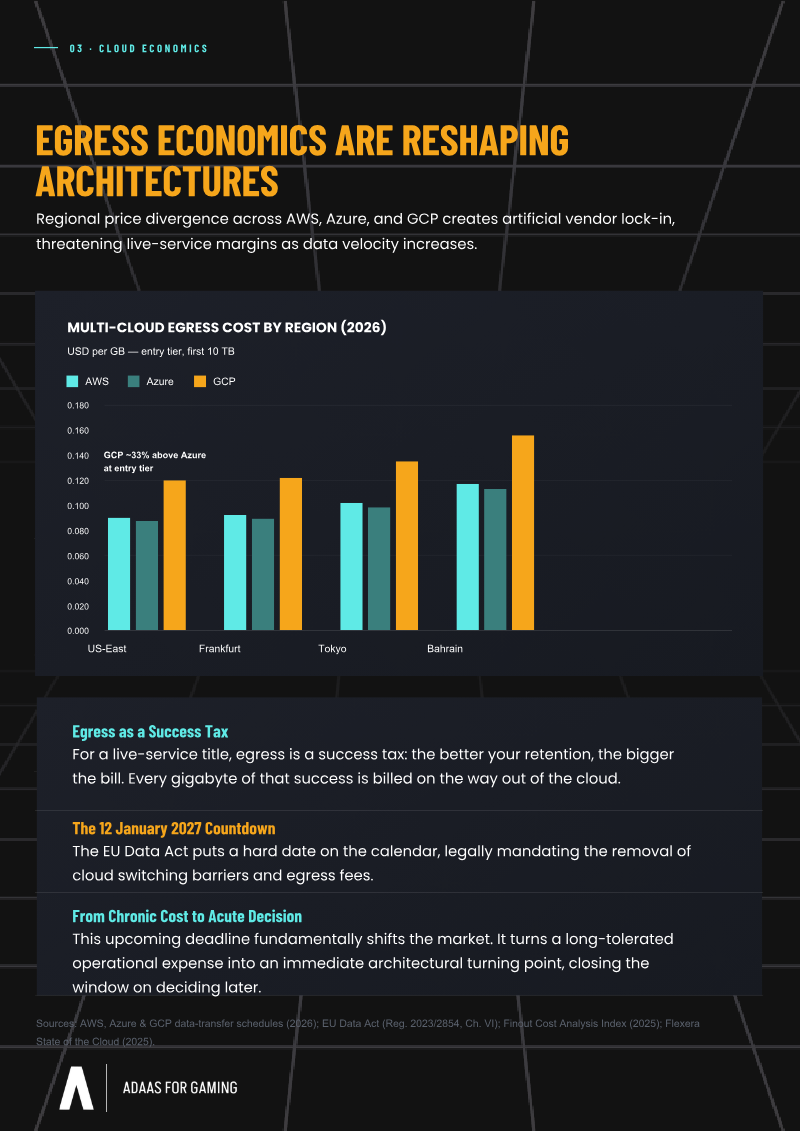
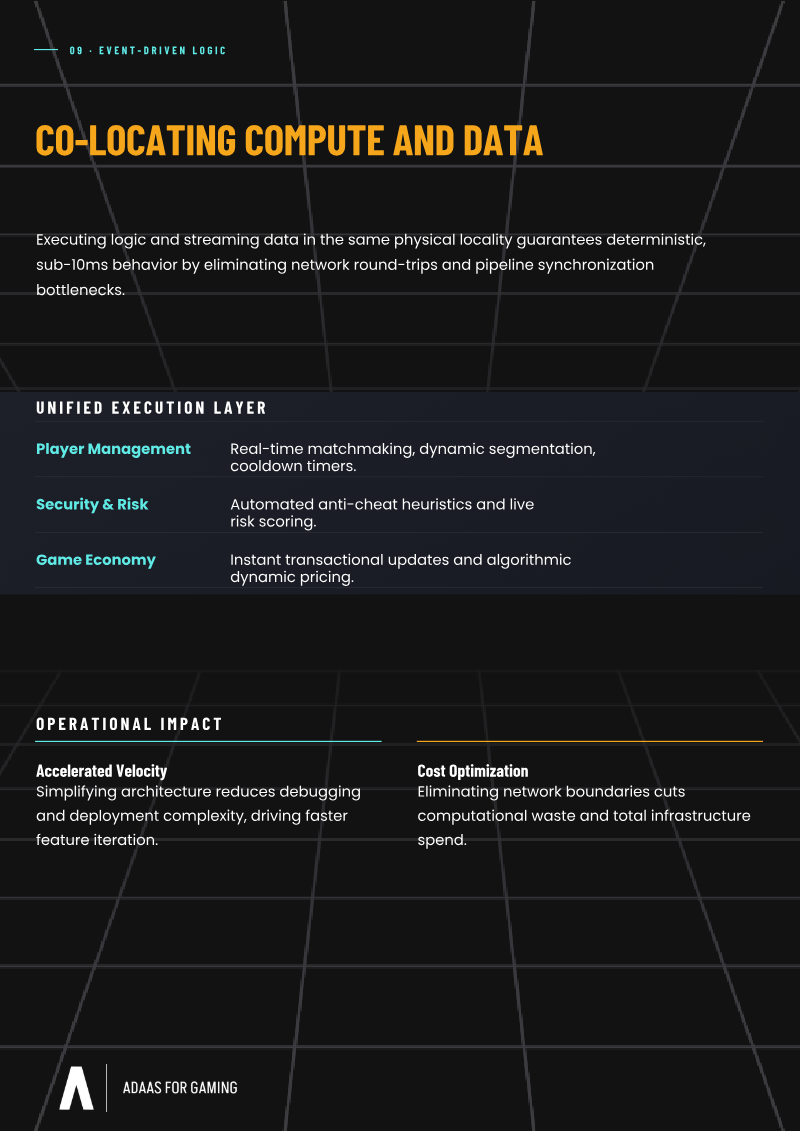

The Future of Gaming Infrastructure: 2026-2028
The gaming industry is currently undergoing a critical architectural transition as live-service titles face a trilemma of escalating operational demands: the need for sub-10ms AI-driven decision-making, strict regulatory compliance, and rising cloud egress costs.
- Studios must transition from fragmented legacy backends to unified, AI-native data planes that co-locate compute and data to overcome latency bottlenecks and support high-velocity live-ops.
- Optimizing real-time matchmaking through low-latency infrastructure can increase player retention by 4% to 15%.
- Regulatory compliance with the 2027 EU Data Act and EU AI Act requires studios to implement immutable audit logs and transparent, explainable algorithmic systems for matchmaking and personalization.

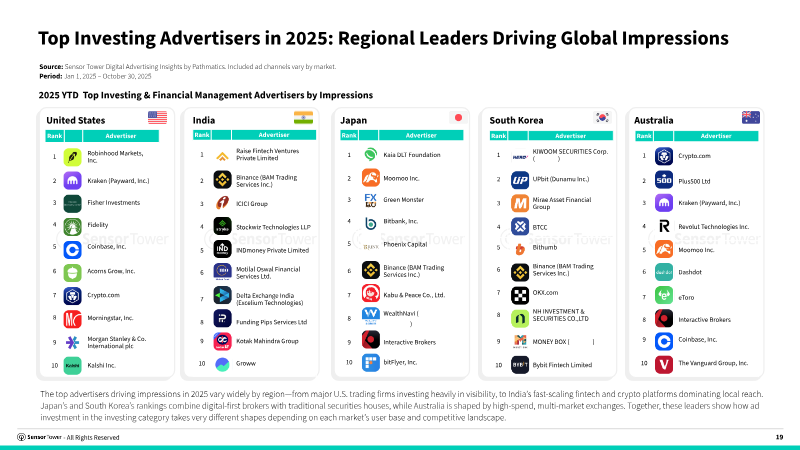

Investing and Financial Management App Market and Advertising Trends 2025
Investment-management and crypto trading applications have accelerated growth in 2025, with global downloads rising 12% to about five billion.
- Global downloads for investment and crypto trading apps rose 12% in 2025, reaching approximately five billion total downloads.
- User demographics are heavily male-skewed, with crypto apps reaching over 90% male users and emerging markets like India and Vietnam reporting only 13–17% female participation.
- Market preferences are geographically fragmented: U.S. and Japanese users favor established brokerages, while consumers in India and Southeast Asia prioritize local, mobile-centric platforms.