Market Analysis reports and market data
Documents
Subnautica 2 Devs Win Day One, ALL CAPS XBOX & Fortnite is Over(watch) | Games For Breakfast
The video game industry is currently defined by a rapid transition toward digital distribution and the strategic evolution of legacy platforms.
- Capcom’s digital sales now account for 93% of its total volume, with PC titles representing over 50% of all units sold, marking a definitive shift away from physical media.
- Subnautica 2 achieved commercial success with over 2 million sales and high player approval ratings despite internal legal disputes between Unknown Worlds and Krafton.
- Physical game retailers are facing a terminal decline in traditional sales, forcing a strategic pivot toward community-focused 'third place' models that incorporate tabletop gaming and social amenities.

UA Monthly #4: Freecash Android Comeback, Mistplay Goes All In & Can Anyone Stop AppLovin?
Market consolidation and the evolution of user acquisition strategies define the current mobile gaming landscape.
- AppLovin currently holds an unassailable lead in the mobile advertising and user acquisition market, driven by its dominant mediation market share and superior algorithmic performance.
- Unity is struggling to compete with AppLovin’s scale, forcing a strategic pivot toward brand-oriented demand and off-store revenue capture via its engine.
- Mistplay is aggressively expanding its ad tech stack and audience network to counteract stagnating organic growth and scale inventory.
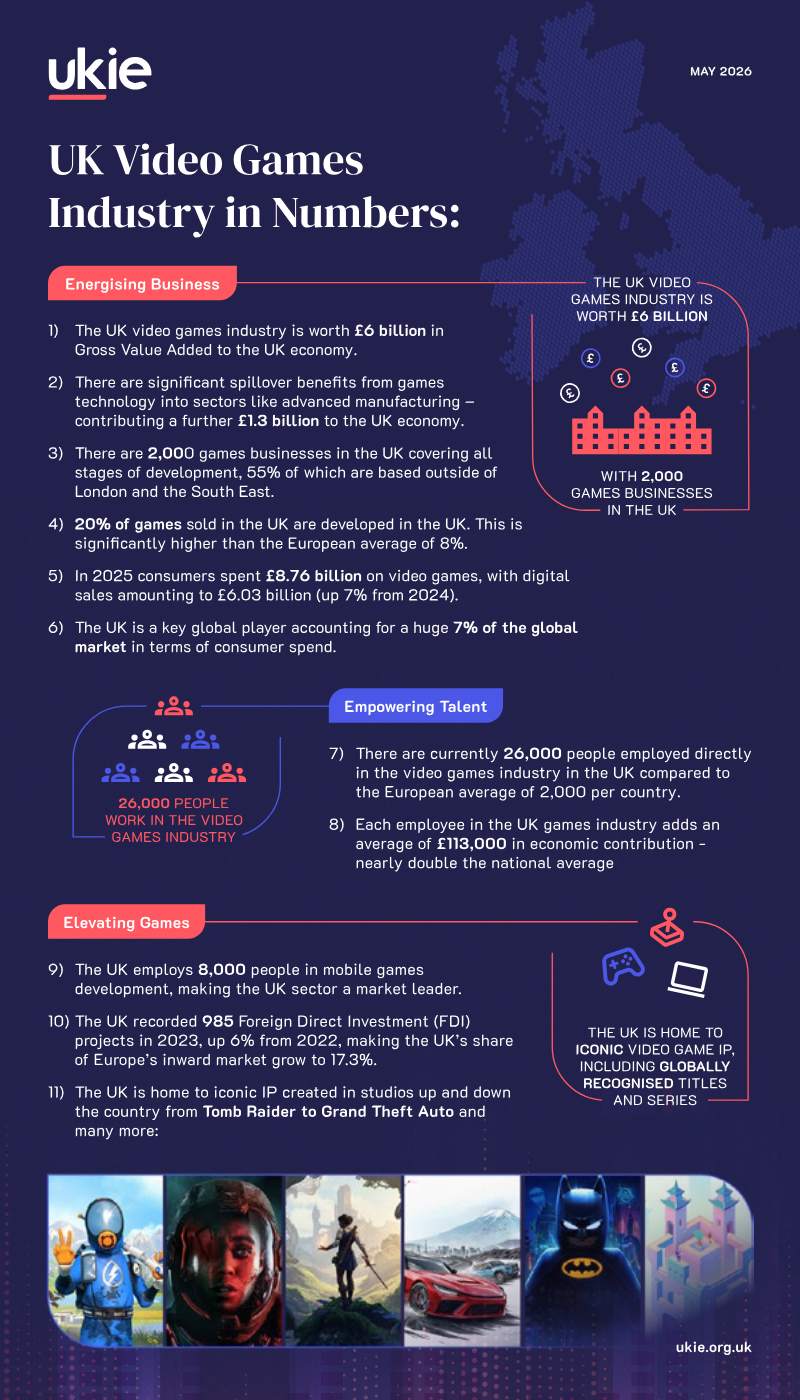
UK Video Games Industry in Numbers: Energising Business 2026
The UK video games industry contributes £6 billion in Gross Value Added to the UK economy, with an additional £1.3 billion generated through spillover benefits into sectors like advanced manufacturing.
- The UK video games industry generates £6 billion in Gross Value Added, with an additional £1.3 billion in technological spillovers into sectors like advanced manufacturing.
- Total consumer spending reached £8.76 billion in 2025, driven by digital sales which grew 7% year-over-year to £6.03 billion.
- The industry employs 26,000 people, with each employee contributing an average of £113,000 to the economy—nearly double the national average.

Why Players Play: The Psychology Behind Mobile Games
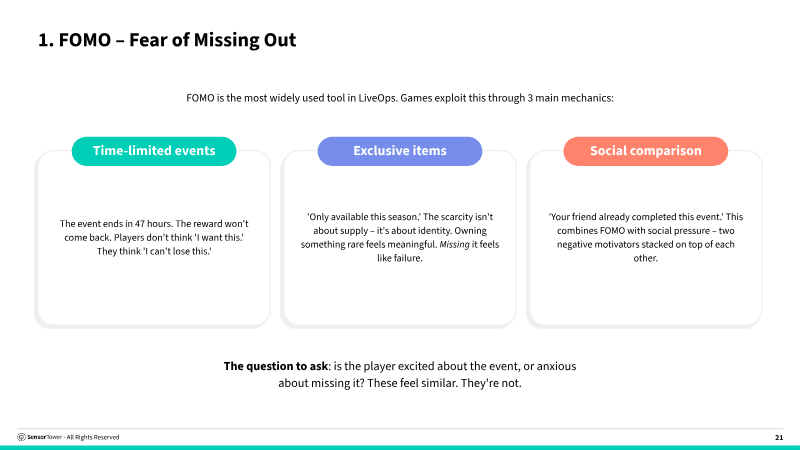
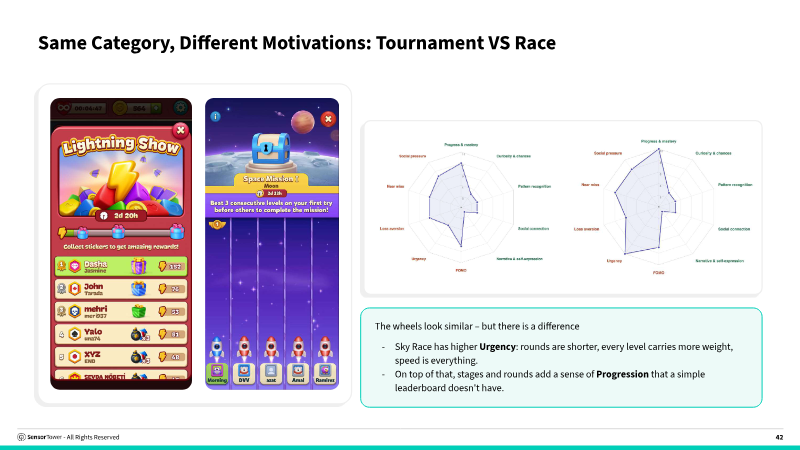
"Why Players Play: The Psychology Behind Mobile Games" analyzes the fundamental psychological drivers influencing player engagement and monetization within the mobile gaming sector.
- Social connection is the most effective retention mechanic because it creates a switching cost that prevents players from moving to competitors, as they cannot transfer their clan or community identity.
- Win streaks are the most powerful ARPU-driving mechanic because they simultaneously leverage progress, near-miss tension, loss aversion, urgency, and social pressure.
- Visible progress is essential for casual games; players require concrete proxies like progress maps, star counts, or numerical growth to feel a sense of competence and reward.

Is the Western mobile games industry losing to China?
The mobile gaming industry in Western markets—defined as North America, Europe, and Australia—is experiencing a significant shift in market share, with Chinese, Hong Kong, and Singaporean publishers now controlling 30% of total revenue, up from 16% in 2019.
- Chinese, Hong Kong, and Singaporean publishers have nearly doubled their Western mobile market share from 16% in 2019 to 30% in 2026.
- Chinese publishers now control 60% of the strategy genre revenue, a massive increase from 11% in 2015, driven by integrating hyper-casual mechanics into 4X strategy frameworks.
- While the overall mobile market grew by 3% in Q1 2026, total downloads dropped by 13%, signaling that revenue is increasingly consolidated among established titles at the expense of new entrants.

Premium: Driving Back Catalogue, DLC, and the Long Tail
Super Evil Megacorp has successfully pivoted from a high-cost, free-to-play competitive PvP model to a sustainable, premium, cross-platform strategy centered on PvE experiences.
- Super Evil Megacorp (SEMC) achieved a 'reverse curve' in user engagement for TMNT: Splintered Fate, with daily active users (DAU) growing year-over-year for three years post-launch rather than experiencing the typical post-launch decline.
- The studio successfully transitioned from a free-to-play mobile-first model (Vainglory, Catalyst Black) to a premium, cross-platform strategy by leveraging their proprietary 'Evil Engine' to ensure high-quality, native experiences across mobile, PC, and console.
- SEMC manages a portfolio of five active titles—four live and one in production—using a fully remote workforce spread across 11 countries, maintaining profitability by avoiding over-scaling and relying on internal cash flows rather than further venture capital.
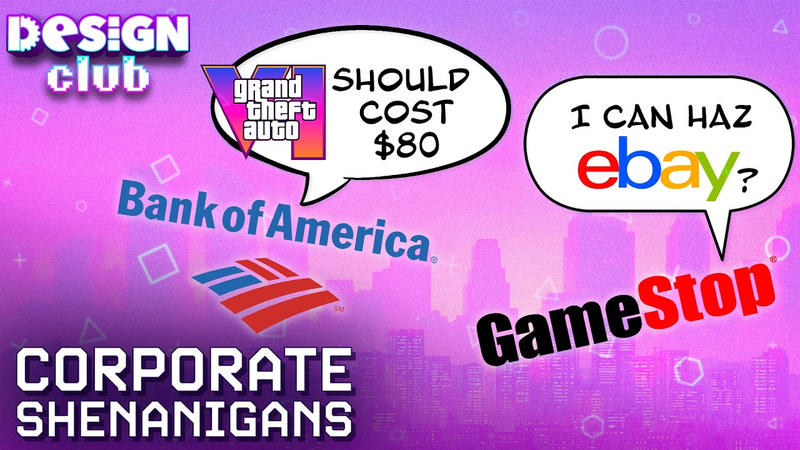
Corporate Shenanigans | Design Club
The gaming industry is currently navigating a period of significant volatility characterized by aggressive pricing strategies, corporate malfeasance, and shifting platform dynamics.
- GameStop's attempt to acquire eBay for $55.5 billion was met with skepticism due to the CEO's inability to explain the financing structure, which relied on a mix of cash and common stock.
- Unknown Worlds successfully released a new Subnautica title to critical acclaim, achieving an 85% positive rating on Steam and 443,993 concurrent players despite ongoing legal disputes with Krafton regarding contract payments.
- Financial analysts, including those at Bank of America, have publicly suggested that premium titles like Grand Theft Auto 6 could be priced at $80, a significant increase from the $60 industry standard that has persisted for nearly 20 years.

🚨📢 BREAKING NEWS: Royal Kingdom Adds Ads, Playtika Exits Social Casino, Mistplay Buys Mychips
The mobile gaming industry is currently undergoing a significant shift in monetization and user acquisition strategies, characterized by a move toward casual gaming, the consolidation of rewarded ad platforms, and the abandonment of "no-ads" policies by major studios.
- Dream Games has abandoned its 'no-ads' policy for Royal Kingdom, integrating interstitial and rewarded ads as of February 2026 to drive daily downloads from 100,000–300,000 up to 600,000.
- The addition of ads to Royal Kingdom generates an estimated $170,000–$190,000 in daily revenue without cannibalizing in-app purchases, with markets like Brazil showing simultaneous growth in both revenue streams.
- Playtika has pivoted away from social casino games, which are now in managed decline, to focus on casual titles that currently represent 76% of its business.

Industry Report 2025: New Zealand
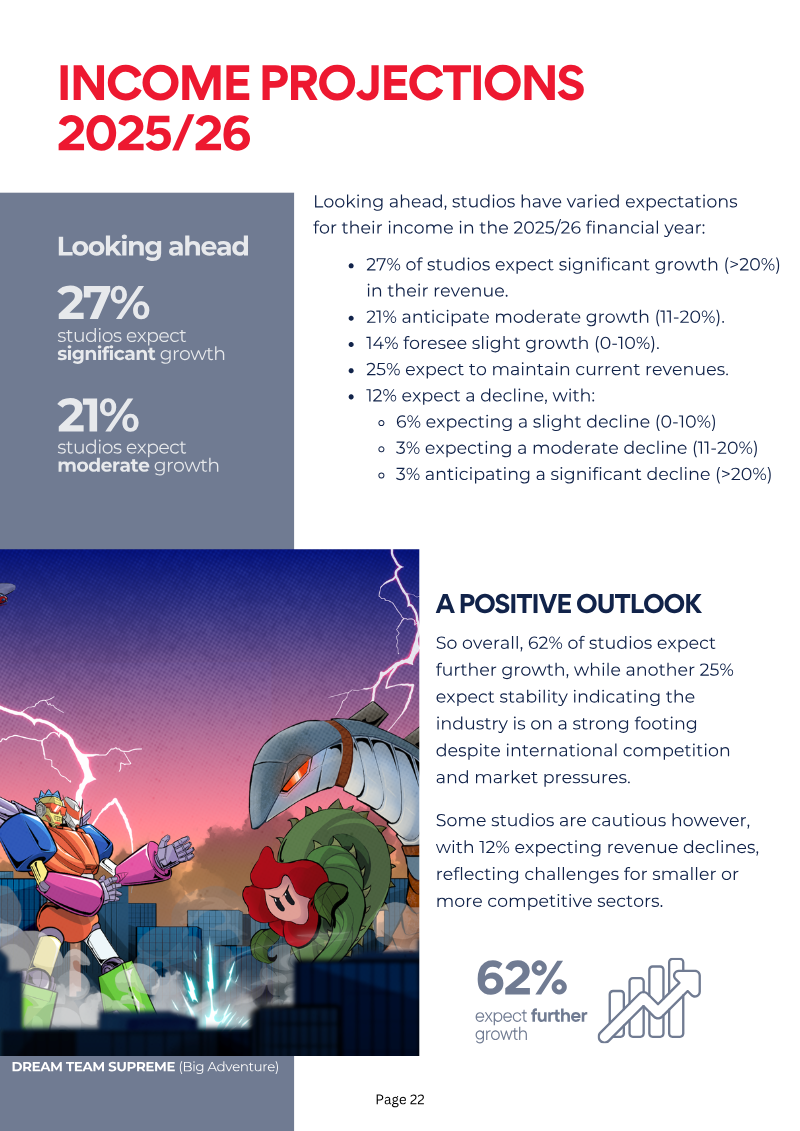
The New Zealand game development industry demonstrated exceptional performance in the financial year ending March 2025, achieving a record NZD $759.9 million in pre-tax income.
- The New Zealand game development industry generated NZ$759.9 million in 2025, marking a 38.4% year-on-year revenue increase.
- Government investment via the Game Development Sector Rebate has been highly effective, delivering a 4.74 return for every dollar spent.
- The sector’s workforce grew by 29.2% in 2025, reaching a total of 1,418 full-time equivalent employees.

TWIG #383: Turkey Dominates Puzzle Games, Royal Kingdom’s Struggles, and Playtika’s Big Shift
Turkey has solidified its position as a global powerhouse in the puzzle and hybrid-casual game sectors, driven by a sophisticated ecosystem of repeat founders and aggressive government subsidies.
- The Turkish government is fueling the local puzzle and hybrid-casual game sector by reimbursing up to 70% of overseas user acquisition costs.
- Turkish game studios are shifting away from traditional probabilistic casual game models toward skill-based mechanics to gain a competitive edge in saturated markets.
- Major mobile publishers like Playtika are pivoting away from legacy social casino models in favor of casual titles to combat stagnant growth in established genres.

The Mistplay Audience Network: Smartest UA Expansion of 2026! 3X reach, same quality
Rewarded user acquisition has transitioned from a niche tactical experiment into a foundational pillar of the mobile advertising stack, currently representing 20 to 30 percent of typical studio budgets.
- Rewarded user acquisition has become a foundational mobile advertising pillar, now accounting for 20% to 30% of typical studio budgets.
- Industry reliance on rewarded traffic has grown significantly, rising from negligible levels to nearly 10% of total advertising spend.
- The Mistplay Audience Network has consolidated inventory streams like MyAppFree and Connected Rewards into a single, unified buying engine.
Long development cycles are putting off video game investors
The video game industry is currently undergoing a painful financial correction following a period of post-pandemic over-investment that fostered unsustainable budgets and unrealistic growth expectations.
- The gaming industry is facing a financial correction due to a misalignment between traditional venture capital models and long, multi-year production cycles that lack early-stage performance indicators.
- Investors are increasingly deterred by the industry's reliance on legacy titles, as 92 percent of current sector revenue is generated by games older than six years.
- To mitigate high-risk, massive-budget development, major publishers are adopting agile strategies and leveraging artificial intelligence to optimize workflows and reduce prototyping costs.