Live Ops reports and market data
Documents
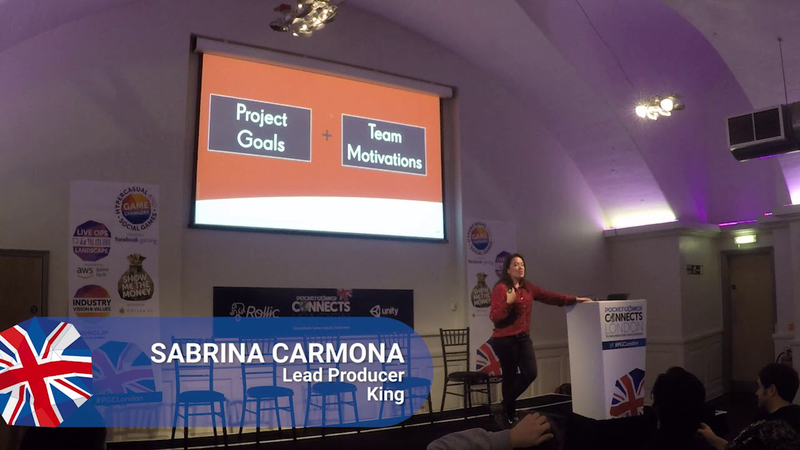
Care and Craft in Teams - Keeping People Motivated
The primary objective of this analysis is to outline strategies for maintaining team motivation and engagement within the live games industry, particularly for long-running titles.
- Sustained performance in live-service games is best achieved by shifting from top-down management to a model of shared ownership and active listening.
- Team engagement is maximized by aligning individual developer interests, such as technical or artistic refinements, with the studio's broader business and revenue objectives.
- Granting developers autonomy through initiatives like dedicated 'hack days' or team-led sprints allows staff to proactively address technical debt and implement innovative features.
Furthering the Esports Eco-system Through Monetisation and Physical Space
The esports industry faces a critical challenge in transitioning from a high-growth, high-viewership sector into a sustainable, profitable ecosystem.
- ESL is developing a government-funded, scalable B2B framework to transition esports from a high-viewership model to a sustainable, profitable ecosystem.
- The initiative focuses on replacing traditional, ineffective media rights models with direct consumer engagement strategies to unlock new revenue streams.
- Advanced digital tools, including mobile apps, VR, and virtual studios, are being built to provide real-time predictive analytics and data-driven content to viewers.
Beyond Game Economy Design - Increasing Profit Through Intelligent Revenue Optimisation
Revenue optimization in mobile gaming extends beyond core gameplay design, requiring sophisticated, data-driven strategies to maximize player retention and monetization.
- Implementing automated loyalty programs can significantly boost key performance metrics, with one case study showing a 21% increase in day-one retention, a 24% increase in time spent in-app, and a 75% increase in average revenue per user (ARPU).
- For games heavily reliant on ad revenue, loyalty programs can act as a gamification layer that drives engagement, resulting in observed increases of 56% in day-one retention and 93% in total ad revenue.
- Effective revenue optimization requires moving beyond core gameplay loops to analyze thousands of player data signals, allowing developers to predict behavior and deliver personalized 'next best actions' for individual users.
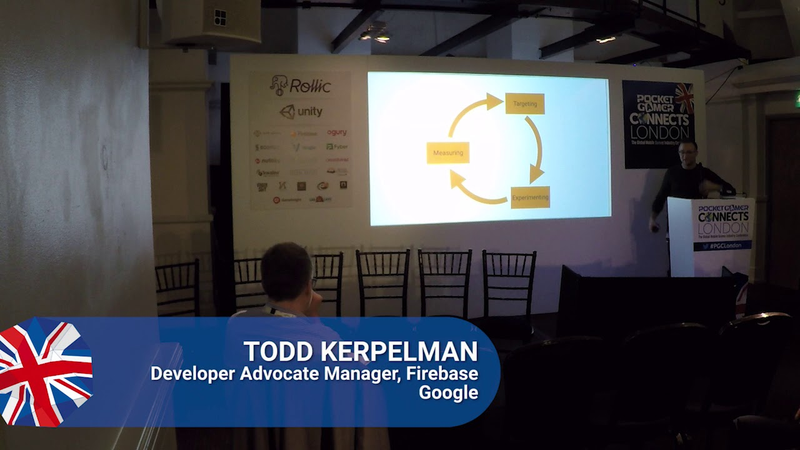
Firebase, Analytics, Google, and Understanding How They Work Together
Firebase provides a comprehensive suite of backend-as-a-service tools designed to assist game developers in building, managing, and optimizing mobile games.
- Firebase integrates backend infrastructure, quality assurance, and user engagement tools into a centralized console to support the full lifecycle of mobile game development.
- The platform utilizes an event-driven Google Analytics model instead of legacy session-based tracking to identify specific user segments, such as high-value players or those at risk of churning.
- Developers can use Remote Config to adjust game variables in real-time without requiring new app store updates, facilitating immediate optimization of the user experience.
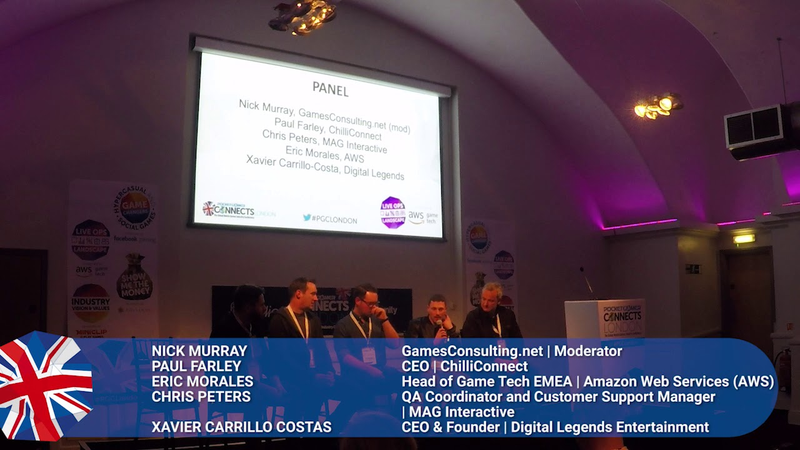
Panel: Keeping Your Community Happy
Maintaining a healthy gaming community requires a commitment to transparent, two-way communication that prioritizes long-term trust over short-term appeasement.
- Prioritize long-term trust over short-term appeasement by maintaining transparent, consistent, and two-way communication with the player base.
- Mitigate toxic behavior and cheating by sequestering disruptive players into isolated shards, which protects the general user experience while allowing developers to study exploits.
- Balance player feedback with the studio’s core creative vision by discerning between constructive, representative input and the noise of vocal minorities.
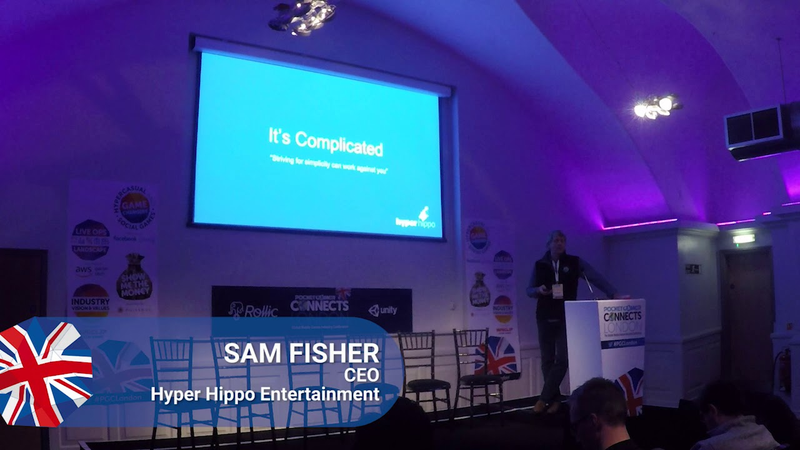
How Hyper Hippo's Live Ops Operations Maintain its Success in Different Cultures and Locales
Hyper Hippo Entertainment emphasizes the necessity of a robust global strategy for mobile game developers, particularly as growth in traditional North American, UK, and Australian markets slows compared to emerging regions.
- Developers must prioritize expansion into emerging markets like India, China, and Latin America, as growth in traditional regions like North America, the UK, and Australia continues to slow.
- India represents a significant growth opportunity for mobile developers, with 20 million new users entering the Google Play ecosystem every month.
- Successful global scaling requires a unified, scalable backend infrastructure that supports diverse front-end experiences while avoiding the operational overhead of reinventing core systems.
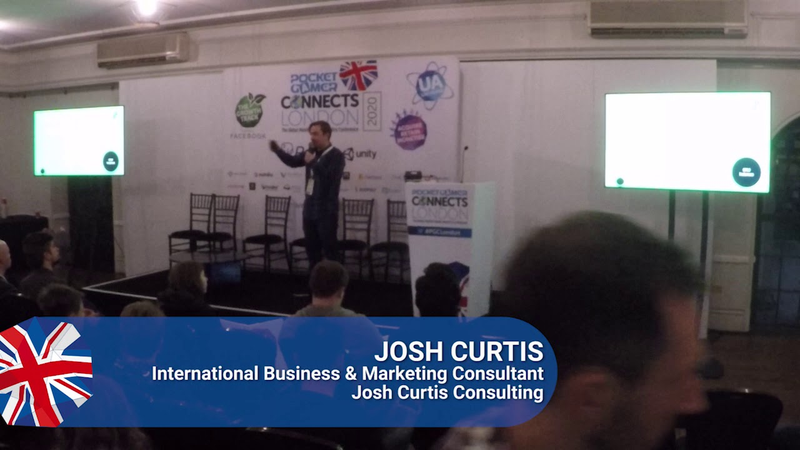
Monetisation Trends & Tips for 2020
Mobile ad monetization serves as a critical revenue pillar for the modern gaming industry, particularly as global mobile ad spend continues to rise.
- Global mobile ad spend is projected to increase by 26% in 2020, with industry forecasts suggesting ad revenue may surpass in-app purchase (IAP) revenue for the first time.
- Approximately 94% of free-to-play mobile games now incorporate in-game advertising, with a growing year-over-year trend of developers generating between 40% and 100% of their total revenue from ads.
- Rewarded ad placements are a critical strategy for monetizing the non-paying user base ('the fish') while simultaneously boosting retention and IAP performance for 'whales'.
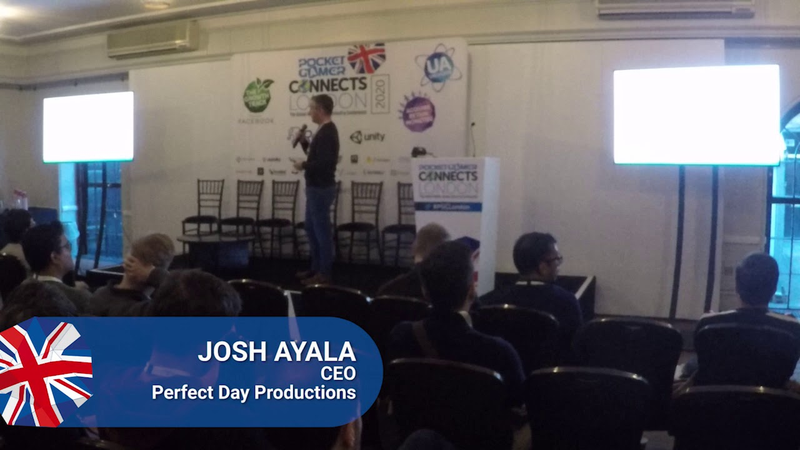
Creating and Retaining a Lifelong Playerbase
The primary objective of this analysis is to outline a strategic framework for developing and maintaining a lifelong mobile player base through high-quality product management.
- Long-term retention in mobile free-to-play games is built on the 'Golden Triangle' framework, which balances technical quality, consistent content, and player-aligned monetization.
- Technical stability, including high frame rates and consistent uptime, is the foundational requirement for building player trust and ensuring long-term engagement.
- Monetization strategies should prioritize time-saving or personalization-based offers over 'pay-to-win' mechanics, which are identified as detrimental to sustainable player retention.
Monetization Design: The Dark Side of Gacha
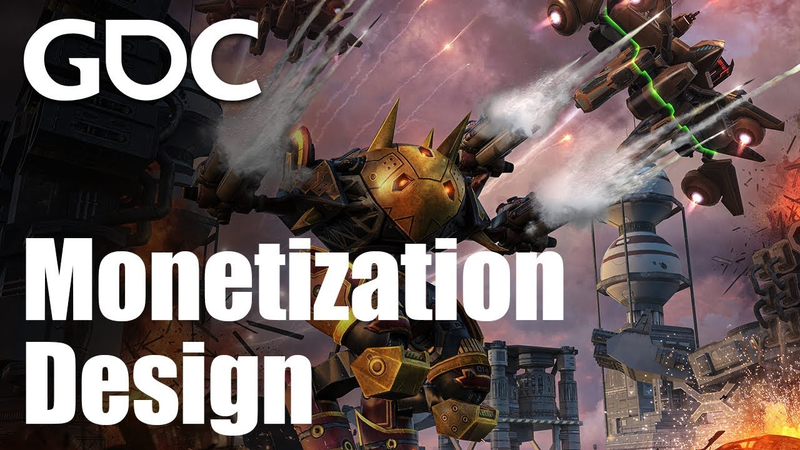
Aggressive monetization strategies in mobile gaming often rely on high-pressure gacha mechanics, yet these systems frequently trigger long-term instability.
- Pixonic transitioned from a 'hype model' focused on immediate revenue spikes to a long-term growth strategy, prioritizing sustainable player trust and stable, predictable revenue over aggressive, short-term monetization.
- The implementation of gacha mechanics in War Robots served as an indirect sales system that obscured the true cost of items, leading to significant revenue spikes during events but causing severe community backlash and internal team morale issues.
- The 'wild offer' system, which uses algorithms to generate personalized, discounted bundles, requires robust cohort-based segmentation to avoid revenue cannibalization and excessive backend data load.

Wappier on using loyalty programs to improve retention in games
Wappier leverages artificial intelligence and machine learning to optimize mobile game revenue and player retention through dynamic pricing and automated loyalty programs.
- Wappier uses AI and machine learning to optimize mobile game revenue and retention by analyzing approximately five weeks of player data to establish behavioral baselines.
- The company optimizes storefront pricing on a per-country basis to correct mispricing caused by standard app store currency conversion rates, which often fail to account for local price elasticity.
- Wappier implements automated, points-based loyalty programs that operate outside of core gameplay, functioning similarly to airline mileage programs to increase session frequency and length.
Game Design for Competitive Gaming
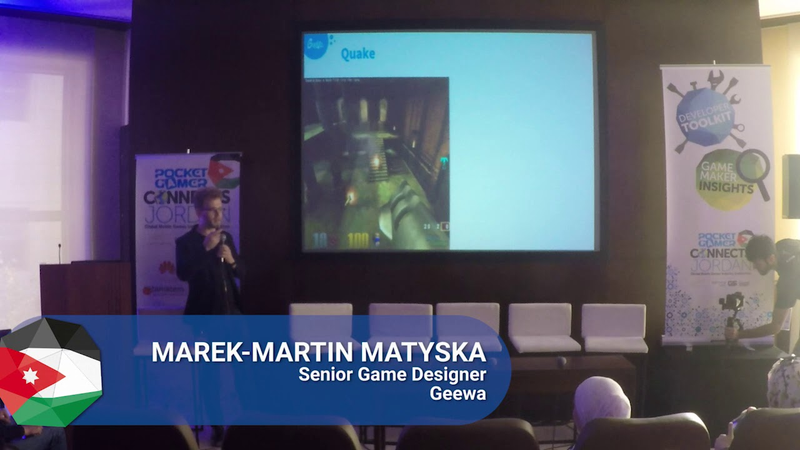
The core thesis of this analysis is that competitive game design succeeds by prioritizing high skill ceilings and mastery over artificial complexity or financial incentives.
- Competitive viability is driven by high skill ceilings that allow for individual mastery, rather than artificial complexity or financial incentives like large prize pools.
- Games should follow the 'easy to learn, hard to master' philosophy to ensure broad accessibility without sacrificing the depth necessary for a sustainable competitive ecosystem.
- Design choices that remove the ability for individual players to become 'legends' or playmakers—such as those seen in Heroes of the Storm—undermine competitive value and long-term engagement.
Panel: When does Your Development End (Product vs Service)
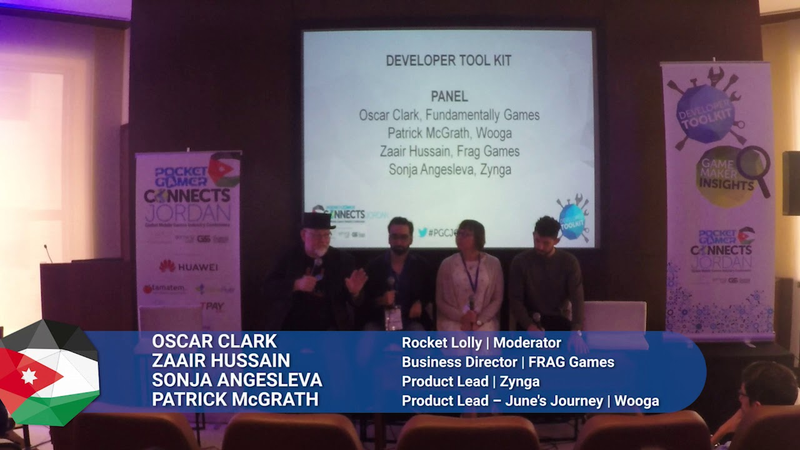
The panel discussion at Pocket Gamer Connects Jordan 2019 explores the evolving definition of "done" in game development, specifically contrasting traditional product-based models with the modern Games as a Service (GaaS) paradigm.
- In the Games as a Service (GaaS) model, the traditional concept of a 'finished' game is obsolete, requiring developers to treat development as a series of testable hypotheses rather than a singular product release.
- Studios must establish objective 'done' criteria—such as specific retention rates or revenue targets—before development begins to mitigate emotional bias and avoid the sunk cost fallacy.
- Live-ops considerations, including repeatable content systems and community management, must be integrated into the earliest design stages to ensure infrastructure can scale effectively.