1 free read left. Create a free account for unlimited reading + AI research.
Create free account
Creating and Retaining a Lifelong Playerbase
Key insights
6 takeaways- 01The speaker, who managed products generating over $200 million in revenue such as Paradise Bay and Battle Nations, notes that retention principles remain universal across casual, mid-core, and hardcore market segments.
- 02Technical stability, including high frame rates and consistent uptime, is the foundational requirement for building player trust and ensuring long-term engagement.
- 03Advertisements in mobile titles must be integrated thematically to maintain a low-friction user experience and prevent player churn.
- 04Content strategy must integrate live events, social competition, and narrative-driven experiences to foster the emotional connections necessary for lifelong engagement.
- 05Long-term retention in mobile free-to-play games is built on the 'Golden Triangle' framework, which balances technical quality, consistent content, and player-aligned monetization.
- 06Monetization strategies should prioritize time-saving or personalization-based offers over 'pay-to-win' mechanics, which are identified as detrimental to sustainable player retention.
Ask AI about this video
Transcript
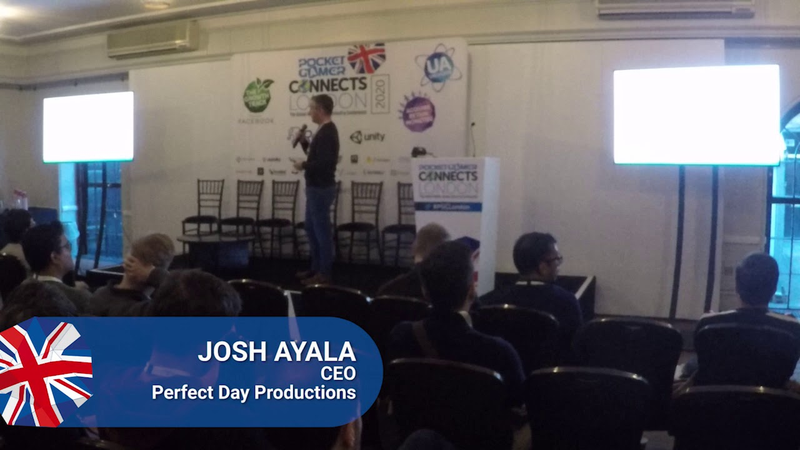
[Music] good afternoon everybody sticking around I know it's probably past lunchtime 4:00 a.m. my time I think in Seattle right now so I'm not super hungry the coffee's good though so today I wanted to share my knowledge and experience about retaining players and creating an experience that they want to come back to you every day hopefully like 10 times a day I have been making mid-course Strategy mobile games free-to-play for the past eight years and prior to that working in MMORPGs for
Korean developer called ncsoft I've been making software for twenty years I actually did my first computer training hey I did my first computer training 20 years ago right here on this street so it's very fun for me to come full circle and and be back in this neighborhood this is a I love London so it's fun to be here but like I said I started NCsoft and that's where I cut my teeth on free to play and then have been managing games at King largely doing things like managing the live product and driving revenue and retention with those products as well as developing new concepts and getting those launched the top two products that I worked on were paradise Bay in battle nations they generated combined north of 200 million dollars in revenue contributing back to
the business so I'm very proud of the numbers that we did on that and we with paradise Bay I did a lot of experimentation over the last two three years and so I have a tremendous amount of learnings about what performs the best in market by doing the last the last talk was exactly the right thing so doing a BT a BTS I was in ABCD tests of pretty big cohorts about year 3.5 for Paradise they are da you is about half a million so had a good wide audience to work with so that's where the knowledge that I'll be sharing today comes from my next big thing is I stood up a company here in Seattle called perfect day for me making mobile games for you to play with my team worked with them for nearly 10 years now that is a perfect day it's so much fun to go to work and we're we're
developing something really fun so for this group how many of you guys are developers a lot okay and then of developers doing hyper casual almost 1.5 people and then mid core four yeah one two two hardcore yeah four actually okay so I'll talk about those different types of games this is really a product management talk so I'm going to cover how I view the market and the way I think about what to provide to the different types of players in a different genre types and then I'll tell you effectively how I train my team to think about our product when we're developing for retention these are the past games my team has
worked on we've had a lot of experience and pool all that knowledge and the building out the what's next for me that's creating universes and worlds that people want to come back to every day and like I said a lot of times per day and so first I want to tell you how I think about the mobile games market space I'm not a graphic designer so please go easy don't judge so the kind of three main categories that I think about in the marketplace or casual midcourt and hard core and so and the way I think about them as I think the analogs work well here of tic-tac-toe how many people know how to play tic-tac-toe everyone no no that was like 30% you guys need to get out more and then casual to midcourt I think it's
a good analog because you get into a flow state really intense trying to be very productive so I equate it to knitting especially like the the paradise Bay game that I created very purposefully to be kind of focused attention how many people knit none okay yeah you can see I learned how to net so I'm the one and then hardcore obviously sword fighting is a good analog for that how many people sword fight yeah oh three people that's awesome so in games it's fun because I always get a wider you know reach in terms of how many people actually do fight with swords but so these are you know the relative scope of reach that you can get with these types of products and the
there's also kind of a good analog for for revenue and basically the difficulty in stakes increase so you're gonna get less people willing to get into these high urgency super competitive spaces and then the hardcore realm where as casual you know everyone can play tic-tac-toe it's kind of casual games are generally solo experiences somehow social but it's it's never high pressure with social and then conversely LTV for these casual games very small and mid core gets larger and hardcore can be massive if you can really you know focus on that niche vertical player base and provide them with the experience where you're driving the crazy numbers with things like Guild Wars if you've got a really powerful game but you know this
is like machine zone a game of war style products that are really driving a lot of revenue through crazy amounts of competition they're managed very focused and and really driving urgency and then therefore driving massive spend but the analogs also work with kind of price point so for dollar 989 you give you a pencil and paper you can play a game of tic-tac-toe for about 20 bucks on Amazon you can get a starter kit to to learn the net ID I did that's how I know and then for a sword it's probably at least 200 bucks for a pretty good sword you don't even have a shield so you're probably gonna spend more but there's outliers in in this in that some products can provide feature sets that are wide enough for multiple audiences I think the best example of this is clash Royale so it's
the type of game that you can get in play within seconds and start to feel some competency agency and strategy even though the the skill is in quotes with that game because it's really kind of just dropping and watching what the toys are doing on the battlefield but that can really appeal to you know all the way casual to hardcore players I don't know how many of you guys have played in clash Royale or in a guild handsome hands went down yeah so that but you can get into these really hardcore play scenarios but it's a vertical UX and so really low friction in terms of barrier to entry so something to think about if you're designing a product so that's how I think about the marketplace I for those different types of players I think and even for hyper
casual the product philosophy about retention can be applied to all of those categories and so this is this is what I train my team on I call it the golden triangle try to be catchy with that one most people can remember that with the three corners being the three most important pillars for retention the number one being quality and then content and then offers so the most important thing is you have a product that someone can get into trust feel you know confident that you know if they're going to make a purchase that when they come back their inventory is going to be at the right level or that they can actually get in the game and so this is a really basic foundational element and I I can't stress this enough as a
product manager that this is where you start if you don't have this you do not move on so or if you are missing marks on this and you're losing players as a result it can cause massive churn if someone logs in and they get an error message right and so that's when my team and I we just you know war room and stay up all night or however long it takes to bring servers back up we have been working on the platform you know bespoke server system to to provide us that reliability for the past almost 10 years and so we've gotten out of the weeds for a lot of this kind of problem but as a product manager I just can't stress enough how important is to focus on that as number one priority and don't move on to content or offers because they just don't matter unless you have number one so examples of quality
frames-per-second this is obviously something that actually really does have an impact framerate does have an impact in in your amount of churn you know three to five nines of uptime you want to have as stable a product as possible again with free-to-play it's just so important that you're building trust with your customer with the player and if someone logs in and they feel like they can't actually access the thing that they purchased in the past or the world isn't stable then it just doesn't matter the other important thing in the kinds of games that I build they're very you know universe and story driven somewhere where someone wants to escape to feel happy and entertained by and hopefully brings them joy to spend time there and
so having the highest quality in terms of if you're going to have narrative characters and that story doing it really well and then the bottom two are just well polished graphics and visuals so I know with the kind of six-week dev timelines for hyper casual this doesn't I mean it's a very different product strategy I would say going back to my previous slide I was trying to tease this out of the speaker two speakers ago about what is the actual LTV for end for our average revenue per user for hyper casual and it's with ads it's just a lot smaller potential then you get with someone that's willing to invest in the game world that you've built for a midcourt strategy game so obviously with
the products that I work on I do want to convert nann pairs two pairs i've got a lot of strategies around that and then for those never pairs I do create ad strategies I think the best implementation I did was in paradise Bay where it was a very well integrated thematically ad viewing experience into the world and then the benefit for the player was that they could you know get a progression bonus by watching ads so I think a lot of the hyper casual games do this well but probably could do it even better in terms of tying in that experience to the actual game content because players have goals they want to progress if you can you know tie it to the narrative to the theme of the product I think you'll get even more engagement
as far as content the second important piece dry getting players to come back into the game is very important I think Battle Royale has instant variety every time someone comes back into the game so it's a very powerful as you've seen with you know fortnight pub G for the types of games that work Mobile first like I said clash Royale is best in class and having some sort of continually updating live event mechanism in the game can just drive people to give them a reason to come back and especially if it's tied to social and competition then within the games that I build there are different content pipelines so for Paradise big you could collect a lot of pets and we have events that are just focused on collecting more pets and so it's a good
way to trigger player to come back in and then user-generated content through PvP tournaments guild events things like that more content for the player to come back for and then all of these things and tied with the story drive a narrative fruit players to come back and get in the game with mobile games no one wants to read much text I think one of the bests in class in terms of story is home escapes it kind of tells you and drives us narrative with very little text so I would go look at that as an example and then lastly offers so this is the merchandising aspect of the game so when you're trying to drive those high revenue numbers like I was able to do is and those products that I mentioned you know you want to have them tied specifically to the player's immediate goals so when I'm doing live ops I can get those massive
spikes of revenue basically with a short time based event and then making an offer that is timely and directly tied to someone's desired progression goals that's a good way to contextualize the the value proposition to the player and then you know avatar skins things like that and then obviously paying for collection never pay it away so that's one of the ways where I think those really hardcore again again who raise your hand for the hardcore games okay yeah just I would stress this very important point I know with game of war really was you could spend to be the most powerful and well that's great as a short-term way to generate revenue it is not a they're not going to be coming back to their games and and you see them as machines on
struggle as a result over time I want to have players that will come back to all of my products for the rest of their life and the games have to be fun and fair in order to build that player trust and also have the widest reach so I just don't believe in allowing to pay for power obviously in free-to-play it's time or money and so focus on allowing for speeding up progression or personalization customization things like that is going to be more effective to retain a player base for a lifetime I'm almost done okay I will just show you how I think about the product what I'm designing for the next product highest level we're launching an IP great social and then wide reach and long term gameplay next level down I want to have a strong retention layer
you can have all this feature set as well as the base layer for these you know core loops that I want the players to go through I'm not going to show you the total detail there but this is what it looks like in terms of the UX that I design of the player experience I've got a quarter loop that's really focused and everything in terms of that content as well as the offerings tied directly into the progression in this loop and this is the IP we're creating again like I said I'm focused on creating worlds that people want to spend a lot of time in things that are very engaging and characters and story that people want to fall in love with any questions for me I do I have time for questions okay I'm seeing none probably we need to let that soak in and then do you have a booth presence outside today no just me
so if you are interested in talking more you're welcome to track me down I'll bring up my email here and then or if you want to see the game prototype that I'm working on for the what's next happy to show it to you and there's my email if you want to reach out to me thanks everybody for your time retention much appreciated [Applause] [Music]
Summary
The primary objective of this analysis is to outline a strategic framework for developing and maintaining a lifelong mobile player base through high-quality product management. The core thesis posits that long-term retention is achieved by building trust through a stable, fair, and engaging ecosystem that balances narrative depth with consistent live operations. The speaker draws upon two decades of industry experience, including roles at NCsoft and King, and the management of products that generated over $200 million in revenue, such as Paradise Bay and Battle Nations.
The methodology for player retention is centered on the "Golden Triangle" framework, which prioritizes three pillars: quality, content, and offers. Quality serves as the foundational requirement, emphasizing technical stability, high frame rates, and uptime to build player trust. Content focuses on providing variety through live events, social competition, and narrative-driven experiences that encourage daily engagement. Finally, the offers pillar emphasizes merchandising that aligns with a player’s immediate progression goals rather than "pay-to-win" mechanics, which the speaker argues are detrimental to long-term retention.
The analysis categorizes the mobile market into casual, mid-core, and hardcore segments, noting that while revenue potential and competitive intensity increase from casual to hardcore, the underlying principles of retention remain universal. The speaker advocates for a product philosophy that avoids pay-to-win models in favor of time-saving or personalization-based monetization. By focusing on creating immersive worlds and characters that foster emotional connection, developers can transition from short-term revenue spikes to sustainable, lifelong player engagement. The scope of this approach is primarily focused on the mobile free-to-play sector, emphasizing the necessity of low-friction user experiences and thematic integration of advertisements to maintain player satisfaction.













Comments