1 free read left. Create a free account for unlimited reading + AI research.
Create free account
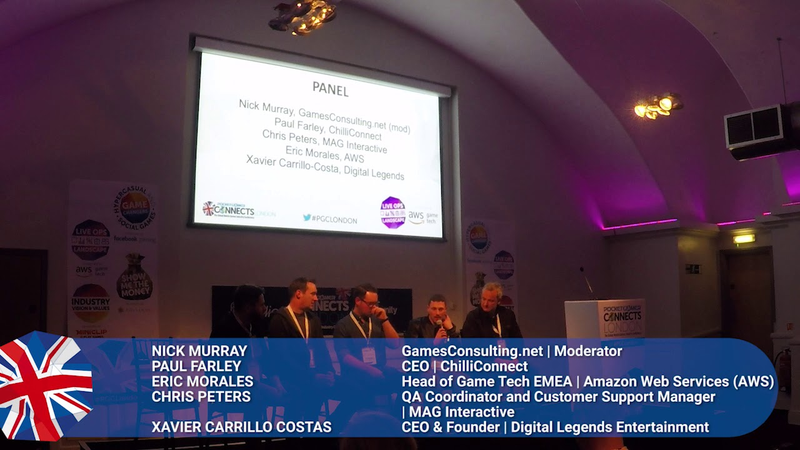
Panel: Keeping Your Community Happy
Key insights
6 takeaways- 01Foster community resilience against technical disruptions or service errors through proactive event planning and the strategic use of influencer partnerships.
- 02Balance player feedback with the studio’s core creative vision by discerning between constructive, representative input and the noise of vocal minorities.
- 03Mitigate toxic behavior and cheating by sequestering disruptive players into isolated shards, which protects the general user experience while allowing developers to study exploits.
- 04Utilize real-time backend configuration tools to address systemic issues rapidly without compromising the integrity of the broader game ecosystem.
- 05Prioritize long-term trust over short-term appeasement by maintaining transparent, consistent, and two-way communication with the player base.
- 06Avoid deceptive marketing practices and instead empower player evangelists to maintain an honest, sustainable dialogue about design goals.
Ask AI about this video
Transcript
[Music] thanks everyone for attending this panel on keeping your community happy I'm Nick I'll be moderating the event and I would like these lovely people to introduce themselves so Javier why don't you start at the end hello and Javier Acosta I'm coming from Barcelona Spain and I've been doing mobile games for 19 years the same company so started with the Nokia ngage were on stage when iPhone launch their App Store so with jobs and then we've been doing a lot of things so third-party games with EA we did the
first part of mobile and TCE then we start with their own around staffs or respond well after Paul's so we've now over 100 million downloads and we are launching a new game very soon and as well starting with VR it's very cool Chris I'm Chris Peters I work make interactive I worked in the LiveOps department I manage releases I have fairly new to this game but I in the last two and a half years I've experienced quite a lot of problems and solutions and hopefully I can give some insights those hi everybody I'm Erik Morales I lead the games business for AWS in Europe I've worked with games customers since 2011 but I didn't playing games for a stupid amount of time for the Nerds out there I have a two slot Neo Geo Gold cab that I bought cash from a Pizza Hut in suburban Washington DC that is still sitting in
storage in my apartment in Stockholm so just to know I'm one of the Brethren but I'm super happy to be here nice I'm full file I think I've been making mobile games for about 20 years as well have worked with I play originally back in the days of Wrath and Java games and then co-founded a studio in Scotland making mobile games which is now 2 beta thinking of 60 people and doing very well I left that about three years ago to join Chile Connect which is technology spin-out Chile connects a platform for running live games and something completely different but it's been quite successful this time last year actually remembering back I was stuffing Chile Connect pens onto everyone's notepads you know the night before everyone arrived and I thinking why the hell am i doing that but a month later we raised seats financed and by September we texted to unity so if you ever get asked to put pens on notepads do it with a smile on your face so we don't directly deal with people's gaming communities directly now we provide tools that will
help you manage those gaming communities and it's been really interesting the last couple of years to work with a wide range of different developers from tiny and these all the way up to publishers and help them be successful so yeah it's really great to sort of view the industry now from a different perspective to see one before where we were actually running a studio cool so to get started I mean as you say you guys on beside are more like tools based and you guys are more directly on the games base but I mean all of you have kind of positive and negative experiences with communities around gaming so can you elaborate on some of like the more positive experiences you've had we'll get into the more negative grisly stuff afterwards but start nicely so what are some of the positive experience she had Chris maybe like starts off yeah I think so at the moment I run events in some of our live of titles so word brain web brain - and the feedback from players when we're running the events is really engaging they love like
the heart of the event so it's really trying to give the players what they're asking for and and if they're asking for it they're gonna come back and play and that's how we keep them happy and keep them in those games yeah so we can share on responible we did a five years event and for that we we contact a community the youtubers and and and all people that were I've been playing so we're kind of passing the 65 million downloads it was it was important for us and all the community just went crazy about that so there's start so we did contest everybody was participating we had a lot of fun arts where video we had millions of views it was it was really really engaging for us to see how these community just mobilized to do something big at that event a lot of even youtuber that started with us and then become more famous came back did a special just
video on that on so it was it was amazing to see how the community was giving back and how happy they were about that okay so you would say actually that the success of this event was purely that you built it up so much you got everyone engaged through YouTube as well and got buy-in in advance and therefore your community understood what was happening and that we were just like seeding to different type of people or gonna be doing that it's it's it was more like a symbol for all those players and and they were our DNA it was even more important the event seemed to be more important for them than even for us the 5 years so it was it was it was cool we did some five-year t-shirt in the game we had contests a word we're doing a lot of you know crazy just creative things and and it worked a lot of small little things that it works really well very cool Eric your thoughts on working with the communities that you do obviously one step removed a lot of the
time but well I think you know everybody in this room who makes games or works on games or supports games plays games - and cares and enjoys like playing games you know we work with a lot of different industries at AWS obviously and there's a common trope that my team will hear me hear all the time that you can be really passionate about financial services but you don't go around opening up bank accounts for fun on the weekends right whereas in this in the games industry the the most vociferous fans and the biggest critics of one another's work are other people who make games right and I think one of the things that I love the most about working with this industry in particular is you know I'm a family right and everybody on our team is a fan and so we're a part of that community we have we have we feel like there's skin in the game and so we feel it when things don't work and I think from a positive perspective I think one of the things I love the most is being there when when some companies have have
achieved like really crazy computer science milestones right so recently we helped fortnight with the black hole right as a key example and working with epic on that was I mean just astounding this is a company with one game they you know the data warehouse behind that is is larger than Google search index right that's that's insane right from the on the flipside of that you know working with the thousands of indie devs all over the world who are just downloading a personal edition of unity and hacking around and trying to build something really fun and cool for the first time that's what's really neat to us about this so it's that kind of full spectrum but you know I think that the community side of it is it's it's now a good place to be yeah I think the really cool things now about being game developer is this relationship that you have with your communities that before it was a case of you produce a game you stick it into a box and put on a shelf shaf than people either bought or they didn't and there wasn't really this kind
of two-way dialogue and I think now that could be really exciting to see that you can speak to your community and they can speak back to you and then we see a lot of our developers having that two-way conversation you know with that the players of their games not just to tell them where they like the game or not like the game but actually to feedback and tell them what it is specifically they like about the game on what types of things they'd like to see more of as well I think when you're running live operations for a game actually figuring out what to build and what lots of built is really important if you build what your community wants then I don't think it'll go too far wrong I guess one example that we saw on a very simple level that was really cool probably quite early on in our journey was a relatively small developer who were really trying to get to grips with live operations for the first time like yeah we're gonna do a Content update weather do one a month and and they did their live content update and they made a master hit and introduced the really bad folk into the game which ruined it and this happens time and time again but because they'd used our platform and because they had the ability to talk and to message their community and not only
to talk in to message their community and say sorry that we've messed up and say that you were working on it we'll resolve it soon but also to gift in-game currency and some virtual items well I think at that point unique that created amazingly positive sentiment for that community and they saw virtually no churun of their players you're not period so I think when you see the small guys make a mistake you with an honest endeavor and then pull it back around because of the tools you've created I think that's been one of the most rewarding and positive elements of you know being able to enable developers that have this two-way communication yeah absolutely and in my experience as well always working with communities has led to just a much more open dialogue it's helped inform as you say the choices you make as a developer but also like keeping them in the loop of you know when things go well as well as when things go bad just means that they're far more understanding like everybody's human people know that development teams sometimes will deploy something that shouldn't really have been deployed and
rolling back on that can be very painful but if you are engaged with your community then it's much easier to help them understand why and how this has happened and that you're trying your best to resolve the error cool okay so then what about the dark side of things when the community goes visceral and evil and you know hates your guts how do you turn things around or actually give some examples of of how bad things have gone in your respective situations and then maybe how you came to resolve it I'm sorry so we had that guy I mean group of guys they were kind of strong leaders in the game influencers but we discovered they were the big cheaters as well so they were hacking the system and everything so they were posting videos on how to hack the game and so we had a dilemma because the guy was really popular so we decided to start you know banning the guards
they went they went ballistic so they organized a campaign to boycott the game and so say no so the guys are a lot of influences here but you know you say we internally we discussed that I would say what what do we do so we should because a lot of people were complaining over spending money and those guys are getting everything for free so so on the end so we decided to start you know banning the game and you know informing the guys okay what you're doing I mean you there is some behavior that it's it's it's none none none not good and and and so we discovered that their leader while getting that boycott campaign had another account and he was playing like five hours a day and then he was started getting it so a small youtuber that was started to getting traction so at certain point he needed us to authorize you know the content and things like that so then then we took
that and we managed to flip the guy back okay we flipped the guy back and just stop it was very complicated because we start talking in one of our communities start talking with him and just you know coaching him and saying hey I mean what you're doing it's not very nice and it's difficult for us because of these that Allah and first he was denying everything I'm not doing this and it's not me and you know so at the end it this turned positively it was one of our most important influencers and it's you start telling the community you know stop cheating it's unfair so it was it was really amazing how this guy taking turn that then the guy you know start to be famous and then it's it started professionally to be a youtuber for even all the game so that was that was pretty amazing be rehabilitated him fundamentally impressive yeah cool Chris and so I not long started him in my role and we we'd had a few complaints about a new feature
they'd gone out and it turned out that there was a big bug and we we had to do a quick update during that update we promised a new currency well the new currency was included in the build but we promised to give our players some of that new currency as compensation for lost blood play days and the hassle of having to go through it well little banana to me at the time we because it was a new currency we had no way to mass apply that to all of our users so there was about a two-month delay so I guess my my advice there is to to make sure what your your telling your players is true and can be done but the the other part of the advice is maintain communication with those players because we didn't see any negative traction players were sticking
around because they wanted that currency and we kept communicating and so you know we're doing our best and when it's released you'll get it and yeah the players were really happy and we've got Facebook communities where they post about these these sorts of scenarios and our games it's really good ok you heard it here first just keep telling your players something's coming in the future and they'll stick around everything will be fine cool example actually your your example remind me of this so this is a mildly via proxy we were working with a customer who well-known a large developer had released a eh-eh mm Oh on mobile they were having a serious issue with cheaters right to the point where exploits were being sold online there where there were all kinds of kind of hacks that were relatively easy to implement and it was affecting kind of the player experience
as a classic example of this right and so what I thought was interesting as opposed to to this because this developer had been through they played this game before it had these scenarios where they had players who were cheating but we're also the most kind of vocal and vociferous fans of the game and so what they decided to do was instead of outright banning the players they decided to sequester the cheaters and only match them with other Cheers and so they created basically so they took them off the leaderboards right and they they basically played had all the known cheaters on the on a single kind of shard playing against one another and they continued to kind of monetize them through ads they continued to you know they it was transparent to the end players they thought they were still playing the regular game but they were out of the general population and the key benefit to the company was to this day nobody knows number one until now we're not naming names but they this
kind of sequestering of cheaters has turned out to be a huge boon to them because it's it's created like a petri dish of new exploits once they're created because what happens when you have a lot of cheaters playing against other cheaters is a come up with new ways to cheat to try and beat those other cheaters and so they have this a constant test sample that is helping them kind of improve the experience for everybody else and more importantly they're maintaining kind of goodwill with these players who are just you know not conventionally exposing themselves through the game but they're still generating revenue via ads and they've developed a really interesting mechanism to once a player is kind of given up on cheating they slowly move them back the general population again and suddenly the game gets more accessible they get access to newer content it's become a really elegant motion so one of the things we started to do is we've tried to kind of take this framework and and work with other developers to try and build out similar solutions so we've been we're working on kind of building reference architecture for this but it's a pretty good example of you know taking
the good with the bad obviously there are always going to be some bad actors in your community but if you can to your point either turn them into promoters which i think is brilliant or programmatically turn them into promoters without their knowledge that's just as good cool thanks for stealing my thunder that's brilliant yeah I think it's pretty common I think this is you know toxicity is a major issue and it's something that I know within unity we're really looking to address over the next couple of years when you're working with studios to understand what solutions they put in place and I don't think necessarily at this point in there is you know a perfect solution for it I think that segmenting users is a good first start and we've seen that from a number of studios I think that the problem is that as you've rightly said that a lot of you know your your biggest cheaters the most toxic people within your game quite often compete some of the highest protecting users which gives you a definite conundrum in terms of you know how you actually approach this I think yeah putting them together into different buckets were particularly multiplayer games where they don't ruin
the game experience or something we've seen work quite successfully I'm thinking back to the days of tag games and when we were doing some original games there I think we had a GTS sort of game on mobile and we actually had a toxic person even before the game was launched we put some YouTube videos I and you started talking about the game when we thought well let's start building a community knife because we know that GT is a really popular game and if we can get some people that love GTA but haven't experienced the GTA style game on mobile that would be really exciting we had this guy in Eastern Europe that was basically just trash-talking us on all the foreigners everything else oh it's exactly like we reached out to when we found it it's a really nice guy and he actually turned out to be a massive evangelist for the game we got him on site we sent him some t-shirts and bits and pieces and everything else and we made sure that we taught him at least once a week and it was incredible he actually ended up being a positive force for good with him that game and probably helped ourselves as well that way in terms of organic user acquisition so again I think probably the learning
from that is you don't give up on these toxic people I mean half the time they tend to really love your game but they're just expressing it in a really weird way and really annoying everyone else they're trying to clear the game in a kind of normal fashion so if you can find ways to keep them engaged continue to monetize them and I guess you know ensure that they can't spoil the gameplay experience for the rest of your community that's definite the most positive outcome yeah I think that's a really important point you make actually about how the most toxic members can often be the ones who actually really do care about what you're doing and the reason they're so toxic is that it's not quite I don't know it's not quite like how it used to be or it's not quite conforming to how they wished it would be but they they care they're engaged they're retained and they just don't know how to express themselves well in a constructive way to you maybe yeah well less said about that the better I think so we've talked about like some of the positives and negatives I'd like to focus on tools for a second because a
couple of you already mentioned like tools that use particularly things like mass gifting are there any other tools that you recommend there's like this is absolutely necessary for like keeping your community happy and engaged you know what are some of the things you've used in the past yeah and I guess the biggest thing that we see across all developers of all shapes and sizes and resources is a lack of planning I think when you think of it running a live game you can run sometimes a headlong into it were they thinking okay once the games live what do I want to do and I think they're obvious things like gifting but there are other things that messaging being able to change the game configuration in real-time it's pretty important now as well thinking about the types of relationships you're going to have with different members of the community and ensuring that those things are in place even before soft launch so you can travel them within soft launch and make sure they're working correctly not every game needs in-game voice chat or you're inking texture Bo but if you're going to
incorporate those types of features into your game then you think very carefully about how they're going to be used and make sure that they're in the suitable filtering everything else in place so I think it's really for me you're thinking about your game and thinking about your community and how that two-way communication and connection is going to work what's the game's life because probably the worst thing you can do is watch your game and then figure out oh gosh you know we forgot to do this that the next thing I think the year the example I gave earlier the the small developer if they hadn't integrated our economy system they couldn't of you know provided that gift then it kind of provided that in-game message to say look we've got a problem we're really sorry about it we're working on it I'll be fixed soon they'd have been stuck and most of their players were adjourned of course a few people were not retained in the game that not be able to monetize them so they'll be losing revenue so I think planning ahead is there's them via the main thing I would say that you know they encourage people to do long before the game hits off watch it sorry really quickly just to back up you know Paul
mentioned right I think one of the the big shifts we're seeing on the technology front from a tooling and kind of back-end perspective is the way that people design the technical components of games is beginning to change obviously the cloud is a big big piece of that right there's a concept in IT and in development right now called DevOps if those are familiar right the idea that the same folks that are building your product are also the ones that are supporting it long term the idea of sustained maintenance is just a part of building a product and it you know in this industry we're not we're not building a retail necessarily building a single retail box sending it you know it's going gold and it just stays there and it never gets touched again that's not the reality we live in and so I think for for us on the Amazon AWS side we're really focused on how can we bring things to market that just turn all the kind of that the heavy lifting of managing infrastructure into just code and then how do we make that as
kind of a purple dinosaur as simple as possible so that people can just focus on building fun games ultimately and it's it's you know tools like Chile connect and unity and the kind of variety of back-end and middleware solutions that are actually making that really real and we're just happy to be along for the ride a Mac we use some internal tools and we a be testing and segmentation and we find that they allow us to target different users in different regions with whatever it is different sales different events just basically customize it for the people in those regions and that kind of works really well and then we also use analytics to kind of make those decisions because yeah if we see a trend in the analytics then we know that that's a good thing or a bad thing but yeah it allows us to make changes but is there a risk when you are segmenting audience members like
that if you have a broader community that talked outside of your forums let's say that you know oh here I have a pack that's priced five dollars in another one it's pack $30 how do you square that like is there not a risk for you yeah I guess that's a risk but it the players I guess that we target with those higher prices or lower prices are our players that usually spend more or less so it's kind of good for them and we also I guess offer other players the ability to move to different events okay so you're not like fixing these segments and starring it's more fluid than that okay makes sense yeah I think you you were mentioning about the backend I think the fact is the community expects you to react first to acknowledge there is a problem and then to react as soon as possible so the trends so we work with our own tech
but the trend is to move as much as possible on the back end to be able to change things imagine you you have a pricing issue so you can't wait to go the full cycle you won't have to maybe just switch it off or we had a silly thing it's we change on one of weapon the sound of the weapon we find a super cool he was like everybody hate it you know we started at one star because of that sound so so you know like you know we have the ability to just you know the server push and change it but it was like you know who would imagine that something that we thought it was an improvement just was such a big disaster so so a lot of that it's more mentality and then you have a lot of tools I would say to connect the feedback for example customer service or the community with the dev team to you know close that note because sometimes you have that feedback but it doesn't get back to the guys that are designing then you're losing a lot of things yeah I agree I definitely
think that the the industry as a whole is moving in this more holistic direction where departments are not separated in this like a very fixed way anymore like a customer support actually has to be in touch with marketing as well as development and design yeah absolutely agree cool we've got a couple of minutes left I believe so we'll open up to questions if anyone has a question now is the time it's not we can just sit here for a minute and a half and and wait my favorite color is red if you were curious red I like green personally wrong we can't be friends any questions any burning things that you want to ask if not thank you sir hey guys do you think there's any cardinal sin that's
completely unforgivable in engaging with your community I mean if we look at for instance it was a no man's sky when a year without updating the community on what was going on and yet today still after that they're a huge success and the community loves them right so that can't be it what what would it be in your minds that's a big one yeah schools provider than a huge studio leave but I think like why into community generally yeah their face lying I think Nomis guy I think there was a genuine mistake made and sounds like how you market it came you know and probably if that was an independent studio that hadn't at that point been acquired and everything else and hadn't been funded in the way they've been funded they've probably got away with it but I think because it was perceived as being like a corporation or a large entity that was essentially you know this was a cynical ploy just to sell more units of the game which I don't think it was so I think they kind of came clean so to let you we have
screwed up and I think that's always good I think yeah so don't lie to your community because they will fight you I eventually don't try to deceive them in any way that finds you I think on the flip side of that is engaged like listen you're the most important thing you we do as a business not just in Chile but I see this in unity now as well is listen to your customers you know listen to your community and for us that's listening to developers when what they want in terms of tooling with them against but I think if you're building games if you can identify your the community you're gonna have for your game I start to engage them before the game as they I think that's that's amazing and if you can pick I you know even just a small handful evangelist for your game they'll make your life a lot easier because this really is really hard to spread news you know user acquisition costs are going through the roof yeah everyone's moaning it's a it's really hard you know the big players are you know soaking everything up is they actually as a small team how'd you get some awareness for your game and if you've got you know four or five people that are on the forums talking about events talking about it's really gonna help you sir yeah embrace them to light them treat
them with respect I think if I give one mildly philosophical answer it's that we have a saying on Amazon that we have to be willing to be misunderstood for an extended period of time right and and and if the courage of our convictions if we can draw a bold line between how we spend our time in the customer benefitting then we feel pretty good about that decision in a long-term right and even if it seems a little bit weird even if it doesn't really make sense to have like a machine in your kitchen to talks to you right eventually like if that vision and execution is good enough and has a good enough experience things will catch up with the vision or it's you know you walk away and if it doesn't work you do something else and in the games industry context right think about experiences like think about untitled goose game Brett this game that that seemed like a meme but it turns out to be this exceptional stealth puzzle game or a star to valley right a game that's
so easy to dismiss on the surface is a Harvest Moon clone turns out to be this incredibly rich experience it took love and and an energy and an intellectual horsepower to build so I think being willing to be misunderstood for a really long period of time if necessary it's way easier if you're a big company I know but if you're passionate about the art you're creating and if you're passionate about you know building a really fun game for people it's hard to imagine that going south on you I think yeah basically when you're communicating with your players yeah don't ever tell them any lies and try to try and be very honest and and make sure the team can deliver something that they're they're asking for but that you've agreed internally before yeah jumping jump don't argue with them because you're never gonna win that argument let's say don't don't lie and
just listen and communicate you you need to have to open the channel I think that that's important great is a really quick question okay one person can answer it on that point about listening to your customers what do you do when you find that they all want quite different things there's like different groups that want different things how'd you keep them all happy we said we weren't gonna talk about brexit [Applause] [Music] thing to cheat your customers under their agency or their money right you're creating a vision you can always iterate but look everybody on the stage is wrong
it's a matter of how we get to right just let me add very quick in fact there is another problem which is that sometimes the more vocal people are not the ones that are right so you sometimes need to know who I mean you listen to them but then you need to know who is Right who is wrong great okay thank you very much everyone give a hand to our panelists thank you very much [Applause] [Music]
Summary
Maintaining a healthy gaming community requires a commitment to transparent, two-way communication that prioritizes long-term trust over short-term appeasement. By engaging players through consistent dialogue, influencer partnerships, and proactive event planning, developers can foster a loyal user base that remains resilient even during technical disruptions or service errors. This approach transforms potential points of friction into opportunities for engagement, ensuring that the community feels heard and valued throughout the lifecycle of a live-service title.
Operational success in community management hinges on the strategic use of backend tools to maintain a stable environment. When faced with toxic behavior or cheating, studios can effectively sequester disruptive players into isolated shards. This tactic protects the general population’s experience while simultaneously providing developers with a controlled environment to study exploits and refine security measures. By leveraging these real-time configuration tools, teams can address systemic issues rapidly without compromising the integrity of the broader game ecosystem.
Ultimately, the most effective community strategies balance responsiveness with a firm adherence to the developer’s core creative vision. While listening to player feedback is essential, teams must exercise discernment to distinguish between constructive, representative input and the noise of vocal minorities. Studios should avoid deceptive marketing or communication practices, instead empowering player evangelists and maintaining an honest dialogue about design goals. By navigating this balance, developers can iterate on their projects effectively, ensuring that the game evolves in a way that satisfies both the community’s needs and the studio’s long-term design objectives.













Comments