1 free read left. Create a free account for unlimited reading + AI research.
Create free account
Beyond Game Economy Design - Increasing Profit Through Intelligent Revenue Optimisation
Key insights
6 takeaways- 01Effective revenue optimization requires moving beyond core gameplay loops to analyze thousands of player data signals, allowing developers to predict behavior and deliver personalized 'next best actions' for individual users.
- 02Implementing automated loyalty programs can significantly boost key performance metrics, with one case study showing a 21% increase in day-one retention, a 24% increase in time spent in-app, and a 75% increase in average revenue per user (ARPU).
- 03Loyalty programs should be designed to reward engagement without cannibalizing the core game economy; points should be awarded for progression and retention, but redemption mechanics must be carefully calibrated to ensure they do not replace the need for real-money transactions.
- 04For games heavily reliant on ad revenue, loyalty programs can act as a gamification layer that drives engagement, resulting in observed increases of 56% in day-one retention and 93% in total ad revenue.
- 05To maximize in-app purchase (IAP) conversion, developers should avoid the 'paradox of choice' by limiting the number of offers presented to players, as excessive options can lead to decision anxiety and purchase abandonment.
- 06Pricing strategies should leverage behavioral economics by using scarcity, limited-time events, and tiered bundles—such as pairing virtual currency with premium loot boxes—to allow players to self-segment based on their willingness to spend.
Ask AI about this video
Transcript
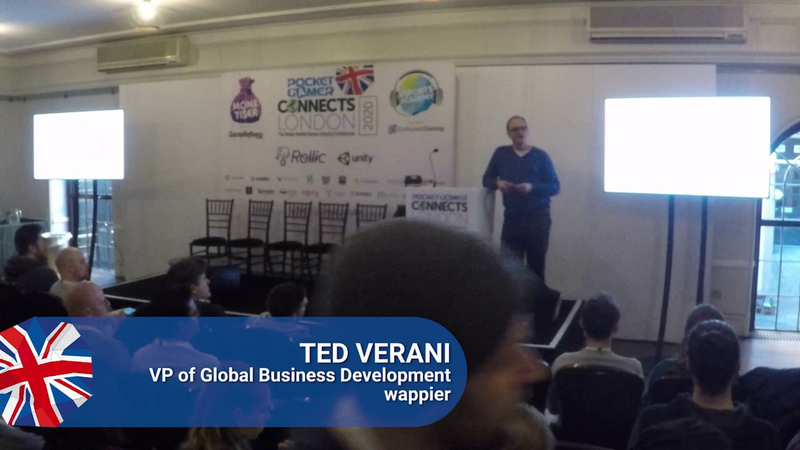
[Music] right hi my name is Ted Ronnie I'm head of business development for lapier we make apps happier let me so beyond game economy design this is you know it's a mouthful the title increasing profit through intelligent revenue optimization but what are we talk about here so Yong Kim you design so most important thing obvious that you can be doing is you create a fun game that people want to download that they want to play further and they go front of it but that's really not revenue optimization right that's the most important thing to be doing this you want to do but revenue optimization for any product is all the other things outside of that in certain
air plies to to a game and stuff let's want to talk about so you know it's a company we like to help game developers make more money so I'll tell a little bit who we are as we've been doing this for the principles the company for 20 years mostly actually with wireless carriers talk us some people like Vodafone but then there's now with rap here we're focused on games and apps last couple years exclusively and that's cuz game company is your unique right you have a really small number of people but yet managing millions of customers so we've taken some of our technology and then created an automated closed-loop solution to help game developers get their players to come back more often and and spend more time in it starts with understanding of player behavior so we have an AI engine and that allows us to analyze and then predict player behavior and then on top of that we have a couple solutions and this is you know like that that you know around trying to prevent so intelligent revenue management is one automated oil
T that's what I'm going to talking about today that's compliment by pricing optimization so you get you know getting people to come back more often you know but also like you know what's the right time for a purchase the right location in order to maximize new IEP revenues and then a newer solution audience management which is taking some of the same predictive profiles that we have within our solution and opening it up for partners so that they can use for their own game design purposes or even aua and marketing of that all right so enough about us the loyalty programs so look people like free stuff right loyalty program it's not really a new idea right your favorite pick a favorite airline in your hotel you know your coffee shop right they all want you to come back more often and doing a way of saying thank you they're gonna give you points for doing that we want to do the same things within games so you know buy anything it's a great opportunity there's games it's it's a digital good with no marginal cost so you know frankly the right price for something is what someone willing to spend for it but similarly we have an opportunity to you
know give out currencies and tokens for for folks because you want them getting the come back more often and spend more time in the game so this is just illustrate so the loyalty program you know really should be sort of outside of your game but we don't want to interrupt the gameplay progression and you know or the experience there but instead is create a loyal Thor this is an example of a loyalty profile coming and then but we're putting in there so the most first thing is to track events so this comes from your own predictive analytics so you may have so we want to understand player behavior understand the engagement they already have within the game itself taking this information and understanding a behavior then we want to introduce you know what we call loyalty tactics but frankly they're very familiar they're their best practices engagement and retention features is where they are so it's a quest it's a it's a daily spin you know it's a gift pack you know with this and then you know and if you do these things you know we want you're gonna earn points so points in this case this is another
currency on top of the game you know so we're gonna give you points for doing these things of how you calculate the points is very important right this goes back to you know we built an AI framework for this but similar leaves yourself you want to make sure you don't interrupt your game economy right you don't want to give have people stop playing points because you redeem points for things that you sell right and that's going to be you know in-game virtual items or their currencies so you don't want to give so much stuff away to where they never make a purchase because really it's supposed to work similar to rewarded to where you give some some coins they buy something hope didn't come back and buy again right that's whole idea it's like you know so not so enough to get the experience of making transaction you're learning kind of the enjoyment another level you can have that get maybe further invest into the game itself maybe they buy again not everyone will buy again but the increased sessions and session length will directly translate to increase in ad revenue for you some of the tactics you know the boards so it's a you know again best practices
organizing we built a framework in the backend so you know we think a marketing person or a product person it should be the one that's set up and manage a loyalty program but certainly this is stuff that you could do yourself organized around retention engagement gameplay progression well known you know features that you would know yourself but what we suggest is incorporating these elements not throw all of them I'm gonna talk about some of that a little bit later but incorporate some of these into your loyalty program but designed around giving them points instead of currency and again outside of your normal gameplay going further is you know try to personalize it for you know ideally on a per you know person or a segment you know basis but at least if you can understand and make it more dynamic is and this gives you idea some of the day that we're attracting non-exhaustive listen I can go through it all but you know if you look at my Raheel on the Left she's already a payer in the game right she's already being up to level 14 you know we've got predictions and lifetime value we got an idea of when she's going to convert you know and you
know it's a farce sorry partner you'll probably turn out of the game completely so in this case we're doing a bundled offer we're showing monetization features for a Meijer we want to get her to spend more because it's already spender in the game you contrast that with a ad he just joined he's been here five minutes he's only level two we don't want to scare him away with you know pricing offers right you know we want to you know gameplay progression tactics so it's a newbie quest in this example for him we want to get more invest in the game enjoying again before we start showing pricing offers for them so that's important part about personalization the same way that Amazon is going to personalize the experience based on the what you've already purchased we want to do that from the loyalty profile as well and it works okay steady example this is the first thing that we did as a company it's called WIZO WIZO it's a prior ship actually with its a large dubai-based company called NB c-- part of the portfolio is they have a bunch of media companies something it's like 150 million viewers across the Middle East
North Africa region so they promote on their television channels across that encourage people to download wizzo in the backend it's our tech that ran the loyalty program see some of the tactics you know that we put in there but you know for example you narcos download it you complete a four computer tutorial will give you five thousand points right you know so that's you know what we found in we're put 80 different games from a lot of top publishers out there is it worked really well just just saying you come back more office more time to point so great we did an analysis of 30 different games over three months looking backwards we compared what we got from WIZO versus the same games from Google Play and from the App Store and these were the results so demon retention we were able to increase 21% time spent nap we increased 24% the transactions per pay up 25% and that led to a team of art poo increased from 12 14 bucks up to 25 you know a 75% increase in our poo nothing
more than just adding a loyalty program on top with a points-based system so another one is a Phineas I mention this because hyper character right obviously hot topic and you're probably you know what so it's correct to assume that a loyalty program will work better with a more IEP oriented game absolutely that's the case but you know and I frankly my assumption was it probably won't work while the hyper Koshka in this case fun anis it's I think it's a live anymore reason why they let us do a case study but right off the bat is NBC again they had two million game installs that were to promote it around Ramadan and you know but they had huge retention issues with the game so they came to us we put in a loyalty program you know on top again just kind of out-of-the-box solution and and it worked really well and you know and this is important because with hyper casual right we're kind of at a saturation point with hyper casual d1 retention is in the most probably the most important metric you need to know
hopefully getting up to 50 percent there because you know people are coming back in the game you're not gonna see ads on that so that's it's actually critically important we saw a dramatic increase in and because the law firm that effectively almost created a gamification element of its own because this game had like 90 percent 95 percent the revenue was ads so like no one is buying you know the tokens in there anyway right but yet just getting points was fun for some people and you know there's a metrics there you know the daily session time I like you know was up 58% game on retention I mentioned you know important for hyper casual increased 56% player lifetime increase 21% then most importantly all its translated into an increase of ad revenue of 93% love again for just adding a loyalty program that's loyalty you know again it's what we do you know for customers but you know this is absolutely all things that you can do yourself if you're so inclined and you should be behavioral economics begins
right so well everything been talking about what we do if you come from a machine learning aspect and kind of more automated process there's definitely a human element and what we do in terms of designing the program based on the data and this is something you should also consider yourselves in terms of when you're designing your offers within the game where you're thinking about the player journey and how it might see as your I ApS you know for you is you know think about behavioral economics and behavioral connect what is that it's it's a combination of behavioral psychology with economics except you put but that's the study of you know cognitive behavior the influence social influencers that drive purchase decisions for for people what's going to drive them to make the purchase and psychological thing the fortunately human beings are not rational so you know they don't always make the right decision so the important part is how you design you know the offer but if you can get that right and how you communicate the offer of your value then you're more likely to drive conversions so let me talk about a couple sort of
principles around behavioral economics this gentleman here is dr. Richard Fowler he's an economist and he acclaimed mental accounting that was an implicit amount County is that is that the perceived value of something is just as valuable as the objective value which is both the very simple and kind of actually dramatic sort of powerful path itself that the just what you seems like it should be it's just when and again going back to I said earlier you know we're talking about a digital good here with no marginal cost so it's a great opportunity for game developers to really capitalize on what the proceeded value of something is so you know for example you know some customers they're not only gonna buy things at a discount so if you're able to identify most customers and you're gonna go segment them out and target them with offers for the white people they doesn't matter than the other money you know they need to see the strikethrough price at 25% off right you know and my favorite wine shop I go to has they've like it's all their wines good but they have an inventory clearance section like I always buy there just because I feel
better about the purchase because it was a good deal and that's a lot of your players and to feel the same way and that's all set an important point it's not just making the purchase to make the money that's willing to spend but how they feel about making the purchase right you know that they actually come away from it actually not feeling better about your game and maybe like you do repeat purchase others are gonna be more you know they're more convinced with limited edition items right so limited edition items can be offers that are for a limited time you know so you have notions of scarcity but also place so you know if it's you have to get a certain level in your game or you you know unlock a box and this becomes so again both playing its and notions of scarcity and for a special offer to limit the time it's a difficult to get to that also is a way for you to project value or offer value to players in order to be more impactful for them and appreciate it more bundles of course you know bundling you know putting two goods together operative discount great on its own going further and there's something we do and this is like highly recommend for
you to try to figure out on little goods that are negatively correlated together ordinarily quarterly I mean they're it's the it's two items that you would never purchase together you know and were most average people we never purchased together so I'm gonna buy item X I'm not gonna buy item Y right and well then I want to put together item X and y together I'm gonna offer it now at a very steep price discount so it's dramatic savings most purchases aren't impulse buy they're very quickly make a suit so I already know I want X I see this is where I get Y with and it's really cheap you know suddenly I'm gonna make that purchase right it's more than item X on its own so you're being ahead going back to them actually you know enjoying the getting a good deal and feeling good about their game that also you know translates to a better experience increased repeat purchases loot boxes so okay well well-known lines ation tactic slightly controversial but the but still it work well initiative so loot boxes on their own it's a random selection of items or you know it's
virtual currency together the goth step further might offering out a premium price loot box so it's got like a special rare thing that you might have with in there and that's like super cool and it's you know it would what's great about having those two tiers now is now it actually allows your players to self-select and segment themselves and so instead of just pushing you know price them they've actually deter self select and they said yeah I'm willing to spend more for something if I can be no more shirt of getting something like super cool another behavioral tactic or consider principal to consider is provide choices and not too many choices yeah you know I know the temptation is so high just to throw everything you can at some answer monetization but customers are going to you know they encounter dilemma of over choice when they get too much stuff you know thrown at them right and to illustrate let's look at that menu that Chinese
restaurant right I didn't want to read the whole thing and first of all can't all be fresh yeah it's like what do I buy you know I don't you know I don't even what to do with that you know so it's just it's and what that means is that it's a check I'm actually I'm at a dinner with a friend I'm actually getting anxiety and frustration by seeing that menu I'm having a bad experience and may not walk out but it probably not feeling too good about what I don't even know if I order the right thing or not you can't repair that with this menu it's created it's you know it's it's war organized it's got doing with me you're on with poultry don't veggies you know it's just a couple things I get feel pretty confident that maybe it's pretty well thought out you know so the selection there I feel more about I'm gonna make a decision quicker on that as well as you know I get back to you know it's enjoying my experience so appears you want to be selective with your Malaysia so again resist the temptation to reward a video in its its splash changers interstitials and they got like so many different IEP offers I can't even count them in the storefront with ten different choices you don't want people overthink it because that's going to lead to abandonment of and just dissatisfaction yeah
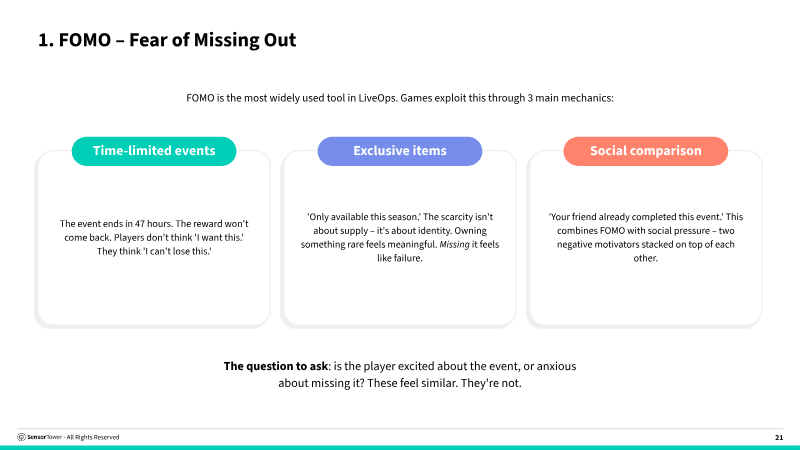
leverage in games social norms got much fun they're having their you know so play you know and if we do social norms commitment social norms what's that you know it's you know that's a nice way of saying it but you could also call it herd mentality you know FOMO you know the idea is that you know you want to sort of you know capitalize on the social commitment and that people are willing to commit to things when they observe other people's doing the same thing or translating to items they get so you know cosmetic skins in a game is a great example right you know you see so it's a racing game it's got a really cool like paint job you know like how do I get that you know I can buy that go further you know I create super cool pieces of content getting say the idea of letting people segment themselves offer it maybe for a higher purchase or maybe it's just VIPs you get a certain level in there that's an example of leveraging social norm people see other people with that really cool paint job in the car you know they covet it and they want to get it and similar to talk about with a mental accounting but also here the
leveraging social norms applies around limited time events or even limited place so again if you you know seasonality is a great one we just came out of the holiday so whether it was Christmas or you know Ramadan if you could do some straight you know event around that create content around that it's super cool time is also so you know not just you know seasons but there are periodic events and we do that already within the the world problems we bill terms of like happy hour specials or you're happy to come happy days but you know a daily bonus but the important point is when do you offer it like so your data needs to back up that if a player comes you know Wednesday afternoon you know they're likely to convert and they're gonna play through the weekend and it's going to be a much greater lifetime value so again it begins with a deep understanding you know it's a that's what we built a machine learning framework but you know if you also feel like you have pretty good insights into behavior and may be able to make predictions on that you know these are things that you can do yourself tell me on time five minutes I'm nailing it
this is promotional I'm not gonna go through it okay I'll let you stare at it and then I'll pause now to see if you have any questions so I think we're up we have like two minutes two questions right we're one minute and then you got two questions I have two questions yeah who wants to take a shot at asking the first question are you picking fantastic thanks Mike you spoke about machine learning can you talk more about how you got to that what was your process you collected how did you label it things like that okay that's a long question but I'm happy to talk about it you easy after but I mean you know simply put you know is you know if you're looking at rows and columns or Excel you know you're just getting a snapshot of some of your data right now so with your taking some reason you machine learning is that you know the human mind cannot process all the information so we're ingesting you know thousands of signals from your game so you know like it listed a bunch of those
so everything but the most important or engagement you know signals on the game and you're trying to understand and correlate that that's going to serve us up opportunities for you but it the beans are so we can talk more about that you know later but the only reason we do it is because if you're not doing that you're making kind of a gut feel and and that's maybe better than the next guys got feel but it may not match what your customers want well what we've learned from a/b testing is your gut feel is all is right a lot less do you think it is yeah right and so you know better is you know finding way to multivariate you know tests up to and that's what we do some multi-armed bandit that's I'm pricing to kind of narrow in and get to the the right points in figuring out the the ratio between that but you know but we've automated process we have some tech behind that okay listen we have just scratched the surface of what Ted knows about monetization and really good monetization tactics find him at some point during the conference today and just sit down and talk with them and drill down with them you'll have an amazing conversation I guarantee it Ted thank you so much for coming thank you mike sidic and we also have a booth
booth out there b-59 go say hello to Elena and Nicky and and they can tell you also some more about what we do thank you [Applause] [Music]
Summary
Revenue optimization in mobile gaming extends beyond core gameplay design, requiring sophisticated, data-driven strategies to maximize player retention and monetization. By analyzing granular user-level behavior, developers can implement personalized loyalty programs and pricing strategies that operate outside the primary game loop. This approach leverages machine learning to predict player actions, allowing for the delivery of the "next best action" tailored to individual engagement levels, thereby increasing session frequency and lifetime value without disrupting the core user experience.
Key findings indicate that implementing automated, points-based loyalty programs significantly improves performance metrics across diverse genres, including hypercasual titles. Case studies demonstrate that such systems can increase day-one retention by over 50 percent, boost daily session times, and drive substantial growth in both in-app purchase (IAP) transactions and ad revenue. These programs function most effectively when they provide rewards that do not cannibalize the existing game economy, instead using points as a secondary currency to encourage continued interaction.
Effective revenue management also relies on principles of behavioral economics, such as mental accounting and the strategic use of scarcity. Developers are encouraged to avoid the "over-choice" dilemma by presenting limited, well-organized offers that resonate with specific player segments. Techniques such as bundling negatively correlated items, utilizing tiered loot boxes, and leveraging social norms—such as cosmetic exclusivity—help players self-select into higher spending tiers. Ultimately, moving away from intuition-based decision-making toward automated, multivariate testing allows developers to identify optimal price points and offer timing, ensuring that monetization efforts feel like a value-add rather than an intrusion. This analytical framework is applicable across the global mobile gaming industry, providing a scalable method to convert casual players into loyal, long-term spenders.













Comments