1 free read left. Create a free account for unlimited reading + AI research.
Create free account
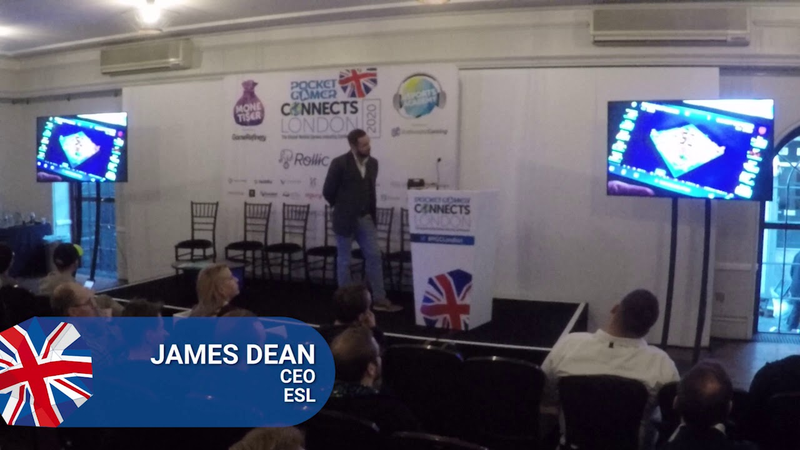
Furthering the Esports Eco-system Through Monetisation and Physical Space
Key insights
6 takeaways- 01ESL is developing a government-funded, scalable B2B framework to transition esports from a high-viewership model to a sustainable, profitable ecosystem.
- 02The initiative focuses on replacing traditional, ineffective media rights models with direct consumer engagement strategies to unlock new revenue streams.
- 03Advanced digital tools, including mobile apps, VR, and virtual studios, are being built to provide real-time predictive analytics and data-driven content to viewers.
- 04Cloud-based infrastructure will be utilized to process massive data volumes, aiming to make complex game mechanics accessible to casual fans while deepening engagement for experts.
- 05Financial projections indicate that even conservative adoption rates of these interactive, data-enhanced experiences could generate millions in incremental revenue per major event.
- 06The framework is designed to be globally scalable across any gaming intellectual property, aiming to establish a standardized, data-backed model for industry-wide commercialization.
Ask AI about this video
Transcript
[Music] apologies for their very very scruffy bit but I'm about to go to Vancouver it's very cold out there and I'm I'm planning to Kate's for the the warmth the environment - 30 we're just waiting for the deck but what I'm here to talk about is actually something of a project we've been working on as ESL which is actually government funded which is really exciting it's the first funding it's not this one is the first funded project by the government directly within eSports and it's all to explore new ways in which we can monetize which is that's absolutely
imperative to ensure there's a sustainability and there's a growth in in the very exciting space eSports is obviously as ESL we're one of the largest eSports companies in the world and the UK office is was founded in 2012 there's some ex colleagues in the room including spike over there and we we really want to here we go we really want to find what is the next way in which we can really monetize our own IP but it has anything this is a government project and it's not any project and it's all for us to learn from so first of all the facts so we know it's massive there's loads and loads of games out there they're the top tier games when there's a huge amount of viewership around the tournaments that will run obviously there's the engaging forms of content around those games and then of obviously there's hundreds of games more
that will have you know additional viewership that's not on the screen there's a lot of partners come into the space sponsors brands there's stars or investing in the space using their own personalities to to increase the value proposition and their investments obviously there's a sports industry looking at the space trying to find new ways of engaging with that millennial audience and of course with broadcast media as well always challenged around what's the future of their audience and how are they going to engage with that audience and it's the right demographic of course its millennial it's gen z it's a lot male but that's changing slowly they're all high spenders they're all adapting online and they're quite hard to reach outside of this gaming community so the opportunity really is is huge and it's a growth market as well aggregate year-on-year
we're looking five to fifteen percent across different areas extremely exciting space I mean this is a largely reported by a few data companies including News ooh but it's safe to say that the industry is not going anywhere it's just a matter of finding out what that value return is and these ecosystems are beginning to form this is ESL's ecosystem a lot of other industry partners if you like whether they're game developers or other tournament operators have their own ecosystem so all the way from grassroots to kind of the World Cups there's a really solid sustaining sustainable environment for the teams and all the other stakeholders involved so everyone knows that they can potentially put more money into it and Nielsen also have analyzed this space and they report a huge ROI and this is you know based on ESL one cologne but
that's not our biggest event even and that could be it's exactly the same place for most IP within the gaming spacing the content created around it you know if it's authentic which largely it is then the users are engaged heavily within that content it's a service to the community and invariably it's extremely successful so the big question why are we struggling why is the topics of today about only unlocking that monetization and finding out ways in which we can you know extract that value from the end user ultimately because of the value that's been provided to them and obviously there's a lot of innovation in this space and it's a exciting area and that's I guess one of the most exciting areas of investment so we sort of assess well what are those barriers and first of all the stakeholders you know we have this this
concept of the community owning the space everything we do is for the community the community kind of vote with their feet they don't like something they'll walk away from it so it's really important to find that balance between what the IP proposition is and as that IP builds out and it starts attracting a fan base how it monetizes in return there's also the third party IP zsl being one of them where a tournament provider but there's the teams as well as all the stakeholders who bring that viewership in maybe it's venues maybe it's a celebrity whatever it is that's a third party IP at the table that is absolutely crucial to making this sustainable environment and then it's about collaboration I think you know if we look 5-10 years past the people who are involved in these sports industry is a bit of a knuckle fist fight and we're always fighting over a bit of a slice of the business as it's grown what we're starting to see is that the collaboration is where it's really building out so whether that's you know
franchise systems or or deals with other types of deals with teams but also with with other tournament operators or or IPS obviously coming together and bringing a bigger proposition to the table ultimately what we're looking for is that sustainability in that that consistency because if if a stakeholders coming in and putting money on the table they need to know that the end goal is reached there's also the understanding sorry about the font there we're finding that as the industry of Falls there's a lot of myths being created misreported data or or situations around and false promises and there's also the chances obviously we have a lot of companies in the space of putting their hand up and saying yeah we know eSports nowhere nowhere is and we're finding there's a lot of bad fingers in that manner so a lot of advice we give to to stakeholders
coming into the space is you know do your research just make sure that this company really knows what they're talking about and generally they they will usually find the right direction to go and access to data I think one of the fundamental this has been touched on in the previous presentations is that we need to do a lot more analysis on around that the audience and and the performance of the content we create of course there's a lot of partners that keep that very close to their chest if we look at twitch being one of the biggest ways in which we put our content out to an audience well they will only let a certain amount of data or give a set amount of data back to the earth this third party IPO no even the primary IP being the game themselves so that makes it very difficult then to to try and figure out well how do we actually really sell this so we need to engage with that consumer more directly and then that can lead to a Mis guidance as
well maybe we follow a route when we tried to do ESL one Birmingham in the UK it was commonly perceived that this was be absolute disaster because dota 2 in the UK just doesn't work well it turned out to be one of the most successful ears are ones in history so who'd have thought and then that founding interest I think we see this with a lot of companies especially sponsors where you know they will say yeah we've got an eSports strategy or we're investing in the space but really if you do the Suns they're probably investing about 0.1% of their time the BBC is a good example where they're being challenged by Ofcom to reach a younger audience well you'd have thought gaming would be priority number one but in their mind they're basically saying well we don't have time for eSports we don't understand it we don't have a founding interest and the few that do on in a senior position to push it forward I think that's going to
change over time as as you know people get older and they get their senior positions and listening to the community of course risk and reward is really important long-term business models extremely important because it's not all about the quick win eSports is a buzzword I think we suffer from that and we need to have long term faith in consumer revenue and of course the evolving media right side of things at the moment that's being challenged as a status quo this idea of a sport going out there getting a million millions of pounds for their sport and that's not going to happen in these sports how do we do it we need to start thinking about the alternatives and it does happen that's the International this year well sorry last year they reach 34 point four million dollars in consumer revenue as crowdfunded and 25 percent of that is that figure there so you can say just the the faith in consumers coming to the table and saying yes we believe in this and we're going to put our money down it
happens so really wanted to explore this and something called the audience for the future came up as part of the industrial strategy and we actually won the sports entertainment segment aside to a lot of sports very well established sports applying for 4 million pounds of funding so we're very proud of that and this is the kind of timeline and we started developing out effectively a b2b framework and we first demonstrated this in Birmingham last year and then Hamburg again I've got a four minute video to really give you an idea of what we've been doing and then we'll have another year of development and just to just a reinforce this is an R&D project and it's all about exploring different ways so collaboration is absolutely key in this project and we implore anyone to speak to us about what we've learnt and how we can share those learnings in
order to find the ultimate goal of monetization so this video will just demonstrate what we've done so far [Music] welcome to ESL one Hamburg our second MVP of the year and this is our first opportunity to take the product to the consumer we've really scaled up the MVP this time in Hamburg our application has gone live too public for the first time and its second iteration we've got the dashboard for the talent and the backstage production team which is really giving them a lot more insights we've also got the first demonstration of using a virtual studio with ten and of course we've got that all-important virtual reality experience which we have one demo on our beef so one of the changes that we as content producers are facing is to make whatever happens on the display accessible to people to the audience dota is a highly complex game
of multiple of heroes different items different combinations so a lot of data gets generated and of the data that's provided by Weaver does not only help people who are new into the game to understand the basics but only help the experts to dive deeper into the content and to the material of dota 2 we're supporting the vera from the mobile apps today really trying to make it so it's public ready when it's just been launched its open beta inverse of all we had three different screens which players have to swipe between information application at this event we've deployed three different BR cameras to a que cameras and a stereoscopic camera behind the players which gives a really intimate viewpoint on stage our focus group back in the UK
are watching the event live we're capturing metrics in real-time so we can analyze the way that they're watching experience the event and when we get back to UK we'll be following up directly with them to get some more qualitative feedback from their experiences with video is obviously the high volume of data rates are going to high resolution data stereoscopic surround vision all of those create huge data volumes that we've got to distribute out to possibly hundreds of thousands of users we've been evaluating different stadiums from many of the cloud providers like Amazon and Google and currently we've gone with Google so we don't have to worry about data streaming to local service it takes the load of our back-end clients what we've we're doing is in terms of live feed was brilliant because you can see who's got the advantage who's deploying the tactics what strategies are going on and before you know it you kind of hopped into the game they get you closer to the actual action the Weber app really gives you the context that you need to understand where you are in a dota game how it's gonna play out from here on out it gives
you that extra bit of knowledge I realized the way that the Apache is kind of translate the amount of data that isn't dota and it's for dancing it down and visualizing it feeds into this view a you've got basically a framework for how the game can look and now you're looking at what's the next predictive part of this where is the game gonna go in the next 20 minutes you all of these unique things that take it to the next level we're now starting to really see that overall vision the seamless experience that is across the app across the professional tools for the cast across the virtual studio all infused with exciting data creating an all-encompassing experience for the viewers the ambition for the virtual studio element is to be able to give a much more concise informative behind the game that's just been played we've taken the same data that's been driven into the mobile under VR experience but give that to our presenting time our on screen tell them that fully understand the game from a really high level the next stage of the virtual studio development is really exciting two key
areas and the first beam to look at the studio design itself we think that we can expand on the scale of it from our first proof of concept but also we really want to flesh out some of the presenter tool sets of Lawford so the two next big things for Weaver hyper personalization tailoring the content even more taking maybe people's own data and opening our experiences up to also be tools for creation of contents to really give people the tools to author content and to be successful greatest themselves it's been an incredible journey so far we've had a huge amount of response from industry broadcast press and obviously the all-important stakeholders that's the community from dota2 themselves so basically what we've created is this b2b framework although we've got a lot of end-user consumer points there's in an app and the virtual environment etc the whole project is all about actually providing that sort of digital narrative
with statistics and analysis and using AI machine learning to empower existing platforms or new platforms and figure out how we're going to do that and what we've actually done is is looked at well what does that monetization look like this is one of our largest events it's ESL one sorry I am in Katowice and you know we reach 400 11,000 kind of live stream so that's not unique that's people probably coming in maybe three times over three days and calculating that level and if we're to look at the revenue projections and so obviously in 2018 we start project we've got a total reach of potential hundred eighty million all the way up to 2023 if we scale up this event reaching 377 let's say and we take the percentage of that maybe realistic of adoption 40% maybe would actually consider using one of
these experiences whether that's through twitch or Facebook or NOC ulis or or any other platforms that exist at the time and we've got this a figure 150 million in 2021 we can potentially reach now if we were to take 15% of an adoption rate of that 40% that would be about 70 million people potentially doing something with Weaver and there's a lot of different end use of values we can bring to the table there if we were to take an extremely conservative figure if let's say 25 pence to actually monetize that fan base which I think you could you could swap these numbers around a lot but still to reach about 4 million pounds in additional incremental revenue for just one event would actually pay for the entire thing so we really feel that we're unearthing and uncovering a new opportunity in ways in which we can engage provide value and
ultimately monetize the content and this is absolutely scalable it can be the small tiny stuff all the way to the very very large stuff because if people really care about what they're watching is what we're all doing in this room then they're going to actually put their money on the table they've done it time and time and time again so that's the presentation thank you very much Q&A if I've got probably two minutes I think so there's a question over there yes let me go to you just a second hello I understand this is the model you have done in the UK because you have funding from the government but you have also events all over the world it means it's something that you can replicate in agra fee absolutely so that it's a framework it's a b2b framework so it applies to it can work with any IP whatsoever so we're just basically an R&D project to discover how and then what we what we'd like to see and as we
go along there's a lot of IPS coming to us saying hey we'd like to test out this framework with our own IP and and see where we can also make incremental revenues so absolutely it's completely globally scalable and it's global from the outset you go okay he's going to you firstly I just want to say thank you for here so I'm Birmingham my way in terms of you mentioned like BBC and other kind of traditional things what are you guys doing - what are you doing anything to try and kind of push them to take a chance on you with some of your tournaments yeah I think it's a very political game I mean the director of BBC Sport who is absolutely responsible for ultimately
commissioning eSports content as it stands in the grand scheme of things sat on a stage and said explicitly we're already doing eSports so that's the challenge and the reality is I think we need to push harder probably from a public affairs perspective we speak to people in London and insulted we talk to the R&D teams but really it's the only people really trying to drive it internally other people who are actually gamers themselves currently so I think unless say Ofcom really do start saying hey you're still not doing anything here and there was a article on Radio 4 this morning about this exact point you know I don't I can't see any major changes coming from that direction which would be a shame and more of a missed opportunity for the BBC of course so I have a two-year-old and already he's not interested so you know I think it's a good question that a very very long answer potentially but
together we need to just keep singing the same message I think thank you thank you very much James you [Music]
Summary
The esports industry faces a critical challenge in transitioning from a high-growth, high-viewership sector into a sustainable, profitable ecosystem. While the market demographic—primarily Gen Z and millennials—is highly engaged and represents significant spending power, the industry struggles with fragmented data, inconsistent monetization models, and a lack of direct consumer engagement. To address these barriers, ESL has launched a government-funded research and development project focused on creating a scalable business-to-business framework designed to enhance viewer experience and unlock new revenue streams through data-driven content.
The core of this initiative involves developing advanced digital tools, including mobile applications, virtual reality experiences, and virtual studio environments, that provide real-time, high-resolution data and predictive analytics to viewers. By utilizing cloud-based infrastructure to handle massive data volumes, these tools aim to make complex game mechanics more accessible to casual fans while offering deeper insights to experts. This approach seeks to transform passive viewership into an interactive experience, fostering a stronger connection between the audience and the intellectual property.
Financial projections suggest that even conservative adoption rates of these enhanced experiences could generate substantial incremental revenue. For instance, applying a modest monetization model to a fraction of the potential audience at a major event could yield millions in additional income, demonstrating the viability of the framework. The project emphasizes that long-term sustainability requires moving away from traditional, often ineffective, media rights models toward direct consumer engagement and collaborative partnerships between tournament operators, game developers, and stakeholders.
The project is designed to be globally scalable and applicable to any gaming intellectual property. While the initiative is currently navigating the complexities of industry adoption and the political challenges of engaging traditional media entities like the BBC, the ultimate goal is to establish a consistent, data-backed standard for monetization. By prioritizing authentic community engagement and long-term value over short-term gains, the framework aims to provide a blueprint for the future of esports commercialization.

















Comments