Global reports and market data
Documents
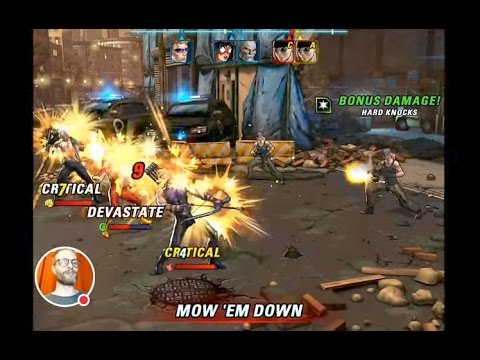
Marvel: Avenger Alliance 2's deep use of buffs/debuffs
Marvel Avengers Alliance 2, a mobile-first sequel to the original Facebook title, distinguishes itself within the squad-based card collection RPG genre through a heavy emphasis on tactical depth.
- Marvel Avengers Alliance 2 centers its combat loop on a complex buff/debuff system that rewards strategic move sequencing rather than basic attacks.
- Players can manipulate combat outcomes by applying status effects that reduce enemy defense by 20 percent or increase friendly damage output by 40 percent.
- The game utilizes a three-by-three combat structure, allowing players to manage a primary team of three heroes and a reserve pool of three additional characters for mid-mission swaps.
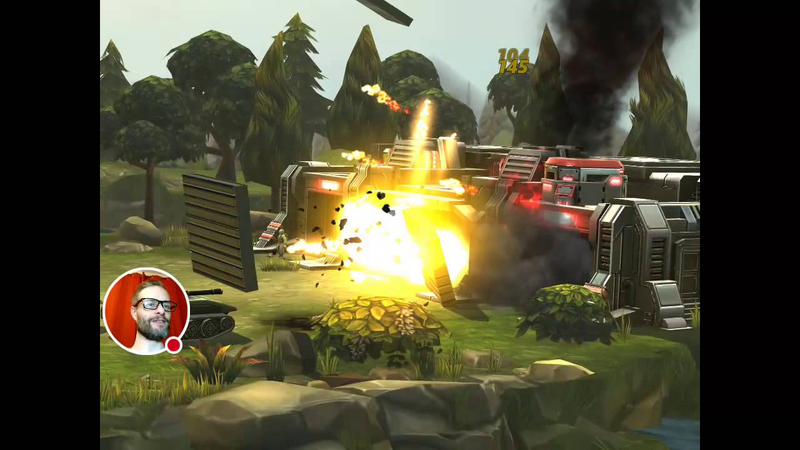
FTUE: League of War: Mercenaries
League of War: Mercenaries serves as a contemporary military base-battler reboot developed by MunkyFun and published by GREE.
- League of War: Mercenaries is a modern base-battler reboot developed by MunkyFun and published by GREE, serving as a successor to the original 2013 title.
- The core gameplay utilizes a lane-based, rock-paper-scissors tactical system where players manage credit-based energy, unit cooldowns, and specific unit counters.
- The game’s metagame is built on a multi-currency economy involving gold, bolts, and oil, alongside complex squad composition and unit upgrade systems.
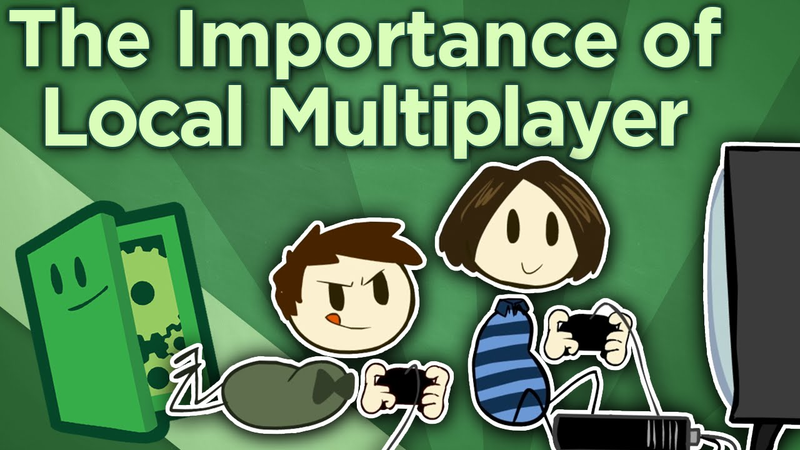
The Importance of Local Multiplayer - Seeing Eye-to-Eye - Extra Credits
The decline of local multiplayer in the AAA gaming industry is driven primarily by economic incentives rather than a lack of player interest.
- The decline of local multiplayer in AAA gaming is primarily driven by an economic strategy to increase unit sales, as removing couch co-op forces each household member to purchase their own individual copy of a game.
- Online-only gaming environments contribute to increased toxic behavior by removing the empathy and accountability fostered by face-to-face interaction.
- Physical proximity in gaming, such as playing on a couch or at an arcade cabinet, serves as a social foundation that builds genuine friendships and bridges divides between players.
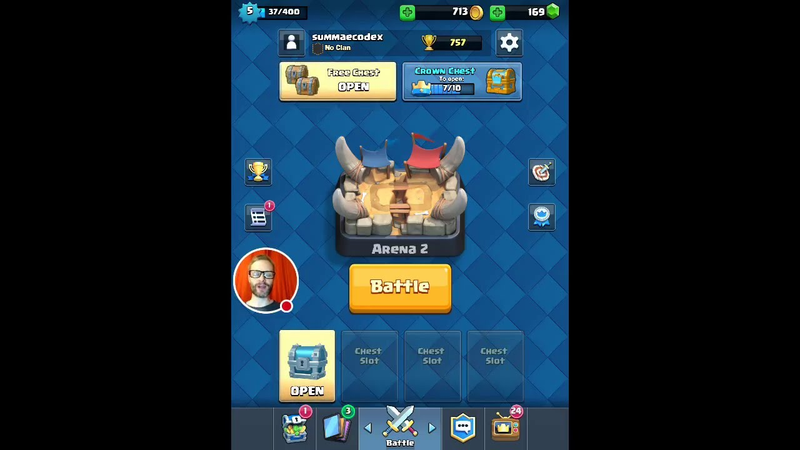
Clash Royale's immediate reciprocity (and accidental Battle launch)
Clash Royale utilizes psychological principles of reciprocity to drive player retention and engagement through its user interface design.
- Clash Royale leverages the psychological principle of reciprocity by positioning free reward chests as the primary visual focal point upon app launch to foster immediate positive player sentiment.
- The reward system utilizes a four-hour replenishment cycle to establish a consistent, habitual return loop for players.
- Interface design prioritizes immediate gratification over menu navigation, effectively masking the complexity of the game's deeper systems and currencies.

FTUE: Marvel Avengers Alliance 2
Marvel Avengers Alliance 2 represents Disney’s transition of its successful social media franchise into the mobile squad-based role-playing game market.
- Marvel Avengers Alliance 2 marks Disney's strategic pivot from social media to the mobile squad-based RPG market.
- The game utilizes a three-by-three grid combat system, mirroring the design architecture found in competitors like Star Wars: Galaxy of Heroes.
- The first-time user experience prioritizes narrative immersion and a hands-off tutorial structure that emphasizes early strategic decision-making and turn-order management.
A Structural Model for Player-Characters as Semiotic Constructs
The player-character functions as a complex semiotic construct that simultaneously operates as a narrative entity, a ludic component, and a vehicle for player expression.
Reconciling Csikszentmihalyi’s Broader Flow Theory: Meaning and Value in Digital Games
Current game design discourse frequently misapplies Mihaly Csikszentmihalyi’s Flow theory by reducing it to a narrow calibration of challenge and skill.
We Are All Fishes Now: DiGRA, Feminism, and GamerGate
The 2014 Digital Games Research Association (DiGRA) conference Fishbowl event, titled "The Playful is Political," serves as a focal point for analyzing the intersection of feminist game scholarship and the GamerGate movement.
On Chairing a Games Research Conference
This analysis explores the multifaceted responsibilities and strategic considerations involved in chairing an academic games research conference, specifically drawing on experiences from the Digital Games Research Association (DiGRA) and the Foundations of Digital Games (FDG) conferences.
World of Warcraft Dramaturgical Approach: A Drama That Plays with Its Own Limits
World of Warcraft functions as a sophisticated, evolving dramatic system designed to facilitate infinite expansion through a unique synthesis of rigid structural rules and player agency.
- World of Warcraft maintains long-term engagement by balancing rigid, developer-controlled narrative arcs with player agency, ensuring the game can expand indefinitely without breaking established lore.
- The game utilizes a modular, quest-based system derived from tabletop role-playing traditions to allow players to construct non-linear narrative experiences.
- Specialized instances are used to isolate cooperative and competitive encounters, allowing developers to maintain control over key narrative beats while providing players with localized agency.
Welcome to the Dollhouse: Constructing Bodies in Crytek’s Crysis and Mattel’s Kiddle Dolls
Video games and traditional toys share a fundamental lineage as constructed, prosthetic bodies that shape human subjectivity.
- Digital avatars in games like Crytek’s Crysis and physical toys like Mattel’s Liddle Kiddles function as prosthetic bodies that actively shape human subjectivity and identity.
- Both video games and traditional toys act as affective ecosystems that use hypernormal models of interaction to structure user agency and narrative immersion.
- Crysis reinforces a masculine power fantasy by mapping player agency onto a hyper-militarized, technologically augmented avatar within an economy of fear.
Century of Play: 18th Century Precursors of Gamification
Gamification is not a modern digital innovation but rather a historical practice with deep roots in the eighteenth century, an era frequently characterized as the Century of Play or Spielsaeculum.
- Gamification is not a modern digital innovation but a historical practice rooted in the 18th century, an era known as the 'Century of Play' or 'Spielsaeculum'.
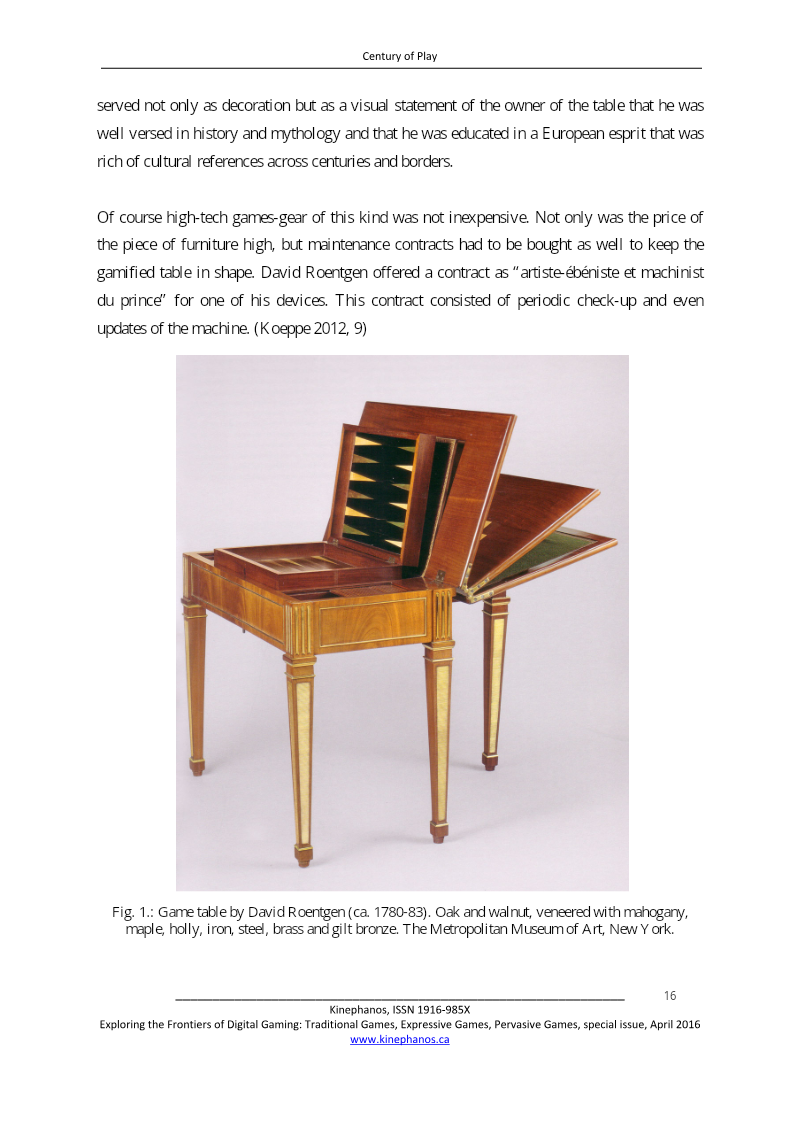
- 18th-century society integrated rule-based mechanics and aleatoric systems into non-game sectors—including luxury furniture, religion, and science—to influence human behavior and social habits.
- The historical use of play as a tool for managing power and knowledge mirrors contemporary digital strategies that use ludic elements to increase engagement with repetitive or functional tasks.