Global reports and market data
Documents
Arts-Based Inquiry with Art Educators through American Freeform
This paper summarizes Jason Cox's dissertation on applying American freeform role-playing, a form of larp, as an arts-based research method with professional and pre-service art educators.
- Jason Cox's dissertation applies American freeform role-playing, a form of larp, as an arts-based research method with professional and pre-service art educators, producing what the author calls participatory arts-based inquiry.
- Five players, including the author, collaboratively designed a fictional suburban private school with economic diversity, a well-regarded arts program, and recent leadership change, then played "What to Do About Michael?" across eleven scenes, developing over twenty characters using eight meta-techniques such as the "ball of yarn" and "locked-eyes" methods.
- Participants concluded that power in educational settings is context-specific and tied to the identity of an authority role, and that collective authority often suppressed individual voices and flexibility.
We Need to Talk: A Literature Review of Debrief
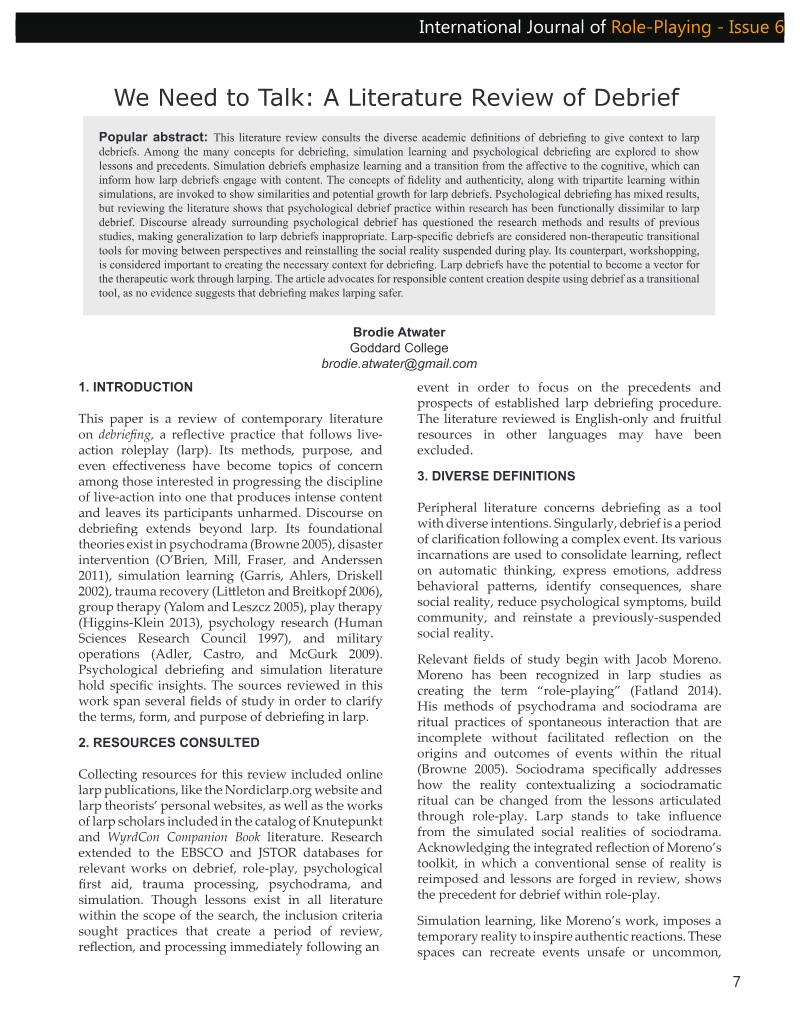
This literature review examines the concept of debriefing across several fields, with the aim of grounding and improving the reflective practice that follows live-action roleplay (larp).
- The central thesis is that larp debriefs are non-therapeutic transitional tools that move players out of a fictional frame and reinstate their social reality after play.
- Simulation learning is the closest structural parallel to larp debriefing, following a sequence of awareness, critical analysis, and new perspective mediated by an expert, and engaging cognitive, affective, and psychomotor learning domains.
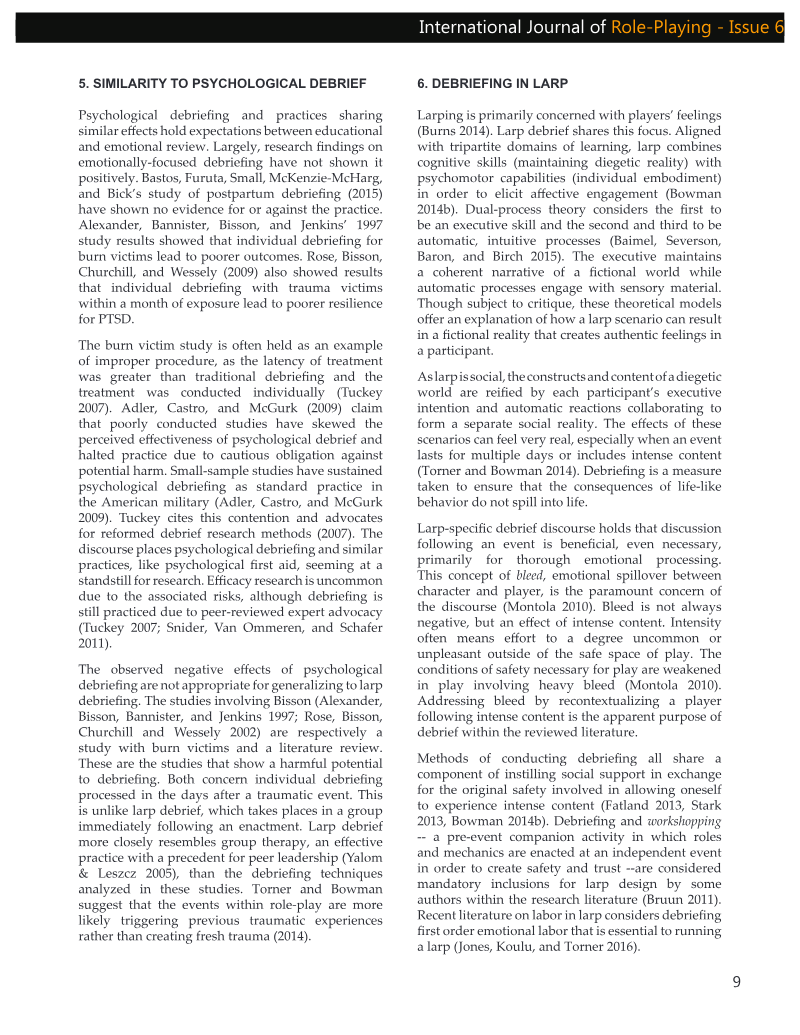
- Psychological debriefing shows mixed and often negative results when applied to trauma victims such as burn patients and people exposed to acute stress, but the review argues these findings do not generalize to larp because larp debriefs happen in groups immediately after play.
Accretion - Design by Landfill: A Longterm Strategy? - Extra Credits
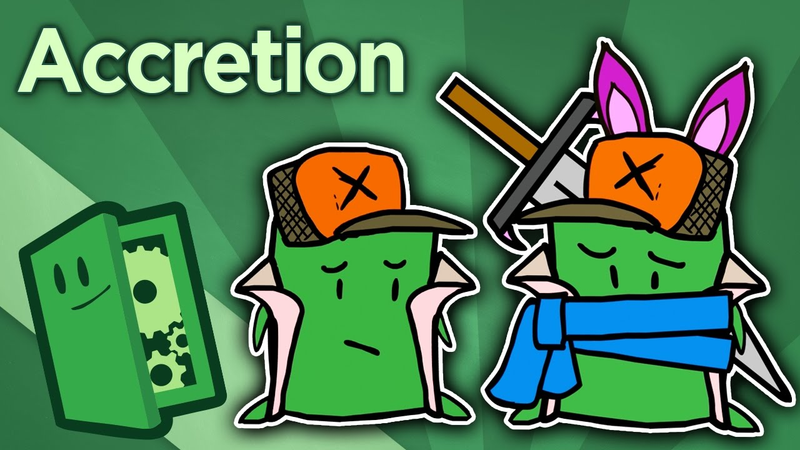
Accretion, often described as design by landfill, is a development strategy where designers address broken or stagnant game mechanics by layering new systems on top of existing ones rather than refining or fixing the original code.
- Accretion, or 'design by landfill,' involves layering new game systems over broken or stagnant mechanics rather than refactoring existing code to maintain development speed.
- This strategy allows developers to bypass complex system integration and delicate balancing, enabling rapid iteration cycles for MMOs and annual franchises.
- By introducing new currencies and gear that render previous iterations obsolete, developers create a disposable design cycle that effectively mitigates player churn.
The Unsatisfied Mind: Grappling With Depression in Game Development
The pursuit of professional validation within the game development industry frequently fosters a destructive cycle that prioritizes external acclaim over personal well-being.
- Professional validation in game development is frequently conflated with self-worth, creating an addictive cycle where external accolades fail to provide genuine personal fulfillment.
- The industry culture normalizes the sacrifice of mental health and personal stability, leading to severe burnout, depression, and potential substance abuse among developers.
- Defining personal identity exclusively through professional output creates a disconnect from core values, leaving individuals vulnerable to profound emotional instability.
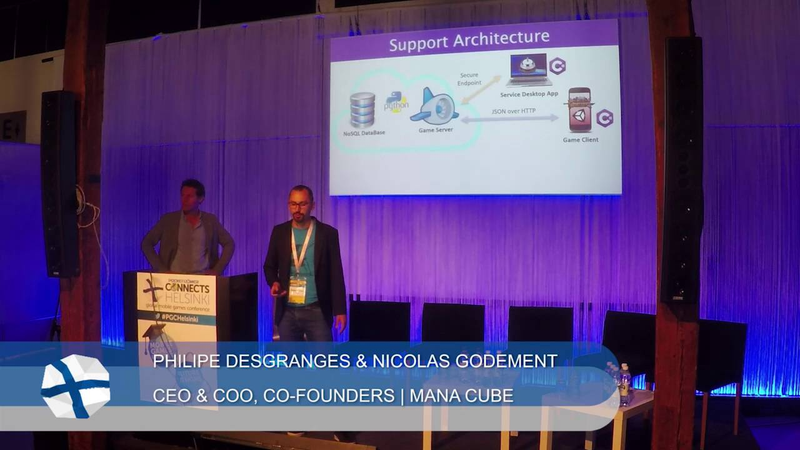
How to delight players with amazing customer service
The primary objective of this presentation is to demonstrate how small game development studios can scale high-quality customer service to improve player retention and brand loyalty.
- Treat customer service as a strategic marketing function rather than a reactive cost center to drive player retention and long-term brand loyalty.
- Integrate support tools directly into the game architecture to allow agents to access real-time player data, view payment histories, and modify save files instantly.
- Implement a 'player happiness' philosophy that mandates responding to all support inquiries within a 24-hour window.
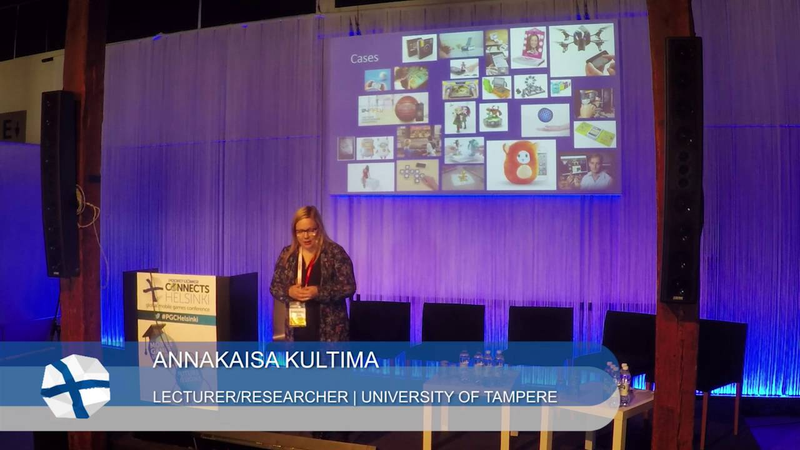
How developers are combining physical toys with digital worlds
The intersection of physical toys and digital services represents a significant evolution in the gaming and toy industries, driven by the emergence of hybrid playful experiences.
- The hybrid toy-digital market underwent a period of rapid expansion between 2012 and 2014, driven by the commercial success of 'toys-to-life' models like Skylanders.
- The scope of hybrid product development has expanded beyond children's entertainment to include adult-oriented gadgets, programmable robotics, and professional performance-tracking tools.
- Technological advancements in 3D printing and sensor miniaturization are enabling new methods of personalized manufacturing and rapid prototyping for physical-digital products.
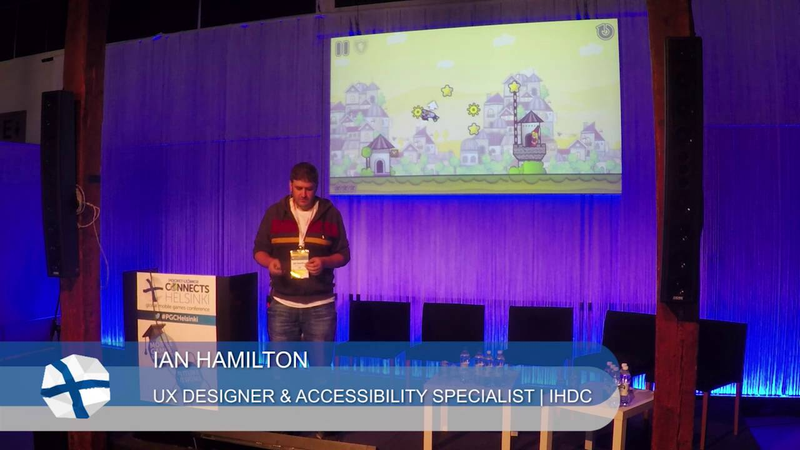
How to make your mobile games more accessible to people with disabilities and impairments
Accessibility in mobile gaming is defined as the removal of environmental barriers that prevent individuals with medical conditions from engaging with digital content.
- Accessibility is defined as the removal of environmental barriers, with approximately 18% to 20% of the global population living with a disability.
- Designing for accessibility expands market reach and improves engagement for all players, including those facing situational impairments like bright sunlight or noisy environments.
- Developers should prioritize vision, hearing, and motor control by implementing high-contrast interfaces, scalable text, and robust, customizable subtitle options.
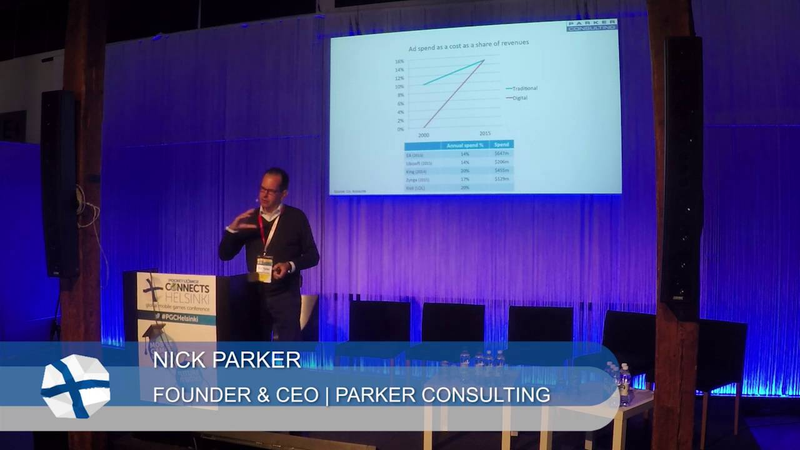
How to survive the games industry's IndieAppocalypse
The mobile gaming industry has transitioned from a period of democratization to a highly saturated market, often described as an "IndieApocalypse."
- The mobile gaming market is highly consolidated, with the top ten titles capturing approximately 43% of all global revenue.
- Discovery is the primary barrier to entry in a saturated market containing over 600,000 game apps on iOS.
- Studios must treat development as a rigorous business, as many failures stem from a lack of formal strategy, clear monetization models, or sufficient capital.
What are the games industry fads and trends of 2016?
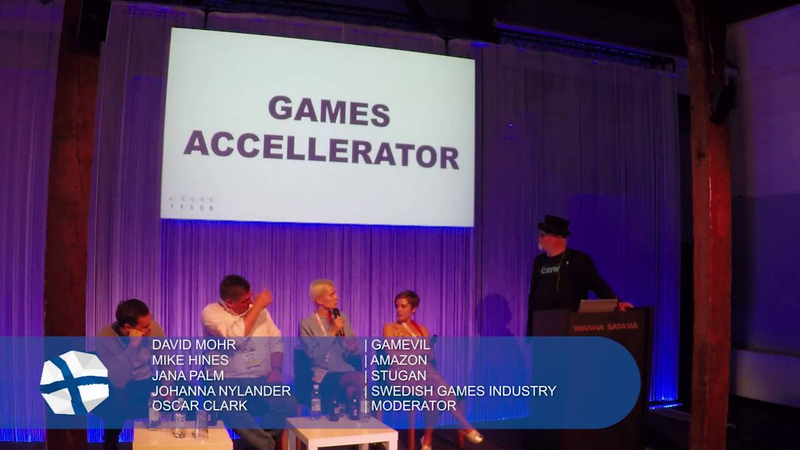
The gaming industry in 2016 is navigating a transition between fleeting fads and sustainable design trends.
- Procedural design and music-integrated mechanics have established themselves as enduring pillars of development, offering the scalability and community engagement necessary for long-term retention.
- Game accelerators have become a vital structural component of the industry, providing indie developers with the mentorship needed to transition from early concepts to commercial viability.
- Space simulation games are currently facing market saturation, requiring developers to adopt more innovative mechanics or diverse settings to maintain player interest.
Finding success in mobile games the second and third time around
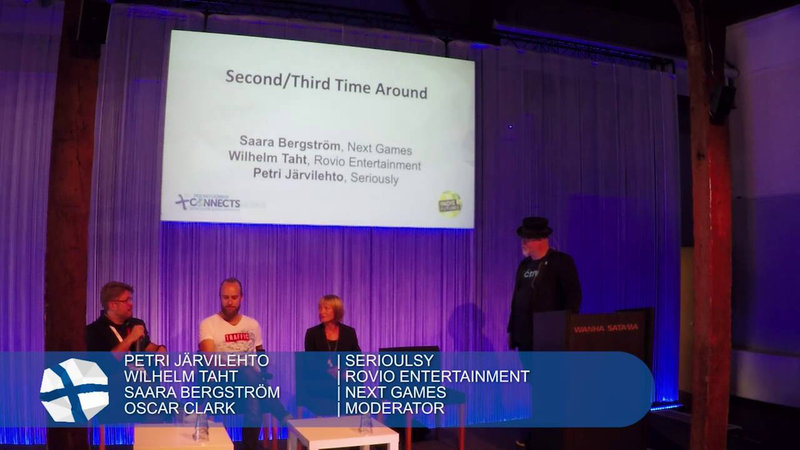
Long-term success in the mobile gaming industry is increasingly defined by the ability of veteran founders to apply lessons from previous ventures to leaner, more agile organizational structures.
- Long-term success in mobile gaming is increasingly driven by veteran founders who replace resource-heavy models with leaner, more agile organizational structures.
- Sustainable growth is achieved through disciplined team recalibration and a shift toward high-quality product development rather than relying on the luck of an initial hit.
- Studios should prioritize a values-driven culture of transparency and a player-first mindset to maintain operational clarity while scaling toward global brand status.
What market trends and developments in the app stores mean for indies
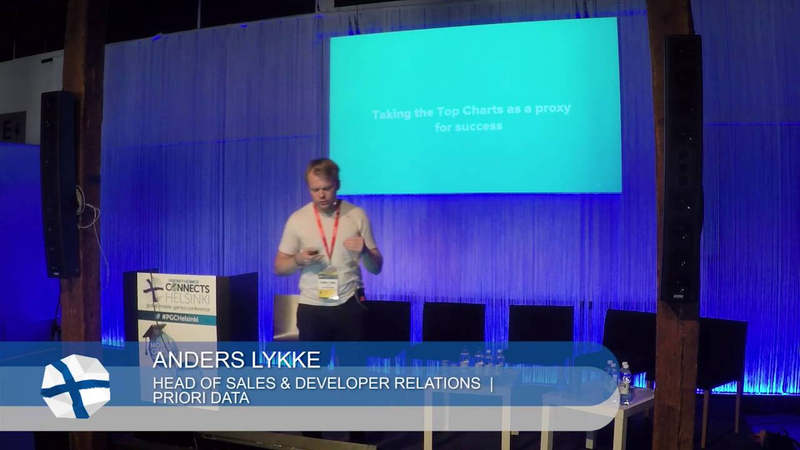
The mobile gaming industry remains a high-growth sector, with the market projected to reach $37 billion.
- The mobile gaming market is highly concentrated, with the top 100 companies capturing 75% of all downloads and 60% of total revenue.
- Independent developers face a severe discoverability trap where 90% of new games entering the top 200 charts exit within one week, and only 4% remain for more than two weeks.
- Recent platform updates from Google Play and the Apple App Store, including search advertising and subscription adjustments, are designed to favor established, large-scale publishers rather than independent studios.
How to maximise organic downloads for your game
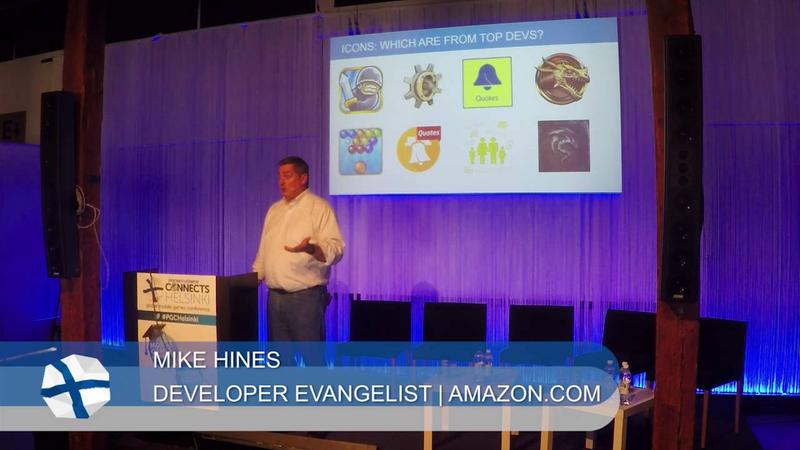
Maximizing organic downloads requires a disciplined, data-driven approach to app store optimization rather than relying on deceptive tactics.
- Optimizing video content to showcase actual gameplay rather than cinematic trailers can increase conversion rates by 19% to 35%.
- Crafting engaging marketing copy for product descriptions instead of keyword-stuffed text can improve conversion rates by 11% to 23%.
- Selecting an app name that strategically incorporates relevant keywords for a target audience can boost conversions by 22%.