Game Publishing reports and market data
Documents
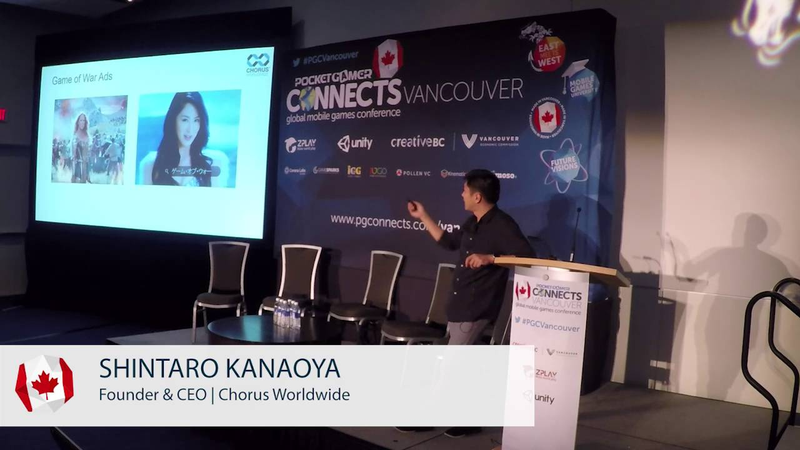
How to get your western game published in Japan
Entering the Japanese mobile gaming market presents significant challenges for Western developers, primarily due to the dominance of local titles and a distinct preference for specific gameplay mechanics.
- Success in the Japanese mobile market requires deep culturalization beyond simple translation, including adapting humor, font choices, and character art to overcome local consumer caution toward foreign products.
- Developers should adopt a shareware monetization model, offering a free initial experience with a single in-app purchase to unlock the full game, as premium titles face significant barriers to entry.
- App Store optimization must mirror traditional retail packaging by using detailed, informative graphics that explain game features rather than relying solely on standard screenshots.
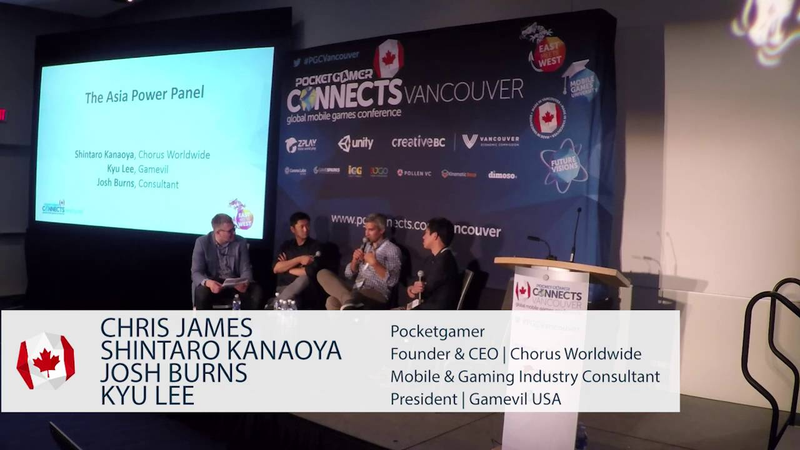
Trends in Asian mobile game market
The Asian mobile gaming landscape is defined by intense competition, sophisticated monetization models, and deeply ingrained cultural preferences that vary significantly across regions.
- The Asian mobile gaming market is highly competitive and distinct, with top-tier games in Korea generating up to $1 million in daily revenue and companies like Netmarble exceeding $1 billion in annual revenue.
- Market scale in China is massive; a game outside the top 100 in China can generate download volumes equivalent to a top 5 or 10 title in the US or Europe.
- Western developers should avoid attempting to create 'global' games that cater to all regions simultaneously, as this often results in products that fail to appeal to any specific market; instead, developers should stay true to their own cultural identity.

China Mobile Games Market 2016: Opportunities for Western Developers
The Chinese mobile gaming market stands as the world’s largest and most dynamic sector, offering immense scale for Western developers despite significant structural and regulatory barriers.
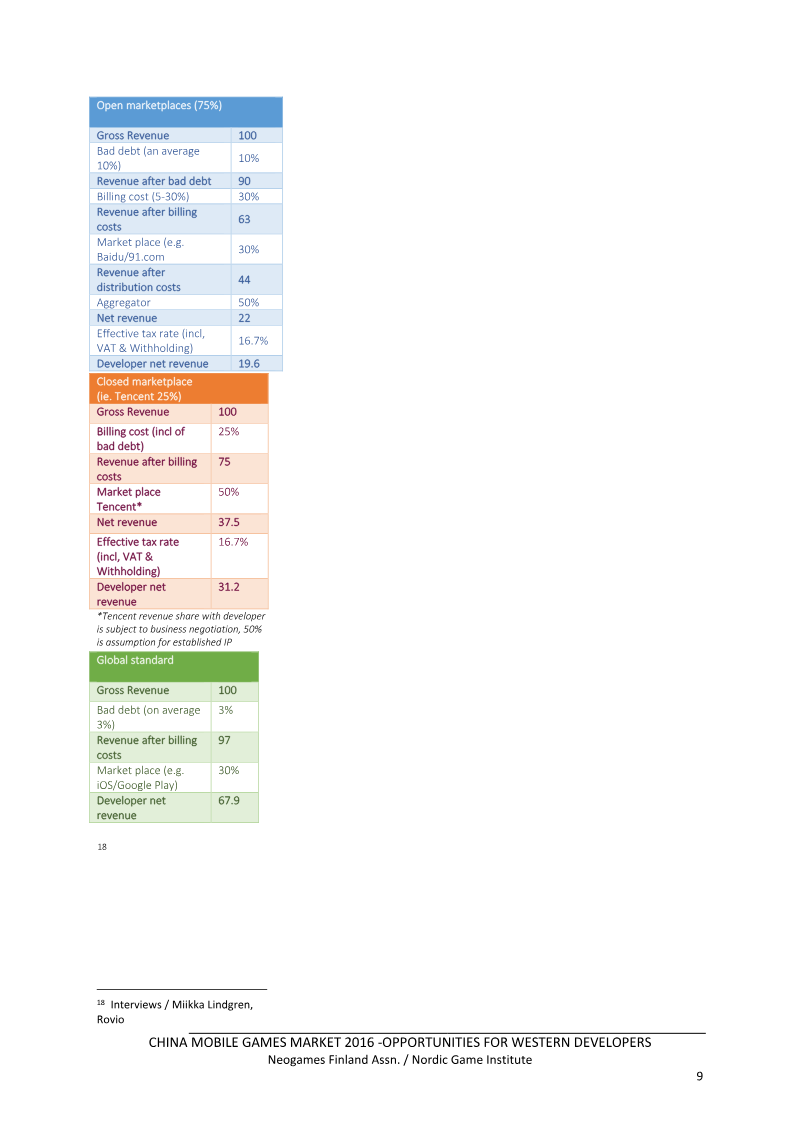
- Western developers face a significantly lower revenue share in China, typically receiving only 20% to 30% of earnings compared to the 70% standard in Western markets.
- The Chinese mobile gaming market is a duopoly dominated by Tencent and NetEase, who leverage massive cross-media ecosystems and aggressive monetization to control the sector.
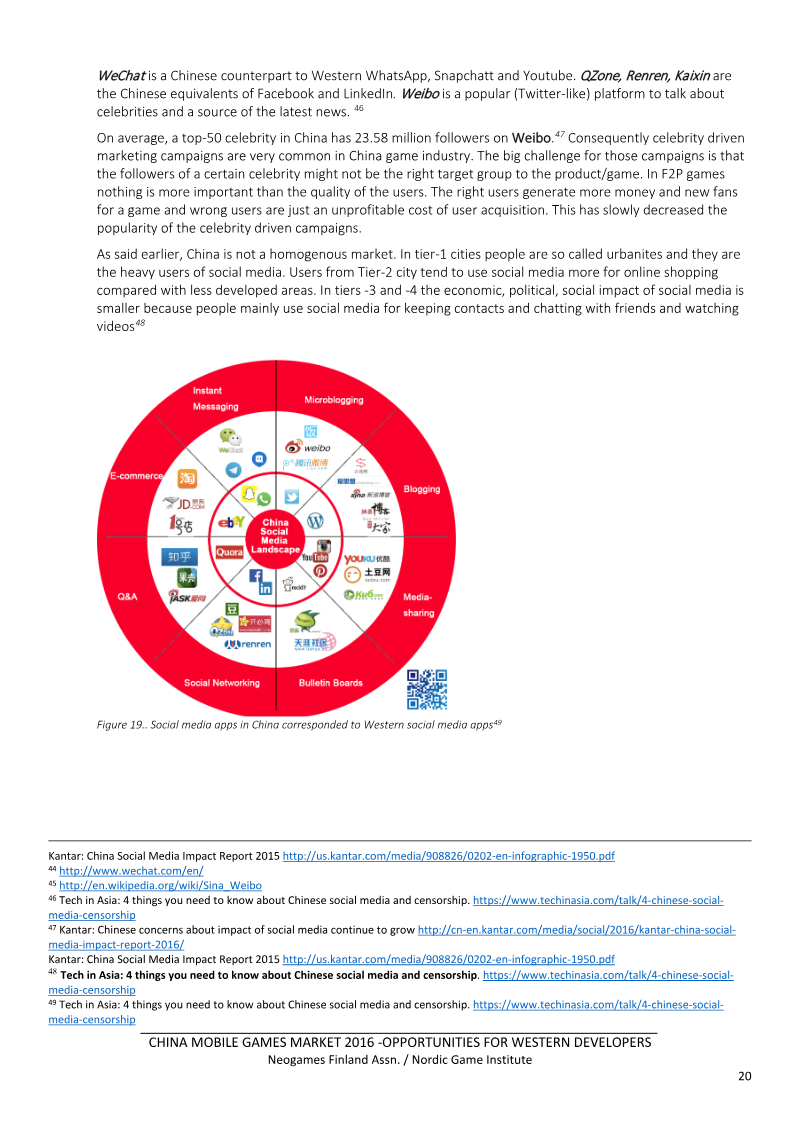
- Successful market entry requires deep cultural localization, including the adoption of VIP systems, pay-to-win mechanics, and specialized anti-cheating measures rather than simple translation.
The Warhammer 40k License - A Total Change of Strategy - Extra Credits
Games Workshop has undergone a fundamental shift in its video game licensing strategy, moving from an exclusive, high-quality partnership model to a broad, decentralized approach.
- Games Workshop shifted from a model of exclusive, high-budget partnerships—historically held by companies like SSI Mindscape and THQ—to a decentralized 'shotgun' licensing strategy.
- The current strategy involves licensing specific segments of intellectual property to numerous developers simultaneously to flood the market with a high volume of diverse titles.
- This approach functions as a marketing vehicle for the core tabletop business, effectively offloading advertising costs to third-party developers.
The Copyright Dilemma - On Trademarks, Copyrights, and Patents - Extra Credits
The gaming industry operates under a complex and often contradictory legal framework regarding intellectual property, specifically concerning the distinction between trademarks and the protection of game design.
- Game mechanics and rules generally remain ineligible for copyright or patent protection, preventing the monopolization of genres but leaving original designs vulnerable to cloning.
- Trademark law requires companies to actively defend their brands against any potential dilution, which forces aggressive litigation over common words in titles regardless of actual market competition.
- The inability to protect core game systems creates a double-edged sword that fosters industry-wide iteration while simultaneously enabling larger entities to exploit the work of independent developers through reskinned clones.

Legacy Play - Thoughts on the Vanilla WoW Server - Extra Credits
The tension between developer control over live-service software and consumer desires for historical preservation is a central conflict in the modern gaming industry.
- The conflict between developer control and historical preservation arises because live-service updates effectively overwrite original versions of games, rendering them inaccessible to consumers.
- Developers prioritize a single, current build to streamline customer support, ensure security, and maintain a unified community, while avoiding the technical burden of managing fragmented codebases.
- High engagement on unofficial legacy servers indicates a significant, untapped market demand for official, developer-sanctioned classic experiences.
In Defense of Short Games - Worth Every Dollar - Extra Credits
The gaming industry frequently undervalues short-form titles, often subjecting them to negative reviews and refund requests based solely on their limited playtime.
- The industry-wide reliance on a dollar-per-hour metric to determine game value incentivizes developers to artificially inflate playtime, which often dilutes narrative quality and mechanical integrity.
- Forcing a game to expand from a concise four-hour experience to a fourteen-hour duration frequently compromises the creator's original vision without providing a superior product.
- The consumer habit of returning short games after completion or relying on Let’s Plays creates a hostile financial environment that discourages the development of brief, high-impact titles.

How to get funding and/or a publishing deal
This panel discussion, held at Pocket Gamer Connects London 2016, explores the complexities of securing funding and publishing deals within the independent game industry.
- Securing funding requires more than a concept; developers must present a high-quality prototype, a clear business roadmap, and evidence of their team's ability to execute.
- Publishers provide value beyond capital by offering marketing expertise, user acquisition support, platform-specific technical optimization, and strategic monetization guidance.
- The funding landscape is increasingly competitive, with a market shift toward higher production values and a greater necessity for visibility in saturated storefronts like Steam.
"It's Just Emulation!": The Challenge of Selling Old Games
Video game preservation remains a critical yet neglected necessity, with a significant portion of early interactive software history at risk of permanent loss.
- The gaming industry’s conflation of emulation with piracy acts as a primary barrier to preserving software, preventing companies from using it as a cost-effective, standardized tool for republishing back catalogs.
- Reframing emulation as a functional codec rather than a threat allows developers to bypass the high costs and technical risks associated with traditional porting.
- The industry is currently failing to monetize its heritage by trapping titles in legal limbo or replacing them with derivative remakes, despite proven consumer demand for authentic vintage experiences.

Massively improved discovery on Google Play Store
The Google Play Store has undergone a significant transformation over the past 18 months, evolving from a disorganized repository into a sophisticated platform for mobile game discovery.
- Google Play has shifted from a disorganized repository to an algorithmic, data-driven discovery platform, prioritizing automated personalization over traditional human-led curation.
- The platform now utilizes user download history and genre preferences to create personalized discovery loops that connect players with relevant content from similar publishers.
- A robust pre-registration system allows users to express interest in upcoming titles and receive automated push notifications upon release, a feature currently underutilized on competing platforms.
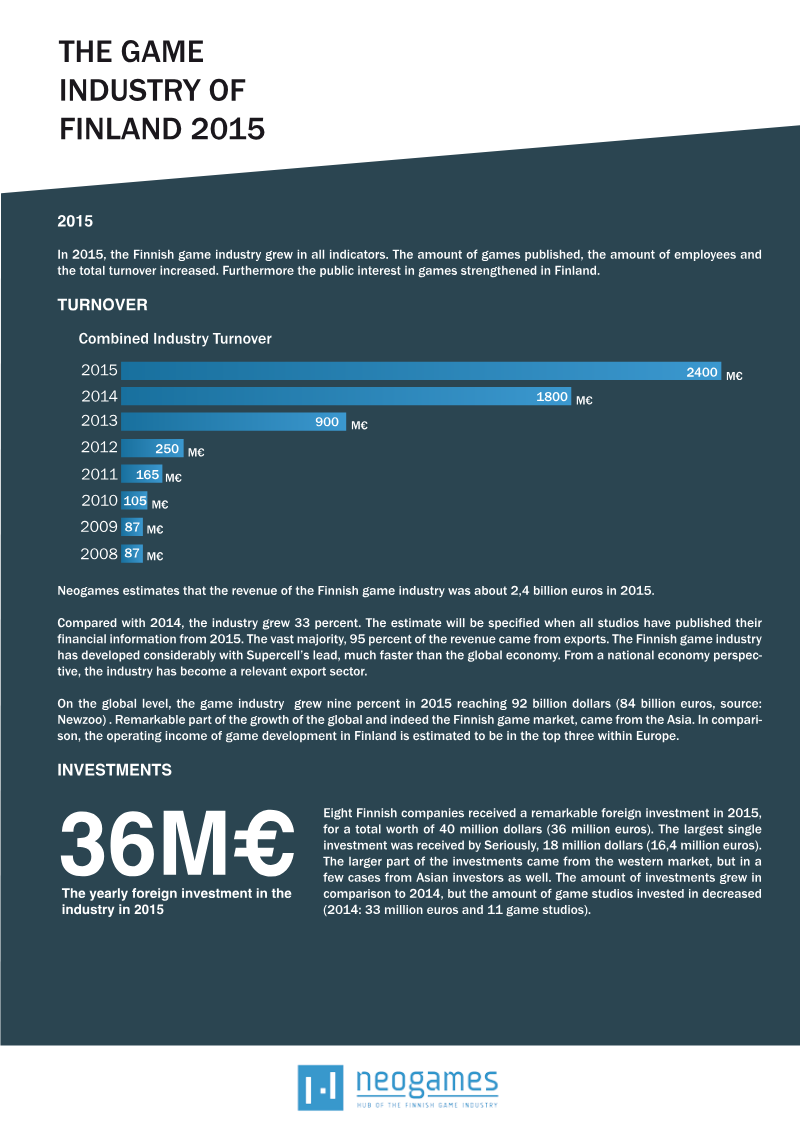
The Game Industry of Finland 2015
The Finnish game industry experienced significant expansion throughout 2015, characterized by robust growth in turnover, employment, and output.
- The Finnish game industry generated 2.4 billion euros in turnover in 2015, marking a 33 percent year-over-year growth that solidified the country as a top-three European hub for game development.
- Exports are the primary economic driver for the sector, accounting for 95 percent of total industry revenue.
- The industry employed 2,700 professionals across 290 active companies, with the majority of talent and operations concentrated in the Helsinki metropolitan area.

Clayburger on looking for publishers for its claymation debut Hopply
Clayburger, a two-person Czech development studio, is currently developing Hopply, a mobile game distinguished by its unique aesthetic of handmade claymation graphics.
- Clayburger, a two-person Czech studio, is developing the mobile game Hopply, which features a unique handmade claymation aesthetic.
- The game incorporates a crowdsourced character design system that allows players to submit their own clay creations for integration into the game world.
- The studio founders transitioned from long-term gaming enthusiasts to professional developers, balancing the project alongside other employment commitments.