1 free read left. Create a free account for unlimited reading + AI research.
Create free account
How to get your western game published in Japan
Key insights
6 takeaways- 01Western studios should focus on differentiation and their unique core vision rather than attempting to compete directly with or mimic the design trends of dominant local titles like Puzzle & Dragons or Monster Strike.
- 02Building a sustainable presence in Japan is best achieved through strategic public relations and influencer outreach rather than attempting to replicate the massive scale of top-tier domestic hits.
- 03The Japanese mobile market is characterized by high barriers to entry, including intense competition for advertising inventory and a strong consumer preference for domestic products.
- 04Developers should adopt a shareware monetization model, offering a free initial experience with a single in-app purchase to unlock the full game, as premium titles face significant barriers to entry.
- 05App Store optimization must mirror traditional retail packaging by using detailed, informative graphics that explain game features rather than relying solely on standard screenshots.
- 06Success in the Japanese mobile market requires deep culturalization beyond simple translation, including adapting humor, font choices, and character art to overcome local consumer caution toward foreign products.
Ask AI about this video
Transcript
so can I welcome to shotaro can era to the stage please read reports for them hello my name is shin and i'll be talking to you apparently about publishing in japan so it's always good to be the first on after lunch i appreciate anyone that's actually awake so this is the company I started a couple years ago we probably the smallest publisher in the world which is kind of an interesting distinction to have I'm on the left apparently and the the guy on the right is our Japan manager based in Tokyo so we started the company really to help Indies get out to first Japan but also other Asian territories as well because what we were saying was a lot of these guys wanted to get out there making great indie games in the West but for some reason you know found it difficult to do it by
themselves or they wanted to get with a big publisher but the big local publishers weren't necessarily interested so we felt like maybe there's an opportunity here and also as a long time gamer I wanted to see if I could bring stuff from the West that was different from what's already being made in the Asian market so that's really what we focused on so far so does this thing work figure so these are the eight games we've done so far we've got it I think six before the end of the calendar year and we're kind of constantly looking for new titles and the thing that we really focus on is like I say stuff that kind of sticks out on its own that's different that's interesting that we think in some ways represents kind of really good examples of Western indie games and we want to take them out to Asia so the one you may have heard of is the one called the room which was a big hit in everywhere really when it came out thanks so much for five years ago
and had to UK studio called fireproof and it's an interesting very interesting case in point they done the game they won best apple best game from Apple whenever it was but they just hadn't bothered really with Asia they done an English version they've done ecigs languages but they just hadn't really bothered with Asia and so we approached them and said look we think the game is great but it's kind of a puzzle mystery game and there's a lot of words and no one can solve them so can you give us a shot so we did that and yeah we've done we've basically done some of these other games so this is just by way of preamble hopefully it's interesting and so that's kind of the biggest title today I guess we've also helps other companies through pretty much similar kind of things to do we do in a publishing capacity but on a consulting basis so space Apes a studio in London they just recently released the Transformers RTS and the Japan which is coming out next month so we've helped
them with that we've helped companies like mag interactive and boss alien who make csr so we kind of do other stuff behind the scenes beyond punching anyway so the way I wanted to approach this by the way was anyone at pgc helsinki you should probably the same talk good I'm glad let's go excellent because I am really lazy I'll do this again is that right just keep it going so basically the way I wanted to approach it this it's going to be less kind of business commercial market focus it's really more about what can you do if you want to think about Japan as a territory but they're indie developers out here are there some of you develop games okay that's cool so hopefully this will be of some interest to you and these are really the kind of questions that you know in a couple of years to three years that we've been doing this the kind of questions we've in us and hopefully get this out there and and you can think about it for yourself so the first question is what's
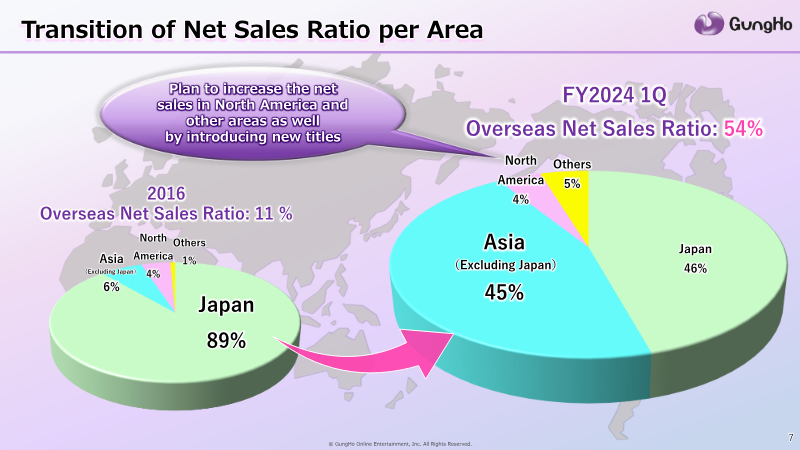
the mobile market like and then can I say to people is it's really big it's very hard and it's quite expensive now that what that really means is if you're thinking about top 10 top 20 grossing all of those is our true but what I want to try and convince you of is the Japan is actually an incredibly broader market than that yes if you want to be those guys at the top get ready for a pitch battle but you can have a business and you can have a successful launch over there without necessarily doing all this stuff so it's it's a territory that you should consider so I'm not going to go into this in great detail you probably know a lot of this stuff if you don't then I thoroughly recommend you follow sir can Toto's twitter feed he's a German a guy based in Tokyo who just lives and breathes industry stuff in in Japan and he's excellent on their stuff so basically I just steal his stuff and I put it on a slide like I'm actually giving him a shout out for once that's good but yes its massive it's you know
whether it was the biggest market I think two years ago I think it depends on which which data point you look at but it's in there 1230 so it's it's absolutely enormous monster strike is the biggest title puzzle & Dragons was really the thing that kicked it off a few years ago when it's just went nuts but there's other behemoths as well so I'm gonna skate over that so why is it so tough so frankly Japanese users like Japanese games and that's kind of been had a pattern for years I've been industry 20 years and I worked in when i was working at EA in japan in two thousand i remember looking through the list of top hundred titles that had sold that year she's in console bays not a single western title was in there and that's made me feel great so I work for EA so not not awesome and this is the state of things today so this is the top twenty top grossing titles in Japan I
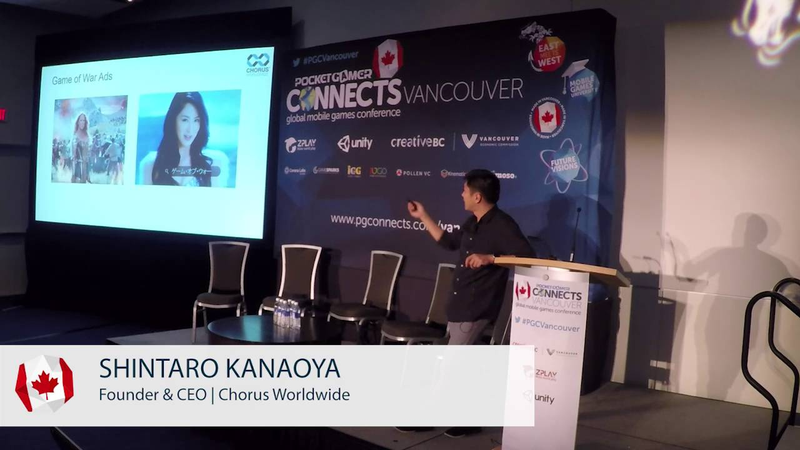
think from last week there's two titles there there are non-japanese titles like the net marble title there but when you're thinking about western titles is only two and they're probably not that unfamiliar to you mobile striking game of war and there's a reason they do spend and put a lot of effort into not just localizing the game and cultural izing it but in terms of how they do their marketing as well they use repetition so this is the game of war hopefully you'll know Mariah Carey but they changed the Athena character for Japan with the Japanese model called a coup me and she rented for relatively famous she won think it's called a miss international competition she's now kind of a spokeswoman for various things so they chose her and she became the poster character for a game of war in Japan Schwarzenegger was actually an interesting choice globally because Schwartz NATO's always been popular in Japan so actually that that works incredibly well because he's been doing not just through his movies but Schwarzenegger has been doing japanese
TV ads for years so he's already got like a funny cultural fan base over there so actually that they didn't really need to do anything for mobile strike but certainly for game of war they decided to localize their advertising over there so this is just a very quick sidebar I'm not going to spend that long on it but has anyone heard of this game dragon quest you heard the son knows okay so this is from my point of view I'm pretty old now so from my point of view this this is when everything changed in Japan so up and so now this is Nez family chimaera type stuff 8-bit days up until then games were very much Arkady type things that the model came from arcade not really a lot of persistence and stuff then this came along this came out the same year that some zelda did insane D&I think Final Fantasy might have been the year after this changed everything so gaming in Japan and Japanese users appetite for what all games work this is what for me did it
and they it was an amazing RPG game it was backed by the fact that the artist who created it was the guide to create a dragon ball so he already had a massive kind of fan base and they just made it the superb game and I think ever since then RPG genre has just dominated in Japan and not just the genre but also though the mechanics of progression and grinding has just stayed in Japanese gaming 486 what's that 30 years ago which is quite amazing so why the expensive so again this is going back to if you if you're thinking about it's either top ten or bust it's very very expensive if you're looking thinking about doing you a it's you know it's about I guess it's not that different I guess from the West but to get anywhere up there you're going to need to spend a huge amount because the local publishers are already doing that so you have huge amounts of competition for ad inventory so and like I said gung-ho really
created the formula that dominates so when they released puzzle dragon thank you they they got what Japanese users like about that progression the grind and mechanic of it and they matched it together with us I still think best-in-class match 3 game and just created this absolute monster out of it so as an indie specifically or even as a smaller publisher what should you even bother in Japan and like I said if you if you think if we don't make puzzle & Dragons numbers we're not going to bother then sure don't bother it's probably not worth it if you think that there's you can do something out there if it's an interesting market to you and you can invest some money in it then it's it's absolutely worth doing so my point is you're not going to be you might not be the breakout hit but absolutely profitable is absolutely
possible and a question I all I try to ask people and this really applies more I guess that the smaller indices are they making something that stands out so if you're making a fantasy RPG game that's like 10 other fantasy RPG games that's tough like how are you how are you differentiating how are you standing out if you don't have massive amounts of you a to just drive people in you need something in the game itself to stand out and if you're not doing that then you probably need to rethink what you're doing certainly in terms of Japan in terms of what genres do well is if you look at what's in there right now it's interesting there's lots of different genres the pinball there's a pinball game pinball style combat which is monster strike match three games rhythm action games pure RPGs what most of them have in common is this this structure where you have an incredible core experience whether it there is a match 3 game or a quiz game or whatever it is in the center of it and it has this RPG outer layer and it's just that going
backwards and forwards which creates that incredible compulsion group which is where we'll month monetization lies and again I think that goes back to Japan's thiet games DNA that was created by Dragon Quest it's it's very you can trace it all the way back to that so I think you need to try and think about how you creating that interaction between the meta and an also you have to have something very good obviously in the middle so localization so I'm going to just what am I going to say about this so yes what we were doing English speaking Japan has the worst english-speaking record in all of Asia which is appalling considering that the Japanese government has for years been spending huge amounts of money sending people from the US the UK Canada Australia to Japan into Japanese secondary schools as native speakers and the Japanese speaking English speaking is still terrible I don't know why but it is a soften and they've done
pan-asian tests on this and yeah it just doesn't seem to get any any better so yes you absolutely do need to to localize the thing I beg my developers to do is please don't write more than you need because if you do for every word imagine there's like ten other languages that you're going to need to do so if you have the best joke in the world that you think it's going to be hilarious really think about tell you actually need to do it I get you needed to do a character in flavor and whatever but unless it's really important just do me a favor and don't do it because it's a pain in the ass fine translators that get you so i'll get i'll come to an example on this in a second and then the other point that for us is really important is think about the font there's i've seen far too many games that come out in japan from western developers that are localized the fine but then they'll use the Japanese equivalent of comic sans and the game looks so you know you need to think about font in terms of not just text but its its graphical right so you need to make sure that you're choosing the right type of stuff for that so this is an
example from a game that we did call the adventures of Bertram fiddle and there's a puzzle in it you click on this grandfather clock and the main character says my grandfather had a massive clock now this is an English game monty python SQ ma basically it's a dick joke it's a penis joke now the important thing about this the reason I keep bringing this up is because I think it illustrates a couple of really interesting things so first of all it's it's just a joke that's all it is it's one of those objects that you click on it gets a joke it gets a laugh move on if we hadn't explained that to the translator or if the translator hadn't got that they might have just translated into Japanese as my grandfather has a large clock right and it's like well okay not only is it not funny but then the players running around thinking why is that important what do I need to do to solve this massive clock problem there isn't one so we found a translator who helped us he managed to somehow create a Japanese dick joke which I'm very proud of and
and also get across the fact that it is just a joke move on so it's just it's just a silly example but you know localization is really really important if you do it if you do it badly not only does it not get the message across but you're going to actually really stomp players so it's really really important just to make sure you get stuff like that right so art obviously art comes up a lot do you need to change it it depends I would say you know the the aim for a Western developer trying to get out to Japan is is not to try and make the game look Asian manga anime that if you try and do that you're competing with everyone else so one of the competitive advantages you have is you already have a style potentially the differentiates now it could be bad but if it's good then let's try to dig into that there are exception so we release this game called Kitty powers matchmaker so the one on the left is the original English version and it's it's a dating
game and I really liked it one of the things I really like about is is it's very like if she would say LGBT friendly it treats homosexual and heterosexual relationships exactly the same it doesn't differentiate at all the developers actually the guy on the top left his name's Richard but he's also a drag queen of the weekend and so we love this game and we said well let's do this and we showed it at tokyo game show a couple of years ago and the only the big issue we had was people just hated the characters it wasn't they light the game but they just hate that they found them too grotesque they couldn't get past that so that's one of the few examples where we've changed the artwork because it was an obstruction to people getting into the game but broadly speaking we won't do it because we want to maintain the integrity of the game the vision of the Creator but when it when you get clear feedback that they just can't get into it then you have to do something premium or free to play well there's one
premium game in the top 200 and that's minecraft and that's a cultural phenomenon so anything with a price tag is hard so what we've tended to do we've looked we've taken premium games we've looked at premium game but one of the things we try to do is if you've got something premium is there a way to make it free at the point of download but still that doesn't mean you then have to make it a grind e ad filled whatever I ap ridden free-to-play game because if it's not designed like that you certainly shouldn't do it but there are ways you can at least get people to try the game first so old shareware model so we did that for the room you download it for free after chapter one unlock by an IP and all the rest of the game it's not particularly sophisticated but the point is just to get people to to go into the experience and sense it and player experienced it before you ask them to pay them because with the price tag they're just not looking at it and it's it is what it is p I or user acquisition
well it depends very much so I mean some of the games we do so the room is an example there's one thing you can buy which is I think 199 and if the cost to buy one user is three dollars it's probably not worth doing so for most of our stuff we rely heavily on PR and PR in Japan is is effective and you know we're fortunate in that the games that we've released have actually been covered very broadly so that's a let's play up there from this guy max Murray who's got 1.5 million users I think and there's another guy down there called cost get so where I think again if we if you put stuff out there that's interesting that's differentiated the media will pay attention I'm sure you need to let them know you're doing it but if you can do that they will pay attention so it's a it's a coffee a cost effective way of doing it the tricky part is obviously getting to them making sure you write Japanese press releases but if you can do that or speak to someone like us I guess then it's very
effective so the app store yes obviously you need to change it so you know if you look at I should have put a good manner so these are examples of monster strike and puzzle and Dragons and bear in mind originally Apple calls these things screenshots these aren't screenshots not a single one of these what appears in the game these are pieces of artwork that they've composited and this has been you know prevalent now for for a couple years and I would say the last thing you should do is just do a screenshot make sure that you're using the screen screen real estate as much as you can and in Japan for whatever reason density isn't an issue so you can see the reams of text and each each image will explain a different feature of the game think of it for those of you that we used to work in retail games think of it as the back of the box type thing what are the bullet points what is the screenshot trying to show what are you trying to explain to the player and so use that as much as possible so you know we did that for the for the room so the original UK
version they literally use screenshots and that's fine because Apple made them the game of the year and they had in us that but for us we wanted to make sure that we were showing not just a screenshot per slide but we wanted to make sure we were showing as much as possible the variety of each game of each screen we wanted to make sure that so if you can see the letter down there that that's fully localized into the language that's relevant for that territory and again trying to explain as much as possible without you know if this had kind of neon horrible fluorescent writing it would completely break the game so we didn't do that but you want to use that screen real estate to explain as much as possible and I think that's pretty basic point but it seems to be more important in Japan than other countries one minute okay so yes it's really hard I wish there was a way around that but like I say it's if you think it's you know top ten or bus then probably go home if you think that you can do something and if if profits
important to you if making sure that there's a that you'll have a foothold in the market that it's importantly than Japan is by far but absolutely accessible it is accessible you can do it you just need to be a little bit smart you need to know a few little things but it's not really any harder if you know those things then in your local market fundamental you just need to understand the differences and that's the true with any market fundamentally I would advise not design your game for Japan because that's your differentiator and you don't want to compete with everyone there it's too hard yes you need to recognize what the monetization models are but again I would say don't don't try and you know put a square peg in a round hole or whatever it is ultimately you've got to be true to the game that you're making prioritize that and then think about okay what are the what are the tweaks we need to make to make sure we can make it work there and you know what Japanese users might just just might not like your game so it's not the
end of the world it's not like every single Japanese game that comes over here is successful by far of course they're not puzzle & Dragons took a long time to get any traction over here and it was Gant going gangbusters in Japan so yeah I think that localization please don't write any dick jokes that would be helpful and yeah localizing reassure use whatever your touch points are with the users whether it's on the app store whether it's in PR try and not only just localize but reassure users that what they're getting is a decent experience it's safe it's fun because there is a certain level of kind of timidity with the Japanese consumers so that's something that you need to try and do if you can I think that's it thank you very much
Summary
Entering the Japanese mobile gaming market presents significant challenges for Western developers, primarily due to the dominance of local titles and a distinct preference for specific gameplay mechanics. While the market is massive and highly lucrative, it is characterized by high barriers to entry, including intense competition for advertising inventory and a consumer base that historically favors domestic products. Success in Japan does not require competing directly with top-grossing giants like Puzzle & Dragons or Monster Strike; rather, it is achievable for smaller studios that focus on differentiation and strategic localization.
Effective market entry requires more than simple translation. Developers must prioritize culturalization, which involves adapting humor, ensuring high-quality font usage, and sometimes modifying character art if the original designs create a barrier to engagement. Because Japanese consumers often exhibit a degree of caution toward foreign products, marketing efforts should focus on reassuring players about the quality and safety of the experience. Furthermore, App Store optimization is critical; developers should move beyond simple screenshots to utilize store real estate for detailed, informative graphics that explain game features, mirroring the informative nature of traditional retail game packaging.
Monetization strategies also require careful consideration. The Japanese market is overwhelmingly free-to-play, making premium titles difficult to sell without significant adjustments. Adopting a shareware model—offering a free initial experience with an in-app purchase to unlock the full game—is a proven method for lowering the barrier to entry. Ultimately, developers should maintain the core vision that makes their game unique rather than attempting to mimic Japanese design trends. By leveraging public relations and influencer outreach, Western studios can build a sustainable, profitable presence in Japan without needing to replicate the massive scale of the country’s top-tier domestic hits.






















Comments