1 free read left. Create a free account for unlimited reading + AI research.
Create free account
How to get funding and/or a publishing deal
Key insights
6 takeaways- 01Publishers provide value beyond capital by offering marketing expertise, user acquisition support, platform-specific technical optimization, and strategic monetization guidance.
- 02Developers must clearly define their long-term objectives—such as pursuing contract work for expertise versus seeking capital to scale their own IP—to justify return on investment to partners.
- 03The panel of experts, representing organizations that have collectively secured over $150 million in development funding, emphasizes that a deep understanding of the target market is a fundamental requirement for success.
- 04Securing funding requires more than a concept; developers must present a high-quality prototype, a clear business roadmap, and evidence of their team's ability to execute.
- 05The funding landscape is increasingly competitive, with a market shift toward higher production values and a greater necessity for visibility in saturated storefronts like Steam.
- 06Crowdfunding is becoming less viable for new developers, as it is increasingly reserved for established intellectual property and requires rigorous PR campaigns to drive conversion.
Ask AI about this video
Transcript
I've got lots of questions i can ask em but i'm hoping that this is a good opportunity for you guys to ask any questions that you've thought of today or just generally anything to these guys specifically so just firstly i'm just going to ask them to do a very quick introduction and of themselves and then we'll get into some questions start lying can you hear me so I'm Travis Winstanley i'm a co-founder and games investment director of kudu startups we're based here in London part of Cujo entertainment and we invest in essentially indie studios bringing new projects the market so we've got a portfolio three companies so we're currently supporting one called Fiddlesticks producing a game called hue which is award-winning and we've got another one called arrow which is also award-winning and a third one which is also award-winning which is called it jump-starts which we've just completed two just before Christmas and we're
actively investing in the space over the course the year hi I'm Phil I run a platform called scorned ex collective we try to help indie devs various points really we help them to build community before they get to crowdfunding we can also support crowdfunding campaigns directly with due diligence and marketing support we can then take care of distribution and publishing stuff when they're ready to release we're also investing in inter production and a few titles as well so we're trying to be very much a service provider as opposed to a traditional publisher ya know awards yet though so hello I'm Simon I'm publishing director a curve digital and curve historically has been known for bringing helping in the creators bring their games to console so the first sort of wave of games that we published were Thomas was alone on PlayStation Xbox we've done the swapper Proteus lone survivor last year we work with Dan
Marshall on the swindle pumped BMX plus that sort of thing and I think where we slightly differ from other publishers is that we've got in the house dev resource so historically we've worked from original code and be that in unity as in in-house engines that sort of thing and we work optimizing all of the code across each of the platforms and then in an ideal world will publish across platforms simultaneously we've just been acquired by the Qataris group so we're minute travis a bro's new bonus exactly we're actually publishing hue and which will be available later the award-winning q which be out later and we hoping to work much more closely with Travis and his team I am Jeff martes them with the WG cells we are a newly minted mobile initiative for were gaining we have both internal and external development so we are both the studio and a publisher we
have development assets that are in both Kiev in in Seattle we have about three and a half teams that are developing original content and i'm in charge of working with the rest of you to bring new titles to market as well as provide publishing services for titles that are nearing nearing launch so I'm Jeff Hobart I'm a founder founder and board member of d DM and I'm also doing a lot of independent consulting DDMS an agency they primarily represent video game development studios to secure development funding last year we secured over 150 million dollars at development funding they also manage Kickstarter's they've done a couple of Kickstarter's all of them exceed three to four million dollars so they operate in that range as far as the development deals go for funding they range from five hundred thousand dollars to about I think 35 million so that's where they operate and then I work personally with a couple of
studios where I joined their executive staff where I help them secure game development funding and investment which seems to be going a little bit nutty right now in Korea and China so we're getting a lot of investment out of Korean China right now for Game Studios and that's what I do okay so I'm going to kick off with a question and you've done a lot of talking today about raising money but working in this space isn't just about the money you know what is you know question as a developer you know what is it that the people that you're going to be working with you know can bring as well as money so you know to you guys what is it is that you do that you add two companies and in particular what's that accompanies can you really help you know aside from the money that you provide I since I have the mic I'll just go ahead and and I'll triq a brief because I know we don't have that much time but basically the bottom line is we have the resources of a larger organization not only in terms of assets obviously money but we have expertise in
you a and marketing typical product publishing kind of activities that we can do we can help work with the teams to optimize your monetization so we will help manage your soft launch process and help drive the analytics in the BI through that so if your developer that maybe doesn't have as much familiarity they're the kinds of things that we could do would be to do that I don't want too much of a sales pitch but i think that is effectively what a publisher should be able to do so i think that respect we're not doing anything special i think we just happen to have a lot of good folks that can do it I think what I'm curve has historically offered the most value has been in helping devs who were concentrating on usually a PC lead version get across the console I think he was ramy who said in his talk down in Brighton last year that you know unity and similar technologies will get you a lot of the way there but actually getting through the submissions processes is actually really difficult and we've got huge experience in terms
of working out even simple things like you I screen ratios all of those sort of things what you need to think well when you're moving across the different console formats memory management that sort of thing so and all of the boring stuff really and you know you guys make the games and weeks and we sort of help get it across to console so historically that's what we've done alongside the things mentioned things like taking titles to shows marketing PR support all that sort of thing well I think what we're going to see moving forward is is a real change because expectations for indie games are moving all the time and and so and what our recent news and being acquired by the catalyst group will bring is actually some some some additional resource behind us so that we are able to sort of help support financially where we've not sort of previously done that before so for us I think we're a bit different in that we don't necessarily need to be everyone's
partner if I don't think that we're the best of opportunity or best option for someone then I'll introduce them to someone who I think is I'm in a unique position because we don't have to collective doesn't have to be driven by the same kind of I think financial pressure that that maybe other teams do because obviously we sit within the structure a big corporation so I'm quite lucky but obviously the main thing for us is marketing we work we can open up access to expertise from companies like edr and petrol advertising in the u.s. they work on some of the biggest games in the industry but they also have a great track record for working with smaller teams and they can we can access their services at cost so we look at trying to bring in like minded people with great expertise to do it in a way that incentivizes them into the developers success and every point the development always retain IP they always retain creative control that's not just a line you know that's built into the
agreements so you know we're trying to do something a little bit differently and ultimately we're trying to help people build up their own IP so that they can then go on and actually be more independent next time around and I guess hopefully not need us for game number two I'm conscious that's the main Simon is sitting in a similar camp said it might be a bit of overlap and but I think it's also worth just touch on what we don't do and I we don't so kind of impose our views having made an investment on how a game is going to be developed ultimately is down to the developers to own that creative vision and kind of deliver on it and we have like to trust our developers to do that I think the other key thing is building up the game is I suppose this brand appeal and but also to developers themselves making them the superstars of the game itself so really sort of focusing on making sure that they're that various shows making sure they're attending various marketing events it's something that we have built into the funding we provide along with all of a production support and business contacts and so on that you get with a large
corporation and we kind of come from the other end of the spectrum I'll we work with the development studios to say what's your roadmap where do you guys want to be in two to five years do we want to do contract development do we want to raise capital if we do raise capital what control are you going to give up what aren't you going to give up do we want to strategic investor don't you want a strategic investor and we run the gambit and sometimes we just look at a development studio and say you're not really ready to be funded however here's a 15 million dollar contract development gig for you guys to become an expert in the genre once you become the expert in that genre that it makes much easier for us to go out and raise capital or partner with the strategic and the difference between a strategic as a strategic might be somebody like a ten-cent earn ncsoft who is going to provide you with services and territories that you you don't work with and they'll help you roll out your product to help you teach teach you how to monetize to help you with things like that but other than that you pretty much have your own money and you get to do what you want if you want to build your own publisher if you want to partner
with somebody so weak I kind of I kind of come from the opposite end of the spectrum with these guys whereas they cut the checks we get the checks in opposition it to get the money are there any questions from the audience yet or shall I carry on yes
we did a presentation but for the commercial awareness awareness we got like see sort of cuz I'm we didn't have like okay I don't think you need to pitch the game right now yeah um you guys the question was where does one go to get 250 k to fund a game is that the question can I ask you a quick question have you shipped a game before so you have a development studio do you have any experience in the game industry okay I don't know how to answer that well so um I guess my big question is um you know obviously as a publisher you know there's always going to be a sense of we want to know what we're going to be investing in so you know obviously the jeff's referred to as you know there's going to be some value to the team you know we have to know a little bit about what kind of value you can provide so if you have a prototype that's obvious is something we can assess interview you asked about grants I know that every country has their own set of grants in
fact I spoken to a lot of individuals here today who has said they've been self funded by the grants that they have and they're able to bring a prototype to a publisher and begin talking about exactly what they have but but Jeff's right i mean there is there is a level of you know sort of evidence that we have to have the show that the investment will you know pay itself back so you know where unfortunately unlike governments we don't grant money just for fun I don't think they do it either but anyway but um but you know we are looking for white skin our investment back so when you think about you're asking for a $250,000 but you should really be positioning it as is here's an opportunity to make a million dollars it's going to cost you 250 to make it and so you have to be able to justify how to make that money and that's really the really the key yeah so I'd recommend doing is much networking with other devs whereabouts you based um I'm like I'm a student in brunel university at the moment I'm Amy came to Sonia so obviously spend like as much time as you can go into events like this talking to people who are you know maybe three four
years into the industry and build up a network of contacts you will need something a concept idea isn't enough so understanding the steps you need to take to the point where you can then go and pitch it making sure that you have the capability making sure that you can demonstrate that capability is absolutely crucial though getting feedback from other people who are already doing what you want to do is can be super useful because you can also get contacts and introductions from those people as well so think about how to branch out on how to you know build that Network around you and your team um so just a quick one I think probably the question is better positioned if we say what do I look for in a particular game or a particular company and typically I look at so kind of three key areas one is the game itself and whether it's unique and it's got some kind of unique qualities the second one is the team whether the team have the track record the experience and so on and then thirdly looking at the market so one you take that game to the market whether it's going to be a large space all over its super niche and so being able to in
your own mind take off those little boxes and say actually if I was an investor I would be able to successfully back in its game and the now you're so goddamn more likely to kind of get a check written from anyone and I think it's rob ibly worth is it worth driving into some of those kind of details it's just because yeah in order to build up that experience you maybe have to go through a couple of first few steps may be getting grant may be talking to devs in the industry just to kind of good to get to that stage um and I don't know how big need ups are here but I live in a san francisco bay area and there's meetups all the time and a lot of university students go to those meetups and they start to find like-minded people like oh i'm a designer you're a programmer your this but it all comes down to if you're a student you haven't delivered anything you better have a great prototype you have to have did I don't know how the grants work over here either but you have to have a great prototype but that really goes for anyone anyone in this room whether your startup or not a start-up the great prototype gets they're going to look at your experience the less experienced you
have the further you need to be on a particular game but a lot of guys in this room I see a couple guys I know here that have delivered hit after hit after hit that's effectively a prototype just a very quickly on Sri question at the grants at no innovate UK because that's specifically for technology development so a national building an engine it's not for game development the UK games fund is probably the best option for grant funding for you okay thank you Thanks any other question from the audience hi guys how you doing mmm came a little late but this question is really a focus towards funding and I understand an inexperienced new developer and start up a startup company would be sort of a you know looked upon and say well what's your background was your experience does this really work but what if you've got a model and you've done all your ground work you've partnered with a company already your channel distribution is in place and the
only thing you're in need of is a partnership perhaps or funding and a partnership to extend what you've built so you can deploy within a month's time but having backing of a VC and experience people as not just mentors but also having access to the right companies to further build and skill your company is that something you guys have ever considered doing I think that's a rehab yeah to certainly said we're ISA kind of two business development and so on and but I also think it's fair to say that feces typically I'm sort of talking generally here aren't there to build your own business for you so if you haven't got the the roadmap plan for yourself then don't expect someone to come in with investment and also run the whole show you need to make sure you've got got that I'm ready to take it on like I'm just asking if you already have all of that in place and you then go into a company but you don't actually you're not known in the industry you know it's
like I don't know imagine some guy who's just popped up of a really awesome piece of technology and where it's in an ideal where all the games you actually play and the reward system gives you real world good services products and solutions rather than just intrinsic value you've developed something that brings intrinsic and extrinsic value into an industry agnostic platform you know my two cents and you know this is sort of a non-answer but might you sense it is that if you have a model that you are convinced as absolutely successful um why would you want to come to us right at the end of the day you know that's sort of a lot of times we look at we look at individual games and individual titles and if somebody's absolutely convinced that they have a way of making money if they have an LTV that's like thirty dollars for their game you know you can get a loan out on your house and you could probably pay for the acquisition of users against a thirty-dollar ltp game right and so you can actually begin making your own money
you don't have to have the publisher or VC to back you if you're looking to looking to get contacts in the industry that really depends on what industry you're looking at right if you're talking about something real goods maybe you should be talking somebody amazon right or any other kind of retail company so it really depends on the space you're talking about I don't think it's necessarily going to be exclusive to games if you're trying to do something really really strange and innovative not really strange but thank you my bed I understand any ideas on no I mean on since to say we for us we don't really look at platforms and take in that way here so it's really we're trying to support new IP and new talent coming into industry so from that perspective you don't necessarily need to have a track record the two teams that we've actually invested in haven't shipped games previously but one thing for us is I would actually flip it around and if you've gone too far down the road of building something specific in some ways that might worry me
slightly I'd really then want to do a lot of due diligence on what you've built to make sure that it it is what you think it is and it is going to do what you think it's going to do based on our experience so I don't think for us this is necessarily relevant to you but you know if people have gone down we want to look for capability we want people to be looking at what it is their game needs in order to be successful absolutely but at the same time I think for us we if we're going to be a good partner we want to be in a position to be able to advise and actually offer insight so yeah I mean it's obviously entirely dependent on the details I guess okay any other questions if you want to meet people in the industry or at the right place go from booth to booth I mean it sounds like you have a technology solution for people already publishing a game you just need the games is that oh no i've already got the i'm already in the gaming environment and if with a partner if accompanied already for that purpose okay then yeah then i go booth to booth
any other questions we'll probably have to wrap up fairly soon but we can produce one more if somebody's got a question okay I no one no one needs money yeah okay I've got a question then just to wrap up and how do you see the funding landscape changing over the next five years just to you know end on the light night I think specifically in the area which we tend to operate and what we're seeing is that it's very difficult to make a real impact on your own and people have made their own games sort of part time and they've been great successes and we all know those people that are household names unfortunately we're now at the stage where we sort of second third cycle of people who've come on board at that point the market has changed dramatically since then so from our side we're definitely seeing the need that people are requiring funding to make sure that there some production
values match their ambition and that funding can can can vary you know there are loads of different ways to create what you're aiming to create you don't need to throw hundreds of thousands at it you can do it very low cost but it's it's certainly clear that if it's not just sort of finishing funding or slightly more ambitious levels and definitely the other end I think you know in the traditional games sense I can refer to as that in the mobile world you're spending a lot of money on marketing and user acquisition you don't need to be that dramatic in terms of console pc game specifically but actually having that backing behind you to throw a bit of weight so that you could make a bit more of an impression than some of the games that are coming up on steam you know when curve published stealth bastard it was the only game on steam that that that only day only game on steam that that day when we coverage the sequel last year there were 24 that and I think that's the market that we're
operating at the money so the funding landscape concern helping you create that's one side of things but then on the flip side as well how are you going to make sure that people know about that I think we're going to see a lot more investment needed in that sense yeah curation is some it's going to be the watchword for the next however many years you want to insert in there and I think crowdfunding is going to be an interesting one it's obviously still pretty mature with respect to how long has been around and there's been some big successes but the shape of the way that's working now is you know that there's more money going to bigger projects and own IP known developers and you know something which was on paper and ideal place for people to test new ideas and for you know newcomers into the industry they're getting more and more squeezed out so I hope that you know over the next 12 months i'm not sure if we can even say five years for crowdfunding but over the next 12 months i hope that the more stability comes there but if that's the route you're thinking of then you know you've absolutely got to manage your
expectations have multiple sources of funding in place i'd recommend i think probably what's going to change is there going to be more routes to funding we talked about crowdfunding we've talked about grub and grants we've talked about so all of our funding propositions here and i don't i don't think that's going to change or you're going to get more of that what isn't going to change i think is what makes a successful product and you still need to focus on making a really high quality game making sure that you are sort of top your game compared to everyone else is out there but also thinking about if you're making a game today where it's going to be in a month or a year's time when actually comes to launch or indeed when you're so kind of servicing your your your user base that are still playing your game so i think so we're making sure you you are aware of business environment is probably where the biggest change is going to happen and making sure you're bringing funding on which is which it matches that i just want to comment one thing on crowdfunding we did a lot of research on crowdfunding and as soon as you get above 300,000 pounds to try and raise in crowdfunding the single most important factor for success is IP
period bar none you will not it's safe to say you will not raise money unless have IP no IP could be an individual ni p or a company or something because it all goes down to it's no different than mobile you need to drive traffic there's a certain ratio that people will come over if you build your Kickstarter your crowdfunding correctly which is another thing and percent will convert what they have to come to your site and it's a matter of getting them to your site and if you're going to launch a Kickstarter crowdsourcing you better have a great PR campaign or something to drive users to your campaign I think it's like three percent of the people that come will actually fund so when you start to look at your money just just run run that number and say alright if I have to raise of 1 million pounds and the average contribution is going to be 10 pounds how many people do I need to drive to my site and when you do that math it gets really scary but but people
do it all the time every day someone gets funded and what did they do to get funded right I think we're gonna leave it there then thank you very much all of you and thanks everyone for coming along you
Summary
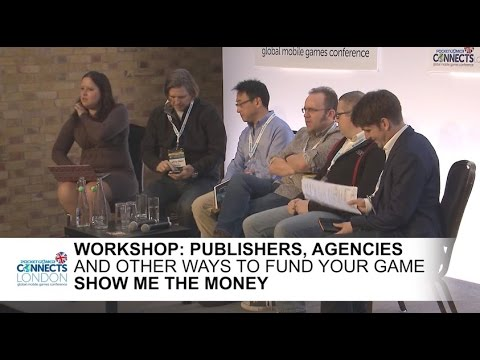
This panel discussion, held at Pocket Gamer Connects London 2016, explores the complexities of securing funding and publishing deals within the independent game industry. The session features representatives from investment firms, publishing houses, and development agencies, who collectively emphasize that successful funding requires more than just a concept; it demands a high-quality prototype, a clear business roadmap, and a demonstrated ability to execute. The discussion highlights that while capital is essential, the primary value publishers provide includes marketing expertise, user acquisition support, platform-specific technical optimization, and strategic guidance on monetization.
Key findings indicate that the funding landscape is becoming increasingly competitive, characterized by a shift toward higher production values and a greater need for visibility in saturated markets like Steam. Experts note that crowdfunding, while a viable path, is increasingly reserved for established intellectual property or known developers, requiring rigorous PR campaigns to drive the necessary traffic for conversion. The panelists stress that developers must understand their own long-term goals—whether they seek contract work to build expertise or capital to scale their own IP—and must be prepared to justify the return on investment to potential partners.
The scope of the discussion covers the global indie game sector, with specific references to trends in the UK, US, and Asian markets. The methodology relies on the collective professional experience of the panelists, who represent organizations that have collectively secured over $150 million in development funding and managed numerous successful titles. The consensus among the experts is that while funding routes are diversifying, the fundamental requirements for success remain constant: a unique, high-quality product, a capable team with a proven track record, and a deep understanding of the target market and business environment.


















Comments