Game Development reports and market data
Documents

Major AAA start-up ProbablyMonsters has revealed its first games… and none of them are AAA
ProbablyMonsters is fundamentally restructuring its operations after nine years, moving away from a primary focus on AAA development to embrace a more agile, diversified business model.
- ProbablyMonsters is abandoning its original AAA-centric business model after nine years to pivot toward a more agile, diversified strategy.
- The company is shifting its development focus to a mix of short, mid, and long-term projects to mitigate the financial risks associated with long, high-budget development cycles.
- The studio's new portfolio includes a roguelike action game for Nintendo Switch and a psychological horror title for PC, marking a clear departure from large-scale AAA productions.

Mike Morhaime on Blizzard's Iteration Culture that Built Starcraft, Warcraft, and Diablo
The core philosophy driving long-term success in the gaming industry centers on an iterative development process that prioritizes execution and gameplay quality over rigid adherence to initial concepts.
- Blizzard’s success was driven by an iterative development culture where few games followed their original plan, proving that 90% of success relies on execution rather than initial concepts.
- The transition from Warcraft I to Warcraft II resulted in an order-of-magnitude increase in success, achieved by adding features like fog of war, naval units, and higher resolution graphics.
- Blizzard’s early growth was fueled by a $25,000 initial investment—$15,000 borrowed from a grandmother and $10,000 from a graduation gift—before the company was eventually acquired by Davidson and Associates.
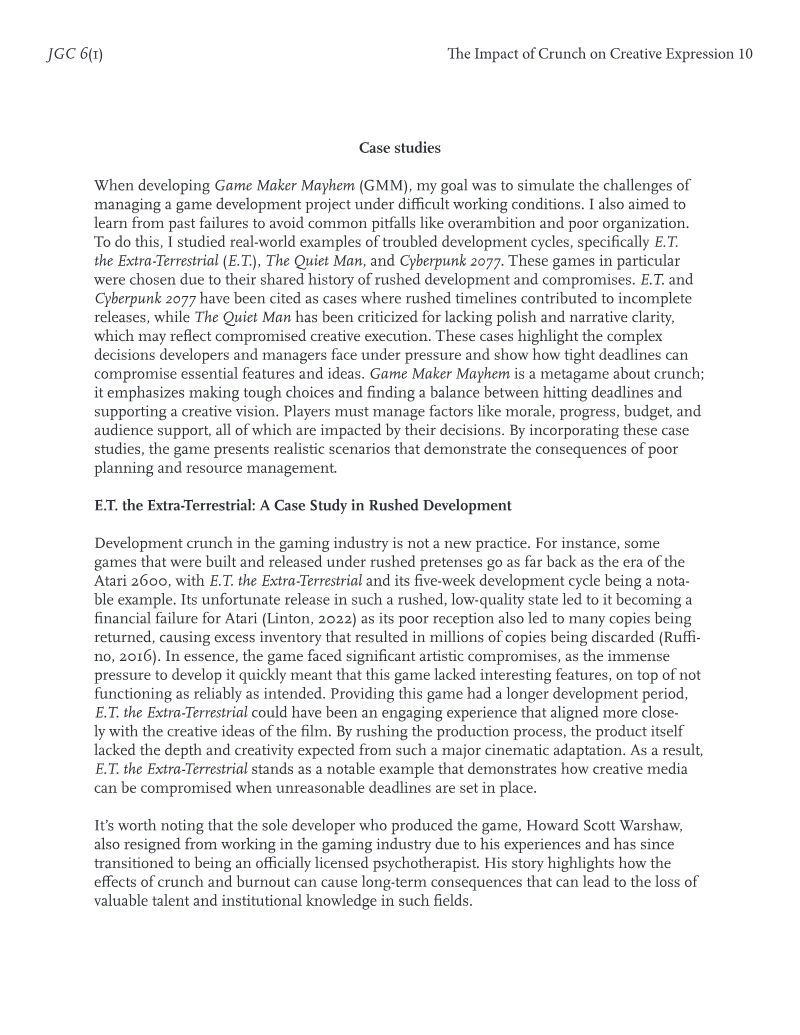
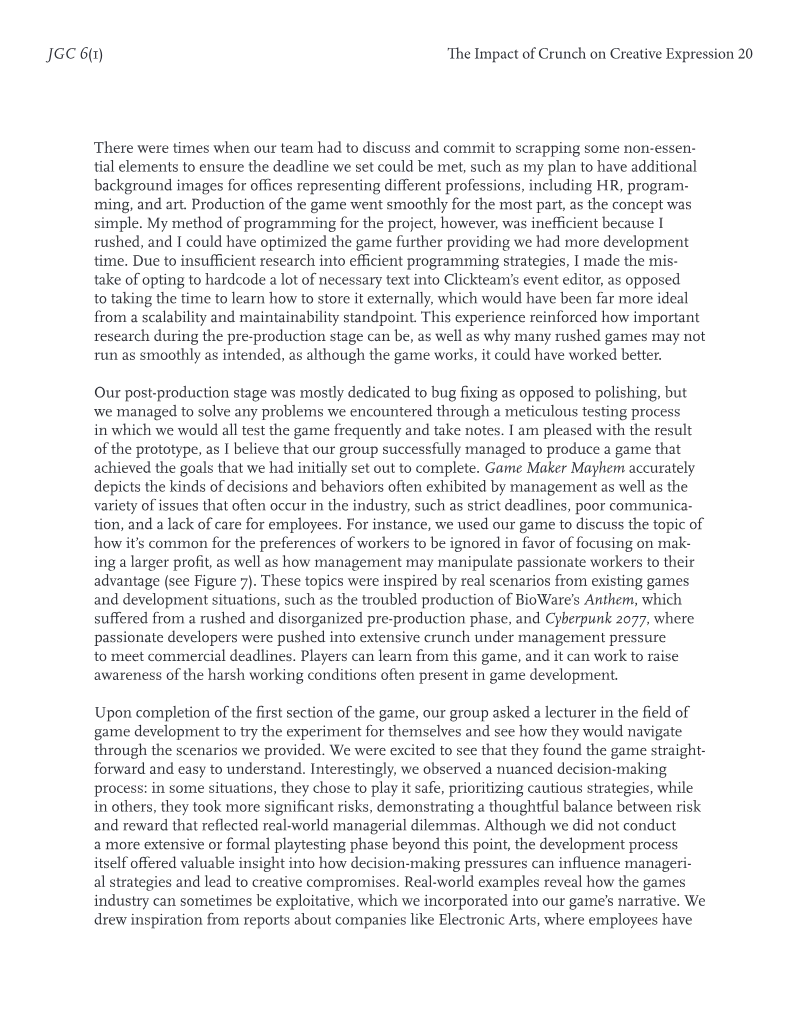
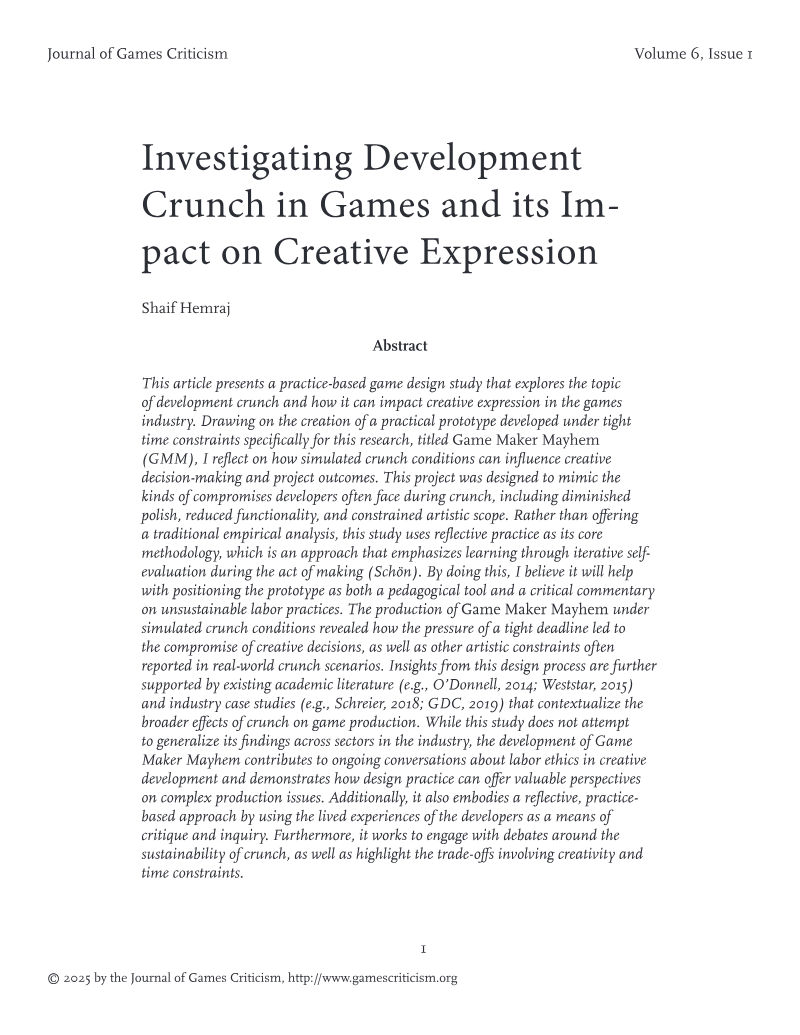
Investigating Development Crunch in Games and its Impact on Creative Expression
Development crunch functions as a systemic failure within the global video game industry, characterized by excessive overtime and compressed production schedules that prioritize commercial deadlines over creative integrity.
- Development crunch is a systemic management failure rather than a necessary tool for quality, often resulting in compromised product integrity and long-term market instability.
- Forced overtime and compressed schedules stifle innovation by compelling teams to prioritize basic functionality and bug remediation over creative experimentation and artistic polish.
- High-profile titles such as Cyberpunk 2077, The Quiet Man, and E.T. the Extra-Terrestrial serve as evidence that rushed production cycles frequently lead to diminished quality and commercial underperformance.
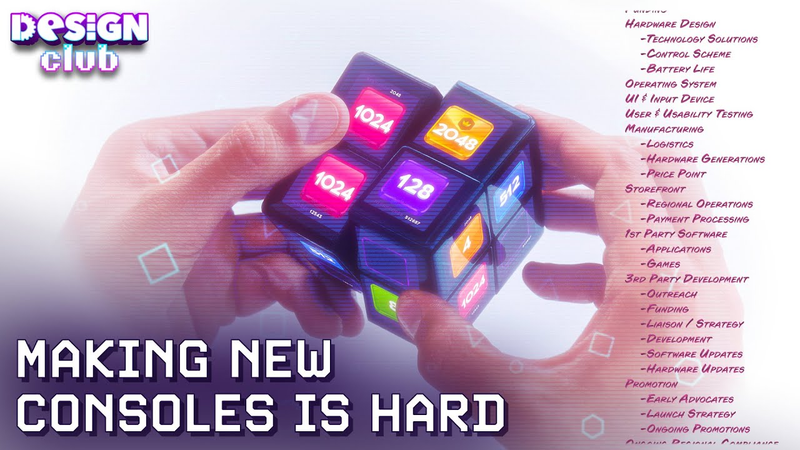
Making New Consoles is Hard - Just Ask VR | Design Club
Launching a new gaming console is an exceptionally high-stakes endeavor that requires far more than innovative hardware design.
- The 'hardware install base' problem is the primary barrier for new platforms; developers cannot recoup investments or achieve profitability unless the hardware reaches a critical mass of users to drive software sales.
- Launching new hardware requires simultaneous mastery of multiple complex domains, including custom operating system design, specialized user interface paradigms, and the creation of a fully functional global storefront.
- New hardware platforms face significant testing hurdles because they often lack standard input methods like keyboards or traditional controllers, making debugging and user experience validation difficult and prone to failure.

Enhancing the Digital Games Tax Credit (Section 481A)
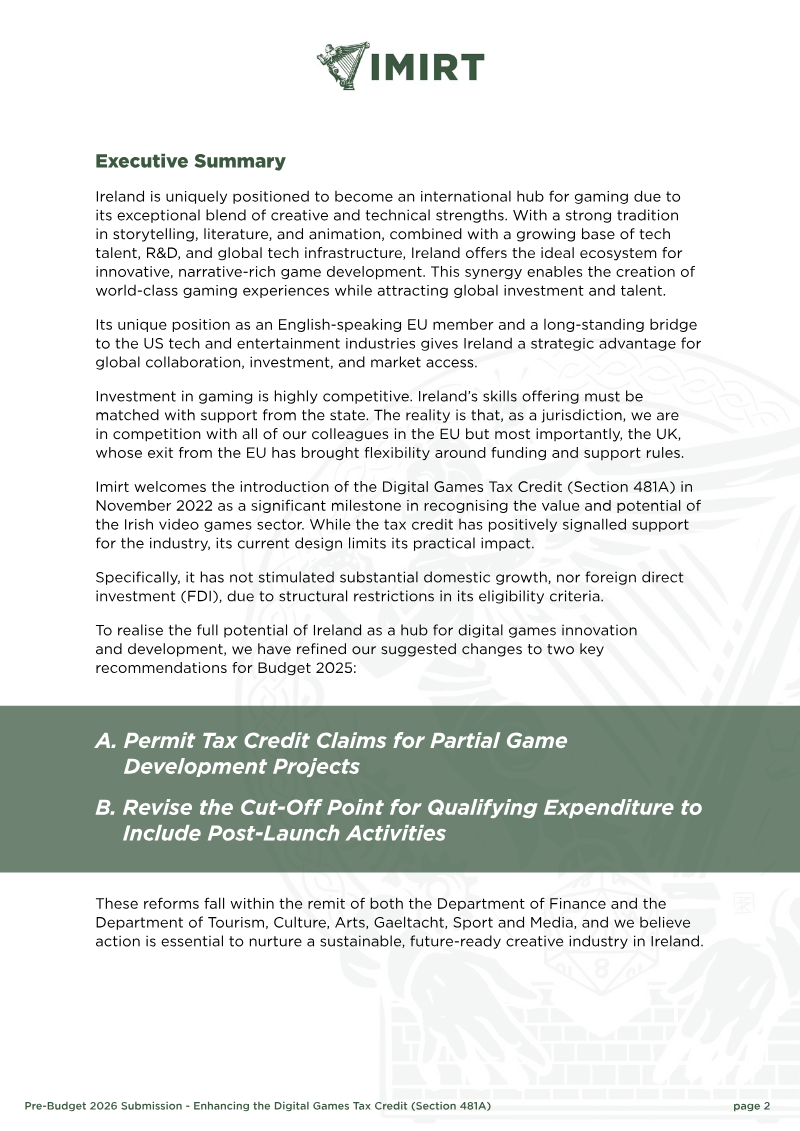
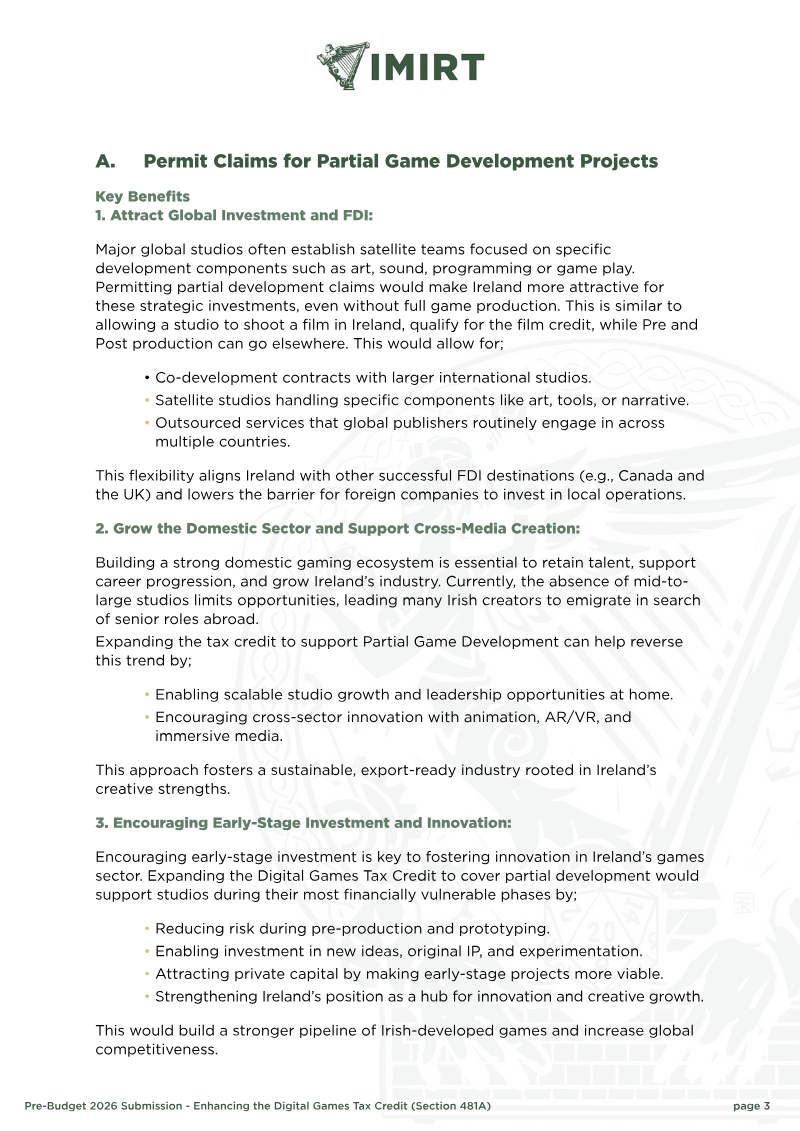
This pre-budget submission from Imirt, the Irish Game Makers Association, argues that Ireland's Digital Games Tax Credit under Section 481A, introduced in November 2022, has signalled support for the video games sector but has not stimulated substantial domestic growth or foreign direct investment because of structural limits…
- Ireland's Digital Games Tax Credit under Section 481A, introduced in November 2022, has signalled support for the games sector but has not stimulated substantial domestic growth or foreign direct investment due to structural limits in its eligibility criteria.
- Imirt, the Irish Game Makers Association, is positioning Ireland as a candidate for a games hub, citing its storytelling and animation heritage, technical talent, English-speaking EU status, and links to US tech and entertainment markets.
- Imirt faces intense competition from other EU states and the UK in attracting games investment to Ireland.
Make An Online Game That Lasts 30 Years
The longevity of online gaming services depends on a disciplined transition from hobbyist development to professional business operations, prioritizing long-term sustainability over short-term gains.
- Online service games offer superior long-term revenue stability compared to single-player titles, which typically experience a sharp decline in sales after the initial launch week.
- The free-to-play model allows developers to capture a wider range of player value by enabling high-engagement users to spend more than a fixed purchase price while still allowing lower-budget players to participate.
- Rigorous stage-gate processes, which require ideas to be evaluated and validated against defined criteria before proceeding, are essential to avoid wasting resources on features that lack player appeal.
Scaling Journeys: Pitfalls and Cheat Codes
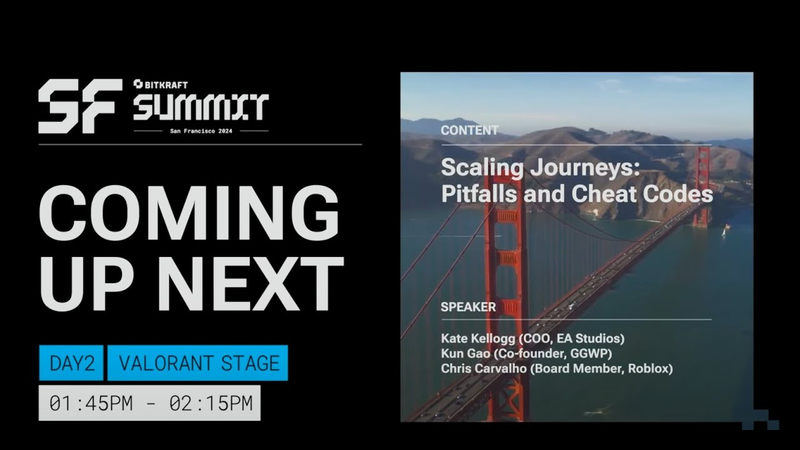
The panel discussion, titled Scaling Journeys: Pitfalls and Cheat Codes, explores the operational and cultural challenges inherent in growing game studios and digital media companies.
- Founders must maintain direct involvement in hiring for the first 50 to 100 employees to ensure cultural fit and preserve the company's core vision.
- Transitioning from a startup to a global enterprise requires shifting from informal communication to formalized systems, such as biannual happiness surveys and structured recognition programs.
- Incentive systems should be designed to reward behaviors that align with core values, creating a cultural 'mythos' that guides decision-making in the absence of direct leadership.
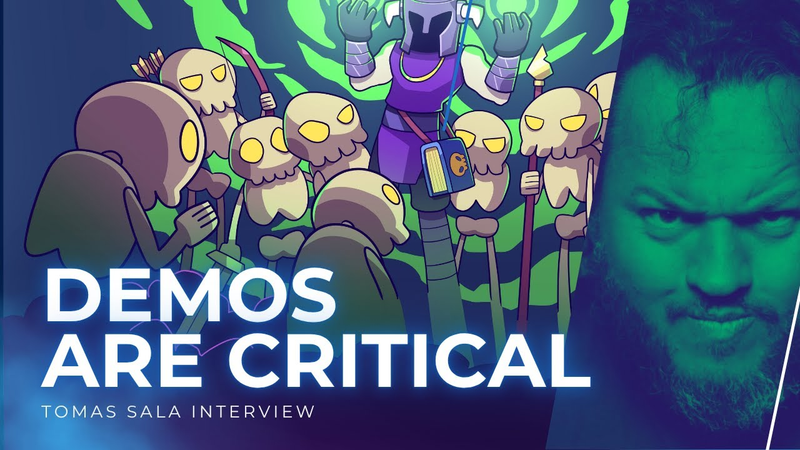
Why Demos are so critical with Tomas Sala
The evolving demo strategy serves as a cornerstone for independent game development, offering a transparent and iterative approach to product validation.
- Maintaining a long-term, iterative demo allows developers to validate product mechanics and gather player behavior data, such as median playtime, to accurately forecast commercial potential.
- Using a controlled demo environment mitigates the risk of permanent reputational damage from negative reviews often associated with premature Early Access releases.
- Consistent updates to a demo create a predictable cadence of interest on platforms like Steam, which is more sustainable for long-term growth than relying on ephemeral viral marketing spikes.

"We didn't believe Space Marine 2 could hit seven million unique players"
Pullup Entertainment, a European-based federation of studios and publishers, has achieved significant financial growth by focusing on the AA and indie game segments rather than the AAA market.
- Pullup Entertainment reported annual revenue of 390 million euros, a 100% year-over-year increase, with an EBIT of 60.3 million euros.
- Warhammer 40,000: Space Marine 2 exceeded 7 million unique players, validating the company's strategy of scaling niche titles through high-quality execution.
- The company manages a pipeline of 50 projects, split between 20 owned or co-owned intellectual properties and 30 licensed or third-party titles.
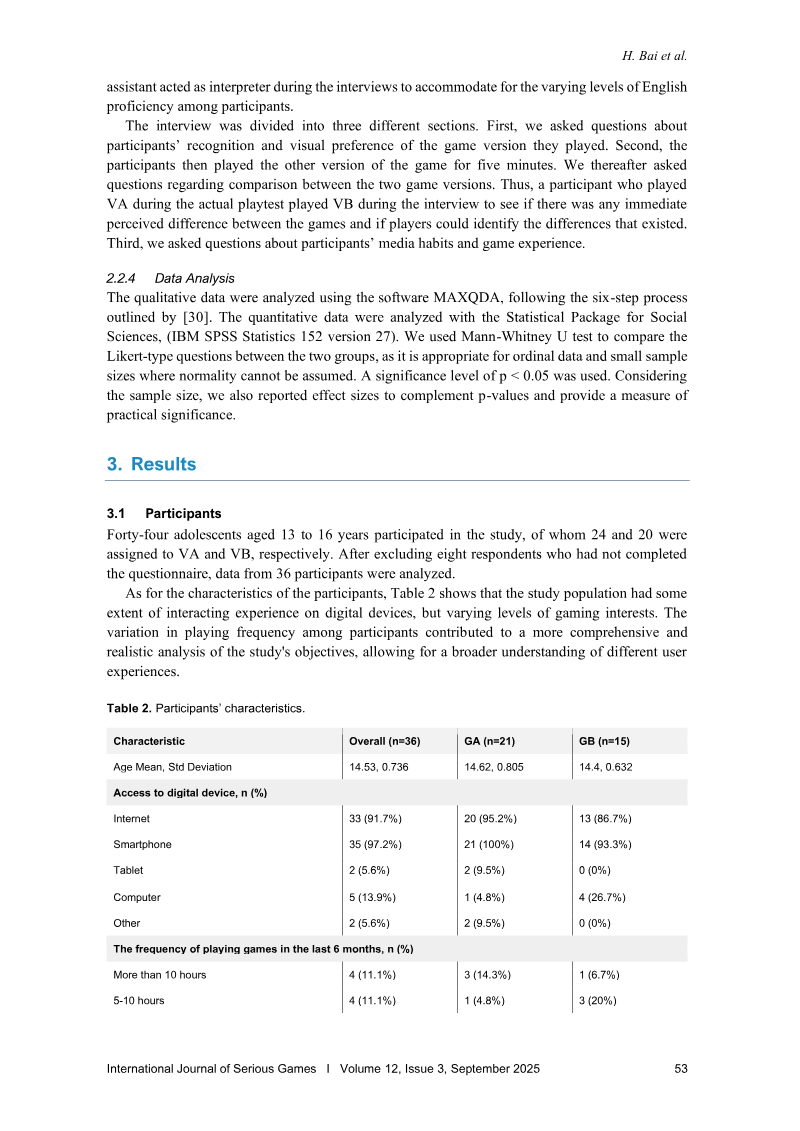
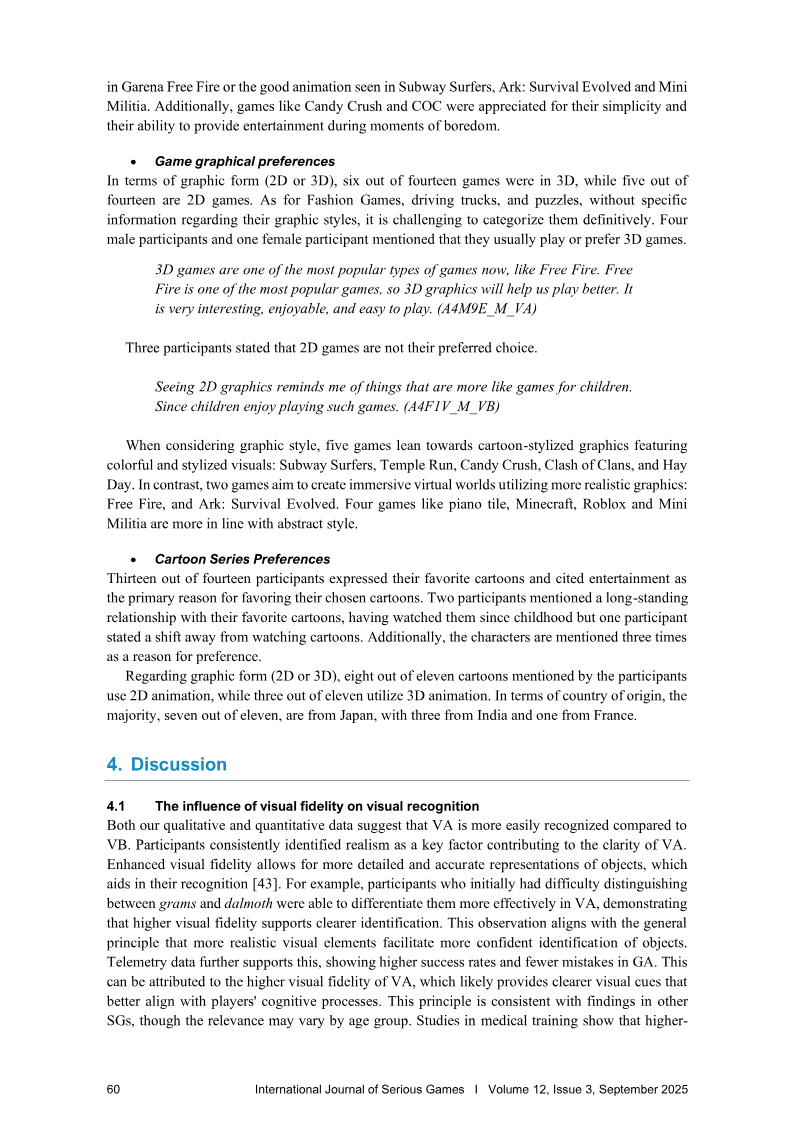
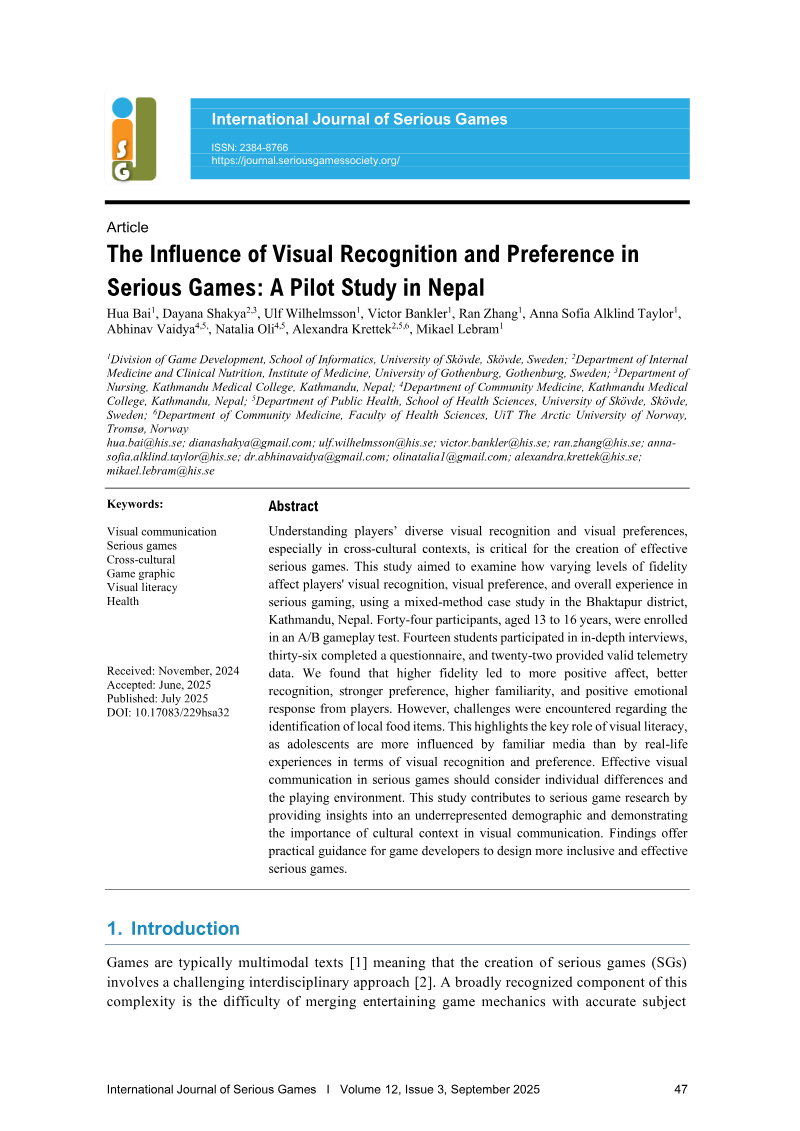
The Influence of Visual Recognition and Preference in Serious Games: A Pilot Study in Nepal
Visual fidelity serves as a critical determinant of user engagement and object recognition in serious games, particularly within the context of educational interventions for Nepalese adolescents.
- High visual fidelity is the primary driver of user engagement and emotional connection for Nepalese adolescents in serious games.
- While stylized graphics may lower cognitive load, users show a strong preference for realistic, 3D-style aesthetics influenced by global mobile gaming trends.
- Technical graphic complexity does not guarantee object recognition if the visual assets lack specific cultural accuracy.

TWIG #341 Ubisoft Tries “Succession” while Battlefield Attempts a Comeback
The global gaming industry is currently navigating a period of intense volatility characterized by structural financial challenges and shifting consumer behaviors.
- Ubisoft faces significant financial instability, including declining quarterly earnings and a sparse release pipeline through 2027, making it a potential acquisition target for Tencent.
- Standard cosmetic-based monetization models are failing to support games with low daily active user counts, forcing many studios into a cycle of unlaunching and re-releasing titles.
- Electronic Arts is attempting to revitalize the Battlefield franchise to exploit Call of Duty fatigue, though success depends on overcoming persistent issues with live service execution and matchmaking stability.
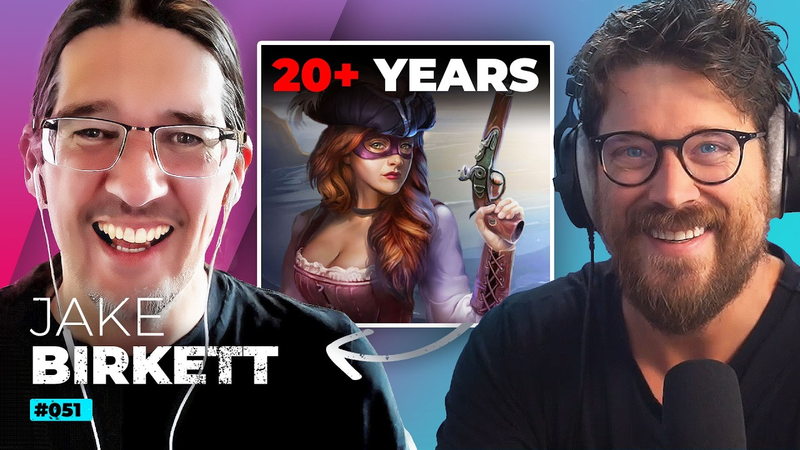
Jake Birkett: How To Make Indie Games Full Time, Unity vs Custom Engine, Indie Survival | Ep. #051
Achieving long-term financial sustainability in the independent game industry requires a shift away from chasing viral trends toward building a diverse catalog of smaller, profitable titles.
- Indie developers should prioritize building a sustainable, long-term business model over chasing viral hits, as 95% of games fail to achieve significant commercial success.
- Consistent income can be generated by building a portfolio of games and leveraging a loyal fan base that purchases bundles and subsequent titles in a series.
- Game feel and player feedback—such as sound, visual effects, and intuitive mechanics—are more critical to long-term success than academic gray-box design or complex meta-systems.