Transcript
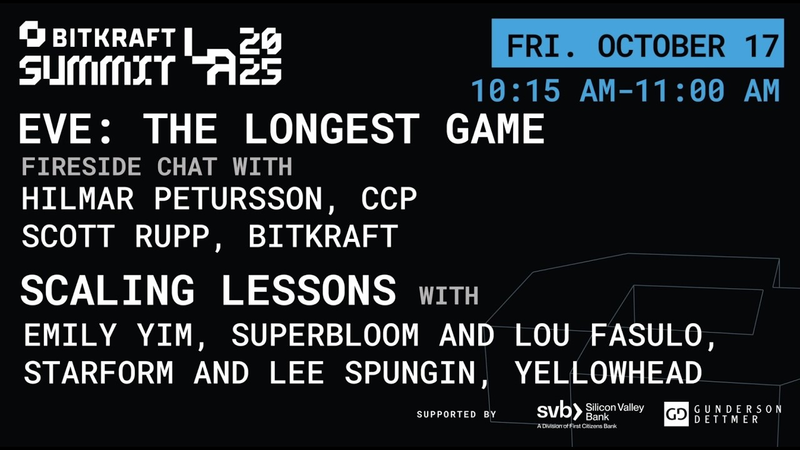
hello everyone thanks for joining us for the scaling Journey's panel um we have with us Kate kellock COO of on E Studios Chris cavalo was a board member at ROBLOX early at Kabam Co over there and K founder uh and COO of crunchy rooll who's now running a po Company please uh come join me up on [Applause] stage so Chris um you're now in the Roblox Sports seat you've observed their Journey for quite a while I think they're they should be all working um tell us a little bit you've been at Kabam super early what is it like being in the ringer with the the game studio
early on and uh going through the Journey uh well Kabam was just a crazy time I started uh when we were 25 guys literally over a dim sum restaurant in uh Mountain View on Castro Street and uh we caught fire we went from 25 people to over 200 people in our first year and eventually to over 700 people in four years and from Zer to 360 million in revenue and as you can imagine that's just like your hair is constantly on fire you're breathing through a fire hose at the time this was when freeo play was just really starting and we had to come up with a lot of I um Frameworks to figure out lifetime value at the time people did not think about lifetime value and we had to really think about how do we spend our marketing do you do a big bang or do you do it over time all that stuff playing together um but the hardest part was just uh you know how do you maintain a culture and you it was really almost impossible for us to
maintain a culture when you grow that fast um and I think that's probably the most important thing as you're you know thinking among your own company and how you're going to grow is how do you keep that imprint of who you are and what you want your culture to be together because that's crucial to to fast forward uh the business going forward thank you um K you've been uh part of the founding Team and Red crunchy world for a long time now you've done it um with uh actually two portfolio companies and um you know how would you classify kind of the the break points and stages of of the company Journey as you're thinking back yeah so um I think with crunchy roll in hindsight it's pretty obvious what the stages were and it's uh basically what helped Drive the company from you know 0 to one versus 1 to 10 and then onwards um and for queno it was three phases uh the first phase was is
uh really one that was very product-led um and the reason for that was because um and if you don't know the history of croll when we started uh we were basically uh like a YouTube for anime content and people would upload uh their anime and then other people would watch it uh now our competitor was um other like like piracy sites or bit torrent and so we needed to have a product that was better more convenient easier to use than any other alternative out there including YouTube uh and uh uh that's how we were able to get uh users and solve really the chicken and egg when it comes to content and users that was kind of the first first phase um in the second phase once we had all these users it was like okay well we actually needed to go license the content because it was all user uploaded how do we do that and that phase was uh the company became very uh sales driven or uh licensing driven if you will and we basically needed to make sure to do whatever it took to get the licenses um one of the most important being say nuto uh and so
um that point was okay what what what do the licenser need and uh whatever they they wanted we're willing to bend over backwards to make sure we get the license because that was the only way to move forward um and once we've secured essentially a critical mass of anime licenses uh the next phase was really uh I say very you know business striven which was okay we know the core business model is subscription we know um uh you know what are the metrics for CAC and and like uh LTV and and uh how much should we charge per subscriber uh how do we manage churn and so it was more about okay how do you uh how do you run that as a business how much do you Deploy on marketing how much do you uh spend on content how do you do your programming strategy and all those kinds of things so I think each of those steps logically was kind of the whatever you know was the success needed to to drive the company to the next level and that was kind of the the the the break points and how you know what what it took to run the company and what you focus on
and where you know the decision- making comes from amazing Kate you've been part of many amazing organizations with so many moving parts so many parts of value creation value capture what are kind of some of the obstacles and challenges when you're at that scale and perhaps what can some of the earlier stage companies learn from that I think there's a big part of that that starts whatever your size of organization that you have a super crisp vision of what you're trying to do and I think actually y'all both just talked about really crisp visions of where you wanted to go what you wanted to accomplish and then within that inevitably as your company grows you have new pillars that pop up but what's really key is that you hold that vision and you make sure it's consistent make it piy make it marketing if you can you got to use the same language so you're constantly testing yourself against are we doing what we set out to do I think that's really critical in this while allowing the space for new ideas to come in but the crisper you are on your vision and then your intentional culture which you were talking about Chris that helps people understand whether they want want to be part of that long term
and they can go full force CU you don't want to be arguing about what the vision is right like that's not making the company better it's like going after that big Target and I think that holds true whether you're very early stage or at a global scale Let's uh stay on culture for a moment how do you think um want to build the right culture within all of the different teams what have you seen work well not work well you've been in different sizes of teams and then maybe we can uh piggy back that over to the to the others as well I think probably what's the most valuable from my perspective is that word intentional is that you sit down with your early crew and you say what kind of culture do we want in the same way if you're going to have kids you talk about like how do we want to raise our family what are our values what do we want it to feel like I think that's connected to the vision really deeply um and to be clear on that and to say uncomfortable things like in some groups it's really important to be very flat and very organic and not have hierarchy that can mean differences in the pace at which you move right and so
there are costs for any choice in culture and the more specific and individuated you can be it helps people opt into that and I think a big part of it too is how you communicate it and as you grow you communicate it differently when you're very young startup you communicate you probably have a company meeting every week everyone in the company is literally in a room and you can ask questions and people can really get direct feedback but then as you grow you know maybe the C team is only talking to the senior leadership layer right and they have to communicate down so you have to communicate and find ways that there's a consistent message about what you're doing all the way from every employee all the way up to the board and eventually you know if you're portraying um how you are attacking the market externally all that has to have a consistency to it but it's different methods of communicating and getting that right is is critical because if you don't then people start misunderstanding each other and you get into conflict
which does not help you build your business yeah um I think for us the first say 20 employees was actually quite easy for us to not be like deliberate because we're like hey we're just going to go find more anime fans that want to work here and then it's like all the engineers seem to love anime cool we'll just hire them and so um it was easier to not be deliberate which actually I think heard us in the longer long long run um but the first like 20 people it's like they're friends or friends of friends everyone loved anime and so uh you know we would all just have lunch and dinner together like every day just hang out every day so a lot of that culture was um pervasive but not necessarily written down uh and so it just you know a lot of times we're like you know if it's not broke don't fix it because we're engineers and then all of a sudden when we started getting you know like to you know 75 people then to 150 people then it's like oh crap like it's starting to break like what do we do um how do we actually make sure there's a culture fit we never wrote it
down and so I think um uh once you start getting Beyond like a like a flat organization it's so important to put those things down to uh make sure you're deliberate about what your culture actually is to write it down because uh a lot of times when like you're in a small small organization a lot of it it's like what is the decision- making like how do you decide and when it's a smaller organization then you know everyone can just huddle or they can look to you and you can say okay well I think this way but culture is really one of those things where it's about okay how do you uh help people to make those decisions when you're not in the room because you know they need to uh decide as if they were you or you know make the right decisions and so you need to make sure that if you weren't in the room you know how should they be thinking about the business and culture kind of is one of the ways to like instill that uh uh down to everyone so that you don't need to be in the room for the right things to happen the company I think also it's it's how you reward uh culture and and and people and
are they aligned with your culture are they acting out or are they you know how do you reward that because that shows the whole company what is important and so it's communication but it's also that reward system that's so critical to in imprinting that culture that's very it's very interesting one how how do you think about you know incentive systems to get that right you know we had a lot of just really basic stuff where um every employee had an opportunity to every quarter nominate someone for doing an amazing job we had uh four or five core principles of what it meant to be uh a great cabam uh team player and you could nominate you had to write something and then even when we had a company of 75 people every time we had a company meeting there would be five or six of those that had been nominated that week and they would read out why some team member had done such an amazing job that helped you know were up you know late
one night when something crashed and they figured it out or whatever it was they went the extra mile and I think that celebration of uh teamwork and uh the values that you're expressing is critical to to making things work I think there's something really powerful in there too about recognition right because we always think about incentive as like compensation based but recognition is powerful frequently when you're at an early phase company you're putting your it's more than your work right it's your heart it's your idea you want to see something beautiful come into the world and that recognition of those contributions around like a narrative story it becomes the Mythos of the company right we talk about company DNA and I think rewarding that and I love the storytelling I think that's amazing but I've as I've gone to bigger scale we have you know like actual Awards and sometimes then compensation becomes part of it but the recognition is so powerful say that what good that's what good looks like because we got to be looking at that all the time it changes right
another thing that we did uh eventually when we got a little bit bigger is we would have lunches with you know eight eight or so so you pick your allars and so maybe your company's up to 100 people at this point and you pick maybe there's the top 20 people in the company that you feel like these guys are the driving force of it and again it gets back to recognition you have a lunch with you know five or six of them the CEO would the I would our head of uh um product would Etc and they would get to Express their ideas and and really get more one-on-one time with um with one of the C team and that that I think is really powerful to keep them leaning in and also to uncover if there's anything that's uncomfortable with someone or something's not working it's their opportunity to express hey have you thought about this this doesn't seem to be working it's the grownup version of pizza with a principal K anything from your end about incentive systems getting culture right getting reinforced yeah I think it's more the
same uh which is just like you know we would have all hands um and we would just you know have presentations about uh you know like what we did right how do we celebrate it and then uh we would use that as a as a moment to highlight uh team members who made uh like extraordinary contributions um when we're you know launching a product or launching a new series or launching uh you know a new region um and uh uh you know as as you grow you you know when you're you know it's like 10 people everyone's basically in leadership but once you get you know beyond that you know we also you know had a leadership uh Team essentially and those were the that team was you know kind of the team where you outside of the executive team that was the next in line to uh disseminate information give them updates uh uh uh Bubble Up ideas and then that would that would also mean they get uh um basically earlier access to uh key information that needs to be
then disseminated down to the rest of the the organization and being part of that leadership was um like incredibly value like you you wanted to be in there because that's uh when you knew that you were uh making positive contributions you were you know moving the right direction you were doing things that um uh was you know uh good for the organization another thing that we we we did a little bit of is that a lot of times when you know people are getting promoted really quickly we went from our first year 25 over 200 people so you can imagine some people actually were promoted three or four times during a year well some some people were amazing individual contributors but they were not an amazing manager and so we had training on how to become a better manager instead of telling someone I want you to do this this and this tell them what do you want them to accomplish and let them be creative so that they feel empowered to actually come up with ideas and and again that's part of the culture of how you know there's opportunity for others but we're also
going to know and and train you if if you need help to become a better uh if you're going to be a manager whatever that is that's um many amazing lessons that we also can take away you know with our organization um that leads me to kind of the point Around Talent density and when and how to grow and scale teams you know at bit craft we've grown from three a team of three to a team of six to you know 12 and now we're a little over 20 and we're distributed how are you going through the decision- making process of keeping Talent density High when and how much to scale and grow teams and then also maybe when to make calls to reduce teams and how to go about that it it's always difficult to to keep a high bar for us I think we actually you know unfortunately we grew so fast our bar was probably diluted a little bit um because it's just impossible when when you're early stage and so even when we were 25
and going up to 50 or so at that point you're still I think you mentioned you were hiring a lot of people people knew they were anime fans but they probably all knew each other your first 25 30 hires probably someone can vouch for every single employee and go I've worked with that person they're a rock star let's go after that then you you start having to open up the recruiting machine and you you aren't as close to it but I think as a a found you should always you know the first 50 maybe even more you have the final say on who gets hired and you should interview and talk to that person at least get to know them and I think getting uh your opinion on each person is important because that's you're making an imprint of what the values are in the culture and does that line up and at the end of the day you the C team cares more about that than anyone else is ever going to care so you should keep that in print for as long long as you can um at some point you can't scale
Beyond whatever but you could probably use that for the first 50 to 100 employees I think there's also something that's really important when you're at that early phase around for any role looking at what is going to be the most impactful part of that job because frequently when you're scaling I mean we're all imperfect people we have things we're working on and we're trying to develop and like one of the things that can happen when you're fighting for that high bar is you look for Perfection and that it can actually I think lead us away to like who has the highest averages across these 10 traits that we want and personally what I've seen really spectacular teams be developed you look for the Splinter skill look for that one thing that person is going to be better at than anyone else and does that match the core of the job and when you do that and put it together you allow some space for people to be spectacular at bigger orgs frequently we need people to try and be good at like all the aspects of their job and this can be it can be tricky but when you build a team if you balance it right I think you have a a real opportunity to go after these
really core competencies and way um that's key particularly at that phase I would say um really try to justify whether you need the hire or not I think it's very easy to uh think okay well we're we're we're scaling uh something so we have to throw more bodies at it uh but sometimes you have to think about okay like um let's say as as like executive like when is the right time to hire like for me it's is it something that you're working on that really really moves the needle right and and and then it's okay I want like one uh one ringal neck on this thing okay and that person is it someone in the company or if it's not because everyone's got just as critical like priorities they're working on okay we need to go find someone to hire and that person's responsibility is to drive this particular initiative or this particular uh country or this particular product uh and then you can start build building that out a lot of times it's um even as you're scaling if you're trying to hire too much it is difficult to um keep the
bar high and as you're hiring a lot um you do uh end up just having a lot more tax on your organization because you need to then get people to uh it takes time to assimilate people into your culture it takes time to get them into your process uh and then and you can only grow organically at a certain Pace because if you grow too quickly it just it it doesn't you know work at the end of the day I think in terms of when you need to reduce there's like I think about two vectors first financially something sometimes it happens right like you get to a place where you just can't fit in in the ambition with the resources you have the second one I would say actually goes back to culture when you look at you have a strong vision and an intentional culture you have to within that build feedback mechanisms right because as Founders you typically have that really crisp Vision but as you grow and you develop layers it's going to evolve a bit even if you're crisp like what it means at different parts of your company is going to change so I think as you go through those feedback mechanisms you have to look at how happy people are in their work if they're not happy something is wrong it doesn't
necessarily mean you need to change your structure but you need to understand why they're unhappy and if you have a credible way to fix it if everybody's unhappy because they're not paid enough then I would argue that maybe you need to look at the way you're stacking your team and whether you can afford that employees that are happy empowered and feel Fierce that they can go climb that mountain you're always going to get more out of and just echoing on that you know one thing when we got a little bit bigger the 100 or so folks we we had a biannual survey of we call it the happiness survey and we'd ask a range of you know 10 or 15 questions and we could determine not only by we were multiple locations at that point but it was all Anonymous but you could also pick out hey the engineers are are not very happy or this studio for whatever reason it's not very happy and we would take that and we would broadcast it back to everyone in a company meeting and then we would say for the next quarter our our goal as Founders and C team is to to fix what we think is the number one
issue that everyone had brought up and that was really well received because it wasn't just a survey oh they they got a survey we actually took that and then tried to fix one of the most important things that people said was an issue I think that humility being open as a leadership team like we hear you and we see this and we're going to take steps because we think it's important to it's so powerful like that really building that engagement mechanism whether you can make it 100% better showing that active listening and that you're showing up and trying to drive that it it's powerful it also opens like a growth mindset for your whole team right we all have things we're working on I think when you're in leadership roles people want to know that you have the answer but you don't always have it and so be willing to say this is a hard one we're going to go after it and we're going to keep working on it together because we didn't get it right is super powerful on that note any lessons about kind of communication of strategy tactics um you know how to make sure the team is aware of hey we've tried this
we're not doing this anymore this is what we're going to do next how do you maybe forecast potential bumps in the road and reevaluation points I don't think you can forecast most of the bumps like all unexpected things happen every day and sometimes the bumps are great sometimes you have talent you weren't planning to hire walk through your door and say hey I love your company I want to do something and you got to reshift because that should become a priority I frequently encourage people some of who might be in this room that when you're in a job with with a lot of responsibility no matter how big your organization is you should have 20 to 30% of your week that could be devoted to unexpected things maybe it's a problem maybe it's an opportunity but when you have big territory that you're responsible for that's going to happen and so I think being mindful of that and being able to jump on it and not say like oh my God I don't know what I'm going to do is really critical to building sustainable frames um on the strategy front I think one of the things that I've really noted working at different size of organizations over time is the bigger you are the crisper
and more consistent you have to be and you can really as you're going through this it can start to feel really formulaic to an extent so you have to keep tapping into what made it matter so that you can tell that story to bring people along because for some of them it'll be the first time they heard it yeah I I think just echoing on that again is um what you measure is what what matter so what ultimately you measure and you share with the organization and and part of that is educating them on what are the value drivers for the business so in every business there's usually you know two or three things that just stack to this is going to drive our business and if we can achieve a little bit of Leverage on each of these that's going to hit our inflection point and so I think the more you can educate about what those value drivers are and make sure everyone hopefully it's just a few because it's got to be con concise but then you can really push that out and every time you're communicating you're sharing how are we progressing against those I think
that's critical for everyone to be all rowing so that they go what how does my individual job uh affect these different metrics and how does that help the organization if they can understand that they can it's really powerful to help push your uh company up and to Echo that um we use uh like the Google okr process at Crunch and we're using it at the um um you know my current startups as well and it's incredibly uh scalable uh it's worked uh really well in terms of alignment uh goal setting um and just giving people transparency into what moves the the needle and what they need to do to contribute to that so uh in in a nutshell the process is every quarter at the beginning of the quarter you basically set measurable objectives of what you want to accomplish that you want to get done at the end of the quarter uh you discuss it together as a team uh and then uh everyone agrees signs off and then every week you're ideally looking at it to see what are we making Prof progress uh what am I doing to contribute to that progress towards
those goals and then at the end of the quarter you give yourself a grade uh hopefully you set the goal uh aggressive enough that you're not you know getting you know a thousand batting average each time or you're not soft balling it too much but uh then it's about how do you set the goals uh correctly uh but also in that process you're able to see okay what are the goals for uh this other department versus my department okay how can I contribute to their goal and how can they contribute to my goal but uh the OK process for us has been uh a great tool for for that amazing um we probably have time for one more question um perhaps we do a what's the conventional piece of wisdom that you disagree with or one exciting kind of War Story learning that is really imprinted on you I think one that I discovered along the way that I I tend to repeat for people is you have a choice to not accept feedback and like feedback is always a gift you got to hear it take it in and hold it but frequently what can make us awesome if overused might be a
little too much or it might not Vibe for everyone but you have a choice to not accept that feedback what I'm thinking about something specific that happened really early in my career I'd taken on a lot of responsibility somewhere and I had a direct manager who was very conscious of I was one of the very few women at a senior role at a very male-dominated environment and he said you know I really think as you're trying to take on more responsibility it's important you don't take the notes in the leadership meeting and that was thoughtful feed back and I appreciated it you think about your leadership posture and I thought about it and I sat with it and I went back to him and I was like here's the thing the person who holds the pen is telling the story because I did that I could quietly manage the whole process I decided who was in charge I articulated that someone had a due date that we could build into our system and then I had responsibility to pull people to make sure we were making that process so it was an effectively an invisible leadership role but I said thank you no and it was actually a mechanism I continue to use because it's the way I can drive things
in a way while still supporting the objectives of the broader group so just be thoughtful about the feedback you're going to take if you jump at everyone's feedback you aren't you become not yourself so you want to hear it and think about it but follow where your heart's telling you to go I agree you you absolutely have to uh understand who you are and how you communicate how you think and at the end of the day you own those decisions and I think um crazy the this summer I I shot a movie and we went from zero employees to 100 employees for three months and you get a lot of talented people and they all have here's what our vision is but we've got a script here's what we're following but they all then take their own idea off of that you are the ones that care more about the company and what your product is than anyone else and for anything that's critically important you need to basically make sure you're leaning in and also ensure that that's the quality
level that you want because again you are the most caring person about the product in the company no matter how High the Talent density is you're going to care more so don't don't be ashamed or feel abashed to to lean in and go you know what I really want it this way I think this is a better path yeah um I would say especially early on when it's really really important it's okay to do things that are not scalable meaning that you want to like roll up your sleeves or just get in there yourself um one of the things that we had to figure out early on was we were streaming uh shows right when they were broadcast in Japan on on uh on TV and uh prime time was like 7 p.m. for them there and that would be like 4:00 a.m. in in you know Pacific time and there was one important show uh which we wanted to make sure was available at 4:00 a.m. but uh you know it would require a lot of over engineering to make sure it was Secure and compliant and distributed uh seamlessly at 4:00
a.m. and so we're like you know what the first few times when we do this we're just going to stay up until four and then we're going to press the button and if something goes wrong at least we'll be there to figure it out um and you know that worked and lo lo and behold there was another distributor at the time who didn't do that who I think they just threw it into their FTP or something and then uh they actually leaked the file before it was broadcast uh because they put it into some automated system that didn't account for daylight savings time or something um but but yeah in the beginning I think especially when it's important it's okay to roll up your sleeves and just you know do things that are not not scalable amazing thank you all so much these were amazing lessons amazing insights will probably help us all get better in how we do our day-to-day things um with that we'll roll pretty quickly into the next panel you can just uh drop your mic on your give it up for the
Auto-generated captions from YouTube — names and numbers may be misheard.
Key insights
Distilling the key insights…
Ask AI about this video
Cite this video
Citation
Generating citation…











Comments