1 free read left. Create a free account for unlimited reading + AI research.
Create free accountWhitepaper Journal of Games Criticism
1 free read left. Create a free account for unlimited reading + AI research.
Create free accountWhitepaperJournal of Games Criticism
Distilling the key insights…
Development crunch functions as a systemic failure within the global video game industry, characterized by excessive overtime and compressed production schedules that prioritize commercial deadlines over creative integrity. Rather than serving as a necessary mechanism for achieving high-quality output, crunch is primarily a symptom of poor management and inadequate project planning. These unsustainable labor practices force development teams to abandon experimental design and artistic polish in favor of basic functionality and urgent bug remediation, ultimately stifling innovation and compromising the long-term potential of game titles.
Historical and contemporary industry data underscore the detrimental effects of these practices. High-profile releases such as Cyberpunk 2077, The Quiet Man, and the infamous E.T. the Extra-Terrestrial serve as critical case studies illustrating how rushed development cycles lead to diminished product quality and market instability. Through the practice-based research of the prototype Game Maker Mayhem, it becomes evident that the pressure to meet rigid release windows directly correlates with a decline in team morale and a narrowing of creative scope. When developers are forced into exploitative work environments, the resulting technical and artistic compromises often undermine the very commercial success that crunch is intended to secure.
Addressing these challenges requires a fundamental shift toward sustainable development practices. The prevalence of crunch, supported by extensive academic research and investigative journalism, highlights a persistent tension between corporate profitability and the well-being of the workforce. Preserving creative expression and ensuring the longevity of the industry depend on moving away from reactive, high-pressure production models. By prioritizing structured planning and realistic timelines, studios can foster environments that support both the health of their developers and the delivery of high-quality, innovative gaming experiences.
Each row is a game or company this document names, each column a document, oldest first. A mark means that document names it. Select a row to see those documents.
Journal of Games Criticism · 2026
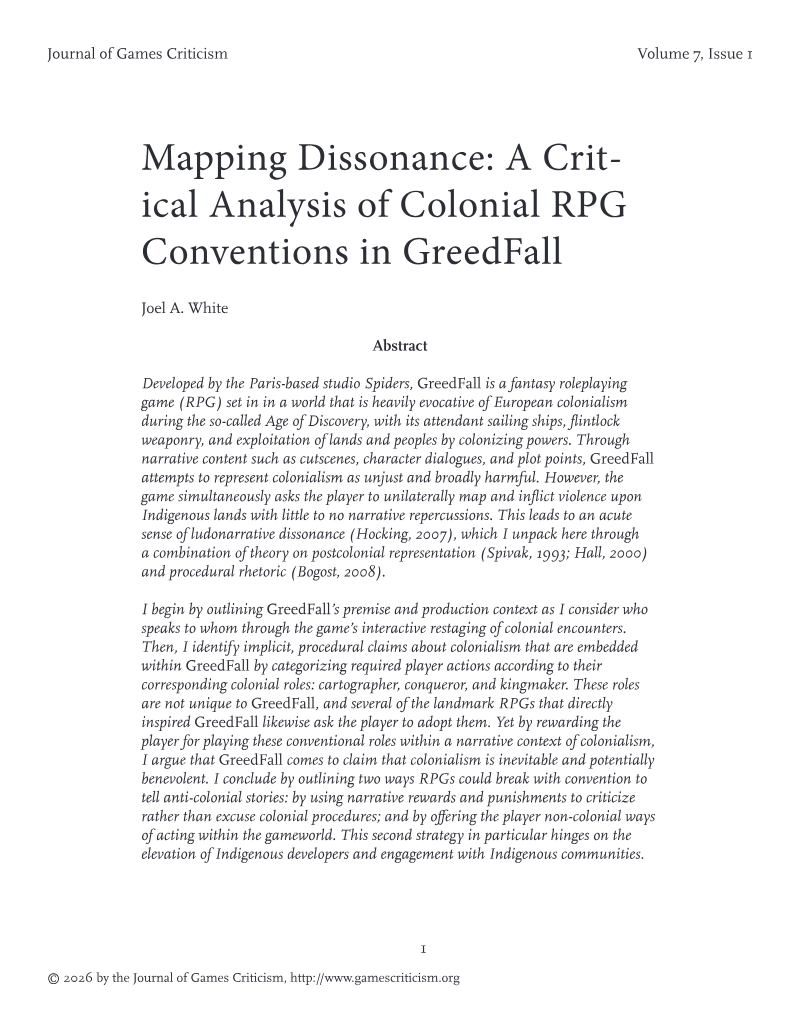
Journal of Games Criticism · 2026
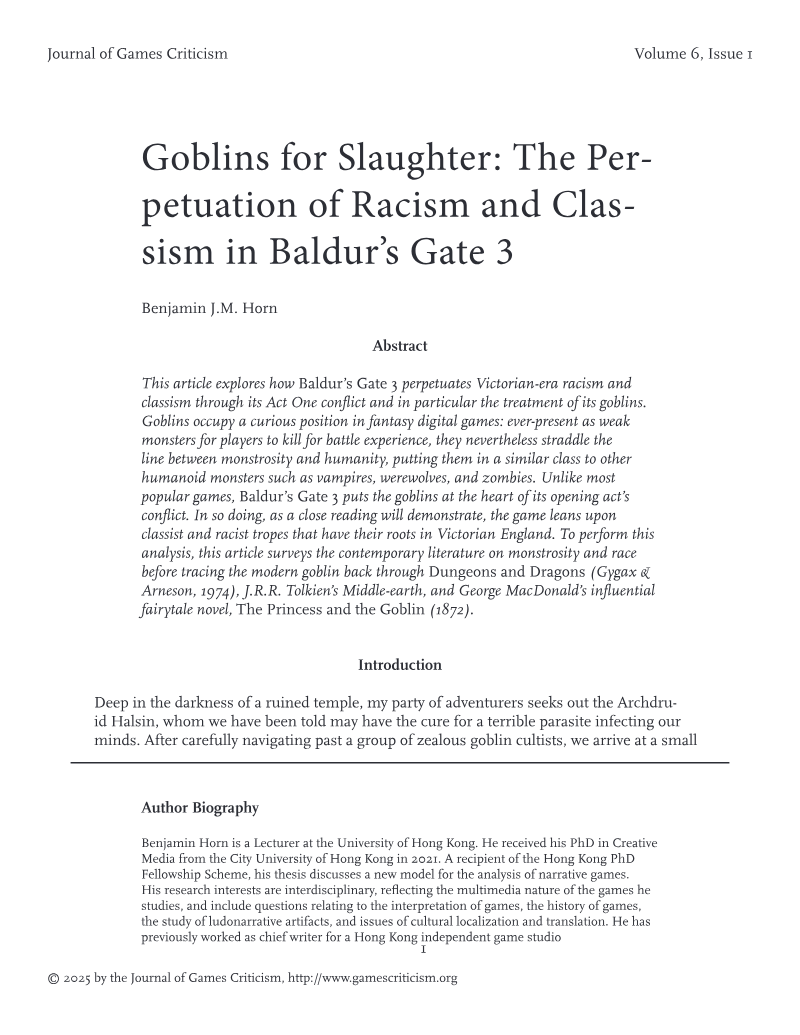
Journal of Games Criticism · 2025
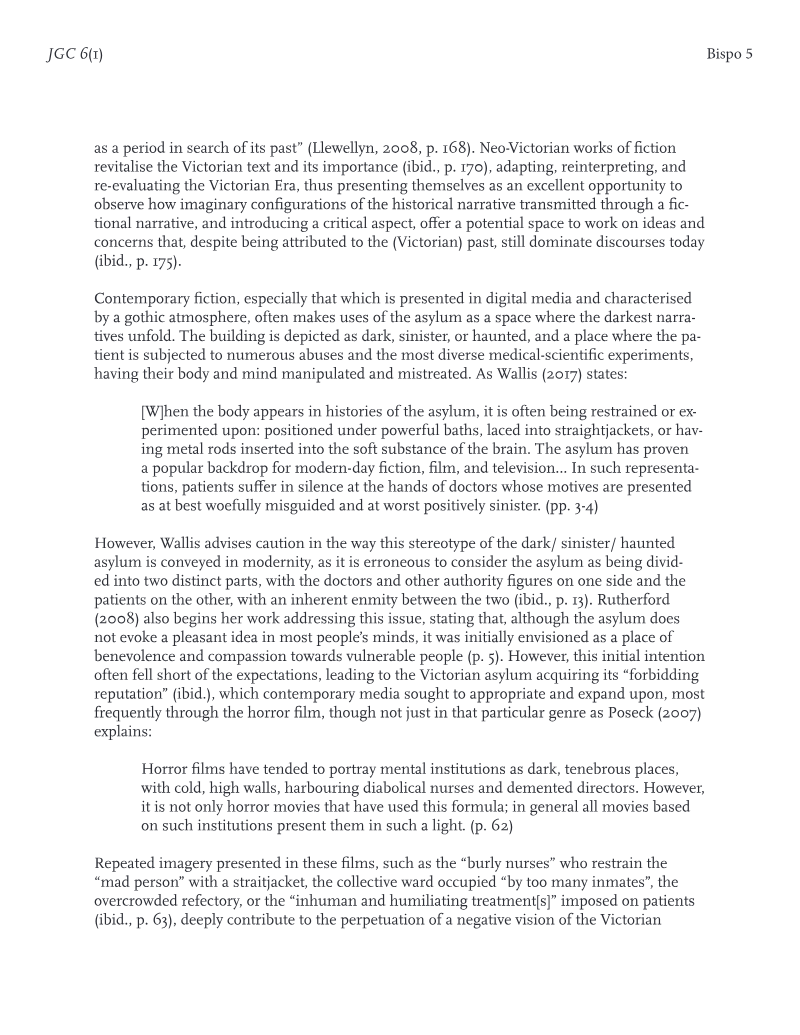

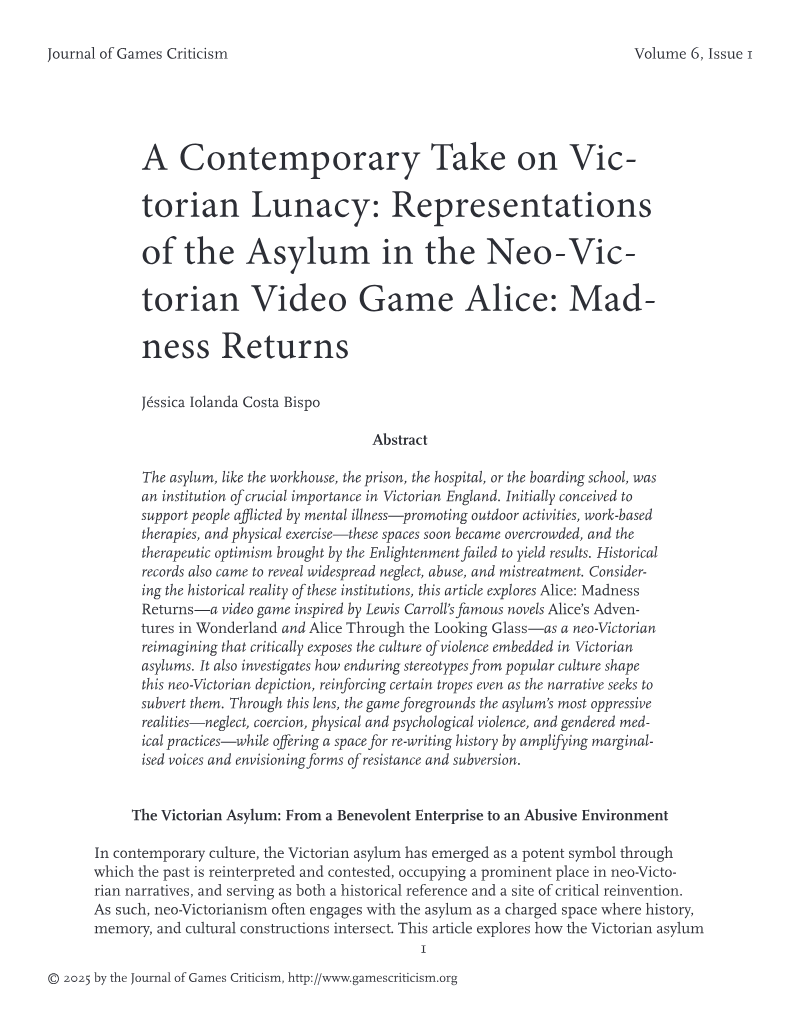
Journal of Games Criticism · 2025
Journal of Games Criticism · 2025
Journal of Games Criticism · 2024
Journal of Games Criticism · 2024
Journal of Games Criticism · 2024
Journal of Games Criticism · 2024
Journal of Games Criticism · 2024

Journal of Games Criticism · 2024
Journal of Games Criticism · 2024
DiGRA · 2010