Game Development reports and market data
Documents
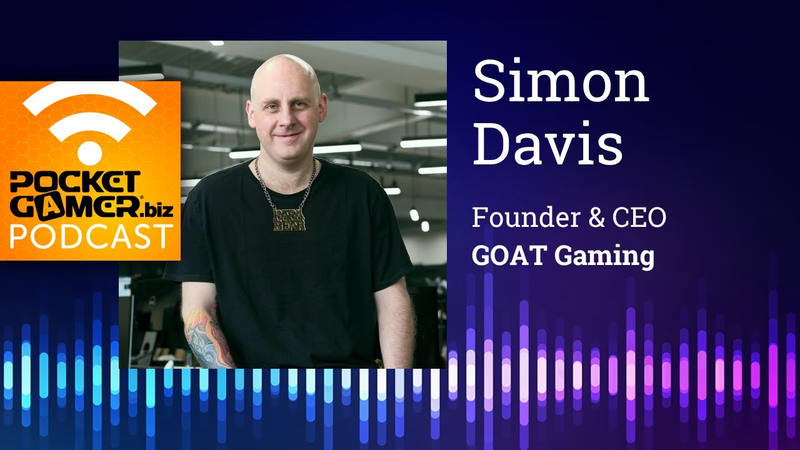
This AI Bot Runs Events, Roasts Players And Delivers 2x Community Engagement
The gaming industry is undergoing a fundamental shift toward an AI-native production model, where generative tools automate nearly all art creation and streamline complex coding and administrative workflows.
- The implementation of an AI agent named Amy resulted in a 2x increase in community engagement, with event-driven participation spikes reaching 5x to 10x higher than previous baselines.
- GOAT Gaming utilizes AI to industrialize production, reducing the time required to create a 3D character from scratch from 3–4 weeks to a single day, including animations.
- The studio uses AI-driven internal automation for administrative tasks, such as finance teams using image-based tools to reconcile receipts and update databases automatically.
If You're Making Your First Game, LISTEN To This 20 Year Veteran...
The primary objective for independent game developers should be building a sustainable, long-term career rather than chasing viral hits.
- Building a sustainable career as an indie developer does not require a viral hit; instead, focus on releasing a consistent catalog of solid, profitable games that build a loyal fanbase over time.
- Diversify revenue streams beyond a single platform like Steam to mitigate risk; successful developers often combine income from multiple sources such as Patreon, console storefronts, consultancy, and writing.
- Manage financial risk by calculating your 'runway'—the specific date your current funds will run out—based on predictable income and bank balances to avoid the 'feast or famine' cycle.
Subnautica 2 Drama Explained in Simple Terms!
The conflict surrounding the development of Subnautica 2 centers on a dispute between publisher Krafton and the leadership of developer Unknown Worlds.
- Unknown Worlds co-founders Charlie Cleveland and Max McGuire, along with CEO Ted Gil, were ousted following a breakdown in their relationship with Krafton, which acquired the studio for $500 million in 2021.
- The ousted leadership claims their dismissal was a strategic move by Krafton to avoid paying a $250 million performance-based earnout, while Krafton maintains the delay of Subnautica 2 to 2026 is a necessary quality-control measure.
- Krafton internal documents indicate the game lacked the content and polish required for a successful launch, citing ineffective management by the previous leadership.
“It was amazing to have PlayStation behind us”
Innovation and team culture serve as the primary drivers of success in the gaming industry, outweighing the influence of rigid business models or hardware specifications.
- The gaming industry should shift from a AAA-focused model toward a double-A development approach, prioritizing small, agile teams to foster innovation and creative ownership.
- Studio closures are frequently caused by a misalignment between a team's creative identity and the shifting strategic demands of large corporate partners like PlayStation and Meta.
- The industry's reliance on hire-fire staffing models and commoditized development cycles is actively undermining the collaborative environments required for long-term stability and genuine innovation.
Let's Review Your Games — Ep. 022
Professional game development hinges on the balance between mechanical responsiveness and atmospheric immersion.
- Mechanical responsiveness must take priority over indulgent animations, as prioritizing visual flair at the expense of snappy, reactive gameplay often alienates players.
- Technical polish—specifically professional audio, intuitive UI, and accessible control schemes—is the essential foundation for a successful player experience, regardless of creative ambition.
- Effective design requires clear, fair feedback loops and consistent signposting, particularly in tutorials, to prevent usability barriers from undermining innovative game concepts.
The Truth About Startup Life Nobody Tells You with Joseph Kim, CEO of LILA Games
Founding a startup is an inherently grueling endeavor that demands a profound reconciliation between professional ambition and personal well-being.
- Founding teams with a history of prior collaboration and established workflows are significantly more likely to succeed than teams assembled without pre-existing trust.
- Founders should prioritize sustainable, profitable growth over the venture-backed model of rapid, forced scaling to mitigate the risks of team instability.
- Investors frequently misallocate capital by prioritizing superficial market trends and metrics over the deep-seated alignment and vetting of the founding team.
Make Your Indie Game Go Viral
Achieving viral success in the independent game market requires a strategic synthesis of high-concept design, psychological targeting, and data-driven marketing.
- Prioritize game concepts that mirror proven, high-performing media tropes—such as the narrative structure of popular TV shows—to ensure immediate market appeal and high potential for virality.
- Design games with a clear, linear narrative arc that introduces conflict at the start and resolves it at the end, as this structure significantly improves retention and content creator engagement.
- Optimize for YouTube marketing by incorporating distinct, recognizable character designs and vibrant color palettes, which increase both thumbnail click-through rates and overall game memorability.
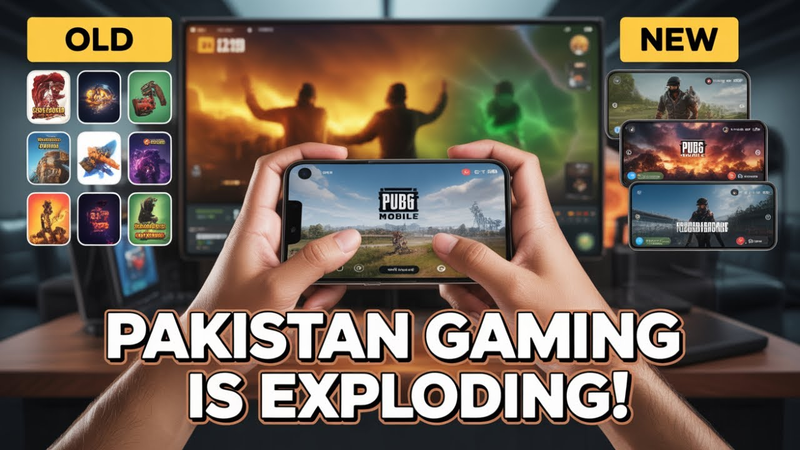
Why is Gaming Industry on the Rise in Pakistan?
Pakistan is emerging as a significant player in the global gaming ecosystem, driven by a large, English-speaking IT workforce and a growing interest among Gen Z professionals in creative game development over traditional enterprise software.
- Pakistan is emerging as a global gaming hub by leveraging a large, English-speaking IT workforce that is increasingly pivoting from traditional enterprise software toward creative game development.
- The industry is maturing from early mobile successes like 2010's 'Tap Fish' to modern, high-quality product development, exemplified by the recent success of titles such as 'Hexa Sort'.
- A critical shortage of experienced, top-tier leadership talent remains the primary barrier to scaling local studios and mastering sophisticated global monetization strategies.
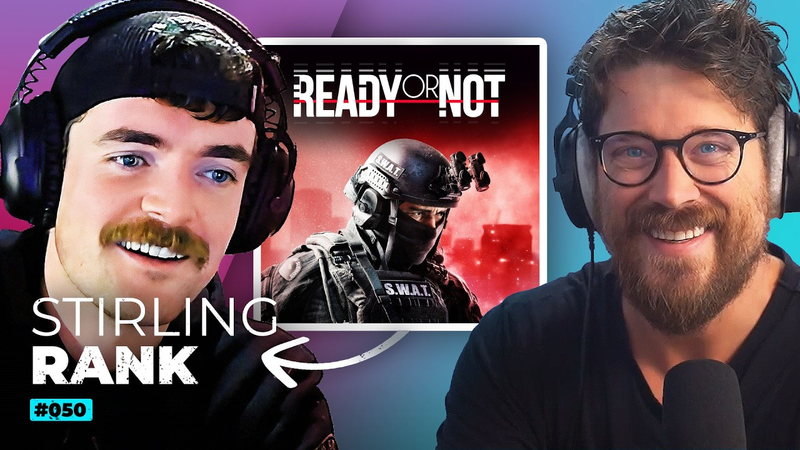
Stirling Rank: How He Sold 9 Million Copies Of His Game, 8 Years Of Dev, Unity v Unreal | Ep. #050
The development of a successful tactical shooter requires a delicate balance between maintaining artistic integrity and navigating the pragmatic demands of the global gaming market.
- Stirling Rank’s tactical FPS game, Ready or Not, has achieved 9 million copies sold after approximately eight years of development.
- The game’s success is attributed to its 'offensively honest' approach, incorporating controversial themes like drug trafficking and violence as core narrative hooks.
- Rank advocates for using Unreal Engine over Unity, citing concerns over Unity's historical royalty structures and tracking algorithms.
Subnautica 2 Publisher Implosion | Design Club
The game industry frequently operates without standardized business frameworks, leaving creative studios vulnerable to the structural instability inherent in publisher-developer relationships.
- Krafton, which acquired Unknown Worlds in October 2021, removed three key project leads—Ted Gill, Charlie Cleveland, and Max McGuire—from Subnautica 2 on July 2, 2025.
- Charlie Cleveland has filed a lawsuit against Krafton, disputing the company's claim that the game was not ready for Early Access and alleging the leadership change was a strategy to avoid paying out contractual earnouts.
- The dispute centers on conflicting assessments of development progress, with Krafton alleging the team failed to meet milestones, including the removal of a custom game mode and a reduction in narrative content from two chapters to one.
Let's Review Your Games — Ep. 021
The current landscape of independent game development reveals a critical tension between aesthetic polish and functional design.
- Market success requires balancing high-quality aesthetic polish with functional design, as seen in the contrast between the stylized engagement of 'No Way Home' and the generic, feedback-poor assets of 'Lunatics'.
- Developers must prioritize player agency by presenting challenges, such as locks, before providing the tools to overcome them to ensure progression feels rewarding rather than punishing.
- To maintain immersion during repetitive gameplay loops, developers should introduce atmospheric shifts or narrative pivots to prevent player boredom.
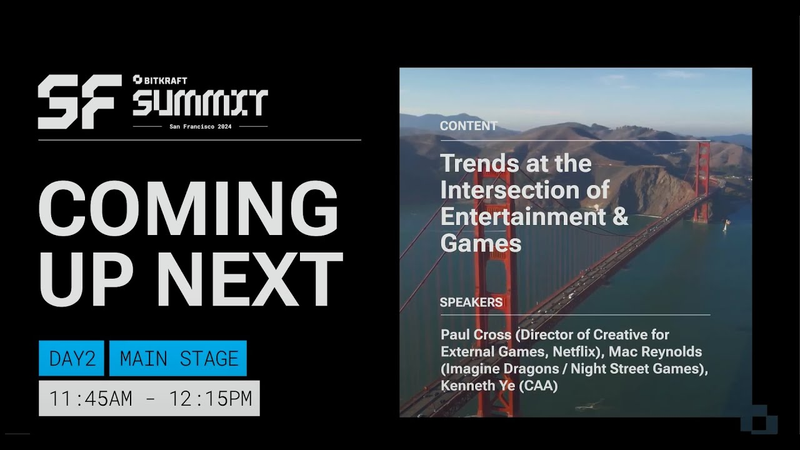
Trends at the Intersection of Entertainment & Games | BITKRAFT Summit 2024
The evolution of modern entertainment is defined by a strategic shift toward transmedia ecosystems where intellectual property is cultivated through deep, authentic audience resonance.
- Successful transmedia strategies require identifying the core emotional experience of an IP—such as the feeling of being a rock star or the tension of a specific narrative—and translating that essence across mediums rather than just replicating mechanics.
- When integrating external IP into games, developers must prioritize the player's desire for fun over brand restrictions, ensuring that new additions align with the existing emotional promise of the game world.
- Authenticity in IP expansion is driven by deep community engagement, whether through radical transparency and social media interaction or, conversely, by cultivating mystery and avoiding direct engagement to build anticipation.