VideoThomas Brush
Jake Birkett: How To Make Indie Games Full Time, Unity vs Custom Engine, Indie Survival | Ep. #051
25 Jul 202585 min video
Transcript
As a game developer, you must, I repeat, you must use the latest engines and you must make a rockolid, super unique, viral title. If you don't do this, well, you're just not going to be successful, right? Wrong. That's that's so wrong. And honestly, when I started making games, my whole goal was to make a million bucks with a viral title using Unity, right? But boy was I wrong. Instead, like my guest Jake Perquette, I actually found myself making a decent game that wasn't particularly viral. But I was surprised to find that year after year, my unviral games continued to bring in a surprising drip of consistent income. It's the same for Jake Perquet. He's an indie veteran who has been making basically the same kind of games for decades, and those are solitire games. And he uses his own custom engine, and his approach is unprofound. He's not trying to reinvent anything. And somehow he's been making a full-time income doing this for decades. And
there's a strategy here. There's a trick. And Jake is super generous and honest about this. He talks about the mirage of verality and why it's not as important as you think. And he also chats with me about why his latest game, Forbidden Solitaire, might actually be his first viral game and how you too can maybe do the same for your game. Finally, we open up his beautiful custom engine. And for the first time ever, he shows off the intro to Forbidden Solitaire. And by the way, if you want to quickly jump into gamedev and perhaps maybe make your very first game, there's this sweet new platform called Viverse. It's a platform designed for developers and creators to publish and share interactive projects and games. And it's completely free to use whether you're building in Unity, GDAU, A-Frame, 3.js, JS or any other web compatible engine or even experimenting with AI coding. Viverse makes it incredibly easy to share your amazing creations with anyone with a click of a button. You don't need to worry about setting up servers or infrastructure since Viverse includes
features like multiplayer, matchmaking, cloud saves, leaderboards, custom avatars, all right there out of the box. One thing I really like is the real time engagement tracking. You can actually see how many people are interacting with your creation to see what's working and what's not working. Publishing is fast, there is no gatekeeping, and you stay in control of your own work. And if you're looking to share your project that you've been working on with the community, the platform makes it easy to do it. You can check out Viverse by using our special link, viverse.com/brush, so you can try out some of the experiences yourself or share one of your projects with the world with the ease of a click of a button. Click the link below to check it out. People listening right now, they want to make money from their games. I think I think the majority of people listening right now, they want to be more than a hobbyist. They want to do what you're doing and you've got a dream it seemingly dreamy life. It's like you make games, you know, and they come from your own brain and you get to do it from your bedroom clearly.
Um, and so my first question is, look, in
order to make money, you got to make at least a good game. So, what what makes a good game? And I know that's a really open-ended question, but I think it's an important one. What what actually makes a game good? I mean, I think personally for me, it's about fun. Um, so and wow factor as well. I mean, there's wow factor and story and all this stuff that sits on top of a game, but really the game has to at its core be fun in the minute to minute gameplay and then the meta gameplay that sits on top of that. So, I know some people make games as pieces of art and I've played really great ones and I've played stuff like To the Moon and stuff, quite emotional games. So, this is great and I'm glad that's out there. For me personally, I like to make games that are just genuinely fun that you want to play and addictive in a good way, if that makes sense. You know, not not like gatches or whatever. Just like, okay, I want to play another level. This is good. And there's a whole art to making a game feel good, right? But that that's personally what I'm focused on. That
doesn't necessarily mean it will sell, though. That's a whole different thing. Um, so there's many good games that don't sell well, and that's very unfortunate for the people creating them, but that's all down to markets and market forces and trends and all that kind of stuff, which I'm sure we dig into.
Oh, I'm sure we will. See, here's the thing, though. Now, the question's even more difficult because it's like, well, first off, by the way, I've tweeted about this. I've said I think I I I agree that I think fun is probably the most important aspect of what makes a game good. Plenty of people disagreed. Um, plenty of people disagreed. So, it it is a hot topic to to say or it's a it is a spicy take to say that games that are fun,
okay,
are good games. But let's assume you're right.
I'm not valuing like g art games or other games, games that deserve to exist because the creator wants to tell a story or something, right? Yeah.
But for me, fundamentally, they've always been about fun. And I started playing games in the 1980s and we gravitated to the fun games. So,
so let's talk about that then. Let's assume that fun is correct. Let's let's assume that somehow there's a right answer and that's the right answer. What specifically makes a game fun? And this is kind of more of like a design question because I know you're you're you're very interested in game design clearly because all of your games are fundamentally about the design. What are some things that we can glean from you about what makes a game fun? And I I got to be honest with you, dude. I I struggle with this because all I care about when I'm making games is I want to make great story games and I want to make great like atmospheres and music cuz I think in my heart I would rather just be a filmmaker to be completely honest.
Sure.
You know
because the fun side that uh rewarding game design and gameplay that's where I struggle. So I'd love to hear your thoughts. What makes a game fun?
Okay. Well, it is some of the things you've mentioned like the atmosphere, the music, the graphics, the feel, the way it all fits together. That is game design, right? That's high level game design. I mean, heck, coming up with the
idea in the first place is game design. Everyone's got ideas, but then it's it's how you execute them afterwards, as we know, right? But I'm talking about in my games, I focus a lot on the second to second game play. So, how does it feel to flip this card over? What does it sound like? and what feedback am I giving the player? So, you need to give them visual feedback, auditory feedback, some kind of reward. There needs to be this intrinsic fun about how you play the game. Um, it can't all just be meta rewards, but you want to layer on those as well, right? And then you want
a meta reward is a game feel. Is that what you mean by meta reward?
A meta reward would be like a shop item or an upgrade or you know what I'm saying? So
yes,
I spend a lot of time on like the juice, the particle effects, the sounds. And I know some people like to design gray box games where they come up with very academically the design and everything's made of gray boxes and you know they test this and they say this will be good. And I don't design like that
because I have to see something. I have to feel something. I have to hear something. So I like to kind of make my games feel fun. And these match three games I made, I'm I spent a long time making the sliding feel good and the pieces falling and the the explosions feel good and the powerups that you get as well. Right. So So yeah, there's the minute to minute gameplay and then you want to be introducing new stuff early on, not in an overwhelming rate, but not in a boring rate either. So that's hard to do and that's different for every player, but you want to introduce stuff that that's something new, that's cool. show them again, then bring it back in a different way, mix it with something else. Um, and whilst you're doing that, you're getting rewards, whether it's gold or XP or something to allow you to sort of um upgrade your character along the way and make some choices, meaningful choices, all this kind of stuff. So, but I often start with a an idea and a theme and then the micro and then the meta comes later, like how could I expand this out? And not all
games, you mentioned flash earlier, right? So, not all games that come out of game jams or flash games lend themselves well to a longer bigger experience, right? Because they're neat, small game jam concepts, but they may not um work out for sort of five or 10 hours of gameplay and variation. So, you have to have something that can do that. And that's why most of my games are level based because it lets me add, you know, new levels and new mechanics and try that stuff and make them harder. I even have a test routine in my games that balances them well. Well, it outputs how difficult they are and I can change them in that editor and make them um easier or harder. Right. Right. So,
hey, so if your games didn't have good game feel or the juice,
would they be fun?
I would say no, actually, because I've played some I'm Yeah, I would say no. I've played it, for example, I played a match three about some kind of icy place, North Pole or something, and
every time you slid a piece, it made a sound like ice scraping on ice, which might have been novel for like one slide, but you're hearing that sound sound thousands of times. And it was horrible. Like just this grating noise going scrape, scrape, scrape. And I try to make that the noises you're going to hear thousands of times. Subtle, but but good. And everything that you do that the player's going to see the entire time has to be the most polished aspect of your game
rather than like you know the game over the game finish screen. You want to make it rewarding but you know that minuteto-minute gameplay. So yeah I've played bad solitire bad matchies plenty of bad indie games. I've sometimes played artled games where the game feel is wrong. So I've maybe played a platformer game that looks amazing. I load it up and the jumping is off, the too many animation frames, all this kind of stuff. And you know, I've been playing games 40 years and I've played a lot of games and I look at them and I
try to figure out what makes them fun or not fun for me and it varies for everyone. But there are some some things you know and I've read the books about this but there's not enough material out there about this I think unless I looking in the wrong places on YouTube but you know
there I I watched one lecture and somebody please comment below which lecture I'm talking about but it was a lecture from a game developer about game feel and game juice
and I think I was maybe 24 when I watched this. I could be wrong. I'm 35 now.
Yeah. And basically what the developer did is he was he was on a stage at GDC or something and he uh he basically went from a gray box platformer and he just added juice, particles, sound, screen shake
and that and the final result was amazing and it was like actually fun and it was the same thing it was when he started,
right? And I found it so fascinating because it's it almost made me feel like, you know, it's like it kind of proves how shallow gamers are in the sense that it's like
at the end of the day it's like a a great game is just it looks great and feels great and smells great and tastes great or whatever. You know what I mean? It's it's all sensory. It's all sensory. It's not really because it's not like a Sudoku puzzle where where you're just brilliant and you're doing a Sudoku puzzle and and the reward is purely psychological. It's like no like with games it's a very human sensory thing
I think. So for for for most games not I I think that video might be JW um who made Nuclear Throne and other such games. So and Minute and so on. Um it's a bit of a classic one. I've seen it as well. Um, yeah. I mean, it's not the case for all games. Like, some people are into really deep strategy games that maybe they don't look great and they don't have the player feedback, but they are enjoying them on that that sort of mechanical level, game mechanics level,
but I sort of need more. I I guess I am shallower in that sense. Like I need the the feedback. I need the sort of Nintendoation of the game
to feel good. And I always have. And back in the day, you know, there were some games with with good graphics that, you know, really just had the right feel and some that didn't. But it was back then also when graphics were quite primitive in the 80s. Your brain filled in some of the gaps with imagination and that's the kind of a thing which is often missing from modern games. So if you have a high resolution bad texture, that's what it is, you know.
But that's what I think back to back to Forbidden Solitire to agree with you. It's like that's that's what I feel makes that game so special is the grainy grunginess of it. It's almost like like I'm reading um I've been reading it for a long time now, but because it's a big book, but I'm reading uh A Way of Kings by Brandon Sanderson. I don't know if you read this book. It's amazing. But there is something that almost makes me salivate when I'm reading or listening to an audio book and it's a it's a fictional world and like my brain is imagining all of the
character faces and the way their voices sound. It makes my It really does. It makes me salivate. It makes me excited when I can create all this in my own head
as opposed to like AAA modern games where everything is spelled out visually to you
to a tea. You know what I mean?
Yeah.
And so games like yours where it's like I would say 95% of what the player thinks they're experiencing is in their head because they're just staring at cards in a backsplash. Right.
Yeah. Yeah. But we set up the whole vibe for them with the visuals, the story, and then the music and ambiance, which you couldn't hear in in my video that I've shown you. But um that really adds to it as well, right? So the whole vibe. Um so yeah, but we need the brain to fill in some of the gaps for sure.
Yeah, dude. I've been playing a lot of indie games for my audience and what's so funny is that I don't know how to describe it. I would say 90% of these
games it they feel slow. It's like the character movement or even just the menus every like even like when you when you hover over a like play game when you hover over it it fades slowly to red.
Yeah. Yeah.
I don't know why developers want to do this. I'm like
I know I know why. I think they they're proud of it, right? They find it fun. I've seen this so many times. They're proud of I made this thing glow. I've made this menu transition on and you're like great. But if you're the player and that's happening for the 20th time, you want it to be not there at all. Now, I do have some transitions in my games, but I've made them all really fast, like 300 milliseconds or less. So, and not too frequent, so they feel snappy. You just have to figure out what feels snappy versus Yeah, exactly like that. And with that kind of sound, right? So that's not like, you know, so we want a sort of snappy vibe about
Well, it's also a cheap it's cheaper as a developer to just make things snappy.
Like for me, for my games, it's like I might not even transition to red text when I hover. It might just be like,
yeah, sure.
Really fast and snappy. transitioning from, let's say, the save select screen to the options menu. It's like it's instant, you know, there's no
So, it's cheaper to do it that way and it feels better. And I think the solution is
or the the hack is and what makes it so cheap is great sound, right? Like if you can have really solid sound, you can get away with so much.
How are you using how are you using sound in your games to to achieve this juice? Um, well, definitely for transitions and so on, but with the cards, you know, we've got some really nice card sounds that I spent a lot of time fiddling with and making them kind of subtle and blend together. I test all the sounds together. I mean, I go as far as testing any musical sound effects are in tune with the music. And that's the thing a lot of game devs don't do. Like,
I'm an amateur musician as well, myself. So, and I made music on a computer. And you want your sound effects to complement the music, not clash with the music. So there's that kind of stuff as well. Um, and
how does it clash though if you if you don't mind explaining what do you mean by clash?
Okay. Well, let's say you've got music in a particular key. Okay. And then you have a sound effect which is not in that key. It will sound like you two pieces of totally discordant music.
Oh my word.
Do you know what I'm saying? Like
I do know what you're saying, but I don't do that for my games and it makes me feel embarrassed.
Well, how do you do that? How do you like how do you know what key your sounds are in? Well, well, for a start, you Okay, so if you've got a piece of music and you know it's in C minor or C major, your sound effects should be one of the notes in that scale basically if it's musical. And if it is not,
if it is not, it will sound out of tune against your music.
What about gunshots and stuff?
That's okay. They're okay. There is
still technically a pitch to a gunshot or an explosion or whatever any kind of white noisy. So you're best off actually avoiding sound effects with tones in, but if you've got any with tones in, they should match your your musical key. And you can do it by ear or by knowing. And and a good audio person would do that. And a lot of devs haven't done that. And yeah, I can tell as soon as I play the game and it makes me like if it's a rewarding sound, but it sounds gross. A lot of devs, what do they do? They test the game with the music off because they've heard it so many times they turn the music off and they're just testing the game or listening to their own music. So they they're not really noticing that.
Okay.
So let's shift gears here, man, and talk about um I think talk about a philosophy that both I think you and Jeff Vogle share and frankly I share as well. One of the big things that I talk about on my channel a lot is because some people will be like, "Thomas, you're not a game developer. Where's your viral game? Where's your viral game?" And I'm like, you know, number one, at least I'm
releasing games, but number two, you don't need a viral game to make a career out of this. That's that's I think you and Jeff share that opinion, which is
you'd much rather make a game that's solid as opposed to trying. And to quote you, you said, uh, avoid rolling the one big die and getting a one.
Yeah. and instead learn to roll I guess make smaller games
and learn to make just one games that are just profitable as opposed to going all in on one big game. Can you explain that philosophy a little bit more?
Yeah, I mean it also comes from a place of limitation in a sense that I've never had a lot of money or come from money or had partner that's earning loads of money or something. So I've had to make a business which works. Okay. And I think Jeff's the same. He's had to make a functional business. So that means not going out of business. Um and that mean you know and that means making products which have a good chance of selling and then once something works you build upon that in a in a careful way not taking
too big a risk right so and what I mean is like if you spend years and all of your money on one big game that game comes out and it flops which frankly 95% of games do. Okay, which is a stat people need to get comfortable with if they're even going to attempt this thing
and bear in mind that they could be in that 95% right you know you can't make a big game have it flop go out of business you need a plan B or whatever so so for me I've not had a lot of money to make big risks so what I've done is once something started working I'm like okay how can I optimize this process how can I make better games how can I keep that fan base engaged by releasing fairly often so they buy the next game and they buy the next game. They buy bundles on Steam of my games. That kind of stuff works really well.
So, and this is what Jeff's done. He's made many games in his series. He's got his hardcore fans which buy all of his games and then new people come along into the fold as well and keep him going. And then you end up with a
catalog of games that create a passive income in the background. So, that's what our games do. They don't pay all of our bills. So, I still have to release new games to get like a bump in income that dwindles and then I'm like, "Oh my god, we need to release a new game." And then, oh, and you know, like I wish I was a bit more sensible about it, but when we did Regency Solitaire 2, we pushed it out at the end of February because I needed to get paid in March by Valve, right? So, um, it was that kind of down to the wire and then it made some money and we're okay and then, you know, but, um, it's building up this back catalog of games, this fan base, our presence online. There's also this whole kind of aspect of not just building up, you know, a a community of players, but a community of developers, which obviously you're very good at, but it is getting known online so that you get to know about opportunities and people give you information and then you get funding opportunities and partnership opportunities. Look, if I
wasn't online and hadn't shared my game, uh, last game, Shadow Hand Solitaire, if I hadn't shared that, Nick from Night Signal Entertainment wouldn't have played it and he wouldn't have emailed me and said, "Do you want to make this horror game?" which might end up being our hit game finally, you know. So, you've got to put yourself out there, not just to, you know, potential customers, but to the industry and all the people in it and go to conferences and do talks and podcasts and blogs. Not. Some people I know have never done that and have made lots of money. So, there are exceptions, but I think this is the way to go.
Well, I don't like looking at the exceptions to be honest because it's it's like I don't know. Some guy won like $2 billion down the road from my house. It's like this famous gas station that's down the road from my house. And I don't look to him and go, "Well, then I'm going to go buy a lottery ticket." You know, and and so I kind of feel like that's true with like, in fact, it's more true with thinking about someone like Notch. It's like Notch is a one in a billion. Like nobody's ever done what he's done. I don't think.
So I don't I don't like to think that way. I'd much rather think how do I make 50 to $100,000 this year
on a game.
Sure. And that's what I've been doing. Yeah. And that's what I've been doing with our games. We make games that we'll sell to another audience. By the way, I enjoy making the games I make. I'm I'm not like cynical about it. Like if I wanted to make more money, I'd probably go into freeto play mobile games or something or get a job in a bank or financial tech or whatever, right? There's easier ways to make money as programmers than games, okay? But I love making games and being my own boss and I love the games I make and each one is different and improved and there's something about it kind of unique and interesting, you know, so it works for me.
Would you say that that uh your career has been feast or famine? Do you know what I mean by that?
Yeah. Oh, yeah. I do I call it a roller coaster like this or
that's a funner way to describe it right
or or boom and bust years right so when we are working on a game and it need to come out and it's taking too long which has happened to me quite a few times
games take longer than you expect maybe you're familiar with this concept
oh yes
um that's the famine bit right that's the the bust bit and it's like oh my god and then you release the game the money comes in and you look rich for a short period of time not even rich but you know there's some money in the bank woohoo Right.
And then it and then it wears off and you're like, "Okay, the next game needs to come out." And that's why I've released 16 games over 20 years, right? Um I probably should have released 20 or 30, you know, but um
No, that's a still very very impressive that you've released that many games. So does this um I mean this might be a personal question. If it is, just let me know. But does because with me and my wife, you know, you mentioned you were married. Um me and my wife, my wife is just so like um I'm the one who freaks out during feast or famine, you know? It's like, oh my word, I'm not going to make money. I'm not going to make money. And then I make money and then it's fine. Granted, I also do YouTube and stuff and make plenty of money from YouTube as well. So that's I'm grateful
for that sort of backup plan. But like if I don't get a publisher for a while, cuz you know, I like to rely on publishers, I'll start freaking out. and she she has we've been married for I should know this 11 years almost 11 no 11 years and um she has learned to be so chill about everything when it comes to the roller coaster
she's just she's sort of just chill on the roller coaster and she really likes roller coaster so maybe that's it but she's super chill I'm the one who's kind of freaking out so I'm just curious what that's like with your family life and and running this business the way you have
yeah I mean I should also mention And I've got two kids who are now young men, right? So they're 21. That's amazing. 21. That's so good. I have three kids.
Okay. Congrats. Yeah. And one of them's just they both finished university. One of them's just done a game design and programming course at university. And he uses Unity. So uh and he's helping for me.
Yeah. And he's he's helping me Well, he's helping me with Blitz Max and Forbidden Solitaire a little bit at the
moment. So that's kind of interesting. Yeah.
Um where was I going with this? Right. basically that because I've had a family that's also meant why I haven't wanted to take big risks. You understand? Like I've needed to pay the bills and keep the family fed and clothed and whatever. So I've tried to make sensible decisions. Like if you're if you've got either loads of money in the bank or someone else paying the bills or you're living with your parents, this is a good time to take some risks, right? And to experiment perhaps within indie games. But when you you've got to earn your money each month, you tend to be a bit more sensible. And that's that's what I've had to do. Now, have I freaked out in my boom and bust times or the bus times? Yes, I I do. I definitely have that feeling. And at times, it's been motivational to get me to finish something because I've needed the money. It's very simply that my wife, she actually, yeah, probably would has freaked out more than me at times. So, there's been times when I've sort of said, "Actually, it's not as bad as that. I'm just giving you the information, but I've got a plan. You know, it's okay." And one of the things I like to remind myself is I've survived
20 years. I think I can do it again. You know, I can keep going. I've managed. I always find a way. There's always I figure something out um when it comes down to the wire and and I try to figure it out before it comes down to the wire, right? Um like we've got a runway. I calculate how much runway I have based on the income and the money in the bank and I say it's going to run out at this date. So, I do all the kind of sensible stuff, but there's always this lowlevel, oh my god, you know, I could money at any time and I have to go and get a job in a supermarket or whatever, right? So, though I think I do contracting or or business software or something first, but who knows? Then they might say, "We don't want a 50-y old guy going work in the supermarket, right?" So, um,
but you've also got a really big audience that will come to your aid, whether it's Patreon or Kickstarter, probably. I think Jeff Jeff Vogle he's like look when when when he wants to do another game he'll do a Kickstarter campaign and it tends to do well.
Uh so I don't know I mean that's this is
the thing that I found you know I used to be in my 20s it used to be terrifying the idea of being an entrepreneur.
It just used to be terrifying to me. I did it and I I would do Kickstarter campaigns and sign with publishers and then do game sales and all this stuff. YouTube I'm always doing all this stuff. I was spinning too many plates all out of this paranoia that like I don't want to have to go get a real job. Mhm.
And what I realized, I think one of my friends mentioned it to me, he goes, cuz I was freaking out about something regarding money, and my friend was like, "Thomas, you're going to, you know, how to make money. You're fine. You'll figure it out." You know, when you have eight hours a day, let's say 8 to 10 hours a day not working a desk job and you're just in your home studio, you're going to find a way to make money. Do you know what I mean? you you ought to
plenty of time to find Yeah, you should be able to, right? Um, but I don't recommend anybody just quit their job.
No, I think that's what I did initi in initially, right? And I don't recommend
that because it was very, very tough and we didn't make money for a while and we had to go into debt and stuff and I got out of that contract work and so on. No, I would suggest people make games whilst they can on at home with if they're living with their parents or if they've got a job and get good before taking a risk and even then don't risk everything maybe or make sure it's money you are totally fine with never seeing again because that's that's game deis is tough
is is more money in the bank or less money in the bank a better driver for creativity for you
this is a tricky one actually because I've definitely been motivated by no money in the bank, right? So, you know, you they say you got to be be hungry, right? Metaphorically or hopefully not in reality, but you know, that's right.
Um, you got to be hungry in order to sort of get stuff done. And that definitely works for me, but I don't think it's healthy. It's not a good feeling. And there have been other times
when I've had money in the bank for a while at least and I have felt totally happy to work on games and make games and just enjoying that process. And actually that's where I want to get to again right with this current game if that puts enough money in the bank that I can make games perhaps even with less of an eye on the commercial aspect of the game. So I can get back to my roots as a hobbyist and make some things that I don't have to worry about being popular actually. and I could just have fun creating because I've made games for 40 years. It's kind of in my blood now, you know, and if I can do that with no pressure, that's would be a fantastic retirement hobby amongst other things I do, right? So,
retiring making games. So, nothing different since you're in your 20s, I guess.
Yeah. Who knows? But basically, yeah, just an older body that has to have some breaks from the computer occasionally, right? Uh but so it can be a driver to have no money for motivation. It's not healthy, but it works like but I would
suggest having well having a good schedule and just trying to stick to it anyway.
Yeah to I totally agree uh for there's two things there's two things that really help me in my mid30s now that help me keep me sane help me make me a good dad so that I'm not stressed out or obsessed you know after work or trying to work something out while my kids are trying to play with me. the two things that helped me and I sort of figured these out in January this year because I had a really hard year in 2024. It was really
Sorry to hear that.
It was just it was just a publisher stuff and the the game industry sucked. Um but this year is awesome and
I could thank this podcast for that because it's helping support the the studio. But the two things that help me,
number one, recurring revenue that is predictable.
I mean obviously that's a nice thing to have. Um, but number two is like five months of savings,
okay?
You know, at all times, just cash
liquid, ready to go.
So, I found that's really, really helpful. And I understand that that's like a luxury, but that's what I was working towards last year and this year, like I got to get to a place where I have some kind of predictable income because like with games, it's like you get a big pop here from a sale. You know, you wait for Christmas, a Christmas sale or a Halloween sale, or you sign with a publisher and they pay you 300 grand and then but then you have to survive on 300 grand for three years or I kickstart a campaign where you do $50,000 and you've got to live on that for 6 months. Those are the pops and my wife always calls those pops. She's like, you always get a pop. The problem with pops is they're so unpredictable and you never know when they're going to happen. You know what I mean?
And you think I might not get the next one, right? That's
I know. I always assume I always assume I'm never going to get it again, you know.
Well, there's no guarantees. I mean, in a sense, actually, um, that can be the problem with if you rely on funding like funds like art funds or grants and things. Some of them are for very specific types of games and then you
would actually I'm a bit worried about devs that might train themselves to only apply for this funding rather than training them training themselves on how to make a game that sells in the marketplace. That's a different type of thing, right? And then if that fund goes away or they're unsuccessful, they've got no business modeling,
right? So it's a bit like if Steam said there are no more Steam keys, sorry. Imagine how many businesses would just go down the pan because they
they totally reliant on Steam, right?
Yeah. I mean, for me, it's much nicer having some money in the bank and but then you have to make a project that, you know, you can complete within that time and be realistic and do all that kind of stuff. And that's happened to me. I've had many of these pops, as you call them. One of them was we did a deal with Epic for a free game several years ago. So that was a pop, right? Thank you. And occasionally game that comes out that isn't a hit, but they're minor level pops on top of that predictable income, right?
So and and when I look at the money in the bank plus the predictable predictable income, I can then see what
my runway is and when the money will run out, right, with a relative accuracy. And the other thing is I'm not just relying on steam, right? So on my Patreon uh we've got a pie chart which I do every year which shows steam income, casual site income which are not off steam like um Patreon, Nintendo consultancy writing. So there's a whole load of different publishing.
So we've got a whole lo of different slices to this pie and if any one of them even if Steam went away it wouldn't be a disaster. It wouldn't be great but it wouldn't be a disaster and we could keep going. we could focus on the other slices or find a new slice.
So, let's shift gears here. I wanted to ask you about um Forbidden Solitire because you mentioned something before we started this call
that really piqued my interest, which is you said, I think this is the one.
Okay. Yeah.
Do you remember saying that?
Yeah, sure.
Can you explain that and why? And and maybe make this applicable to people listening right now who they want their
one big viral game and they're like why do you think that?
Okay. Um, so I mean we've made a bunch of games that weren't the one, right? So
they still brought you income, right?
They brought me some of them did better than others. And often how well they did was related to how long I took on them. Let me explain that a bit more. So I log the time I spend on each game. So I know how many hundred or thousand hours each game took, right? And then I know the income that comes in from each game. And then I can do a sum which says this game earned me 20 bucks an hour or this game earned me 300 bucks an hour and honestly I've got big ranges in there. So if you spend a long time on a game three years or something and it doesn't make much money your dollars per hour is very low. Does that make sense? Right. And so
of course
and if you can make shorter games to and they do better you you have a higher dollars per hour. Right. Um so I've got quite a variation in that. Um, I can't remember why I mentioned that, but it's
pretty interesting and really devs should do that if you're going to make multiple games.
Well, I was asking about how you know this game is going to be worth it and that it's going to be a big game,
right? So, one of the reasons is we do reuse technology and knowledge. So, this is another solitire game that's reusing our previous engine and knowledge. So, already we've saved like a year of development there because, you know, we're getting to just plug. It's not a reskin. So, let's get that out the way first. We're getting all of these assets and stuff, but we're adding in new code and new mechanics and new features. So, it's it's like a reimagining of my previous games with this whole horror theme. But how I knew it would work was when Nick emailed us initially and he'd had success with horror games. I mean, I follow Chris Zukowski and other people who talk about marketing and so on, and of course, he says horror is a hot genre, right? And um we saw the idea that Nick came up with and we were like this is actually really cool. We think it's funny and good. It immediately gave us a good vibe, just his concept and
some just tiny piece of art. We were like yeah okay. And we played his game and we thought okay if it's if it's like this this could definitely work and we know it's a popular concept. So we agreed to start working together and we actually pivoted. We got rid of the other game we were going to make which was Regency Solitaire 3. We were about to start at he came to us at just the right time. So we we've sheld that in order to make this. But what we did is we spent one month only putting in some assets into the game enough that we were able to capture some footage and then Nick was able to cut it together with some real life actors and then we put out a teaser trailer on social media. It's like a one minute or less teaser trailer and that basically went viral. Okay. So and we thought it was good. We just knew it was good. There was this vibe we had which was like nothing we've had before about our other games.
Well, we knew beforehand it was good. We didn't know how good it was going to be,
but people who we showed it to in private were like, "Wow, that's a good idea and that looks that looks cool."
So, we tested the water and suddenly it went viral. We got 7,000 wish lists in two days and then like 15,000 in a couple of weeks. We're at 25,000 now, which is not bad.
That's great for a solitire game. for a solitary game and um and we got press immediately right about it and we also got eight or nine publishers contact us. Okay. So instead of us chasing the publishers, you know, I know devs who say they've emailed 200 publishers and got refused. Right.
That's right.
So when you know and and the silly thing is we don't really need a publisher cuz we've got money in the bank that we can do our part. Nick's able to do his part. Right. Nick and David. So we don't actually need one. And when you when you need one, you can't get one,
right? And when you don't need one, they're all coming to you. We spoke to people like Devolver who did Inscription, right? And um
they were the we spoke to the Bilatro publishers as well, right? No way. Yeah. Yeah. Yeah. So it
Wait, so you don't want to work with
them? Can you tell me?
I'm not drawing that. I'm not ruling any of this out yet, but what we wanted to do was make more progress on the game because we were very early in it, right? and and we since then I've been working on the design and code and the assets and we wanted to just get to the point where we could show them a proper vertical slice not kind of patch together you know it was real patch together stuff for the trailer right so we wanted to get to the point where we're further along we're more confident in it then show it to them and then have a discussion but we still don't necessarily need them and we we're actually quite good at marketing ourselves all of us uh well you know and the game is viral enough that it's kind of just easy. I spoke to someone else who used to be a publisher, works somewhere else, and he said, "You know, when you've got something on your hands because it's easy. People just talk to you about it. You don't have to run around like normal and chase and beg for this one or two wish lists. It just hap happens." Like we've had times where we were just getting like a 100 wish list a day or 50 wish list or when we're in
events, several hundred a day, you know, and events are all saying, "Yes, you can come in this event." So, it's easy and it's never happened, right? So, I'm not complacent about this like, "Yeah, this is how it should be. I deserve this." It's like, "This has never happened." And when it happens, you just know it, right? Like, this is
And so, we think this game's got a good potential. Now, there's no guarantees. There are no guarantees in this business. And I've seen games with 100,000 wish lists basically flop, right?
Yep. I've seen it, too.
Yeah. And so, these 25K so far, we are aiming for 50 plus. They could be good or bad quality, right? And
do you have a demo out yet? No, but we will do that. Uh,
you'll get over 50,000.
Yeah, I think with a demo for sure. I think I got I think I got like a
something like 40 to 60,000 wish lists from the demo of my
But but what was interesting was it was the before the demo launch. I'm sorry, before NextFest. So the de I launched the demo like two weeks prior to
NextFest.
Got a big bump there.
Next fest did like 15,000,
right?
Maybe 15 to 20. and then the tail after it. So that's where it was like big big pop, but then it's just sort of flatlined.
Um, so but I can't sit here and say like, oh, it's cuz the game is amazing and blah blah blah blah blah. It I did a big social push on my channel. So that's I'm I'm very lucky that I have that. But,
you know, the fact that you guys are just launching I I would assume just like trailers, Reddit posts, Twitter posts and stuff and you got 25,000 that is amazing. you know, that is a big sign that it's it's a solid title. Hey, did you did you take inspiration from Bellatro
um or Inscription?
Not really in the sense that um Nick was quite, you know, he had a vision of of this type of 1995 game. Obviously, Inscription is got a sort of pixely horrory game, but it's all 3D and ours is like 2D, you know, in some ways perhaps. Now, the other thing with Batro
is I guess the only inspiration we've taken is they're big on jokers in Bolatro. Now, I already had jokers in my previous games and powerups, but what I've said is now all power-ups are jokers. So, I've just kind of changed it so that people who are familiar with Batro will go, "Oh, jokers, yeah, that do special stuff." Um, because a joker is just uh, you know, it's the same as a powerup or special weapon in an RPG or whatever you want to call it, right? It's just a package to store that information, right? So, um, but I wouldn't say ma massively influenced. And then when the press write about it, you can see them doing SEO on their page. They go,
even though this game, one of them even said, even though this game might not have much to do with Bellatro, blah blah blah blah blah, and you're like, this is SEO. Like,
that's right. Well, you know, good for you. I mean, you can get you you're gonna gain some wish lists from their hacks, you know, of
Yeah. So, it sounds like, you know, it sounds like Solitaire is the like it's the it's the foundation of the gameplay, but what the hook of your game is, what
the marketability of it is, it's it's the premise, it's the setting,
it's the mood.
Yeah. The visuals. Yeah.
The visuals. Yeah. Like, there's something to be said. I was talking to my wife about this cuz we were uh What were we doing? Oh, we're watching this movie called The Wave. It's like from 2020. It's like it's based in like u
I think it's in Denmark or Norway or somewhere. But the setting is so good. It's this disaster film and but the setting is rock solid. Every other like 5 seconds you're seeing these gorgeous misty mountains. And I told her, I looked over and I was like, you can make so you can have such a successful film or game with just the perfect setting. All you need is just a really good setting and then build a good gameplay loop on top of that. And it sounds like you guys have done that. Not only is the setting like 1990s and you're at a computer, you know, there's that nostalgia, but there's also the the setting inside of the CDROM, which is this I guess it's a weird crypt or
something like a spooky goosebumps crypt or something.
Yeah. I mean, the the setting inside the game is like a dungeon game where you're a wizard and you're going through these various levels of the dungeon and it's tied into like a suit of cards, right? So you've got a spade dungeon, a heart dungeon, and so on and all the kind of horrors, but it's ramped up to the level where in the ' 90s people would have complained about it being too violent or gory, right, to a certain extent. So, but in a cheesy way, right? You know, like back then people were scared of Mortal Kombat or whatever. So, it is that, but the meta thing, the story that sits on top of it is the kind of real horror that's that's going on, what's going on whilst you're playing the game. So,
yeah, that sounds like Inscription for sure. Like, it's got that sort of meta vibe. So, what's the ending of the game?
Well, I'm not going to give that away. Um, I'm not going to give away twisty endings. I would
Yeah, there are. Yeah, there's some interesting stuff. And
I think what's um important about this is
often we hear in the game industry that everyone's got ideas and ideas are
important. Execution is important, right? But I think it was um Have you had Yonas Tyroller on you?
I've had him on three I've had three podcasts, maybe even four podcasts with him. So, so he's a smart guy who's also been very successful.
Very smart. He's been very successful.
And and he was saying he's coming around to this in one of his recent videos. He said is he he ignored some of his old advice or thought it was bad now that ideas weren't important. He says ideas are important. And I think that's what it is for Forbidden Solitaire. We recognized that idea was good. It was zeitgeisty. It was in a genre that was popular on Steam. And the visuals were also an idea concept that marry into that. So the thing markets itself when you get the idea right and then you still have to execute, you still have to deliver and you still have to do marketing. It's not magic but it's a big help. Right.
That's right. Um it's similar to like I it's like a game is like a car. It's like the oil's important, the engine is important, the polish of the car, how it
looks, that it all matters. You know, an idea is important. What I here's my refusal though because I've talked to Jonas several times and despite the fact that I agree with him on everything he said. I disagree with some of the things he said for me. So for me specifically, no matter how many times cuz he's really into prototyping an idea. You take you take an idea, you take the impetus, and then you prototype it and you prove the idea. I might be a little bit more like you because you mentioned earlier that you have to see and feel the game. You have to create the game juice while you make it. to know if it works.
Yeah.
So, for me, I've decided that I don't think I'm ever going to let a prototype prove me wrong. I It's not that I'm proud. It's that let's say if I make a prototype and and people don't like it, I'm not going to say, "Well, I guess the idea sucks."
What I'm probably going to do is I'm probably going to say, "Well, I need to add juice to it and I need to add polish." And and then I'll just be down the rabbit hole working on the game. Do you know what I mean?
Sure. So I I think for me prototyping I
used to think I think maybe last year I was really convinced that prototyping was what my studio was missing.
But now I've decided that I just want to make games that I want to make even if the idea isn't great because I I don't know if the idea is good
until I have I until I put my fingers in it.
Right. So, I mean, it's it's tricky, but I've had this vin diagram on my blog for a while. And one of the circles is games you want to make. Uh, so that you have to have that or you haven't got any motivation. You're making someone else's game or a game you make.
Who would do that, right?
And then that's got to overlap with games you can make. And it doesn't just mean technically like, yeah, you have to have some kind of technical skills or ability you're bringing to the team, whatever. It can mean financially. It can mean life situation wise or whatever. There's, you know, there are many games you might want to make but you can't technically or you can't make right now. Right. And then the the third
circle is has a market.
That's right.
Has a market, right? Is someone going to buy this game or not? Right. Otherwise, it's a hobby. You remove that and that's okay. That's a hobby. I was a hobbyist for 20 years before I went full-time. I love making games. And
removing that restriction is great. But when you when you're it's your live, you know, your your lifestyle, it's your income. You have to put that circle in and make sure you it's a game you want to make that's marketable. So, I'm hoping you're sort of doing that through your process.
I am. But here's the big problem with the the players.
So, I wrote it down. I It's is it possible? Do you have the desire to do it? And then are there players?
Yeah.
Is there a market? This market circle is the most I think problematic one because sometimes the players don't even know that that that they want it until you've made it.
Sure.
Wouldn't you say that's true?
I would you know what I would say if
you're creating a prototype of a brand new genre. Yeah. People don't know they want it till it comes out like Minecraft or whatever. Although some people would say that was based on other things. But you know it's risky to make something completely new. So what most people do is they make something like something else but with a twist, right? Their own twist, their own personality, the hook or whatever. So if you're doing that, you are immediately working within a kind of known market anyway to a certain extent. So
sure,
um, you know, I still think that's a way to do things. And I know that there's
I think that's smart,
you know, and with our game like that we're making now, the solitaire isn't so much the important bit. We're not actually appealing to solitire fans. Nick from Night Signal said something very clever which I didn't realize. He said that the people who play horror genre. Um they're a bit like genre mechanics agnostic and you can actually give them games with different mechanics but as long as it's got the right horror vibe which is what he's really good at
it doesn't matter. So we don't want the solitaire to get in the way of his story. We're not trying to make a deep you know slay the spire blatro level game. There's going to be some good mechanics in there, don't get me wrong, but it's not a rogue light. It's not an energy replayable. It's a short storybased horror game. And that's what we're doing. And that is there is an audience for that, right? Um
I love that. That's brilliant, dude. It makes me think about my own game because for for about a year and a half, maybe two years, it was in my head it was it's a first person shooter first and it's a horror game second.
Mhm. And I talked to my publisher and went through sort of a heartto-he heart because I was struggling to figure out where to focus my energy as I finished the game up. And I think per what you've said, what I've decided is it's actually horror first.
Mhm.
Shooter second. And here's why. Because like you said, who who's more forgiving? Uh it's not necessarily forgiving, but like
FPS
if you make an
I'm an FPS gamer and I know what you're saying.
Yeah. If I make an FPS game and I and I say this is an FPS, you know,
and people are comparing in their heads to all these other amazing FPS games, it's like if I fail them in the the the very specific tropes of an FPS, if I don't do those things, it's going to be backlash.
And so I'm like, I'm not going to make a boomer shooter or anything like that. What I'm going to do is I'm going to make a really strong story horror game,
but there's shooting in it.
That's sort of And that's what Bioshock is. I I don't think anyone would say that Bioshock is like the most complicated first person shooter. It's a good first person shooter, but the what I would say is it's a horror or like immersive sim first. That's the pri that's the priority of Ken Lavine. That was always the priority. And then underneath that is all these gameplay mechanics that you're sort of sticking on top of
the genre, wouldn't you say?
Yeah. I mean, the story and vibe was a big part of it. But I mean, I think the systems are quite important in System Shock, too. I'm playing that co-op with my sons at the moment, right? Are you
really?
Yeah. Yeah. Yeah. I'm playing on Xbox. I'm playing on PC. So, the systems can be important for certain types of people, but yeah, the the combat and stuff isn't what the game's about, right? It's not a you just load up Call of Duty or Battlefield or whatever.
So, in a way, are you prioritizing horror for this game that you're working on?
Oh, yeah. And it's it's led by Nick and his design, right? But we So, we're trying to make sure that the card play is fun, but we're not selling it as a Batro competitor. It's not this type of thing. We're not trying to message that. It's come for this experience. And if you you end up staying because you love the solitaire as well and go and look for our other Get Solitaire games, great. You know, we've we've gained some new fans. So, let's wrap up here with some shotgun questions from my audience. I noticed you you you responded to some of these on Twitter or said you would like to answer them. Do you mind if we do like a couple of these?
Yeah, go ahead.
Okay. Bower says asks um I'd like to know if there's anything he did on a lark. I don't know what that means. or just for fun which ended up becoming
very important in some particular way.
Right. So basically yeah go ahead I think he means yeah for fun right or something right did yeah so it's actually very hard to think of an answer for that um I would think of a kind of related theme kind of which is the reason I got an Epic free game deal was my publisher emailed his rep Epic about something else right from one of our games we had a publisher and I was CCD on that and then I said hang on here's an opportunity and I just emailed him casually and said um do you think we put our game on the Epic Game Store and this is before a lot of games were on there. And he said, "Oh, I like your approach. Okay, maybe. Yeah, let's have a look." And we talked about it and we put the game on. Right. And then I'm like, "Okay, the game's here. Do you want to do an Epic free game deal?" Right. And um he said, "Well, we've decided on everything this year. You know, come back to me at the end of the year and we'll talk again." And I did. I put it into my diary. And I came back at the end of the year and they said, "Well, a
few more months." And I kept doing this and eventually they said, "Yeah, actually we might do this. Here's a number." And I said, "Well, actually that number's lower than what I happen to know you gave other devs due to an industry leak. There was a spreadsheet that got leaked and and um with sort of numbers in it." And they said, "Oh, well," they said, "We'll come back to you again." And they came back with a number much higher than I thought they would actually. Uh which was great. And I said, "Yep." And like straight away. So all of this is not exactly a lark, but it was a bit cheeky. Like I said, do you mind if I put my game on your store right at the beginning? And then that resulted in tens of thousands of dollars which gave us some good runway for a good period of time. So
when they when they came back to you with a higher number.
Yeah.
I have a couple questions there. First off, was this in like 2020?
Yeah.
Yep. It 2020 all of these it was like the subscription service gold rush.
Yeah. I think it was 2019 or 2020 when Apple Arcade did the same thing for
me.
Oh, okay.
They were like, "Oh, yeah. You know, what do you think about?" We had a number in our head of what we wanted.
And then Apple Arcade was like, "Well, what do you think about this?" And I was like, "Oh, that's that's good." But then I talked to my publisher and I was like, "What the why do they why do they want to spend that much on this thing?" You know, it was outrageous.
So, all these huge corporations had tons of money back in 2020. they were willing to risk at all on on the subscription services.
What about Google? Do you remember Google Stadia? I know some people that made
Yeah, we were actually trying to support them as well.
Yeah, I I tried all them all because I had friends who ear was to the ground and they had a
better kind of like thing to meet them and they heard about this stuff just slightly before me. So they they got in there with epic deals. Often the epic deals were actually for devs that had already made a successful game. So, you may notice, for example, Darkest Dungeon 2 came out on the Epic Store first, um, and the games by devs that had already
made games, so they were able to negotiate good numbers, but Stadia threw a lot of money at some games as well, and I missed the boat on that. Amazon Luna was another thing. There was all these things. Now, they're all gone. They've all gone.
They're all gone. And you know what's so funny is it's starting to feel like the pendulum swinging back to just like, you know, you just you just buy games on Steam.
Yeah. You know, which brings me to the next question, which is Chua says, "Why are you focusing on Steam where solitary games could be really niche? It's most profitable genre is potentially on mobile."
Yeah, I do not disagree. Um the issue is I tried mobile in 20123, right, with some match three games actually. Uh we used a payw wall. So you play a few levels and then it says, "Hey, do you want the rest of the game for $2.99?" And it was okay, but it was the issue back then even was there were too many different devices. You had to test on and own and and you had to develop on a
Mac kind of and you needed to have the latest Mac and the latest Xcode and do code signing and all this kind of stuff. Apple removed all those things eventually because they weren't updated frequently enough even though they were perfectly adequate oneshot games. Do you know what I mean? There's this idea that a game needs to be updated and I've kind of fallen out of love with that development environment. one, two, they'd have to be freetoplay games, not premium games. Premium indie games are extremely hard to sell on mobile. And I don't want to make free-to-play games with all that kind of predatory stuff in there, which I feel you need to make money, including whales, right, which I think I have a slight moral issue with when that's part of your business model. This is just me. So, yeah. And then there's user acquisition. you're competing with King and all these other people who can throw money and even lose money on acquiring users in order to build up their brand and business, right? And and getting users in would be incredibly difficult. So, yeah, my games
would play great on mobile and maybe if they were backed by a big mobile publisher could make some money, but I just don't want to do that. Like, I could and there's lots of things I could do like going and working in a bank and this would be fairly close to that. So, I I just don't want to do it. I would want to at this stage in my life as well, this is a thing Thomas which I hope you get to is of thinking like you know I've got a certain amount of career left. I want to enjoy that doing the best things that I can do in my life
and not things that just make money you know it's not just opportunity cost in terms of making money but in terms of fun and enjoying my life. So,
let's open up uh your games. And which one do you want to show off? Um
I'll show off Forbidden Solitaire basically. So, I can talk about BlitzMax, which I use, and the game itself. So, if I share the screen again.
Yeah, I'll pull it up here once you get it.
Dude, what's what is that engine you're
talking about?
Okay, let's uh load it up. It's called Blitz Max. So like two words I guess mashed together and um the thing with it is it came out in 2004. Okay. So um and it's kind of what it what is it? It's like it's like a basic style language, right? Which sits on top of C++ libraries. So it's compiled. It's not interpreted. When I when I compile this, it's going to run as fast as if it was all written in C++. and it handles stuff like uh the visuals, the sound, the file handling. It's it handles a load of low-level stuff for me that I don't need to think about anymore. And believe me, I've done all that stuff back in the day, like on the mega and so on. I used to code in assembly language. So, I know my way around that sort of stuff, but I find it easier to focus more on the game design and have an engine kind of handle a lot of that stuff for me, which is why people use Unity, Godo, you know, Unreal, whatever.
So um and I've got a third party IDE which I'm using. It's really not very fully featured compared to a modern one like so the language is from 2004 the IDE is from the 2000s right yeah
so um
and but there's a open- source version called blitz maxg like um uh you know next generation right and I think that's more advanced but I don't even use that I use this old and it's a 32bit thing so it's not even
64bit I'm kind of confused because I'm a unity guy
okay
and people listening right now are probably 60% Unity, 70% Unity, maybe 30%
um what's the word here? 30% Unreal, and then 10% GDAU.
What I'm confused about, by the way, can you minimize that stop sharing little button there?
Oh, I'm sorry.
No, it's okay. Just click minimize. Uh
this is not an engine.
This is a what?
What is it then? I think it it's Yeah,
it's a language. Okay. So it's a language called Blitz Max, but because it's already got all of these,
you know, keywords and library sitting underneath everything. It is kind of an engine, too. It's just not a visual engine. So I'm not doing anything
in an editor, right? I make my own editors for stuff, but I'm writing code, right? So I mean, let's get on to some code, right? So
So it's like a SDK or an API or is that the right language? I don't know. I think it is a language but yeah it the engine part of it is I guess like a SDK or an API or something
you know like there are most of the time I'm just using the keywords in the language but I've make loads of my own functions. So what I've done on top of their BlitzMax engine or language whatever you want to call it I've made my own thing that I call a game framework. So this is these are the main pieces of code for this game right on
the left here. And underneath this I've got a game framework which has got stuff like key classes I use in my game like um particles, sprites, menus, buttons. So I've coded all this stuff myself, right? Um so we could look at button and there's all these various fields and then there various methods attached to that. So yeah, you know, I've got a whole library that and this is common to all the games that I make. So I try to wherever possible increase this this library.
So there's there's classes and then there's just pure functions of handling like low-level stuff,
you know, all sorts of stuff like get the video memory and all sorts of stuff that comes there's some some stuff that comes out of the box with
Yes.
whatever it's called. Blitz. I keep forgetting it. Blitz.
Yeah, Blitz Max. It's called
Blitz Max. So, there's some stuff that comes out of the box. What are some things that you use out of the box?
Um, I would say like, let's have a look
here. If I look up, I'll just do a little search. Draw image. Draw image is a command which is, you know, you you pass it in the image you've loaded in previously, an X and a Y coordinate, and it draws it. Right? So, that's pretty simple for people to understand. If I look at the help file for that, um, we've got it's built in. So, it tells you what it does, right?
Um, and it's got a whole load of drawing commands, um, Blitz Max, so clearing the screen, circles, lines, whatever, different blend modes.
It's not as advanced as Unity or Unreal, so there aren't stuff like shaders in this. So, it's, you know, but I can fiddle with alpha, rotation, scaling, blending, different things, right?
Um, so, and play sound, you know, that kind of thing. Um,
yeah, that's important, you know, like R. I I've heard that trying to like do your own like custom rendering and custom frame rate control and refresh rate for the monitor and all that stuff and VSYNC
all that kind of stuff doing that completely custom even though you have a
custom engine
is kind of a nightmare. So would you say like stuff like rendering
and audio that's sort of coming out of the box and that's kind of the foundation of why you would even use this as opposed to it all being custom.
Yeah, I would definitely say that's the case. So I can tell the I can tell the engine or language to switch between DirectX and OpenGL and it will handle that in the background and I don't need to know
what specific calls it's making in DirectX and OpenGL. Um but if I wanted I can actually go and investigate the code for um in fact let let me lift up draw image again right so I can actually this is what you can't do in Unity right I can go here and actually look at the code for this which is in blitz max and then it links into
into C++ so I can even modify the C++ source file so I can change this language or engine as well so this wasn't written by me this is part of the core thing right um
so that's powerful and I have been able to modify and fix things you know I can drill down into any of this stuff that's that's part of the engine it's not very well commented this bit but um you know and that that's been useful over the years to upgrade it basically and bring it in line with perhaps some modern standards like adding borderless window we added in the 2010s and stuff like this by going to the lower language
um the lower level
okay So, so this is these are our scripts. Is there anything else besides the artwork and the sound that is associated with your game's creation? Is there you you mentioned a custom engine. Is this is this so hard for me to understand. It's it really is cuz I come from Flash and Unity, so it's just so hard to understand. And I think I think honestly people listening right now
who are Unity people,
they're probably kind of confused, too. And I was confused with Jeff Vogle as well. It's like where is the like where
where is the engine itself? Like where do I drag in the assets and move them around on a stage or something? Does that not exist?
It doesn't exist. No. So So in your head,
let me minimize this. Sorry. What So what happens is, you know, I have
um my source code and in there I've got a data folder
and then I've got various subfolders. So which is how you might set your Unity project up. Sure. So, if I go into graphics, we've got like one of these um backgrounds as and when I need it, and I'll draw it, you know. Um in fact, what normally happens with my game is I load in commonly used assets very very uh at the beginning of the game, right? And then
I load in big assets and then unload them to free up memory as I need them. Right? So, this is like from the story. Um,
so yeah, I just I just put everything in these subfolders. So we've got like the HUD, you know, and stuff. I guess I double clicked that. It's opening up
Photoshop, but you know, the assets are just in there as as PGs or JPEGs if they're full screen and stuff like this. And then I'm loading them into the code and drawing them on the screen. So I'm not
You have to you have to write where they their position is.
Yeah. Yeah. So that was
So you can't like move it around with a mouse like, hey, you know, I want to nudge that over. I want to move this to the corner of the screen. Do you have to write that in code?
I do. Yes. So that's where I had that draw image function earlier. So we had, you know,
draw the image with some x and y coordinates, right?
One thing I have done is added my own kind of stuff to the game. Let me run the game and I'll show you uh something.
Luckily with this Blitz Max, it compiles really quickly like in one or two seconds.
And for me,
so that's a build. That's a full build that just occurred.
Yeah. Yeah. Oh, it's updated, whatever. But yeah, it's very quick and I've got a fast PC, sure, but it I want it to be fast so that I don't get distracted and go on the internet or something, you know?
For context here, a a a Unity build with
this same sort of art style, like 2D art, it would probably take for the first build, like cuz it speeds up once you do one big build. If you do your first build, then you can do
um the subsequent builds are faster. But the first build,
it could take 15 minutes to
eight hours. I've had things take eight hours to to build.
Wow. Yeah.
And I don't know what that is. You know, obviously you can enter play mode and it's fast in the editor,
but to do an actual build
takes so long and I don't quite know why. I know there's like shader. They need to make different shaders, but yeah, this is this is much more old school. It's files on the hard drive and there the C++ code and it's reading them in and then but compiling C++ is pretty fast. So yeah, I don't really know what Unity is doing. So, so this um so this is our game and it's got a fake OS because it's set in 2019 and you you picked up Forbidden Solitaire from a thrift store and then you take Forbidden
Solitaire home and you tell your sister you're going to play this game that uh you weren't allowed to play as a kid and then you start playing this old school 1995 DOSs 3D rendered game called Forbidden Solitaire which we'll click out click on click on now
a rock solid premise Did you come up with that?
Uh, right. So, the we're working with um Forbidden, sorry, we're working with Night Signal Entertainment and they already made a really cool horror game called Home Safety Hotline and some other games
and that game did really well and they contacted us after playing one of our games and enjoying it, one of our solitire games, and said, "Hey, do you want to collaborate on a game? Here's an idea." So this is Nick's idea from Night Signal Entertainment and I'm doing sort of code and design and my wife's helping with that and the marketing and Nick is producing the writing and the um the graphical assets and the the story
also like they filming real actors and doing um you know having voice actors as well. So they're handling that side of thing. So I would call them the creatives on this project and us the sort of I'm the workhorse getting the thing done and and the uh and the game. You also understand solitaire.
Yeah.
To the nth degree. It sounds like you're obsessed with solitaire.
Well, I've made enough of them that uh I understand it fairly well. Fairly well, but I'm always trying to innovate within that space and do something new. So, what I was going to show you about the game is when it's running, I can press like a debug key here, and I've got like the frame rate and stuff, which it's locked to 60 and so on, and I've got the mouse coordinates on the screen. So, even though I can't move stuff around, I could I could look at this and say, "Oh, yeah, I I need to I could track the how much I want to move it. I can press keys to do that sort of thing." So, I can muck around within the game and get more information about stuff, but quite often I just take a screenshot and put it in Photoshop and measure things, but then I
am going back typing numbers in. So, that sounds kind of slow. Um, but it's okay once you you get used to it. Well, I you know, I wanted to ask you something about this process of development because I think Unity is a really ga great tool for newbie game developers. And the reason why I say that is to make a menu like this in Unity, I could do it in
any any noob could just use the built-in tools from Unity, right?
And get this done in like
10 minutes. At least like the the code of it and the development side of it. The art, it's a whole other discussion. The reason I say that it's Unity is good for noobs is it's like you can throw it together really quick, but you're going to get something that's bloated like we discussed earlier where it takes forever to export.
But you're on your what what number game is this for you?
Uh 17 17th commercial game. Yeah,
you're on your 17th commercial game. So you know exactly how you like your menus, right? Yeah. you know exactly what makes a menu feel good, what the
hover state should feel like, how the mouse should be handled,
how things should load, and also I'm sure you're reusing your code, right?
Oh, yeah.
So, to put together a menu, let's say, let's pretend this might be a long-winded sort of comment I'm making, but like to put together something by hand like you've done here with code, it seems like a nightmare for a noob. mainly because they don't know how a menu should feel,
right?
It it takes like this guess and check process.
Sure.
Whereas for you, you know exactly how a menu should feel, right? And so you just go, you type in your numbers, you know exactly where they should go. There's probably not a back and forth of constantly tweaking stuff for a menu. You just know what you want. Is that true?
Yeah. Yeah. I pretty much Well, you know, we get the art and we try most of it's actually a pre-esign process that will go on in Photoshop or something. So like where do we want the logo? what should the buttons look like and so on. But I've got this button class already and I know how I want that to work. But
we fiddle with the fonts again. We try different fonts out and get them looking good. So everything in this game is done with a purpose. Even that logo, you'll notice, has got a dither drop shadow on it. And that's because
we're going for this 1995 look where transparency was hard hard to do or expensive computationally. So we're trying to sort of go with, you know, dithering and stuff like that. And there's a
see a ton of integrity here, you know, cuz I was born in 1990. Do you mind if I ask when you were born?
Uh, a long time ago, 75. So I was 50 this year. So yeah.
So how old were you when games like this were when you were playing games like this?
Uh, 20. Yeah.
Okay. All right. So your prime years, formative years. Yeah.
Yeah. And I just got a job in a computer shop or maybe started uh programming business software. We can go on to that. But and I had some money and was able to buy early games like you know Doom and Doom 2 and you know that sort of stuff and Duke Nukem, right? You know.
Yep. Absolutely. Okay, keep let's keep going here.
I was going to show you um in the game
itself. Yeah, we've got these sort of 3D rendered style of backgrounds. Um, we've got glitches, deliberate glitches in the game because there's something in the game which is the reason it was banned and stuff which I'm not going to give too much away here, but I um I wanted to show you um I'm just going to skip through this stuff.
Oh, this is great. How were these Do you know, by the way, do you know how these 3D renders were created?
Well, guess what? They're actually made using Unity. So, uh, funny enough. Yeah. So what Nick is doing, I think he's using a combination of Blender and Unity to stage these assets up and then capturing them and then putting them through Photoshop and using various filters and things to get down to this sort of
bit crushed, you know, 256 color palette sort of thing, right?
But the reason I ask is it looks it it looks exactly like a '90s game like you mentioned with the dithering, but also the shaders. The shaders look really cheap in a good way. I hope you
understand what I'm saying there. Um, and I don't know how you can pull that off with Unity, but he he clearly understands what a '9s 3D render actually looks like, and he's able to mimic that.
What I was going to show you was in my game, I also have a built-in level editor. So, if I press E, I'm now in the level editor mode. And so, I can just like move stuff around and um I don't want to break this level actually, but I could save that and that would be the new level, right? And then I could test it sort of immediately.
Really?
Yeah. Yeah. So this is very handy.
You build the game from the inside of the game.
Yeah. I just Well, it's really a text file that level, right? So when I edit it, it just saves again and then the game will load in that text file. So I can go to and I've got hot keys here. I can tap any.
If I hit number three, I'll go to a different level. It's showing the story at the moment, but um yeah, this is a different level layout here for example. And then I could edit this and I could say actually I want a key over here and
I want more cars here and you know I want a special lock here and different stuff, right? So I can just do it myself. I can turn the grid on. I can shove shove stuff around. So this is like my Unity.
Yeah, I was going to say your editor is the game.
Yeah, it's built in, right? So
that's crazy. Do you think you're going to let uh players use this? probably not because it's so specific to this game in the sense that I need to know like how many cards make a good level and or a bad level and I could train players on that and so on but and there are lots of special use cases like hotkeys that I use all of these hotkeys down here
that is easy to make a level editor for internal use but to make it polished and and shippable for the public I would say is a lot more work beyond what we would probably want to do. So
Sure. Sure. Yes. And
just an FYI, Jake, this looks incredible. Like, this looks
Okay, good to know.
The the look and feel of this is so I don't know the right word. There's
a ton of flavor.
I'm getting a I'm getting like nostalgic chills from when I was like five, six years old, you know.
Well, well, Nick, um, he's about 30 something young. He's young, a lot younger than me. Uh, and
for him, he was a, you know, a young lad as well when these sort of games were around. So for him, he's getting that nostalgia vibe and that's what he's going for. But it works for older people like me who were playing these at the time anyway, right?
Yeah, absolutely.
Um and what we've done is we've taken this kind of solitire game um which is like my other engines where you play one card higher or lower. So it's quite simple to do. You go seven, eight, you make these sequences and when you can't go anymore, you end your turn and you damage the enemy and then the enemy damages you. So there's some turnbased combat here and then you know you keep playing and if if you do well enough you charge up stuff like a mana storm and you can
blast off a load of cards and then you're also going to get a series of
weird and wonderful jokers that do stuff more powerups and stuff but this is quite early. I mean I no one's actually seen this in public so yeah yeah you're the first Thank you. Thank you. Uh, we're going to be in the Yogs cast um Tiny Teams thing soon, so they're gonna they're going to play it, too. But um,
hey, can I can I ask you something really quick? I'm sorry to interrupt, Jake. Um,
no worries.
The there was like some animated backgrounds, especially on like the menu.
Yeah,
that seems like I I'm going to guess that it's some kind of GIF or it's a sequence of images.
Yeah. Um, that seems like a really heavy thing to put into your game as opposed to just a 3D render with a post-processing effect and a camera.
Sure.
Is that true? Am I correct that that's like a ton of files?
Okay, it's actually Well, you'd be surprised. So, I'm going to just exit here and come out my fake OS. Bear with me.
I love that.
I'm going to I'm going to run
an OS.
Yeah. OS within an OS. I'm just going to
change a flag here. One of the things I
do, by the way, is I have various flags. So, I can tell it to boot to the game screen or I can switch the story off and stuff like this. This is when I develop. It's it it's easier and makes things faster. I can turn off all the transitions. Now, if I turn off test version,
we'll actually see the intro movie. And I'll just show you this very briefly so you get the idea. Oh, we've got these GIF style old school, you know, 3D rendered intros which are kind of cool. So these add to the vibe.
Absolutely.
So you're you're very perceptive. These are GIFs. They're 256 color GIFs. They're also running at like 12 fps. And that's on purpose because
back in the day when you were loading stuff off CDROMs. You couldn't do, you know, 60 fps um of stuff. You had to do, you know, 12 or whatever and go for the lowest sort of speed CDROM. So, if I reset the profile here,
um, when I start now, it should play a a
movie. And there's music and voice over here, but this is another 12 fps gift file with 256 colors.
Um,
oh man, these remind me of the Warcraft 2 uh, cutscenes.
Yeah.
Oh, man. This is great.
And we're going for the sort of Diablo vibe and also Fantasmagoria and the Seventh Guest. Those sort of old school
FMV. And you know, Nick is very good at putting these things together in Unity and then editing them. And uh David, the other team member, is doing the audio and the voice acting, which you can't hear while I'm showing you this, but
um
it's a pretty cool movie that help sets the tone, but it's also a bit cheesy as well on purpose. You understand? We're not going for like deadly serious. So,
I mean, the cheesiness of it and the and the tropiness of it makes it scary to me. Yeah,
because because we we're we're looking at an old CD.
If I put this CD in my computer and I I started seeing this, even though it
looks cheesy, there's something haunted about it. It's like a haunted CD, you know?
Yeah.
So, it's there's so much integrity here and it feels real. That's I think what makes it scary is it feels real.
Well, that's and I'm putting all the effort into this to use authentic techniques to code it right as well.
I love that. I love that. And what I wanted to show you to answer your question about the movies is
in the graphics folder if FMVS we've got um intro movie right and how big is it 35 megabytes
so actually
that's not bad
it's not bad is it right and it's a minute minute long just over a minute for the gift
uh yeah we've got separate sound so okay
I got
so you know and that's not particularly big either it's an AUG file. I wonder how big that is.
Probably compressed to hell too on purpose.
A one Yeah, it is like a one megabyte file.
Yeah. Yeah.
So, so that's how we're doing it. The the problem actually with this GIF
approach was Blitz Max didn't support playing GIFs because in 2004 it was a proprietary type of technology.
Yeah.
So, I actually had to write um a special piece of code for playing the the gifts, right? So I had to I got somebody else's code which was public and I spoke to them about it which read in GIFs animated gifts but it was too slow. So um let's have a look. So it was going to be too slow believe it or not to do animated gifts. So I I kind of modified it and did this old school optimization on this which I made a video about where I was inlining code and making the type of functions that make people you know unhappy where there are too many lines you know like they they always say have short functions the main function in this sorry I'm just trying to find it here uh yeah the main function is basically oh it's not maybe it's in another piece of code is is really long and I had to inline a load of code so that it wasn't calling other functions and I sped up
the GIF player like three times so that it would work on slower PCs and and whatever. But yeah, so I had to do that because this Blizz Max doesn't support mess. So we made it reading GIFs. I mean 2004 is when this engine was made
and that's closer to 1995 than now.
So it's kind of interesting.
Have they updated Have they updated the engine at all?
Well, it was up
whatever we're going to call it. Yeah, it was updated for a few years after 2004, but then um Blitzmax NG the new one which is open source and you can Google that is um being updated by a community and there's a discord for that and so on. So that's pretty cool and I should be using it, but I might use it on my next game, but there's a bit of conversion I would need to do to get my old code to run on it. And I'm so entrenched in kind of,
you know, my engine, my engine on top of the engine and all of this other stuff that
I keep reusing code.
Okay. Uh link is in the description,
guys, to wishlist um Forbidden Solitaire. It looks incredible. Please, it obviously support Jake. support Jake if you want to support Jake. But I always like to say wishlist the game only if you want if you really want to play it because we don't want those those cold leads. We want some nice warm players who
purchase the game. Right.
Good quality data. Yeah.
That's right. Good quality data. So wish list it if the game really looks interesting to you. Um
Jake, dude, thanks for your time. This was one of my favorite podcasts. Seriously, I had a I had a blast talking to you.
It was great talking to you, Thomas. Thanks for inviting me on and um good luck with your game and your career in gamede dev as well. May it hit 20 years and beyond.
That's right. That's right. All right. Thanks, man. And by the way, if you want to quickly jump into gamedev and perhaps maybe make your very first game, there's this sweet new platform called Viverse. It's a platform designed for developers and creators to publish and share interactive projects and games. And it's completely free to use. Whether you're building in Unity, GDAU, A-Frame, 3.js,
JS or any other web compatible engine or even experimenting with AI coding. Viverse makes it incredibly easy to share your amazing creations with anyone with a click of a button. You don't need to worry about setting up servers or infrastructure since Viverse includes features like multiplayer, matchmaking, cloud saves, leaderboards, custom avatars, all right there out of the box. One thing I really like is the real time engagement tracking. You can actually see how many people are interacting with your creation to see what's working and what's not working. Publishing is fast, there is no gatekeeping, and you stay in control of your own work. And if you're looking to share your project that you've been working on with the community, the platform makes it easy to do it. You can check out Viverse by using our special link, viverse.com/brush, so you can try out some of the experiences yourself or share one of your projects with the world with the ease of a click of a button. Click the link below to check it
Auto-generated captions from YouTube — names and numbers may be misheard.
Key insights
7 takeaways · ~3 min read- 01Indie developers should prioritize building a sustainable, long-term business model over chasing viral hits, as 95% of games fail to achieve significant commercial success.
- 02Consistent income can be generated by building a portfolio of games and leveraging a loyal fan base that purchases bundles and subsequent titles in a series.
- 03Game feel and player feedback—such as sound, visual effects, and intuitive mechanics—are more critical to long-term success than academic gray-box design or complex meta-systems.
- 04Developers should maintain a clear understanding of their financial runway and avoid over-reliance on single funding sources or platforms, such as Steam or specific grant programs.
- 05Custom engines or older, lightweight frameworks like BlitzMax can be as effective as modern engines like Unity for experienced developers, provided they allow for rapid iteration and code reuse.
- 06Proactive networking and casual outreach to platform representatives can lead to significant opportunities, such as Epic Games Store deals, which provide substantial revenue spikes.
- 07When aiming for visibility, launching a demo two weeks prior to Steam NextFest can be an effective strategy to build wishlists, with successful titles often targeting 50,000 or more.
Ask AI about this video
Cite this video
Citation
Generating citation…














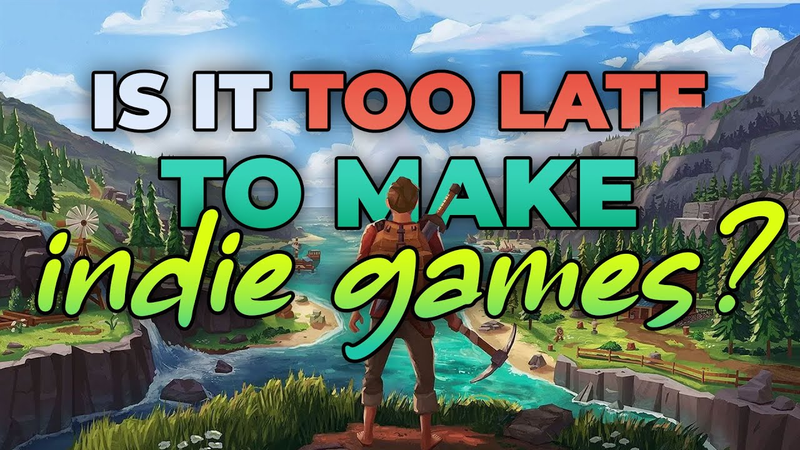
Comments