Game Development reports and market data
Documents



Please Biofeed the Zombies: Enhancing the Gameplay and Display of a Horror Game Using Biofeedback
The core purpose of this research is to explore the integration of real-time, low-cost biometric data to dynamically enhance horror game experiences without requiring fundamental alterations to core gameplay mechanics.
- The authors adapted the sub-$200 Wild Divine Lightstone, which measures heart rate variability and galvanic skin response, to dynamically scale horror elements (shaders, screen shake, enemy spawning, movement speed, weapon damage) in the Ravenholm zombie level of Half-Life 2 via the Source engine, using multipliers relative to each player's calibration baseline smoothed over two-second intervals.
- In a 14-participant user study (mostly university-recruited, only three women), 9 of 14 players preferred the biometrically enhanced version of the zombie level, and 11 believed biometric information could make games more engaging.
- Engagement benefits depended heavily on prior enjoyment of horror games: the authors conclude biometric enhancement can deepen engagement for genre-receptive players while potentially diminishing it for others.


Reciprocal Innovation in Modding Communities as a Means of Increasing Cultural Diversity and Historical Accuracy in Video Games
This paper explores "reciprocal innovation" within video game modding communities as a mechanism to enhance cultural diversity and historical accuracy in games.
- Modders often repurpose seemingly minor 'emergent features' of a game engine, such as player-generated flags in Civilization IV, into vehicles for historical accuracy, cultural expression, and self-representation.
- The authors propose 'reciprocal innovation' as a framework in which one modification branches into multiple, sometimes contradictory uses determined by individual modders rather than a fixed hierarchy.
- Flag-redesign examples for the Persian, Roman, Chinese, American, and Iberian civilizations required modders to research imperial colors, religious iconography, and national symbols, illustrating how modding drives historical research.



Survey of the Adjourned Sale Rate of the Japanese Home Video Game Industry
This document presents a survey of the adjourned sale rate within the Japanese home video game industry, aiming to establish a reference index for project management.
- Adjournment rates (titles whose release was postponed at least once) were highest in each platform's first year and declined steadily afterward, consistent with a learning-curve effect in project management.
- Sony's PlayStation started near 50% adjournment in its early years and fell to about 22% by 2001, while PlayStation 2 began at roughly 33% in 2000 and reached 26% by 2004.
- Nintendo's Game Boy Advance started at about 24% in 2001 and dropped sharply to around 7% by 2004, the steepest decline among the three platforms studied.


The Spontaneous Playfulness of Creativity: Lessons from Interactive Theatre for Digital Games
This paper argues that integrating the theories and practices of improvisational and activist theatre can significantly enhance spontaneous, playful creativity in digital game design.
- The paper argues that improvisational and activist theatre methods can introduce spontaneous, playful creativity into digital game design, shifting developers away from a sole focus on technical topics like facial rendering and AI agents.
- It proposes adapting Uta Hagen's character analysis questions and Stanislavski-inspired "inside out" development to build digital characters from the inside rather than from surface traits.
- It applies Chris Crawford's arithmetic formulation of relationship motivation, along with Keith Johnstone's status-tower and "Lists" exercises, to construct relationship dynamics and generate first-instinct game ideas.
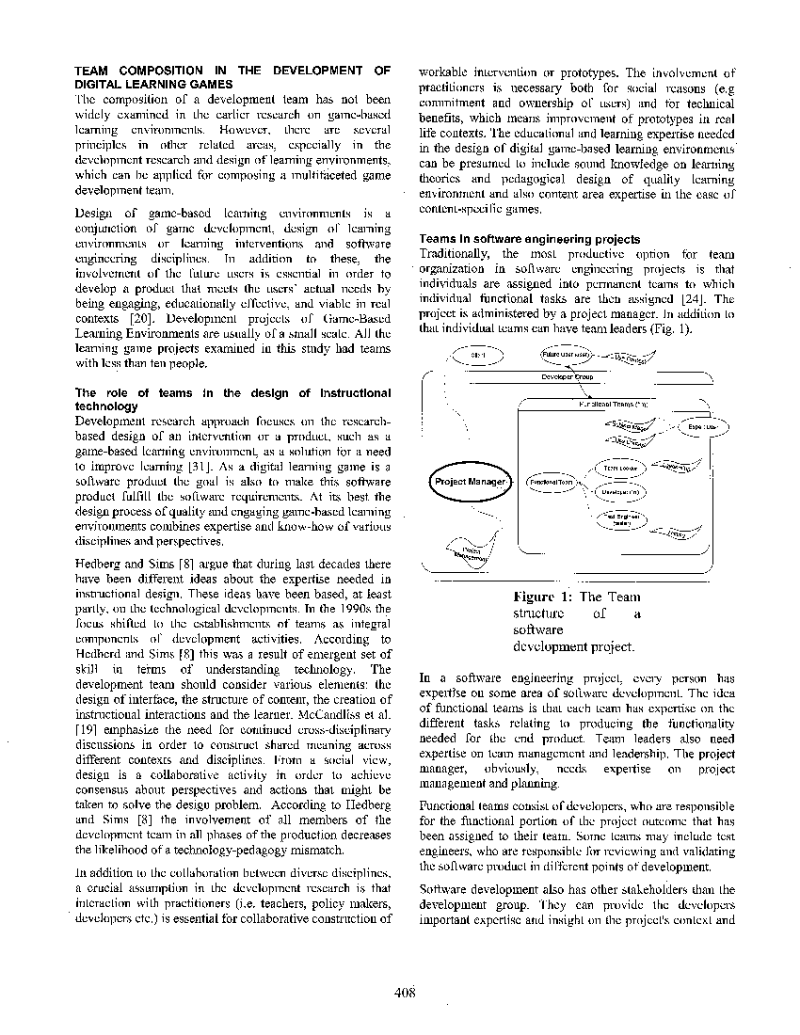
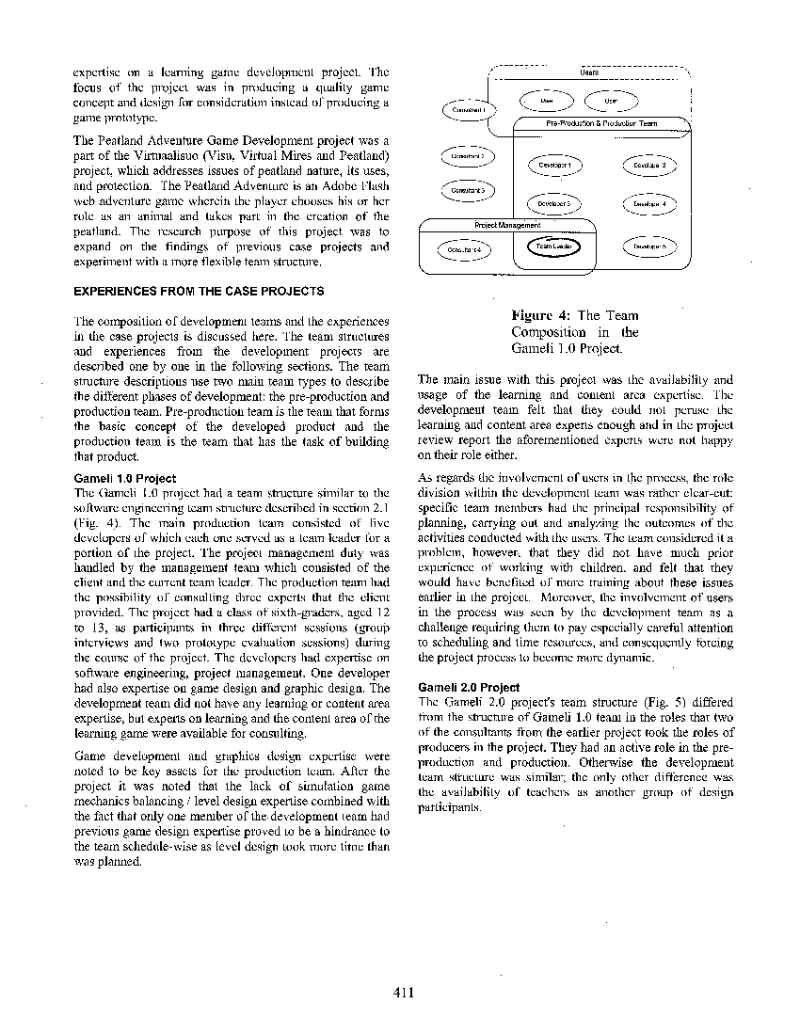
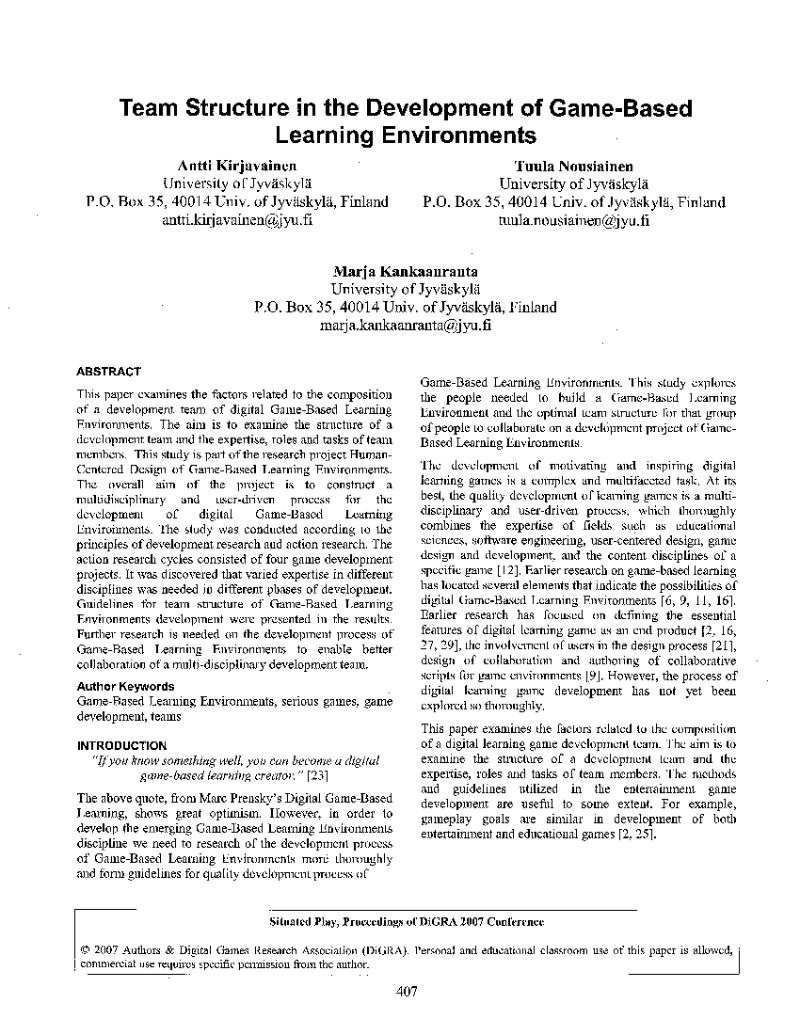
Team Structure in the Development of Game-Based Learning Environments
This study examines optimal team structures and collaborative practices for developing digital Game-Based Learning Environments (GBLEs), advocating for a multidisciplinary, user-driven approach.
- Learning, content-area, and game-design expertise was frequently insufficient or underused across three case projects (Gameli 1.0, Gameli 2.0, and the Social Responsibility and Peatland Adventure projects), with learning and content experts often relegated to consultancy roles rather than responsible positions.
- The authors propose a general early-stage team structure comprising a management team, pre-production and production teams that include game design and software engineering expertise, and a design partner team representing end users.
- Pre-production is framed as the period for building shared understanding of project goals and common ground for implementing the final product, which underpins the argument for giving learning and content experts substantive roles from the outset.

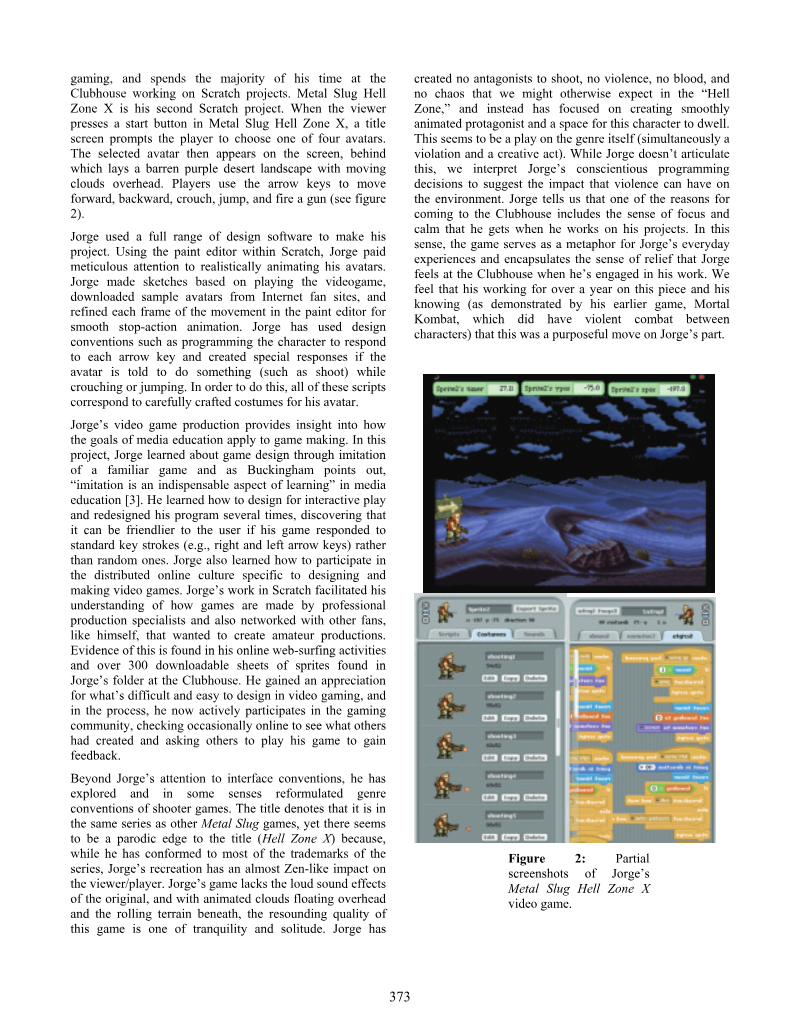

What Videogame Making Can Teach Us About Literacy and Learning: Alternative Pathways into Participatory Culture
This ethnographic study explores how youth engagement in video game creation within a community design studio fosters digital literacy and participation, particularly for urban youth and English language learners.
- The study argues that building video games offers an alternative route into participatory culture, cultivating design skills and critical awareness as a counterpoint to passive media consumption, and addressing the participation gap, transparency problem, and ethics challenge identified in Jenkins' work.
- An archival analysis of 11,926 files collected over two years at a Los Angeles Computer Clubhouse found Scratch was the most-used design software, accounting for 643 files or 5.3 percent of the total after excluding saved web images, which dominated the corpus.
- Preliminary indications suggest programming complexity and community expertise grew in the second year, though the authors stress these trends are provisional because analyses of programming sophistication remain ongoing.


A Method for Discovering Values in Digital Games
The document outlines a novel methodology, centered on a "Values Cards" tool, designed to help game designers systematically identify, analyze, and integrate human values into digital games.
- Games inevitably embed human values such as equality, justice, generosity, and competition, in their mechanics, representation, and the prior experiences players bring, much as other media do.
- The Values Cards exercise is presented as a practical tool that lets game designers identify and discuss these embedded values, and it is positioned as the first step in the broader Values at Play methodology of discovery, translation, and verification.
- Designers can gain conscious control over the values their games convey by examining both the positive and negative expressions of those values.


Understanding Pervasive Games through Gameplay Design Patterns
The analysis explores pervasive games through a bottom-up approach, examining 120 game examples using 75 pervasive gameplay design patterns, 53 of which were newly identified.
- The study analyzed 120 pervasive game examples against 75 gameplay design patterns, of which 53 were newly developed for pervasive contexts and 24 carried over from an earlier study of mobile games.
- Rather than classifying games by genre, the authors used a bottom-up approach, grouping patterns with a custom clustering program and treating cluster names as hypotheses about each group's core character.
- The resulting cluster hierarchy maps the pervasive game design space, with GPS Games the most distinct grouping, separated mainly by its lack of social-interaction patterns.


Spelutvecklarindex: Sweden 2005
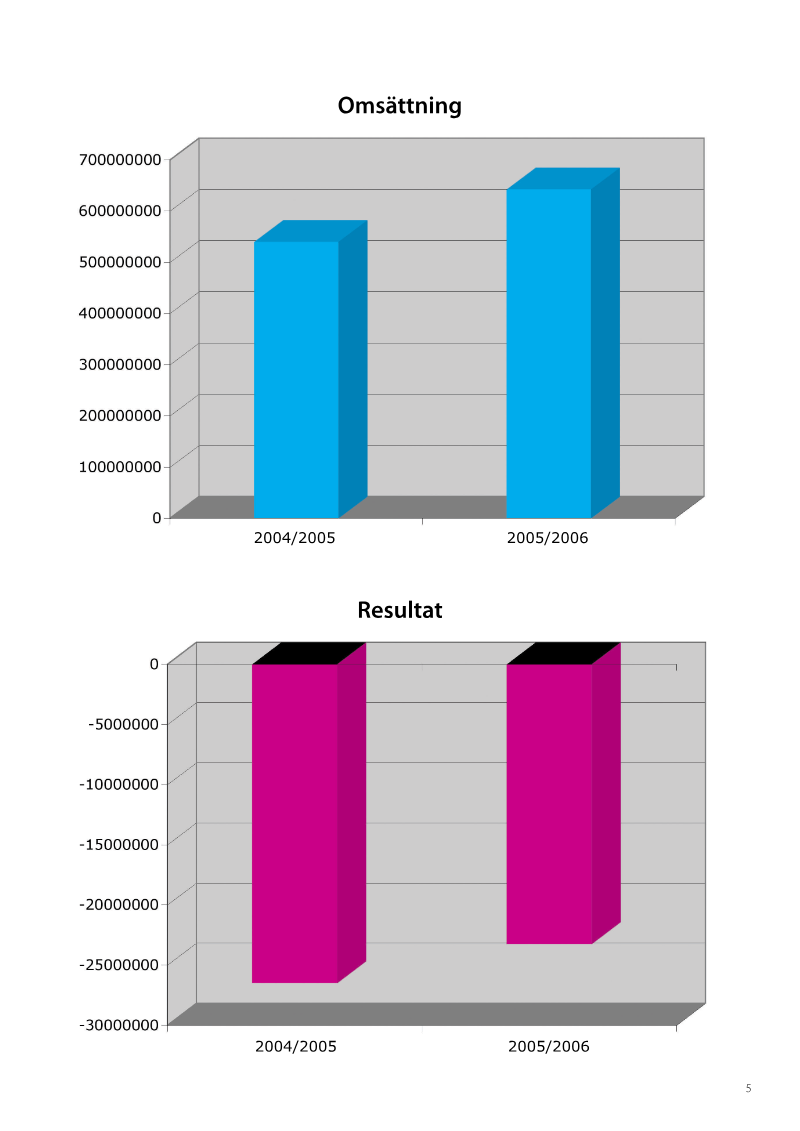
The "Spelutvecklarindex 2005" report provides a comprehensive overview of the Swedish game development industry for the 2005 fiscal year, with comparative data from 2004.
- The Swedish game industry generated 642 million SEK in total turnover in 2005, marking a 19 percent increase from the previous year.
- Market concentration is high, with five major studios—Avalanche Studios, EA DICE, Jadestone, Paradox Interactive, and Starbreeze—generating 59 percent of total industry revenue.
- The industry workforce grew by 14 percent to 812.5 full-time equivalents, though the gender balance remained stagnant with women representing only 15 percent of staff.


Company Profile: May 2005
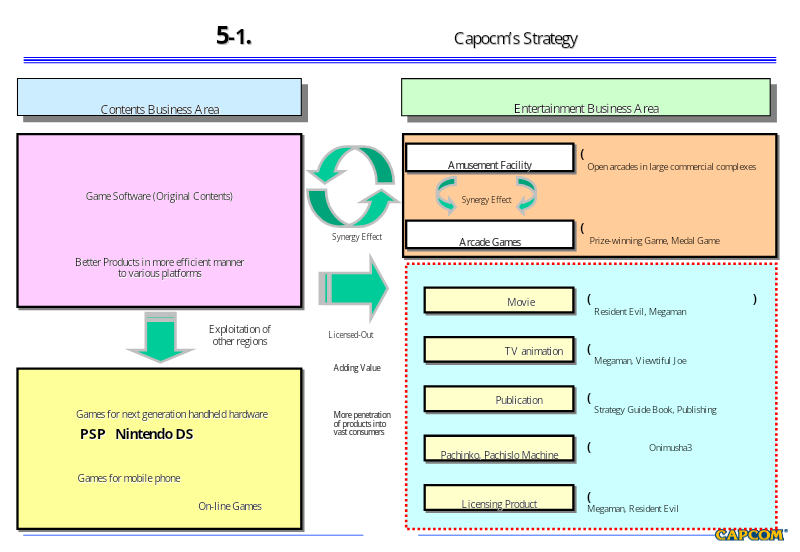
Capcom experienced a strong financial turnaround in the fiscal year ending March 31, 2005, with Net Sales reaching ¥65,895 million and Net Income turning positive at ¥3,622 million, a significant improvement from the prior year's loss.
- Capcom reported fiscal year 2005 net sales of 65.8 billion yen and an operating income of 7.7 billion yen, driven by Resident Evil 4, Mega Man, and the pachislo LCD business.
- The company projects net sales of 70 billion yen for the 2006 fiscal year, despite acknowledging volatility in the hit-driven home console market.
- Capcom is targeting a global sales distribution ratio of 2:5:3 across Japan, North America, and Europe to mitigate the maturity of the domestic Japanese market.

CameraBots: Cinematography for Games with Non-Player Characters as Camera Operators
This paper proposes CameraBots, autonomous virtual camera operators modelled on the non-player character bots already common in 3D games, as a way to bring cinematographic principles into real-time game camera work.
- The paper proposes CameraBots, autonomous virtual camera operators built on the NPC bot code already common in 3D games, to bring film cinematography (shot selection, cutting, framing) into real-time game camera work.
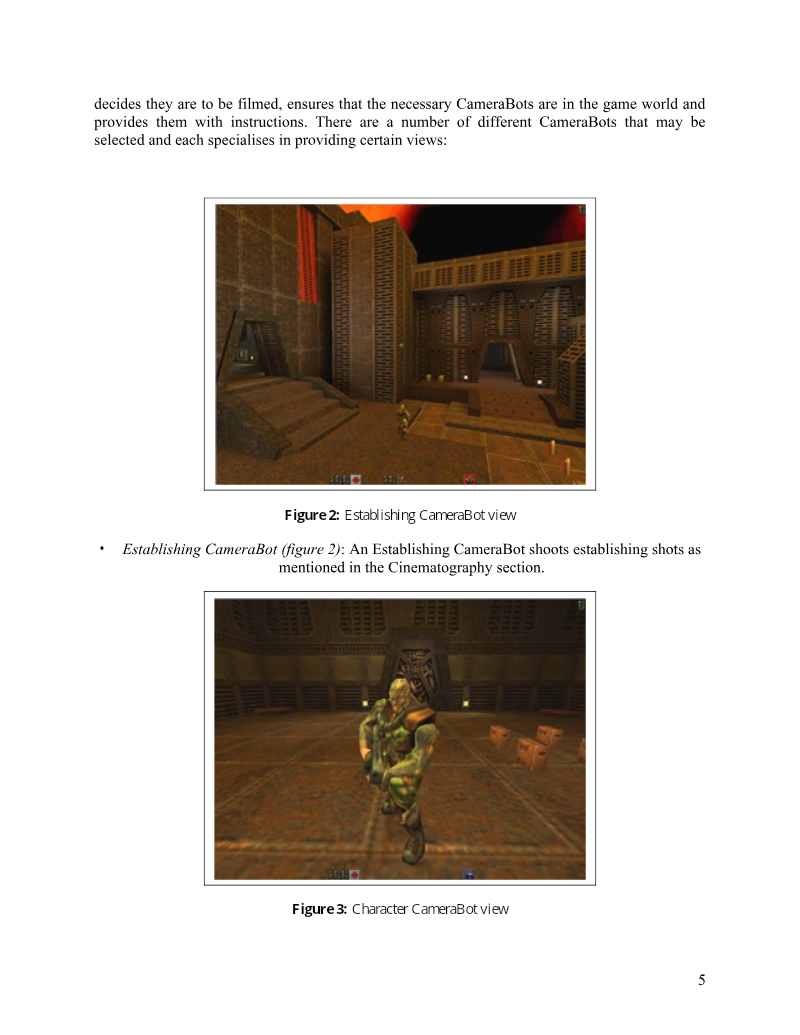
- The architecture mirrors a film set: a director module selects characters and props to film several times per second, and a cinematographer module assigns specialised CameraBots to shot types including establishing, character (long and medium), close-up, first-person, and over-the-shoulder.
- The cinematographer chooses shots based on whether the player's avatar or another principal character is attacking, moving, or stationary, and the modular design lets new CameraBot types be added and the system be ported to other engines via an API.



Early Games Production in New Zealand
The document examines the largely unknown history of the early digital games industry in New Zealand during the late 1970s and 1980s.
- Early digital games reached New Zealand in the late 1970s and 1980s despite geographic isolation and restrictive import policies, yet this history is largely absent from mainstream games histories focused on the US, UK, and Japan.
- Major systems including Atari, Sinclair, Commodore, Sega, and Nintendo products did reach New Zealand, typically one to two years after their overseas release, with distribution uneven across platforms.
- Local manufacturers produced at least four early consoles, most prominently the Sportronic, a Pong-style clone, and around eleven companies were involved in arcade cabinet manufacture at some point.
Writers
Games and companies
Games