Game Development reports and market data
Documents
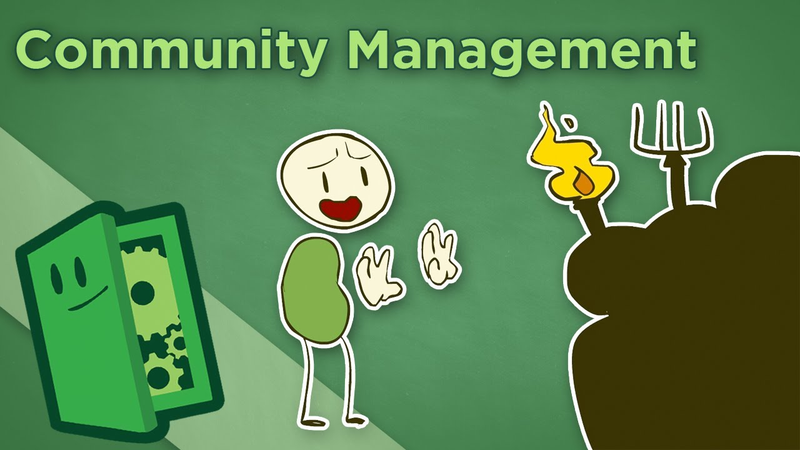
Community Management - The Unsung Heroes of the Game Industry - Extra Credits
Community management serves as a critical, yet frequently undervalued, pillar of the modern game industry.
- Community management has evolved from a peripheral support function into a central pillar of product success for modern, perpetual, and evolving game models.
- The profession currently suffers from systemic neglect, frequently ranking among the lowest-paid and lowest-status roles within game development studios.
- Industry hiring practices for community managers are often haphazard and lack rigorous vetting, largely due to a disregard for the specialized soft skills required for the role.
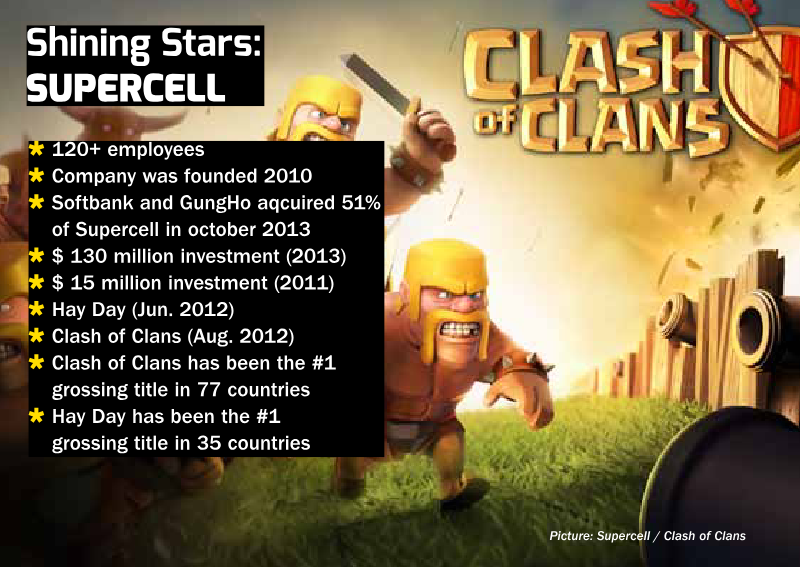
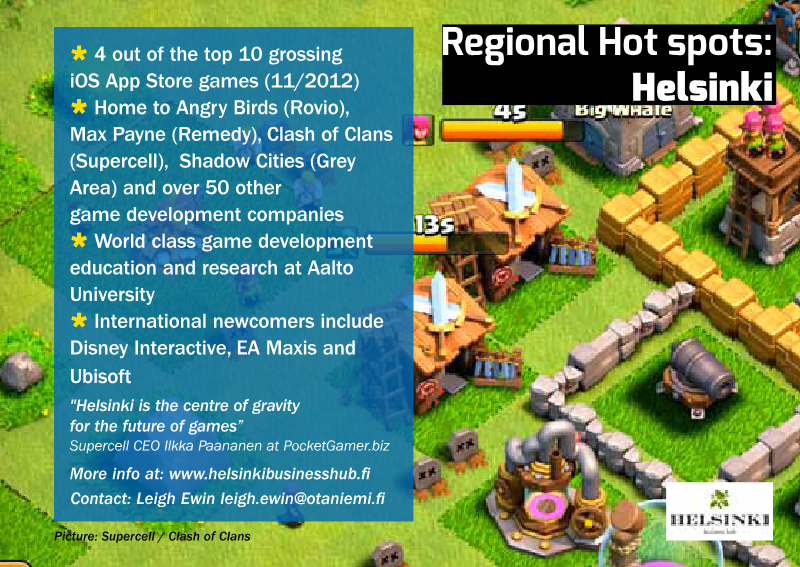
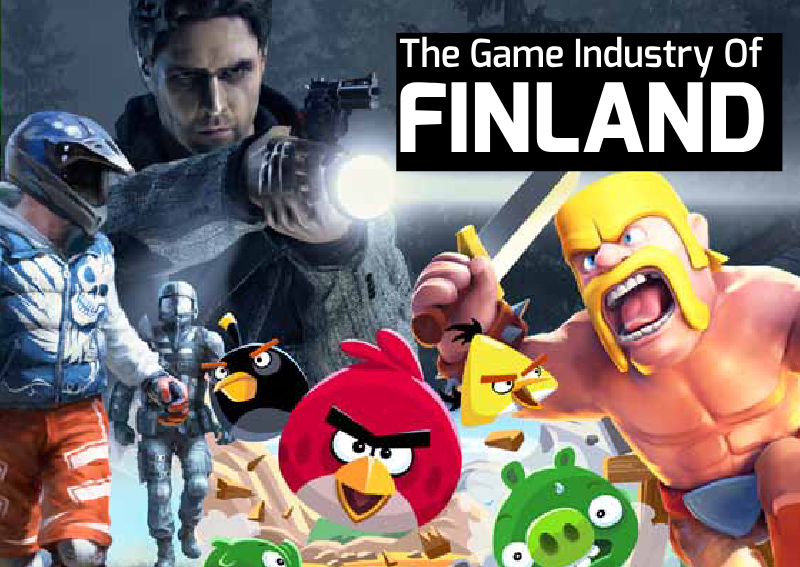
The Game Industry of Finland: 2013
The Finnish game industry experienced a period of rapid expansion between 2009 and 2013, establishing itself as a significant global player.
- The Finnish game industry experienced explosive financial growth, with core turnover rising from 87 million euros in 2009 to an estimated 800 million euros in 2013.
- The sector achieved a compound annual growth rate of 39.5% between 2004 and 2013, significantly outperforming the global game market.
- By the end of 2013, the industry comprised over 180 companies, with more than 50% of these entities founded within the previous two years.
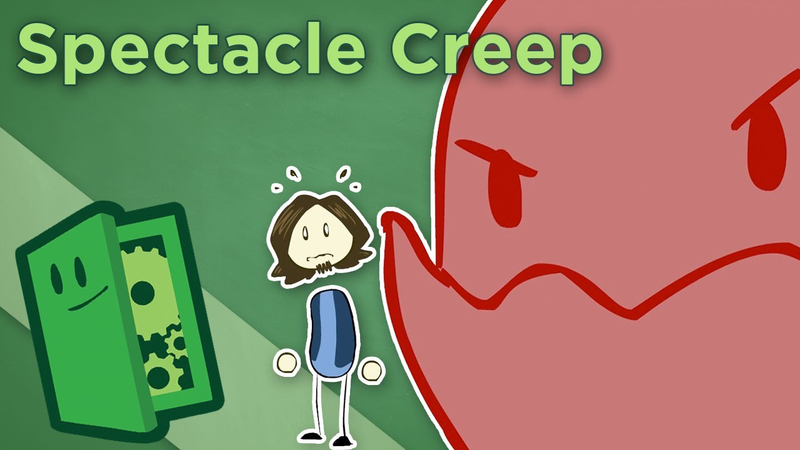
Spectacle Creep - When Sequels Try Too Hard - Extra Credits
Spectacle creep represents a recurring phenomenon in entertainment media, particularly within the video game and film industries, where successive installments of a franchise feel compelled to escalate the scale, intensity, and visual flashiness of their content to maintain audience engagement.
- Spectacle creep occurs when franchises feel compelled to continuously escalate the scale and intensity of content, often forcing narratives into absurd, world-ending stakes to maintain audience engagement.
- Prioritizing surface-level adrenaline over coherent storytelling risks transforming grounded, compelling franchises into parodies of their original iterations.
- The Call of Duty franchise illustrates this trend, shifting from early, plausible, character-driven military conflicts to increasingly illogical, gravity-defying action sequences.

Fishing Cactus reveals why their next game will teach everyone to code
Fishing Cactus, a Belgian game development studio, is currently prioritizing the creation of educational titles that teach programming logic, reflecting a broader industry shift toward recognizing video games as powerful pedagogical tools.
- Fishing Cactus prioritizes game design over educational objectives, operating on the principle that a title must be inherently entertaining to function as an effective learning tool.
- The studio utilizes a dual-track business model, balancing consumer-facing projects with B2B work-for-hire services to provide the financial stability required for high-risk educational development.
- The studio aims to demystify computer science by formalizing the inherent learning processes found in all video games, such as resource management and reflex development.
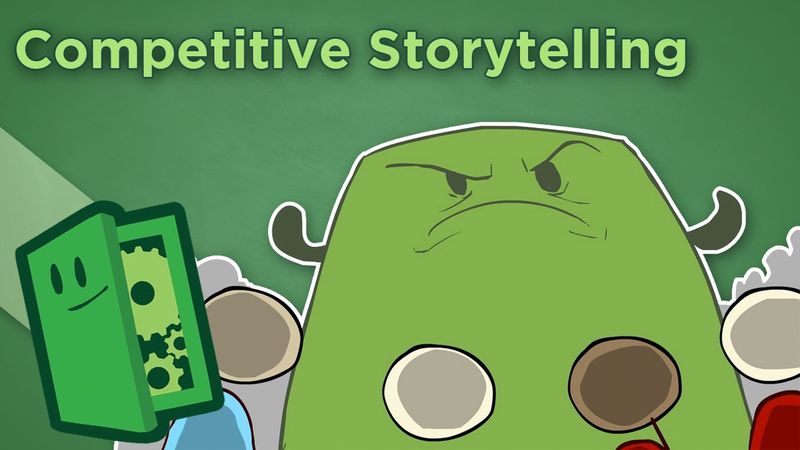
Competitive Storytelling - How to Create Narrative in Multiplayer Games - Extra Credits
Competitive multiplayer games face a fundamental structural conflict when attempting to integrate traditional narrative arcs.
- Competitive multiplayer games struggle to implement traditional narrative arcs because the requirement for a fair, repeatable play environment necessitates a game-state reset after every session.
- The cyclical nature of competitive matches prevents the persistent environmental changes and character growth essential to conventional storytelling.
- Integrating narrative goals into competitive gameplay risks misaligning player incentives, as individuals may prioritize story objectives over the core goal of winning.

GameSparks' Griffin Parry talks backend services
Mobile game development has become increasingly complex due to the rising necessity of robust server-side infrastructure.
- Backend-as-a-service (BaaS) platforms provide a unified, cloud-based engine that allows developers to manage server architecture, multiplayer functionality, and game logic without building systems from scratch.
- The platform architecture is structured into three core layers: a merchandising and player management e-commerce engine, a suite of social mechanics for leaderboards and virtual currency, and an integration layer for third-party analytics.
- BaaS providers utilize expertise derived from the broadcast television, betting, and e-commerce industries to manage the technical complexities of global content delivery and ad insertion.

Negative Possibility Space - When Exploration Lets Players Down - Extra Credits
Negative possibility space represents the vacuum created when game design elements—such as level geometry or narrative choices—establish player expectations that remain unfulfilled.
- Negative possibility space occurs when game design elements, such as level geometry or narrative choices, create player expectations that remain unfulfilled, leading to wasted effort and diminished immersion.
- Designers must proactively reward exploration in obscure or difficult-to-reach areas with tangible items, achievements, or environmental storytelling to validate the player's curiosity.
- Narrative agency is maintained by acknowledging player decisions through unique dialogue or UI prompts, even when those choices do not fundamentally alter the game's final outcome.
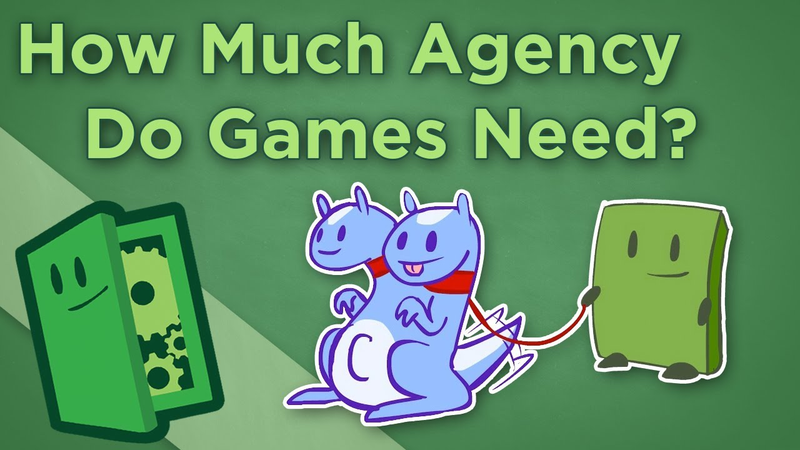
How Much Agency Do Games Need? - Choices in Linear Games - Extra Credits
The quality and relevance of player choices are significantly more important to the gaming experience than the sheer quantity of options provided.
- Player agency is defined by the meaningful impact of actions on the game world rather than the sheer volume of choices provided.
- The binary debate between open-world exploration and linear narrative is reductive, as agency can be effectively integrated into both structures.
- Designers can foster deep emotional engagement in constrained, linear sequences by allowing players to physically navigate spaces, as demonstrated in the opening of The Last of Us.
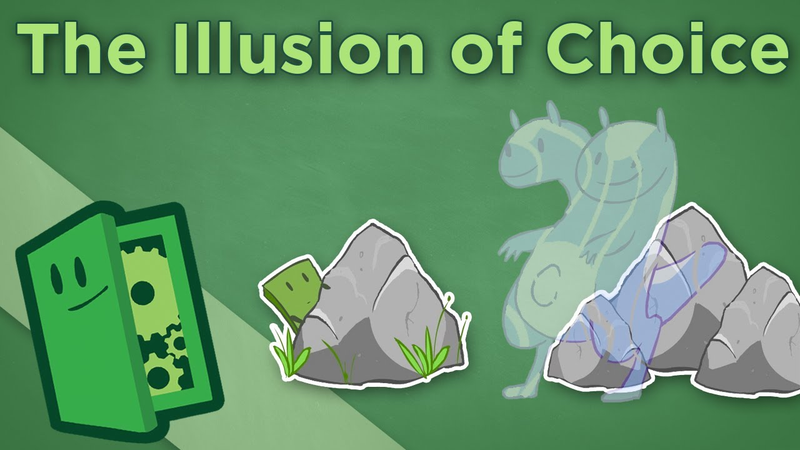
The Illusion of Choice - How Games Balance Freedom and Scope - Extra Credits
The illusion of choice serves as a fundamental design strategy in video game development, allowing creators to provide players with a sense of agency despite the inherent technical and budgetary constraints of game production.
- The illusion of choice is a core design strategy used to provide players with a sense of agency while managing the technical and budgetary limitations of game production.
- The act of making a decision is often more critical to the player experience than the actual mechanical consequence, provided the decision-making moment remains engaging.
- Developers frequently utilize the 'beads-on-a-string' narrative model, where branching paths temporarily diverge before reconverging into a central storyline to minimize the cost of content creation.

Much more than Worms: Team 17's Bethany Aston on creativity and utilising classic brands
Team 17 maintains a strategic balance between leveraging its established heritage brands and fostering internal innovation.
- Team 17 employs a dual-track development strategy that balances the modernization of legacy intellectual properties with the incubation of original game concepts.
- The company utilizes quarterly internal game jams as a primary mechanism to test new mechanics and generate fresh design perspectives for both new and existing franchises.
- Legacy titles like Worms and Superfrog are maintained by tailoring user experiences to the specific technical constraints and capabilities of PC, console, and mobile platforms.

FuturLab's James Marsden talks upscaling safely
Sustainable studio growth in the independent game development sector requires a disciplined approach to risk management, particularly when transitioning from small-scale projects to larger productions.
- Sustainable studio growth requires avoiding rapid, capital-driven hiring to prevent the financial instability often caused by over-expansion.
- FuturLab’s transition from a core team of three or four developers to a staff of thirteen demonstrates the effectiveness of scaling only when specific specialist roles—such as engine development or visual effects—are required.
- Studios should prioritize the security of team livelihoods by learning from past project cancellations and the subsequent risks of downsizing.

Five minutes with Ubisoft Mobile MD Jean-Michel Detoc
Ubisoft is positioning itself as a platform-agnostic entertainment company, expanding its focus from traditional PC and console markets to mobile devices.
- Ubisoft is transitioning from a console-centric model to a platform-agnostic strategy, prioritizing the development of standalone, high-quality mobile games over simple companion apps.
- The mobile development strategy rests on three pillars: leveraging existing IPs like Assassin’s Creed and Rayman, creating original mobile-first properties, and developing games based on external licenses.
- Ubisoft is shifting away from its historical reliance on external partners like Gameloft by bringing mobile development and strategic oversight in-house.