1 free read left. Create a free account for unlimited reading + AI research.
Create free account
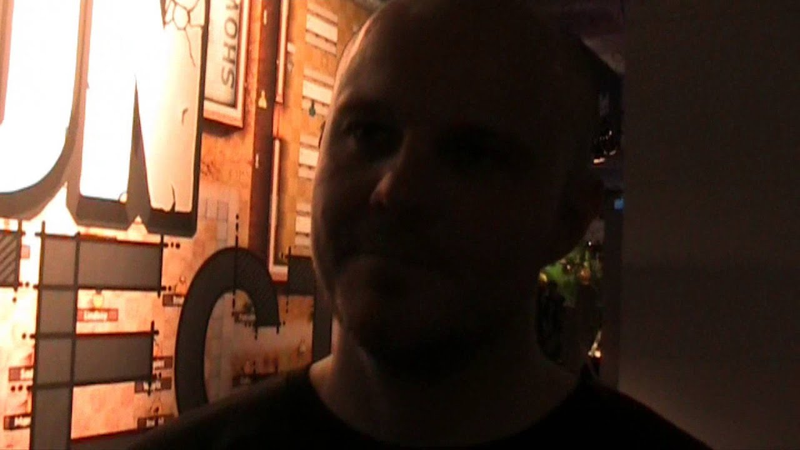
FuturLab's James Marsden talks upscaling safely
Key insights
6 takeaways- 01Sustainable studio growth requires avoiding rapid, capital-driven hiring to prevent the financial instability often caused by over-expansion.
- 02Growth should focus on refining and beautifying a pre-existing, successful vision rather than committing to large budgets or expanded teams before the core experience is guaranteed.
- 03FuturLab’s transition from a core team of three or four developers to a staff of thirteen demonstrates the effectiveness of scaling only when specific specialist roles—such as engine development or visual effects—are required.
- 04Targeted hiring ensures that additional resources are used to elevate existing gameplay foundations rather than creating unnecessary organizational overhead.
- 05Studios should prioritize the security of team livelihoods by learning from past project cancellations and the subsequent risks of downsizing.
- 06Safe upscaling is best achieved by iterating on proven gameplay loops, such as adapting existing top-down mechanics into new formats like platforming.
Ask AI about this video
Transcript
so I'm James Marston managing director of future lab and we're here at the yoga Expo showcasing velocity 2x fantastic so we were talking a little bit after I played velocity 2x which is fantastic really really enjoyed that and you started on the original velocity a few years ago 2000 2011 2011. published since right and it it's always been the studio has been quite like Compact and you're talking about upscaling for 2x so what size Studio have you been and what have you kind of gone up to so uh velocity was made with three four staff and then throwback period of about a year and a half and then we uh we got a PlayStation Plus deal Freelancers so of course poor team of three and then somebody else just to make a sequel so
we've started up to 10 plus three Freelancers so it's 13 staff working on the game so what was the what was the reason for upscaling uh to a larger team was it simply the the platform was more uh high definition obviously your velocity was original PSP and uh velocity 2X and Velocity Ultra or obviously HD for uh the Vita is it simply that you've got more art assets to to worry about um it's more that needed special specialist skills so velocity one was made by myself Kirsty American and Robin did all the programming for himself we really needed someone who's especially as an engine development Robin's a gameplay programmer which is why the game didn't look particularly special but it played really played really really great yeah definitely so all we needed is for an engine programmer so we've got a contractor
there and we needed to find someone who could do visual effects was really fantastically so we hired the same Shake who was the lead vision effects program on spit second and then we really didn't have any artists in the studio so we needed to hire a team of artists to realize you know the vision we had for the sequel which just just a grander scale okay so we were talking earlier a little bit about upscaling safely yeah uh so how what's what's sort of your definition of upscaling safely because I think that's something that a lot of we hear a lot of horror stories about independent developers who are like they'll get like a a big contract with uh you know somebody that they've never thought that they've been able to you know would never have given them work before and then suddenly they hire a billion people and then they fall because they don't understand like so what how do you upscale safely okay so just a little bit of backstory we were working on a project for Sony in 2007 uh
early 2008 um but an ARG for one of their big big AAA times was like a marketing campaign kind of thing and they signed us up for a year and a half and we thought that was it we thought we were we were you know made and so we've got a uh we got a lease on it on a nine-year lease on a building three floors and we staffed up and they canned it and so I had to sack everybody and I I was rattling around in that office on three floors by myself for about 12 months desperately doing flash works so I've been there and done stupid things in the past and so this time when Sony said would you like to you know we're going to sign this up and give you some decent money to do a good job on it what I didn't want to do is do the same thing and risk people's you know livelihood space so what we did when we thought about how to scale up the game and to scale up the
experience we looked at the mechanics we had that were solid and we thought if we were combine it with a platforming game where you know the basic controls are pretty similar you know formats are pretty similar the only real difference between a platforming game and top-down games Gravity we play this exactly the same mechanics to a platformer we know that's going to work we can guarantee that's going to be a successful interesting experience for players so if we throw a load of foreign to work on a bigger soundtrack and then we've got a winner yeah and that's something I'm willing to risk people's wages on so I hope that answers this question so it's kind of making it's taking a core idea that a small team has created and then bring in more staff more more ideas more you know individuals to to make it to beautify it
to make it even more special yeah to uh to realize the potential of a mechanics I think so we knew we had something special with velocity but we just didn't have the amount of resources to do it justice so we're really delighted to be able to do the vision Justice and I struck a chord with Gamers we'd like to continue developing the idea of building the universe we're looking at ways to do that
Summary
Sustainable studio growth in the independent game development sector requires a disciplined approach to risk management, particularly when transitioning from small-scale projects to larger productions. The primary challenge for independent studios is avoiding the common pitfall of over-expansion, where sudden influxes of capital lead to unsustainable hiring practices and long-term financial instability. By learning from past experiences with project cancellations and the subsequent necessity of downsizing, studio leadership can develop strategies that prioritize the security of the team’s livelihoods while still pursuing creative expansion.
The transition from a core team of three or four developers to a larger operation of approximately thirteen staff members illustrates the necessity of strategic scaling. Rather than hiring indiscriminately, growth should be driven by the specific need for specialist skills—such as engine development, visual effects, and dedicated art production—that are required to elevate a proven gameplay foundation. This targeted approach ensures that additional resources are utilized to realize the full potential of existing mechanics rather than creating unnecessary overhead.
A core tenet of safe upscaling is the reliance on established, successful mechanics. By iterating on proven gameplay loops—such as adapting top-down mechanics into a platforming format—studios can mitigate the risks associated with new development. This methodology allows developers to guarantee the quality of the core experience before committing to larger budgets or expanded teams. Ultimately, successful growth is achieved by beautifying and refining a solid, pre-existing vision, ensuring that the studio remains focused on its strengths while gradually building its capacity and intellectual property.






Comments