Game Development reports and market data
Documents
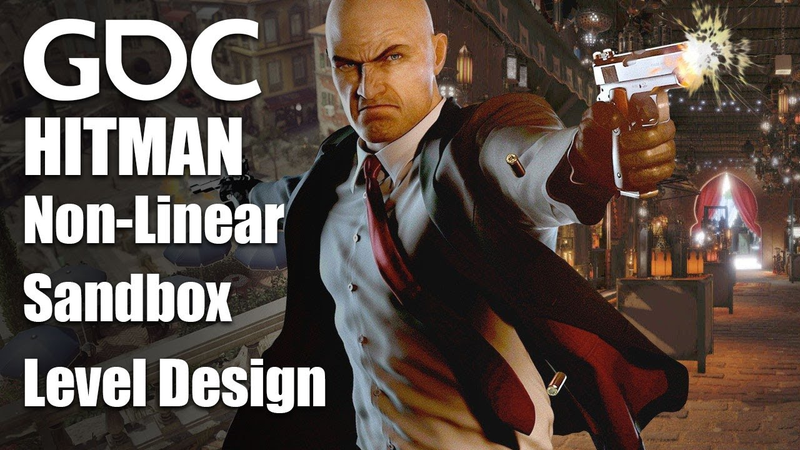
Level Design in Hitman: Guiding Players in a Non-Linear Sandbox
The design philosophy behind the modern Hitman series centers on reconciling the vast, non-linear potential of sandbox environments with the necessity of providing players with meaningful direction.
- Effective sandbox design requires balancing structured guidance with player-driven freedom to prevent users from feeling overwhelmed by complex, non-linear environments.
- Onboarding is integrated directly into the gameplay loop, forcing players to master core mechanics like infiltration and disguise usage through practice rather than passive instruction.
- The 'Opportunities' system provides optional, time-loop-inspired paths that allow players to learn environmental patterns and assassination methods without forcing a linear narrative.
How to bag an IP like Rick and Morty and deliver a killer game
Securing and developing intellectual property (IP) for mobile games requires a strategic approach that balances brand loyalty with creative autonomy.
- Securing established IP significantly lowers user acquisition costs and provides a predictable performance baseline by leveraging existing, passionate fan bases.
- Developers should prioritize IPs with upward growth trends identified through tools like Google Trends rather than those with stagnant or declining search volume.
- To maintain creative autonomy, developers should focus on spin-offs that avoid reliance on the main narrative canon and utilize distinct art styles.
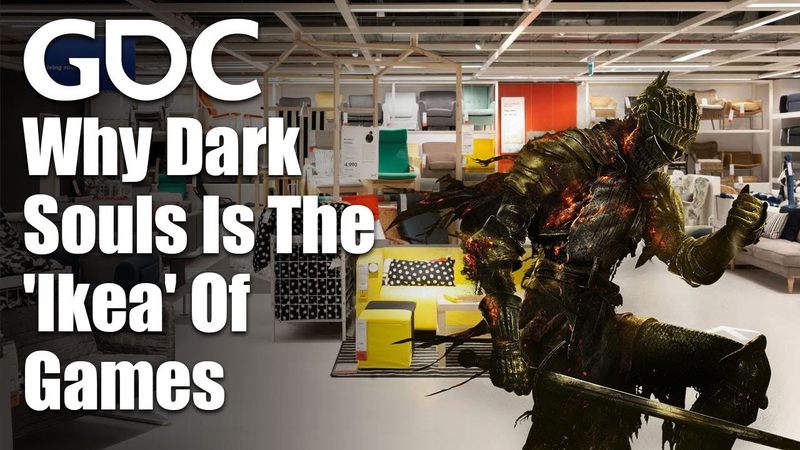
Why Dark Souls Is The 'Ikea' Of Games
Strategic design in the video game industry requires a shift from reactive decision-making toward a framework rooted in core business principles, specifically the pursuit of unique competitive advantages.
- Strategic success in game development requires prioritizing unique competitive advantages over mass-market appeal by making deliberate trade-offs in product features.
- The 'IKEA' model of game design focuses on intentional limitations to create a cohesive value proposition, mirroring the operational strategies of companies like Southwest Airlines.
- Dark Souls achieved market success by rejecting industry standards such as extensive tutorials, multiple difficulty settings, and heavy cinematic reliance, which reduced production complexity while increasing player loyalty.
Growing pains – Moving from a handful of entrepreneurs to a company
The transition from an early-stage game startup to a sustainable, long-term enterprise requires a fundamental shift from founder-led, sandbox-style development to a structured, professionalized business model.
- Long-term studio viability requires transitioning from founder-led, reactionary development to a structured business model defined by operational maturity.
- Scaling necessitates that founders delegate critical responsibilities to specialized experts to move beyond the limitations of a singular creative vision.
- Studios must implement data-driven key performance indicators and intentional service design to maintain competitiveness in crowded markets.
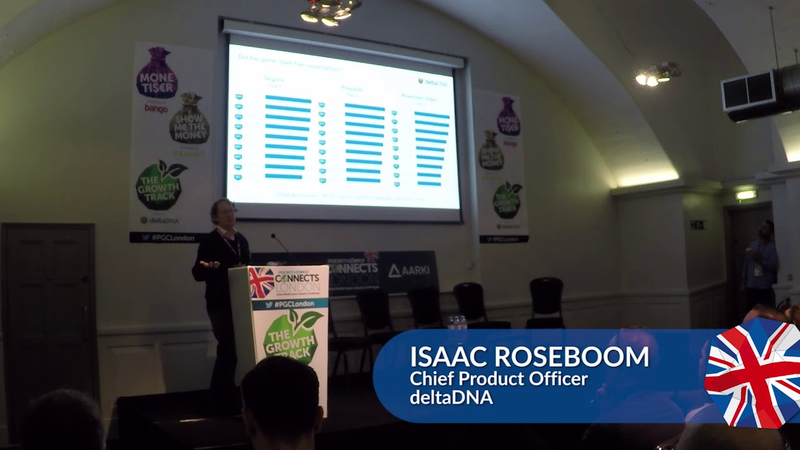
80% data, 20% luck – How to make profitable games in 2019
The mobile gaming industry has transitioned from a high-risk, launch-focused model to a sustainable, data-driven business environment.
- Profitability is shifting toward the mid-tier segment, as games ranked between 100 and 1,000 are experiencing significant revenue growth despite the dominance of top-ten titles.
- Predicting long-term profitability now relies on modeling retention and revenue data within the first week of a player's lifecycle to accurately estimate lifetime value (LTV).
- Player retention has improved, with average lifespans increasing from eight to twelve days, alongside higher conversion rates for in-app purchases.
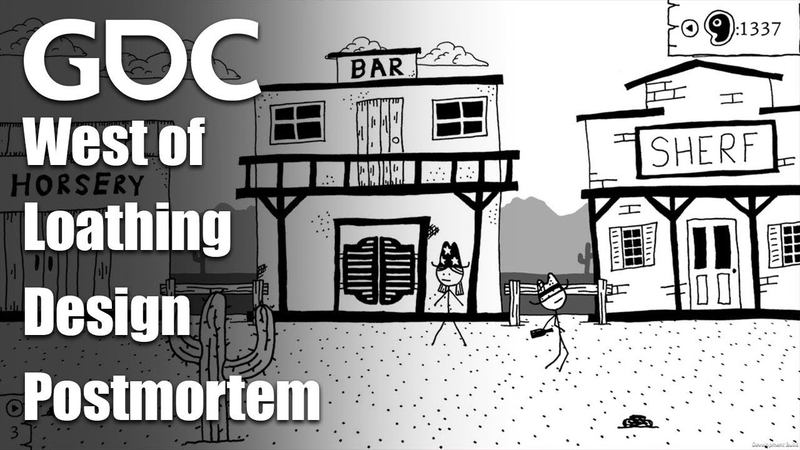
West of Loathing Design Postmortem
The development of West of Loathing centered on a high-velocity, content-first philosophy that prioritized environmental humor and side quests over a rigid, linear narrative.
- The development team utilized a custom, web-based toolset and a MySQL database to decouple game logic from the Unity engine, enabling rapid content iteration and a high-velocity production cycle.
- Prioritizing a content-first philosophy centered on environmental humor and side quests allowed for a sprawling world, though it ultimately led to narrative inconsistencies and production hurdles near completion.
- The team adopted an 80s-style development model that bypassed standard version control to increase speed, which facilitated live updates but created siloed workflows that hindered internal skill development.
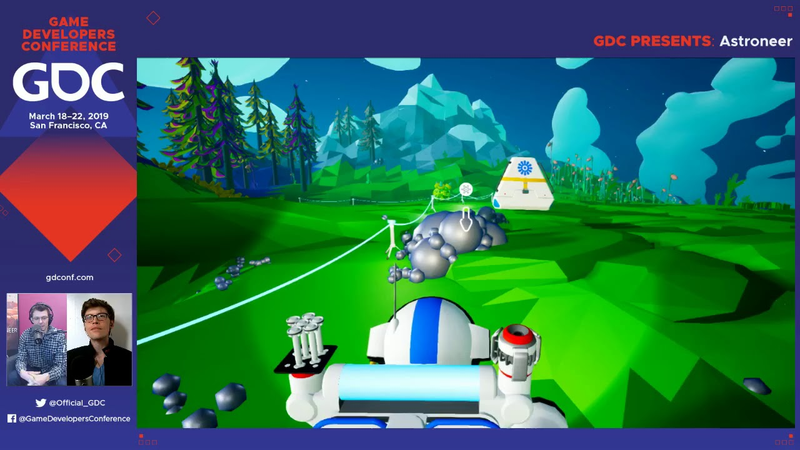
GDC plays Astroneer with System Era's Brendan Wilson
The development of Astroneer serves as a case study in the complexities of managing a long-term Early Access project.
- System Era scaled its development team from an initial cap of 10 people to 21 employees to meet the technical and support demands of the game's 1.0 release.
- The game utilizes a voxel-based terrain system powered by the marching cubes algorithm, which allows for real-time deformation by modifying density data within specific chunks rather than rebuilding the entire planet's mesh.
- Managing an Early Access title requires the same rigorous certification, store presence, and publishing infrastructure as a fully released game, while simultaneously balancing community expectations for features.
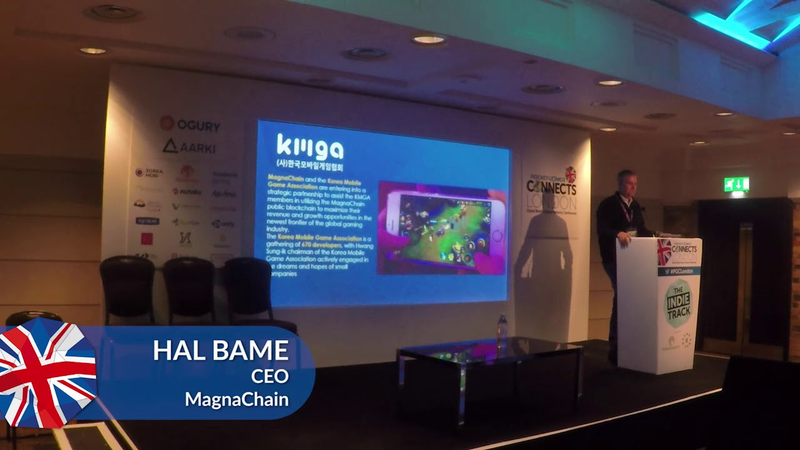
How blockchain tech can usher in the next era of gaming for developers and players
Blockchain technology represents a fundamental shift in the gaming industry by introducing real-world value to digital assets, allowing players to own, trade, and sell in-game items across an open, decentralized market.
- Blockchain infrastructure enables decentralized peer-to-peer trading of digital assets, removing the need for publisher permission or traditional server-side control.
- By integrating blockchain via SDKs for engines like Unity and Unreal, developers can bypass traditional app store commission fees and platform constraints.
- Blockchain technology addresses the '1% rule' in mobile gaming by shifting focus from mass-market acquisition to monetizing highly engaged, dedicated user bases.
Building branded games without getting burnt
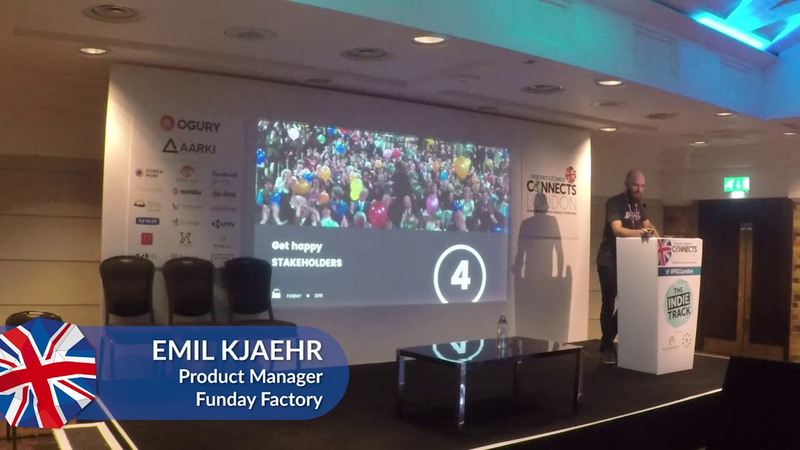
Developing branded games offers significant strategic advantages for mobile studios, primarily by providing access to established fanbases, which can lower user acquisition costs and mitigate the challenges of app store discovery.
- Branded games reduce user acquisition costs and improve app store discovery by leveraging established fanbases and existing intellectual property.
- External bureaucracy is the primary operational risk, as approval cycles can extend from a few days for internal projects to several weeks when involving multiple corporate stakeholders.
- Studios must mandate a single technical point of contact within the partner organization to funnel requests and eliminate communication bottlenecks.
Mobile indie is dead – Long live mobile indie!
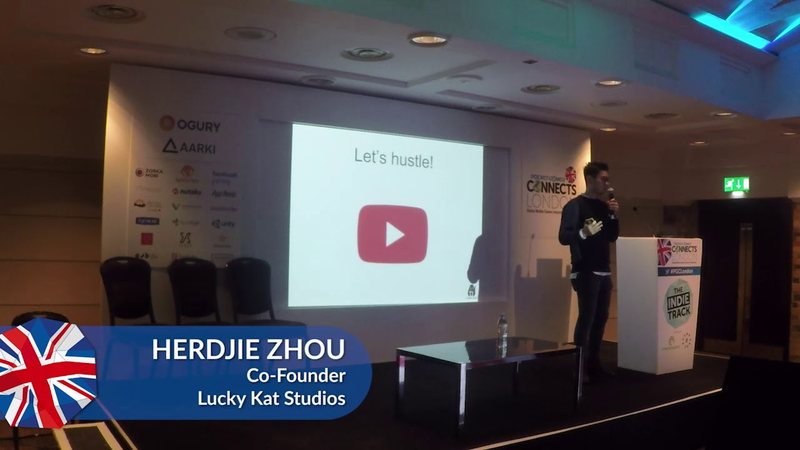
The mobile indie game sector faces significant challenges due to increased competition, rising user acquisition costs, and the necessity for developers to manage their own marketing efforts.
- Mobile indie developers must transition from pure creators to hybrid roles that integrate game design with rigorous, audience-centric marketing strategies.
- Leveraging revenue-share partnerships with influencers and internet celebrities allows studios to generate millions of impressions and downloads without upfront advertising costs.
- Community-building platforms like YouTube and Discord are essential, cost-effective alternatives to traditional, high-budget user acquisition models.
Nutaku on adult games as a credible alternative for developers
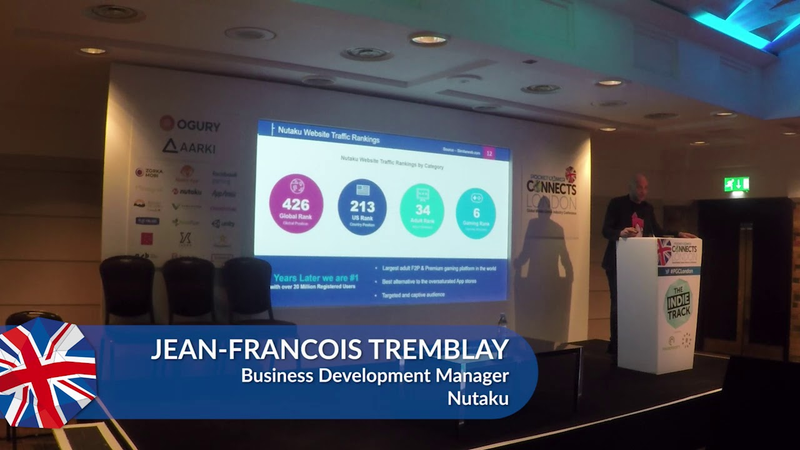
The adult gaming sector offers a viable, high-growth alternative for developers struggling with the oversaturation and high user acquisition costs of mainstream platforms like Steam or Google Play.
- Nutaku provides a high-growth alternative to mainstream platforms like Steam, addressing market oversaturation by offering a dedicated distribution channel for adult-oriented games.
- The platform experienced significant scale between 2015 and 2018, growing from one million to over 20 million registered users and reaching 123 million visits by late 2018.
- Financial performance in the adult sector is robust, with top-grossing titles generating over $4 million in annual revenue and maintaining tens of thousands of daily active users.
Polka Dot CEO on betting the studio future on one influencer
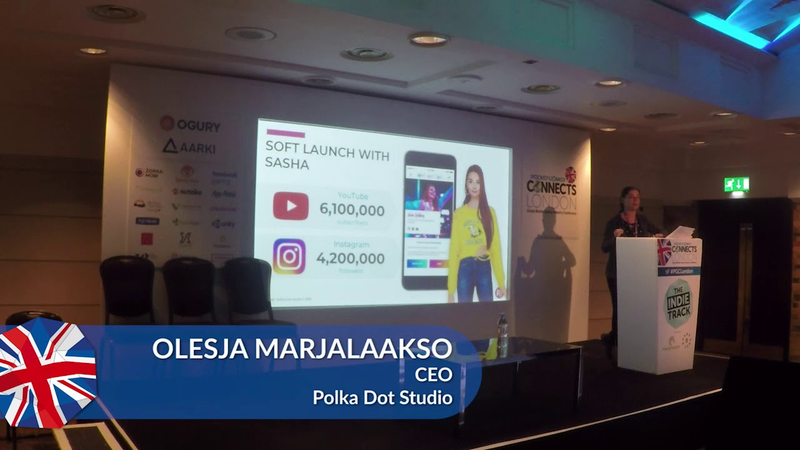
Polka Dot Studio, a Helsinki-based mobile game developer founded in 2017, utilized a high-stakes influencer partnership to secure the future of its debut title, Trendy Stylist.
- Polka Dot Studio achieved 100,000 downloads and a top-10 ranking in Russia by centering its debut title, Trendy Stylist, around a single influencer partnership.
- The influencer-led campaign yielded an 11% conversion rate from video views to game installs, validating the viability of integrating real-world fashion and e-commerce into mobile gaming.
- The studio faced a critical technical failure when reliance on Firebase server quotas nearly corrupted player data, highlighting the danger of lacking contingency plans for third-party infrastructure.
Writers
Games and companies
Games