1 free read left. Create a free account for unlimited reading + AI research.
Create free account
80% data, 20% luck – How to make profitable games in 2019
Key insights
6 takeaways- 01Profitability is shifting toward the mid-tier segment, as games ranked between 100 and 1,000 are experiencing significant revenue growth despite the dominance of top-ten titles.
- 02Ad-supported revenue models have more than doubled in prevalence, growing from 8% of games in 2016 to 17% by 2018.
- 03User acquisition strategies have moved away from 'boom-bust' launch cycles toward scientific, incremental approaches involving smaller, frequent campaigns and portfolio cross-promotion.
- 04Predicting long-term profitability now relies on modeling retention and revenue data within the first week of a player's lifecycle to accurately estimate lifetime value (LTV).
- 05The industry is moving away from mass-market appeal toward a focus on nurturing core demographics and building sustainable ecosystems.
- 06Player retention has improved, with average lifespans increasing from eight to twelve days, alongside higher conversion rates for in-app purchases.
Ask AI about this video
Transcript
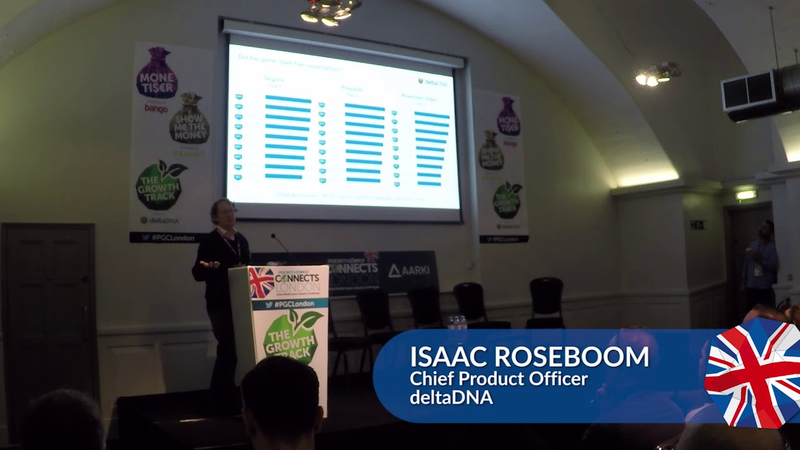
[Music] all right good morning everyone thanks for coming along so hopefully you've been staring at the the flickering TVs on the side but if you haven't then a del cine is an analytics to serum company and we're gonna talk about today if some trends that I've seen in the data about how you know the this kind of business of games has been evolving over the last few years and the reason I was motivated to do that is whenever I sort of talk to client so I think about games this works you know it's still clear that making games is really hard right you know it's hard to have a profitable games business at any point actually whereas 2019 or you know 1975 so you know there is this constant frustration that you know the biggest games have been entrenched at
the top of the charts so just absolutely years right you know if you look it doesn't matter when you look in what charts you look at you know seven of the top ten grossing games have been there for more than two years so you know you're sitting there making a game and you're thinking how am I gonna compete with these guys with 200 million Mau plus and you know CEOs all over the world and billions and millions of dollars right it gets even harder because you know you're not you can't just make it I mean is there are lots of Indies out there but making a game and getting in the store and getting the marketing up and running in the live ops and running is really expensive and you know you have to be confident that your games gonna gonna be a hit you have to be you know sure that you're gonna get that money back otherwise you only really get one shot at it and the real challenge is that most of the money in games today is anyway so unfortunately Eric would have been telling you all about how you a has been turning of the last few years I'm gonna talk a little bit about it but the reality no matter what is it cost you a lot of money get users in your games it's very hard to grow organically to the scales that you need to be to challenge the charts so CPI is a high
you know we're looking at the games on our platform less than 30 percent of them are os+ and it can take ages you know even if you have the best users it might take six plus the money back that you spent on that install because they're doing small IPS or the watching ads that are worth a couple of cents each um right so is there any good news and so I tried to find some good news in the games that we have on our platform so we have had thousands of games my platform for a few years now what I really wanted to know is you know has there been has it been getting easier has it been getting easier not for the big guys everyone knows that supercell is still doing great and Rovio still going great but what about the other guys what about the people that are making smaller games maybe games that have a million Mau right is getting easy for those folks and so what I did is I looked at all the the kind of yearly revenues for the games we have on the platform in terms of IPs and I looked at the rankings on the App Store so this is just the US App Store I tried to keep it nice and clean
you know all the other episodes been growing in different ways so I just looked at the US App Store and I tried to line up what it would take in terms of yearly revenue to achieve a kind of typical ranking gross ranking in the store so as you can imagine you know that the top 10 has been pretty static right top 10 you know the game that's exactly ranked 10 would make a couple of hundred million dollars in the US alone in 2016 and it's a little bit more in 2018 but not not a huge amount right so the top games have been making about the same amount of money for the last couple years but what's interesting it is and the term I'm talking about on the right here with the kind of purple and the blue line so what's interesting is do we take say the hundreds ranking game in the store so in 2016 that would have made yeah a couple of million dollars a year whereas in 2018 it's making more like five six million dollars a year so actually the most fun of ranked Honda ranked 500 games have shown a lot of growth right and what's really interesting is if you actually look at
these curves and you sort of add it up you can start to see that you know 2016 80% 85% of all the revenue and games within the top hundred games so if you really if you one on top hundred games you weren't really getting a really big slice of the pie in 2018 actually seventy sixty one percent so there's a much bigger chunk of revenue that's in these kind of mid tier games between say rank a hundred and rank a thousand or maybe even beyond that right so actually you know when you look at say the overall revenue growth so that the numbers in here are based on these stats but you can look around and yuzu and super date and these kind of folks get same kind of growth right in the US App Store in 2016 based on this you maybe like an eight billion dollar pie for everyone to get into right that's grown to eleven billion dollars in 2018 but 31% of that growth has been outside the top hundred so actually when we talk about the bubble of you know mobile games getting more revenue more everything every year it's not the the kind of biggest top ten games that are driving that it's actually the mid tier guy since the guys Frank a hundred rank of 200 rank 300 that I'm making better
games making more engaging games and getting more revenue as a result of that so this is this is my my kind of good news is actually you know it's not as bad as it used to be where I'm not on the top 20 I'm gonna go broke right actually you can really make a sustainable game that is in this kind of mid tier so why is it beginning easier if you believe the numbers are shown then what's hot what's changed right so if you look again just in the US the number of players hasn't really changed you know two years ago there was maybe 180 million players in the US it's about the same now maybe a little bit more anyone where you know most from when we look at say ARP tells in Dell TNA they haven't changed that much they're up a little bit but the actual ARP tells the amount of revenue you make per play up a day hasn't really changed very much but what has changed is the value of each player coming in the door so conversion rates over a lifetime are up number transactions per spender is up the average lifespan and this is where it becomes really interesting IV's lifespan of a player's gone from being eight days
to being twelve days so every install is more valuable so even though opt out is the same the base of your of your game is higher right you pay for you know million installs those installs stay longer they only spend the same amount every day but they're playing for longer so you don't have to keep paying buying more and more you way to backfill these using the other interesting thing I'm not gonna go too much into this but there'll be plenty of other talks so you can see around the show about this that the business model has very much changed so when you look at 2016 10 of the top hundred games with paid apps in fact there's only one in the top hundred that I could find recently which is minecraft obviously also we've seen a lot of growth so we we've been running add service for a number of years now and when we match that up with what we see in our platform we can see that the revenue from ads is groans the average game two years ago was making maybe 25% of the revenue from ads I know that average doesn't make a lot of sense because it's game said only do ads and games it only do i apiece but average game has been making its going up to 32 percent but really was
important what's really interesting is the number of games that are totally ad supported like the gorilla piper casual but even other types of games where they've gone no I ap an IP economy is difficult let's just go for the ad supported that's really growing seen a kind of doubling of that so in 2016 only 8% of games were totally out supported now it's more like 17% so there are as well as IP revenue going up for these mini games actually there's been access to other business model so to make it easier as well I'm not gonna talk too much about that anymore well I think it's really interesting is when we look at how people have been managing their you a the games we have in our platform it's fundamentally changed so in 2016 and this is kind of a classic mobile growth story in 2016 and if you look at the chart on the right 2016 is the dashed lines the split between organic and paid what you'd see is that there'd be really big boost at launch right you do your best to get featured you get as much organic traffic it's possible you're piling with the PG way at the same time so you have a beam and then a tail off so every game would have this
huge peak at the beginning and then after a couple of months basically you'd reach this either flatline or very low level of new installs and the game lifespan of the game would be six months maybe what we're seeing in 2018 is a much more modest approach there's still a big organic peak at the beginning you try to get featured you try to get as much enthusiasm as possible but actually people aren't really kicking in with their paid you way into a little bit later once they learn a little bit more about what the players like where the best sources of traffic are how they can actually get the best return from their spends rather than to try and get as many people in the door as possible and what you're seeing is a much more sustainable growth of games right games are designed to last longer you know in 2018 that really the clear approach is that you you try to build a sustainable game and add in all the live ups and add in all the features that you can actually get the value back from your very expensive UA campaigns and so you're seeing that people are taking a more scientific approach to it rather than just going as boom-bust so how are people doing this well
actually I mean I'm what I'm gonna argue with people doing this cuz I've access to better data in 2016 as much as you know those platforms like us around it was still not not all decisions were data-driven it wasn't obvious that you had to have a very clear path from your attribution through to your CPI through to your you know eiope and a Dell TV so that you could actually really understand very quickly users word there was still the mindset that look we need to have a hit let's go and get as many users as possible and then I'll take off right so what we're definitely seeing these days is that people are much more scientific about their users they want to understand these kind of four points where did my users come from what did they see to get you how much does it actually cost to get them into my game and then when that once they get into the game did the game meet their expectations is the marketing I'm putting out they're actually lining up with the experience that I'm offering and then obviously you know what is the value of these users either straight away are they engaging with the economy that I've built whether it's ads or I fees and then you know clearly what's a estimated lifetime
value so I know that I can invest more and I can I can run sustainable business so I'm gonna kind of go run through how I see these kind of questions manifesting themselves in the kind of data that we have in our platform so first of all I mean this is really basic stuff here we're you know pretty pretty standard now that people will run quite a lot of different UA campaigns and they'll wanna knows very basic stuff like you know I ran a campaign and some different days where did it come from how many installs what was a CPI and what's interesting is we definitely see in our data that people are running more and more smaller campaigns in 2016 a typical game would run maybe three campaigns at a time now we're seeing people running ten UA campaigns at a time they've got all sorts of different content playable and rewarded ads they'll have very you know the whole spread of different creatives to target different competitive games in different ways and of course cross-promotion is a really big deal now and talking about cross-motion a little bit again we've seen the average portfolio so in 2016 you know a typical account on our platform have three games now it has six games or more for more casual drawings
it might be ten or twelve games and so people are very much thinking about how do I manage a player across a portfolio of games not necessarily just one game and so when you buy and users you thinking about keeping them your ecosystem because even if they don't like the first game I can use cross-promotion to keep them in my world as opposed to having to reacquire them and so on the right here is just a kind of very basic you cross promotion strategy might do if you find that someone's come into a game and they don't like it in their turning and you want to move them to another game obviously when people come straight into the game what you want to see is how they respond to the game one of the really interesting things about game design analytics is this important to understand where the users come from organics and pay traffic will behave differently depending on what they've seen obviously your organic traffic will usually be a pretty good benchmark because they're the ones that have found the game that's sort of in a natural way typically this these these funnels are meant to be representative or say like the first two minutes of gameplay right so on Delf DNA we see you know 78% of
organics across across most games will make it through the first two minutes whatever that is for your game whether it's a guided on tutorial or as written tales usually within the first two minutes people have a pretty good reader whether they like something or not usually paid is better although in some cases obviously if you're doing a bit of a scattergun you a approach to you won't be but what can be interesting is when you start to look at the flow of your different cohorts through your game right organics are a good read to how people you know people that actually inclined to install it would go but perhaps if you're running playable ads you might get a better flow through because have a better feel for what the game is like they understand what the gameplay actually is and you know they've got a warm start to it if you're running just reward a video it might be worse because maybe the video that you showed them doesn't have any gameplay in it maybe it's kind of showing them an experience which is a bit different from the gameplay but they're actually gonna have I say typically you'd see people dropping off you know during the guided onboarding or even maybe a little bit earlier when they realize actually this
is not the thing that I wanted and they just drop the game and of course this is now money you've spent that is not not being acted upon right it's actually wasted money and the only way you're gonna see that is be able to cohort your players in this way and actually look at how they're flowing through your game I need to be quite good for optimizing the kind of marketing content you're putting out there to bring people to you again and also want to know what the value of your players is straightaway so again you might have some basic tables like this which show you stats like you know how many people are engaging in rewarded ads if that's an important part of your economy typically with the games on our platform we see that maybe only thirty to fifty percent of all players will ever watch rewarded ads because they you know they just don't like them or they're not embedded in the game in a way that makes them compelling you know the number of ads you can show per session is an important metric just to kind of get a feel for how much value you're actually gonna generate from your from your eyes dredging and of course you know the eiope conversion is kind of standard thing but understanding this this kind of immediate value is great
but actually what you really need is to be able to estimate what the LTV of your players is and there's a whole different way in a world of doing thing this out there the important thing here of course is that if you you know it's gonna take you a long time to recover your your CPI if you're paying like two three dollars maybe even more for your users it's gonna take you a long time over the whole cohort of players to get that back and so you know we see maybe at best take two weeks more like 50 days to recover your CPI and actually what's interesting is the best game start off more slowly so what I've got on the right here is is kind of a breakdown of all the games on our platform in terms of their LTV versus CPI so there are OAS all right so you see like the the kind of 50 if the median game is kind of is a breaking even after kind of fifty days or so but it but it's very flat so the LTV not quite quickly and then plateauing so they're getting all the value really really quickly but there's no long tail of value the best games
actually kind of continue to grow and you see in the 90th percentile it's going up and up and up and up and actually it starts off much more slowly it's not not front loading a lot of the spend it's actually taking quite a long time for it to to get up to the full value of the player now what's important of course is that you want to be able to measure or estimate these curves really quickly right you spent a bunch of money on marketing you know it's gonna take you ages to get that money back you want to spend more you ought to be confident right typically what people do this is just a kind of very quick summary how its works right is they'll take maybe a week of gameplay from these people even go to install and then you do a simple model which is just so lifetime's time the opt-out right so you get the retention curve I'm sure a lot of people have done this before you get the retention curve and you multiply it through by the opt-out and then you get the estimate of the lifetime value of whatever point you want where there's 180 days 360 days now what's interesting else is without a we can actually see if this works right so what I did is I took how many games are in there a couple
hundred games and I looked at how well this model works if you just apply it in the in the most simple way what's interesting is actually pretty good so you can see here's a scatterplot of actual TP versus predicted LTV and most of the games actually are within kind of 20% of the real value so even if you're not the binding a point of this is even if you don't have a team of data scientists and you don't have access to the to the best models actually the simplest LTV model works pretty well if all you really want to know is can I keep investing in these players after a week and I buy more players from this source of course what you really want is a better a better model and the kind of models that we've we've done with other clients using more data you can easily get to 90% plus but you know if you just need something rough and ready to actually convince yourself and probably your investors or your or your board that you can invest more these things are perfectly valid so just sort of taking all that and looking forward I mean I think it's really interesting you
know a lot of this talk has been about the last two years so what's going to be the next two years I think you know problem plans in candy crush will still be in the top ten in two years it's hard for a game with 200 million users or monthly users to lose them all right but as we've seen the gap between say the first or the top grossing game in the hunt and a thousand squirting game is really large right now it doesn't have to be that way right it there's no reason why we can't have more and more quality games in the App Store data generating not billions a year but but I you know decent amount of money tens of millions hundreds of millions a year and so I think you know what we're already starting to see is at free play games new when free play games came out it was all that being the biggest right I've got you know player base the size of Europe in my game it doesn't it's not gonna be like that anymore as people get better at targeting core groups of players in core demographics you'll see a lot more millionaire you ten million meu games that really really speak to their audience rather than trying to go as big as possible and
we're already starting to see that that people are understanding their players and which players respond to their games best and targeting those players rather than trying to go for the broadest possible audience and once you have that it makes your life easier because you can you know your players really well you can make new games that they love you can cross promote you can really empathize with them because you're only looking at a kind of smaller part of what is a massive audience there's 2 billion players in mobile you can take a fairly small slice of that and still have a great player base and so I think you know to my mind the best people making mobile games from 2020 won't worry about making them but they'll be worrying about growing their players they'll identify with a certain group plays and we're trying to nurture those players with new games with new live ops with with better content in general I think that will be the mindset as as we move towards 2020 so to wrap it up because I think I'm out of time I think really the opportunity for what are called mid tier games so people outside the top hundred is really grown hopefully the numbers that are shown you if convince you that there's a real opportunity there to make sustainable
businesses were in the past it was really boom or bust let's go for you know top town let's go for top 50 otherwise we're doomed I think it's gotten this has come about by being smarter right they're not just throwing money at their launches and hoping for the best they are adopting smarty way strategies they got better reporting they're using data to make the games better or at least align the games more closely with the kind of players that they're bringing in through organic channels or otherwise and and the tools have been a dead sport and hopefully you know where one of the tools is of all bunches of other guys upstairs who are people that we work with who unique who are also part of ecosystem but I think the access to these tools for you know small teams of you know 10 20 50 people maybe has really allowed them to get up to the level that your massive games companies with thousands of staff - and I'll leave it there and take questions thank you [Applause]
yep yep yep go on I'm just wondering if you have observed any of the games whose lifetime of the player would actually be extending over a period of year or beyond the standard time lens and would the same kind of dynamics apply or would become a different ballgame sorry the question is if games have plays lasts more than a year yeah I mean typically if you're talking about these card games wherein users are actually investing to be able to continue to cut assets of physical assets and actually wanting to continue to invest in the game which could typically be around a
year I mean a lot a lot of the games that we track have have very long live players of multiple years I mean when we talk about the average lifespan it gets really tough because you know how well a very large fraction in the play is going to drop out instantly and then a very tiny number of people are gonna last for a year or two years in terms of like roll percentage I'm trying to think of what like the day 360 retention is but you do see games where that is an actual number you can measure like a percent rather than like you know point zero zero one percent so managing people over many many years is is already a thing that many many games do it is a little bit Johnny specific as you say so more core games are good for that also I mean casino games are great for that so it definitely is a strategy that people are going for it because the you know like you saw in those LTV curves if you can have someone spend five dollars a week for three years that's actually really good investment as opposed to having them spend $10 on day one and
then never see them again [Music]
Summary
The mobile gaming industry has transitioned from a high-risk, launch-focused model to a sustainable, data-driven business environment. The primary thesis is that while the top ten grossing games remain entrenched, significant revenue growth is occurring within the mid-tier segment—specifically games ranked between 100 and 1,000. This shift indicates that developers no longer need to achieve massive, top-tier scale to build profitable, long-term businesses.
Data analysis reveals that while the total number of players and average revenue per daily active user have remained relatively stable, the value of individual installs has increased. Players are now retained for longer periods—with average lifespans rising from eight to twelve days—and conversion rates for in-app purchases and transactions per spender have improved. Furthermore, the industry has seen a diversification of revenue streams, with ad-supported models growing from 8% of games in 2016 to 17% by 2018.
Methodologically, these findings are drawn from the deltaDNA dataset, which tracks thousands of games across the US App Store. The analysis highlights a shift in user acquisition (UA) strategies: developers have moved away from "boom-bust" launch cycles toward more scientific, incremental approaches. Modern studios now utilize smaller, more frequent UA campaigns, cross-promotion across portfolios, and rigorous cohort analysis to align marketing with player expectations.
The industry is increasingly defined by the ability to accurately estimate lifetime value (LTV) early in a player's lifecycle. By modeling retention and revenue data within the first week of an install, studios can predict long-term profitability with high accuracy, allowing for more confident investment in user acquisition. Looking forward, the most successful developers will likely focus on nurturing core demographics and building sustainable ecosystems rather than pursuing broad, mass-market appeal.





















Comments