1 free read left. Create a free account for unlimited reading + AI research.
Create free account
Growing pains – Moving from a handful of entrepreneurs to a company
Key insights
6 takeaways- 01Long-term studio viability requires transitioning from founder-led, reactionary development to a structured business model defined by operational maturity.
- 02Studios must implement data-driven key performance indicators and intentional service design to maintain competitiveness in crowded markets.
- 03Sustainable growth is achieved by replacing informal, ad-hoc processes with robust management frameworks that systematically remove operational bottlenecks.
- 04Scaling necessitates that founders delegate critical responsibilities to specialized experts to move beyond the limitations of a singular creative vision.
- 05Establishing transparent communication channels and feedback loops is essential to prevent product dilution as team sizes increase.
- 06Leadership must prioritize cultural fit during hiring to balance the implementation of management frameworks with the preservation of creative freedom.
Ask AI about this video
Transcript
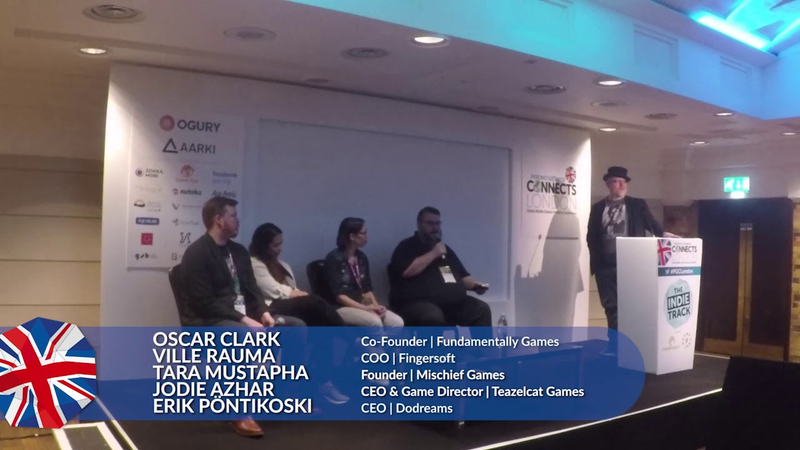
[Music] cool so obviously you know we with we're trying to fill a room to encourage any developers to be successful and to be able to deliver games to their audiences effectively but at some point there's a transition being just a start-up Indian to being a kind of repeatable sustainable company so I thought we'd take some guys who've had a lot of experience with this process personal experience and how their companies have grown let's see here from them what the issue and lessons that they've learnt LA and Eric do you wanna start and introduce yourself so yeah hi my name is
Eric I'm the CEO at the dew dreams video so at do dreams we don't do more than games we do dreams and we're the makers of this drive ahead family of games and in our vision it's the best way to share and watch fun mobile games so thanks through really fun engaging care gameplay and a large and active community of fans built around video we've been able to grow to one on organic downloads with our gladiator car fights game where you get points by hitting your friends in the head with a car and we're currently growing at 100,000 new users every day a CEO I women make sure that we test all our ideas on the market as soon as possible I'm Jody I'm the CEO of teasel cat games
and I'm game director on announced game my background is in triple-a so I founded teasel cat at the end of last year prior to that I worked at Creative Assembly is technical art director on Total War franchise so I've gone from working on a team working with 500 other people to starting the company and she's a cat by myself I didn't have a co-founder but we've really built our studio sort of goals into what so we're aiming to build an inclusive team that can come up with ideas that are really exciting sharing those ideas and building a studio that really puts well-being and the people on the team most so that we can make exciting games that the team cares about and then the players will care about hi I'm Tara Mustapha I'm the CEO and
founder of mischief games and code Kevin which is women's focused video games industry boot camp yeah that I know about my background is as a game designer and I used to work for the likes of Microsoft and EA and I've also had been lucky enough to participate in a lot of startups so yeah yeah cool hi my name is Mila I'm the CEO or finger soft my background is I'm basically been doing games for 10 years most of that that's a programmer so I'm heavily technique which is actually in our company everybody from the you know head of the board is its technical so so that's our kind of company and and of course we know for the hem come racing games which last year we reached billion downloads with Abby so it's it's been great it's good start to quote so let's pin picture okay so on a pin picture when you guys and your
team started out what was your kind of expectation you're kind of wanting to be as an organization when you first started out because I'm trying to is contrast that with where did it take you later so let's start with where did you start out Eric when I started as see dreams the company had money for four months which was a really wonderful situation because in my month my own startup I had money only left for one month so I was like this is amazing we can do anything and what I wanted to create then or you know facilitate developing a culture where the players feel that I'm sorry our team feels that we can really unlock their creativity and and and we can you know test new ideas and we actually ended up doing so that we had artists and develop repair so before there was a thing called hyper casual we
were making these mini games and and we wanted to publish a lot so we can learn from every time we go live and get the feedback from the players and that's how you know eventually we stumbled on drive ahead you kind of could have hinted at this already but be interesting to the source see you expand it okay yeah so we've got sort of the two things in mind one the games that you want to make and secondly the studio that we want to make we want to build so the teams that are going to be making it and a big thing that's MP is was finding a niche what what what was it that we could bring to video games that either wasn't there or that we felt we could do really well what what was the reason why people should play our games kind of shapes how we're building the team what kind of people we want to be on it and we're kind of taking things very slowly in
terms of building up that team in order to get the right fit and I think for any team that that gets very you're part of a bigger organization or you are your entire team is who's making the game it's really important that communication and the people that you have on it and that they work really well together so we're really focused on the minute making that first game and going right how do we show off who we are as a company through that game so that consumers know our these are the kind of games that T's all cat games make you can feel invested in future releases are they they've got an expectation for what it is we're going to make and that we attract the right kind of developers who know that they not just gonna be good at their role they're not just gonna be expert programmers or brilliant artists but they're contributing ideas and they're building in into the ideas that we want to to
bring to consumers and they are invested in that it's not just a job it's that they care about and they want to make excellent games yeah I think this is this is probably one of the most fundamentally important things when you're starting your own studios because for mischief games we have a similar mandate in that we're about a certain culture and we want that culture to be expressed through our games and building up that kind of environment and then with the adjacent you know code Kevin which is you know our mandate is to bring parity inequalities in into it somewhat toxin which is the sensitive subject I realize but I think you know with my previous experience at a different startup where we were focused on sports games and that mandate of what we were trying to create cost in the shuffle as we were just trying to get to market and that was probably yeah it was a huge part of our way you know in a way
our downfall and it's funny because I was talking to two people yesterday about Lego well historically they've always had been really clear on their core values and I was like what you know the the quality of the experience that we're bringing to the market and is this good for children and from day one to now that has always been clearly there man you can see that through the the production that they've had yeah so I guess we have a quite unique start for the company because it was basically founded by Tony buy and he wouldn't take anybody else on board even if he had some friends and colleagues who wanted to join the company was like other people just ruin it so so he decided to go it alone and kind of stop start building some commissions and then use those to cross-promote his first game but he was doing games before in another company and for a long time and that failed for ps3 so basically the
company got started by one man with his one game with which we game and it so so it's quite a difference than usual but kind of that kind of breach very to the point there's a point where that can idealism needs to sort of be adjusted necessary got rid of it just it and I don't know if there's been a trigger point for you guys with what that moment was what is the sort of one way it's not just about making the game but it's about making the company and it sounds like you know you two had a bit more of the we may have to sort out the idea of the company first but do you come with that did you come with that kind of but do you have that moment of actually we now start thinking differently yeah about yeah it was one year ago when for the first time we made less money in birth in November it's like wait a minute this is Christmas season it's supposed to be the best month of the year and then I realized that that we
had we had to become too comfortable because we had this flow of new players we failed to see that we how many were losing every day so we didn't we didn't realize that churn is an issue and and maybe we weren't able to develop as fast as the market and we had a discussion with the team that that you know why why do we need to evolve why do we need to grow that isn't everything like okay then you know we get to we get a salary and we're living our drinking games and we have to discuss it a lot that there's no option of staying on this current level because everybody else is working hard so if we don't evolve if we don't grow we're gonna become relevant irrelevant for that they're gonna play something else new talent won't join us we're not going to be making revenue that allows the team to the company to invest in the new
projects the stores are not gonna like us so I realized that hey when I did my thesis it I wrote it on a book called crossing the chasm where Jeffrey Moore described how when a startup goes from the early market to the mass markets there's this this chasm there this valley of death where was go and die so so you're not able to cross this valley of death unless you are able to change your business model your operations what kind of people you have working for the company and what they do so for us the biggest just that we used to be we used to have the sandbox mentality that hey the player comes to the game so we will just allow them to choose what they want to do but we didn't realize that what when we added new content and game mulch we became really confusing for the first time user so my my colleague Eddie over
there the fine gentleman in in blue they have a talk yesterday on games as Ikea and you know like it's a good thing like we're now thinking about service design and the customer journey and making sure that when players come to the game they find the thing that the team believes is most fun and that's of course good for our business so I switch to Philly again because I think you're expecting to be a slightly more similar to where Eric so but I mean maybe I'm wrong tell me yeah yeah it's um yeah so for us I guess there's some like I've been in the beginning there was a lot of pressure just to keep the game you know going to updates every month or like few times a month because there's just so many players and they want more and more more so everything was focused on that and like I came in as 12 employee so everybody had their hands full all the time hundred one hundred percent and
more and so we were really really always just about him come racing and about nothing else and and nobody knew the company Navy even basically even though we already had like a I don't know hundred million instance in the very first year or even more but anyway so but at some point we started kind of of course thinking about that we have to do something else as well you know the game is going steady but there's it's you know slowly declining but very very slowly so we could be running and raising one well it's now six years it's running four so you could do it probably for the rest of your career I don't know unless the market changes but but basically we realize that we have to do something and we want to make new games of course we're game developers so so it's it was this slow internal will which became like people started talking like we want to make something else we want to make something else so so that kind of changed the attitude
and we had to of course to be able to do that we need more people because we want to run this product which is making us all this money so we can't you know so it was quite gradual it took like two years for us to kind of get to a stage where we actually started developing the next game so so I guess that's kind of yeah it's it's kind of difficult to define went but you know yeah it's quite a big transition though isn't it Oh in touring embassy you've had dispersed in all these different spaces I mean is this something that because you're I suspect your your experience nowadays is slightly different because it sounds like we both have had a bit more time to sort of learn from the previous kind of environment that the importance of some of these more longer-term strategies is that true am I just making them up yeah and I think it was a hardened learned about having that long-term vision because I think the on that sports app
that we we launched the other startup I was that that I can't name we were very reactionary and started seeing you know that I drop in in retention we started just seeing what people were complaining about what they were saying and instead of sticking to our plan and the vision and our core values we started just getting in these hot fixes oh this is what they want all know what they want they don't always know what they want and in the end the product ended up looking like a just hodgepodge of everybody's ideas and it just completely went off track and and I think you know looking back on that now having that plan that goal and building towards that and constantly keeping that in you know every sort of spiel you have to give whether you're getting outside investment and angel investment or to people who are providing you with your service services being clear on that helps guide them to the on the journey
that you want to go to and that is like absolutely critical because otherwise you have your rest was going well I don't know I saw this app and my kid my nephew played it this was amazing and you need to get that in your game and you completely derail yeah I think about vision as a kind of a direction so I think about Neverland is a good example of that because Neverland is second starter at home to morning it's not a place so using vision to help you make decisions because is this thing that's going to fix this problem getting me closer to that direction then I can do it don't have that direction if I'm not following that that pathway I'm lost journey is meaning does that make sense to you when you have a similar experience or is it slightly different for you yeah no I think sort of building on from what the others have said you you need to have a reason why you want to grow in the first place because it's perfectly valid if you're a
solo developer to go I'm quite happy doing what I'm doing making whether it's a massively selling exciting game or somewhere in between if you're happy doing that if you're happy creating something that you feel is of value to you or to consumers it's perfectly legitimate to say I'm happy staying and you might need other people whether that's contractors to work on the game whether it's publishers or business partners but if what makes sense for for your career or your company is to stay that seeps more do equally there are people who want to build a big studio because they they have that vision of create bringing creative people together to build something that's more than you can grow self and now also is valid but that does come with costs once you start employing
people full-time then you need to have income for the company that's going to keep rolling over if you take investment and you hire off you will find you need to carry on taking more investment unless you find that here that sustains you and I think the the point where you start hiring other people having a goal in mind of this company helps define who it is that you employ and what happens when you encounter problems because it's it's kind of okay if it's sort of two or three people in a room developing your you you can share immediately you can talk about things you can talk through things you can talk about what you want the game to be where you want to go and things kind of happen naturally but even on that small scale if a disagreement occurs how do you resolve it if you've got one person to the company do they have ultimate say what if everyone is a
director of that company like how do you come to a decision how do you come to a decision if somebody wants to leave and once you start hiring people you need to think about who's gonna going to manage that beyond their just finding the right person for the team do you need an HR person do you need a business person who's looking after the finances do you yourself as a CEO that leadership training to deal with discussions because everyone is unique and even if you're all rooting for one particular to make the game that you want you you'll all sort of disagree slightly on exactly how that that comes together it might be amicable disagreements that ultimately the end product is a combination of everyone's compromise and it's it's a great product that you're all still happy with but when that conversation sour how how do you find a good way of dealing that and
coming out with with a good solution I always joke that you kind of need to fall out with people before you know you can work with them because there's something about that recovery and how they've had this a relationship with my friend James Cox who when I was a playstation home and we argued like nobody's business we absolutely people thought we're gonna stab each other and yet we would always going to have lunch together and it's that kind of ability separate the specifics from the reality I was going to move on to Erik own stop with you again this kind of implies there's gonna be a point we can have to make it grown-up like company professional process and put it in any what was the sort of first really kind of I are I'm removing a corporate thing now that you had to do on you well I had to think hard how my employees will be happy that's where so Jodi I I share that thinking that that's important for me
though I want to make the free to play studio not a lifestyle entrepreneurship thing so I think in order for my team to be happy but they have to be able to compare themselves to who they were a year ago or a month ago or maybe even just last week so we spent a lot of time discussing what is a formula of turnover so home studio make revenue and and it used to be so that I would say that hey like you know like now the goal for December is that we're gonna make more money you know like let's make 20% more and then they try to think of ways to make more money or increase daily active users or something like that and then the via time talk to you used to run the game business at the Rovio joined our board and he asked me in one of our coaching sessions that what is da you said that's daily active users he said what yeah but what is it I said well
it's the number of active players we have it in the day and it's like what is that so it's a number I look up from the dashboard every morning and they know that there's a formula for it so it's daily new users time churn so then that helped me understand that hey that we need to find some metrics that didn't focus on in their everyday work and then show how their impact on that metric influences or makes eventually revenue so for example if we want more users in the game we want to increase deer then we think that well are we gonna do something in this sprint to get more new users so increase D and you or are we gonna focus on stuff that reduces churn so you know we'll Eddie try to do some kind of mark pain or or are we going to introduce some viral feature into the
game that make it more social so we get more users or then it's a totally different thing if we want to release reduce churn then we might focus on live ops or or building weaking the metagame or something like that and I found that this this has been a really great way to get everybody in the company excited about kpi's cool but it can I first grown up bit of yeah again yeah we were very very childish company I think it's a at least I hope we try to be really making games but I think in our case when you have this kind of success which breeds business like crazy so people are always coming to you and asking like let's do this let's do that and at the same time when you have huge audience our background is that we only used the cross promotion from the you know camera
applications to increase the installs on the game to get it like known so naturally when we had these terms of players we were thinking well we can leverage that and make more games and do the same thing again but of course we didn't have enough people to make our own new games so so we have people coming all the time like why would you pub wouldn't you publish so so what happened was that we actually published like 12 games in three years of which three were ours and first were somebody else's and some were successes some were not but that kind of into a place where we had like tons of things going on all the time which of course required some organization and you started hired like you know you here's a you know be step manager and here's a publishing guy and here's standing that was kind of out of control growth because we had so many
opportunities so you know I kind of came in as a back-end programmer then through the back-end team to make the live ups and then when I working out started looking at the whole company like oh this is a mess I have to do something about this because I'm that kind of person that I can't stand when I say something wrong I have to you know go there and you know have a serious chat with this even this is not going right so so I think well a lot of our chains came actually from my pushing and being you know angry and fighting with Tony and and because I wanted to grow a bit so that we can actually do the main thing which is make games because of game developers at least our guys they always want to make games and they get really sad and angry if they don't get to make games so so that's what's you ableton to do so so I think by good organization it
helps that goal and then they can make more games and we can ultimately make more revenue as well so sorry I mean I mean it sounds like you've already thought about these kind of processes in place already is it is that the case or are you starting to find new processes that you hadn't thought of that you need to do you need to implement I'm flying by the seat of my pants here yeah I think that's the it's interesting to take up on this because I'm at that stage where I've gone from like zero people to 15 if quite a few times now and it's so full it is so painful because you go through this mental process of like do I justify bringing on an HR person now or you know the marketing team or am i this like one-woman army that is doing you know the desertion the coding the social media the legal and oh my god that's a
whole other thing and the marketing and you know god knows what else and then realizing that you then have to spend all of this time investigating all of these different platforms and all of these desperate resources doing the growing part of growing is so painful I find maybe not because I think that and it's kind of speaking to that moment where you realize you have more on that on risk because you realize you've already got these core group of people employed you have a responsibility to take care of them to deliver on a product but at the same time you then become that if you're in depending on your wrong design and production you become this bottleneck and then you have to in order to remove the bottlenecks you need to grow and takes the time to research like I said all the researching part and if that's not built and this is lesson I've learned you know into your schedule you need to take that time you know happiest
when I'm designing and making a game but you need to take that time to focus on what tools are you going to use what tools are you going to bring to your team you're not going to change halfway go to figure out is that risk worth it is the cost of that change worth it and then spend all of your time negotiating with your service providers to see if hey can you guys come in and do a little thing to course to making gets ramped up and we're optimizing the use of this system for what we're trying to do rather than trying to shoehorn your developments and what they're offering but you're having to give up control on you you're having to sort of say Hanneman it I've hired these people for a reason did not be doing that is that that's really hard yeah and that's why it comes down to I think what Jody was saying earlier about if you're really clear on your mandate and what your company is and how you're trying to scale and the people you want in it then you have to try you've hired correctly and they're aligned with the same goal
and the same vision that you have and it's important for them to win do you mean you you know have you good little sorted is it easy now I don't think it comes easy it's it's always gonna be hard work but what makes it easier is being really open to identifying when there is a problem and also identifying whether you yourself had capacity to deal with it because depending on your on your background so I was a technical artist I'm great at making the games I started the company with no business experience and it's been absolutely brilliant learning all loving how to run a company but I wouldn't say I'm good at it and at some point I need to go right I'm gonna pay someone to handle that for me because in order to continue making money somebody who is farms than me in that area will do a much better job
same with sort of social media and marketing I can't take that all on and difficult conversations if you are not Aquarius or you don't oh you just annoy them and you know that you're going to avoid having them with with someone it could be something as simple as an employee keeps coming in a little bit late and it's not the worst thing in the world maybe they even sort of they do their full day's work it's just a little bit skewed everyone else but it's destructive it's disrupting the workday you need to have those conversations because no problem will ever go away whether you're a tiny team or you're a massive team it needs to be dealt with and a lot of the time who there are problems with don't even realize it and it's it's just a little thing it's like oh there was just oversleep but I'll come in a little bit earlier if your company isn't making money you need to head on rather than just go we'll
make a really great game and people will buy it because you don't fully have control over that so yeah I think sort of having that vision that you can come back to and being honest about all their problems and their might there's no use making up problems just for the sake of having something to fix do with the next speaker yeah yeah absolutely so moving forward onto that I mean I'm gonna sort I think this idea of deal with all these these issues as they come and trying to professionalize the structures to me sounds like it's a lot about communication and about dealing with the point where you can only talk to and communicate to effectively a certain number of people is that a core part of it but that's just really what I'm asking is what's the sort of key thing you would share with this audience about what they should focus on as they're trying to take their indie team into something a little bit larger something a little bit more paintable well I see
by that sign there that play Finland is one of the sponsors of this event so my number one recommendation is that locate your game studio in Finland the reason why I say that is that we have this wonderful culture of sharing there and helping either even our friendly competitors develop and I learn in our change management that I see or have to take care of what kind of structures and processes we have in the studio that create culture and you know culture is formed by everybody who participates in the community or the group but as as the event of the company we can guide it or maybe entice certain behavior by looking at those structures and processes and we did a lot of different things and I'd like to point out just one which was this are we free to playing of the month game this was a
thing we do so for a month we everybody in the studio plays the same game and in our kitchen we have a whiteboard where you can draw or post post pictures or something about your experience with the game what did you like what didn't you like and are you spending money or are you are you hooked on the game and last month we were playing battle and brawl which is published by by frog mind so after we had been playing the game for a month the product lead and and another fellow from frog monk Gabe came to our office and who had pizza and beer and they gave us a presentation about the game and why why did they make certain design choices and and we had put together a long list of feedback and ideas the team had when they were playing and they got to talk directly with those people who make the game it was pretty cool they even their dashboard and showed all their KPIs and
another coming back next week and we're gonna do the same with our games fantastic yeah I think you know talking about structure or I think earlier like control versus giving responsibility and also like freedom growing up we're now fifty people we've had multiple kind of very difficult phases where like my way to manage people is that I keep as much freedom and responsibility as I can and then I let them make the mistakes and then I like carefully and as friendly as I can fix them along the way when they make the mistakes so that's my my method but as you go to you know first to 20 people then 30 40 50 it becomes like much more
like opaque to you what is actually happening in the company even though we're we're flat we're quite flat we don't have like all of our middle managers basically are developing the games themselves as well and like we you know try to talk as much as we can all the time but still so unless there is this foundation of trust the key people who are like responsible of each area like let's say like we recently moved to a more team focused model in our organization so basically each game has you know lead I say that to say lead designer is more like a lead responsible person because they we design games in a way where it's quite everybody is involved quite heavily so but there's responsibility there so that they ultimately can make choices for that game what's going on it's I guess some
something akin to the supercell model everybody always talking about not quite because we have some some control but but so once you have that foundation there you trust the people then it's actually not that difficult to let go at least from in the beginning it's much much harder I think there's at least for us it seemed like there's a little bit of kind of this jealousy aspect when you are starting to grow you have new people coming in and then your old employees are like who are these guys well in you know do we actually need them and but that's like a crossface and once you get over that then now actually people are one thing to have you know more resources more people more like cool you know stuff to be cool I think there are clear clear faces there when you're growing up I mean we actually had the personal model even in telcos when I was working in that environment it was this idea of product owner it's very similar in
principle and they have to take responsibility for their life cycle of that product and I think the fact that they were always the person who was accountable for the customer the player that was incredibly important to it I guess the big thing would be to add 15 to 20 percent to all your estimates across the board just build the buffering you know and apart from that I think the biggest piece of advice I could give would be to never land dream big and plan for that kind of success it's kind of your why and I think if you're clear on your why communicate that to your team to your when you're walking around here even when you're talking to people it your passion comes through for the product for your team for your and it helps everybody get aligned so yeah at 15 to 20 percent I think when it comes to growth you you have to accept that it's seeing your baby grow up and that you don't
ultimately have full control over it you you can't control your employees and like Eric said all culture is is the group of people that you've brought together and they will come with habits and they will come with preference and different ways of thinking and that's absolutely brilliant because the more different ways of thinking you have the more different ideas are being bounced around and inspiring new ideas and you you kind of have to embrace that and go this wasn't sort of the perfect picture that I envisioned but if they're still making awesome games then that's absolutely great and I think the advice I'd give is as a what whether as a CEO manager if you're in charge of people most people in the industry aren't in charge of people they're that they're doing work so the people that you're in charge of can't necessarily empathize or give you advice on what decision they
can tell you what works for them as individuals but you can't please everyone your company what you can do is talk to other CEOs other managers and the games community is actually really friendly people do want to see other games succeed there's not so there's not this sort of competitive oh if if another company's successful my company isn't we all want to see brilliant games we will want to play brilliant games and people are willing to give advice like I mean you guys sitting in this room this but just going and talking to people reaching out rather than just sort of I dunno isolating yourself because you're scared of asking a question because you assume it's obvious to everyone else but you most most people if it's their first startup they've all had to learn everything themselves and there are unnecessarily short cuts but there'll be things that you don't know about and people are willing to talk about it they want to encourage each other so talking people who are going through
that same experience whether their advice is immediately applicable to you or whether they're even in a different situation they're trying to grow a massive team and you're trying to go from one person to five that will be something right that was great we're gonna get a grab a bonus question because the next because that you just left the room which is a little awkward I'll be having words anyways so my bonus question is can you grow up as an without losing the soul your independence as a soul just a quick kind of answer is it possible and what do you think yeah yeah for sure I think just you know ask I I had to in change management to ask what my team wants to do and and what what they think we should do because I want to change fast so I didn't want to ask them what they think because I was afraid they would answer something else than what I want
and then like but I learned that you know like it's okay for the team that I make the final call on some issues but they just want to be respected and listen to ya yes yeah I think it's it's part of its just being flexible about stuff remembering what what you want as well because whether your goal is to build a company that in five years gets sold off to ei or you want to build something that is always that family family feeling it's kind of okay to especially if you've got sort of co-founders or other people invested it's kind of okay to say this isn't exactly what I dreamed of and step back from that I think sort of people's careers are so long that it is sort of flexible but building
something for team care about even if that's not your original sort of that was what I wanted team to be if if you've built a place that people are happy and enjoy working so our next speaker is here but quick comment that'd be great yeah yeah yes definitely I think you can keep the core on we have actually I think in our case if you keep inside what what it actually is that makes the company what I did and treasure it and kind of try to build upon it and it doesn't really matter at least for us it seems that we're actually in much better place even though we're now 50 people than we were at 12 and was today you know fun relaxed kind of atmosphere at the company and and I think one of the most important things about that for me has always been that we hire the people who fit into our group that have this Miller or at it to
life if you don't like be very careful who you hired and that might because that like like it is people change the culture so our people are the culture so ultimately that's where you make the biggest decision is who you take in so great and I think that's one of the reasons why I've always loved working with Finn's because there's no nonsense to just get on with it and on that point thank you very much guys we're gonna move straight on [Music] you
Summary
The transition from an early-stage game startup to a sustainable, long-term enterprise requires a fundamental shift from founder-led, sandbox-style development to a structured, professionalized business model. While initial success in the gaming industry is often driven by a singular creative vision or a breakout hit, long-term viability depends on the ability to bridge the gap between entrepreneurial agility and operational maturity. Studios must move beyond reactionary decision-making by implementing data-driven key performance indicators and intentional service design to ensure they remain competitive in an increasingly crowded market.
Scaling effectively necessitates that founders relinquish total control, delegating critical responsibilities to specialized experts while maintaining a cohesive organizational culture. As teams expand, the primary challenge lies in balancing necessary management structures with the preservation of creative freedom. Establishing clear communication channels and transparent feedback loops is essential to prevent product dilution and ensure that the entire workforce remains aligned with the company’s core mandate. By prioritizing cultural fit during the hiring process, leadership can foster a collaborative environment that supports both individual innovation and collective growth.
Ultimately, the evolution of a game studio is defined by the capacity to professionalize operations without sacrificing the original creative spark that fueled the company’s inception. Success in this transition is contingent upon the leadership’s ability to evolve alongside the market, replacing informal processes with robust management frameworks that remove bottlenecks. By anchoring the organization in a long-term vision while embracing the complexities of a larger team, studios can successfully navigate the challenges of growth and transform from a small group of entrepreneurs into a repeatable, sustainable business entity.





















Comments