Game Development reports and market data
Documents
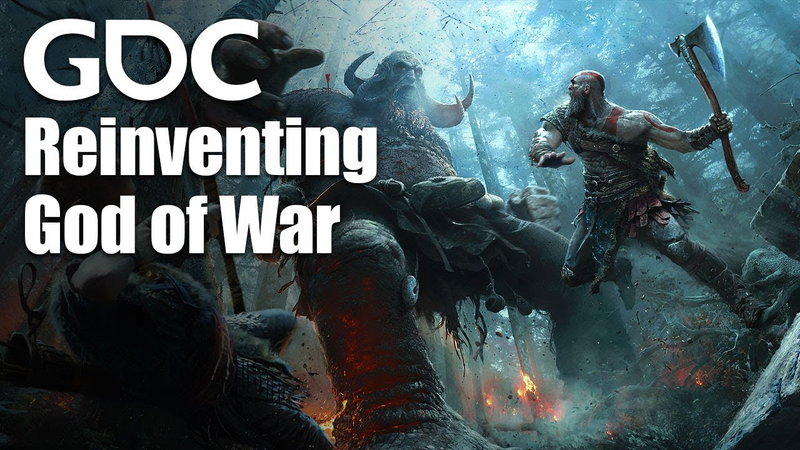
Reinventing God of War
The 2018 reboot of the God of War franchise represents a fundamental evolution of the action-adventure genre, shifting the series from a bombastic, rage-driven spectacle to an intimate, character-focused narrative.
- The 2018 God of War reboot fundamentally shifted the franchise from a spectacle-driven action series to an intimate, character-focused narrative centered on the father-son dynamic between Kratos and Atreus.
- The development team implemented a continuous, no-cut camera perspective, requiring exposition to be delivered through environmental cues and character interaction rather than traditional dialogue.
- To maintain player agency within the cinematic experience, the studio utilized technical solutions like invisible collision bumpers and camera-smoothing algorithms to ensure fluid navigation and combat.

5 Secrets Why Game Development ROCKS
The pursuit of a career in game development offers unique professional and personal advantages that distinguish it from traditional employment.
- Game development offers an uncapped professional ceiling compared to traditional roles like graphic design, allowing for unlimited potential in financial success and industry influence.
- The career provides a unique combination of creative autonomy and the ability to act as a storyteller, artist, and architect of virtual worlds.
- The industry serves as a social catalyst, providing developers with a distinct professional identity that facilitates networking and community engagement.
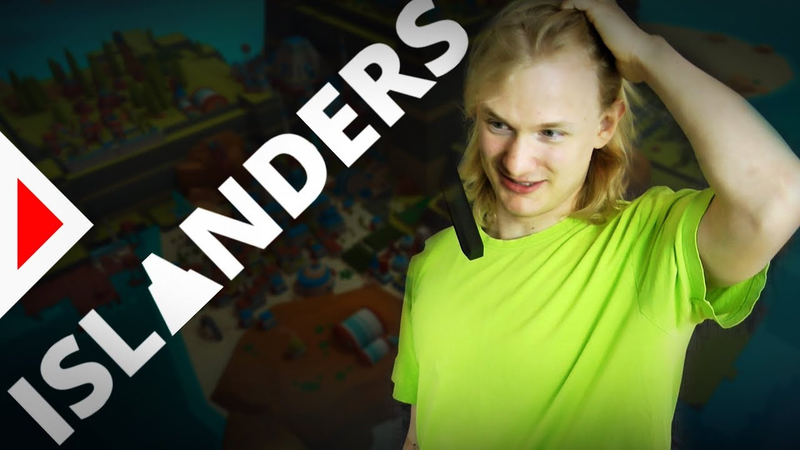
We Released Our Game on Steam!
The launch of the minimalist strategy game Islanders on Steam marks a significant milestone for Grizzly Games, characterized by immediate commercial success and high visibility on the platform’s front page.
- Grizzly Games achieved immediate commercial success and high platform visibility upon the Steam launch of their minimalist strategy title, Islanders.
- The launch phase required the small indie team to pivot rapidly toward high-volume technical maintenance, bug fixing, and community management to support a suddenly expanding player base.
- Islanders differentiates itself from traditional city builders by removing complex resource management in favor of a procedural, point-based system focused on building placement and proximity bonuses.
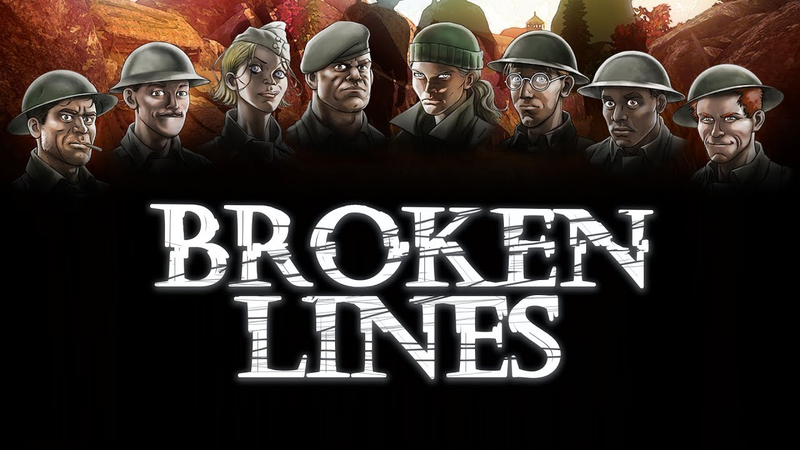
Broken Lines developer interview at GDC 2019
Broken Lines is an action-strategy game developed by the 15-person team at PortaPlay, focusing on the tactical survival of a British squad stranded behind enemy lines during World War II.
- PortaPlay, a 15-person development team, is creating Broken Lines, a World War II tactical survival game centered on the moral conflict between soldier self-preservation and mission objectives.
- The game utilizes a simultaneous turn-based 'we-go' mechanic, allowing players to plan moves before executing them alongside enemy actions.
- Development has spanned approximately two years, with a recent publishing partnership providing the necessary resources to transition the project into full production.
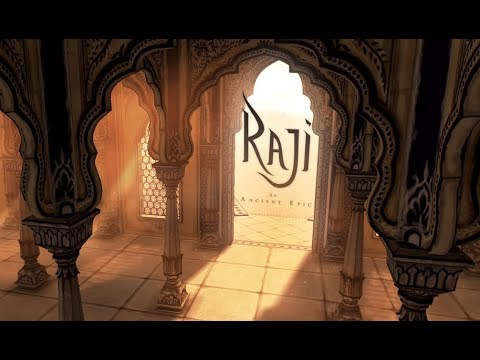
Raji developer interview at GDC 2019
Raji: An Ancient Epic is a fantasy action-adventure game centered on a young protagonist navigating a world rooted in ancient Indian mythology.
- Raji: An Ancient Epic is an action-adventure title set in a world based on ancient Indian mythology, featuring a narrative focused on a protagonist rescuing her kidnapped brother.
- The game utilizes a unique visual health-tracking system that displays enemy vitality through dynamic markers at their feet to provide immediate combat feedback.
- Super.com is publishing the title, leveraging its team of former and active indie developers to support studios within the emerging Indian game development market.
Metaphora developer interview at GDC 2019!
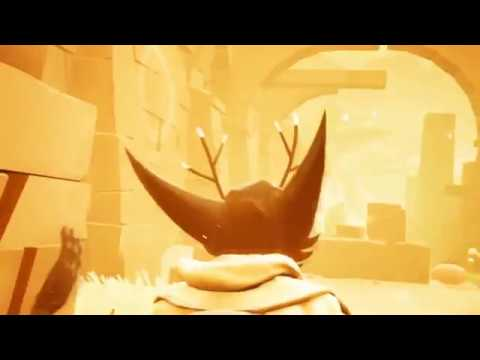
Metaphora is an extraterrestrial science fantasy title centered on the restoration of a dying planet.
- Metaphora is a science fantasy game focused on restoring a dying planet by collecting star seeds to revitalize barren environments.
- The core gameplay utilizes a dual-character system, requiring players to switch between the protagonist, Moony Cat, and a star-like sidekick.
- Exploration and combat mechanics are integrated, with players battling robotic enemies and viruses while navigating between desolate and thriving regions.
Retro Machina developer interview at GDC 2019
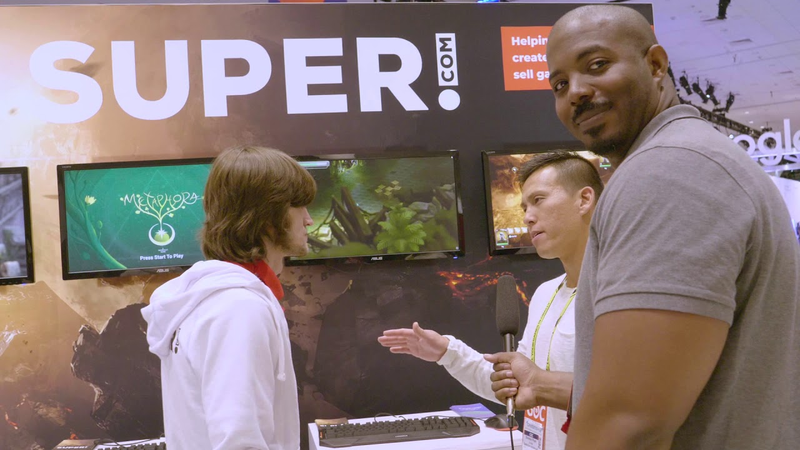
Retro Machina is a retro-futuristic, post-apocalyptic action-adventure game developed by the Brazilian-based Orbit Studio and published by Super.com.
- Retro Machina is an action-adventure game developed by Brazil-based Orbit Studio and published by Super.com, featuring a robot protagonist named Robert in a post-apocalyptic setting.
- The core gameplay loop combines exploration, combat, and puzzle-solving with a unique mechanic that allows players to hijack and control enemy robots.
- The game incorporates light RPG elements, enabling players to scavenge parts from defeated enemies to upgrade Robert’s hit points and strength.
I Don't Want Your Lemons: Optimism Fuel for Weary Devs
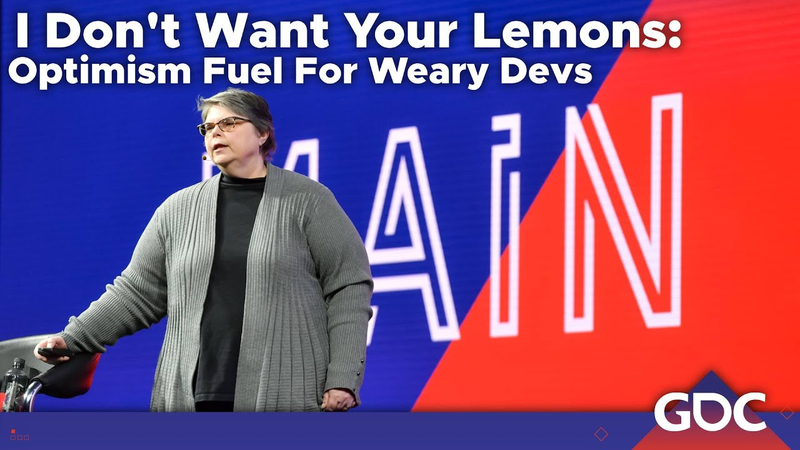
This presentation provides a framework for maintaining professional optimism and creative resilience within the game development industry.
- Maintain professional longevity by viewing industry instability, such as project cancellations and layoffs, as opportunities for personal and creative growth rather than mere setbacks.
- Protect against burnout by prioritizing working with respectful, talented peers over attachment to specific intellectual properties.
- Adopt a business-oriented mindset to prevent the exploitation of personal passion, while remaining prepared for the industry's inherent volatility.
Dreams: Unlocking Creativity in Everyone
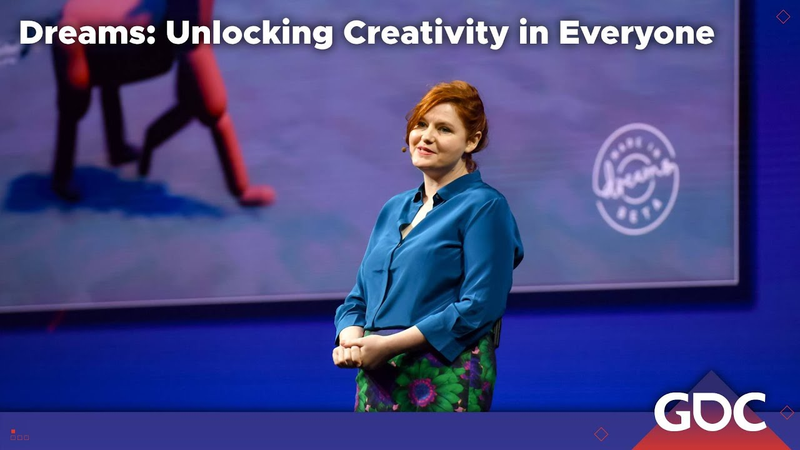
Media Molecule’s development of Dreams represents a long-term effort to democratize game creation by transforming it into an accessible, living-room hobby.
- Media Molecule developed Dreams as a unified, real-time game engine designed to eliminate the friction of fragmented development tools by allowing seamless transitions between sculpting, music, and level design.
- A six-week beta test involving 20,000 self-identified creators validated the platform's potential, with users producing complex projects ranging from music players to full games.
- The studio prioritized a fluid, experimental workflow that treats game creation as an accessible hobby, similar to learning a musical instrument.
No Man's Sky: Grit
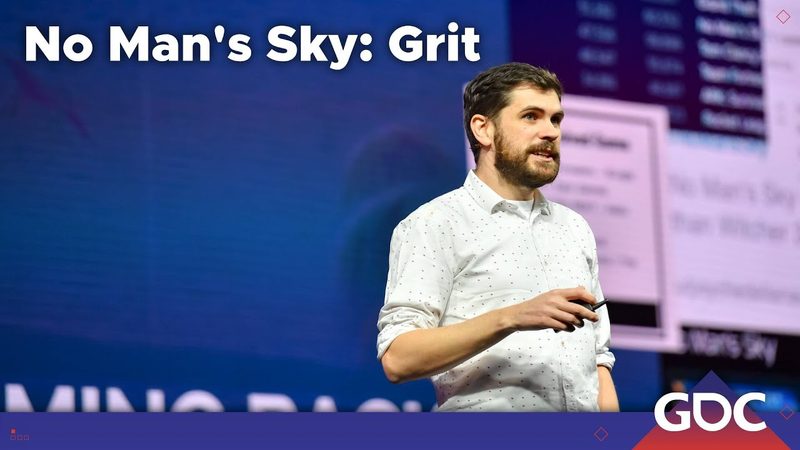
The development and launch of No Man’s Sky serves as a case study for navigating extreme industry adversity and managing the transition from a polarizing release to long-term success.
- Focus on actions over words by communicating with players exclusively through patch notes and game updates rather than blog posts or press releases.
- Filter feedback by treating it as raw data; analysis revealed that 80-90% of toxic commentary originated from individuals not invested in the game, allowing the team to ignore noise and focus on actionable player needs.
- Define a clear metric for success—such as player concurrency or critical reception—and optimize every team decision toward that specific goal to simplify complex development choices.
Game Dev: The Week Before Launch (Devlog)
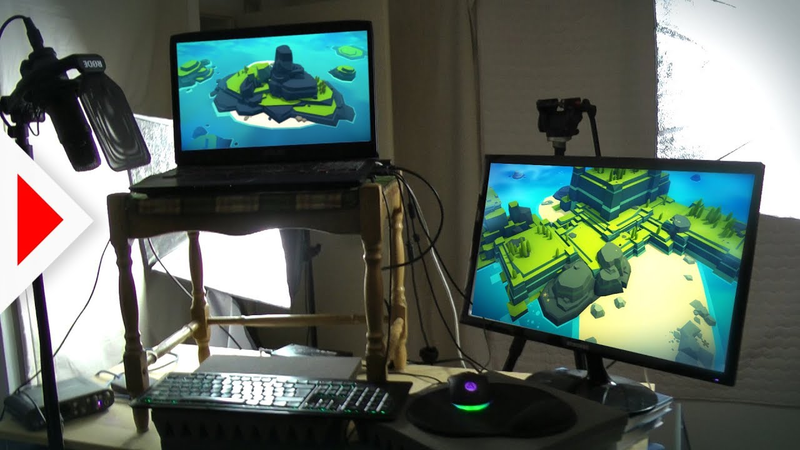
The final week of development for the indie title Islanders highlights the technical and logistical hurdles inherent in preparing a game for a Steam launch.
- The final week of development for Islanders focused on critical technical stabilization, specifically resolving Linux build compatibility, dynamic batching failures from multiple light sources, and mesh transformation errors.
- The development team utilized Unity’s frame debugger, iterative testing, and community-sourced troubleshooting to address performance bottlenecks before the Steam launch.
- To maintain productivity and morale during the high-stress pre-launch period, the team employed a dual-project workflow, working on a separate platformer project during daily livestreams.
How to lay the foundations for compelling storytelling in games
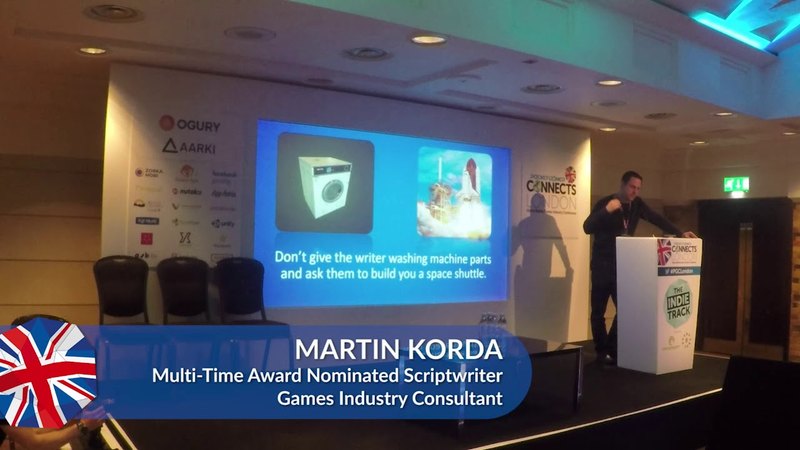
Effective game storytelling requires integrating writers into the development process from the earliest concept stages rather than treating narrative as an afterthought.
- Integrate writers into the development process from the initial concept stage to ensure narrative and game design are developed in tandem for mechanical and emotional cohesion.
- Avoid treating narrative as an afterthought, as late-stage writing often results in fragmented world-building and poor player engagement due to disjointed systems.
- Maintain constant communication between writers and developers to manage the 'ripple effect' of iterative changes, ensuring narrative consistency when levels or mechanics are cut.
Writers
Games and companies
Games