Game Development reports and market data
Documents
THQ Nordic: Embracer Group Investor Presentation
The Embracer Group investor presentation outlines the company's organizational structure, strategic vision, and commitment to long-term value creation through a comprehensive sustainability framework.
- Embracer Group operates as a decentralized parent organization managing a portfolio that includes THQ Nordic, Koch Media, and Warhorse Studios.
- The company maintains a global footprint with operations spanning more than 40 countries across Europe, North America, Africa, and Asia.
- Corporate strategy is defined by four strategic pillars: Business Sense, Solid Work, Great People, and Greener Planet.
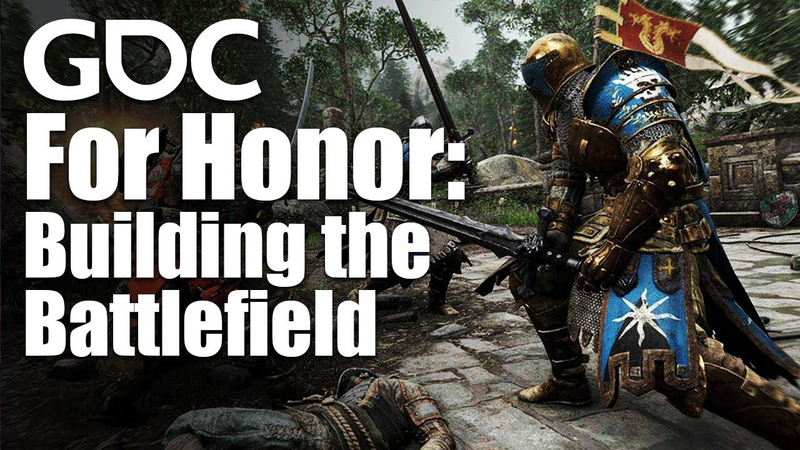
Deterministic vs. Replicated AI: Building the Battlefield of For Honor
The architecture of For Honor relies on a deterministic, input-driven simulation model designed to facilitate high-fidelity, skill-based melee combat.
- For Honor utilizes a distributed peer-to-peer deterministic simulation where only player and AI inputs are transmitted across the network, ensuring all clients reach the same game state without synchronizing complex object properties.
- The game architecture treats AI and human players identically, using a shared 'Katana' state machine tool that allows designers to define character states, movement, defenses, and branching conditions without hard-coding logic.
- To manage large-scale battles with up to 200 actors, the team replaced complex, costly platoon-merging logic with simple flocking rules to handle movement and target acquisition efficiently.

ONLINE MULTIPLAYER | A Game Dev Answers.
Developing competitive online multiplayer games presents significant technical and community-building challenges for independent developers.
- Implement robust networking solutions like Photon Unity Networking (PUN) early, prioritizing data efficiency by converting floats to integers and using serialization streams to minimize packet sizes.
- Transition from client-side networking to authoritative server models as a project scales to effectively mitigate cheating and ensure long-term game stability.
- Integrate Discord directly into the game UI with automated prompts that trigger during long matchmaking wait times to facilitate organized play and prevent refund requests.
A Rebuilding Year - Navigating the Ups and Downs of Creative Careers - Extra Credits
The concept of a rebuilding year serves as a strategic framework for navigating personal and professional crises.
- A 'rebuilding year' is a strategic framework that shifts focus from immediate success to intentional resource renewal and experimentation when original goals become unattainable due to crisis.
- Reframing a period of failure as a deliberate rebuilding phase mitigates the psychological impact of shame and regret, allowing for low-risk exploration of new career paths or skill development.
- Successful organizations, such as Nintendo, have historically utilized periods of market struggle to pivot toward innovative product development rather than adhering to failing legacy models.
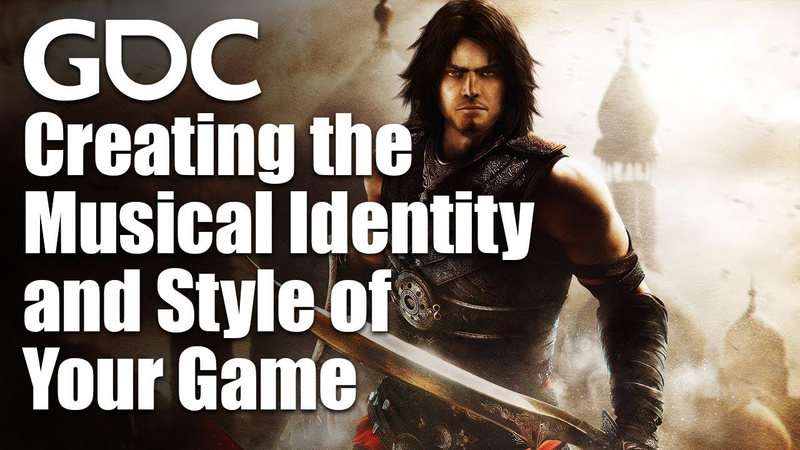
Creating the Musical Identity and Style of Your Game
The musical identity of a game serves as a critical branding tool, capable of defining a project’s genre, emotional depth, and lasting impact on players.
- A game's musical identity functions as a core branding tool that elevates the project from a product to a memorable experience by defining its genre and emotional depth.
- Effective collaboration requires developers to provide a clear 'gestalt' of the game, utilizing visual references, character designs, and thematic goals to guide the composer.
- Using metaphors and reference tracks from other media helps bridge the gap between abstract emotional goals and concrete musical execution.

My new INDIE GAME STUDIO (office tour!)
The primary purpose of this overview is to provide a practical look at the hardware and environmental setup required for professional indie game development.
- Prioritize functional utility over luxury equipment, as high-quality game development relies on the creator's focus rather than expensive hardware.
- A professional-grade setup for an independent developer includes a core workstation consisting of an HP Omen Obelisk PC, an AOC 31.5-inch monitor, and a Blue Yeti microphone.
- Ergonomic seating, such as the EWin Flash Series racing chair, is essential for maintaining physical well-being during the extended hours required for game development.
Improving the Culture of Critique: Communicating Across Disciplines
Effective cross-disciplinary communication serves as the cornerstone of high-quality game development, directly influencing team morale, operational efficiency, and creative output.
- Shift the focus of critique from subjective personal opinion to objective, analytical assessments of how specific components function within the broader project goals.
- Implement structured feedback frameworks—consisting of objective description, subjective reaction, and goal-oriented analysis—to replace vague, ego-driven commentary.
- Utilize empathy as a professional tool by actively considering the specific departmental pressures and operational goals of colleagues in different disciplines.
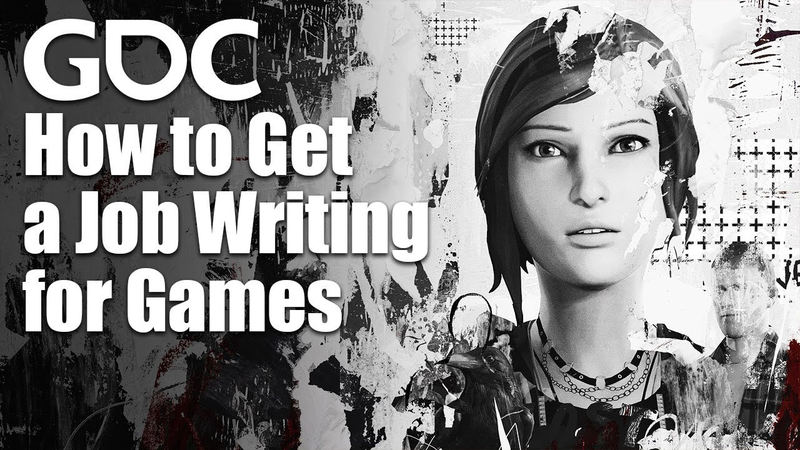
How to Get a Job Writing for Games
Securing a position as a game writer requires a strategic approach that balances creative proficiency with technical versatility.
- Prioritize a concise portfolio featuring focused, high-quality samples like ten-page screenplays rather than exhaustive long-form documents to allow for quick assessment by hiring managers.
- Demonstrate technical versatility by acquiring basic skills in coding, scripting, or project management to effectively integrate narrative elements into game systems.
- Tailor all application materials to reflect the specific culture and style of the target studio to demonstrate alignment with their production environment.

2D Game Art Tutorial (Stylized Landscape in 20 Minutes!)
This instructional guide outlines a professional workflow for creating stylized 2D landscape art for video games within Photoshop.
- Professional stylized landscape art relies on a strict hierarchy where background elements are desaturated and blurred to simulate distance, while foreground elements use high saturation and sharp detail.
- Visual cohesion is achieved by maintaining consistency in color, sizing, and detail across all assets to differentiate professional output from amateur work.
- Depth and atmospheric perspective are simulated using technical tools like gradients, Gaussian blurs, and motion blurs to mimic natural fog effects.
How to Run a Studio Without a Surprise Hit
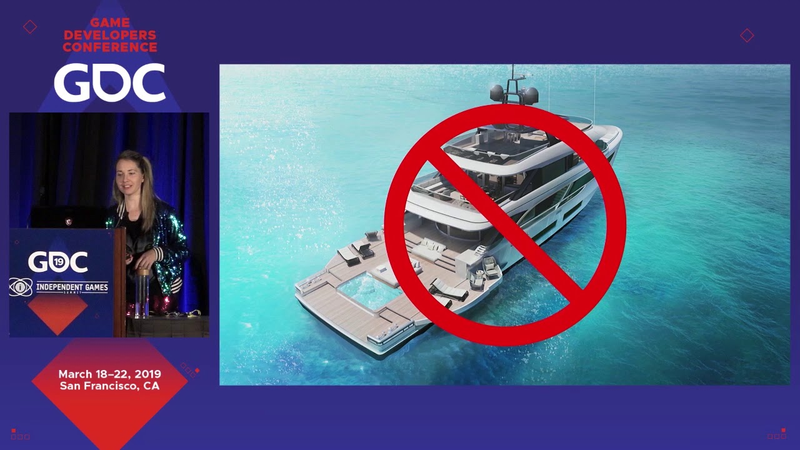
Small game studios can achieve long-term stability and growth by moving away from the high-risk pursuit of a singular runaway hit.
- Achieve long-term financial stability by balancing internal intellectual property development with consistent work-for-hire contracts to diversify revenue streams.
- Maintain at least one year of operational runway and master precise project estimation to insulate the studio from market volatility.
- Position the studio as a full-service partner for clients slightly larger than the firm itself to secure more reliable, long-term income.
Top 10 Tips on How To Balance Your Game
Effective game balancing is a critical determinant of a title's success, functioning similarly to the precise ingredient ratios required for a high-quality cake.
- Effective game balancing requires an integrated approach that spans game design, level architecture, code, and art rather than treating it as an isolated numerical task.
- Developers should prioritize situational utility over pure mathematical optimization to avoid creating bland, repetitive gameplay experiences.
- Implementing a rock-paper-scissors framework forces players to make meaningful, context-dependent choices by assigning distinct upsides and downsides to mechanics.
Beyond Framerate: Taming Your Timeslice Through Asynchrony
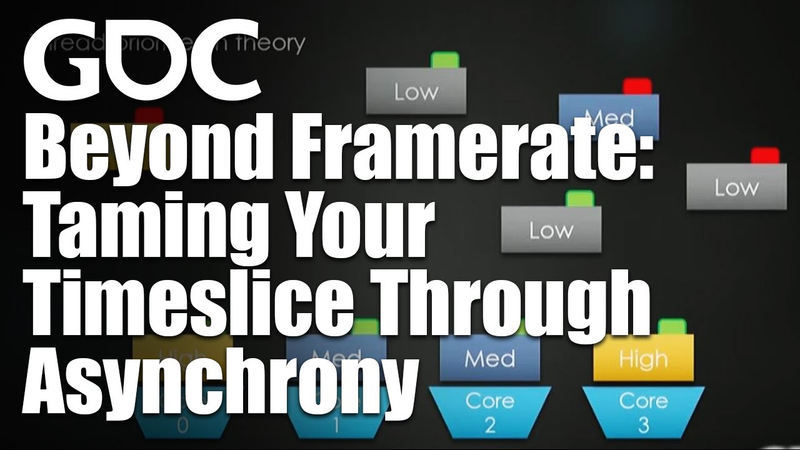
Real-time game artificial intelligence frequently encounters computational bottlenecks when constrained by standard frame-based processing.
- Transitioning AI processing from standard frame-based execution to amortized, multi-frame task distribution prevents computational bottlenecks and ensures consistent performance.
- Implementing a custom scheduler within a thread pool is superior to traditional background threading, as it avoids common issues like thread contention, priority inversion, and unpredictable latency.
- Tasks should voluntarily yield execution by using the CPU’s timestamp counter to monitor duration, ensuring they pause before exceeding a strictly defined time slice.
Writers
Games and companies
Games