1 free read left. Create a free account for unlimited reading + AI research.
Create free account
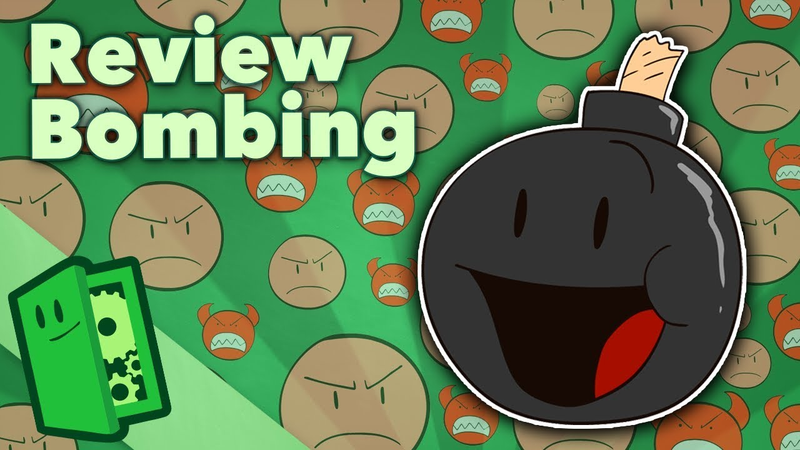
Review Bombing - Making Your Voice Heard - Extra Credits
Key insights
6 takeaways- 01Review bombing is a multifaceted tool used for both legitimate consumer advocacy regarding technical failures and business practices, as well as malicious harassment or ideological manipulation.
- 02Positive review bombing, while sometimes reflecting genuine community sentiment, distorts the utility of review systems and misleads potential buyers by artificially inflating scores.
- 03Review bombing has shifted the power dynamic between consumers and developers by allowing players to bypass corporate-controlled forums and force visibility on issues via platforms like Steam and Metacritic.
- 04Platforms such as Steam now utilize automated and human-led moderation to identify and exclude review spikes, effectively neutralizing the impact of coordinated negative or positive campaigns.
- 05The current cycle of review bombing and platform moderation creates a dynamic of mutual distrust, where developers may ignore feedback while players feel compelled to escalate their volume to be heard.
- 06The effectiveness of consumer feedback is tied to the quality and detail of the critique rather than the volume of ratings, as companies are increasingly incentivized to dismiss low-effort, hostile spam.
Ask AI about this video
Transcript
a joke you tell can bomb that's bad even your favorite comedian can bomb that's worse and then of course you know there's graffiti bombing which is either vandalism or self-expression depending on who you ask but review bombing videogames is all those and more if you pay good money for a bad product of course you have the right to be angry because complaining about an unfair transaction is an attempt to address something we consider wrong and human beings have been doing this for a long time the earliest known written complaint was in cuneiform on a clay tablet centuries upon centuries ago in the ancient city of Ur now there's no record if the complaints author nonny a merchant who had not received the copper he had paid for was successful probably cuz he lost his ticket number but from then until now humans have had no difficulty expressing everything from annoyance to outrage whether they feel cheated by a copper dealer or a video game when the video game industry was entering its awkward teenage years the only direct links between players
and the producers of their games were online forums places curated by companies who made the games and who could shut down complete threads if player opinions crew too heated Plus unless you were involved with that community there was a good chance you would never even hear about an uproar fast forward to 2008 and a game called Spore where you got to create goofy looking creatures and then set them loose on an unsuspecting virtual universe the games publisher Electronic Arts you know everyone's favorite included a special gift with the game surprise DRM which limited buyers of the game to only being able to install it three times that's right kids copyright protection as a blunt instrument Amazon user ratings for the title fell faster than a spore creature on its wobbly disproportionate legs at the time the website ARS technica dubbed this practice of expressing displeasure with a video game developer or any product through the spamming of review aggregate websites with negative reviews review bombing now fast-forward even further to today and we have review aggregates like metacritic and Rotten Tomatoes
distribution platforms with comments and reviews like Steam and niche io online publications like Kotaku and polygons and thousands of other forums all over the internet not directly controlled by a publisher so it's pretty clear but he can no longer control its audience though many still try by adopting new ways to deal with review bombing for example valve software will flag an unusually high volume of game reviews within a certain amount of time then the suspect reviews are investigated by humans or at the very least GLaDOS pretending to be one and then if said reviews are deemed malicious valve subtracts the ratings from those reviews from the game's overall rating score now deleting the actual written review is left up to the developer though most times they don't mind hitting that delete button themselves now we've seen review bombings for many titles for a variety of reasons Mass Effect 3 sending Skyrim's attempted paid mods GTA 5 for blocking customer mods Star Wars Battlefront 2 for oh what was it again excuse me death stranding because kojima
is friends with the game awards guy I don't really know on that one and then of course the most recent orc in the room Warcraft 3 reforged which was bombed for a string of legitimate gripes such as the game shipping without promised features multiple tech issues a new hyper restrictive updated EULA and subpar graphics from those that were shown at Blizzcon so yeah maybe that one could have used bulwark ah thank you I'll be here all week try the manna buns we've also seen the darker side of review bombing where it's been used as a tool to bully or incite and it's those instances that muddy the waters a little bit weakening the position of legitimate complaints everywhere such as when reviews of fire watch were bombed after its developer went after PewDiePie for using a racial slur and sometimes we've even seen positive review bombing artificially raising a game score back in 2019 Ubisoft gave away copies of Assassin's Creed unity for free in the week following the disastrous Notre Dame Cathedral fire so players could experience their beautiful recreation of the Cathedral in the game this review bombing for the game and the company was
overwhelmingly positive and that's something that both developers and players of games can be proud of though just looking at it on the flip side for a second artificially raising a games rating outside of charitable action could be a double-edged sword as it could lead gamers not on the know to possibly buying something different than was advertised all that's to say legitimate criticisms deserve to be heard and when those in power won't listen we humans have a proud history of protests of striking for better wages or working of standing up sitting down or kneeling for what we believe is right and for players who want to be heard review bombing has become a popular and sometimes effective weapon as it sends a very loud message but if we want our loud voices to be actually listened to by companies then we should never resort to flaming insults or veiled threats in an offbeat attempt at humor because there's another name for that bullying and that's never okay because more often than not it isn't the loudest or snarky estoy PSA's that developers respond to it's the most persuasive giving a game a rank of zero with no other context simply says I haven't taken the time to
write a specific complaint so please don't waste your time in paying attention to it instead if you clearly indirectly explained the issue you have it's far more likely to receive attention and now to the publishers oh no no you weren't getting off the hook how about not trying to sell your customers on products you know have issues your players aren't dumb they can spot the little mistakes cowering behind the curtain and relying on metrics to simply make their responses disappear says we won't take the time to respond to your complaint so don't waste your time in actually writing one fits thoughtfully written also please don't ignore legitimate complaints in hopes that the new cycle will move past them Vic is sure distracting us with a new game or press release might work a few times but eventually all the goodwill you've built up from previous games is gonna run out and your players will move on to games and companies who respect them and their time more so if we're trying to say anything at all it's this people deserve to have their legitimate complaints heard but we also need to consider how we choose to voice them to best get our message across and it may not always be easy to keep our
indignation in check believe me I know but in the end the extra effort we all put in will benefit everybody oh sorry Zoe of course of course no more signs but is there anything else you want to add okay but I hear you loud and clear legendary thanks to ahmed sea otter casey Miuccia dominic Valenciana gunner Clovis tile Murgatroyd and Oreos one [Music]
Summary
Review bombing serves as a modern digital mechanism for consumer protest, allowing players to express collective dissatisfaction with video game developers and publishers. Historically, consumer grievances were confined to company-controlled forums, but the rise of independent aggregate sites like Metacritic and Steam has shifted the power dynamic. By flooding these platforms with negative reviews, players can bypass corporate gatekeepers to force visibility on issues ranging from restrictive digital rights management and broken features to controversial business practices.
The practice is multifaceted, encompassing both legitimate consumer advocacy and malicious behavior. While some campaigns successfully highlight genuine technical failures or anti-consumer policies, others devolve into harassment or bullying, which undermines the credibility of the protest. Furthermore, the phenomenon extends to positive review bombing, where users artificially inflate scores for charitable or ideological reasons. While this can sometimes reflect positive community sentiment, it risks misleading potential buyers and distorting the utility of review systems.
Industry responses have evolved alongside these tactics. Platforms like Steam now employ automated and human-led moderation to identify and exclude review spikes deemed malicious, effectively neutralizing the impact of coordinated attacks. However, this creates a cycle of distrust where developers may rely on metric manipulation to ignore feedback, while players feel their only recourse is to escalate their volume. Ultimately, the effectiveness of consumer feedback relies on the quality of the communication rather than the sheer volume of negative ratings. Persuasive, detailed critiques are far more likely to elicit meaningful change than low-effort, hostile spam, which companies are increasingly incentivized to dismiss.


















Comments