Game Development reports and market data
Documents

State of the Icelandic Game Industry 2019
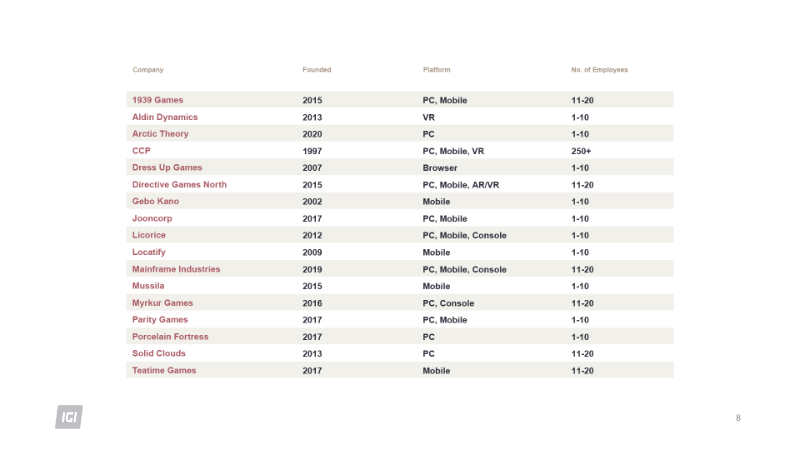
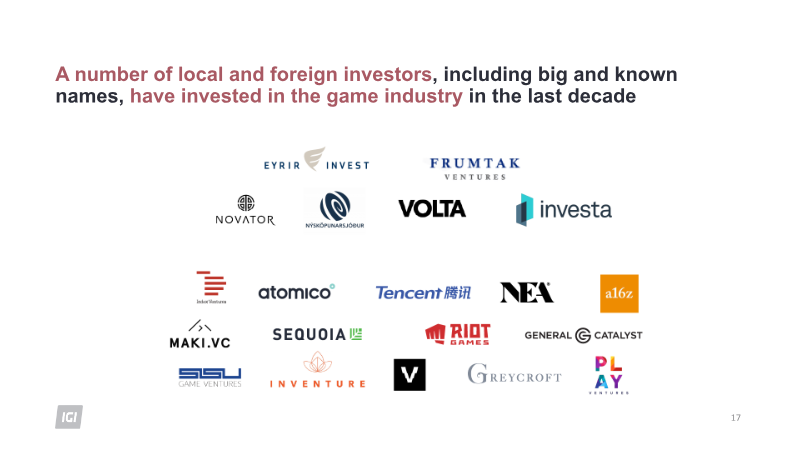
The "State of the Icelandic Game Industry 2019" report, produced by Northstack and the Icelandic Game Industry (IGI) association, provides an overview of the Icelandic game development sector, highlighting its current status, key performance indicators, and future growth scenarios.
- The Icelandic game industry is highly export-oriented, with over 95% of its total revenue generated from international markets.
- As of 2019, the sector consisted of 17 active companies employing 345 people and generating approximately 8.3 billion ISK (61 million USD) in annual revenue.
- The industry's growth potential by 2030 ranges from a status quo of 9.6 billion ISK in revenue to an optimistic scenario of 72 billion ISK and 1,200 employees.

Nexon’s CEO on Leaving a Legacy, Fostering Talent, & AI in Games
The gaming industry currently faces a critical inflection point characterized by an inversion of Moore’s Law, where ballooning development costs and bloated team sizes have paradoxically led to stagnant creative output and declining player satisfaction.
- The gaming industry is experiencing an inversion of Moore’s Law, where rising development costs and bloated team sizes are resulting in stagnant creative output and lower player satisfaction.
- To achieve sustainable AAA-quality production, companies must pivot to 'deflationary innovation' by using AI and proprietary software to automate labor-intensive tasks rather than increasing headcount.
- Embark Studios serves as a model for this shift, successfully producing high-fidelity titles with a lean team of only 75 developers by prioritizing custom backend infrastructure.
Belgian Games Industry: Facts & Figures 2021
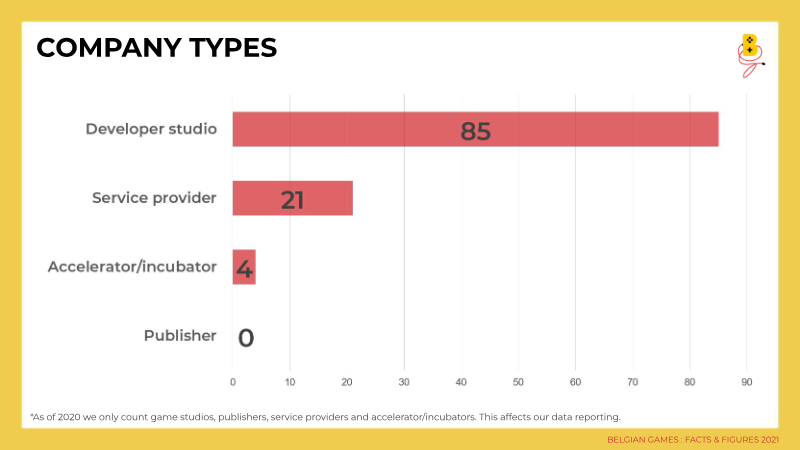
The Belgian Games Industry: Facts & Figures 2021 provides an overview of the Belgian video game sector's performance and characteristics in 2021.
- The Belgian games industry generated €88 million in turnover in 2021, representing an 8% year-over-year increase.
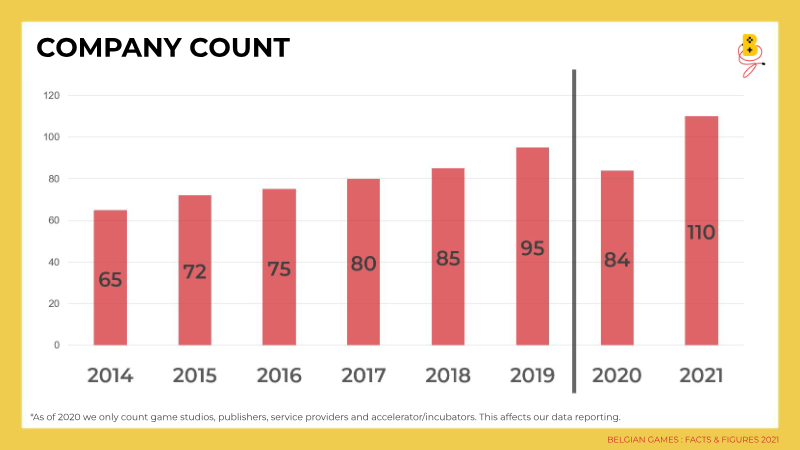
- The number of active industry entities grew to 110 in 2021, up from 84 in 2020.
- Full-time equivalent employment in the sector rose to 935 positions, an increase from 825 in the previous year.
Czech Gaming Industry: 2022
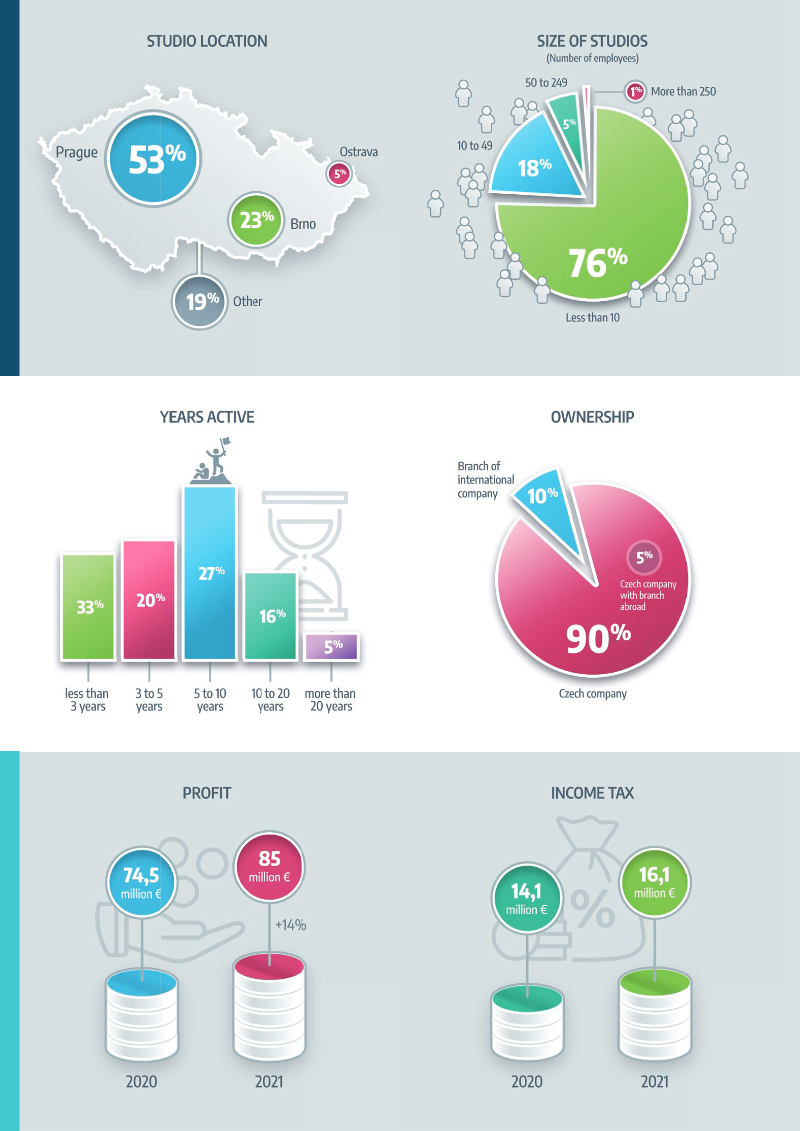
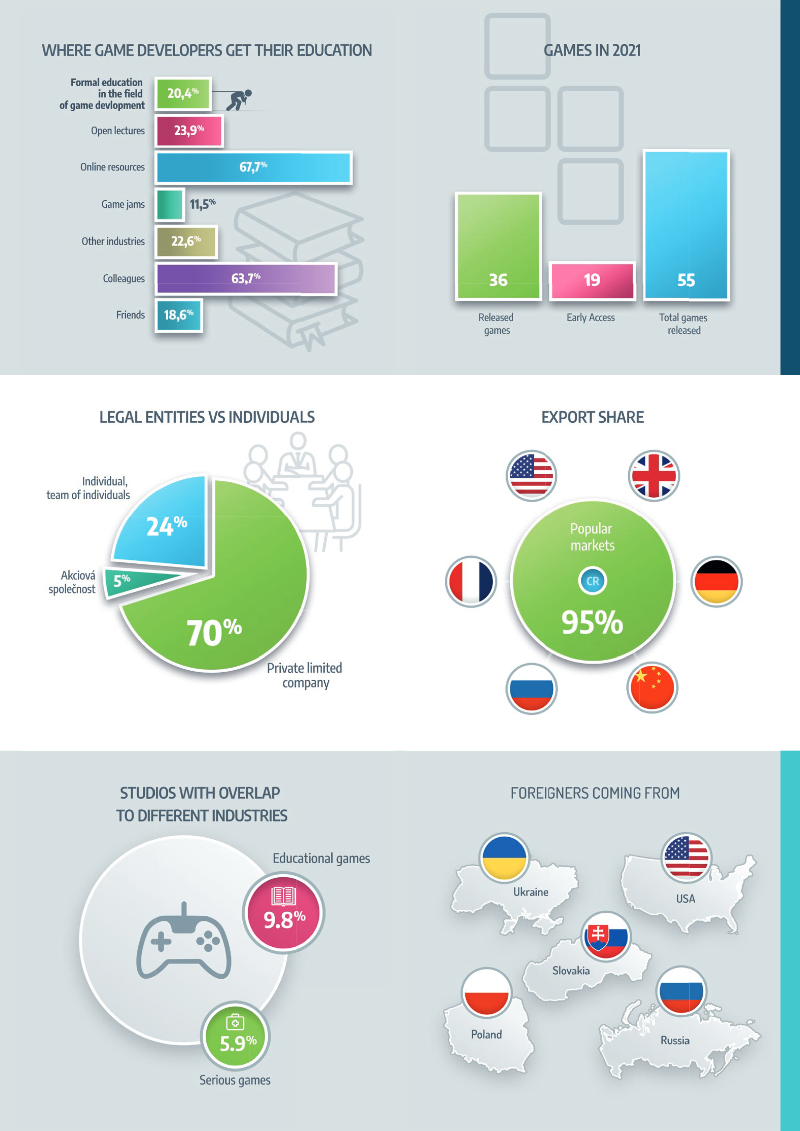
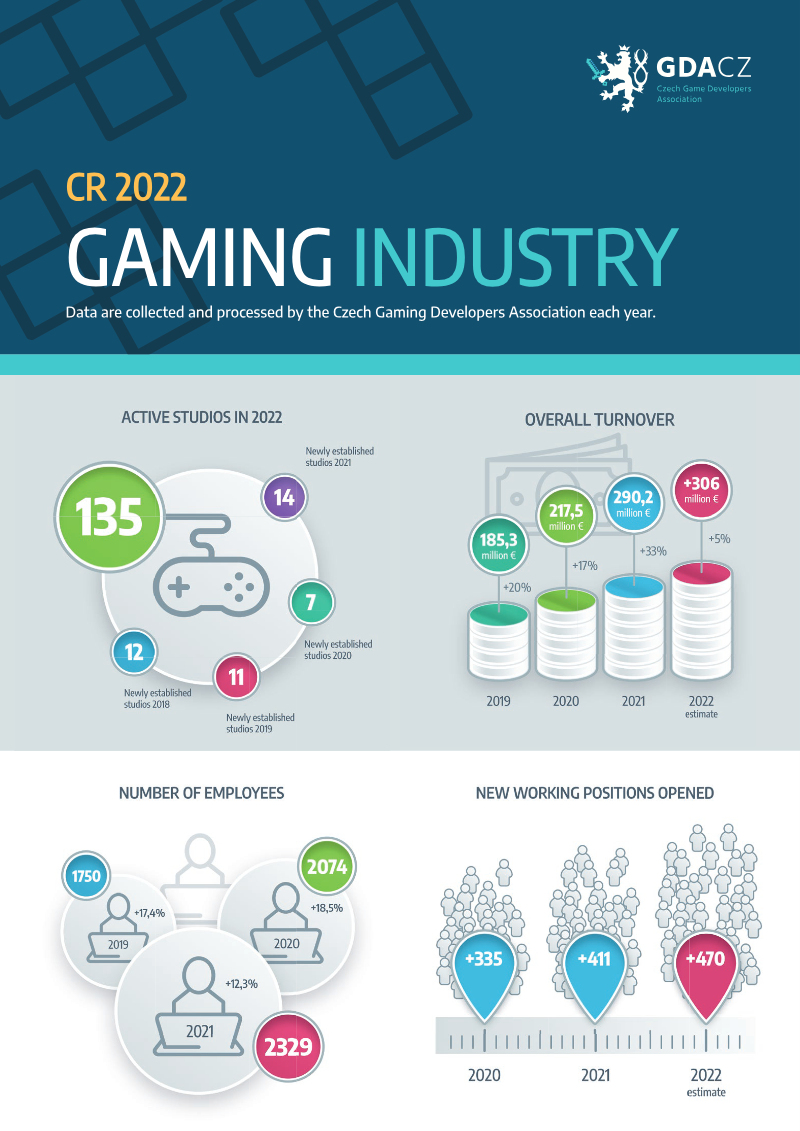
The Czech Gaming Industry 2022 report provides an overview of the Czech game development sector, highlighting its growth, economic contributions, and demographic characteristics.
- The Czech gaming industry generated 290.2 million euros in revenue in 2022, marking a 33 percent year-over-year increase.
- The sector expanded to 135 active studios and 2,329 total employees, representing a 12.3 percent growth in the workforce with 470 new positions created.
- The industry is highly export-oriented, with 95 percent of its total revenue derived from international markets.
7 Days Of Indie Game Dev - Devlog
This account details a seven-day development sprint focused on refining the visual aesthetic of an indie first-person shooter, Twisted Tower, to align with publisher expectations.
- The developer successfully completed a seven-day sprint to overhaul the visual aesthetic of the first-person shooter 'Twisted Tower' to meet publisher quality standards.
- Publisher 3D Realms approved the visual redesign, which successfully blended a 1930s industrial tone with whimsical, fairy-tale elements.
- The project prioritized efficient asset management by sourcing low-poly models from external marketplaces rather than creating original 3D assets.
ChatGPT for Indie Game Developers: Do's and Don’ts
The primary objective of this discussion is to provide indie game developers with a practical framework for integrating AI tools, specifically ChatGPT-4, into the mobile game development lifecycle.
- ChatGPT-4 functions as an efficient assistant for coding, debugging, and asset generation, but it cannot autonomously build a complete game from scratch.
- Effective AI implementation requires a modular approach to complex tasks, as long-form conversations with the model can lead to hallucinations or decreased accuracy.
- Success depends on precise prompt engineering that provides the AI with specific context, such as file structures and error logs, rather than vague requests.

AI NPCs in Gaming with Inworld AI ft. Travis Boatman, Carbonated
The integration of conversational artificial intelligence into game development marks a fundamental shift from rigid, scripted dialogue trees toward the creation of living, emergent worlds.
- Conversational AI is shifting game design from rigid, scripted dialogue trees to emergent, dynamic narratives driven by large language models that manage character memory and emotional states.
- The integration of AI NPCs reduces production bottlenecks by eliminating the need for developers to manually map every potential dialogue outcome.
- Developers are adopting specialized, low-latency infrastructure providers to manage the technical complexities of machine learning while maintaining economic viability.
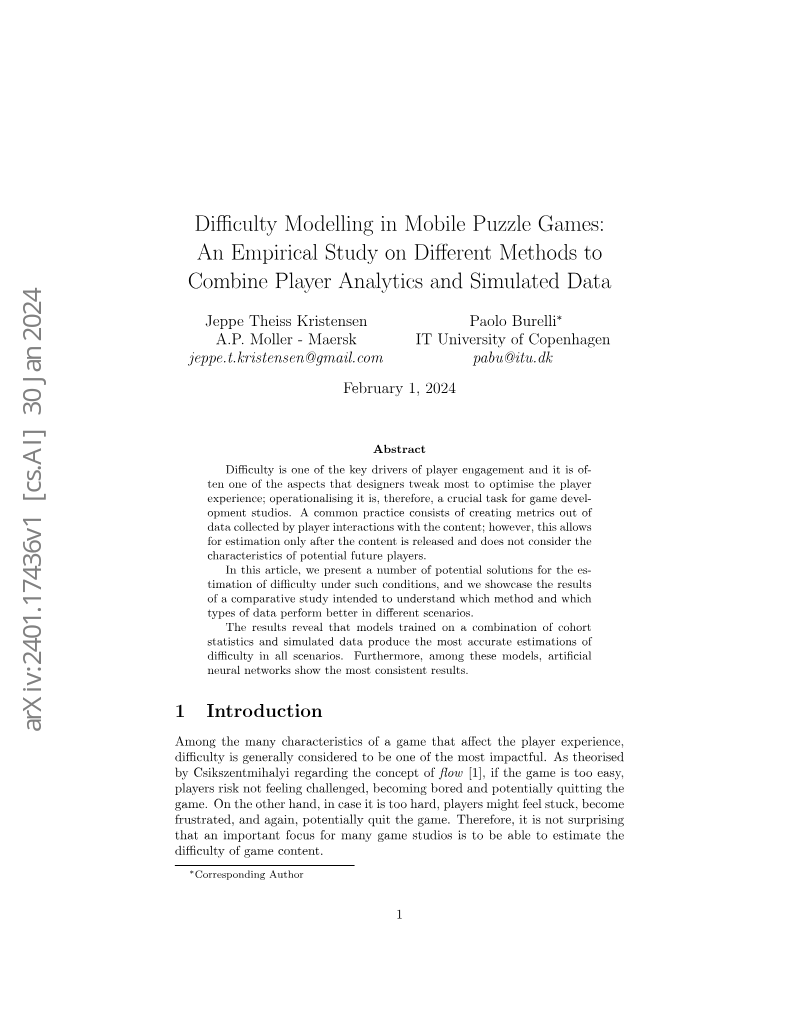
Difficulty Modelling in Mobile Puzzle Games: An Empirical Study on Different Methods to Combine Player Analytics and Simulated Data
The paper, by Jeppe Theiss Kristensen of A.P.
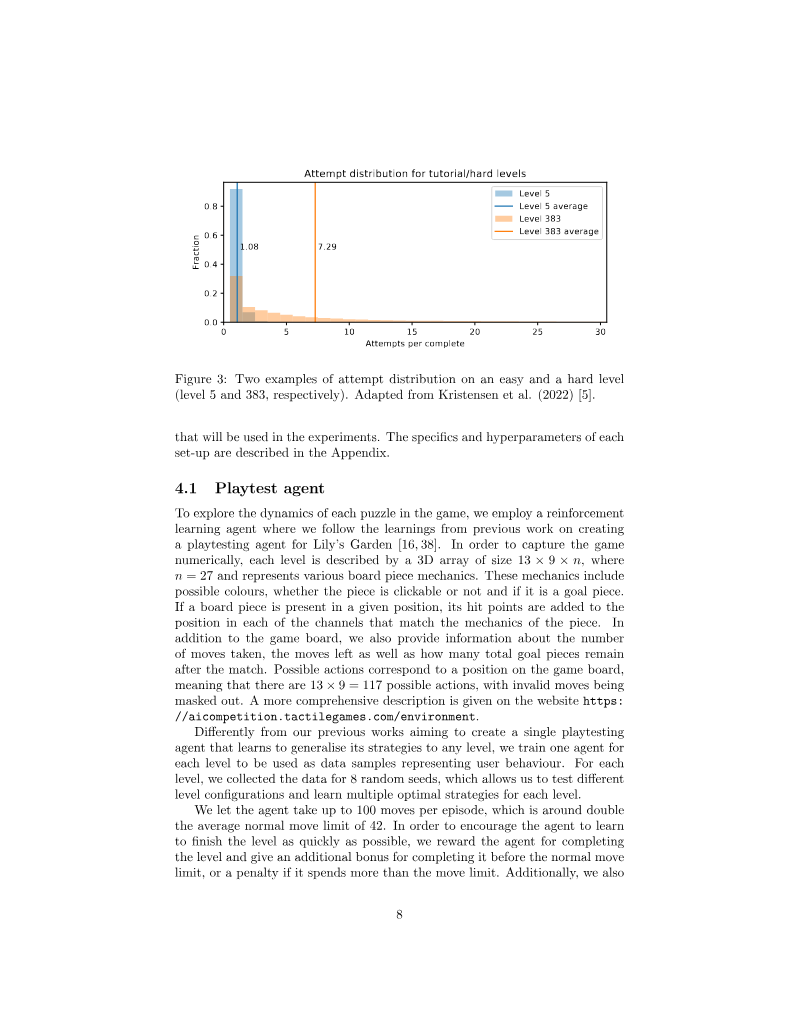
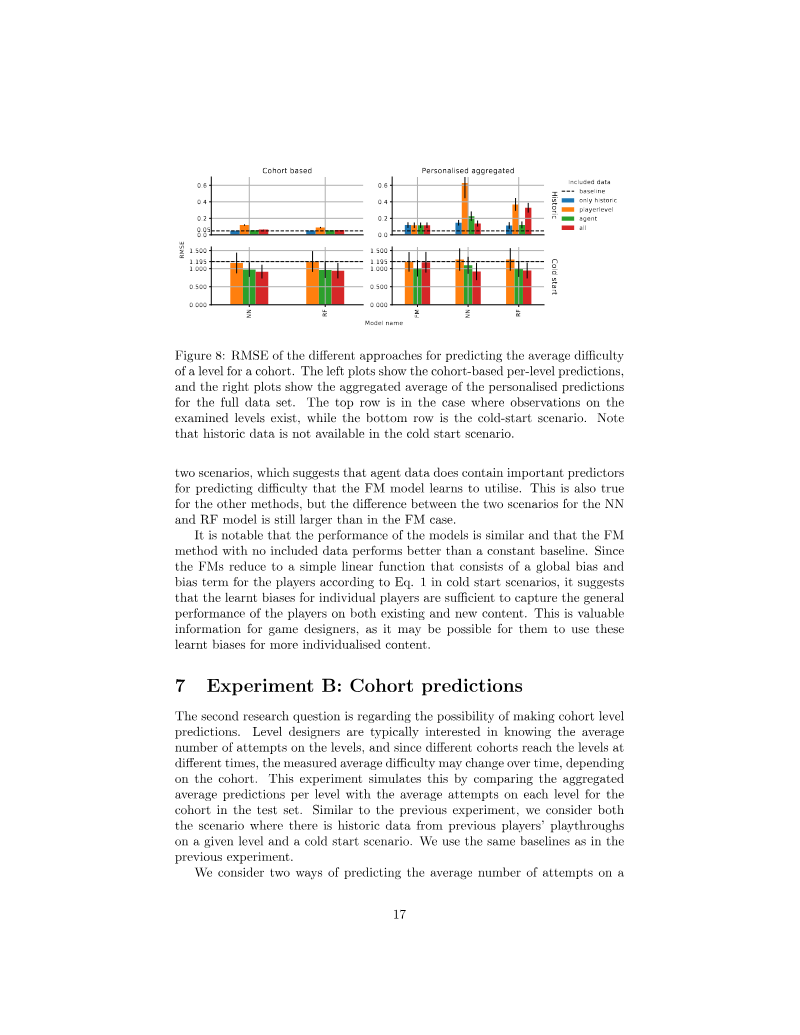
- Models trained on a combination of cohort statistics and simulated data produced the most accurate difficulty estimates across all scenarios, and neural networks were the most consistent among them.
- The study uses average attempts per completion as its difficulty measure, and the difficulty across the first 500 levels stabilises at around 3.2 attempts per complete after the first 100 levels.
- For personalised predictions on levels with historic data, factorisation machines using player and level data performed best, while the random forest performed worse than all other methods.

The Mathematical Game
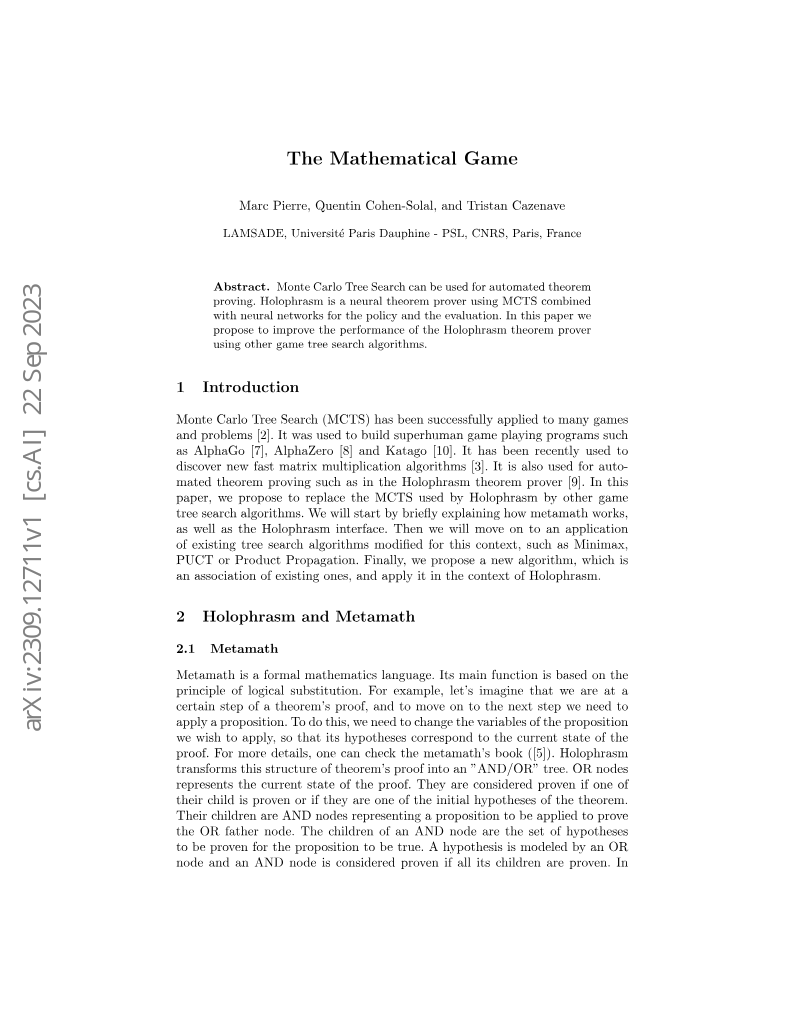
This analysis evaluates the performance of various game tree search algorithms applied to automated theorem proving within the Metamath formal language environment.
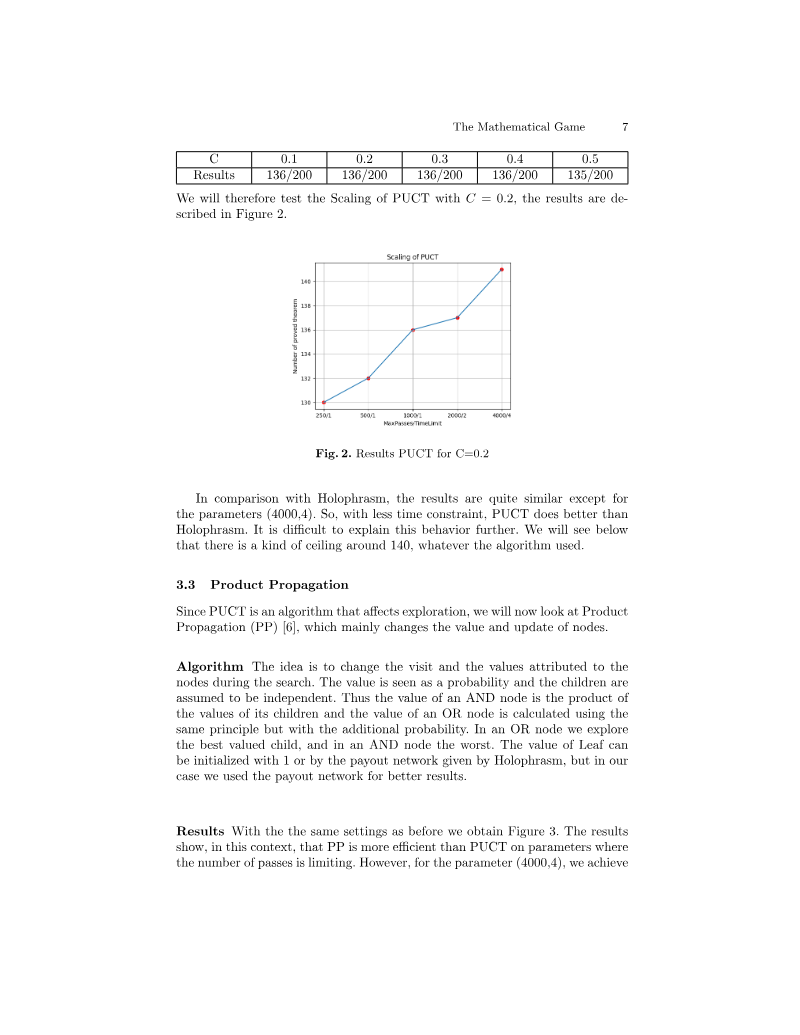
- A hybrid search strategy combining Product Propagation with a modified PUCT bandit function outperformed all other tested methods, solving 144 theorems.
- The hybrid approach successfully surpassed the 141-theorem performance ceiling that had previously limited other search algorithms in the Metamath environment.
- Product Propagation demonstrated superior efficiency for automated theorem proving, particularly when operating under strict time constraints.
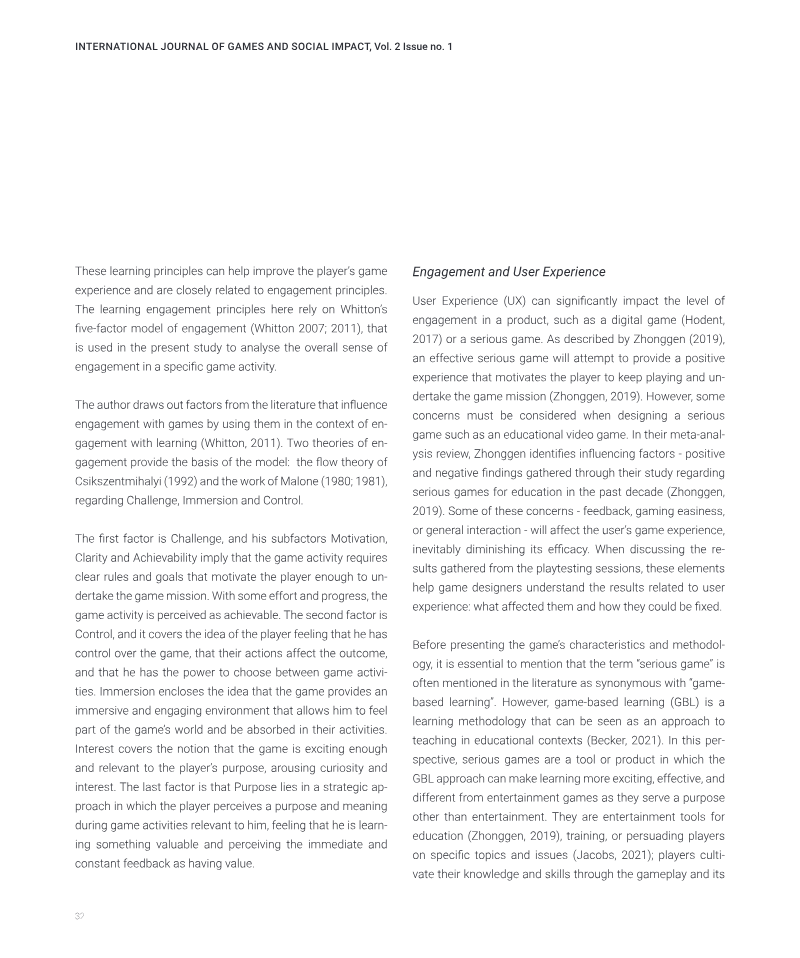

Learning Engagement in a Pre-Alpha Version of an Educational Game: Evaluation and Proposed Solutions
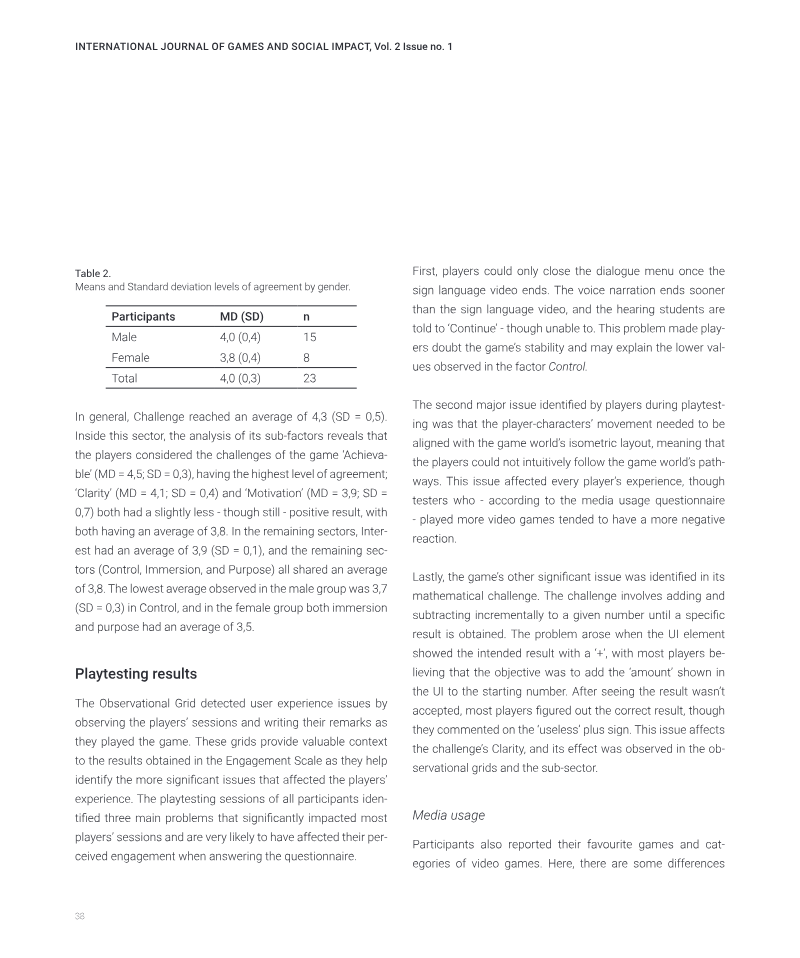
The playtest involved 23 hearing students (15 boys and eight girls) in 2nd to 12th grade, with a mean age of 13.7.
- Students rated the overall engagement of the pre-alpha prototype as moderate, with a mean of 4,0 (SD = 0,3) on the five-point scale.
- Most students agreed the prototype was challenging, with 49,3% strongly agreeing and 34,8% agreeing.
- Nearly one-quarter of students perceived the game activity as not immersive, according to the abstract.

Better Futures with Games and Immersive Media: Self-Evaluation Report 2018-2023
Breda University of Applied Sciences' Academy for AI, Games and Media (AGM) R&D unit, known as R&D@AGM, has produced a self-evaluation report covering 1 January 2018 to 31 December 2023, prepared for an external evaluation panel with a site visit on April 4, 2024.
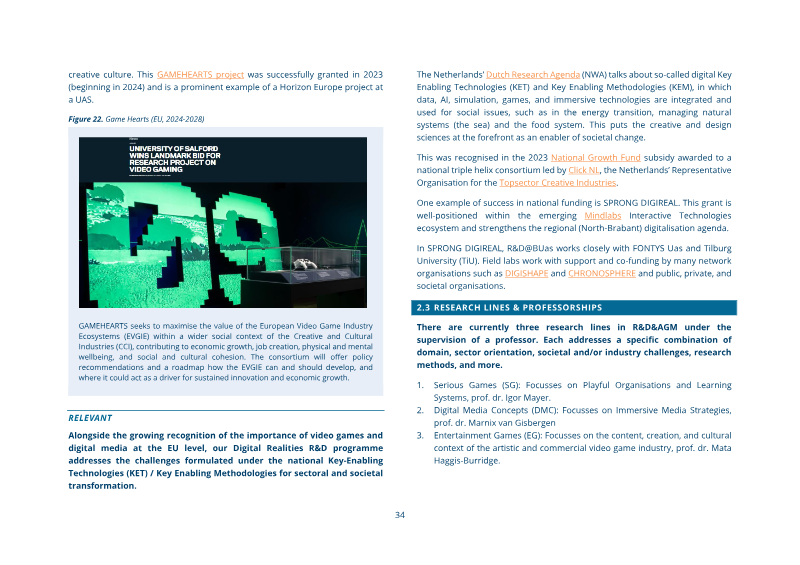
- The unit collaborated with 229 unique partners between 2018 and 2023, with 41% in the Netherlands, 29% in Europe other than the Netherlands, and 5% outside Europe.
- Between 2018 and 2023 the unit published more than 40 peer-reviewed academic journal articles, 30 papers in peer-reviewed conference proceedings, and 50 edited books and book chapters.
- External R&D funding reached a net value of €1m annually in 2022 and 2023, after a drop during the relocation and pandemic years.
White Paper on Spanish Video Game Development 2024: Executive Summary
DEV, the Spanish Association of Video Games and Entertainment Software Producers and Development Companies, publishes the eleventh edition of its White Paper on Spanish Video Game Development, based on an exhaustive survey of Spanish development studios carried out during 2024.
- The survey counts 815 studios actively developing video games in Spain, of which 495 are established as companies.
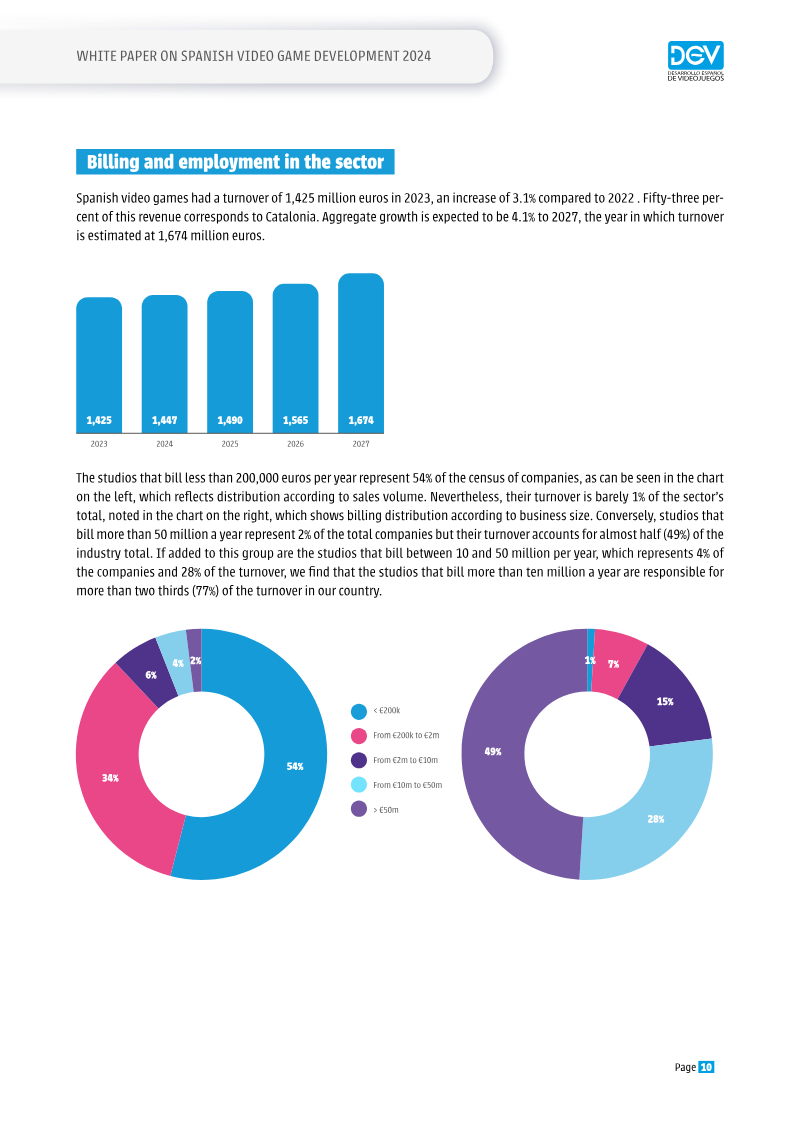
- Spanish video games had a turnover of 1,425 million euros in 2023, an increase of 3.1% compared to 2022.
- Female employment in the sector stands at 26%, while women make up 50.4% of gamers.
Writers
Games and companies
Games