Finland reports and market data
Documents
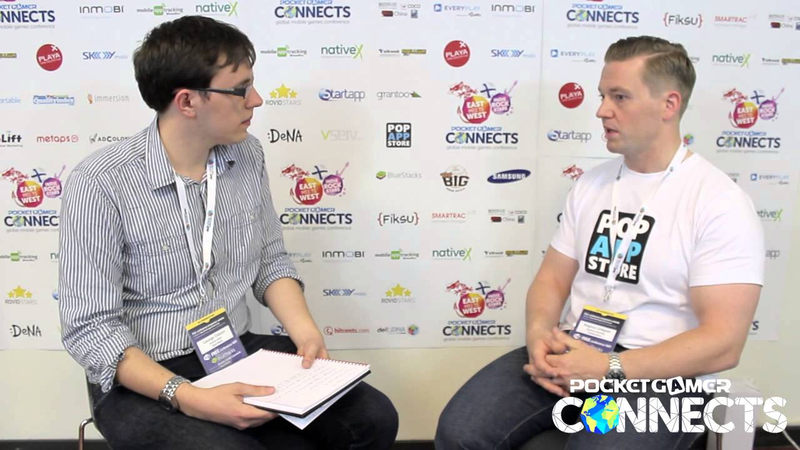
PopAppStore's Magnus Lindgren on merchandising your mobile game
Mobile game merchandising serves as a strategic tool for developers to extend brand engagement and foster deeper connections with their player base.
- Mobile game merchandising functions as a strategic tool to extend game lifecycles and deepen player engagement rather than serving solely as a revenue stream.
- Developers can implement browser-based storefronts directly within the game interface to sell physical goods like apparel, phone covers, and figurines.
- The operational model utilizes a simple in-game icon to redirect users to a curated store that manages global logistics and fulfillment.
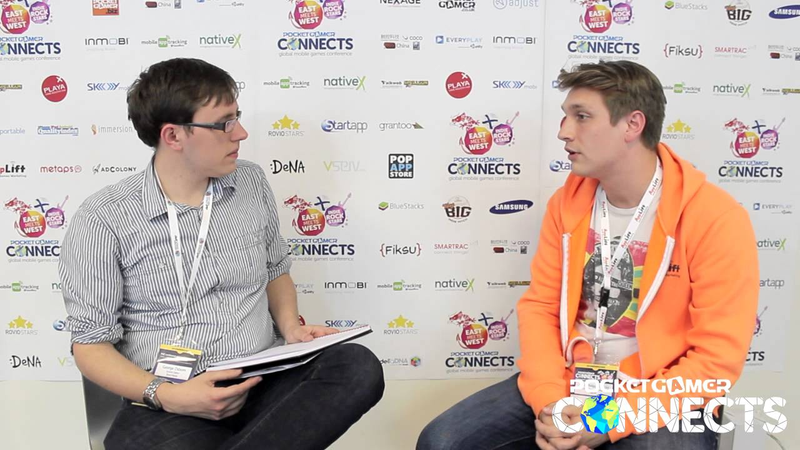
AppLift's Jean Phillipe-Decka on getting high value users
Mobile game marketing currently centers on the critical challenge of acquiring high-value users rather than simply increasing download volume.
- Only four percent of mobile game players typically engage in in-app purchases, making the acquisition of high-value users a critical priority over simple download volume.
- Apple’s evolving policies on attribution and tracking are creating a restrictive environment that threatens traditional third-party tracking services and established acquisition models.
- The industry is shifting away from a reliance on incentivized traffic toward more sustainable, multi-channel marketing strategies that prioritize long-term user retention.
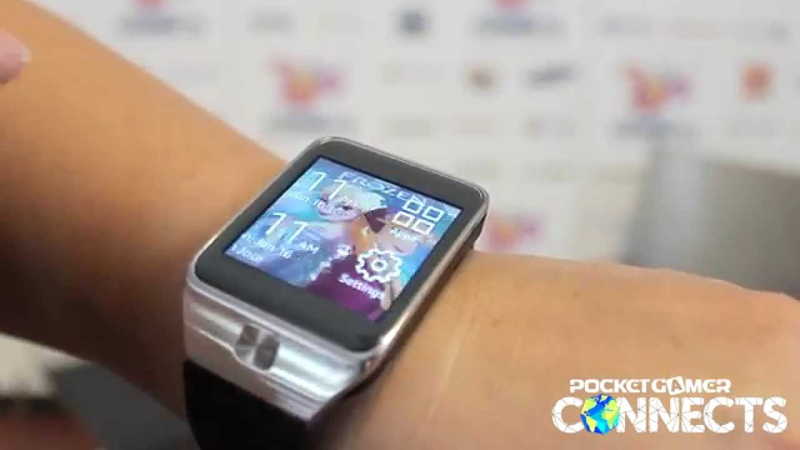
Samsung's Suzanne Nguyen talks the potential of wearables
Wearable technology represents the next major frontier in mobile innovation, shifting the focus from handheld devices to integrated, always-on connectivity.
- Samsung is incentivizing wearable software development through the 'Samsung Gear App Challenge,' which offers a total prize pool of 1.25 million dollars for 200 winners.
- The 2014 strategic vision focuses on the Internet of Things, aiming to integrate mobile and wearable devices into a multi-screen ecosystem that communicates directly with smart appliances and televisions.
- Wearable technology is positioned as the next frontier in mobile innovation, designed to shift user interaction away from handheld devices toward always-on, frictionless connectivity.
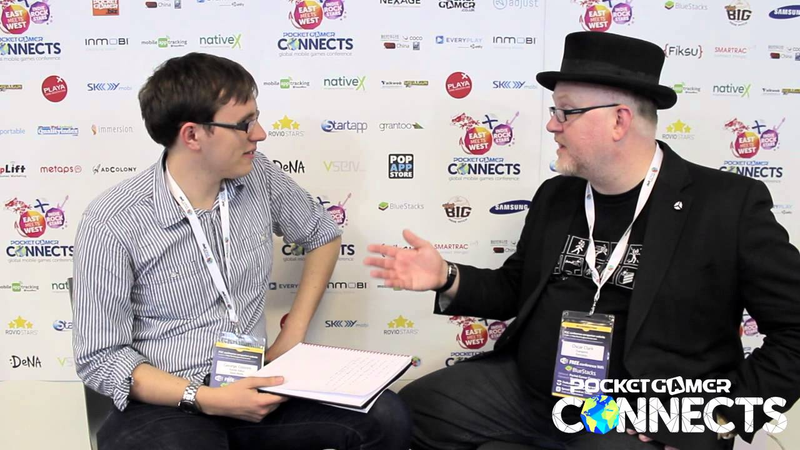
Oscar Clark on the potential of Games-as-a-Service
Games-as-a-Service represents a fundamental shift in game development, moving away from a fire-and-forget mentality toward a model defined by long-term player engagement and relationship building.
- Games-as-a-Service shifts development from a 'fire-and-forget' model to a long-term strategy focused on continuous player engagement and relationship building.
- Rising user acquisition costs in mobile gaming, now reaching approximately six dollars per install, make player retention economically essential for a title's viability.
- Successful titles such as Candy Crush, Clash of Clans, and Hay Day prove that consistent delivery of utility and value over time encourages sustained player investment.
Grand Cru on making Supernauts (twice)
The development of the mobile title Supernauts represents a significant investment in creative iteration, spanning a three-year production cycle.
- Grand Cru committed to a three-year production cycle for the mobile title Supernauts, which included a radical decision to discard the entire first year of development and restart from scratch.
- The development team prioritized iterative quality and long-term brand identity over external industry pressure to replicate the success of other major Finnish mobile gaming studios.
- The game’s core concept blends ecological themes with sandbox-style construction, centered on a narrative of rescuing citizens from a drowning Earth to relocate them to space.
Frogmind's Teemu Maki-Patola on promoting the Badland brand
The success of the mobile title Badland serves as a case study for the challenges and strategic pivots facing independent game developers in the mid-2010s.
- The shift from premium to free-to-play models is driven by the need for scale, evidenced by Badland achieving 7.5 million downloads in one week when featured as a free app during Apple's fifth-anniversary promotion.
- Premium mobile games face declining long-term revenue potential, even for titles that reach the top 30 rankings.
- Transitioning a premium game to a free-to-play model requires significant development effort and risks compromising the integrity of a cohesive, non-consumable design.
Rovio Stars' Matthew Wilson on sourcing great games to publish
Rovio Stars operates as a selective publishing label focused on identifying and scaling high-potential mobile titles.
- Rovio Stars limits its publishing portfolio to 5–10 titles per year to provide intensive support for refining game economies, monetization, and viral mechanics.
- The label leverages a massive distribution network of over 200 million monthly active users to help partner developers scale their titles.
- A primary selection criterion for potential partners is the ability to create a 'universe pivot,' where a game's concept can easily expand into animations and merchandise.
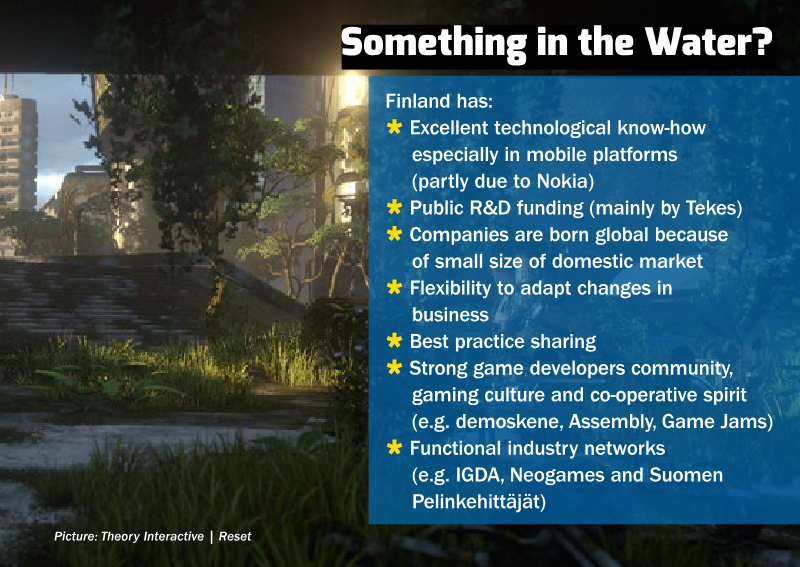
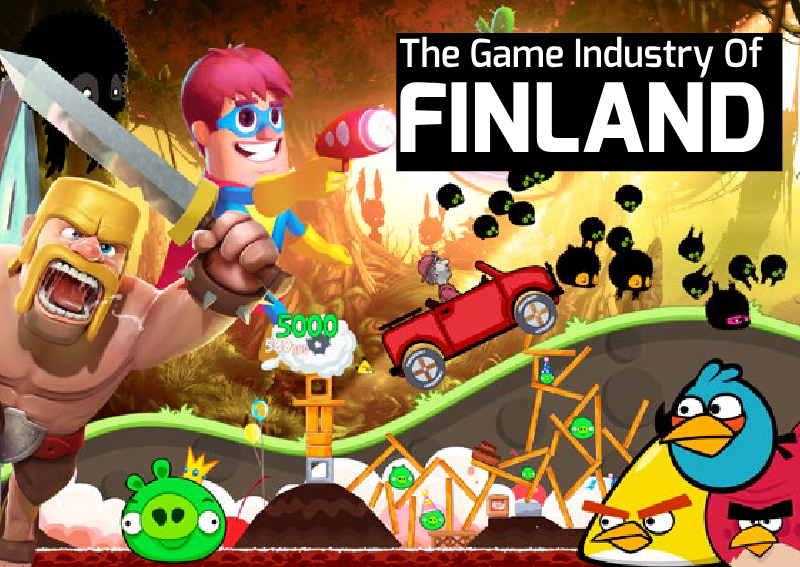
The Game Industry of Finland: 2014
The Finnish game industry underwent a period of extraordinary expansion between 2008 and 2013, transforming into a cornerstone of the national economy.
- Between 2008 and 2013, the Finnish game industry's core development revenue grew from €87 million to an estimated €900 million, with a total economic impact exceeding €2 billion.
- Finland has established itself as a premier global hub for mobile game development, characterized by a highly scalable digital product ecosystem and a focus on high-growth export markets.
- The industry is supported by a network of over 200 companies, including major international players such as Rovio and Remedy alongside a robust community of independent studios.
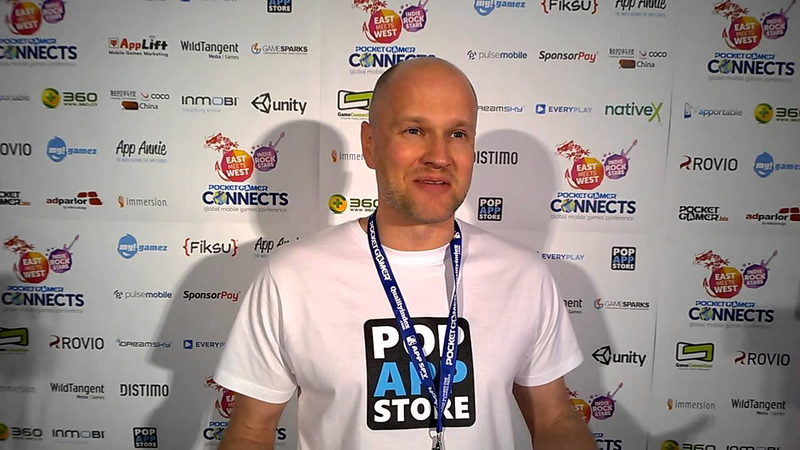
It's a good time to launch a game merchandising webstore says PopAppStore
The mobile gaming industry is increasingly recognizing the value of physical merchandise as a critical component of brand extension and revenue diversification.
- Mobile gaming companies are increasingly launching dedicated webstores to diversify revenue beyond traditional in-app purchases and advertising.
- PopAppStore has set a growth target to launch 50 individual fan shops for gaming partners during the 2014 calendar year.
- To support global operations, the company is establishing distribution centers across North America, Europe, and Asia.
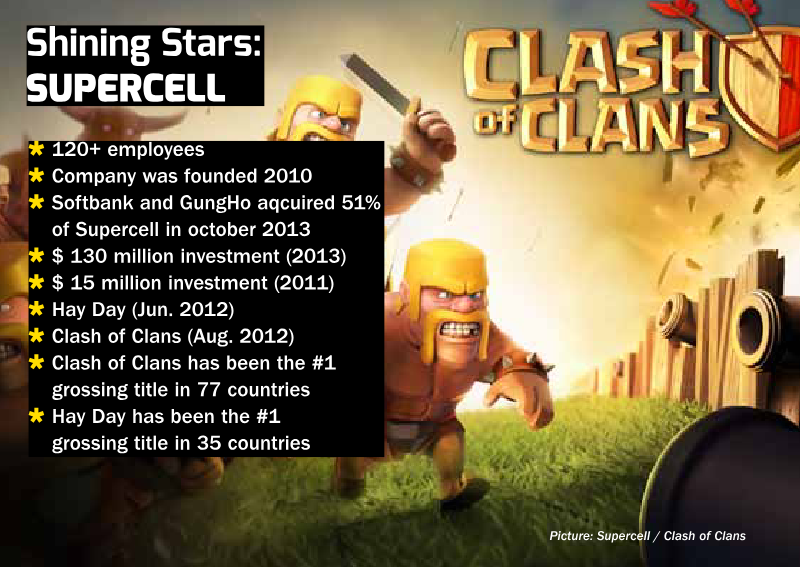
The Game Industry of Finland: 2013
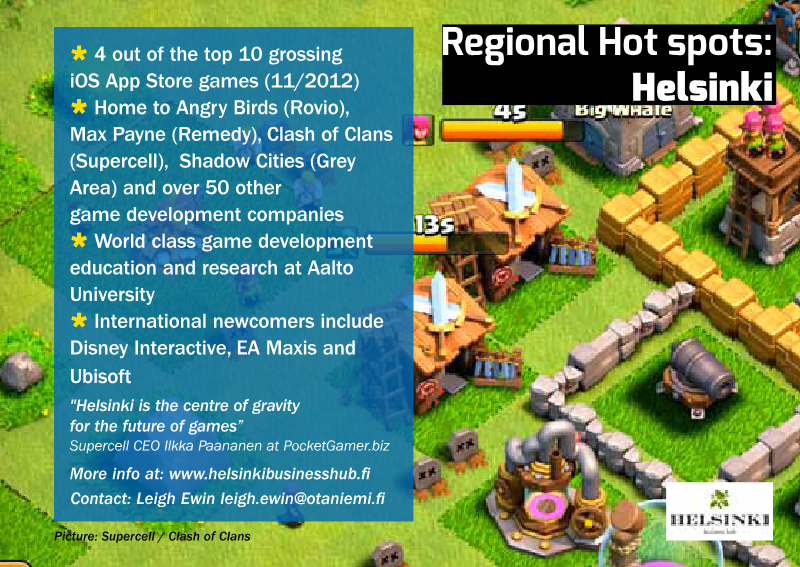
The Finnish game industry experienced a period of rapid expansion between 2009 and 2013, establishing itself as a significant global player.
- The Finnish game industry experienced explosive financial growth, with core turnover rising from 87 million euros in 2009 to an estimated 800 million euros in 2013.
- The sector achieved a compound annual growth rate of 39.5% between 2004 and 2013, significantly outperforming the global game market.
- By the end of 2013, the industry comprised over 180 companies, with more than 50% of these entities founded within the previous two years.
Nordic Game Sales 2013: Retail & Digital
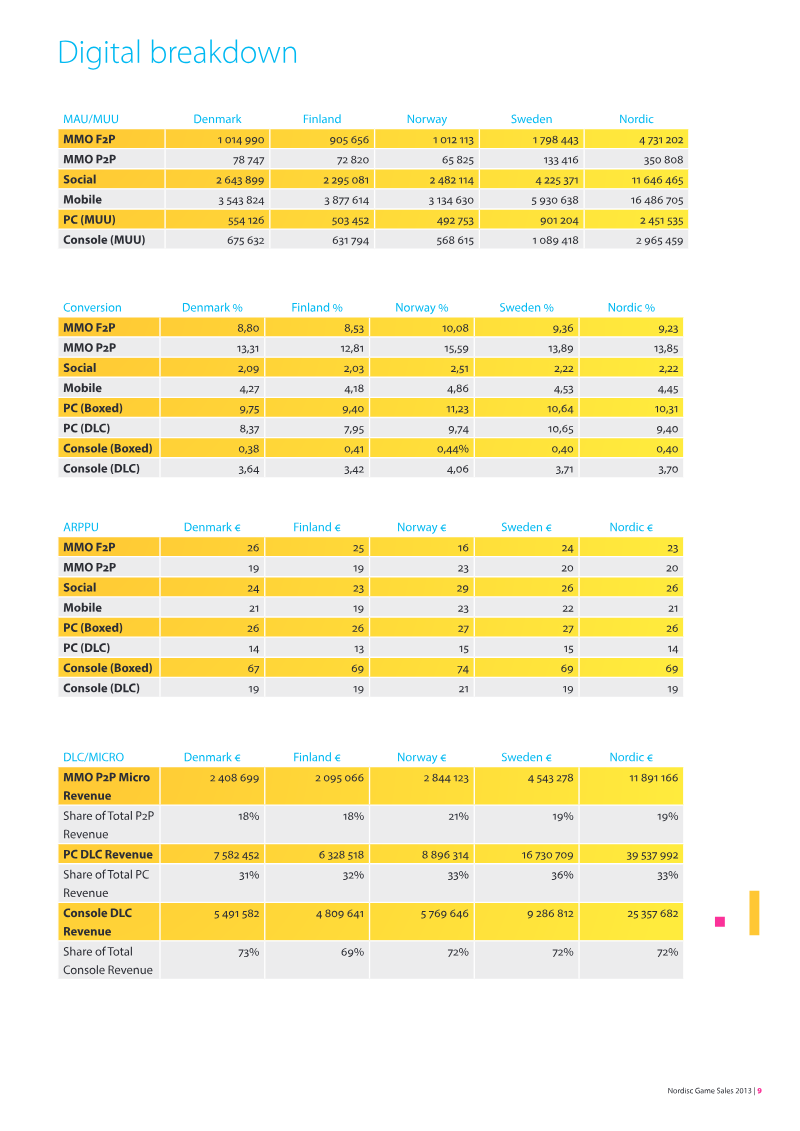
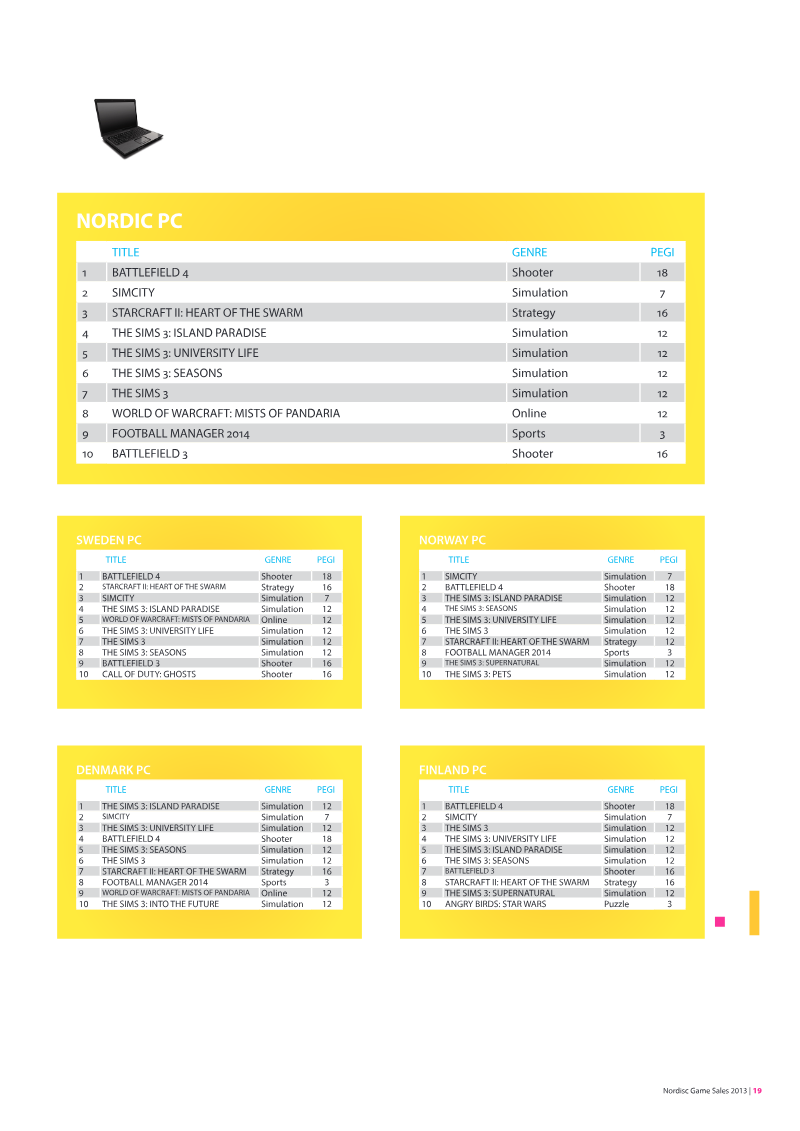
The Nordic gaming market underwent a significant structural transformation in 2013, characterized by a pivotal shift from traditional physical retail toward digital distribution.
- The Nordic gaming market reached a total value of nearly one billion euro in 2013, driven by a structural shift from physical retail to digital distribution.
- The PlayStation 3 dominated the hardware market with a 46.91% share of total value, while the PlayStation 4 launch was constrained by supply issues.
- Action titles were the most popular genre, capturing approximately 30% of total sales, followed by Shooters at 12% and Sports games at 11%.

My first call at Rovio was to NASA says marketing director Marja Konttinen
Marketing strategy for a globally recognized intellectual property like Angry Birds requires a hybrid approach that balances internal business development with high-profile external partnerships.
- Rovio’s marketing strategy for Angry Birds prioritizes unconventional, high-profile external partnerships over traditional advertising to reach demographics outside the core gaming community.
- The partnership with NASA for Angry Birds Space serves as the primary model for integrating non-gaming entities into interactive entertainment to differentiate the brand from competitors.
- Marketing at Rovio functions as a hybrid of account management and creative business development, focusing on securing partnerships that provide mutual value.