1 free read left. Create a free account for unlimited reading + AI research.
Create free account
Frogmind's Teemu Maki-Patola on promoting the Badland brand
Key insights
6 takeaways- 01The shift from premium to free-to-play models is driven by the need for scale, evidenced by Badland achieving 7.5 million downloads in one week when featured as a free app during Apple's fifth-anniversary promotion.
- 02The Android ecosystem offers a limited market for premium titles, forcing developers to prioritize free-to-play models to achieve sustainable revenue and broader user reach.
- 03Premium mobile games face declining long-term revenue potential, even for titles that reach the top 30 rankings.
- 04Transitioning a premium game to a free-to-play model requires significant development effort and risks compromising the integrity of a cohesive, non-consumable design.
- 05Independent developers face a binary choice between the high-risk, feature-dependent premium model and the high-cost, competitive landscape of free-to-play user acquisition.
- 06For small, independent teams, the premium model remains a viable strategy only if the product maintains exceptional quality and secures critical platform support.
Ask AI about this video
Transcript
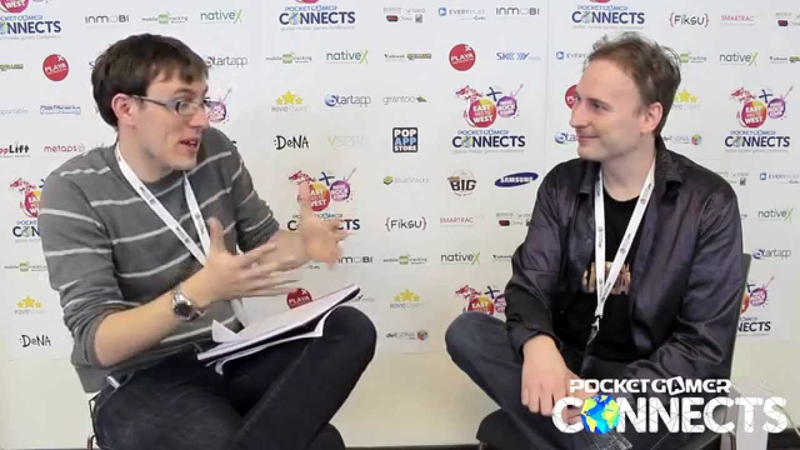
so I'm T makatala and I I'm I'm working on the Business site and and and marketing as well of of frogmind Co of frogmind okay so how long have you been working with frogmind for about a year about a year so it's been since the success of Badland of course which has been well it was actually slightly after the success slightly after the success so why why did you come in into frog M what was what was it that the guys because I played the game you played the game so you're a keing fan of the game is that how you got that job well I was in the position of like trying to get away from my previous place okay and and and I played the game and I I watched the launch and I thought like I this is like this is pretty much genius design so those might be must be good guys yeah and and they were I mean at that point obviously they're famous for being the Twan team who went off and create this really successful game I mean when you
going over in peachton and saying you know come on hire me what were you what were your aims what were your what's your mission I guess in in the Frog mind company what you trying to do with the Badland brand are you trying to build it or well my kind of Interest was to just spread it as as wide as possible and get it to as many hands as possible because I think I mean it's a product that can be really enjoyed I enjoyed it much so I mean I was kind of in that way wanted to share that experience to as many people as possible yeah and one one way that you really did share that experience with as many people as possible I'm not sure how involved you were in this was when you managed to get the app as the free app the week I think during the fifth year celebration of the App Store so I mean it's an interesting point because the game had been doing really well as a paid app but then in the course of a week it maned to get about 7 and a half million downloads just as a result of this feature I mean what did that teach you and the company about the differences between the paid model and the free model did you learn anything from that feature well obviously
quite strongly what what kind of markets you can like how many users you can get with the free free model uh also kind of of course inspired us to think about how to go to the Android side but I mean the game was really very premium by Design we didn't want to actually start making like consumables and and really change the game play but then like but Android and premium Market on Android side is is really really tiny tiny yeah so we I mean like rather just uh expand the TR to millions of people then exactly well I I like the way that you said Android side a bit like dark side from Star Wars I don't know if it was intended but I laughed myself when I heard it but being more serious as well you've obviously seen that success and as you said I think it was probably the right thing is that when you have a premium game trying to transition it to a a free toplay model
it's not necessarily going to work because the way that someone's built it up is to make it premium experience and somebody chucking things in and out and work it would be a lot of work to actually do it like the proper way exactly so but does that mean that in the future you're thinking more about free to play are you thinking about going in that direction well um H how to put that well obviously kind of like if you look at for instance how much money being top paid uh let's say say like in in top top 30 paid game like year after year and it's been going down see if there is a trend for that and I mean pretty much batland uh did as well as a premium game can do which was well I mean it's like it's it's it's well but it's it's it's not like the freeo playay market so we are interested of that but we haven't really figured out yet like in what way we would be going there yeah so it's it's
it's an interesting discussion because there's plenty of these developers out there who perhaps started on pay I mean Rio is a good example they've started paid and they've had to move now towards this free to-play model A as a kind of final little question do you see this is going to continue to be a trend and if so what maybe would be the advice of a company who succeeded in premium and is maybe considering that change of heart would you give to developers perhaps watching this video who are going which model should I go for well I mean premium model pretty much requires you to get Focus From the platform holders so I mean if if you go premium and you don't get featured then that's really difficult position to be in and you never get guarantees of getting feature so I mean it's it's a risky business but then again if you go to the premium freet to play like proper freet to play side there are lots of big big Giants walking on that field and I
mean user acquisition costs are if you would need to use paid user acquisition then you need pretty big uh War just for that yeah I like that you're keeping your cards close to your chest just of giving these options that people could pursue but saying hey here's the caveats as well but if you are like two guys yeah I would still probably you still go for I I would yeah I would probably say that maybe the chances are better on the PID side okay but it of course like comes from making a really good high quality product okay well thanks very much for joining us and thanks for giving us one those little pieces of advice it's going to be really interesting to see what direction frog might take in the future yeah thanks for having us
Summary
The success of the mobile title Badland serves as a case study for the challenges and strategic pivots facing independent game developers in the mid-2010s. Following its initial release as a premium product, the game achieved significant reach when it was featured as a free app during the Apple App Store’s fifth-anniversary celebration, resulting in 7.5 million downloads in a single week. This event provided critical data regarding user acquisition potential, demonstrating that while the premium model can achieve high visibility through platform features, the free-to-play market offers a vastly larger scale of engagement.
The transition from a premium to a free-to-play model presents significant design hurdles, particularly for games built around a cohesive, non-consumable experience. Modifying a premium title to incorporate monetization mechanics requires substantial development effort and risks compromising the original design integrity. Furthermore, the Android ecosystem presents a limited market for premium titles, forcing developers to weigh the benefits of broad user reach against the necessity of sustainable revenue streams.
Industry trends indicate a decline in the long-term revenue potential for premium games, even those within the top 30 rankings. Developers are increasingly forced to choose between the high-risk, feature-dependent nature of the premium model and the high-cost, competitive landscape of free-to-play user acquisition. For small, independent teams, the premium model remains a viable, albeit risky, path, provided the product maintains exceptional quality. Ultimately, the decision between these models hinges on a developer’s ability to secure platform support and their capacity to navigate the intense competition inherent in the mobile gaming market.