1 free read left. Create a free account for unlimited reading + AI research.
Create free account
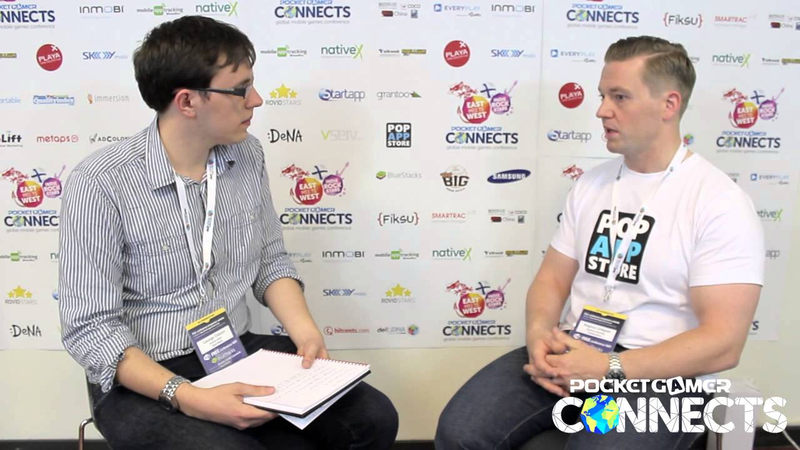
PopAppStore's Magnus Lindgren on merchandising your mobile game
Key insights
6 takeaways- 01Developers can implement browser-based storefronts directly within the game interface to sell physical goods like apparel, phone covers, and figurines.
- 02The operational model utilizes a simple in-game icon to redirect users to a curated store that manages global logistics and fulfillment.
- 03Mobile game merchandising functions as a strategic tool to extend game lifecycles and deepen player engagement rather than serving solely as a revenue stream.
- 04Merchandising success is not universal and is best suited for games with strong, recognizable brands that foster a desire for physical ownership.
- 05Casual mobile titles often struggle to convert players into physical merchandise consumers, requiring developers to be selective about which games receive dedicated storefronts.
- 06The Finnish gaming industry is increasingly prioritizing brand licensing and proactive IP development to achieve global scale and long-term sustainability.
Ask AI about this video
Transcript
and what we do is we provide fan merchandise stores to gaming companies and the Publishers okay that's that's really interesting how did you how did you get into this why did you decide that mobile games perhaps needed to move into something like merchandising um we have a background in in promotional items we've been doing promotional items for being corporations stuff like t-shirts lanyards notebooks tents the likes for corporate marketing purposes since of 1992. so we have a long track record there and we're Finland based we've got several office in Asia I'm also in the US but with the Finnish gaming industry moving there was obviously we had connections also in the gaming industry and through those
discussions did we find the opportunity of also providing the the merchandise side to gaming industry okay so how exactly does pop App Store work how exactly do developers get their merchandising listed you know where abouts whereabouts for example Canada user buy from pop App Store uh the way we work is that if you should be looking at one of the games that we have provided solution to for example Badland and we like to use as a well-known showcase is that in the landing page of the game starting page of the game you would find a small icon with a T-shirt and once you click on that you would go into a browser-based store which continues the same experience of the games it looks like the game feels like a game you more or less stay within the game even if it's a browser-based store provided by us and we find a range of items there that we've selected with with the client and you purchase them by credit card and we
deliver Global okay so why why exactly do developers take this route I mean what is it about merchandising and say the extension of the brand what kind of value does that deliver to a developer I mean obviously they're hoping to make some money but is there more to it than that yeah actually there is because initially we were thinking also about the commercial side but as it turns out it's very much also about giving something back to the the gaming audience and the keeping off the dialogue extending the life cycle of the game so so that's one of the the core assets that not only the financial side but actually building the bridge with the gamers and also obviously gaming companies they like to bring their games to life with physical items through basic t-shirts phone covers or or say plush toys or figurines yeah it's very interesting sector and I'm I'm wondering do you think that this is going to get bigger and bigger do you think that this is going to become one of the large parts of the industry these
attempts to extend the brand further with licensing I've spoken to some Finnish companies some of the newer wave of companies who said they're really committed to building these brands do you think this is going to become a global phenomena um obviously yes because we are investing heavily into this and uh we we sure like to think that this trend will continue but the main challenge for us however is keeping I mean keeping things simple and being realistic is that it's it's not that interesting for all of the games because we're very uh casual games people still like to play the games wherever they go but they might not like to show the Phoenix to the brand through t-shirts mugs whatever so so we we obviously like to find those games that really like to either do it for internal marketing purposes or then uh get get the items out of the big audience yeah well that's really interesting one last one last little question I guess it's just about the finished scene as a whole I mean obviously you've you've tapped into this finished mobile scene I mean
do you have any ideas behind their success story I mean is there anything about the rodeo success perhaps with their licensing that's really inspiring other companies do you think that's something that's really big and important within the industry um I think in general fins are not I mean are really good in say technology and r d but we haven't been as successfully in marketing our solution as for example a typical comparisons with the Suites who are who are overly self-confident in all situations but we need to have more obvious for for our fans to get for students to get our our uh Concepts out there so I think it's definitely helping us yeah well best of luck anyway with it sounds like you're going to try your best to try and create a few more of those rodeos in the industry as a whole but thanks very much for joining us thank you foreign
Summary
Mobile game merchandising serves as a strategic tool for developers to extend brand engagement and foster deeper connections with their player base. By integrating browser-based storefronts directly into the game interface, developers can offer physical goods—such as apparel, phone covers, and figurines—that maintain the aesthetic and thematic experience of the digital product. This approach moves beyond simple revenue generation, functioning primarily as a method to prolong a game’s lifecycle and provide tangible value to dedicated communities.
The operational model relies on seamless integration, where a simple in-game icon redirects users to a curated, branded store that handles global logistics and fulfillment. While the potential for brand extension is significant, the strategy is not universally applicable to all mobile titles. Success depends on identifying games with strong, recognizable brands that resonate with players enough to warrant physical ownership. Casual titles, in particular, may face challenges in converting players into consumers of physical merchandise, necessitating a selective approach to which games receive dedicated storefronts.
The Finnish gaming industry, known for its technical prowess and research and development capabilities, is increasingly recognizing the importance of marketing and brand licensing to achieve global scale. Drawing inspiration from successful local precedents, developers are shifting toward a more proactive stance in building long-term intellectual property. As the industry matures, the integration of physical merchandise is expected to become a more prominent feature, provided that developers maintain simplicity in their offerings and remain realistic about the specific audience engagement levels required to sustain a successful merchandising program.












Comments