Finland reports and market data
Documents
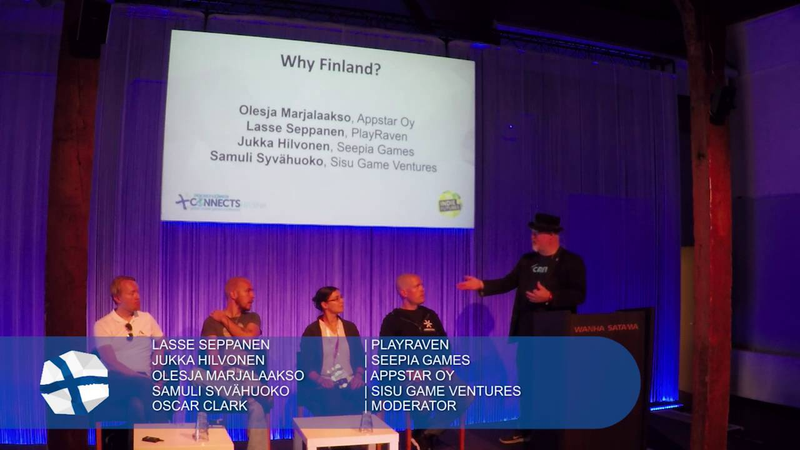
Is Helsinki saturated and can the Finnish games success still deliver indie talent?
The Finnish game industry maintains its global standing by leveraging a deeply ingrained culture of grassroots collaboration and radical transparency.
- The Finnish game industry's resilience is built on a non-zero-sum culture of radical transparency and peer mentorship, rooted in the 1980s demo scene.
- Market saturation and a widening talent gap are forcing studios to pivot from simple gameplay prototyping toward complex metagame design and long-term service operations.
- The domestic educational pipeline is currently insufficient, forcing studios to recruit senior talent internationally to fill specialized roles in free-to-play mechanics, monetization, and product marketing.
PG Connects Helsinki 2016: The winners of the Pocket Jam and Very Big Indie Pitch
The Pocket Gamer Connects Helsinki 2016 conference concluded with the announcement of winners for the Pocket Jam and the Very Big Indie Pitch.
- The Very Big Indie Pitch featured 37 developers, with Wave 7 Games' 'Die Fish' taking first place, followed by Scion Games' 'Antidote' and IMobile Games' 'Skid Storm'.
- The VR Indie Pitch, introduced to address the growing trend in virtual reality, evaluated 12 games and awarded first place to 'Nemesis Perspective'.
- The Pocket Jam challenged 22 developers to create games based on the theme 'Juicy Tap' in 30 hours, with the winning team, 'Juicy Pipes', receiving $1,000 in advertising credit.
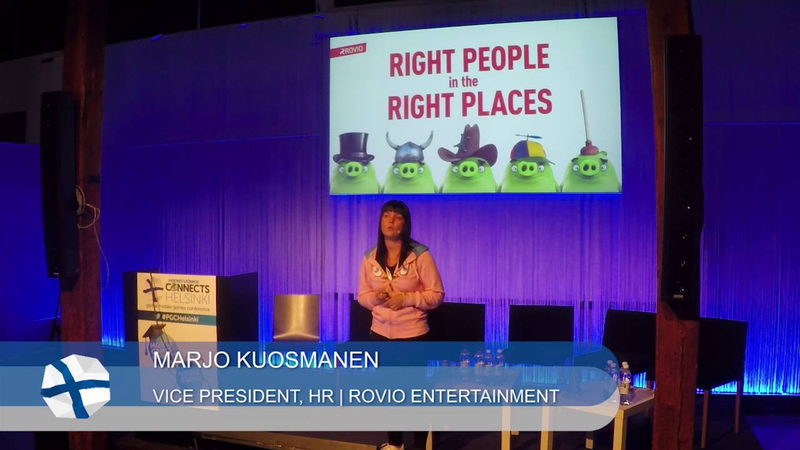
Games performance management and career models
Rovio Entertainment’s approach to performance management and career development centers on the philosophy that individual growth should not be tethered exclusively to management roles.
- Rovio Entertainment utilizes a dual-track career structure that allows employees to advance as either specialized individual contributors or leaders, decoupling professional growth from management roles.
- The company manages a global workforce of over 400 employees, with a demographic profile of 70% male, 30% female, and an average age of 35.
- Annual performance reviews are used to align individual contributions with the financial and operational targets of specific game business units.
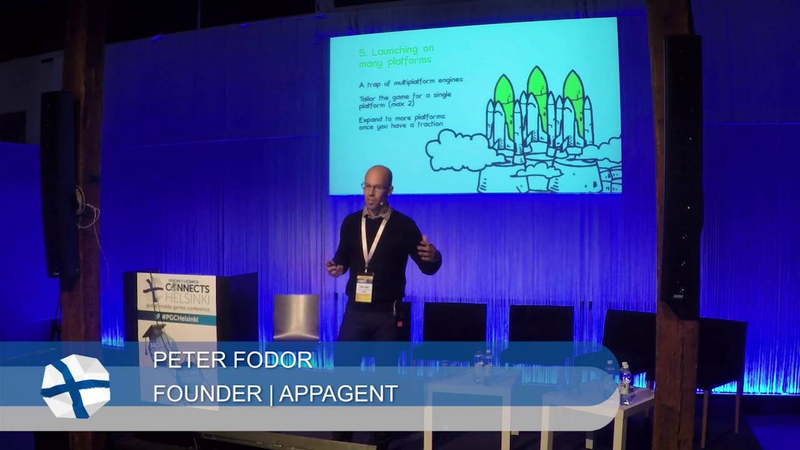
11 deadly marketing sins developers should avoid
The mobile gaming industry demands a strategic, data-driven approach to marketing and development to overcome the high failure rates inherent in the market.
- For free-to-play titles, developers must allocate approximately one-third of their total budget to marketing and user acquisition to account for the cash flow lag between initial spend and revenue realization.
- Rewarded video ads are a critical revenue driver, capable of accounting for up to one-third of a game's total income while simultaneously boosting player retention and conversion rates.
- Developers should launch on a single platform initially to concentrate resources and maximize the likelihood of securing platform-specific featuring opportunities.
Using your game's community to drive ahead
The studio DoDreams, based in Helsinki, leverages organic community engagement to drive the success of its mobile title, Drive Ahead.
- DoDreams achieved 25 million downloads and 600,000 to 1 million daily active users for 'Drive Ahead' by prioritizing organic community engagement over paid user acquisition.
- The studio integrated native video replay technology to allow players to capture and share chaotic, physics-based gameplay moments directly from the game environment.
- The 'Superstar Stadium' feature drives engagement by dynamically promoting top user-generated replays as daily challenges, effectively turning players into recognized content creators.
To self-publish or find a publisher: Questions developers should ask themselves
Deciding whether to self-publish or partner with a publisher is a complex strategic choice that lacks a universal solution.
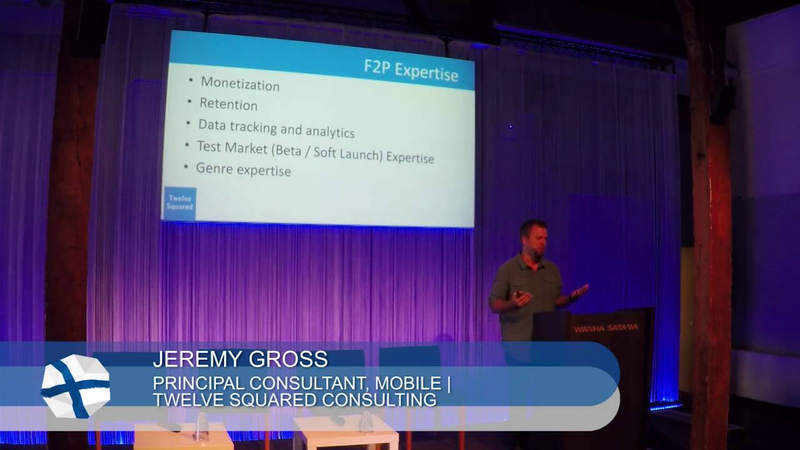
- Success in publishing depends on aligning a studio's internal capabilities—specifically in free-to-play mechanics, data analytics, and project management—with the specific requirements of the project.
- Financial runway must extend beyond the initial development phase to cover the critical soft-launch period, allowing for necessary iterations based on performance data.
- Developers should integrate free-to-play design expertise into the development process from day one rather than attempting to add it as an afterthought.
ALL CAPS on the lessons learned from working with a games publisher
Navigating the transition from independent game development to formal business partnerships requires a strategic approach to communication, legal documentation, and expectation management.
- Prioritize clear, enforceable legal contracts from the outset, paying close attention to complex clauses like force majeure to protect the studio against unforeseen crises or shifting corporate priorities.
- Negotiate explicit termination and exit clauses before signing any agreement to ensure the studio has a viable path forward if the partnership fails.
- Evaluate potential publishers based on cultural alignment, communication clarity, and long-term project commitment rather than relying solely on surface-level metrics like daily active users.
Big Bang Racing – A journey from game maker to social racer
The development of the mobile physics-based racing game Big Bang Racing serves as a case study for the strategic implementation of user-generated content (UGC) to drive engagement and retention.
- Shifting from content creator to platform architect allows developers to build a self-sustaining ecosystem where players generate 250,000 new tracks per week.
- A 'toy-like' level editor that emphasizes creating for others rather than oneself successfully drove 13% of daily active users to contribute content.
- The game achieved a volume of 1.3 million user-generated levels within the first five weeks of launch.
Hacking the human brain – Irrational thinking will triple your game's revenue
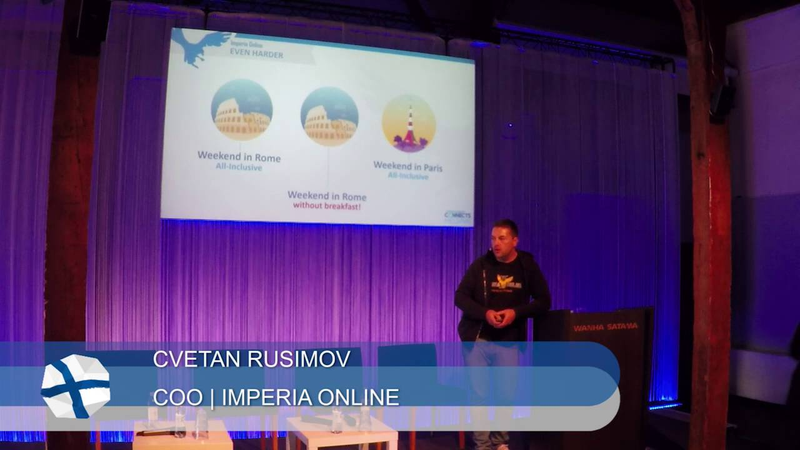
The primary objective of this analysis is to demonstrate how applying principles of behavioral economics and cognitive psychology can significantly increase revenue in mobile gaming.
- Strategic application of behavioral economics and cognitive biases, such as decoys and price anchoring, can increase mobile game revenue by over 300% without requiring an expanded player base.
- Implementing a 'decoy' option—an unattractive or illogical price tier—effectively shifts consumer preference toward more expensive, high-value packages by altering the perceived value of the options.
- Developers can use a middle-tier price point as a reference anchor to make premium offers appear more advantageous to the player.
How Flaregames and Kopla Games Doubled the monetisation performance of Nonstop Knight
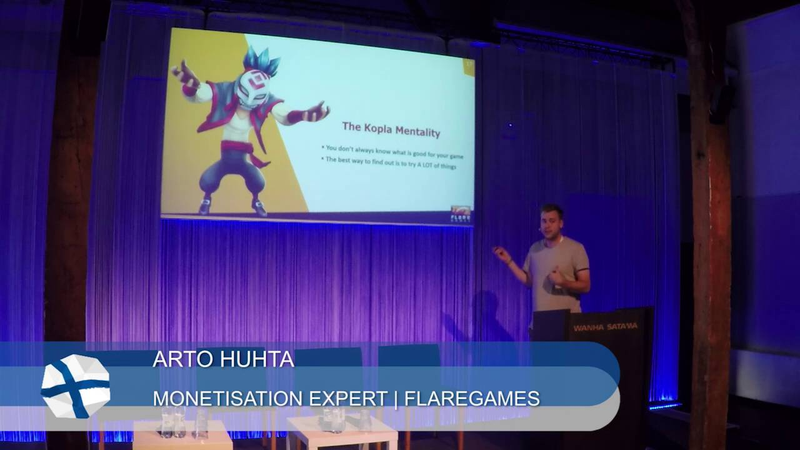
The development of the mobile action RPG Nonstop Knight, a collaboration between Flaregames and Kopla Games, serves as a case study in utilizing iterative design and rapid experimentation to optimize monetization and player retention.
- Flaregames and Kopla Games doubled both day-30 player retention and total revenue for Nonstop Knight following its 2016 launch by shifting from front-loaded monetization to a long-term engagement model.
- The development team utilized a 'brute-forcing luck' methodology, which prioritizes rapid, low-cost experimentation and the quick discarding of unsuccessful features over extensive upfront design.
- To scale the game effectively, the team integrated specialized roles like economy designers to balance progression systems while relying on internal playtesting for immediate design validation.
How to make good decisions in games development with lessons from The Walking Dead: No Man's Land
Effective game development relies on fostering a culture of empowered decision-making rather than relying on rigid, top-down bureaucratic processes.
- Empower teams by shifting from top-down bureaucracy to a culture of shared values, such as courage, caring, and curiosity, which fosters autonomy and alignment.
- Implement a four-step decision-making framework: evaluate value to the user, value to the business, opportunity cost of the task, and the risk of potential failure.
- Prioritize data-driven validation over personal assumptions, using analytics to verify hunches and confirm that features genuinely delight players.
How Critical Force is bringing eSports to first-person shooters on mobile
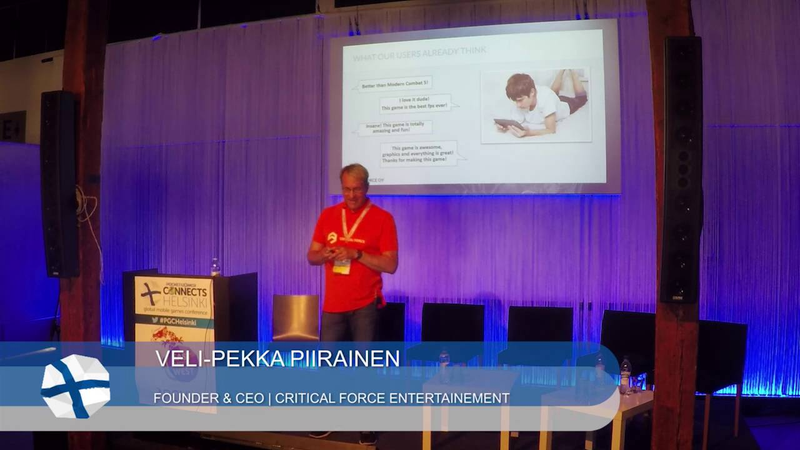
Critical Force Entertainment aims to establish the global standard for mobile first-person shooter (FPS) eSports through its flagship title, Critical Ops.
- Critical Force is positioning 'Critical Ops' as the standard for mobile FPS eSports by targeting a market where mobile devices outnumber PCs by a factor of ten to fifteen.
- The game has achieved over 8 million downloads and 200,000 daily active users through organic growth, intentionally avoiding paid user acquisition.
- The studio secured $4.5 million in funding from NHN Entertainment to support its 2017 roadmap, which includes an official feature-complete release and a push into professional eSports circuits.