Finland reports and market data
Documents
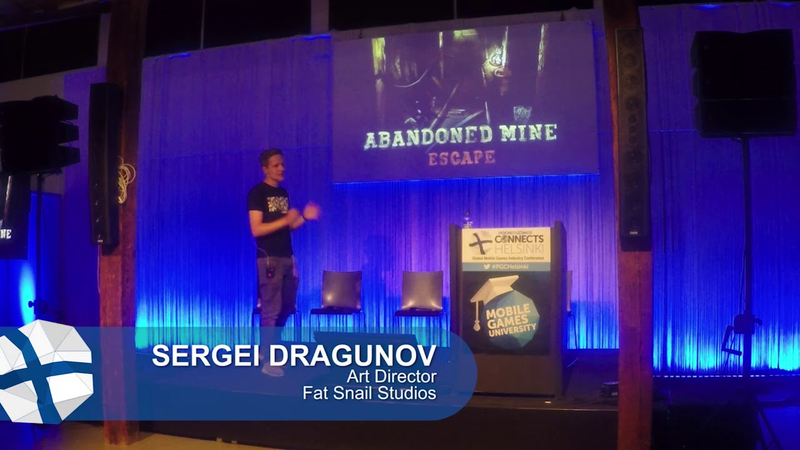
How to take your creativity to the next level
The presentation outlines a professional journey from client-based commercial art to independent game development, emphasizing the importance of creative experimentation and structured production workflows.
- Financial stability for creative projects is best achieved by balancing experimental passion projects with the production of standardized, monetizable puzzle games.
- A successful puzzle title can provide significant studio support, as evidenced by a recent release that achieved 500,000 downloads on the Android market within six months.
- Elevating creative output requires stepping outside traditional industry constraints by engaging in multidisciplinary work such as theater and installation art.
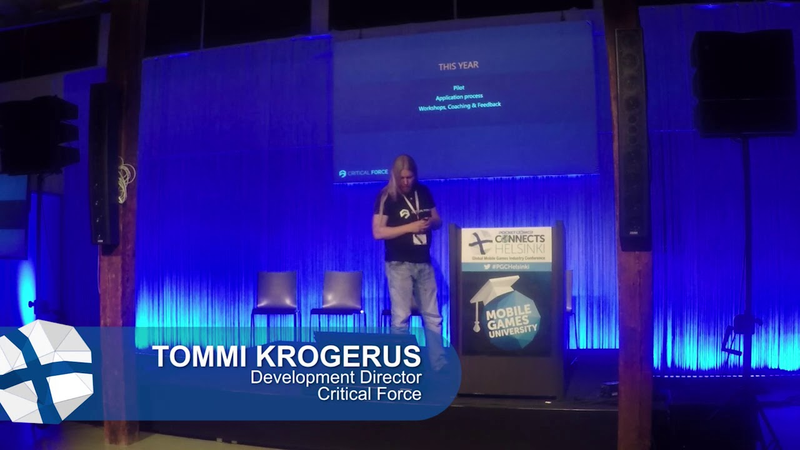
Critical Force Academy – Turning students into professionals
Critical Force Academy serves as a strategic bridge between academic game development education and the professional requirements of the mobile gaming industry.
- Critical Force Academy functions as a long-term recruitment and vetting pipeline, allowing the company to evaluate candidate cultural fit and learning agility over months rather than relying on brief interviews.
- The program bridges the gap between academic education and professional mobile game production by providing students at Kajaani University of Applied Sciences with industry-led coaching and workshops.
- The curriculum prioritizes commercial-grade production standards, specifically focusing on essential mobile development skills and UI/UX refinement to ensure graduates can contribute immediately to the market.
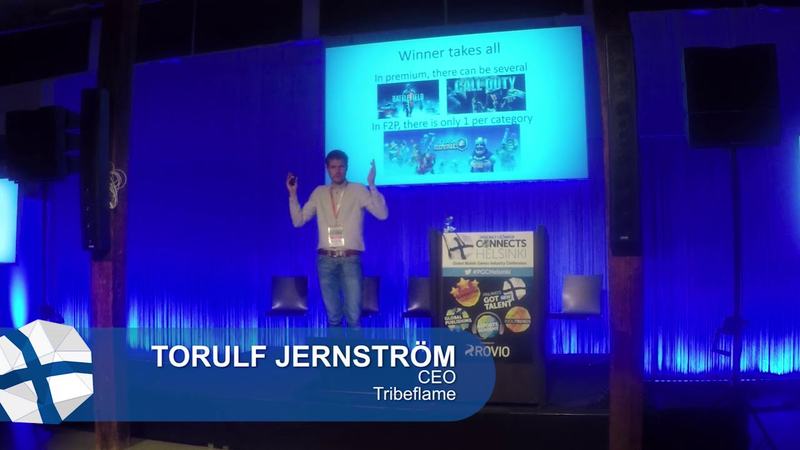
Where is the mobile games market going next?
The mobile gaming industry is transitioning from a period of rapid, creative chaos into a phase of long-term stability characterized by market consolidation and the dominance of established brands.
- The mobile gaming market is transitioning into a mature, winner-takes-all landscape where established incumbents with high player investment are increasingly difficult for new entrants to displace.
- Strategic success is shifting toward brand equity and established intellectual property, mirroring the film industry's reliance on sequels and franchises to mitigate the financial risks of original development.
- Market monetization is bifurcated between high-volume, ad-based games and high-grossing titles that rely on in-app purchases and continuous content updates to drive lifetime value.
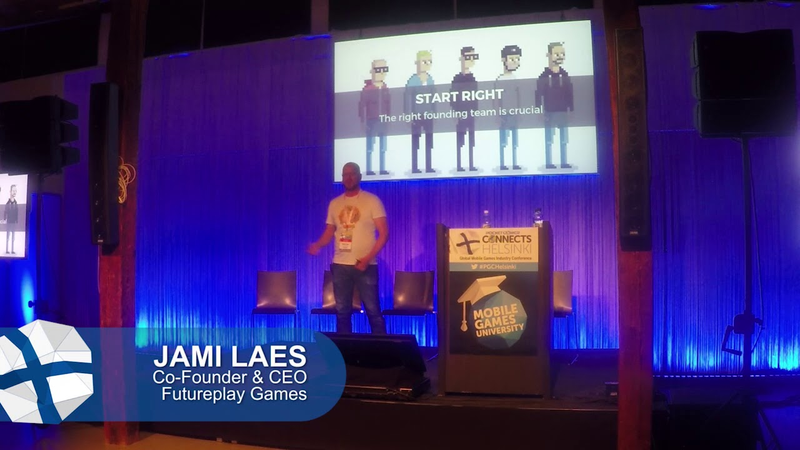
How to build a games company
Building a successful games company requires a strategic focus on team composition, market timing, and a culture of radical autonomy.
- Founding teams should be assembled like a family, prioritizing a cohesive group with complementary skill sets in technology, design, art, and business to ensure early-stage self-sufficiency.
- Success depends on identifying and capitalizing on market shifts that are currently underway but not yet fully realized by the broader industry.
- Operational efficiency is best achieved through the 'Total Zen' framework, which replaces rigid hierarchies and bureaucratic processes with a culture of radical autonomy, trust, and accountability.
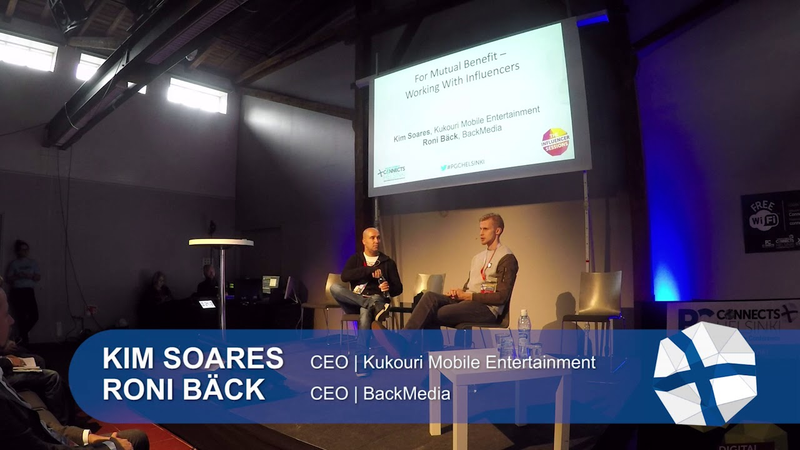
For mutual benefit: Working with influencers
Collaborating with influencers has become a vital strategy for game developers seeking to increase downloads and expand their social media presence.
- Prioritize channels based on actual view counts and audience engagement metrics rather than total subscriber counts, which are often misleading indicators of value.
- Influencers prioritize games that offer high 'fun factor' and ease of play, as these titles allow creators to focus on audience engagement and producing compelling thumbnails rather than mastering complex mechanics.
- Treat collaborations as professional business partnerships by initiating transparent discussions regarding financial compensation, as influencers view their work as a career rather than a hobby.
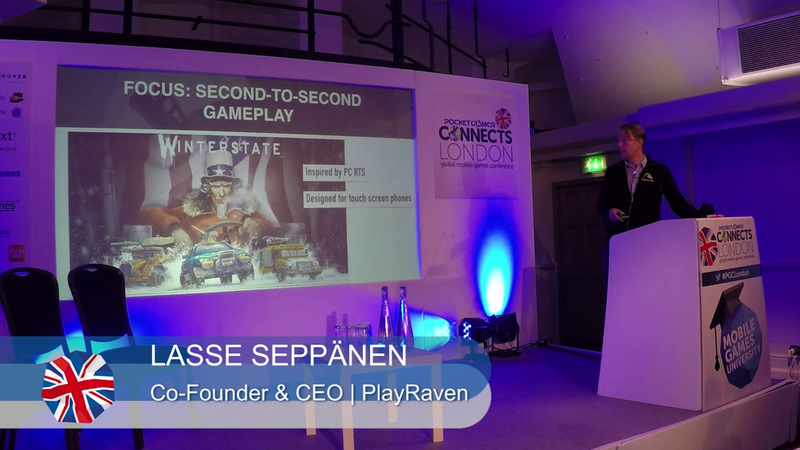
Why mobile developers should focus on the meta game first
Mobile game developers should prioritize the development of the meta-game—the long-term progression, collection, and social systems—over second-to-second gameplay mechanics to ensure faster iteration and higher player retention.
- Prioritizing meta-game systems over real-time combat significantly accelerates development, with meta-focused projects reaching soft launch in five months compared to over a year for combat-heavy titles.
- Focusing on long-term progression, collection, and social systems avoids the technical debt and balancing bottlenecks inherent in high-fidelity, moment-to-moment gameplay mechanics.
- A meta-first strategy enables greater content scalability, allowing developers to produce hundreds of unique collectable characters rather than the limited inventory typical of combat-focused games.
Pocket Gamer Connects Helsinki 2016: The PechaKucha Sessions
The gaming industry faces a critical crossroads between sustainable innovation and the pitfalls of unsustainable, high-risk marketing strategies.
- Long-term success in the mobile gaming industry requires prioritizing artistic integrity and genuine player engagement over purely transactional, high-risk business models.
- Developers should abandon superficial growth strategies, such as exorbitant spending on celebrity endorsements and television commercials, which often yield ineffective results.
- The industry is shifting away from manual input toward idle gameplay mechanics, redefining player agency to favor long-term retention over fleeting engagement.
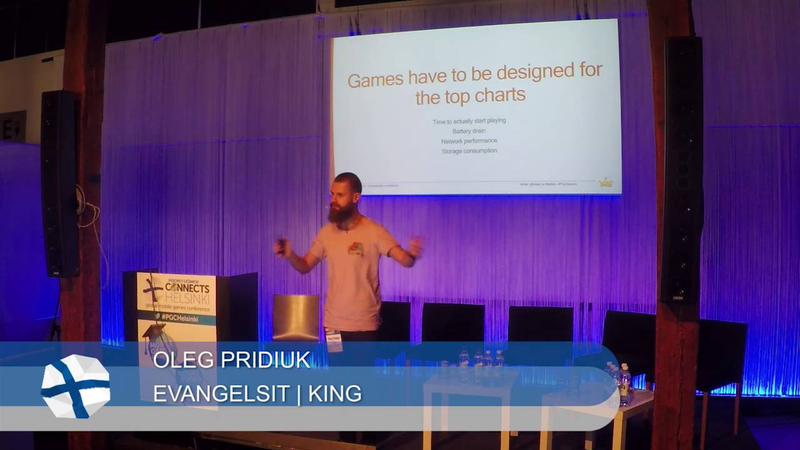
The tech and tools Candy Crush Saga maker King uses to make and release games
King utilizes a specialized technological infrastructure to maintain its position in the competitive free-to-play mobile gaming market.
- King prioritizes technical performance—specifically startup times, battery consumption, and network reliability—to ensure its games remain playable on low-end hardware, including devices running Android 2.3.
- The company utilizes a hybrid engine strategy, using Unity for rapid prototyping while relying on proprietary engines like Defold and Fiction Factory for final production to meet strict performance standards.
- King views technical efficiency as a prerequisite for marketing success, noting that poor runtime performance can effectively nullify investments in user acquisition.
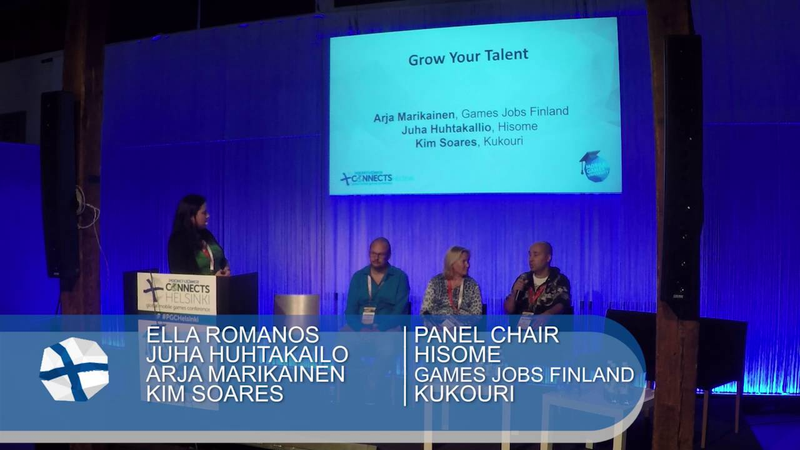
The hows and whys of talent acquisition and nurturing a successful team in games
The Finnish game industry operates on a recruitment model that prioritizes personal networks, brand identity, and rigorous cultural vetting over standardized hiring practices.
- Hiring managers prioritize cultural alignment and value-fit over technical proficiency, often choosing to leave positions vacant rather than compromise on team cohesion.
- Small studios compete for senior talent by emphasizing team chemistry, self-motivation, and passion for the product rather than relying on standardized hiring practices.
- To bridge the talent gap between seasoned developers and entry-level applicants, studios are shifting toward structured internships, active mentorship, and project-based learning.
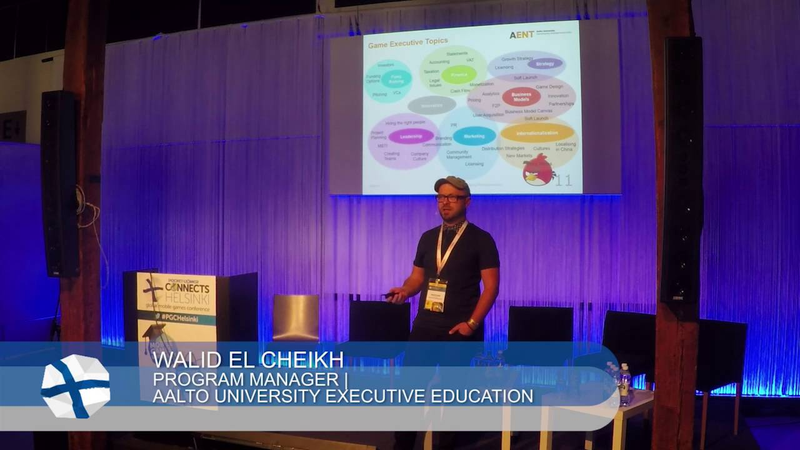
The importance of leadership and business know-how when creating a successful games company
The Game Executive program at Aalto University Executive Education aims to bridge the gap between creative game development and commercial success by providing leadership and business training to industry professionals.
- The Game Executive program at Aalto University Executive Education focuses exclusively on business and leadership training for mid-to-senior level game industry professionals, intentionally excluding technical design or programming instruction.
- Since its inception in 2014, the program has trained over 70 participants through cohorts of 20 to 25 executives, utilizing a network of more than 20 professors and 60 industry experts.
- The curriculum centers on five core business pillars: strategic planning, monetization models, financial decision-making, leadership development, and operational processes.
Finland – From feature phone to smart device
The evolution of the mobile gaming industry from the early feature phone era to the modern smart device market is defined by a transition from hardware-constrained experimentation to sophisticated, data-driven service models.
- The shift to free-to-play models has transformed mobile game development into a service-based industry that requires managing complex player economies, behavioral psychology, and long-term retention.
- Modern mobile gaming success is defined by the ability to balance high paid user acquisition costs against the lifetime value of players in a saturated market.
- The primary risk in the current mobile landscape has migrated from initial product development to the challenges of app discovery and user acquisition.
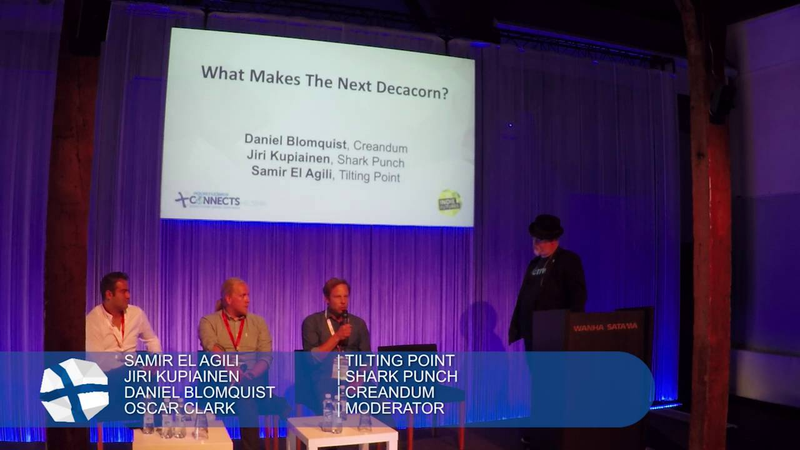
Who will be the next $10 billion games company after Supercell?
Achieving a ten-billion-dollar valuation in the gaming industry represents a critical milestone that validates the sector’s maturity for mainstream investors.
- Reaching a $10 billion valuation requires transitioning from a hit-driven creative studio to an agile, scalable platform builder that prioritizes operational structure over isolated game output.
- Future industry leaders must move beyond replicating the Supercell model, instead focusing on pioneering new gameplay mechanics and platforms to disrupt existing market dynamics.
- Sustainable long-term growth at the $10 billion scale depends on integrating advanced technology and robust live operations to maintain consistent player engagement.