1 free read left. Create a free account for unlimited reading + AI research.
Create free account
ALL CAPS on the lessons learned from working with a games publisher
Key insights
6 takeaways- 01Evaluate potential publishers based on cultural alignment, communication clarity, and long-term project commitment rather than relying solely on surface-level metrics like daily active users.
- 02Secure a basic agreement early in the negotiation process to minimize wasted labor and mitigate the risks of project cancellations or loss of momentum.
- 03Prioritize clear, enforceable legal contracts from the outset, paying close attention to complex clauses like force majeure to protect the studio against unforeseen crises or shifting corporate priorities.
- 04Anticipate a loss of operational agility when partnering with a publisher, as studios must reconcile differences in time zones, technical workflows, and competing corporate priorities.
- 05Negotiate explicit termination and exit clauses before signing any agreement to ensure the studio has a viable path forward if the partnership fails.
- 06Treat game development as a sustainable business by moving beyond the creative process to focus on professional rigor, legal documentation, and expectation management.
Ask AI about this video
Transcript
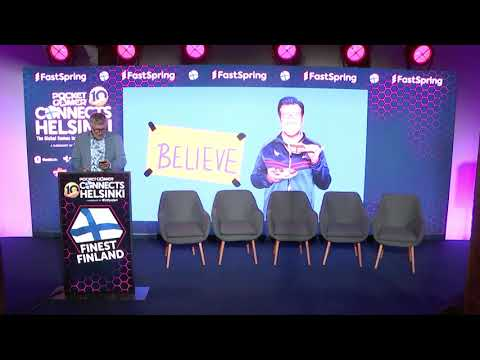
[Music] hi everyone so in 2012 I was working under the worst physical conditions I've ever experienced we were a small team just fresh out of university and we decided you want to make this game and we were sitting in a building that was scheduled for destruction like six months later it was destroyed completely so some of the utilities were not working at all there were no heat for example the power was sort of stable the internet was sort of stable and they worked the water worked sometimes and it was so cold in the winter that we had to wear hats and gloves indoors when we were eating our food the picture is really bad and I which was before mobile phone cameras were good and we eat from like a free paper as plates and I'm over
there wearing gloves because he was so cold but phone call changed this we've been in the talk with a investor and one day phone rang and he told us you're going to be funded and we move our moved out of this place and this kind of changed the trajectory of my career completely and it was the first business real business partner that I've ever worked with would be many more along the way of course but it was the first will one and this is what my talk is about mostly business partners as an indie developer and shortly about us we're a Danish company for guys only we have offices in a super old castle which is cool and annoying it sometimes and we have shipped one major game called block amok and and we're shipping another one called disco flip in two months time
depending on if everything works of course and yeah that's us looking silly the reason I want to do this this talk it's about about the initial contact you want to make finding the right business partner it's compared to last talk it's more in the softer side communication and so on it's about it's about going from that initial contact to the contract what what can go wrong how do you deal with that how how are things and it's about working with another business partner another one outside your team which is something that indie developers have not that much experience in at least in the beginning and it's about terminations something that we don't want to deal with but sometimes happens and the reason the big reason is that we
made mistakes as an indie team horrible mistakes business-wise and I want to maybe limit that for you guys give you some heads up there for things that can go wrong to the first part finding the right business partner of course there are metrics there are numbers you can find someone with a lot of experience million daily active users they want to push into your game investors with huge amount of experience and another really well developed partners that will aid you but it's hot it's a jungle out there when we first wanted to have a publisher we thought that would be a good idea because we have no users were brand new maybe some expertise from an experienced guy would be a good idea we started looking for a publisher and the amount of publishers were overwhelming and we had not real that much clue about what to look for what what's a good thing in a publisher
besides numbers of course and we looked and and it dawned on us that maybe the big numbers is just it's not the only thing should look at for example we are shipping our game to China and we have chosen not the biggest or the best or the most experienced developer and there to do it publisher but someone we really thought we'd do the right job and the CEO was Danish which made the lines of communication much clearer than if it was a Chinese person because we have the same culture i can say danish stuff to him that only we understand the stains and that improved our relationship also bigger publishers for example might have a tendency to to be more hard on on your game they might drop you faster than a smaller publisher who really needs this game to succeed and that's
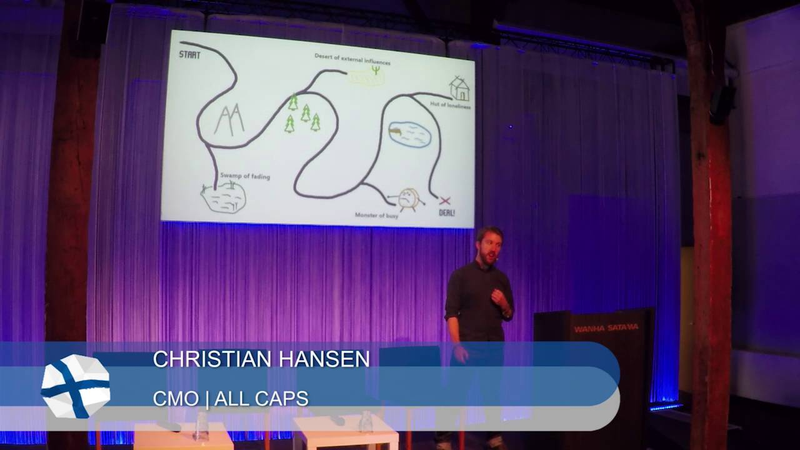
also something to consider so say you find someone new you like someone you've in your gut feel and the numbers match up and it's a good fit I think this is a good fit you want to go from that contact to contracts and I've drawn a really accurate map of that process here so you start at the beginning and you want to go to the deal but but there are paths along the way where things can go awry but they can go wrong for example you go to get a right turn and you end up with the swamp of fading and somehow the messages just get slower and you forgot you forget things and things are not progressing as fast as you want to the momentum is lost and eventually you'll just end up all the things fading out into nothingness and that's a real risk we've had that for us we tried it let's say you go the right way but you end up in this sort of external emphasis
you come home from the con from the conference you found the perfect publisher oh my god is the best has amazing numbers it's going to be great but your team thinks otherwise and they vote against you and nothing happens or I you make this amazing deal with another company and you go to do the co-production and it's going to be super profitable but their division of the company's suddenly shut down and the thing is terminated immediately it can happen external emphasis you can also go and meet the monster of busy that you have too many projects on your hands so you have to scrap features you have to to delay other things and your investor is angry with you or your unfocused in what you want to do and nothing really happens and they break off their relationship with you the business
relationship it stops the last one which is the saddest won the heart of loneliness we've been there is you think the initial contact is good and you really want to make this happen but they don't think that or nothing they forget you and and the email gets lost or overseen and even though we try again and again there's no reply and if the rive finally comes the information is vague and a non-existent and that is a thing which which we've tried a couple of times and if we done it and with people before and it's not on purpose of course but it's it's a real fact that it might happen but say you go for all this and you make all the way to the deal and it's you have like you want to make a contract this person and they are they are ready for it now you have something which most indie
developers are utterly unprepared for it's a monster from another world that pokes it has his head into the game development sometimes it's the contract contracts are another syntax they they are hard to understand and it's complicated and super long sentences for example we have this clause from a contract that we signed with a Russian company it was amazing relationship and we had a great project it was profitable but it had this part in there in the contract basically it means that if you don't understand if there's a discrepancy between the Russian and English the Russian is the right one so we had to find someone that actually spoke Russian read Russian and he went through the entire contract and insured us that it was okay nothing we didn't sell our soul or fifty percent of our company to this
this Russian company and we initially when we sign with people the agreement on the contract we thought it would be it's just a contract how hard can it be and it took a long time longer time did is there the same problems with contracts as what game development sometimes things go wrong sometimes you haven't seen it your investor comes in and says this is completely unacceptable even though you think it's okay i need to rewrite it our first contract we did was we was supposed to take three weeks it wasn't that big of a contract it took us four months to complete and eleven revisions he needs someone proficient in this field of expertise or you have to spend a lot of time learning it I've spent a lot of time learning it and speaking and understanding the cryptic messages of of
this syntax an important thing is at least to get a contract because we've done work where he thought own the contract will fix that sometime in the process and then they cancel us and we wasted three weeks doing a project we thought would go through but it didn't go through so get a contract fast initially at least a basic one saying yeah let's do the work together and you can figure out the other more detailed parts later and be sure to pay attention to every part of the contract even the things you find might be a bit silly because they can have big impact they did for us there's a term called force measure it means superior force it's a clause that sometimes in contracts and it has to do with this a snatcher eldest Astor's war stuff like that if a war happens you are not liable to to ship your game on time or anything
because you can't prevent it and we had we were working with a Disraeli publisher at one point and we were doing the contract with them like signing it and and trying to make it make it work and then a war broke out the armed conflict between Israel and another party and the lawyer making the contract with us was drafted into the army and had to go five people and we were unable to do anything about that and our investor was anxious to get this contract sign but we had to point to the clause saying force majeure we can't do anything about it at one point we have had a Skype call cut short because sirens went off in the background and a business partner said that city is under attack by missiles we need to go to a shelter oh okay i guess you talk some other time maybe we hope and and this clause saved us so be sure
to read the contract thoroughly even the silly parts of it you sign a contract now you're now business partners and you work together but things are not as before you have new things to take into consideration one of them is communication that they might not understand the same term since you do things you think are one hundred percent sure that's how we say it it's how can it be misinterpreted it can so be sure that you're on the same page with things cultural differences is also something that can impact you and again in Israel we found out that the weekend is not Saturday Sunday it's actually Friday Friday Saturday so we could not work with them on Fridays at all which was a surprise to us sometimes when you work with partners they want to and have technical
aspects of their company in your app SDKs home-brewed stuff analytics which you are might not prepared to to deal with and it can give you the lace if they need to fix the bug on their end because it's it's a new thing to work with other people and they have a different time frame than you and they might have other clients and other users that they need to serve as well and and it's something that we relinquish as an indie developer when you go into a business partnership this is a super simple thing when you work alone you are alone of course there are other things and there's other advantages and disadvantages but this is just to highlight a point that when you work with someone you relinquish agility you can't just work 80 hours per week and then just solve the problem because you have someone else that needs to do
their thing and they might just work 37 hours a week or 40 hours a week and you have to plan ahead that they are not working at the same speed or or might not be as proficient in the technical aspects that you are they might make mistakes as well and as an indie you're used to just working by yourself in your cave until you fix the damn problem you're just more coffee and then add it and you are now dealing with other people has different kinds of work attitudes and have different kinds of restrictions in their way of doing it to be aware that is a real thing that you lose when you don't do it go into a partnership with someone even good partnerships and bad partnerships every one of them and then something happens also which I have to to highlight it's when contracts and determination and you we did not pay
that much attention because when you go into a business partnership with someone you you sign the contract and read it you don't think in the beginning of so when it goes wrong what will happen you think this is going to be the best partnership ever and nothing will go wrong of course we were that naive and and it led us through a unfavorable deal unfavorable exit term for the company because we didn't pay attention to the termination we didn't have an exit out of the contracts they had we didn't have it and it's something you need to have even as an indie developer you need to be able to say okay these publishers are not good this investor is not good for me this co-productions just not working too much time to little gain from it the determination is something that might happen to you or you might want to terminate with someone that's okay it's a business relationship is not your friends they can also be your friends of course but the business thing is the
most important thing but there is also an upside I know I've been talking about things that go bad but usually and in ninety percent of the cases at least for us things go well and it's we've had so much expertise given we have had amazing networking opportunities who had financial stability and it all depended on our business partners all caps would not exist today which weren't for them it wouldn't even have been started so I'm employing you even though the road might seem far and you need to go through all this other stuff then game development it's worth it it's really it really is you can get to live in a castle like this maybe and so I have a takeaway here in the end and with the three main points I want to do
make with this talk any questions if we have time yes and actually you know I think this is a really keen point that I think everyone who wants to make games I make an indie studio has to understand is you're not just making a game you're making a business and this stuff happens to be essential yeah i mean if anyone has any questions put your hand up now otherwise i will just ask some yeah we're looking like you have to be shy with me it's okay you know we were in Safe Company so I mean the key thing here was that termination thing on that I've had situations where I was we were doing some work for hire for a studio I having to be really good friends with the the management team but the guy who's running their contracts she would say somewhat less than professional and changed the terms without actually we're looking at the contract
plan yeah how do you do this stuff on that I mean we deal with it but I mean that's the kind of stuff when he said bad stuff happened isn't it it is and you need to be aware of it we need to get to draw on the expertise of experience people you need to have a lawyer friend maybe and and you just approach it logically and and calmly don't do anything rash and throw the papers in the air and say that's it and and but B word that the contracts are binding they are they are legal documents that will make you do the things they say but you also have to be able to afford to enforce them in the case in our particular project hey the money wasn't worth it and be the relationship with the management was worth more and we actually let it slide despite the fact that we actually could have claimed the full payment regardless
that's the thing I think is really interesting is when actually the legals are incredibly valuable and and will defend you but you have to be prepared to back them up though yeah yeah and it's something that indie developers sometimes they don't have the resources to do it don't have the funding to do like lawsuits or all larger things and talk to the investor and maybe they can see something out but also need to be ensure that you can enforce the things in your contract and have an out somehow somehow be able to deal with it [Music]
Summary
Navigating the transition from independent game development to formal business partnerships requires a strategic approach to communication, legal documentation, and expectation management. For small studios, the primary challenge lies in moving beyond the creative process to treat game development as a sustainable business. Finding the right partner involves looking past simple metrics like daily active users; cultural alignment, communication clarity, and the partner’s long-term commitment to the project are equally critical factors in ensuring a successful collaboration.
The path from initial contact to a signed agreement is fraught with risks, including loss of momentum, internal team disagreement, and external disruptions such as sudden project cancellations or shifting corporate priorities. Once a partnership is established, the contract serves as the foundational legal framework. Developers must be prepared for complex, often cryptic legal syntax and should prioritize securing a basic agreement early to avoid wasted labor. Thoroughly reviewing every clause—including seemingly minor provisions like force majeure—is essential, as these terms can provide critical protection during unforeseen crises, such as regional conflicts or personnel changes.
Working with a publisher inevitably requires relinquishing some degree of agility. Developers must account for differences in work culture, time zones, and technical workflows, as well as the reality that partners may have competing priorities. Furthermore, studios must proactively negotiate clear termination and exit clauses from the outset. While the process of managing business relationships can be demanding and occasionally adversarial, the benefits—including financial stability, networking opportunities, and access to industry expertise—are vital for the survival and growth of an independent studio. Ultimately, success depends on approaching these partnerships with professional rigor, ensuring that legal protections are enforceable, and maintaining a clear focus on the business realities of the industry.