1 free read left. Create a free account for unlimited reading + AI research.
Create free account
How to make good decisions in games development with lessons from The Walking Dead: No Man's Land
Key insights
6 takeaways- 01Redefine the producer's role to focus on facilitating a collaborative environment and providing clear decision-making frameworks rather than prioritizing administrative tasks like scheduling.
- 02Empower teams by shifting from top-down bureaucracy to a culture of shared values, such as courage, caring, and curiosity, which fosters autonomy and alignment.
- 03Prioritize data-driven validation over personal assumptions, using analytics to verify hunches and confirm that features genuinely delight players.
- 04Implement a four-step decision-making framework: evaluate value to the user, value to the business, opportunity cost of the task, and the risk of potential failure.
- 05Treat mistakes as a natural part of the development process rather than character failures to encourage agility and calculated risk-taking.
- 06Combat stagnation by viewing indecision as the primary enemy of progress, ensuring that team members feel confident taking initiative without constant management validation.
Ask AI about this video
Transcript
[Music] hey yeah my name is Jonas lock so I'm an executed producer working with next games in in Finland and and I am personally working on the walking dead no man's land and which you may be familiar with I'm not going to be talking about the game or next games per se today but rather something near and dear to my heart the hitter for this talk was making decisions but what it started out as like that the working working title was the producer must die which were my first like the first words to come to my mind when I was asked for a title to talk about at this event and at first I didn't quite understand what it was about but it turns out that this year I have a bit of a soul-searching problem and when I was asked to feel a
younger producer working in my team like on his duties and on how to advance in his career I kind of felt like that I don't want you to go down the same route that I've gone through even though it's made me an executed producer on this amazing brand because um I really feel like these days that what we are used to doing as producers is actively and actually and in the very real sense hurting the teams that we are supposed to be working I just do not believe in in the stuff that I've been taught that and I've been teaching anymore I think it's wrong we are looking at it from the wrong direction and when we're teaching producers we are talking about processes we are talking about budgeting scheduling prioritizing and all of that is beside the point it's not helping the teams at all so from from that title I produce too okay um can we move let's keep all the bad stuff because I don't want to be bringing everybody down here but rather
talk about the good stuff so so what should we be doing instead of like the duties that you're expecting from producers if I feel that they're they're wrong so let's get to the good stuff and the good stuff is made decisions and it's all about the producer as the person who is building a culture building a team nurturing a team instead of laying down rules that somehow make things happen yes rules are important but only once things work and what we know what kinds of processes come naturally to the specific team that you're working with so the topic is actually our establishing culture and making that happen and the objective of culture is not like something like mushy and soft the objective is actually making good decisions and I'm sure that any management type can get behind good decisions because I'm regardless of your role in a game studio
or in publishing or in marketing or you a or whatever arm you're still paid to make good decisions that's actually the children that's why you've been hired and that is something that we are all sharing and I was asking myself on why do I feel the need to establish rules and processes and I came to the conclusion that the reason is that I don't trust that the people that are working in my teams would make the right decisions unless they had these rules in place and that seems like a really ass-backward way of doing it so I'm trying to get rid of that and instead trying to create a culture where we share certain things and that gets us to making good decisions and what's helping you there is company values how many of you have defined company values about how let's say how many of you feel
like you're using them on a daily basis missing two three hands for what I realized this year is that if you're really banking on the company values that's going to get you to a unified culture and that's going to intern get you to actually making good decisions and I'm going to be obviously using our values that next games courage caring and curiosity as an example here they were not created for the specific application but they work here really well and i find that I'm now valuing our values quite quite a bit because they're helping me actually create value with the team it's something very concrete and the reason why we need to be discussing how to make decisions is that making decisions is really hard and you you shouldn't imply that it comes easy to you if it does you're probably not taking it very seriously I don't
like making big decisions I don't think I know anybody who like in a position of responsibility who likes making big decisions it's hard it's very hard to be certain everybody hates taking responsibility this is what like teens never get decided because nobody wants to take the responsibility you're afraid what if you're wrong you're afraid maybe they'd laugh at me when I'm wrong or whatever and a very big secret here to understand is that um everybody feels the same way like if you're the big CEO making the big shots you're most likely afraid of the very same things as the guy on the line like changing the color of the icon or whatever it's all the same really and it just comes down to insecurity and obviously thinking back to our values you understand that courage is something that is very very useful here it's it's okay to be afraid like I can say that I don't like making me big musicians I don't like taking responsibility but I'm
willing to confront it in order to get results and get things done I have that courage and I want to nurture it um so with all that behind let's get to the actual topic so how to make good decisions I think that we can have some tools here and the way that I put this to my team and just the other week is that um when I decide to join you in a meeting room I like when you're discussing something within the team the reason is that I don't trust you guys to make the right decision so I feel like you don't have all the information or for some other reason I I don't feel like you're going to end with the same Oregon acceptable decision for me and that that is why I need to feel the need to come in and give my input and make sure that you're making the right course but i figured that actually the checkpoint that i'm using to get to the I feel good decisions is actually very simple and then I shared the checklist and what do you know the team indeed does seem more on self-assured and more willing to make
decisions when they understand how I'm thinking and how I'm expecting them to think and that culture it's doing together it's understanding how your teammates are thinking so these are the tools that I use so first of all um there's this um team that people tend to ask is what would my boss do what would my boss think it's fine to think that and then act on that but if you actually come out and step up to me and asked me what should i do in some situation that's telling me that you don't know what to do you don't know how to do your job that's probably not true and I'm probably I don't want to hear that you're insecure I will help you what when you ask for the help but I hate that you would because you're supposed to know what to do so don't come out and ask that what will my boss do rather have courage and make the call yourself somebody has made the estimation that you are qualified to do so the second question that you could be asking is I should be asking is what what do the numbers say so are working
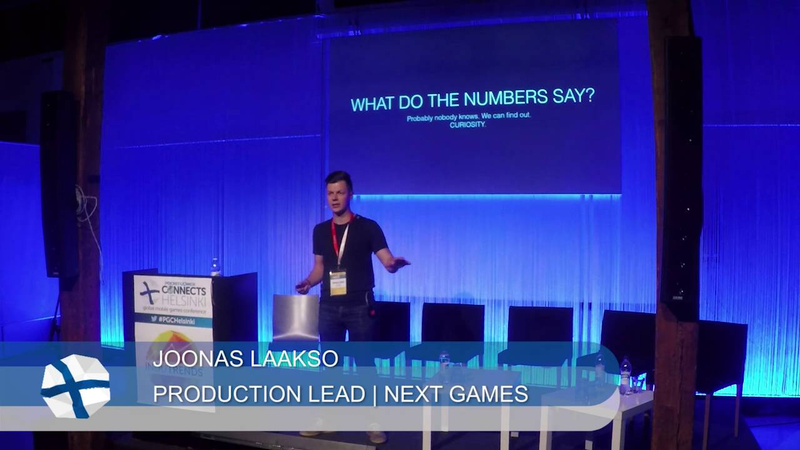
in in mobile games were very big on analytics and the way we want to use them is basically when you have a hunch that something is working or not working in some way then you go to the numbers and verify far too often you're going to realize that actually what you assume is just plain not right um it's not the case like even if even though it seems to make sense it just doesn't pan out in light of what people are actually saying and what their how they're behaving and again the secret is that most likely if you're thinking about the new or hard problem nobody knows the numbers it's okay just feel confident to ask have the curiosity to go find out certainly if you're working in a mobile game studio you will have staff that can help you figure out the numbers we are doing this discussion everything all day it's always okay to say I don't know if you follow it up with but I will find out the third very big question before we get to the actual a checklist is
something that people ask themselves all the time myself included is it my place to like make this decision or black come in at this point if you're asking that question from yourself then most likely it is in a very high likelihood nobody else has your specific perspective which made you wonder about whatever problem it is that you're looking at in the first place and then yes it is kind of your duty to actually do something about it Oh at least make sure that somebody is doing something about it and working a game studio I hate it when like people become too ingrained in their disciplines and they like they're hesitant to sort of cross the fence over to art or code or especially design we really do want everybody to pass it a bit that is like why we have a game studio and not some sort of factory and it's a really big act of caring to make sure that you're jumping into wherever you feel like you have some input even though it might not be in your job
description so that leads me to leaders and leadership mmm sometimes I have members of the stuff come up to me and ask me for like a bigger position like more responsibility to which i always reply that nobody is stopping you from taking initiative right now that is that is all there is to being a leader when your leader then it's quite simple to say it when we can see that your team is already following you but okay here have some more responsibility doing it the other way around simply does not work you have to be a leader first the big secret here is that um leadership is as simple as doing the previous three steps so deciding that something is your problem verifying that your assumptions are right and then actually going out and doing something about it that's that's taking initiative that's leadership people follow people like that you don't need any sort of innate charisma or anything of that sort to get there in that carriage mine in itself is a big
lie don't don't believe in it arm so then becomes the four questions so once you have decided to do something about the problem these are the four steps I want my team to take these are the steps I go through in my in my mind conveniently it turns out our management has these exact same four steps so if me and my management and my team are all acting like on these four steps then we have a unified culture we are going in the same direction nobody has to be checking up on everything all the time or asking for affirmation from the bosses that's culture first question what is the value to the end user this is very rarely asked in day-to-day development more more often we start with some sort of perceived or assume problem and go about solving it creating a somehow better system or game design and far too often nobody stops to ask but what will the fans say what will the players say how will they feel about it
what will get right on the forums that should be the question number one at all times and if your question is that there is no value to the end user which sometimes may not be quite so apparent it might be hidden or come about in a long-winded way but if there is no value then why are you doing it it's most likely going to hurt the business speaking of which the second question should always be what is the value to the business can we demonstrate or somehow make an educated guess that yes this is actually going to bring bringing more euros to our accounts if it's not why are we doing it and again the answer might be long-winded it may may come through like after a series of steps on the way but like if we can't see any added monetary value in the future why are we doing it and obviously this is what management tends to ask start from and they shoot too but there is no reason why you as the guy on the line making the decision about
whatever feature why you couldn't make these same decisions it's not that hard it just numbers you I'm sure there's somebody in the stuff that you can go ask about the number third how much work is this this is some why being a producer can be so destructive we tend to start and end here and that's also what the teams tend to learn from us we're only looking at like how much where can we get done without actually properly stopping to consider what should we do it in terms of offering more value to the fans and offering more value to the business and I'm not saying that you shouldn't think about the amount of work but the amount of work in itself is rather irrelevant welcome the opportunity cost is the way bigger issue here so like if we do testing X that means that we can't do ting why so which one is more important in terms of fun value and value to the business that's what you should be asking yourself and the
final fourth question is about how how dangerous it is it how unknown how much risk is there again this is something that producers are taught to ask about but the ugly fact of thinking about risk tends to be that when you asked to evaluate risk you're also usually asked to accept responsibility for that risk and that's just wrong but yes you should ask yourselves on your team ok how much risk is there I'm how dangerous is this but only in the sense that can we afford to take this risk there is no such thing as risk-free at least and risk-free profitable game development it's just not just doesn't exist we're doing new things we don't know how they're going to pan out in the end we have to take calculated risks but the trick is to evaluate the risk in a realistic fashion and see if we can afford to make to make a mistake if we are wrong here and that's that's all there is to it so finally making decisions first
acknowledge that yes there is a problem I need to decide something let's do something about this then make sure that whatever your supposing actually turns out in the real world go to your analyst dig out data see that the players are behaving in the fashion that they that you think they are like I've been operating the walking dead for a year now and then I'm being challenged on my assumptions all the time I'm wrong at least once per month on pretty big things then you can get to the actual tools so what is the value to the end user so the fans have to be delighted if they're not delighted you're doing something wrong too there has to be added value to the business if there's not why would the management say okay and three yes please consider the opportunity cost of what which thing should you work on next and finally be sure that you ask the question that can we afford to take this risk thank you that's all the risk [Applause]
the obscured vision better you guys should get temps of the tickets cuz substructure fishnet her you don't looking at see me but there's a cool parallax effect to all the lecture a nice yeah well I guess the question would be how do you deal with with bad decision makers what if someone made a bad decision and then someone needs to fix it and they don't want to care maybe to begin pivot now they have well if you have personnel who are like actively like working against your culture get rid of them but what immediately I'm not exaggerating at all they are very harmful in the long run however it is very important like for for any studio culture that it has to be okay to make make mistakes like we're all making mistakes I make mistakes every single week I may run a big mistake last Friday which I kicked myself for the weekend and that's fine like am I know that it's okay in my position to make mistakes as it's in in
in every other position in the company so whoever hired you and gave you like the demand a to do your job they've already done the sort of the risk analyst like we judge that this guy can make these these sorts of decisions and that's okay and we understand that they're going to make the occasional mistake that's fine like meet the bad decision-making tends to be in decision so you have situations where teams are saying that I'm gear we're not getting anywhere we're not getting anything done that to me tells that people are not making decisions so making a bad decision generally is no that dangerous so in most cases we can tell that okay here we made a mistake there let's let's correct course and try again and generally you will then succeed and that's fine so to me like indecision is the enemy not not making bad decisions [Music]
Summary
Effective game development relies on fostering a culture of empowered decision-making rather than relying on rigid, top-down bureaucratic processes. Producers often hinder team performance by prioritizing administrative tasks like budgeting and scheduling over nurturing a collaborative environment. By shifting the focus toward building a culture rooted in shared values—such as courage, caring, and curiosity—teams can achieve greater autonomy and alignment. This approach assumes that every team member is hired specifically to make high-quality decisions, and that leadership should facilitate this by providing clear frameworks rather than dictating every move.
To ensure consistent and effective decision-making, team members should follow a structured four-step evaluation process. First, they must identify the value provided to the end user, ensuring that every feature or change genuinely delights the player. Second, they must determine the value to the business, confirming that the initiative contributes to financial success. Third, they must assess the opportunity cost, recognizing that choosing one task inherently means delaying another. Finally, they must evaluate the risk, determining whether the team can afford the potential consequences of a mistake. This framework allows for decentralized decision-making, where individuals feel confident taking initiative without seeking constant validation from management.
Data-driven validation is essential to this process. Because personal assumptions are frequently proven wrong by player behavior, team members are encouraged to consult analytics to verify their hunches. When mistakes occur, they should be treated as a natural part of the development process rather than a failure of character. Indecision is identified as the primary enemy of progress, as it leads to stagnation. By fostering a culture where it is safe to make calculated risks and correct course when necessary, studios can maintain agility and ensure that all team members are actively contributing to the product's success.












Comments