Employment reports and market data
Documents
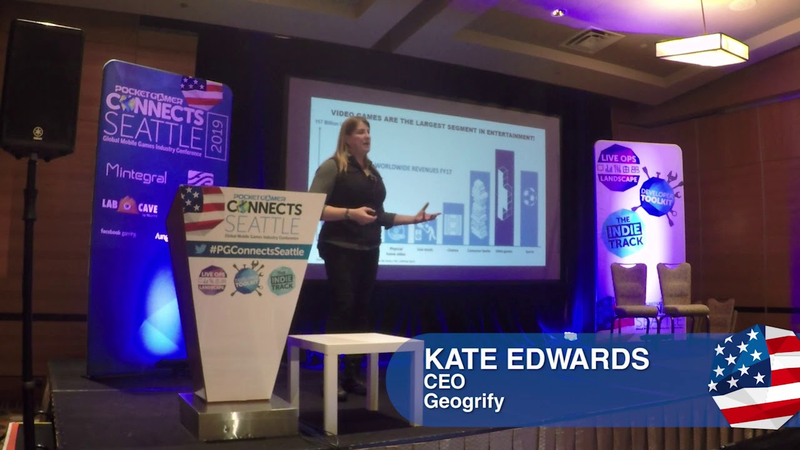
Building leverage for game creators
The game industry faces a critical juncture regarding labor practices, characterized by persistent issues such as crunch culture, toxic work environments, layoffs, and a lack of diversity and inclusion.
- Quality of life is the primary driver for developers considering leaving the game industry, which currently faces systemic instability characterized by crunch culture, toxic environments, and frequent layoffs.
- Despite the gaming sector's economic power exceeding that of global live sports, the average career length for developers remains short, typically spanning only five to seven years.
- There is a significant shift in workforce sentiment toward collective action, with an increasing percentage of developers now supporting unions, guilds, and collective bargaining to address power imbalances.
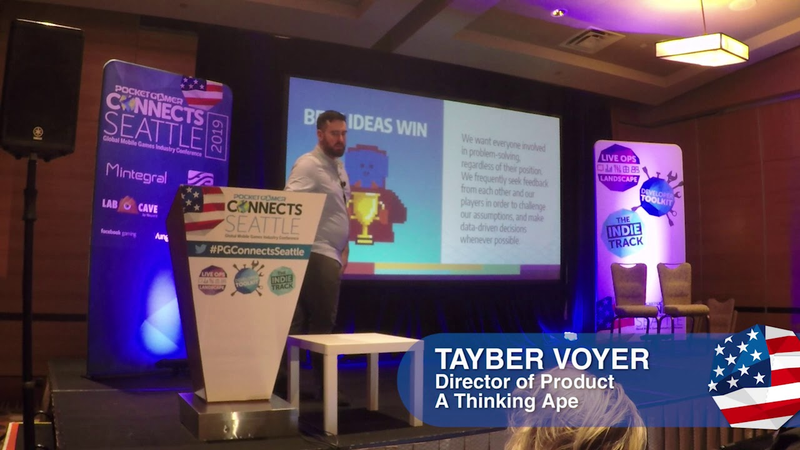
Using core values as the operating system for company culture
The primary thesis of this presentation is that a company’s core values should function as an operating system for its culture, providing employees with the necessary guidelines to make autonomous, high-quality decisions.
- Core values should function as an operational framework that empowers employees to make autonomous, high-quality decisions without relying on top-down management.
- The studio’s culture is built on four pillars: individual ownership of the end product, the principle that the best ideas win regardless of hierarchy, a commitment to continuous growth, and the practice of having 'wonderful arguments.'
- The 'radical candor' method is used to facilitate honest debate by balancing personal care with direct feedback, specifically avoiding the pitfalls of 'ruinous empathy' and 'obnoxious aggression.'
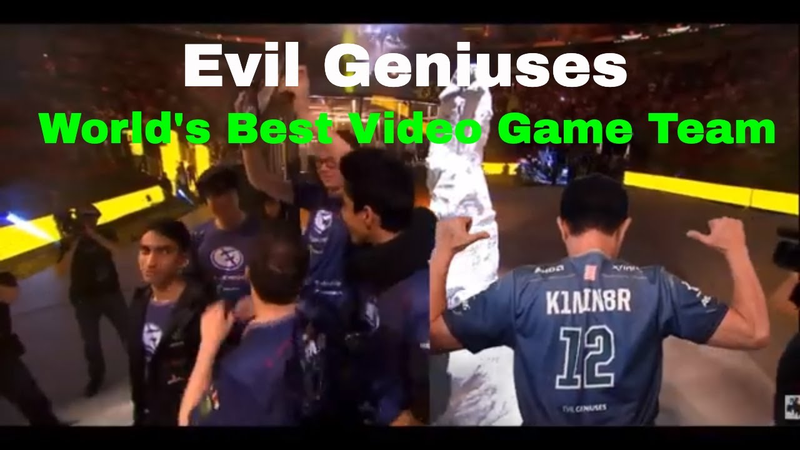
How to win in eSports! | Evil Geniuses eSports Head Coach Aaron "Gotcha" Chung
Evil Geniuses, a premier professional esports organization founded in 1999, maintains a long-standing reputation for competitive excellence across titles such as Dota 2, Call of Duty, Rainbow Six Siege, and Rocket League.
- Evil Geniuses maintains competitive excellence through a rigorous regimen of 35 to 40 hours of weekly team practice, scrimmages, and systematic gameplay analysis.
- Professional esports success is increasingly tied to holistic player development, emphasizing rest, nutrition, and physical well-being to sustain cognitive performance.
- The esports industry is experiencing significant financial growth, with major tournament prize pools for titles like Dota 2 reaching as high as $20 million.
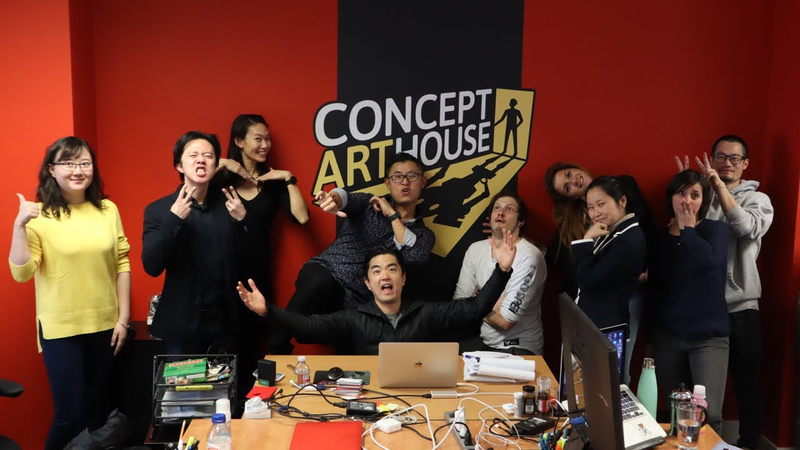
From Artist to CEO | Concept Art House Origin Story and Inside Tour
Concept Art House is a high-end art service provider for the gaming industry, specializing in concept art, illustration, 3D modeling, and marketing assets.
- Concept Art House, founded in 2006, has scaled from a six-person team to over 70 staff members, providing art services for major clients including Blizzard, EA, Sony, and Wizards of the Coast.
- The mobile gaming sector drives 70% of the company's output, with production budgets for individual mobile titles now reaching as high as $40 million.
- The studio operates a distributed business model with a San Francisco headquarters and significant production facilities in Shanghai, utilizing Jira, Shotgun, and Basecamp to manage international workflows.
Should You Get A Degree In Game Dev? (My Story)
The central thesis of this analysis is that formal university degrees in game design are often unnecessary and potentially financially detrimental for aspiring developers.
- The game industry is a meritocratic field that prioritizes tangible portfolios and demonstrated technical proficiency over formal academic credentials.
- Formal university degrees in game design are often unnecessary and can be financially detrimental, as evidenced by a $35,000 graphic design degree that provided little professional utility.
- Independent project creation and self-directed learning are more effective methods for professional growth than traditional classroom instruction.
Entrepreneurship Vs. "Real Job" (Which One Wins?)
The primary purpose of this analysis is to evaluate the trade-offs between independent entrepreneurship and traditional employment within the game development industry.
- Entrepreneurship provides superior autonomy and lifestyle flexibility, allowing for personalized schedules and work environments that are often unattainable in traditional office settings.
- The primary trade-off for independent work is the assumption of total financial risk, as entrepreneurs bear the full burden of business insolvency unlike employees shielded by a corporate structure.
- Lack of external oversight in entrepreneurship frequently leads to self-imposed pressure that exceeds the demands of a traditional employer, making it difficult to disconnect from work.
When to call it quits... (Indie Game Dev Q&A)
This analysis addresses the challenges of transitioning to full-time indie game development, focusing on narrative design, business sustainability, and the psychological aspects of creative entrepreneurship.
- Long-term indie success requires balancing artistic vision with a rigorous business strategy, treating financial sustainability as the necessary infrastructure for creative longevity.
- Financial viability is not an accidental byproduct of game quality but the result of intentional marketing and strategic revenue planning.
- Developers should adopt a hybrid revenue model, combining irregular capital injections like game sales and publisher advances with stable, recurring income from platforms like Patreon and YouTube.
5 Secrets Why Game Development ROCKS
The pursuit of a career in game development offers unique professional and personal advantages that distinguish it from traditional employment.
- Game development offers an uncapped professional ceiling compared to traditional roles like graphic design, allowing for unlimited potential in financial success and industry influence.
- The career provides a unique combination of creative autonomy and the ability to act as a storyteller, artist, and architect of virtual worlds.
- The industry serves as a social catalyst, providing developers with a distinct professional identity that facilitates networking and community engagement.
Running a games business without killing yourself
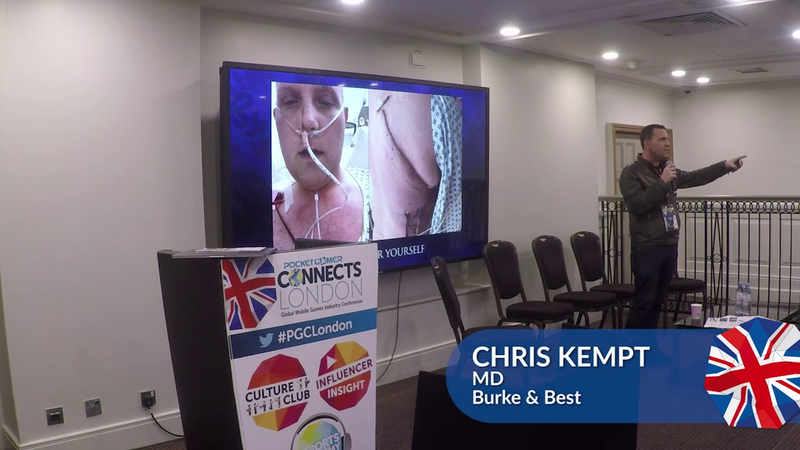
The primary objective of this presentation is to provide guidance for leaders of creative businesses on maintaining personal health and operational sustainability while managing the intense pressures of the games industry.
- The business leader is the organization's most critical asset, making the prioritization of personal health a fundamental requirement for long-term company stability rather than a self-serving act.
- Studio heads must transition from a founder-centric model to a resilient, team-oriented structure to ensure both business longevity and sustainable leadership.
- Leaders should proactively manage financial risk by avoiding over-leveraging personal assets and maintaining adequate liquidity to navigate the inherent volatility of the mobile gaming sector.
Company culture at NaturalMotion
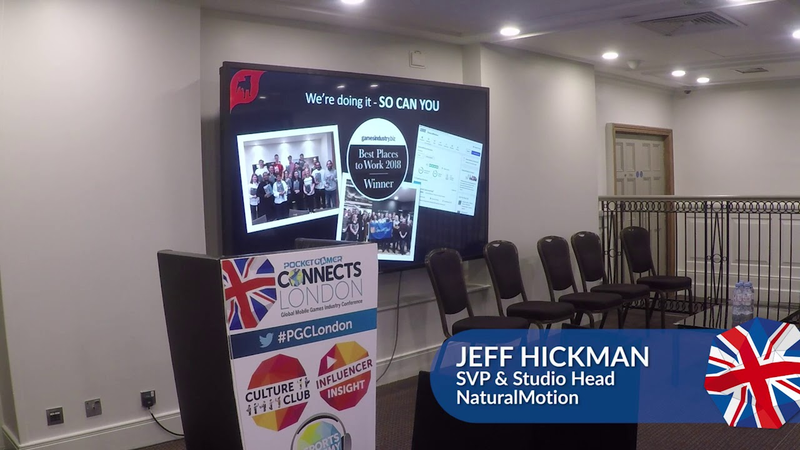
NaturalMotion’s approach to cultural transformation centers on the premise that organizational culture is a learned behavior that can be actively shaped, refined, and scaled.
- NaturalMotion improved internal health survey scores by nearly 20 points over a two-year period by transitioning from fragmented team dynamics to a unified studio culture.
- The company successfully increased its Glassdoor rating from 4.0 to 5.0, resulting in recognition as a top workplace in the UK.
- Leadership utilized a structured six-step change management process that prioritized accountability by assigning specific owners to address identified obstacles in communication, collaboration, and environment.
How to make great games without crunch / mental health problems in the games industry
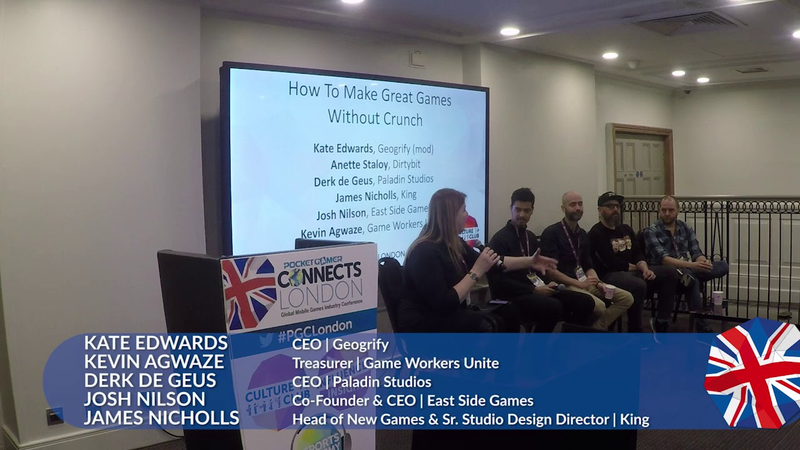
Burnout in the game development industry is a multifaceted crisis driven by systemic issues, including prolonged crunch, insufficient autonomy, and poor project prioritization.
- Sustained overtime beyond a two-week period leads to diminishing returns in productivity and a measurable decline in overall product quality.
- Studios must transition from an hours-logged culture to a goal-oriented efficiency model that prioritizes focused output over exhaustive labor.
- Preventing crunch requires rigorous project scoping and realistic planning at the management level to ensure timelines align with human capacity.
5 Days of My Life: Indie Game Development
This account provides an intimate look at the daily operations of a solo indie game developer, focusing on the creative and logistical challenges of building a project from scratch.
- Solo indie development requires a multidisciplinary workflow encompassing technical implementation, music composition, level design, and content creation for community building.
- The developer utilizes GameMaker Studio 2 for 2D production but is considering a transition to Unity to accommodate the requirements of larger future projects.
- The project, titled 'Will You Snail,' originated as a prototype in March 2018 and features an AI antagonist alongside diverse mechanics like disco-themed and underwater puzzles.