The Serbian games sector is emerging as a rapidly expanding, diversified ecosystem that now supports more than 80 companies and roughly 2,000 employees, reflecting a 3.4 % year‑on‑year increase in staff. Studios range from micro‑teams of five to large developers of up to 180 personnel, many of which are actively recruiting, indicating robust talent demand. Revenue generation has risen to approximately €100 million, with 2019 mobile‑first, free‑to‑play titles produced on modest budgets of €0‑100 k and average team sizes of six to ten, while flagship projects such as Nordeus’s Top Eleven and Playrix RS’s titles have amassed over 100 million monthly active users, underscoring Serbia’s capacity for both high‑volume mobile and higher‑budget productions.
The market is highly fragmented, comprising dozens of small‑to‑mid‑size studios that specialize in mobile, hyper‑casual, AR/VR, backend services, and outsourcing. Notable commercial successes include Sozap’s Armed Heist with more than 14 million installs and PixQuake’s server‑side analytics suite. Institutional support has intensified through the Serbian Gaming Association, the Nordeus Hub, and university initiatives, including a multi‑university “Master 4.0” curriculum that integrates IT, business, and creative disciplines and has spawned dozens of new gaming degree programmes.
Mentorship and structured education that blend soft‑skill and technical training are identified as critical for talent development, with studios such as Digital Arrow, Two Desperados, and Ubisoft Belgrade highlighting the need for custom tech‑art pipelines, AI integration, and data‑driven design. The coordinated push toward professionalisation, exemplified by accelerator programs and community events, positions Serbia to sustain its growth trajectory and increase its contribution to both regional and global game markets.
SGA · 2024
SGA · 2024

SGA · 2023

SGA · 2021
SGA · 2020

SGA · 2019
8Bit · 2026
Values Value · 2026
FLEGA – Flemish Games Association · 2026

Ukie · 2025

British Esports · 2025

Ukie · 2025
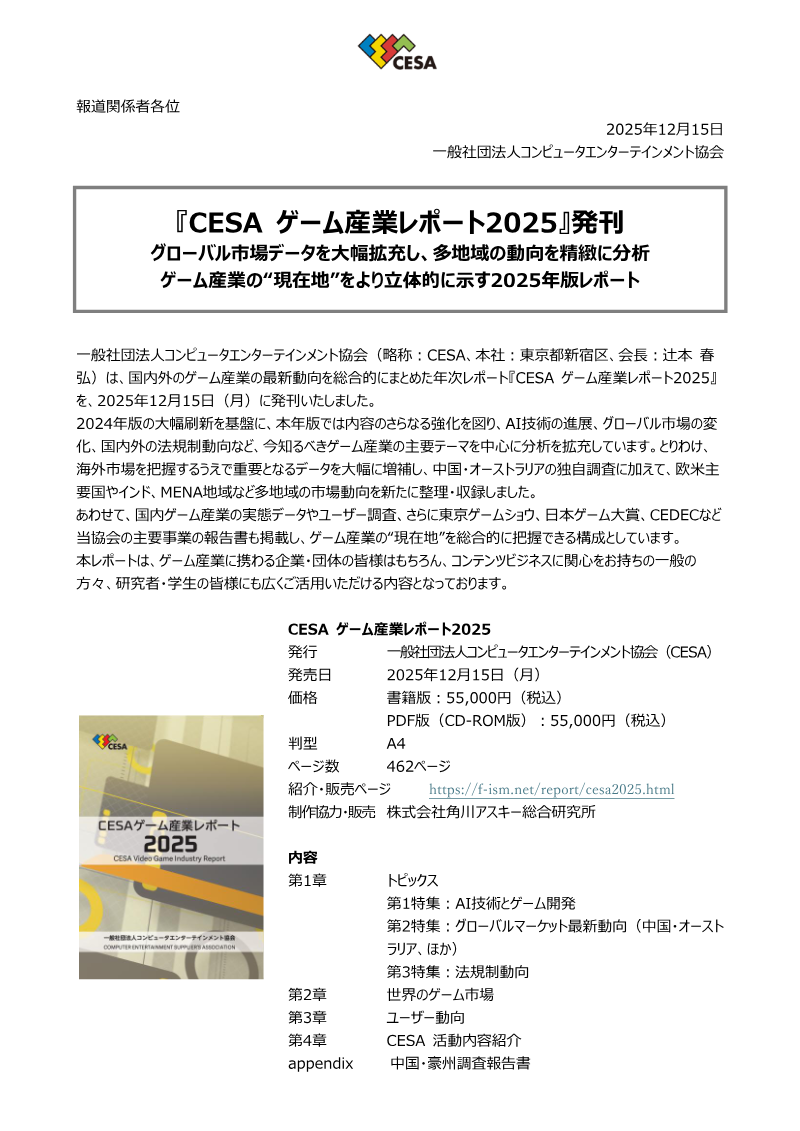
CESA – Computer Entertainment Supplier's Association · 2025
Flemish Games Association · 2025
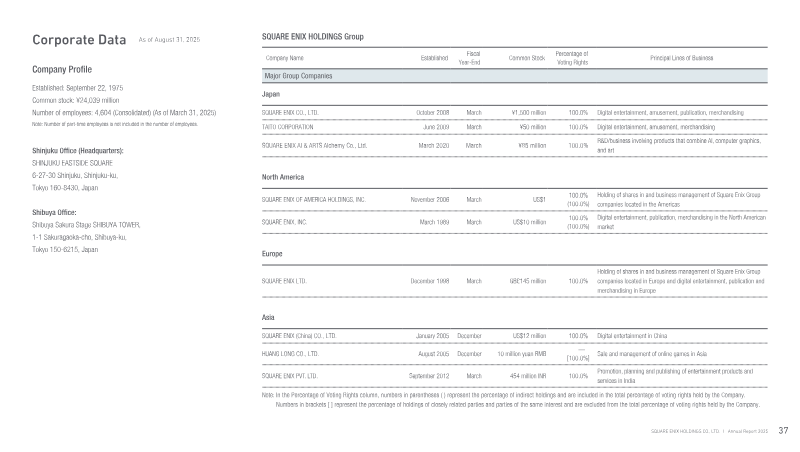
Square Enix · 2025

Direcció General d’Innovació i Cultura Digital · 2025
Game Developers Conference · 2025
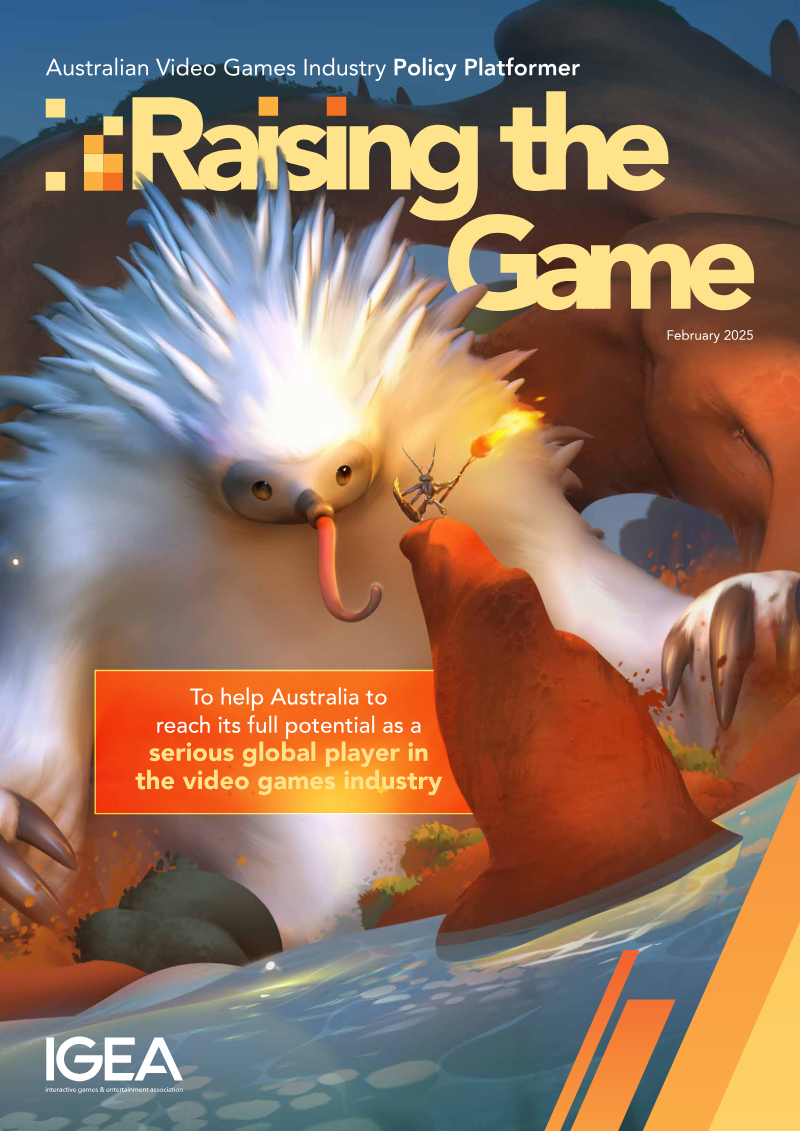
Interactive Games & Entertainment Association · 2025