Diversity & Inclusion reports and market data
Documents
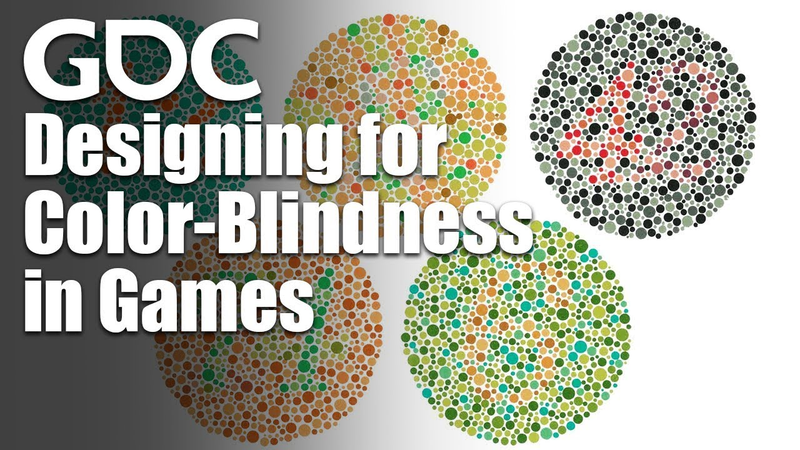
Solving an Invisible Problem: Designing for Color-Blindness in Games
Color blindness affects approximately 8% of the global male population, stemming from photoreceptor defects that hinder the ability to distinguish specific hues.
- Approximately 8% of the global male population experiences color blindness, creating significant barriers when games rely exclusively on color to convey critical information like team identification or health status.
- Designers must move beyond color-dependent communication by integrating redundant visual cues, such as distinct shapes, patterns, and icons, to ensure information remains accessible to all players.
- Developers should prioritize granular customization options, such as manual UI color and contrast adjustments, over global screen filters to provide a more functional and tailored user experience.

Macro and Micro Narrative Storytelling with Chella Ramanan | Game Dev Unchained Episode 0196
The game industry faces a critical imperative to diversify its creative ranks to move beyond the narrow, homogeneous perspectives that currently dominate development.
- Studios must move beyond performative inclusion by integrating diverse perspectives into the core development process to avoid the replication of stereotypes and insensitive content.
- Authentic representation requires engaging professional consultants and immersing creative teams in the lived experiences of depicted communities rather than relying on recycled Hollywood tropes.
- Narrative design has shifted from a peripheral task to a foundational element of development, requiring writers to balance expansive macro-level world-building with micro-level player agency.
Mordhau White Washing | Games ReCAP Episode 015
The independent developer Triternion has faced intense scrutiny regarding its management of the medieval combat game Mordhau, specifically concerning the prevalence of racism and harassment within its player base.
- Developer Triternion faced criticism for implementing a feature in Mordhau that allows players to toggle off the visibility of female and minority character models.
- Critics characterize the toggle feature as institutionalized whitewashing that validates bigoted behavior rather than addressing the root causes of toxicity within the player base.
- Triternion’s passive moderation strategy is cited as an example of how developers use historical accuracy as a justification to exclude marginalized groups, which ultimately damages a game's long-term reputation.
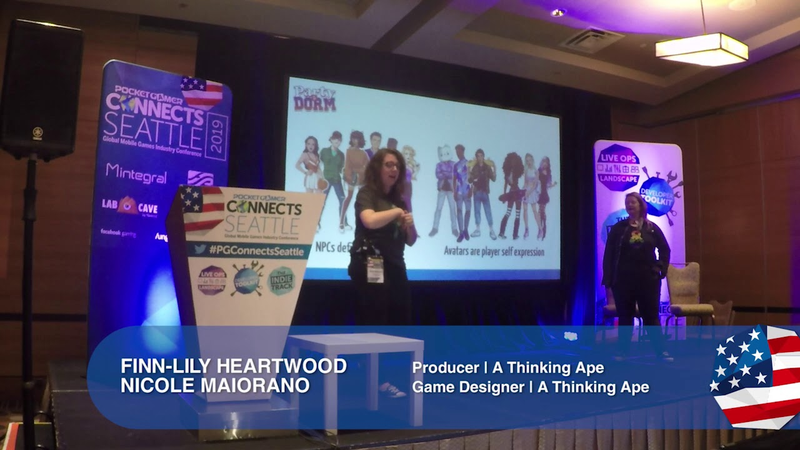
What is inclusive content and why is it important?
Inclusive content serves as a vital business strategy for mobile game developers, particularly those managing live operations with global, diverse audiences.
- Shifting from generic, stereotypical character designs to culturally nuanced avatars can drive revenue increases exceeding 200%.
- Inclusive content functions as a data-driven business strategy that improves community engagement and performance for global, live-service mobile games.
- Authenticity is achieved by hiring consultants with lived experience and creative expertise to mitigate unconscious bias and avoid offensive tropes.
The Diversity Talk You Need but Don't Want to Hear with Tanya Depass | GduX.me
The game industry frequently approaches diversity through performative, seasonal gestures that prioritize optics over structural reform.
- The game industry must shift from performative, optics-based diversity initiatives to structural reforms that prioritize sustained mentorship, professional development, and safe working environments.
- Companies should integrate diverse perspectives at the initial concept stage of development rather than relying on marginalized employees to fix finished projects or provide late-stage diversity consulting.
- Industry professionals must take responsibility for their own education regarding privilege and systemic bias instead of placing the burden of emotional labor and instruction on marginalized staff.

Working in the Margins with Meg Jayanth | GduX.me
The games industry requires a fundamental shift toward sustainable career models that prioritize the well-being and financial security of marginalized developers.
- Marginalized developers must prioritize long-term financial security by securing profit-sharing and royalty agreements rather than relying solely on flat-fee freelance contracts.
- Industry professionals should actively practice pay transparency with peers to establish standardized compensation benchmarks and prevent systemic exploitation.
- Diversity must be treated as a core requirement for high-quality craft and world-building rather than an optional or performative add-on.
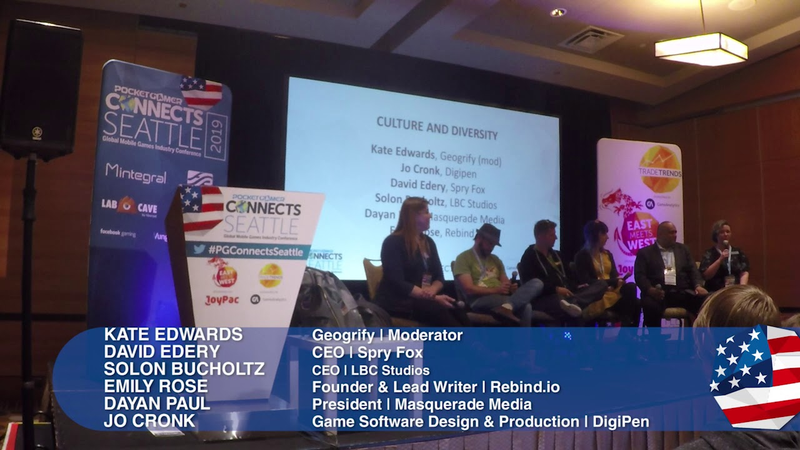
Culture and diversity in games
The global gaming industry is undergoing a fundamental transition toward greater inclusivity, driven by an increasingly diverse player base and the rise of female-led development studios.
- Diverse teams consistently outperform homogeneous groups, making the cultivation of inclusive office cultures a strategic necessity rather than just an ethical choice.
- Studios must transition from traditional, insular recruitment pipelines to active engagement with underrepresented communities and the implementation of unconscious bias training to improve hiring outcomes.
- Leadership must shift from rigid human resources policies toward a culture-first approach that prioritizes transparency and team health to improve long-term employee retention.
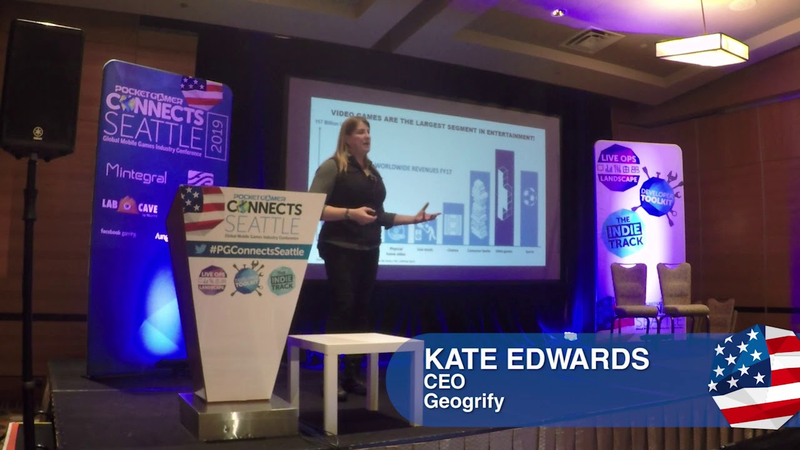
Building leverage for game creators
The game industry faces a critical juncture regarding labor practices, characterized by persistent issues such as crunch culture, toxic work environments, layoffs, and a lack of diversity and inclusion.
- Quality of life is the primary driver for developers considering leaving the game industry, which currently faces systemic instability characterized by crunch culture, toxic environments, and frequent layoffs.
- Despite the gaming sector's economic power exceeding that of global live sports, the average career length for developers remains short, typically spanning only five to seven years.
- There is a significant shift in workforce sentiment toward collective action, with an increasing percentage of developers now supporting unions, guilds, and collective bargaining to address power imbalances.
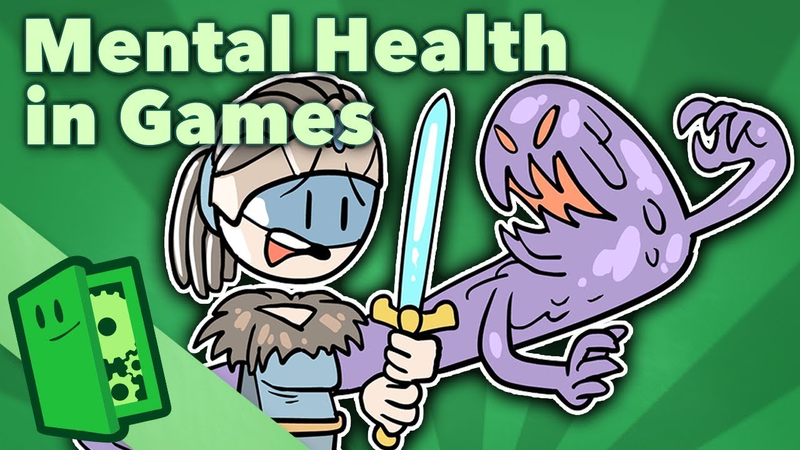
Mental Health in Games - How We Can Do Better - Extra Credits
Video games frequently misrepresent mental health, often relying on harmful tropes that equate mental illness with violence or villainy.
- While 25% of games feature characters with mental health conditions, these portrayals frequently rely on harmful stereotypes that equate mental illness with villainy or violence.
- Statistical data contradicts common media tropes, showing that individuals with mental health conditions are more likely to be victims of violence, with only 3% of violent crimes linked to such conditions.
- Developers should collaborate with mental health professionals and individuals with lived experience throughout the design process, as exemplified by the realistic storytelling in 'Hellblade: Senua’s Sacrifice'.

The Making of the Xbox Adaptive Controller
The Xbox Adaptive Controller represents a fundamental shift in gaming hardware, moving away from rigid, standardized interfaces toward a modular, inclusive design ecosystem.
- The Xbox Adaptive Controller functions as a modular hub designed to replace rigid, 17-button interfaces for users with restricted dexterity, spinal cord injuries, or repetitive stress conditions.
- Development was driven by deep collaboration with specialized organizations including AbleGamers, SpecialEffect, and Craig Hospital to ensure the hardware addresses specific user constraints.
- The device design prioritizes physical health and integration through ergonomic sloping to prevent skin breakdown and reinforced mounting options for wheelchair stability.
Ditch toxic systems so we can finally love video game romance
The presentation critiques the prevailing design of romantic systems in video games, arguing that current mechanics often reinforce toxic societal values, entitlement, and unrealistic expectations.
- Current romantic mechanics in RPGs and life-sims like Mass Effect, Dragon Age, Stardew Valley, and The Witcher rely on a 'kindness token' model that treats relationships as transactional rewards for repetitive tasks.
- The prevailing design framework prioritizes player entitlement and wish fulfillment, reducing complex human connections to predictable inputs rather than fostering genuine emotional growth.
- By framing romance as a goal to be achieved, these systems reinforce outdated tropes such as the 'damsel in distress' and the commodification of sexual encounters.
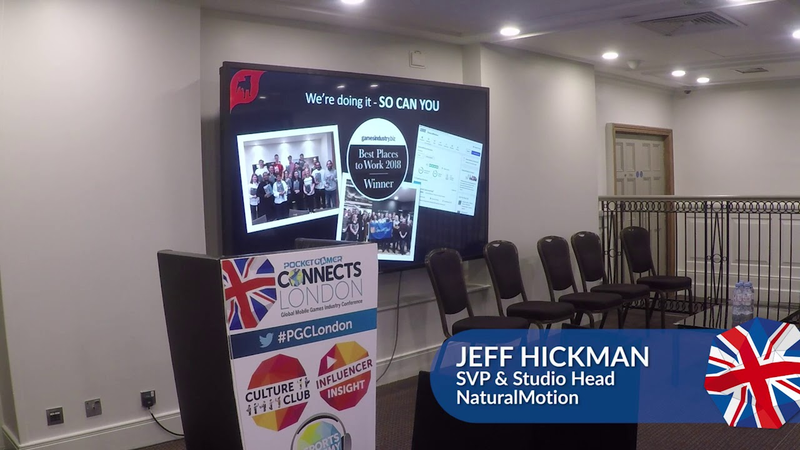
Company culture at NaturalMotion
NaturalMotion’s approach to cultural transformation centers on the premise that organizational culture is a learned behavior that can be actively shaped, refined, and scaled.
- NaturalMotion improved internal health survey scores by nearly 20 points over a two-year period by transitioning from fragmented team dynamics to a unified studio culture.
- The company successfully increased its Glassdoor rating from 4.0 to 5.0, resulting in recognition as a top workplace in the UK.
- Leadership utilized a structured six-step change management process that prioritized accountability by assigning specific owners to address identified obstacles in communication, collaboration, and environment.