1 free read left. Create a free account for unlimited reading + AI research.
Create free account
Working in the Margins with Meg Jayanth | GduX.me
Key insights
7 takeaways- 01Marginalized developers must prioritize long-term financial security by securing profit-sharing and royalty agreements rather than relying solely on flat-fee freelance contracts.
- 02Developers should conduct rigorous due diligence on potential partners and set firm boundaries to protect their well-being against the industry's tendency to romanticize burnout.
- 03Industry professionals should actively practice pay transparency with peers to establish standardized compensation benchmarks and prevent systemic exploitation.
- 04Individual self-advocacy, including the rejection of dismissive criticism and the refusal to be intimidated out of professional spaces, is a necessary precursor to broader structural change.
- 05To combat tokenism and uncompensated labor, professionals should prioritize their own creative output over the performative demands of navigating workplace culture.
- 06Diversity must be treated as a core requirement for high-quality craft and world-building rather than an optional or performative add-on.
- 07Moving away from homogenous referral networks toward intentional, inclusive hiring practices is essential for the retention of diverse talent.
Ask AI about this video
Transcript
[Music] hi everyone thank you so much for making it to the stream and thank you know I just quote the the end of the last thing and actually lots of what I'm talking about follows I mean from a lot of what he's saying to so I'm much more used to presenting to a live audience where I can see all of your gorgeous faces and somehow this is more terrifying who knew all right it's good so I'm a giant and I'm a writer a narrative designer a speaker and a consultant I was lead writer on Inca Studios anti-colonial steampunk retelling of Jules Verne's classic novel 80 days and I'm currently the lead writer on sable with the incredibly talented team at shed works and in between I've worked on indie titles like Falcon Age and boyfriend dungeon as well as the lush narratives of summer C and summer skies I also recently did the story for this war of mimes latest DLC and I've got a
rope mobile interactive romance based on the world of Titanic in soft-launched for 21st Century Fox's story escapes so as you can see I mostly work in the indie space with smaller teams but I have dipped my toes into Triple A as part of the writing team on horizon zero dawn I wrote a lot of alloys box so if you enjoyed her annoyance when she fell into ponds or ran low on arrows you know who to blame and recently I also hosted the IGF Awards at GDC 2019 R is the first woman of color to host the awards and I called for unionization and Sara treatment for workers in this industry as well as calling out deep-rooted issues of Islamophobia sexism racism and other bigotries but I think more importantly I ask the question what can we do to make people feel welcome how do we ensure that people from all backgrounds and perspectives can live
and work and create sustainably in our field I think that more than anything is the question that we all need to answer and in some ways this talk is the mirror image of that that talk was addressing the industry more broadly and here this is more personal it should hopefully give you some answers to an equally relevant question one that needs to be answered while we do the structural work and long-term work of changing the industry for the better and that is how do we survive now so I merely titled this talk survival tips for the other but I think it makes sense to call it working in the margins because I'm going to be talking about a variety of margins and marginalization here personally I'm a visible Brown woman in the industry that I currently live and work in the UK I'm Indian not British Indian as people assume entirely Indian and I'm also
committed to a global view of the games industry both in terms of ideas and practice from outside of the West I'm also a freelancer and I have never been in house at any point in my career and I think that's something that's becoming much more normal and unusual in the industry which is really what I want to talk about and I want to talk about this in you know talk about marginalization a little bit because being freelance allowed me to have a career while dealing with a chronic illness and being freelance and working remotely and or really our non-traditional models and structures of work which can particularly benefit people who are dealing with you know health issues mental or physical disability childcare or just care more generally and allow people to sustain careers which can adapt around their lives and that is
hugely hugely important for us as workers particularly in the games industry which is let's be honest not really known for its um you know work-life balance our careers also need to be resilient enough to weather a chronic illness and ill relative child or outside commitment of any kind they need to be resilient enough to survive the realities of life they can't only be possible if we she've and maintained perfection because that's an impossible demand so there were no Maps for me no well-traveled paths that I could follow and in many ways I had to become a cartographer many of us working in the margins do I think and that is an additional burden placed on us there are fewer or sometimes no mod no other models to base our expectations on there aren't that many people who out there who can speak to what we're experiencing but I still remain immensely grateful
for the kindness and generosity and openness of the indie dev community and I wouldn't be where I am without that help and advice and I think it's it's important particularly for those of us who have been marginalized to reach out and help our friends and our colleagues and our eyes which goes back to what Noah's talking about in the in the previous stream as well and what Brandon and Larry have been talking about with with this this entire conference and I still feel at times like I'm inventing my own job my own career path my own set of best practices and hints and lists of mistakes never to make again and I'm sharing some of my mistakes with you all in the hopes that you will be able to learn from them and make your own mistakes so that I can then learn from them in terms okay so to ease us into the snares and pitfalls of this discussion I thought I'd start us off with something easy the issue of money
so now I need to carry out this next bit because wanting to make games and wanting to make money from making games are really two separate matters and the nature of capitalism is that it reduces the value of creation in and endeavors to their profitability and their commercial viability and you know that's not the entirety of meaning in the world we need a thriving vibrant art game scene and that's valuable just on its own terms so really being in a margins can be good and there are many people living and working here in a variety of ways but today I'll be focusing more on speaking to people who want to live and work sustainably in the margins outside of the triple-a space but also those who perhaps want to enter those spaces and learn how to navigate them but back to money the biggest advice I have for d'oeurves working in the indie space is to think about royalties profit sharing so I was extremely lucky that inkle
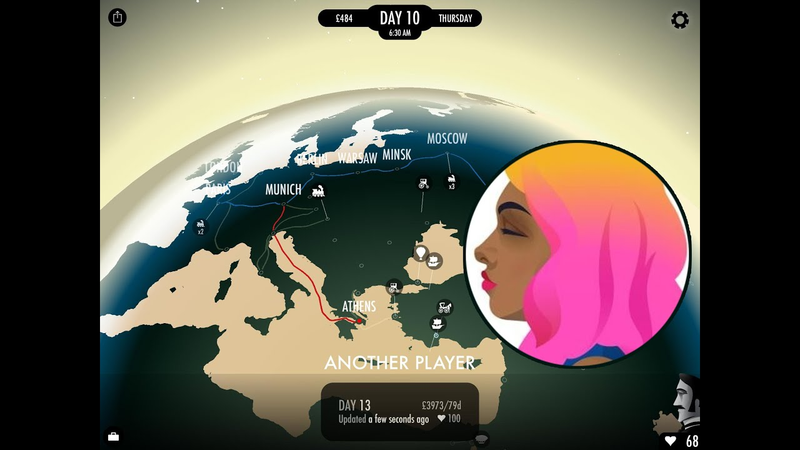
Studios who had the studio that made 80 days that I worked on as a contractor suggested to me that I get a smaller upfront fee and then royalties on the back end when I was discussing working with them on 80 days I should also say here that 80 days was my first professional job in the games industry and at the time I really had no idea that this wasn't a more use you the usual payment structure for a contractor in a game and the more I've been in the industry the more I genuinely believe that this is the kind of way forward it's still really unusual and that's why I really wanted to talk about it more particularly in this venue because royalties from eightydaze have been a huge part of me being able to find it satisfying and sustainable career and the long tail on some indie games is most certainly real having money come in every month after the launch of the game allowed me to plan a little bit more to
have a sense of stability which is hugely important in a freelance lifestyle and also to be able to be a bit more thoughtful about the next jobs that I took on I also am profit sharing or I have a royalties on my upcoming game with shed works sable and this is not and I think also it's important to note that this isn't just on a financial benefit profit sharing also means that you are sharing risks so it really does come down to a judgment call whether you think you'll be adequately compensated for your time and the kind of team you're working with but on the positive side that responsibility and that risk also comes with much greater creative control and a real sense of ownership which I think can sometimes be missing in contract work and they do you think that did I've managed to sort of carve out a middle path between completely work for high and being in-house of the studio and and I think that's only gonna become more plausible as time goes on in the
industry so I actually think that this profit sharing model can be really great for studios as well as individual d'oeuvres because it encourages everyone on the team to feel like they have a stake in the creative process and the product as well as the rewards it's also something that in my experience in these are much more open to particularly if they're squeezed for capital during dev but anticipate post-launch profits but it's also something that I've seen you know other kind of ascended Lily's or bigger folks do and so with 80 days in terms of deciding whether this is a good option for you or not with 80 days inkle were able to show me projections of profits from their previous games which were relatively similar in kind of tone and approach and that could give me an indicator of how much compensation I might potentially receive which also allowed me to to kind of make a count make a calculated risk I suppose about how much time I was gonna pit put in you
know and and what else I was gonna turn down in order to do it but many Indies I think might not have those projections or their new game might be so radically different as to make those projections largely obsolete because the games industry is many and varied but in which case my advice would be to do your due diligence ask around about people's reputation get references from devs who have worked there particularly doubts who no longer work there anymore but also be realistic and trust your own judgment as you determine how much work is worth the risk there really aren't any formulas here but at a base level you know do you think that they respect you your work and your time if the answer's no then I would merely suggest being extremely careful about entering this kind of business relationship with people there are downsides to being an outside contractor without a stake but the real advantage of that position is that if a business
relationship doesn't work out you can kind of cut ties easily and move on but if you take on Roy and by extension greater ownership it's a much more serious and long-term commitment and if you don't have basic confidence in the goodwill and good faith of those you're contracting with then I think that's a big red flag so I'm talking about this particularly from a writer's perspective and to an extent there is also a little bit of a form I suppose precedence for writers you know taking a percentage like in the literary world it's sort of 10 percent is very normal but but I do think that profit-sharing more generally for devs is really the future and if this is the kind of thing that interests you Scott Benson and Bethany Hockenberry of night in the woods of the night in the woods team have recently been talking both publicly and eloquently about creating workers coops and I know that the game Workers Union who are you know part of GD UX and this conference there are also
really great resource for thinking about ways in which you know we can be more equitable and fair particularly if you're thinking about starting a studio with a colleague something that I'm gonna be doing with my quality Alexander later this year or if more generally if you want to know your rights and this kind of brings me to a broader point which is talk to people about money and I know this is hard particularly if you're British or you know if you're shy or reticent in any way but especially if you're a freelancer this is it's just you know it's it's a muscle that you need to learn how to flex it's it's just a skill that you need to learn how to develop really tell your peers your de-rate and ask them what theirs are there are a few people early on in my career who were really open about this and told me in no uncertain Tally's to double what I was asking for and I'm really thankful for that intervention and that openness on their part so if
you can be that for somebody else or if there's someone that you look up to in your field or is part of a social or professional circle you know try asking you know it never has to ask and and if and when you become established remember that the way people treat you trickles down you know I mean this this is true in the broader sense but but I mean also you know if you demand respect and a decent rate as someone with a reputation that raises the bar for those who are up-and-coming and it just generally raises the standard of working conditions and compensations for the entire industry and and I think if if we are lucky enough and privileged enough them to be in a position where you know we have that kind of power or that kind of place then then it's really important to make sure that we're thinking about those who are coming up and really not pulling the ladder up after ourselves
and so if there's really one piece of advice that you remember from my talk and you forget everything else it really should be this do not undercut or undermine your colleagues instead find ways to recommend a reward and uplift them the industry is big but your peer group really isn't and I have I have received more work and more recommendation from the AG receive more work through the recommendations of colleagues then I have through my own reputation and talks or even my awards and I suspect over the course of a career that will be true of most people so always have other people to recommend and and this is something you know it's worth working on and worth making an effort to build up a little I was gonna say rolodex but that's gonna date me to stay a contact sheet of people to talk about and particularly people from different backgrounds and perspectives to your own as well as those who are similar to you you know because that
will help you handoff work that people are coming to you specifically for seek out those people and be generous to people who are coming up or less established this has never ever backfired on me and hasn't reus meant that I have a group of people to share concerns and worries with not to mention the sheer pleasure of watching talented and kind human beings excel and find their place and really add their much-needed voices to the games industry so tokenization this is another really big issue that I want to talk about in particularly affects women and marginalized folks so I've certainly found myself invited to talks and panels becoming prominent and becoming prominent because of my work but also in part because I'm a Brown woman in quotations and it's been really important for me to find a way to maintain my own sense of integrity and purpose in that process so for me it was
a realization that if I was given a platform it mattered less why I was being given being given that platform than what I was planning to do with it before I was gaining from a particular invitation outweighed the tokenization and particularly if what I was going to be able to communicate using that platform outweigh the tokenization then go right ahead but but that's kind of a balance that you need to to really find so I found myself in undated with requests to speak you know partly because people respect my craft but also because I take more than one box being a brown woman and while initially you know I thought this is really useful and worthwhile work to be diversifying diversifying panels and speaker lists there was really no one to tell me that this kind of prominence is also labor and it has a cost it takes up an enormous amount of time to prepare and give these kinds of talks or panels not to mention the travel and the social
costs cost and the exhaust and the absorption and that represents in a very real way time away from your own work and development and I had to find my own balance here and I think we all kind of do to a greater or lesser degree but the industry does have a way of insidiously and and actually largely unintentionally so it doesn't make it any less insidious trying to funnel marginalized people into the path of becoming a talking head rather than a dev and that is absolutely fine if that is your goal and that's what you've come to the industry to do but for me it was a kind of Thunder strike realization that this time away presenting speaking sharing ideas had value for me in terms of building a reputation and sharing knowledge but could also inhibit the real work that I had come to the industry to do and actually there did come a point in my career where I realized that you know the people inviting me were getting more
out of my presence than I was but that doesn't mean that it's not flattering to be invited and and so kind of learning how to say no in a judicious way and being really strategic about my own career you know it is hard I'm not a business person and that's not my instinct in my nature and I'm really I'm a artist about it but um you know yeah I think it was just it's usually important to recognize your own value because there are many instances and where where the industry intentionally or otherwise attempts to devalue you which actually brings me perfectly to my next point which is about imposter syndrome which is something that disproportionately affects women and marginalized folks and people of color but also you know just people in general and if you are marginalized in any way it can be hard to hold on to the idea that imposter syndrome is utterly ridiculous
and is actually false even though it is I still struggle with it I know a lot of my friends and my colleagues do it's hugely important I think for all of us and particularly anyone who is remotely other to balance and openness to criticism with a wreckin with a recognition of our own value and I say this because there will be many people out there all too willing to ascribe your achievements to your background or your identity and and why it's really important to develop that robust sense of self that I was talking about earlier and to deny the worst and most continual voices in your own head that tell you that you don't have a place here because you do and really the truth of it I think is that the industry means people like us even more than we need the imagery is it Callister at that point I guess so I I have a colleague who is like an older white man and he released a narrative game around the same time that I released 80 days he once told me Carolee the reason that
I was getting more press than he was was because you're a brown woman and even though it was ridiculous it kind of stuck with me and I had to do a lot of work to unpack that and to kind of find my way into recognizing whether that was a legitimate criticism or not and so I done their work so that you don't have to when someone says this you seriously just ignore the out of them so his the truth is the advantages of being marginalized in the games industry are far far outweighed by the disadvantages if I am one of the few brown women who are prominent that's because brown women are disadvantaged and a few extra interviews in the gaming press does very little to redress that balance so it's also important in a kind of separate way and it is almost on the other side of the matter to talk about how women and
minorities are reduced to talking about their work as though it only encompasses initiatives towards diversity and inclusion rather than any other work they may be doing giving the diversity talk is a rite of passage for many of us I did mine at GDC and I think it was in 2016 you can watch on YouTube it's called ten ways to make your game more diverse I'm really proud of it I think it was extremely valuable and useful but at the moment I feel I feel very done I feel very done I feel like I've put in my time I'm done with addressing the majority and I'm really much more interested in talking about how we can get more diverse voices and perspectives around the table and in key roles and with authority so a big part of what I do is also consulting I recently consulted with sale better about
colonialism and its impacts on the latest game on their latest game summer skies this was incredibly fruitful and reward because fail better were really open welcoming and engaged in the entire practice and they were committed to dealing with these issues in an active and thoughtful fashion that I entirely sympathise with friends and colleagues who are really tired of coming in to consult or being asked to to put this in the crudest way possible I guess come in to polish a tad and many of the jobs I'm offered often involve coming in as an afterthought and I think this is a really common experience amongst people who are in in any way others or diverse in the industry you know that you're really brought in as an afterthought to make something terrible a little bit less terrible and and that's useful and good work but I also think it is time
that we were offered seats at the table rather than scraps and also at times you know in the industry your marginalization can be a lever and by which I don't mean play the race card not that there even is one but what I mean here is that if you're a marginalized person or if you're in any way other you're our very presence can allow for the broaching of particularly difficult subjects and it's a really good reminder to other people in the room that the audience is not entirely siz white male middle class Western abled straight and if people are operating in good faith that can be all the opening you need to have a genuine and broad ranging conversation that that really challenges the status quo good faith is really enormous ly important and it leads me into my next point which is finding the right collaborators personally I've always been incredibly
clear about my values and interests and in the type of work that I find meaningful and I've been public about that and that's been a useful screening measure for me these days if someone approaches me it's usually because they're familiar with my work or my public presence or if they aren't my twitter is public and it's pretty vocal I found this to be an advantage there are probably people who don't approach me based on my public presence and that's to the good in my opinion because it would be unlikely that we would make good collaborators or that I would I would have a fruitful or sustaining time collaborating with them I know that the people who do approach me are serious and share at least some of my interests and concerns and at the very least I'm more I'm more likely to end up working with people who are open-minded and willing to listen and respectful of my expertise you know I think we've all been in that situation where we're like the only voice in the
room and it can be incredibly draining I think and frustrating and damaging to you to kind of have to have to be doing that work day in and day out especially if that's additional work that you're doing alongside your actual job so you know everyone will want what you're selling but that's that's okay particularly if one of the things that you want from your career is to be able to do meaningful work in a healthy and respectful and encouraging environment so I'm really deeply aware that not everyone can be picky about their work but I personally have always found that the things that make me different and the perspectives that that I have that are outside of the norm I really want bring value and insight to the teams that I work in and on everything from content to design to accessibility and implementation and also you know I know myself and I do much better work when I'm in a nurturing environment and you
know I and I think that's okay I think that's one of those things that's difficult to talk about you know particularly for you're a woman you know you're you're meant to be really tough and and kind of you know not asked for accommodation but but honestly I've mostly found particularly in the game space fear that people really want to enable you to do your best work and and if you know going into a collaboration you know a few structures or a few ways of interacting and communication and being and if those things will enable you to do much better work you know I think it's almost your professional responsibility to talk about them rather than being you know selfish or self-involved and I think it's a really worthwhile thing to do and it can also be really useful at that stage you know in the interview stage if you bring up these concerns and the team that you're about to work with is extremely dismissive of that that's a really huge red flag as well so last year um and I talked about this a little bit at my my
IG f speech I became I became so chronically ill that I was unable to work so I have endometriosis which if you don't know what that is google it but which when it's unmanaged it causes me if you used to cause me enormous pain nearly daily and I did something extremely stupid that I really didn't recommend which is putting off medical treatment because I had a deadline to me and I had you know a series of deadlines to me and I prioritized those short-term deadlines over my long term house and my prospects and it was a really really terrible idea don't do this I burned myself out to the point that I lost the joy that made my work meaningful and and and that made my work worth doing and it really took that crisis for me to reevaluate my relationship to work and stress and and self-care or or self-management and this is particularly relevant if you're a freelancer there's
no one else - there's no one around to notice if you work around certain issues sure but there's also no one to notice if you're struggling and there's nobody to tell you to go home or take a few days off so during my IGF speech I said in it is time that we as an industry left behind the idea that our work is made better by our pain and that the price of passion is exploitation and that is something that I I really believe we need to be kind to ourselves but more importantly than that more importantly we need to know ourselves this is what will enable us to ask for accommodations for our mental and physical health for the realities of our lives to learn to commit ourselves wholeheartedly but still pragmatically to drown out the negative voices in our own with positive ones and to actively carve out sustainable spaces for ourselves and particularly in indie dev I I found
there to be room for negotiation room for accommodation room for us to be human beings with interests and cares outside of video games and that in no way compromises our passion and our drive and honestly I think it's much better to ask and be refused and to not ask at all and the very fact that you're answering asking the question normalizes the fact that this is something that can be talked about at work and I think it's hugely important so I hope that my talk makes it feel more possible to survive and thrive here in the margins of our wonderful and terrible industry I certainly believe it is if we lift ourselves and each others up so that's where I'm gonna leave it thank you all so much for listening before you get out of here though we do have questions follow the twitch audience but first thank you so much for your presentation here's my pleasure okay all right sorry about the
interruption we were like hold on okay cool all right we had enough scarce today we don't want another one so this question is from our audience obviously this is Hoxie 3d the question the question is I'm like you can't write and Larry kind of switch the camera me yeah as a white male are there any tips you would have for me to help others become more comfortable in the workplace also if I was writing a story whether it be in games or otherwise how could I avoid tokenism and by others being those of different Creed's races or gender I mean I think that's a really great question there's a lot of there's a lot of thoughts out there if you have access to the GDC vault and just groove type in diversity or inclusion you know my talk which is ten rates maker game boom diverse it's available on YouTube and and it really is kind of a primer on this which i think is really useful and
really it's but you roast it and talk about it in in kind of friendly accessible language not really using like buzzwords and all of that stuff you know I think there's loads of resources out there but everything I think you know it's good to be asking that question and I think you know above and beyond what you can do I think facilitating other people you know if there's somebody in a meeting who is marginalized in some way and you think they had a really good idea that the team didn't quite listen to just just you know pause the meeting and just go ahead actually I saw it there this person had something to say would you like to say that again you know give them the opportunity to like raise up their voices you know and and fundamentally I think you know there's nothing like that's really off limits for anyone to talk about but I think there's there's a lot out there that allows you know people from outside particularly white folks from outside other experience of marginalization to talk about the other but you know I think as worthwhile as that is also you
know kind of talking about these issues at work you know go and and kind of actually facilitate other people you know so recently I when I was at a games company where I was the only one only woman and of course the only brown person in the room I mean I really appreciated it that that sort of many people individually just came up to me and said hey we really like your work we really value your perspective and we're really open we will all make hear what you have to say and particularly if you're coming in as a contractor if you're a new hire that's there's such valuable words to hear like hey we know who you are you value you and we are open to hearing what you have to say and please feel free to call us out as well those are great words to hear - you know it just shows a kind of willingness I think so I've got a question and this is kind of personal I I would say we might
have fight we've probably fought some similar fights in our careers and one of the issues see didn't have to say much more than that but one of the issues I think about it's just like in my personal stance on tokenization and yours as well how do you feel about like the beneficial side that there's potentially more people of color especially being you know brown female or african-american anything male or female for me I would say like so let's just say folks like us regardless of we know that this platform is trying to leverage that and bring that community in is there value that you take out of it to say but you know what if like 10 people see me there and then get inspired to do this like that door opens more or less so I guess what's your personal stance on like at least bringing that kind of thought into your decision-making when saying yea or nay to tokenize the situation I mean you know I think yeah I'm think I can we're on the same page on this one because to me it's always it's it is worth it it's
certainly worth it if it's even going to move the dial forward a little bit but but I think for me it was it was it's the moment at which you know what a sign is okay right we want you to come here and you talk about these issues of diversity and you know we want to be really inclusive but then I show up on the day and you know the diversity means me and I'm not your baby swish you know what I mean it's I guess when I come back you know one year to say any conferences or spaces and I see that they're you know the change isn't really happening that really what's happening is that these people are just patting themselves on the back and saying oh we did diversity we got MEC to talk and it's you know they're not going out and finding more people or or it's tempting food dress than or than what upper level and you think at that point that gets frustrating and you know personally at what point does it become you know less worthwhile I think you know you have to be mindful of your own
time and value it because really no one else will you know I I guess for me as well like even you know hosting the idea for wards there was a you know I wouldn't necessary say it was tokenization but but there's an extent to which also I knew that I was come into a lot more heat just sheerly being a brown woman presenting so it wasn't as easy for me to just say yes even though this is something which is great for anybody's career right I mean why would anyone think twice about saying yes to hosting Miyagi of awards but there was a great aquatic a you know I had to look down my Twitter and Nazis found me for about two weeks you know but at the same time I really thought that what I was gonna say that was was important enough to kind of counteract the price that I was going to pay just my sheer presence was valuable you know and I heard from loads of like you know queer folks and people of color and marginalized folks who are like it was
so great to see a woman of color on the stage and you know if I'm gonna take two weeks of nineties for that I'm in a privileged enough position the that rolls rolls off my back you know and if I can get that hate so that somebody else feels like they have a think we're then bring it on and that's that's heartbreaking though because you're someone else um one love worth who adds to the production regardless of a demographic that you come from you know to me and that alone like it's like a benefit to you being there let alone like oh you're also representing communities that don't get representations so you have a whole load of folks who are cheering for you in that present moment to know that like people who don't have to deal with or come through or break through any of those same barriers are gonna look at you and say oh I G up this net let me go hound her Twitter for two weeks because I don't want to spend two minutes turning the channel because I can't stand watch it's like I have personal issues so I need to make a big thing about it and man hurt this person or bring this person down because I have an issue right like this person is doing
great things for people don't even care that I hate them right now because she's shining on that stage and she's helping present and she's hosting a damn Awards Show but I'm bigger than this right like my I'm more important than this my hate is more important than this so I need to go be an ass excuse my language sponsors and then like just go flood all her personal accounts and do whatever I can to bring her down so she never thinks about doing this again yeah cuz that's what the world needs right it's it's a it's a dangerous world obviously we're streaming this on everything is becoming more and more online and you're opening it up to to the rest of the world for for every type of criticism I work with Larry personally a few times all right I like to say that I fit within this market but not really there's a lot of Asians in the game industry so I'm actually outside the bubble I think but I do react yeah I don't think that's right because I think I think that there's still like you know send me in the technical fields there's lots of Asians of my own like a
South Asians East Asians but still like across the industry in positions of power certainly not idly I haven't been in position attire yet so I haven't been able to see it from that top but I do see and this is probably a question see to you make in and to layer I've asked him many times like to get through the issues obviously going to a workplace and talking to your colleagues right you definitely feel the atmosphere of change as soon as you walk in the room like how do you get through that do you just focus on the tasks on hand and and just kind of truck through or do you should should you kind of acknowledge it and try to get through it and what would be your suggestion to kind of clear the air and just move on to working I guess so I'll say this I went in as a designer in the game industry and while I was professionally a designer I've never had another african-american designer be on
the team with me that I can recall it I'm thinking hard on this but I think it was like me and a lot of white people on the design team samway I was on the design team while we're at spark so he was an Asian designer there yeah but for the most part like I'm representing you and so I guess what I noticed was I would say at first regardless of them being very welcoming and like hey Larry yeah we value you we this we that we this we that you know we're here to support you and like that opening I still felt like there was like a period of like maybe we're alcohol a reverse impostor syndrome where we're like yeah we like him he speaks well he did he did the interviews well but does he fit with us yeah that that underlying and it there feels like like a week or two or a month of I kind of like just getting east a little a little like hey is he comfortable enough for me to talk about this with him yeah it look like non job-related right like I found myself having to represent the african-american community many times in discussion when something happened that other people didn't
understand or one of my perspective on and I like I would have to take these things on and like okay and we put put on my n-double-a-cp hat talk for my people so the black people feel like like I've had that conversation many times but then I would say like after a while it's starting to disappear and all the companies that I work with that I've never had like a from the from my peers I've never had like a blatant like oh my god I'm about to quit over this not like yeah I haven't had that but I have had like a little subtle like we don't know we don't we don't know it's late like it I became Larry but I felt like I had done I had to earn that right which that I didn't appreciate right and maybe that's not a racial thing like maybe it's a team of people who had worked together for a while and I'm the new guy and maybe I'm overlooking it that way but it's also because of the like cultural like non job-related like moments that I had to you see three the black delegations feel like this event was very critical to the progress the more success in a minute like because of
those types of conversations I I feel like there was like a maybe like a reverse like okay he's like we will we accept it and like yeah there's an extra X or works part behind it to kind of give these to each other versus can you explain affirmative action in America to me I mean just just I mean I know it's not really your job but why don't you just do it anyway if ever you guys see me on video do this that's exactly the pantomime fair when those situations happen in real life yeah I mean I think that's in tiny right like right know me sometimes feels like there's a whole second job that's a secret job that nobody talks about and you don't get compensated for and yet it somehow it's on it's on you to make it yeah it's it to kind of make that work and to be doing in the background of your real work and at times that that is it a real burden I've had to spend time making other people more comfortable with my presence and that I just feel like it's an
unnecessary thing that people have to do I feel like marginalized people may have to do that a little more than others yeah but I wish that people didn't like if you want me here and you give me the job I'm here yeah and like that should be that like less work right but it actually tags onto a topic yesterday with Emily how your workplace isn't just about your work anymore I mean ever really it's a social space it's a second family for most people and it takes a while to get used to because you're probably gonna work together for like an hour an hour eight hours a day for the next two years right wishes that hour but like it's a long time to spend time with someone and to spend half that time working with each other and the other half trying to get them to trust you and earn that trust it's it's a lot to take in when you're not just working right so it does take a lot of your time extra
time that you would have to do where I can just walk in and start playing basketball with everybody so I think it's one of those things that yes unless the workplace becomes more diverse a lot more Larry's and Meg's and Brandon Brendan's walking around less of those questions and less of those hesitations will slowly disappear yeah yeah I mean also just just an entire note like also when I was working I worked on the BBC eight games and you know the BBC is not exactly like a high octane like slabs culture environment and yet my game scene still had like a weekly Halo game and I don't play shooters and I never joined them not because I don't enjoy playing Halo but because I'm bad at it and I was the only woman on the team and I felt like I would let the entire side down like I would let down all women
if I showed up and was bad at halo and and that really sucked and it meant that I'd like I couldn't go and participate in the social activities of the team you know which is another way in which you're kind of isolated or made other and and it's not because frankly probably they were probably plenty of dudes there that were terrible at halo - oh well we're gonna I'm gonna change the gear a little bit because again I think yeah you know what you get practiced by plans so you know you can come back now I bet you'd be like all right let me show these guys let's say yeah you're talking about CDs really bad a halo right here you know civilization with me I'd kick your ass but like halo lesson my thing well note taken don't play when any verse that's it not see so I've got a question from mates I think it's made Carlin any strategies for advocating for marginalized folks in a scenario where you a white in the development environment where everyone else is white and I don't see a beat so see you're low
on the totem pole and have little power to change the lack of diversity but obviously don't want to just be racist sexist homophobic or let that kind of stuff slide so you did touch on this a little earlier about like creating opportunities for the people who don't speak up but again I'm gonna let you completely reiterate your own thoughts without me saying anything about it so yes no I mean I think it's also really useful to you know you leverage that position of being an insider even if you're kind of lower down introduce these ideas and thoughts into into kind of the workplace and I actually think particularly in the games field if you know and this is the strategy I used to be like my top ten ways to make your game more diverse but but more generally is to talk about issues of diversity and inclusion as craft issues as as ways to make you know as kind of world-building issues like in the same way that you would go you know if you were gonna go and recreate the duomo in florence in an assassin's Creed game which they did you
know they actually sent a team out there to Florence to do research to to sketch it from multiple angles to take pictures of it to to kind of them to take recordings of what the street scene sounded like you know that thoughtfulness and and research and time and resources spent into making something accurate I think it's really the same thing that we're talking about here if you're representing somebody from outside of your lived experience just it's really just doing doing the work and and making it a better experience you know it's not something that you're doing in addition to making it a good game it is what actually makes your work and your game better I have another question here from avocado bro the question is I'm eventually wanting to hire if I feel more comfortable hiring people similar to myself should I do it or does cultural diversity outweigh like-mindedness I mean I think
like I think it's a it's that's not an binary you know people who are culturally different or come from a different background to you than people who have similar mindsets like my best to mates are like um you know at school like those me technically Hindu Indian and like you know half the little B and grew up half in Britain my best mate who is from like ethnically Bangladesh but really Manchester and technically Muslim and my friend SHINee who's liked my other friend who's like you know technically Jewish and you know her family is from like a really different background to Malaysia's half Iranian and ha you know have something but but frankly we actually had all of the same jokes had seen the same media which sheds a lot of similar like we had a similar kind of worldview even if we hadn't seen the same things play the same thing same things done the same things you know and I mean uh you know
of course you want people who are gonna share your vision of like what is good what you want to create but but I don't think that that's antithetical to having people who who are from different backgrounds and cultures and frankly if we won't be making art we want to make art for people other than ourselves surely so so having embedded in your team an outside perspective or multiplicity of outside perspectives can can only be to the good I think that thing I got a another good question sorry like we segue right into the questions it's only because of time this next questions are again image Carlin it says do you mean the lack of power to change the situation is mostly self-imposed I'm assuming that this is either a correction or just asking for elaboration I absolutely don't I think there's lots of you know things that we know so I'm a fully paid-up member of the game Workers Union up highly recommend everyone here you know get get
in on the union like collective organization and agitating for worker rights and and so a better working circumstances for all of us is hugely important but really I think this talk was was for people trying to make their way while all of that work is going on and I don't mean to say that you know hey figure out a way to survive and then screw everyone else that's that's totally not at all the message I want to leave people with this is just you know these are these are ways to kind of look out for yourself protect yourself you know try and be aware of you know the mistakes that I've made and and and kind of try and find your footing in this industry in some way you know and particularly if your experience is affected by marginalization in some way like all oppressions are connected but but in at the same time it's hugely important to be doing the long-term structural work of making things better for all of us and and it's certainly you
know it could say oh let's mitigate some of the damage or the things that we need to navigate is not to accept them at all you know and I think sometimes it's useful to name the ways in which we just have to deal with certain things that isn't to say that those can't be changed but that's a long-term goal and in the short term we need to accept the way things are because we're living here and that's also the way to change things as well I think so I have a personal question all right so how do we get the ball rolling so obviously a lot of these studios where a referral mostly type of industry we refer to our friends people that we've met and most of those cases very similar to who I am as a person in interests color whatever right how do we you got
to really make an extra effort to not like go straight to your friend oh there's a designer job he's perfect for it but to change the type to change these issues to change new ideas that can come from a diverse group of people it really does take that that initial step that is you know very very on purpose to make that chain happen are there other things that you would recommend for people besides of just brute-forcing it we got to start doing it as a team or else this is just how it's gonna be I mean you know I think it's it's really good I think just in general for your design practice to be able to be looking for like who's doing the next interesting thing and who's doing stuff that's different from me you know personally me as a narrative designer like there's loads of people out there doing the kinds of work that I like but they actually come from a variety of different backgrounds and and
I kind of I think a seek out people from other perspectives on Twitter like go and play go and play work other work in the indie space I know that's super hard for us especially if you're involved in making games I'm probably about three years behind on my list of games to play but kind of being slightly aware of that going and following other people following their work you know expanding your own kind of social circle or your professional circle is I think in of itself a great benefit and and it in on a purely selfish level I think is gonna help help you will help everyone in terms of bringing that perspective to their work and that way you start building up as well you know a kind of contact list of people that you can you can recommend you know I also you know I talk to a lot of people in in my my sphere as well like a head to call myself a a mentor I guess but but I think it is useful to seek out people are up-and-coming and who are doing work do you think oh that's
there's a kernel of an interesting idea they're like wow what could that person do if they had a budget or you know didn't have to work a day job or you know and and the moment I find those people like I am inspired by them and I'm also excited to like give them those opportunities and you know if you're lucky enough to have the problems where people are coming to you for work just having a list of like ten people and look at your list and I'm kind of look through it and decide you know and look look at it for gender parity look at it for racial parity look at it in terms of gender and sexuality you know it this is intentional work and the idea that it happens accidentally I think is it is a really great kind of misunderstanding or like misinformation about this it it can really happen if you do it deliberately and it's so worth doing yeah I think the last question for me I will say that well first because we're starting to wrap up thank you very much for being a part of this obviously the chemistry in
the room has completely changed your presence has elevated what we do and it's not because you're a moment of color it's because you are you yeah so we are not with that a little not with that old okey doke do we have diversity is make here what was your your greatest moment in your career in gaming thus far that you also feel like a sense of pride because you broke a barrier would you say what was your greatest moment it was it was her seeming idea for words I think like it's happened recently and I think it's like I think it was something I never really expected that I would ever have the opportunity to do and so I was extremely caught off guard and surprised when when GDC and UBM got in touch and and um so I I had a long dark night of the soul because the Christchurch shootings were a week before sorry to end this on a down note but you know they were a week before him and you know PewDiePie his name was was mentioned by by the shooter
and I really had this awful moment where I thought god I feel so close to this that this is something that's happening in my industry and I really had a moment where I was like I should just like send them an email and say I'm not gonna go to GDC this year I'm not gonna host and I'm just gonna go just gonna go home I'm sit in a darkened room and going write a novel in you know my parents basement and honey I talked to so many friends and it's really the words of a really friendly and and she really said if we give up this face to other people to especially to these people to Nazis into bigots and to white supremacists and and and and these people then then we're allowing them to occupy the space and and and that's something that I you know that really got my back up and I think it was sheer bullheadedness that got me onto that stage and and that's what I'm still so so proud of in a way because it
was that recognition of you know no you can't bully me out of here you can't frighten me out of here you can't intimidate me or isolate me out of here this space is ours and it belongs to us and and if my presence on stage made anybody else feel like they were welcome and a Nazism then I got to fight Nazis and in the year of our Lord 2019 and whoever thought you would get to do that oh man well I'm so appreciative of your bullheadedness and thank you for being a part of this thank you for being yourself and helping other people understand a little bit more about you know the plight and I actually just look forward to more things that you do so please let us in the audience know how we can stay involved and how we can stay in touch and follow what's going on in your life great I'm on Twitter I'm better than asked on Twitter or you can just you can just like put in my name on Twitter and you'll finally I'm also working on Sabol with the just an incredibly talented and wonderful team and we're making a wonderful kind of really interesting
evocative coming-of-age story that's super anti-colonialist and diverse and really about a post-apocalyptic society that is functional and that exists outside of capitalism and colonialism so that sounds interesting to you like watch out for sable it will be coming out in 2020 and later this year I'm starting a narrative boutique label with my my really good friend and my colleague Lee Alexander who's you know she's been an amazing games journalist and critic and I had a whole career and is now coming here and to be a narrative designer and you know putting the rest of us to shame so together it's about like making those spaces and finding your collaborators and finding finding the people who who make your work better so so that's why that's why you can find me but I'm mostly on Twitter these days well Meg again we have to say our goodbyes here so thank you
we're over thank you so much see you see you have a good evening I think before you know it it's 9:30 [Music] you [Music]
Summary
The games industry requires a fundamental shift toward sustainable career models that prioritize the well-being and financial security of marginalized developers. By moving away from the romanticization of burnout and the industry’s reliance on homogenous referral networks, professionals can foster more equitable environments. Achieving this necessitates viewing diversity not as an optional add-on, but as a core component of high-quality craft and world-building. Developers are encouraged to build diverse, supportive networks that prioritize mutual uplift over competition, ensuring that talent is recognized and retained through intentional, inclusive hiring practices.
Financial stability remains a critical pillar of this professional evolution. Freelance narrative designers and independent creators should actively pursue profit-sharing and royalty agreements to secure long-term ownership of their creative output. Transparency regarding pay rates among peers is essential to raising industry standards and preventing exploitation. Furthermore, developers must conduct rigorous due diligence on potential partners and set firm boundaries to protect their mental and physical health, resisting the pressure to sacrifice personal well-being for short-term project deadlines.
Marginalized professionals often face the hidden, uncompensated labor of navigating workplace culture and managing the comfort of others, a phenomenon that frequently leads to tokenism and burnout. To combat this, individuals should prioritize their own creative work over the performative demands of representation. While collective action and unionization are vital for long-term structural change, immediate progress depends on individual self-advocacy, the rejection of dismissive criticism, and the refusal to be intimidated out of professional spaces. True industry progress is defined by environments where developers are free from the burden of assimilation and can thrive based on the merit of their contributions.










Comments