1 free read left. Create a free account for unlimited reading + AI research.
Create free account
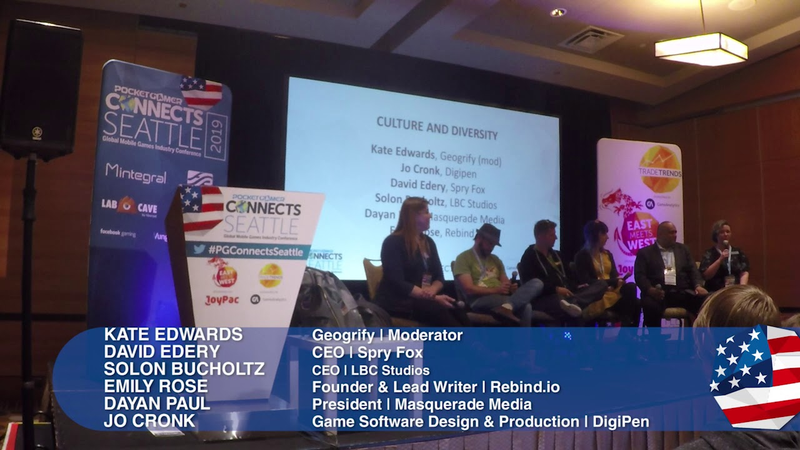
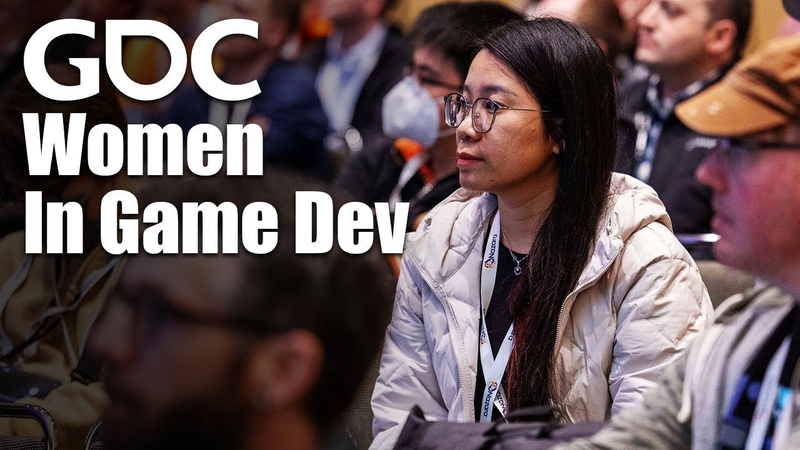
Culture and diversity in games
Key insights
6 takeaways- 01Diverse teams consistently outperform homogeneous groups, making the cultivation of inclusive office cultures a strategic necessity rather than just an ethical choice.
- 02Fostering psychological safety within studios is essential for protecting teams from harassment and building sustainable, globally connected gaming ecosystems.
- 03The gaming industry faces a persistent gender gap, specifically regarding the underrepresentation of women in technical programming roles.
- 04Studios must transition from traditional, insular recruitment pipelines to active engagement with underrepresented communities and the implementation of unconscious bias training to improve hiring outcomes.
- 05Developers are increasingly integrating sensitivity experts and user research into the design process to align game mechanics and community management against toxic player behavior.
- 06Leadership must shift from rigid human resources policies toward a culture-first approach that prioritizes transparency and team health to improve long-term employee retention.
Ask AI about this video
Transcript
hi my name is Kate Edwards I've been in the industry for about 26 years I used to work at Microsoft and a geographer who does culturalization work basically helping developers not make political and cultural mistakes that get them in big trouble and I also been very vocal with advocacy work in the industry you used to run the IH da for five years but that's not why we're here I'm just moderating so I would like to introduce the panelists here in this session that we're talking about culture and diversity and if you looked on the program there's no description so it's a mystery panel but it has something to do with culture and something to do with diversity so you're in for a treat because you can be a part of the the revealing of this loot box discussion so so I'm gonna have the panelists introduce themselves just go down the line maybe start with Joe and work back this way all right
hi my name is Joe Kronk and I have about 25 years of deaf experience in the video games industry primarily in game playing tools programming coming from studios like Crystal Dynamics wargaming popcap games for millionaires and these days I'm actually teaching technical design at DigiPen Institute of Technology hi my name is Dan Paul I'm from masquerade media and have been in the industry for about 25 years or so started out with like cd-rom and educational games and spent about about 12 years in the casino gambling games which are mostly mostly elderly female players and recently have founded masquerade media which is a game game company focused on female players I'm Emily Rose I run rebind IO we're an
indie press outlet that focuses on micro Indies and the kind of people who don't normally have access to press I do a lot of mentorship and outreach for that and trying to kind of give people a better idea of how to nollie discover those Indies but also how to get those andis to talk to publishers my name is my name is Solon Buchholz I'm the CEO and co-founder of LBC studios only been in the industry for four years so I would be considered pretty new blood were the creators of Empire which is the world's most popular cannabis game and has been top one or grossing up in 63 countries I'm David Andrea I'm the CEO and co-founder of spry Fox we've made games like Triple Town and alpha bear steam Birds stuff like that so to get this started because we have a lot of problems to solve and about the next 35 minutes and so because we're going to solve everything about diversity and
culture in the industry so the first question I have and just briefly if you could just briefly describe in your view kind of what's the current state of culture in game development as it relates to diversity I know it's a huge question but maybe if you could even you could even water it down and say like what what would be the one sentence you would respond to that with or even the one word like crappy or whatever I'm not going to lead the question though I think one of the problems that we're facing right now is that you know there's a lot of toxicity online and we still haven't really figured out how to deal with it okay well I'm gonna focus on a positive part and that is that there are developers all around the world now it is not so much a u.s. focused industry anymore and it's probably completely the opposite so so now that we're seeing more developers around the world we're seeing sort of specialized interests for all different types of players and all different types of cultures
honestly anytime you get a larger conduit for communication you're gonna run into a lot of friction points and a lot of toxicity but I think for the most part people have a good self-awareness about it now and well there's a lot of bad stuff like you were saying there's some good headway being made so don't lose hope in the face of that yeah and I think as a studio head I think it's important that we drive our culture in our office as the changing force for the industry as a whole for us you know values transcend the who it's really just about being the right team fit and the right technical fit and lifting each other up not dictating down I think the only thing that hasn't been mentioned that I'd put out there in terms of the current state of things is that from a talent pool perspective when we we put out calls for you know for any position we get people from minority backgrounds
and women etc for virtually every position except for programming for whatever the reason no matter how hard we try when we try to hire an engineer its we get ten resumes from men for every resume from a woman and that's a bit disappointing but I don't know what we can personally do about that we meetings by Fox I think that as the industry as a whole we can do a lot more just on that point just to address that briefly because that that comes up a lot is the talent pool issue so is have you seen anything out there that is working in regards to trying to find more underrepresented people who are doing programming or more the technical side of things the challenge for us is our geographical area and Vancouver is there's a ton of talent but there's even more demand and so unfortunately we're at the mercy recruiters more often than not and we're limited to basically selecting through the pool of candidates that come in for us it's really about team fit I think that's the most important thing and we really try to drive that through the culture that we
foster in our studio and in empowering people one thing I will say is a lot of people a lot of companies really focus on their bottom line or the technical skill of their team and don't put enough focus on the quality of the people and making sure that that that team actually works well together and one study I know we didn't have a lot to put in some background on this but one study that really resonates for me it's from Google actually and it proved that the best teams were those that had the highest psychological safety and not those that necessarily have the same complementary skill set or similar personalities so diversity actually drives success in the workplace for me it's that when I encounter fresh talent especially when it's diverse programmers they have a lot of issues with confidence and they're not sure where to start so I think cultural community outreach like sponsoring game jams or talk to the people participating in game jams like the ones that Seattle Indies runs is really important because more often than
not applying for these jobs is a really intimidating process and I think like it's important to be mindful of the boiler print that you're putting on your applications and to be reassuring in a way to encourage them to apply because if they see one thing they're not used to negotiating so they think unless they meet that like one-to-one they're not going to try and it's very important to give again that reassuring presence where they understand it's okay to put in their application even if they don't get it it's better to try them not to so one of the issues that I've seen with this is that a lot of times when we're trying to find candidates we sort of rely on people within the company to sort of reach out to their networks to find applicants and unfortunately tech in well Seattle I can't really speak to the larger us or outside the US but the networking circles here are pretty how
much of this so I've talked to a ton of guys in the past where it's been like man we cannot find any female candidates for this particular role and I'm like well how many do you know how many have you reached out to and they're like I don't know no like two and I'm like well my entire social circle is full of people who would be you know good candidates for this role but at the same time a lot of those people are at studios that have been proven to be safe environments for them and a lot of times like women and other people when they find those like gem studios never want to leave especially the programmers so it is kind of hard to pull people out of you know places where they where they're happy I often hear from recruiters that discoverability of the talent is one of the biggest problems they have and yet I kind of have the same thing where it's like I know in my social circles especially in the post gamergate world where a lot of underrepresented people
created secret groups on Facebook for example to have a safe community to talk to each other without intrusion from all kinds of trolls and everything and so I often will tell recruiters well the trick is you need to find those groups but the groups are secret so and in those groups you've got ridiculous amounts of amazingly talented people but how do you actually dig in there and find them and it's it's really tough it's really tough to do it I just want to say that like if you do feel your company culture is receptive and a safe environment make that clear and show that through material initiatives you know do sponsorship of pride events in your local area or just again like coming back to the community like that again it's like you only discover those groups those talent networks if you go looking for them so you have to show that you're willing to make a good-faith initiative to pull them in and make them feel safe and so just to build on the point you brought up Joe about the
culture this might be a question more for the the c-level folks about from the perspective of leadership about how what's the role of your role as a leader of a company in creating fostering that culture and the diversity and not only in attracting the talent but also in how it affects the games you're creating yeah I mean for me leaders create the environment plain and simple you basically decide what your values are as a company and that should drive the games you create it should also drive the culture you create in your office and I think that's extremely important you know for us Empire Empire was a counterculture and I know cannabis culture now is very legalized but at the time it was counterculture when we decided to go down this path and so we were already operating in a world with stigmas and for us you know it was really about creating a positive community that fosters acceptance for everyone and because we foster that inside our game I think it transcends
through our culture in our office as well that we're very accepting and it's a very positive and supportive environment so yeah like with as far as like finding leader I mean it's really hard for us I think particularly to find like the the female players in our role because we focus on female players and get female players in in the the leading positions because those are the ones that don't really pay anything immediately so you know even like when I talk to my wife oh you want to come and work on the board or something yeah when you got some money you know come come back and get me so you know it's harder to fill the the c-level things in a startup because I think there's not really security in there and it's it's you know a lot of women like a more secure environment as far as you know where they're spending their time and where they're gonna be earning their money the biggest thing is that if you're leading a company and you're trying to foster foster a more receptive culture again it's important to be self-critical about like the gaps
in your knowledge you may be missing like if you are say like a dude you know you're not gonna necessarily know the world that diverse candidates face and it's good to go to events to educate yourself and to also see that like just because you don't see a problem doesn't mean there isn't a problem with your company culture and you don't have to be too stringent about that but just keeping that open-mindedness and remaining broad is really important and being a good leader yeah I think that point is really important actually being that I've had so little experience in this industry our biggest success in the studio is running a flat as possible and keeping that feedback loop open with all members of the team and making sure that they feel safe and providing that feedback that really our success is driven by others contributing you know and empowering those to make decisions and make failures and and give us an opportunity so when it comes to our culture we're not perfect we're all human but you have to value the people on your team you have to ensure that they feel confident that they can speak up and help correct course when there's
a problem well I guess in in one way that's kind of partially to that point is how the tech sector in the last few years has been focusing on like the issue of unconscious bias for example and recognizing that in their hiring structure especially in their hiring process that tends to play a huge role but also just in the HR environment and how management works is that they realized that unconscious bias has been affecting a lot of decisions around whether or not they promote underrepresented people or hire them or whatever I know I've encountered that in the game ministry several times so I've talked to a hiring manager who has an all-male team and they say well I don't want to hire that you know if there's a two candidates who are basically equal and there's a male and a female and they'll say well I would not I would tend not to hire the woman to my Oh male team because that would be disruptive to the team and whereas there's sociological studies that prove the exact opposite where they see you actually add a woman to an all-male team and it tends to elevate performance because I gotta kicks in this innate anthropological
response of competition and I've talked to some studios where anecdotally they say where that happened and like just suddenly like some of the guys use fewer f-bombs or the kitchen is a little bit cleaner or things like that because no one wants to be like the pig you know kind of thing so just the effect you know so but that bias is there and it's been good to see like Google and Facebook they put their training up online so that everybody can take advantage of it so just one of the things I'm curious about - in the in the actual games who create obviously we've seen some progress in better representation in the content certainly Hollywood has been taking advantage of this recently where they suddenly realize that wow underrepresented characters can actually lead a film and make a crapload of money that's really cool of course I think we kind of realized that before Hollywood did but you know they you know they tend to think it's a big deal like you know end game made a billion dollars in ten days
wow that's not impressive to us but compared to some of our games but anyway on that point about the actual culture and diversity in the games itself how do you how does that happen I mean what does it take to make that happen is it just simply a leadership decision or what mechanism exists because I know in the work that I've done there will be pushed back from certain people who say well I don't see why this is necessary or whatever but I'm curious to your thoughts on that in that case it's actually kind of ties in to what you were saying in that first off you got to start with sensitivity writers anytime you're steering around a subject of a sensitive matter and especially when it comes to representation you find subject matter experts who are there to advise you on is this the right decisions that you're making and representing this character from a creative process in making these decisions in the first place it's important to urge the creative team not
to get too bogged down in their own again unconscious biases it's the same thing and hiring it applies here too you're not going to necessarily think to add inclusive characters or inclusive representation if that's not something even on your radar and I'd say the last thing I have to add on that is that if you have like a voice acting role or anything like that if the talent pool is available try to match a diverse candidate that represents that demographic with the character because that goes a long way and just here come across more earnest and genuine and that can have a lot of value at so I think a lot of it comes from player demand too if you look at the statistics of you know what the player space is like compared to what it was I mean we specifically look at female players and and then we also look at you know diversity to more recently because you know if you look at from 2012 until now the player space of females is hugely grown-up and you know
it's an mobile it's something like 65% recently with fortnight went to mobile and you know would have been probably a great success on platforms but as soon as we went to mobile it became exponentially successful and that's largely due to the fact that there's so many female avatars that you can choose from in that game whereas you know if they hadn't done that they wouldn't have reached that level of success and so you know it's like Hollywood and all these other interests that sort of have these arcane views a lot of I'm surprised I hear even some of the things I hear about oh yeah well no no that's not our market you know we're like still thirteen-year-old boys playing or something like that you know you still hear these stereotypes and it's really like it's it's got to be the player demand the players have to step up on social media or on any of the you know the game forums and all this stuff and demand these things because otherwise you know we're still you know a lot of the leaders in the industry are so old that they're still stuck in that arcane
method of thinking so yeah I agree with both you I think it's it's both player feedback but it's and it's also how you decide to plan out from the get-go again like with hemp fire for me and my co-founder it was a passion project and it was an opportunity to essentially lay away the stigmas around the cannabis community and part of that was actually integrating characters and storyline that actually allowed for diversity because it actually showed a positive life on the people that engage in the cannabis community it's not your typical stoners it's everybody and it is an inclusive community for me games are not just entertainment they're a platform to have a voice for what you value and so again going back to your company values if your values are very firm and you're very clear about what you support and what you believe in and you know what your your acceptance of everybody is people you can drive that in your game and if don't be afraid to push the boundaries stand for something I think there's also things that you can think of and to be fair this isn't really
limited to improving diversity in games it's just I think makes games better in general but thinking hard about how you can use the mechanics of your game to make the game a more welcoming place which is not something that people talk about as much as I think we should be like so for example we're working on an MMO now that it's in closed beta hopefully be an open beta very soon called steam birds and and and of one of the driving design philosophies behind the game is that like you should always be better off if you have people around you in the game like it should always be a better experience and then but what does that mean it means not only do you have to make sure that it's rewarding to be around them but you also have to like systematically take out anything that can be used to grief or to troll other players and the thing is that players are super creative like they will find ways to troll in ways you would never expect like we just actually this last weekend in our closed beta had this we have this funny thing in Steve Byrnes where you can buy there are these things called dungeons that
Spahn throughout the game and they have cool encounters and eluding them and you want to play them and we make it so that you can spend a small amount of money and you can summon them any time and anyway someone we have a couple of these dungeons that you can support cheaply that we throw in kind of as an afterthought and someone figured out that they could buy dozens of those dungeon spawning things and then drop them on top of bosses and like make the bosses basically impossible to fight because you can't reach the boss because there's a wall of dungeon openings in front of it and like it just never even occurred to us that someone would do something like that anyway sort of that's sort of a side note the bottom line is like we've gone through we've systematically said like here's the thing like kill stealing is a common thing in games right like two people are killing a monster together and one of them you know does 80% of the damage the other one does 20% of the damage okay well the person who did 80% of the damage gets the credit or in some games the person the person who got the last hit even if they only did one percent of the damage gets the credit and so that
you have them pissed off at each other right what if that wasn't the case what if everyone got full credit no matter how little they did maybe what if they got full credit if they did nothing if they just sat there next to you but they didn't mess up your experience anyway they just didn't help turns out by the way that nobody does that no one wants to play a game just to sit there and do nothing that's not why we play games but anyway that's an example something we were just like we're just gonna do that we're just think it'd be full credit no matter what as long as you were even nearby and utterly eliminate the concept of kill stealing and anyway I'm rambling so I'll stop but basically like these are things you can do right you can make it so that your game is basically a hospitable place to and and one of the results will be that you will start to have more women you will start to have more minorities because the tools that people use to upset them just don't exist in general I think with the rise of inexpensive commercial engines like unity and unreal the barrier to entering indie development is lower than it's been ever and so we are just now
starting to hear from more voices who would normally not be involved in the development process and I think that is a lot to gaming in general these days I just want to touch on that trolling point you said it's an interesting thing because when you go through this journey what works you know when you're a small team and you first get some players in your game is very different than when you have millions of active players and we went through our own journey with that and I'm very thankful for Jaime our community manager we have a built in community in our game it has a million active people in it and we never even thought about it you know we didn't realize when you just open up the floor for people to just say what they want to say they often say very hurtful things and horrible things we're very fortunate that we have dedicated players but the long and short of it is protect your players because I think again you want to create a healthy platform not just a platform and we're very fortunate at any given time we have twenty moderators inside our in-game community they have
to sign it adhere to a code of ethics that's 20 pages long that they have to read before they join and they moderate each other but again you protect your players just a short point to add to that in a lot of ways I think it's important to look at toxicity through the lens of like road rage right do your mechanics incentivize aggression and hostility to each other and like you were saying you want to create an environment where people want to be around each other and want to cooperate and you find when that happens the lone wolves who are disruptive to team players tend not isolate themselves so what I'm hearing is that we have something of a sort of a chicken and egg problem twist to a certain degree that in order to you want diversity and inclusion but in order to get diversity inclusion you need to have the culture there first that fosters it but then some people would argue but what we need the diversity inclusion to exist in order to foster the culture so I'm
curious what would you see which which comes first does one take precedent I feel like culture would have to come first and it needs to come from leadership and then you know hopefully you can maintain it from there because I think one of the most dangerous things that could happen is if you do you have a game and I'm just thinking of indie games in general and you you identify some kind of make Kanak or something that is encouraging like pretty crappy behavior like it could be just a small tiny percentage of your user base that's indulging in this type of behavior but they will ruin the experience for a much larger group of people and potentially drive them away from your game yeah I think it's it's a little more genuine when you have a start-up and you can start from scratch then and you know I've worked in some of the best and worst environments having come from the casino industry games and you know so it doesn't really become an issue until it becomes an issue so when
somebody brings it up then they have to force fit this agenda that somehow is artificially inclusive whereas you know with a smaller team or a smaller company you get to grow that culture rather than you know with the bigger companies it's the flavor that we go we have to have a corporate culture and we have to have an agenda and and it really becomes more of nothing than an actual a real agenda I think if you're gonna focus diversity on your staff I'd say apply it tactically and put it in those positions of leadership because those people with an innate genuine earnest sense of what those concerns are gonna be are gonna implement them in the most organic ways that aren't gonna seem forced and are gonna be just built into your whole process in your whole culture yeah again I think leaders first you know I can only speak from my experiences but when we started this company there was two of us so we were only accountable to each other and now we're 30 I think one of the challenges and in that process is how you scale that as your studio gross that's probably one of the most
difficult things and we're in those growing pains right now I mean I've been HR for the last four years I'm not the best fit but in you know we're at that point now at 30 plus people that we're hiring the booths out there how we're looking for an excellent HR manager that can continue to foster those values and when you when you lay the foundation for your principles which typically come from your personal values that are then laid into your company values you have to find people that align with those that can that can bring them and move them forward well I think it's interesting over the last I don't know I would say five years or so you see a lot of companies changing the HR role to the head of culture or VP of culture instead of HR so I think that kind of underscores that point that there's realizing that culture takes precedence to a certain degree it's not just about Human Resources so to speak it's about fostering the culture that then can cultivate those human resources just one
last question before we go to see if anybody has some questions in the audience is so so let's say it's 20 years from now the year twenty thirty nine so what is what does this industry look like from your perspective what do you think it's gonna look like and you can address that question either from and I mean as it relates to culture and diversity you can either address that from the perspective of the people making games and/or the games of being created I'm just kind of curious your perspective with the only short four short years in this it's a tough for me to look 20 years down the road but I think probably the key to success is looking one day ahead at a time when it comes to culture and reassessing constantly you know what works today doesn't necessarily work tomorrow so when it comes to culture the dynamic of five people in 10 people and 15 people and so on changes and you have to change with it 22 years down the road I hope that these discussions are not a panel but rather just the reality of how we work I can't predict the future but I
can tell you how to get a glimpse into it by paying a little bit of attention to the cultural trends especially as new technologies or new games open up I mean ten years ago we have seen like you know battle Royales being as big as they were and again when it comes to aggression management and when we have to look inside of our games and their mechanics from a fundamental level to see that so as communication expands across the globe you're probably gonna see a lot more cultural live rivalries spill out in that before people learn how to play nice so it's good to be sensitive to the region's you're deploying in and the demographics you're opening up to and do your research ahead of time and pay attention your player demographic trends too if you can to get insight into their concerns you'll be able to build that better future yeah I would have to agree with like you know the fact that you know there's always going to be conflict between you know the culture and the players and all these kind of things and you know right now we're at a point
where you know you know in the u.s. you know we're kind of in a pendulum right you know that you know the opinions go one way or the other so you know when it comes to diversity and culture so you know we kind of have culture and encounter culture and all these kinds of things so if you look at a long time from now you know hopefully everybody's grown up and isn't trolling and all those things online but you know there people are still getting used to social media and don't you know they don't see it as the same as a normal conversation and maybe in the future they will and won't be as aggressive or unfiltered as they are but you know it all come together in the fact that you know games that we're doing that it's gonna be a whole different experience 20 years from now you know it might not be as much content driven as it is player driven in the future and you know or where players can bring their things into the experience more which will obviously allow for more diversity inside of the games yeah there are a few things that I
see happening that I think will kind of in improve all of this over the next 20 years one of those things will be the increase of remote workers right now especially in games it's not terribly Parliament prevalent but I think that moving forward it's just going to be something that a lot of studios have to accept a little bit more and as we mature as an industry I feel like user research is going to become a lot more important to various studios and so the more that we get to understand the motivations of our users you know the less that some of these kinds of issues are going to affect what we're working on anyway you know I've been going to GDC since 2004 I think every year except from one and it's been really neat to see how when I first went there first of all it was tiny compared to it is now but it was tiny and it was basically all white men and if some Asian men and that was it and now you go and it's
dramatically more diverse right still not as diverse as people would like but like it's dramatically more diverse and I think that's kind of night like I don't think that trends gonna stop I think it's gonna continue so that's nice to see and I also think it's been interesting that for the first decade that I was in this industry I was not aware of a single woman LED studio and in just in the last year I've been made aware of like three prominent female LED startups and one of which is entirely women the whole company not just the leaders and like so like that's happening and I suspect you're just gonna keep seeing that because you know you know I talked to my daughter's my daughter's eight she's I talked to her friends and every single one of them plays games right all of them I talked to my neighbor's daughter who's 18 who met her boyfriend and minecraft they've been dating remotely for three years this is wild to me he lives in San Diego she lives here and like they yeah like so weird anyway the that like like all
her friends play games too and are forming relationships and things like that so like all those people who when I was growing up would never consider a game career will now potentially consider one I think it's a given that the industry is gonna be dramatically more diverse and there's just a question of like how much does any one of us enjoy and participate in that if that makes sense you know what I mean so I'm looking forward to enjoying and participating in that just very quickly um the youth that play your game you're exposing them to these social models of the future so extend your cultural leadership into that and be aware of your impact on twenty years down the line when they grow up what are their going to be their social expectations and this is exactly I think one of the big challenges that we do face if we're gonna try to predict out twenty years is in this age of digital space there's not a lot of accountability on players right now and hopefully we solve the way that what we create games we're also increasing connectivity and actually forming true relationships because I think when relationships are formed
we're also solving a lot of the challenge of how people actually behave anonymously online and as studios you know again I think one great thing about this industry is that often the content we create as a reflection of the people that create it and as long as people are playing games and playing every type of game there will always be demand and there'll always be people willing to create that content for them so I think that's gonna increase diversity over the next one I would just a couple quick things I would add is I think on the management play your management side we've already started seeing the application of AI for doing community management to a certain degree to like use the AI to actually identify troll ish behavior and kind of shut them down by putting them into kind of their they're a little sequestered space where they kin buckety body and who knows maybe we'll kind of go black nourish I hope not but you know players will have their biometric implant to actually access their gaming device when they start acting Chola will just kind of shut them down a little bit but anyway that's a little too far anyhow we
have just a couple minutes left or anybody who has a question or comment we've got a couple in here so here I can use my mic if you want here's the first one right up front okay so as a female primarily my concern with getting into the game industry is a lot of the social media that surrounds it like when the whole gamergate thing happened and it was quite a few years ago but it's still prevalent today and how much abuse a lot of women prominent women like so like Anita sarkeesian gets on Twitter and on other social media platforms and on one hand I want to say just not have one but that's not really possible in the whole networking and everything like that so what would your suggestion be not only to me to kind of shield myself from that in a way but to other people to sort of help out people who are going through that kind of thing like I could answer
part of this so I actually when gamergate kind of kicked up I actually really reduced my online presence when I was younger I used to have a modeling hobby and I can't even imagine what that would be like now like I would have gotten attacked by trolls I mean I would get some stuff every once in a while but that was a million years ago and so I feel like it has definitely been a little weird too like I don't have a Twitter account I don't I keep a lot of my personal information like completely private but what I had to do as a result was just put in a lot more effort for in-person networking and I have found some of those like secret groups of you know like a veteran lady devs and that's been like I don't know I think that's kept me sane honestly so don't be afraid is my first thing be aware of your social media footprint and what can be posed
liability to you but curate your social networks the best your ability things have improved in great strides especially on Twitter since then the tools that are at your disposal it's much easier to network with like-minded people who are respectful in the discourse engage you properly and understand that it's gonna take a long time before you reach that notoriety or prominence before that becomes an issue to a point where you have to like resort to like really desperate measures to cuss or to contain that stuff but we shouldn't have to pay a discoverability tax for just existing you also and I want to be clear I'm not saying like you should decide where you want to go in the game industry base is you know primarily or solely on this I don't I don't think that you should make any game you want to make in whatever context you want to make and the rest of us should try to help you do it but but that said to be clear when gamergate fired up and still to this day like no one working on alpha bear or bejeweled or tetris or you mean like gamergate didn't come after those folks you know
what I mean they so if this is something you're genuinely worried about and you and and it causes you you know to have feelings ID and and you don't think you're gonna be able to get over that and like maybe just focus on the quote-unquote more casual side of the industry which by the way is not all that casual like people who play off of our - are shockingly hardcore about it and have running Twitter threads that have been going for months and months at this point where they're giving each other tips and stuff and it's great and I love watching it and not once as far as I'm aware in the history of the alpha bear franchise has someone been attacked making a minority your female like it's just not how it just doesn't happen in our space you know I mean so you know something to consider yeah I just say be cognizant of your feedback loop right value value the opinions of the people you care about and respect you and ignore the ones that you know have no say I mean everyone's got an opinion doesn't mean that you actually have to but take it to heart no I I would agree and I mean I was one of those primary targets running the IG during that time and so it's just like I part of its personality when I get
pushed like that and threatened and all that kind of stuff I get in bold and that's my response to it is I'm like oh yeah really bring it I actually challenged them several times to meet me I showed in my calendar saying here's where I'm gonna be in person I want you to show up but I want to see your face of course no one ever did for two years no one ever did which kind of exposed how ethereal it is it's online I mean that's that's the power of what they do it's online and so you can't touch them and yet they can keep barbing you it's like well it's just so gutless and you know it's it's ridiculous and so once you kind of really internalize that and realize what they're actually doing and honestly I kind of my perspective I took pity on them honestly because I'm like how sad it was that you've got these people who that's their outlet for all their anger and rage about whatever they're enraged about in its actually I think there's a mental health component as well which which really makes me concerned for them genuinely concern for them and so I took
the approach being more from that perspective not hatred and backlash against them but like pity and concern it's like I hope these people get help because this is not normal behavior and that kind of helped me manage you know and also helped me manage the signal-to-noise ratio of who I actually wanted to listen to it's an age-old saying but actions do speak louder the words and it goes both ways you know the actions you take really drive that forward thinking and often like you said the people that you know say horrible things are mostly just talk and I have an exact scenario that was the same or community manager had someone online that was like threatening to attack her and you know kill her because he wanted a refund on a 599 dollar purchase or something ridiculous and he said he was going to come to her an event said go for it so surround yourself with people that will protect you too and we protected our community manager and guess what you didn't show up and they're not gonna so I don't know if are we out of time are we done well there
was one more question was that there yeah let's do the one other question right here thanks so this is kind of for David you mentioned that there was a you know kind of hating groups on Facebook where people are discussing all these topics are there any public platforms or areas where you know studios can just kind of see the treads and with diversity and cultural changes in the industry so I'm not sure I didn't say something about Facebook could I I am I'm definitely a member of several there's all these and you guys have been alluding to them as well there's all these random secret semi secret groups I'm not aware of any of them that are based in Facebook I wouldn't be surprised if there's a dozen like like I'm in three in slack one in a web forum you know two of them are email lists that's kind of thing right and unfortunately like I said they're all like secret slash semi secret but the the best the way I sort of ended up
getting it added into all of them is going to things like GDC and meeting people they're like are you in whatever group and like you should join any litter so but the thing is that honestly unfortunately in my case with exception of one all of them are pretty much dominated by like white male voices look so so you know I would you should probably talk to these folks because it sounds like they know the better more different groups don't be afraid to find local developer groups like a lot of the ones that I've gotten into has been through Seattle Indies and reaching out going like who are the delegates here who represent these groups that I might not be aware of I'm interested in talk to them because even if you're not welcome to be a participating direct voice in those spaces you can still learn from them you can still talk to them and communicate with them and it's important to make your intent clear like I want to come and be an observer I want to learn I want to connect I want to grow that is tremendously helpful because a lot of those groups are more than happy to talk to you they just don't think anybody's interested as Seattle Andes is probably one of the best places to start
because they're super welcoming there's no secret secrecy to its whatsoever and and and oftentimes things will just grow nationally from there yes also Twitter reach out on Twitter and be like hey our company is looking for subject matter experts we're looking for some sensitivity readers anything like that people will signal boost that if you throw in like hey signal boost is so we can reach diverse candidates like people will just be all over it I'm trying to think of it I mean the IGA obviously has some stuff as well right like I think so yeah I mean there's there's there's still some IgD chapters around here and there which are good communities so I think that's the important thing is be a part of a community no matter what you do I mean we we work in a collaborative art form anyway I mean we should be part of the community and not just the community of the people we work with but other people who share our craft I think that's really important because that's where we can commiserate and compare notes and you know find out other strategies and all these other things
about secret groups and everything else but we have to be willing to put ourselves out there and in an industry which is overwhelmingly introverted including myself I'm an introvert yeah it's really tough for people to do that okay okay I'm going on that can we have a big round of pours please to chaos and peril
Summary
The global gaming industry is undergoing a fundamental transition toward greater inclusivity, driven by an increasingly diverse player base and the rise of female-led development studios. While the sector has made strides in representation, significant barriers persist, particularly regarding the underrepresentation of women in technical programming roles and the prevalence of toxic online environments. Industry leaders argue that fostering psychological safety and inclusive office cultures is not merely an ethical imperative but a strategic necessity, as diverse teams consistently demonstrate superior performance and innovation compared to homogeneous groups.
To address these systemic challenges, studios must move beyond insular networking circles and traditional recruitment pipelines. Effective strategies include actively engaging with underrepresented communities, sponsoring professional events, and implementing rigorous training to mitigate unconscious bias in hiring. Leadership plays a critical role in this evolution, shifting the focus from rigid human resources policies toward a culture-first approach. By prioritizing transparency and team health, studios can create environments that empower employees and foster long-term retention.
Beyond internal operations, the industry is increasingly focused on aligning game mechanics and community management to discourage toxicity and promote cooperative play. By integrating sensitivity experts and prioritizing user research, developers can create more welcoming, player-centric experiences that reflect a global audience. Ultimately, the future of gaming depends on the industry’s ability to cultivate healthy social models and supportive professional networks. By embedding inclusivity into the foundation of both studio culture and game design, developers can protect their teams from harassment while building sustainable, representative, and globally connected gaming ecosystems.












Comments