Video Game
Game
Documents about Video Game

Lessons In Writing and Directing for Video Game IP
Effective transmedia storytelling in the gaming industry requires a fundamental shift in perspective, moving away from the passive consumption of film toward an active, participatory experience.
- Integrate narrative development directly into core production teams to ensure story beats align with gameplay mechanics, which prevents players from filtering out narrative elements during active play.
- Utilize a 'sledgehammer-to-paintbrush' methodology that treats iterative playtesting as the definitive final rewrite to ensure the story remains functional and essential to the player experience.
- Implement evergreen narrative frameworks, such as the geopolitical lore used in Battlefield 2042, to ground map design and provide long-term value in live-service titles.
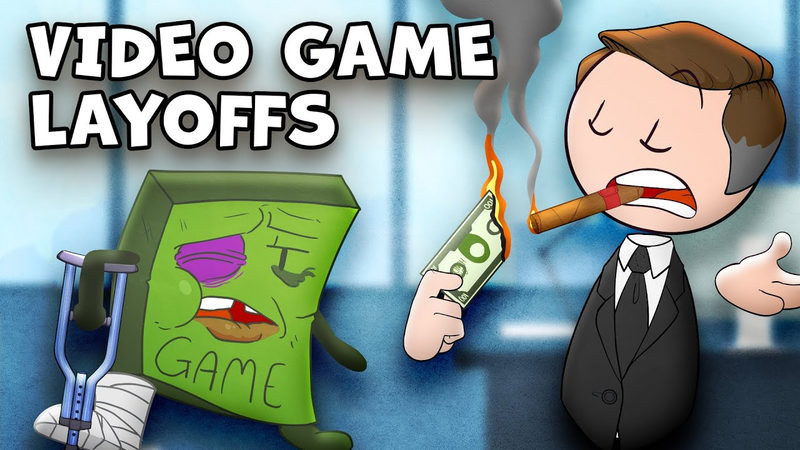
Why Video Game Layoffs Aren't Done Yet I Extra Credits Gaming
The current wave of layoffs in the video game industry, which has resulted in approximately 9,000 to 12,000 job losses over the past year, is not indicative of a systemic industry collapse.
- The current wave of industry layoffs, totaling approximately 9,000 to 12,000 job losses over the past year, is a structural correction rather than a systemic collapse.
- Mass workforce reductions are a direct result of companies over-hiring and over-leveraging during a period of historically low interest rates that prioritized growth over profitability.
- Tech-driven game development relies heavily on human capital, allowing corporations like Amazon, Unity, Embracer, and Epic Games to scale headcount up during cheap credit cycles and cut it rapidly when economic conditions tighten.
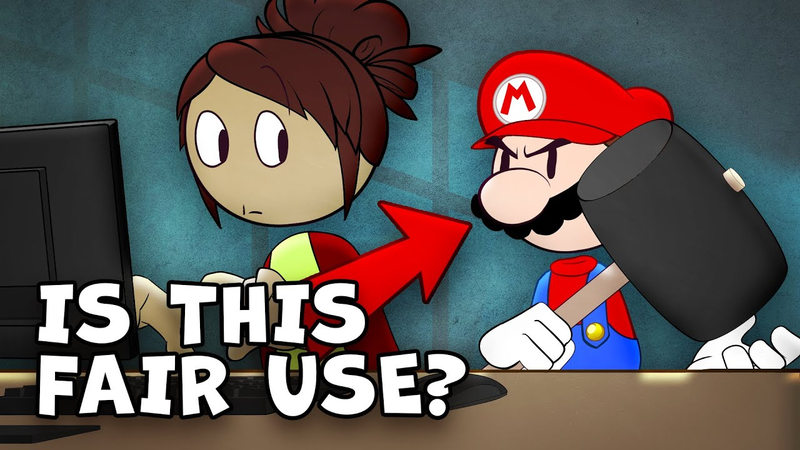
Video Game Lawyers Tackle Fair Use - Extra Credits
The fair use doctrine serves as a critical, albeit nuanced, legal mechanism within United States copyright law, functioning as an essential escape valve that permits the use of copyrighted material for purposes such as criticism, commentary, and education.
- The Supreme Court ruling in Andy Warhol Foundation for Visual Arts, Inc. v. Goldsmith established that altering the aesthetic of a work is insufficient for a fair use defense if the new use competes in the same market as the original.
- Fair use functions as a legal escape valve in U.S. copyright law, permitting the use of protected material specifically for purposes of criticism, commentary, and education.
- Legal analysis of fair use is highly fact-specific, requiring courts to weigh the nature of the original and new works, the amount of material used, and the economic impact on the original market.

Serkan Toto on Top Japanese and Korean Video Game Companies | Pixels & Profits #3
The Japanese and Korean video game industries represent a complex landscape defined by distinct regional preferences and divergent strategic responses to global market trends.
- Sony has dominated the console market over Microsoft, evidenced by the PlayStation 4 generation selling over 120 million units compared to Microsoft's decision to stop reporting hardware sales in 2015.
- Nintendo remains committed to portable hardware because the brand is inextricably linked to the Pokemon franchise, which has been synonymous with handheld gaming since 1996.
- Square Enix underwent a leadership change following the controversial divestment of several studios to Embracer Group, a move criticized for its low valuation and rapid execution.

Growing a YouTube Channel (Gotta Catch ‘em All)
Building a successful YouTube channel within the competitive Pokémon Video Game Championship (VGC) scene requires a strategic blend of high-level educational content and consistent community engagement.
- Successful Pokémon VGC channels leverage long-form content (45–60 minutes) by positioning high-level educational expertise as the primary value proposition for an affluent audience.
- YouTube Shorts function as a top-of-funnel acquisition strategy to drive new viewers toward substantive, ad-supported long-form videos.
- Content creators should align their production schedules with the natural release cadence of new Pokémon game generations to capitalize on predictable viewership spikes.

Eric Kress: Dissecting The Video Game Market - The Metacast by Naavik
The video game industry is currently navigating a period of structural transition defined by a shift away from the era of aggressive consolidation and toward a focus on organic growth.
- The gaming industry is shifting from an era of aggressive M&A consolidation toward a focus on organic growth, driven by increased regulatory scrutiny that makes mega-deals like Microsoft-Activision difficult to finalize.
- Apple’s privacy policies have fundamentally dismantled traditional mobile user acquisition models, creating structural headwinds that persist beyond current macroeconomic conditions.
- Rapid, decentralized expansion strategies have proven risky, as evidenced by Embracer Group’s struggles with talent attrition and stagnant growth, and Take-Two’s acquisition of Zynga, which underestimated post-privacy market complexities.
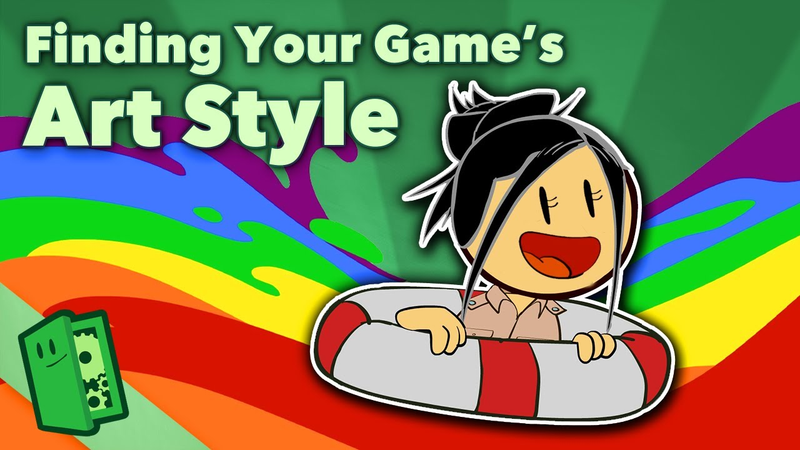
Design Land: Video Game Art Style - Extra Credits
Establishing a distinct art style is a critical phase in video game development that requires moving beyond superficial aesthetics to create a cohesive, recognizable visual identity.
- An effective art style must be instantly recognizable in a single screenshot and serve the game’s specific emotional goals.
- To avoid derivative work, developers should draw inspiration from external sources like historical art movements or animation styles rather than existing game titles.
- Teams must establish a shared visual language early by exchanging reference images to prevent misalignment between creative directors and art teams.
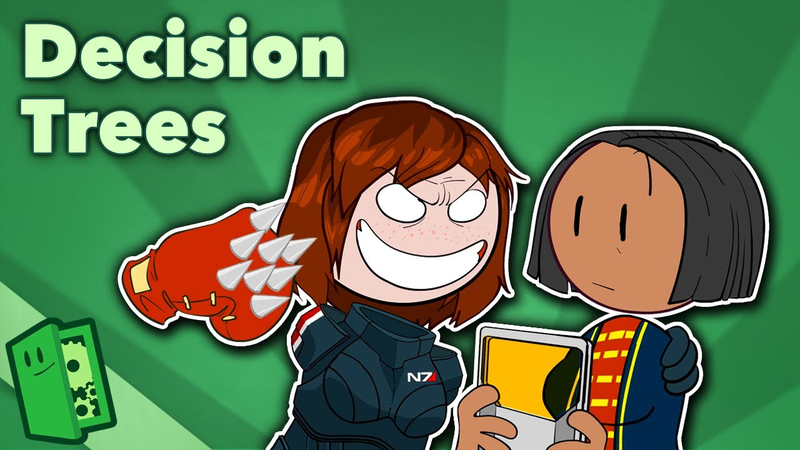
Decision Trees: Video Game's Secret Weapon for Story and Gameplay
Decision trees serve as a foundational architectural tool in game design, enabling developers to create reactive, choice-driven narratives that provide players with a sense of agency.
- Decision trees function as the core architectural framework for managing complex, branching narratives and conditional gameplay logic in modern game design.
- The Mass Effect trilogy demonstrates the potential for massive combinatorial complexity, with cumulative narrative decisions resulting in hundreds of trillions of unique story variations.
- Decision trees enable the creation of persistent game states by tracking player choices across multiple titles, ensuring that actions have long-term, meaningful consequences.
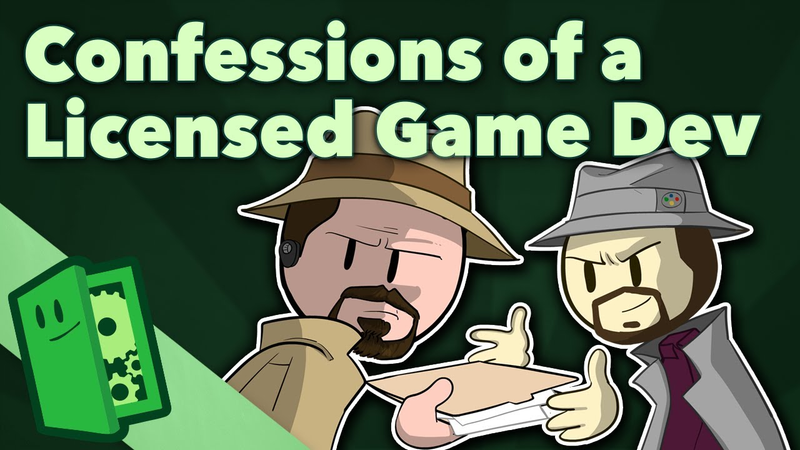
Confessions of a Licensed Video Game Developer - Extra Credits
The development of licensed video games—often referred to as tie-in or transmedia games—presents a complex set of challenges that frequently result in products failing to meet fan expectations.
- The success of a licensed game depends on the developer's ability to identify and translate the core appeal of the original property into meaningful gameplay mechanics.
- Aggressive corporate timelines and short licensing windows frequently force developers to prioritize production speed over the creative nuance required to satisfy fans and license holders.
- Designers face significant friction when gameplay requirements conflict with established canon or the specific preferences of the intellectual property owners.
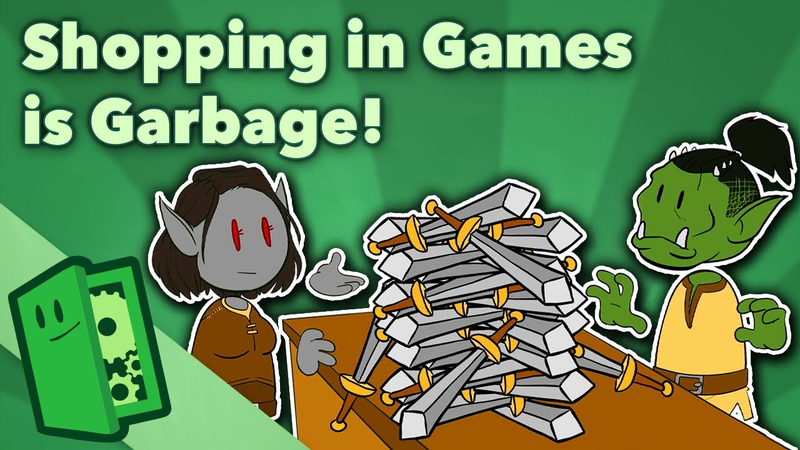
Shopping in Games is Garbage but it doesn't have to be! - Video Game Design - Extra Credits
Haggling mechanics in video games are currently underdeveloped, often functioning as superficial, zero-sum systems that resemble simple volume sliders rather than engaging gameplay.
- Current game haggling mechanics are largely underdeveloped, functioning as superficial, zero-sum systems that prioritize simple price adjustments over meaningful player agency.
- Developers should shift from hard positional bargaining to soft or principled negotiation models to transform store interactions into puzzle-like experiences.
- Titles like Potionomics demonstrate that integrating negotiation cards and social systems creates a multi-dimensional experience where NPC relationship history directly influences transaction outcomes.
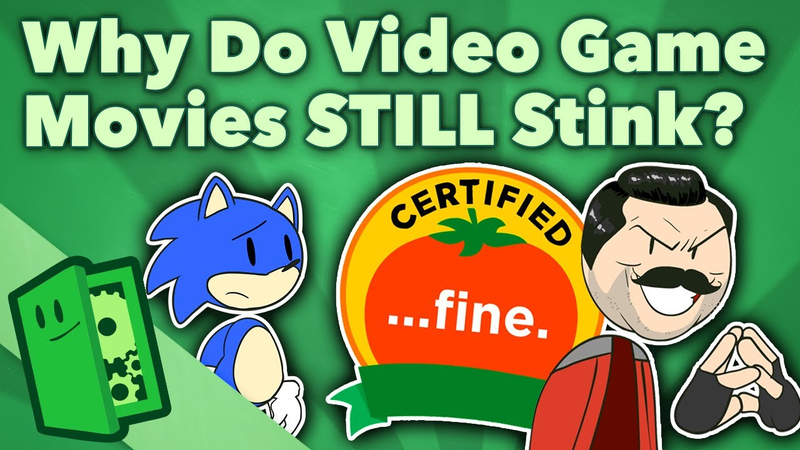
Still No Great Video Game Movies - Protagonist Pitfalls - Extra Credits
Despite the increasing popularity of comic book adaptations and the maturation of video game-based cinema, the industry has yet to produce a critically acclaimed video game film that achieves the cultural impact of major cinematic franchises.
- The primary narrative flaw hindering video game adaptations is the insertion of generic, brand-new protagonist characters intended to serve as audience surrogates.
- Producers utilize these bland surrogate characters to act as access points for general audiences, but this strategy frequently sidelines iconic source material characters and dilutes the narrative.
- Films such as Assassin’s Creed, Rampage, Sonic the Hedgehog, and Mortal Kombat demonstrate how relying on artificial outsiders can weaken the impact of established game lore.
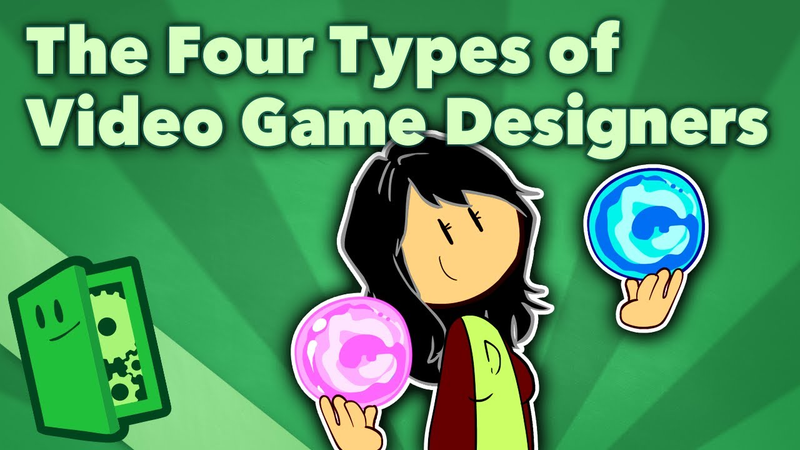
The Four Types of Video Game Designers - Game Design Specializations - Extra Credits
The modern game development industry rarely requires a generalist designer; instead, it relies on specialized roles to manage the complex, multifaceted nature of game creation.
- Modern game development has shifted away from generalist roles toward four specialized design skill sets: content, level, systems, and experience design.
- Content designers specialize in narrative architecture, including lore, mission structure, and dialogue, requiring both creative writing and production-schedule discipline.
- Level designers manage the spatial and tactical aspects of a game, focusing on environmental flow, cover placement, and the strategic arrangement of hazards.