Unreal
Game
Documents about Unreal
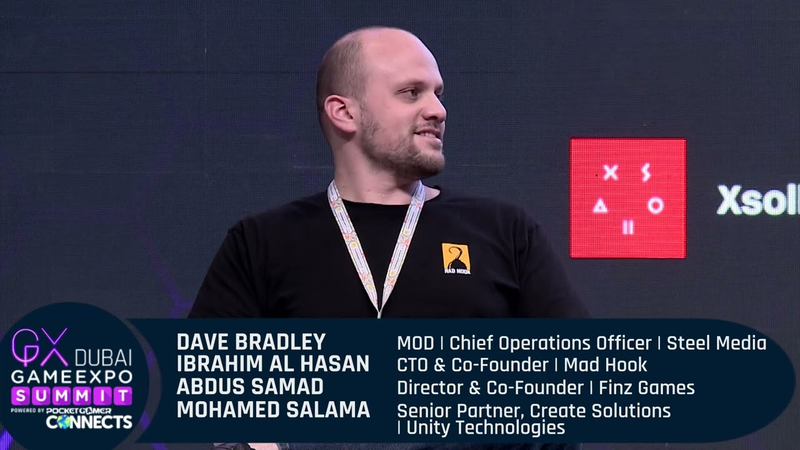
Panel: Mastering the Craft: Tools & Processes for Successful Game Development.
Effective game development requires a strategic alignment of technical infrastructure, project management methodologies, and data-driven decision-making.
- Success in global markets requires moving beyond simple currency conversion to implement region-specific pricing models and payment methods, such as mobile carrier billing in emerging economies.
- Engine selection should be based on project requirements: Unity is the primary solution for mobile ecosystems, while Unreal Engine is the industry standard for high-fidelity, performance-intensive 3D projects.
- Operational efficiency is maintained by pairing project management tools like Jira and Trello with a collaborative, remote-first culture to ensure transparent and agile development cycles.

On Chain Player Quests Optimizing Monetization - Christina Macedo, COO, Ready Games Network
Ready Games Network provides a comprehensive technology stack designed to integrate Web3 functionality into games across PC, mobile, and console platforms.
- Integrating on-chain mechanics into mobile games resulted in a 42% conversion rate from free to paid players and a 74% increase in average revenue per daily active user (ARPDAU).
- Ready Games Network provides a chain-agnostic technology stack for Unity and Unreal Engine that enables on-chain quests and NFT management while remaining compliant with Apple and Google app store policies.
- The platform achieved a strong LTV-to-CPI ratio of 1.29 to 0.15, demonstrating the effectiveness of blockchain-integrated monetization in hyper-casual gaming segments.
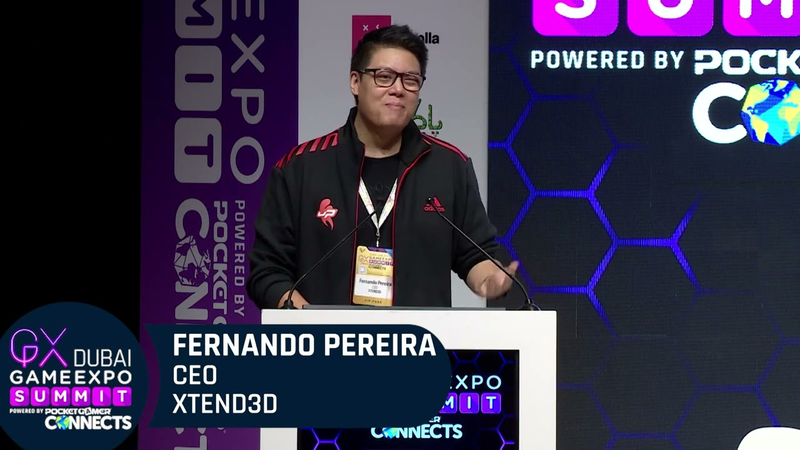
The Metaverse Reimagined - Fernando Pereira, CEO, XTEND3D
The metaverse is currently transitioning from a period of inflated hype to a phase of sustainable development, where the focus has shifted from speculative financial gain to long-term infrastructure building.
- The virtual economy is projected to reach $400 billion by 2025, driven by the persistent, cross-platform frameworks established by gaming platforms like Fortnite, Roblox, and Minecraft.
- The metaverse is transitioning from speculative hype to a phase of sustainable infrastructure development, with a projected maturation period occurring between 2024 and 2027.
- Future industry growth will be fueled by the integration of 3D mapping, artificial intelligence, and 5G connectivity, expanding applications beyond gaming into virtual tourism, education, and e-commerce.
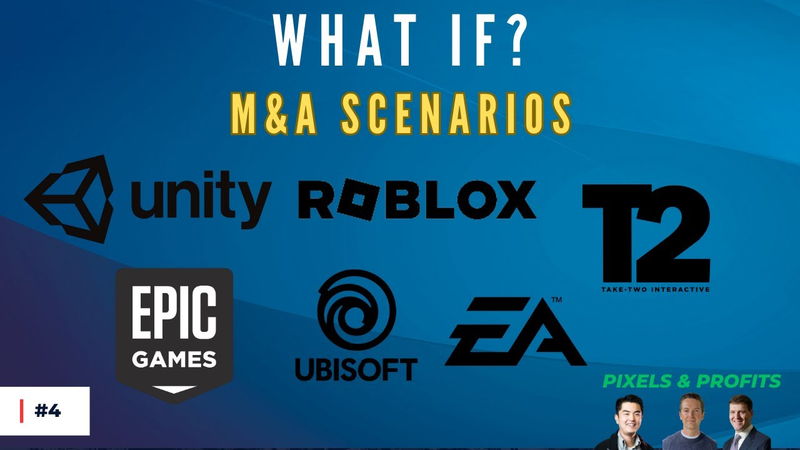
What If? Game Company M&A Scenarios | Pixels & Profits #5
The current landscape of game industry mergers and acquisitions is defined by a cautious evaluation of high-profile targets and the lingering influence of regulatory scrutiny following the Microsoft-Activision deal.
- Large-cap technology firms remain the primary viable suitors for major publishers, as media conglomerates have proven unable to effectively manage the complexities of game development.
- Take-Two Interactive is considered a highly attractive, cash-generative acquisition target due to its high-value intellectual property and the anticipated commercial impact of the next Grand Theft Auto release.
- Ubisoft’s potential for acquisition is severely hampered by bureaucratic inefficiencies, poor revenue-per-employee metrics, and a restrictive ownership structure involving the Guillemot family and Tencent.
Game Development for Dummies | The Ultimate Guide
Game development is fundamentally a process of integrating digital assets with logical scripts within a game engine.
- Game development architecture centers on integrating digital assets, such as 3D models and audio, with logical scripts within engines like Unity, Unreal, or Godot.
- Game objects or actors serve as the primary containers for all game elements, utilizing components like colliders and rigid bodies to define physical attributes and interactions.
- Scripting logic relies on two core functions: the start function for one-time initialization and the update function for continuous, real-time loops governing movement and input.
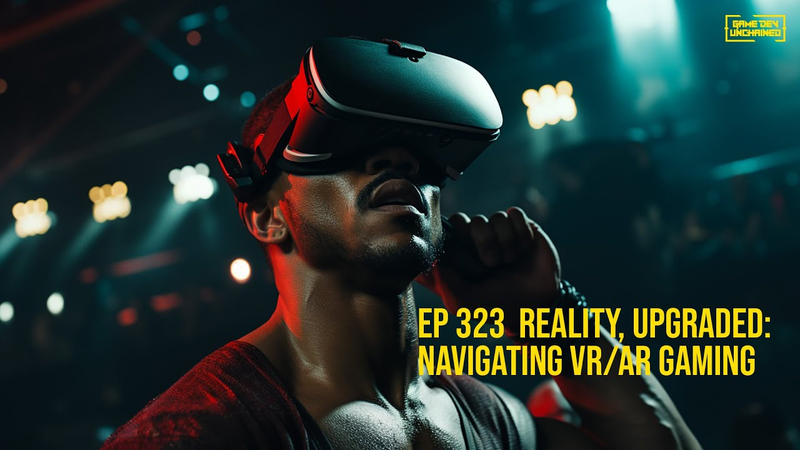
Reality, Upgraded: Navigating VR/AR Gaming with Alex Silkin | 323
The virtual and augmented reality landscape is currently undergoing a pivotal transition, shifting from a niche gaming segment toward a broader, more integrated computing platform.
- The VR/AR industry is transitioning from a niche gaming segment into a broader spatial computing platform, driven by competition between Meta’s standalone ecosystem, Sony’s high-fidelity hardware, and Apple’s Vision Pro.
- Corporate-led 'metaverse' strategies focused on productivity have largely failed to gain consumer traction, as users prioritize entertainment and social engagement over top-down virtual environments.
- Platforms like Roblox and Fortnite demonstrate that successful virtual interaction is built on gameplay-first design and organic, user-generated content rather than speculative corporate branding.
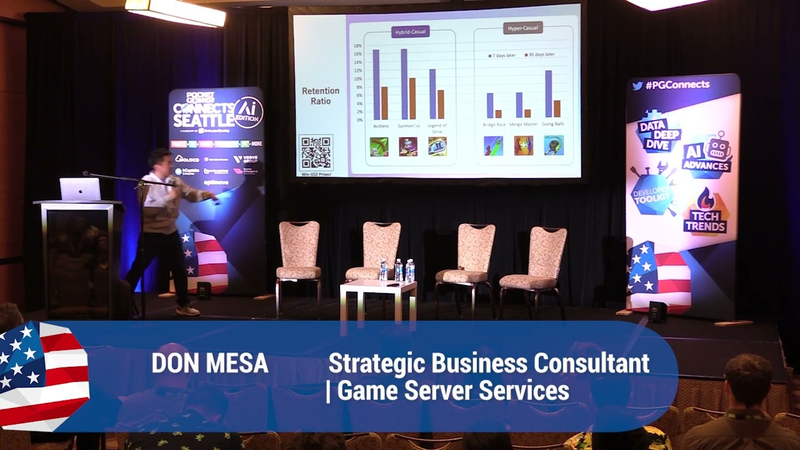
Ride the "Hybrid-Casual" Wave to Enhance User Engagement & Monetization - Kazutomo Niwa & Don Mesa.
The hybrid-casual gaming genre has emerged as a critical evolution in the mobile market, addressing the limitations of hyper-casual titles that struggle with long-term retention and monetization.
- The hybrid-casual genre addresses hyper-casual retention issues by integrating deep progression systems, character customization, and sophisticated economy management.
- In 2022, the hybrid-casual market reached 5.1 billion downloads and generated $1.4 billion in revenue.
- Successful hybrid-casual titles like Archero, survivor.io, and Legend of Slime utilize long-term engagement mechanics such as login rewards and balanced resource economies to extend player lifetime value.
Challenges of Building Successful Game Development Studios with Dino Patti & Tadej Gregorcic | 318
Building a successful game development studio requires a fundamental shift from hands-on engineering to strategic leadership.
- Founders must pivot from hands-on technical engineering to strategic leadership, focusing on company culture, capital acquisition, and team alignment.
- Studios should prioritize creative output and gameplay quality by utilizing established engines like Unity or Unreal rather than investing resources into building proprietary technology.
- Multiplayer development remains a significant barrier for small and medium-sized teams, necessitating the commoditization of network stacks to allow for earlier iteration on social features.
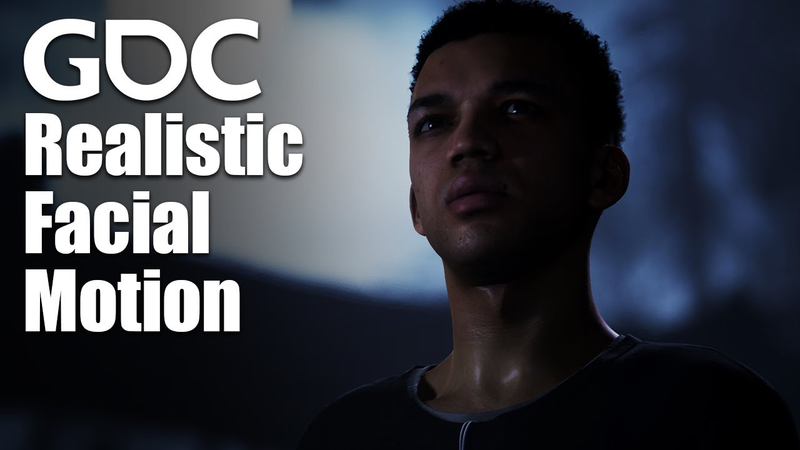
Case Study: Creating Realistic Facial Motion for 'The Quarry'
The production of The Quarry represents a significant advancement in high-fidelity facial animation, demonstrating that cinematic-quality performance capture can be achieved at scale through machine learning and automated pipelines.
- Digital Domain processed 32 hours of facial performance capture for 15 characters in 'The Quarry,' resulting in 8,700 final shots from 4,500 initial takes.
- The pipeline achieved high automation, with only 26 out of 4,500 takes requiring manual intervention by animators.
- The team utilized 'Bullseye' software for markerless tracking, which uses a greedy-based algorithm to automatically produce 90% to 95% of tracking data per day.

Indie Gaming's Last Stand How Willem Delventhal Is Battling Corporate Dominance! | 316
The modern gaming industry stands at a critical juncture, defined by a tension between the democratization of development tools and the increasing centralization of power within corporate giants.
- Independent developers serve as the primary engine of industry evolution, consistently pioneering new genres and trends that are subsequently adopted by AAA studios to maintain market share.
- The gaming industry faces a systemic risk where corporate entities use their control over development ecosystems, such as Unity, Unreal, and Roblox, to commodify creative output and prioritize corporate agendas over user needs.
- The shift toward remote work has eliminated traditional office-based mentorship, forcing junior developers to rely on self-driven skill acquisition through game jams and multidisciplinary collaboration.
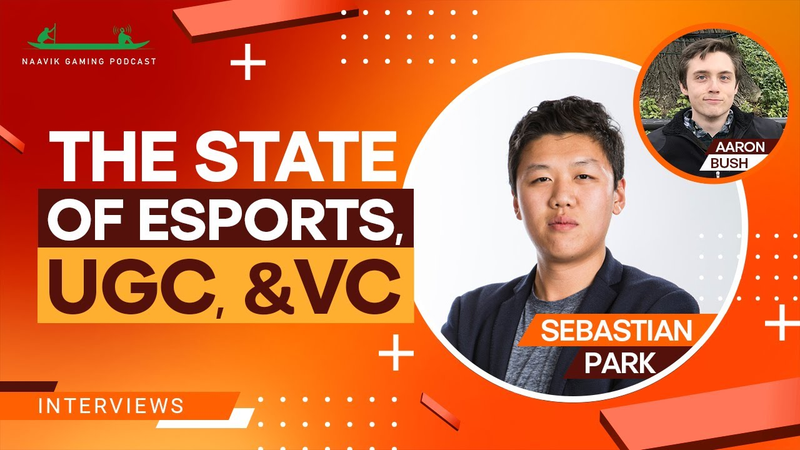
The State of Esports, UGC, and Venture Capital
The esports industry is currently undergoing a significant market correction, transitioning from a period of hyper-growth fueled by low interest rates to a more disciplined, sustainable operational model.
- The esports industry is undergoing a market correction as organizations shift from unsustainable, venture-backed scaling to models prioritizing operational efficiency and long-term profitability.
- Esports organizations previously relied on unsustainable media rights deals and high-valuation fundraising, a strategy that collapsed because game publishers retain the majority of ecosystem value without providing significant financial support to teams.
- Venture capital funding in gaming experienced a massive surge from $5.9 billion in 2020 to over $10 billion annually in 2021 and 2022, leading to a current period of recalibration and reduced liquidity.
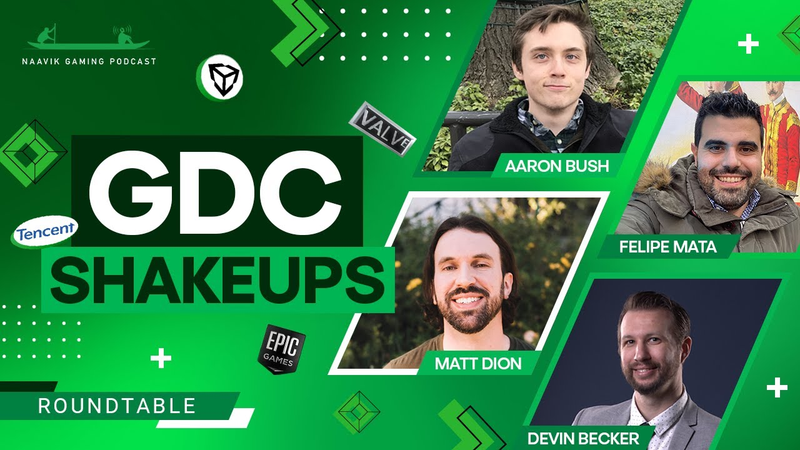
GDC Shakeups
The global gaming industry is currently undergoing a period of intense strategic realignment, characterized by shifting regulatory landscapes, the integration of emerging technologies, and a pivot toward creator-led ecosystems.
- Epic Games is pivoting Fortnite into a creator-driven metaverse by integrating the Unreal Editor and a revenue-sharing model to directly challenge Roblox's market dominance.
- Tencent is shifting its strategy from external M&A toward internal development of high-fidelity, cross-platform titles to mitigate geopolitical risks and increase its international market share.
- Regulatory scrutiny regarding major industry acquisitions, such as Microsoft’s bid for Activision Blizzard, is easing, suggesting a period of stabilization for market consolidation.