1 free read left. Create a free account for unlimited reading + AI research.
Create free account
The State of Esports, UGC, and Venture Capital
Key insights
6 takeaways- 01The esports industry is undergoing a market correction as organizations shift from unsustainable, venture-backed scaling to models prioritizing operational efficiency and long-term profitability.
- 02Esports organizations previously relied on unsustainable media rights deals and high-valuation fundraising, a strategy that collapsed because game publishers retain the majority of ecosystem value without providing significant financial support to teams.
- 03User-generated content platforms like Roblox and Unreal Editor for Fortnite are emerging as critical growth sectors, though they face significant challenges in overcoming the 'cold start' problem and intensifying competition for talent.
- 04Success in the UGC sector now requires sophisticated, data-driven strategies for live operations and monetization, as traditional user acquisition methods have become insufficient for sustaining community engagement.
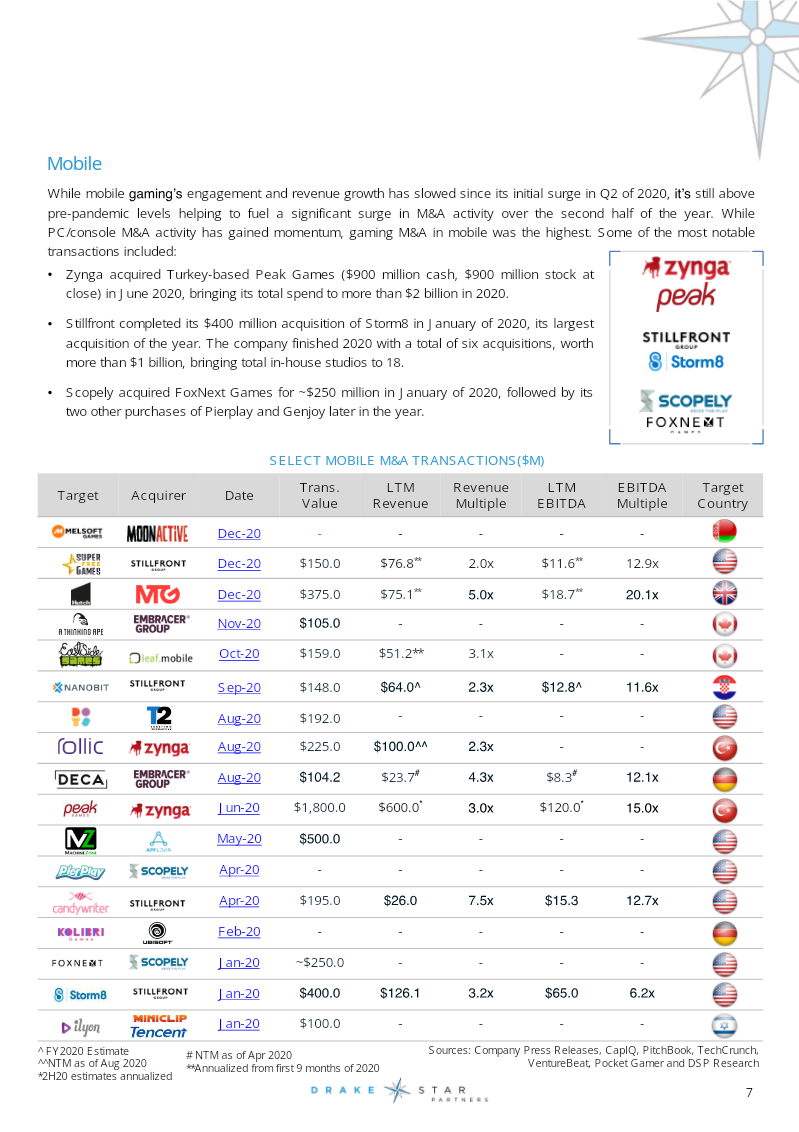
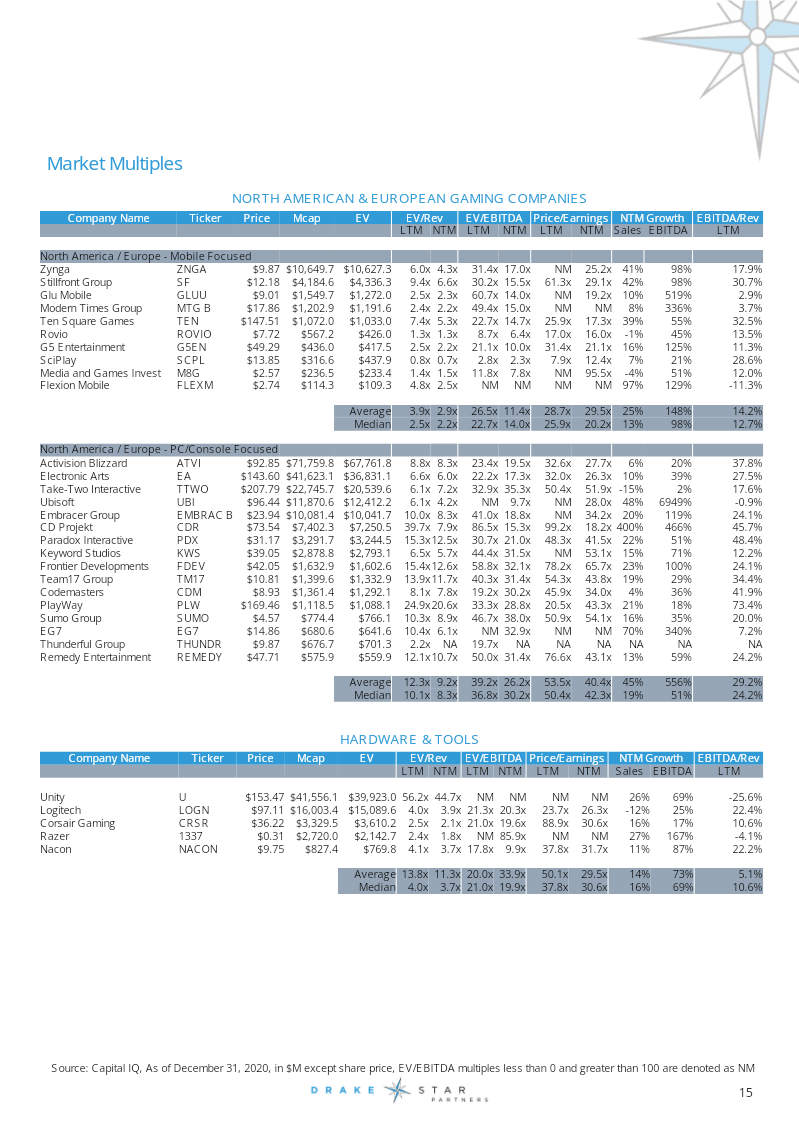
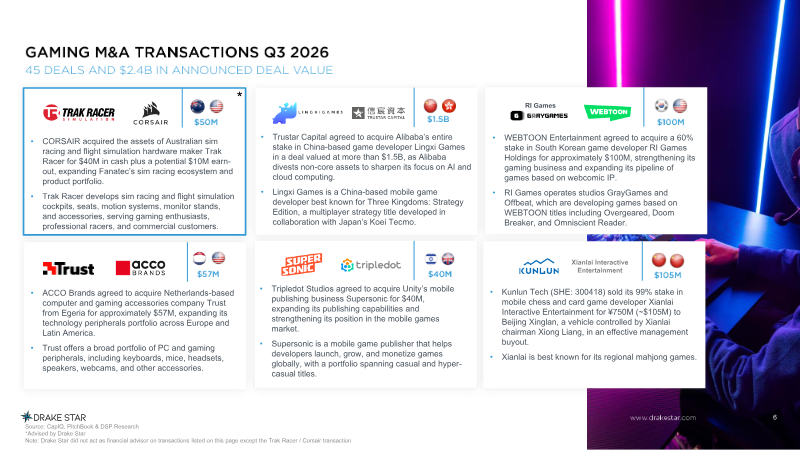
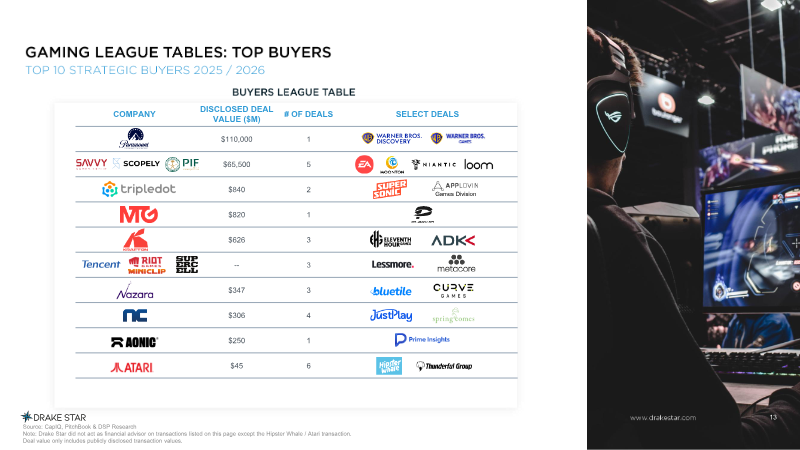
- 05Venture capital funding in gaming experienced a massive surge from $5.9 billion in 2020 to over $10 billion annually in 2021 and 2022, leading to a current period of recalibration and reduced liquidity.
- 06Investors are moving away from speculative, broad-market exposure in favor of thesis-driven bets that focus on the intersection of consumer behavior and emerging gaming technology.
Ask AI about this video
Transcript
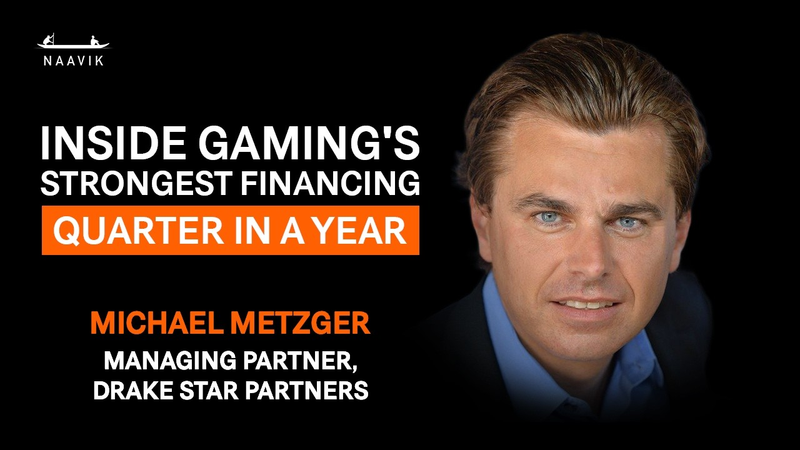
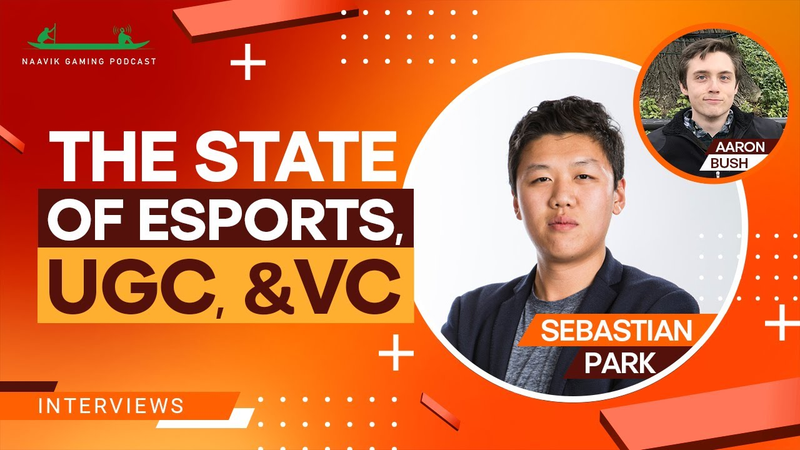
foreign [Music] gaming podcast where it is our mission to explore the business and future of video games we bring together the industry's brightest Builders investors and thinkers to keep a full sun current events dissect emerging Trends and games share Lessons Learned and have a great time this podcast is also part of novik's growing ecosystem which ranges from free and premium research to Consulting and advisory services for more information visit www.navic.com now let's jump into the episode hi everyone I'm your host Aaron Bush and I'm delighted to share the mic today with Sebastian park now there's a good chance you've heard Sebastian on this podcast before if you listen to our weekly roundtables but Sebastian is always such a fun and insightful person to chat with so we figured it makes sense to carve out some extra space to really dig in to a few important topics
today if you don't know Sebastian he's worn a few hats over the past decade he has a super interesting background in Esports and more recently is co-founder of infinite canvas a ugc related gaming startup and he's also a venture partner at bitcraft he'll share more as we get into the episode but today we're going to really drill down on that Trifecta of topics Esports ugc and Venture Capital Seb welcome back how are you doing good man thank you for having me as always always a lot of fun to talk with you all out here of course I think this is going to be a really good episode and probably the best place to start is Esports which was the Cornerstone of your gaming career for quite a while and as I understand your Esports story and feel free to expand on this however you think is interesting but after a couple short Esports leadership stance in the mid in the mid teens you became the
creator of Clutch Gaming in partnership with the Houston Rockets you're the VP of Esports and that team participated in the LCS the League of Legends in North America at the time and you know I guess fun fact when I first started what was Master The Meta at the time I would spend my weekends watching watching League between the breaks would you know crunch out my my writing so I remember I remember some of those clutch teams um but anyway so that was just kind of fun to to think back on as I was doing some research but you went on to sell clutch to hpsc which in turn merged um that entity with dignitas so there's quite a lot of history in there but uh maybe an interesting place to start is to take us behind the scenes like how did you even find yourself in that position with the Houston Rockets to begin with and what did you learn as a Founder executive in that era of Esports that's it was a fun era for sure uh perhaps one of the more sustainable eras
that we've seen in the last decade I so before that I was working on just mobile games mobile gaming in general in the early 2010s doing a lot of startups why company type startups out in San Francisco and I was you know tooling around with zerometric models especially around Esports and gaming and the way I actually got that gig was really fun I had just ended my stint at team archon which is a Hearthstone and DOTA team and I was hanging out with a friend when I uh at eating oysters and she was like hey come meet some of my other friends from business school I met these friends and we're just talking about uh this guy and and how his daughter his daughter's name is Kayla and I happen to know that Kayla meant banana in in their language and so I was like I thought that was really funny uh in any case one thing that's another he said hey you should meet my cousin my cousin this guy named Sachin Gupta who more most recently was a part of the Minnesota Timberwolves organization
and talk to him about it he had just been let go from the 76ers actually because he was part of Sam hinke's team when they got um they had the famous letter and and you know trust the process talked to such such at some point nothing happens for months and then at some point he sends me a call and says hey the Houston Rockets are looking for someone would you be interested in talking to them uh you know got a chance to talk to the dead known or Leslie Alexander and and Todd Brown the then CEO and the then GM Daryl Mori really got to spend a lot of awesome time out there um they they accepted me an offer moved to Houston Texas just straight up moved packed up my bags went to Houston you know one in Houston and Dove straight in into sports Esports sabermetrics and I gotta say that was one of the like coolest times of my career in life because that lunch table that I used to go eat lunch with people is one of the more ridiculous tables I've ever been a part of because if you actually think about the people who were at the rockets
in 2016 yeah yeah Daryl Mori who is now the GM and president basketball at the 76ers you have tattoos the CEO of the 76ers Gretchen Shear is now the president of the Rockets but on the basketball analytics side Rafael stone is now the GM of the Rockets Monty McNair is now the GM of the Sacramento Kings Gerson Rosas was the GM of the Timberwolves and then Sachin was there too girls is now with MSG uh van Hall and they're not even the smartest people they'll all agree that Eli whites and Van Hall Huang were the smartest people of that group and they're off doing some really cool stuff too so it was a really fun crew to learn not only basketball but also management and sports management and business management from these guys they're they're real cool cats yeah I'm curious to hear hear your thoughts on the intersection of traditional Sports and Esports at that time I know um you know many of these teams saw Esports as like a way to extend their brand to stay competitive in other ways
I'm curious as you look back um did that combination make does it make as much sense in hindsight one and then two I'm just curious what you learned from traditional sports that actually was pretty interesting and compelling for for Esports yeah you I can't speak highly enough of Leslie Alexander the then owner of the Rockets who initially hired me in and and part of the reasons because he didn't see it as a brand extension he saw he's one reason I joined the Rockets was he saw Esports as a really interesting industry he had bought the rockets for about 80 million dollars in 94. and so I'll grow to 2.2 billion which he then sold like while my tenure there he saw similar growth paths and I think that's actually similar to what we saw with the rockets at the time which is hey Esports if it's going to be like traditional Sports it's going to be a little bit like a Picasso it's going to be a asset that appreciates over time if we can just operate it really
efficiently that over time it's going to appreciate in value and we'll go from there and to that extent you know I actually spent the first year with my at the Rockets not only learning from Tad and Daryl and everyone else but I actually we spent a lot of time evaluating Esports teams we spend a lot of time on the acquisition side seeing if there's anyone to buy or anyone to partner with we end up passing and creating Clutch Gaming instead in part because we're like hey folks are focused on sort of the Venture style growth ecosystem as opposed to us where we're like actually no we're not actually effectively venture-backed here what we're looking for is slow asset appreciation over time and then getting beta exposure to Esports what's really cool and I think this is the best people in the space at the time thought that franchising was really important the reason franchising was important and great was because as much as people are seeing the negative externalities of Bad actors today there were so many more Bad actors in the early 2010s and I think one thing that people forget is I was
sponsored by a variety of companies one of which which I don't even know if I'm legally allowed to name anymore you know owed me like a hundred grand right for our team and if they didn't pay me by December 29th and payroll is on like January 2nd that year we would have gone bankrupt like we like we're literally putting money into the company and floating it right and so and they're like oh the money's on the way the money's on the way but how can he trust if some random European either polish or Russian or Ukrainian company is saying that money's on the way you can't like it was just it was rough times back then not being paid for months at a time was often to get it as opposed to a requirement the joke always was hey you always make the first three months but you'll never make the last three months of your paycheck or your contract in the space right and so we saw franchising and especially the people who are coming in with deeper pockets and acts to better things as a valuable trade-off against having franchising and so that
was one of the cooler parts of the entire system at the time and clutch was very fortunate that you know we were we went through the application process with the LCS we had evaluated the LCS versus OverWatch League decided that the LCS was was worth doing that OverWatch League wasn't for a variety of ancillary reasons and then went with uh League of Legends got the slot was really fortunate to do so and then built out an interesting team that we you know really ran uh efficiently and and went from there yeah so maybe just to kind of put a bow on that story before we talk about Esports today um obviously as I mentioned um clutch was still somewhat short-lived in the sense that it did get sold and then merged into dignitas um how do you reflect back on um you know all those transactions that took place and you know just what led to to that being the end result yeah uh so we the Rockets get sold to
tell them for Tita and one of the things that I was always taught to do is you always give your best analysis regardless of how it affects you and the analysis that we had at the time was hey you know over a 10 20-year time scale Esports is still going to grow but we're at probably a local maximum evaluation right now that like there's a huge gap and this is actually just true for all assets where when an asset is worth eight figures there are far more buyers available than if an assets worth nine figures right and so this is like sort of like an obvious statement to people but there are only so many billionaires in the world and there's only so many players in the world who can like afford to be in these ecosystems and so the real takeaway is that as a team as clutch was becoming worth you know from the eight nine million when we started to like 10 20 30 40 million dollars you have to ask yourself at any moment in time this is what most Traders do is like hey what is
the future upside for this organization like how much more money do we need to put in to grow what's sufficiently to be worth nine figures as opposed to you know taking the win right now I am super happy with our tenure at clutch I think we were very much justified in retrospect now at the time I think it was a little bit more opaque as to whether this was the right decision but certainly in retrospect taking the team and being like hey we've done our version of this correctly and certainly if we kept running it for the next 5 10 15 20 years it would have done just fine but being able to then you know capture the value in the moment and then making sure that we return value to our to our investors and shareholders and ownership group I think was a great outcome that's not even a PR thing here's the flip side of this right if you think about how sports teams operate sports teams are worth like about billions of dollars and they make about like 20 million in profit a year right like that is not the type of return profile yeah yeah it's not the
type of return profile people want to see in the modern era from their Investments especially in a zero interest rate environment at the time what's really funny about that is if you think about the team owners who are more Legacy their cost basis is so much lower right if you buy the team for 100 million dollars and it's printing out 20 million of profit a year suddenly that's a really great investment like your pay your payback periods five years right if you buy something for a billion dollars or five billion dollars or 10 billion dollars and it's doing 20 basis points suddenly you have more questions to ask right and so I think that's something that I think about a lot and we're glad to have done it and then on top of that I think the the hbsc guys have been great stewards of the team obviously they thick and toss is still around and kicking and doing some interesting stuff cool well let's go ahead and zoom forward to the present day then I want to get your pulse on what's going on in the current Esports environment So currently we see classic teams like TSM
and CLG downsizing we've seen layoffs from 100 thieves FaZe is getting delisted from the NASDAQ astralis as a public company has been crushed and the list goes on in terms of the the struggles we see in Esports at least from from the outside um you also mentioned you know earlier we were talking that the era that you operated in with clutch was probably one of the more sustainable eras of of Esports so I'm really curious to get your perspective on what went wrong between then and now to to kind of lead to all the Ripple effects we're seeing today and I'm really curious to know too whether you think that this was this Fallout was destined to happen or was did the industry just misplay his hand in some way yeah I mean it's hard to say things without providing the context of a multiplayer prisoner's dilemma which
is when costs go up for some people it goes up for everyone there's always it's never the case that it's a solvable system it's why Bank runs happens why a lot of things happen the ecosystem of Esports in particular in the early 2010s and in the late 2000s was that like their monetization flows were number one sponsorships number two merchandise number three and four you know maybe prize pools tournament winnings Etc like we're talking about taking 20 of prize winnings from the teams North offset costs like that was the type of Grassroots organization that folks like Jack attia and Victor gossin Steve on our side were creating at the time The Hope and goal was that at some point the amount to spend from sponsors would go from experimental spend to actual eyeball base spent and one thing that I think goes underreported is that
especially when we're evaluating the LCS one of the biggest plugins for our model was the fact that they had this bam Tech deal this bam Tech streaming deal that was supposed to guarantee the amount of revenue for the media rights if you think about how Sports Works Sports typically are mostly media rights followed by ticket sales followed by FNB and then it's like sponsorship merchandise and everything else right and so given that Esports was lacking the first three the majority of those categories the fact that these franchise leagues were able to like pull up on the first two would mean that there's some really interesting stuff here I don't blame players for this I don't blame organizations even I certainly think that people were doing what was the right thing in the moment they do and this is I think actually totally in line with how the world Works in a lot of ways where zero interest rate environment we have a lot of growth here there's a way to capture this growth if they had not moved in that direction and they had instead tried to be more
sustainable or do the right thing quote unquote like would they be even be around today and the answer is probably nuts a lot of people have come and gone the best type of CEOs and sports teams are all sales people they're all sales people because the actual value accrual that happens in entertainment and traditional Sports is the Delta not in the monopolistic action but rather in the ability to sell sell sponsorships and so you have a bunch of sales people who are very good at their jobs doing what their job ought to be and so as a result like this happens over time and then suddenly the macro economic climate changes as it changes it's no longer the case that there's free money out there it's no longer the case that places like YouTube or twitch or azubu at the time or some of these other guys are providing uh competition for media right deals next thing you know the revenues just aren't there now here is the one fault I do see one file I do see is that oftentimes when you see this happen you should constrict immediately
right if anything people weren't quick enough to constrict their organizations and then bring themselves in line with what their economic numbers were at the time that did happen however on the flip side it's not that it was destined to happen it's that in in the multiversal world that we live in this is the outcome when you have the environment we do now the the other thing I've heard people uh preach about is that they thought that people would acquire users into Esports I never believed this I don't know if the best operators on you believe this the idea that the Esports uh like pie would grow tremendously that just doesn't happen in the entertainment ecosystems typically speaking the best way to acquire a 35 year old Into Your Entertainment vehicle is to wait for the 18 year old who you have to turn 35 right like it's it's sort of one of those like really ironic things where you really need to wait for everyone to age up and so if you're expecting to convince 40 year olds to start watching League of Legends or OverWatch in 2018
that probably was never going to happen and you really needed it to be a generational thing and certainly if it wasn't going to be ready generationally then totally could happen yeah that's a really interesting answer I've always kind of viewed it similar similarly where it was a question of the the whole industry sort of has to move together in a sense and so if if you start to see players um start to kind of ramp up their cost in order to better compete it's really hard to stay in the game if you don't do that as well um but at the same time like either the entire industry has to move in that direction or the entire industry has to be more sustainability first in their business model earlier on and the industry went in the other direction and you know kind of compounded the problems through like the fundraising at high valuations that that that took place on some of those expectations too and it just became a much thornier um problem to to unwind I guess
um for sure but that's why it's a multiplayer prisoner's dilemma like sure is there a world in which everyone's content with like in the original Esports ecosystem world uh everyone was paying themselves 50 Grand like both the players and organizations we were splitting homes in Las Vegas and our After parties were in abandoned barns about 10 kilometers away from Yang shipping for after dreamhack right that was also not a great ecosystem for a sustainable market right that was paycheck to paycheck there were often times where we're eating baked beans right we were taking a lot of different jobs and so in a lot of ways the the quote-unquote professionalization or the franchising of the ecosystem allowed people to have careers in the space that we didn't think was possible prior now the difference between here and let's say China or Korea is that China and Korea they have government action in order to enforce a type of monopolistic opportunity for them we've seen what happened to Activision Blizzard when they tried to attempt that they got sued and that's perfectly reasonable I think
it's I think one of the harder things for fans to have in mind and I think this is true for fans and people in the spaces you can both not like the outcome and understand how it came to be and I think that's exactly where the space is right now which is if you had to choose between trying to live paycheck to paycheck and uh hope that the space would like grow five percent a year and outpace inflation and we'd all just be sleeping on couches or there's a chance that hey we can inject Capital into this we can get to a point of sustainability quicker I totally see why people myself included chose the latter and then when it didn't work out for a lot of people that happened um so what's the path out from here how does how do you think Esports orgs in the industry at large will look differently in a few years or is it going to go back to being pure Esports companies are we going to see more of like the 100 thieves model where they're branching out into all sorts of different things to have more Revenue
upside but where do you think this is going next yeah Esports is a really interesting space part of which is that you know Publishers capture most of the value of the ecosystem that's a fact right like they capture all the money of it and they distribute what they want to distribute I'd imagine actually with the changes to ATT like Esports and retention opportunities that Esports provide becomes more and more valuable over time and that as eyeballs become more scarce that Esports and the ability to like Focus things still is valuable I'm still net net bullish on Esports uh in the more traditional sense streaming is a zombie all do fine just like all content creator ecosystems will although fine is relative to the expectation you have in mind uh it's interesting because for example if you were to have a sitcom start today right the sitcom star is not Jennifer Aniston anymore they're not going to have a lifetime of income from syndication from Seinfeld or friends anymore right and so our expectation of what a sitcom star or celebrities income streams have completely changed
similarly the streamer income or the content creator or influencer income streams are changing constantly and they're not as sustainable as people think they are there's a lot more variants a lot more up and down in their space we'll see this up and down also on the team side there are always going to be Esports teams there are always going to be people coming together and doing some really fun bootstrap things there's going to be a class of people who are going to put more money behind it and create more interesting things now that doesn't that just means like it's a timing right and when will the timing be right it's one of the fun things I think we've talked about this before where if you look at the NBA pre-magic and Larry goodness gracious the MBA did not look sustainable and whatsoever if you look at the NFL in the 60s and 70s it looked like it was going to fail too and in fact it did feel in some ways in a lot of ways here and there there are ways in paths forward and to an observer five ten years from now it'll look obvious in retrospect but what's really fun and this is why I love stuff like hundred thieves is
I don't know if that's the right answer to do to lean into merchandise drops or to lead into making games I do know that John Robinson is a solid executive and he's a solid founder level guy and so I'm sure he'll figure out his own pathway forward right that's I think the bet we're making generally speaking in Esports yeah and I guess there doesn't have to be one answer different companies will find find their own paths and even different games will probably find their own ways to to operate too um last question before we uh move on to talk about the ugc side of things uh I'm curious I mean you mentioned that the Publishers are kind of the biggest winners and this and Esports and it makes sense they own the games they set the rules I mean we've also seen um you know Activision Blizzard as an example um kind of think about Esports maybe more as a revenue driver than just an engagement driver for the game and as such has been you know much more aggressive in its terms and has been made made it harder for other parts of the value chain teams Etc to really
succeed um profitably and it's Sports how important is it for the Publishers to reset the playing field and make it more prosperous for everyone else for Esports to have a successful long-term Runway I mean in a hypothetical World it'd be great I I think a lot about incentives I just don't see why a game publisher Studio would be incentivized to do so and that might mean or both poorly for Esports but let's put it this way in the commissioner of the NDA is beholden to the team owners that's his job his job is to make sure team owners accrue value and accomplish their goals everything else that the league office does is in service of that everything else is Activision Blizzard and perhaps Microsoft that that merge driver happens is beholden to their shareholders and the fiduciary obligation to generate Revenue if at some point someone comes up with an interesting model in which the
retention value of Esports outstrips the costs of Esports then we'll see it applied if that doesn't happen then suddenly there is no need for them to pay that forward and like one of the things I always reject and I reject this in part because I'm a huge believer in Esports it's the idea of what is the potential reality versus what our actual reality is and up signing probabilities to like how that potential reality can become a thing in an ideal Ideal World we'd have collective bargaining on the player side such that they themselves have health care future rights access to education access to Future upside we'd have cost effective salaries that are split between people's 401ks as well as as well as paying players without organizations that are sustainable and a publisher that's incentivized to continue to fund and provide more economics to these people How likely are any of those bits and the answer is very low for each single one
right for the what's for the most part it's actually unclear that players should should actually ever unionize right it's unclear that they should ever collectively bargain uh it's it's argued because we have it in other sports that they should but you know it's unclear like if you are the best player in the world at that moment in time you like LeBron James has always has probably given up around a billion dollars of value over his 20-year career in terms of like unearned income as a function of value that was there and then captured by your mid-level exception books in the league that's just how this all works right that's totally fine but I do think that one thing I would push on people who are evaluating the space or people who are thinking about how this grows not to be pessimistic not to be optimistic but to be realistic about hey what are the different inputs how will they evolve and then how like will there ever be a game or org that's incentivized to do this for you if the answer is yes then hell yeah but if the answer is you think you just are a
better operator than people before you and that's your only Edge there's a lot of hurt coming down the pipeline here okay well this has been really interesting but we really should um switch gears um and switch from Esports to user generated content which is where you naturally spend a lot of time today and to start especially for the uninitiated I think the the best place to begin is just for you to tell us a bit more about Infinite Canvas what's the what's the mission what are you working on yes Infinite Campus we've been around since 21 uh we are a user generated gaming studio publisher we operate mostly on platforms like Roblox and fortnite creative and and the like effectively the entire thesis is hey the coolest games that we've played growing up and the coolest games that we see evolve are not AAA games that in fact they are interesting modifications or interesting user generated game modes
created from the minds of people who are part of a larger Zeitgeist on platforms like historically Warcraft 3 map editor or more recently Dota 2 map editor one where we got the auto chess and TFT and whatnot and so to that extent our entire piece is just to get exposure to that and then to be part of that community and so we've had a lot of success fortunately on platforms like Roblox doing a lot of interesting different games from like dunking games everything else but then also learning a lot about new platforms and new user generated ecosystems and trying to provide guidance to folks on how to work through that yeah so I'm curious how does the the business work like how do you make money like how does all of that work in a bit more detail if you're willing to share of course yeah so it differs platform to platform and I think this is interesting in all types of gaming uh for those of you who don't know hyper casual gaming historically and by historically I mean like pre-2020 made a lot of its money on Advertising right like that's how they made their Loops
there was no way that purchasing there was just advertising and so a platform like uefn the new Unreal Engine fortnite creative 2.0 mode that is a pure impression and play time based monetization scheme more people play the game the more fortnite is carving out to pay you out the flip side is that almost all the money like 99 of the money we make from our Roblox games our in-app purchases your battle passes your hedonic Loops your people playing the game and wanting a cool hat that is the free to play model as applied to Roblox is how we make most of our money there the Third vehicle which is probably always going to be a third or a distant third or distant fourth vehicle is sponsorships right and so what I mean by that is branded engagement to specific people who want exposure to our games or audiences you always have a little bit of that in the background but that's like a very minimal like sub five percent portion of our revenue streams okay got it and so I guess just to clarify um like you as a company foot the cost for for all of the building that takes
place for the most part maybe some exceptions but then all the revenue comes from however all the the ways you just said different platforms of their different methods but is that yeah yeah our our two main lines of game acquisition Are One Creation itself the studio part of the business where we spend time usually around two weeks at a time making a new game mode or taking a game mode and test a b testing at different uh scenarios different uh typing and then also acquisition of games so we spend a bunch of time we built a model my background to saber metrics and data science we have data science lead now so I don't even touch it anymore he's so much better than me uh but we would go reach out to people and be like hey we think your game is awesome we think we can help we can help with live Ops we can help with like continual growth we can help with user acquisition monetization retention and then acquire the game either 80 a game or 20 of the game some essential again yeah that's interesting I didn't actually know that that last part that you've been um acquiring other games how has that
been going what have you learned from from doing that in this new world of ugc platforms yeah my my biggest Insight that I tell people is you should never do 50 50. that is something that I think is true for all JVS you should really make sure you know who's doing the development and so if you're if we're doing a 10 to 20 deal where we're helping out with user acquisition or some of the loops it's very clear that you're doing a development and we have a long list of creators we've been working with who are awesome and they're making really cool games and things that we'd never even consider making for their own audiences on the flip side we actually have stuff on on the other side which is like people who've made really compelling experiences that they've done some really awesome stuff so we did a game called Carnival Tycoon and we expanded out the game and we run it every summer and we run events and and do sort of the unsexy things that generate Revenue but that a game developer who's more of a creative doesn't want to touch and so we do basically the gamut between the two which has been a lot of fun cool
um well I know um up until this point Infinite Canvas has largely been building on Roblox so far but now that the unreal editor for fortnite is live I'd love to hear your impressions because obviously this has been all the news we've heard a lot of noise but as someone who's um been on the front lines and I'm sure been pretty close to the Epic team I'm curious to get your your your early thoughts yeah I mean we've been fortunate we've actually been making fortnite creative map since 2021 and so we've uh you know we've we've made Maps throughout with a variety of Partners in the ecosystem and so it used to be that coding was you would like drop a NPC from a certain height and depending on what button it hit that's how you create RNG that's how you create Randomness it's nice to have a programming language it's still in development I think that's something that's really important to say so for example you're not going to see persistence yet you're not going to see the type of progression Loops that we as
a company are known for in these games quite yet uh we're still working on that we're still doing it but we've been able to import some really awesome assets uh we have an entire asset team and so that we've been putting stuff in we've been making it look really interesting we haven't gotten our early results yet um the checks are still coming out as to the first month cohort of the stuff where I think we're recording on the 12th or 13th that's hopefully come out by the end of the month so we'll have a better idea of what it's like but it's certainly a step in a very very interesting and compelling Direction there the question I think will become how the execution looks like for us both from the platform but also from us ourselves verse by the way is a super interesting language and I actually don't think it's there's anything in the issue at first it's just a question of like hey does it fit your skill set does it fit someone else's skill set one thing that we tell people all the time and this is true for us as well is that we can't let our success or our experience and other platforms Cloud our judgment about a new platform unreal fortnite creative 2.0 will be
very different than even appnc one it's gonna be very different from Roblox it's very different from mobile there are learnings to be had but it's going to take some time to unramp and make sure we find the really interesting game uh I early in my career had a chance to work on early mobile and the games we worked on back then were games like sword and sorcery right which was like a 90 minute RPG Loop right yeah not really mobile friendly in retrospect but it won game of the year like mobile game of the year at the time right and so yeah it's very clear that over time developers learn better tools and tools and now you have these like really mobile exclusive game Loops that make a far more sense than the stuff that we had back in the early 2010s and that's what we'll see in these ecosystems as well yeah Infinity Blade was that way too I think it probably won game of the year and whatever whatever year that was too for bubble it was done I would use all my battery life in about 20 minutes yep Sam that was so much fun though um well I'm curious
um to get your impressions on if you are to lean more into um the unreal Creator mode for fortnite um any more specifics on what you're looking for is it more are you looking for more power creativity creativity in certain ways are you looking just for more evidence that the monetization system um is effective for you like what are like the main Milestones or or updates that you're kind of betting on yeah so I mean for us what we do for the most part is one we're all in on on unreal fortnite and we happened for a while it's just a good platform and it's a good platform because it has users right like one of one of the eight priority constraints about user generated ecosystems is that you have to have people making stuff and consuming things and as a game developer and like Studio publisher in particular we have a hard time developing for systems that don't exist right so if your entire
ecosystem doesn't exist on paper it's going to be really hard for us to bring it into the real world or to create things are are interesting there if no one plays it some people might be able to and I I give them all the credit in the world it's just not us like we're we need an audience we want to we want to sing to a room as they say uh that is number one fortnite has that holy moly do they have users they're like one of the few places that has users to the scale that Roblox has users it's like fortnite it's Roblox it's Minecraft and GTA online basically are the four main platforms that have users right now everything else is sort of like gravy honestly like if the monetization's great it'll mean that we'll spend more focus and more focus on it if if you see some better um better engine work in the game that allows you to do more engine based things and we'll do more and drip into mace things one one thing similar to our
Esports analysis which is like don't don't wish for what the future is like Opera in the present is like very much uh what we feel about in ugc platforms we're like hey if there's no persistence there's a ton of ways to introduce persistent like mechanics so we've been working on some stuff where we do old school Metroid NES type things where you have a 16 letter code they can type in at the beginning of the map and in doing so you can like load out your your asset or your guns or your like progression thus far right these are these are old tricks rehashed to the present day and that's been a ton of fun but obviously that'd be much easier once we have a data store and that's coming from what I understand yeah well I want to play this forward a little bit and get your thoughts on maybe longer term where this is going so I mean you mentioned the number one advantage of the fortnite creative mode is just the tens of millions of players that play fortnite which which makes a ton of sense um and uh I know many ugc companies that's also on the flip
side the largest challenge that they face it's the cold start problem of well how do you get creators if there aren't users and how do you get users if there aren't people building for you um and so I'm curious to hear your take on obviously what what fortnite's doing right now makes a lot of sense makes them an obvious Contender for the long run but what do you think about all of the smaller up and coming players do you think they're all going to face tremendous challenges or do you think there are a handful um if you want to name names so it'd be cool if not that's fine but um that you think could actually solve this cold start problem in interesting ways yeah I think you nailed it on the head right there it is certainly the case that user generate doesn't work if you don't have users you gotta solve that somehow what's really fun and I think we've talked about this a bunch Aaron is that because
of the way the ATT changes have happened it's no longer a money problem it's no longer throwing enough money on Instagram or Facebook or or similar platforms like users to the door to start off this ecosystem there has to be another trick there has to be another thing to to that point the vast majority of these platforms are going to fail I talked to new ugc platforms every day and I'm always excited to talk to them I'm always excited because there's like something interesting new that they're trying to apply for one commonality I've seen is that the vast majority of them aren't focused on solving this problem there's a huge error in mental model when if you think if I build a delcom because that's just not going to happen like you're gonna have to do something really interesting really novel really cool some people have tried doing hiring musicians or some other people to try to increase Their audience size I don't think that's worked so far there's some really interesting stuff around like rec room and how they've started on mobile as a mobile focused one and we'll see
how they're going to transition to supporting Unity there's some entire ecosystems that are have just like large audiences right like it's fun to watch for example if Pokemon were to ever launch a ugc platform or to acquire the ugc Assets in it's going to do super well Marvel snap benefited a ton from the Marvel IP in terms of like how getting over their cold start problem our our guess is that the problem will be solved in ways that we don't know that we don't know about quite yet is the most likely solution but the stuff that we have seen that are interesting is like if you make an interesting game if you already have an interesting platform if you have interesting IP already on platform if you have users already that's a great place to start one thing I will say is that we talk a lot about internally what we call the Creator consumer conundrum where even with the ratios as they are there it used to be like way back you know a thousand years ago the crater consumer ratio was one to one because no one knew
how to read so if you knew how to read you know how to write and you were like the only people writing to each other and then over time with the printing press the number of riders relative the number of readers changed right and so now suddenly there are a lot more readers than there were um creators and so the ratio is like one to 100. with the Advent of the internet it scaled up to being like one to a billion at some point right like it was just like the number of people were making things relative to people's like one to a million and as we move more into each generally gaming and use generate content in general that's starting to collapse again it's especially with Gen Z it's no longer the one greater to a million consumers it is now far more likely to be one to ten thousand but by the way ten thousand is still a large freaking number right and so that will probably mean that if you want to have an interesting throughput of games you need about 200 000 Dau and so how do you get a 200 000 Dau is a incredibly hard problem and one in which uh we've been
fortunate enough to you know jump start by bringing on games acquiring games and seating communities uh I don't know how else you would do it but I recommend to to actually think about the problem that I think is probably the biggest problem trying to solve there's some really interesting Dev route people who have some solutions I think they're really cool but I certainly thinking some combination of creating games Brands and and then jump starting in other ways yeah that makes a lot of sense um last thing I want to get your your thought on here is your your pulse on if there is more competition in ugc how does the industry or the economics of the industry change because you know if we look over the past few years really Roblox has been the only platform like it um and there's been of course modding for years and people creating around the edges for a very long time um but in terms of a like a ugc specific platform um Roblox has been in a world of its own
for a very long time and if you look now it now has like an r d run rate of a billion dollars a year which is so hard for anyone to ever have like a chance to really match that and so now we see of course epic launching their own system which is a work in progress but you know they have a bunch of talent that's working to improve it over time so um and you never know when other a third could pop up too I I suppose but even just from going going from one to two do you think that the emergence of competition will have any impacts on the economics of this industry as a whole like does it get more expensive to attract the best creators does it get do we have to now start seeing like use user acquisition battles like what what do you think matters or doesn't here man I feel like the throughput is what we want versus what we hope first of all we think is going to happen it's a it's an interesting question it's a super interesting question because the answer is multifaceted on one hand we should
step back and ask what is the actual cost of supporting these servers what's the actual cost like in terms of overhead right uh it's unclear to me that app it does cost Apple thirty percent of all iaps in order to run their App Store and so but if that's true or if but like it costs them something it's non-zero right it's there's a there's a value added by Apple I think that's the same question that unreal is going faced with fnc it's the same question that does the folks over at ROBLOX are facing constantly what is that right balance and how much of your margin can you collapse when you have competition there's a excuse me there's a world in which Google Play Store didn't exist at which point I'd imagine Apple's cup might be 75 80 percent right but because the Play Store existed it created enough competition such that we can have an interesting robust ecosystem that we have today is 30 too
high we'll see how that plays out on the courts but I certainly think that is the pressure we're seeing right now where we won't see pressure is we won't see pressure from platforms that have zero Cuts or ten percent Cuts but no users because zero like ninety percent of zero is still zero right and so one of the interesting things is that the only type of real prize competition you can see only exists if there are large enough competitors to actually question the player base or provide different Alternatives we don't see that here one world that's possible is that every UDC platform segments per audience where there's like going to be like a Chinese ugc platform that's like the um the Jour of China and then there's one for the US and there's one for 13 to 18 year olds there's one for 19 24 year olds and one for 25 to 29 year olds if that segmentation happens fully we may see no price improvements across this ecosystem it might just be that there is no competition because everyone's building for different people hmm in the interim it might also be that
they overlap a lot in an idealized world we see some really strong modern doulopoly like massive number of players with a large number of ecosystems coming up and then a studio publisher like myself is King in that world that'd be great I would love for that to happen but certainly it's it it takes a long time to build up these ecosystems that are costs associated with it costs that aren't being held down by a new individual person and so therefore the question is like what do those cuts look like what does it look like and who are those platforms I will say as like a interesting hint as to what the next thing is I've been thinking about is I would say we should expand our definition it won't just be a games platform it will be more than that and so I think it's really interesting to think about what that expansion looks like and who has users it might be a I hate the word metaverse in some ways because people have used it to into the ground just like Esports and doesn't mean anything anymore but
there is entire cohort of people who follow Taylor Swift around that is an interesting ecosystem there's definitely user generated content in the Taylor verse or the Swift verse I actually don't know what they use right how does that apply like what is Taylor Swift's cut to that Taylor Swift's cut to that might be a hundred percent it's all fan art right like it's Fan Music it's all that kind of stuff like what does that world look like as it turns out we don't know yet and I think that's gonna be the fun stuff that that develops over the next few years that's fascinating we gotta shift over to our last um topic for the day but um I'm excited to continue this conversation in the future as we as we learn more and the industry continues to um to unfold it's gonna be really exciting um to see where this goes and to see where Infinite Canvas and you you operate within the space too and where where you go as well but let's go ahead and and shift gears and talk about um Venture Capital which of course on top of your work as a Founder you're
also a venture partner at bitcraft and to start could you just tell us a bit about how that came to be why are you also an investor while running a company how do you manage that like just just tell us how this is done yeah yeah so uh first I want to give a lot of plot it and thanks to the people who taught me about Venture I was fortunate enough in 2011 to work for a couple guys David Hornick and Howard hotenbaum over at then August Capital they're now Lobby Capital some of the best investors of their generation Howard was the initial investor in Skype David did a lot of stuff inclusive as Splunk and StumbleUpon and stuff like that they taught me a lot about the heuristics that I want to know and one of the things that I took away from their conversations was wow they're so much cooler than me that they know so much more at that moment in time and still to this day and after the sale of clutch I had finished out my earn out I
was working on some non-profit work helping out folks during um during the pandemic and then uh I I'd known Malta barts.rup and Jens hilders from Big craft for years had talked a lot about Deals they asked me to come on board and help them out with with some of their deal flow and understanding there I was reticent at first in part because I just thought there are so many better interesting thinkers out there who add real interesting value to companies um and they said hey that's fine come on as a venture partner you can still be an operator you can see there's some interesting stuff and so that's they gave me such a great offer in terms of hey it's like you can come in do as much as little as you want help us out and really dove into it and it was a ton of fun and I really enjoyed working with those guys in particular I want to shout out both Malta and Scott because I think they're some of the best board numbers in the world when it comes to gaming and obviously I'm a little biased here but they want to say that they're they're so great to work with because they always ask you if the world is actually round
right which I think is does the sun really revolve around the earth right I like asking that question so interesting and so it's been a ton of fun looking at all the deals in the world out there well great thanks for sharing uh your your background there uh and I know you are very reflective about the state of venture capital and gaming as well and just for some some some context and background on what's changed recently um we've of course seen the Venture industry change pretty dramatically over the past few years for one new major players dedicated to gaming like bitcrafts have emerged onto the scene second we've seen more traditional VCS like intrusion Horowitz or Lightspeed they've ramped up their gaming Focus uh with major funds third we've of course seen as the game industry has succeeded there's more people that are interested in serving as Angel Investors or you know looking to invest across the industry in various ways and then you know lastly in the process of all of
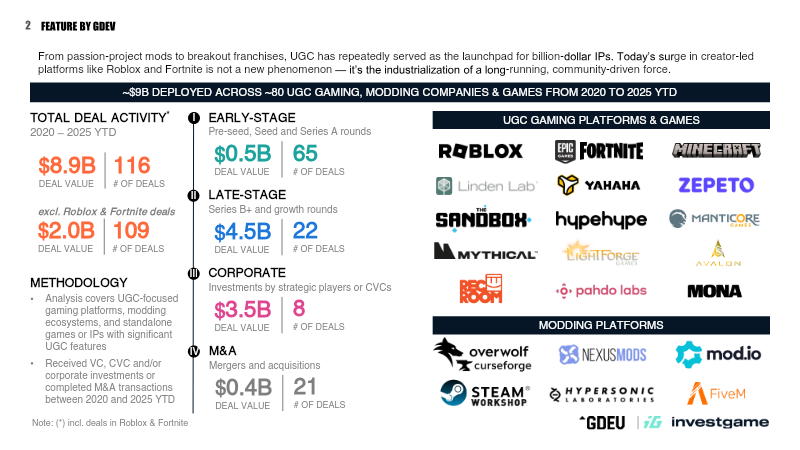
those factors the money dedicated to new gaming and adjacent companies has grown pretty tremendously over the years and even if we just compare from 2020 in 2020 made the industry saw 5.9 billion dollars in private Investments and in 2021 and 2022 it grew to over 10 billion dollars and so obviously this growth comes with opportunity um and some of the the Ripple effects of of all of this are positive but maybe on the flip side too it is worth discussing areas in which the industry has changed that that we see some cracks in the foundation or have comments on maybe how things can be improved or leveled up from here and so um so I guess I'd just like to hand it to you to maybe give a caveat about where you're coming from why do you want to discuss Venture and where is your your head at in in this conversation before we dive deeper
yeah I mean we should probably have a quick disclaimer at the beginning which is like Aaron you and I both have a good deal financed right I'm a venture partner I love venture novik has a a few clients yeah uh we're also both part of the games industry we're also both trained in the investing industry and that certainly doesn't change the fact that we're we're both lifelong Gamers and that we're very incredibly lucky to be in the c2pr and like candidly we got to do video games that's freaking awesome right like yeah I I it's like it's important to say like when you review science fiction they're like hey I like science fiction right or I don't like science fiction that's like an important thing to say and I think it's important to say what we're thinking about for Venture Capital as it applies to gaming is offering up both constructive criticism but also questions as to what the world looks like let's take a step back and talk about Ventra as a whole Venture in the early 2000s seem dead
right there was a lot of really cool things that happened in the 80s and 90s with like sun semantic Microsoft yahoos of the world but by the time that after the.com bust didn't really seem as though Venture had any place to do anything anymore certainly wrong Venture then became one of the biggest asset classes of the last 20 30 years and it's been doing really well since but at the time Venture capitalists were generally generalists they were working on a lot of different things and so as Venture became more and more sophisticated and became a better and better asset class we have more specialization I credit yens and the folks at pick off the ton for being some of the first players to do gaming specific Investments it makes sense that as they were more successful that they brought on folks like addressing and light speed of the people of the world to like deploy more Capital against it that's awesome the specific format of it though is the
question here which is hey like when you deploy this Capital are you seeing Venture style returns the answer is for the most part we don't know David horning used to say it takes about 10 years to find out if you're a lucky Adventure about 20 another 10 years to find out if you're good and so one of the fun things is that if the first Venture firms that deploy Capital against Esports or gaming or video games in general really started happening in a segmental way in 2016-2017 it's hard to judge now we're fortunate that there are people like Nabil Hyatt over at spark and others who are from the games industry and have made bets in gaming prior but they were more generalists who were deploying against these spaces and so that I think is a combination of hey it's both super early to judge as to whether or not what's happening in gaming Venture but also late enough to know hey what are some interesting things and sight lines and guidelines that we're starting to see yeah I think that's that's a great uh disclaimer and
kind of setting the scene I guess you know somewhere to start obviously we've seen an explosion of interest in Venture um from all of these these different players and it's led to a pretty massive increase in funding um but you know if we look at the past decade or so of what the exits have been and where they've come from um and navic digest recently um fosey put together some good data there was only about 20 or so 400 million dollar plus exits in gaming in the past decade and I think 16 of them exited for uh over a billion dollars and you can probably you know tack a couple more around the edges for what you could consider hybrids like I know you said you're like a fan of Duolingo as an example um but I I'm curious just like as a simple question now with the pretty tremendous increase of funding that we've seen is there too much money
chasing too few deals at this point what do you think definitionally and this has been true for the history of the world definitionally there is always going to be too much money chasing too few companies because creating companies is freaking hard uh namdi over at uh namdi overhead light speed has a great chart that he talks about where he's like hey if you look at the amount of demand for deals relative to the amount of funding for deals it's always a case that we never have enough startups for these things and that's been the case for decade Plus why is that well it's because we just have to become more entrepreneurial it's because there is Never Enough companies and people working on interesting things and that's just true it's really hard like creating a startup is a lot of headache and there's always going to be an easier path to deploy Capital historically than there has been otherwise there are other macro effects to this as well right there's interest rates for a all-time
low for about decade we're only now recently crusting upon the idea of like interest rates being really high what does a zero interest rate environment cause well it means that there are things that you can take different risk profiles and premiums in order to do if you're thinking about the last 20 years it really does like when you think about when Venture is considered bad versus good it typically correlates with where interest rates are and so it's actually really funny to think about like hey like um when you think about like the mid 1980s Venture at the time I mean interest-free time we're like so much higher so like the idea of five percent interest rate is considered really high or really low for the mid 1980s and so it made more sense deploy into Venture Capital versus otherwise same thing with the the mid-1990s we were seeing like that dip down early 2000s that dipped down 2010s that dipped down early 2020s had dipped down clearly we're at like five percent now so maybe not so great at this moment in time but that's just the reality of the world
which is hey it's hard to make companies there are a lot of people with money they want to have exposure to people making really cool new stuff and are disruptive and deeply and how do you manage those two things typically speaking when there's more money then there is demand for than supply of companies that means that the valuations of the companies go up when there are more companies in their supply of money then the valuations come down that I think is a dynamic that we're starting to see yeah that makes sense and honestly I mean I think the the argument of you know there's always opportunity there's always some problem to solve for ETC I think that that argument works best more from like the generalist point of view where you have more adaptability and flexibility and where you can turn and even more recently we've seen like the founders fund for example cut it's fun size in half so if anything some of the like smarter investors out there actually they have slowed down their their Pace
on investing almost at a time we're in the games industry um it's been the opposite and so I'm curious to see what the the Ripple effects of that will be and I'm curious if you have any thoughts as we played this cycle out over the next two three years of course you know we acknowledge that these Cycles always have existed you even sent me a message beforehand talking about the video game Crash of 1983 which I got into a rabbit hole there so of course the this has been around for at least 40 years in the games industry but I'm curious what you think about how this could play out over the next two or three years or this this Venture cycle yeah so that is a great but there's so much to unpack there so let's start from the beginning so first and foremost Venture Cycles have to be a decade right so in some senses what we're seeing right now is like deployment cycle the early stages of the deployment cycle and then we'll see the outcomes of what
happened in a few years time 2021 in particular was a great end of a cycle in the sense that deployments that happened in the early 2010s when I started my career we're coming to a close right like a company like Splunk IPOs Splunk IPOs after being founded in 2008 2007 maybe 2005 but they finally IPO sometime in the in you know in in 2021 or 2020 or thereabouts right super interesting cycle and if you were to say given that they're you know worth like they make like three to four billion dollars in Revenue like clearly a real company at this point but it took like 10 years to get there the best way to judge Venture funds historically like the best measure of success is less who the founders are less who the fund managers are less who the GPS or LPS are and it's almost always vintage vintage is the number one thing right it's like hey what year did you deploy your capital and I think this comes into play specifically with the
video game Crash 1983 how we think about Esports but also how we think about deployments now in a zero interest rate environment if you're deploying cash you just need to be risk adjusted the rate of inflation right that is a lot to unpack but to dive deeper basically if you think something let's say has 50 chance of succeeding it needs to succeed as often in order such that the entire irr of your fund beats out the risk premium you're taking on it that's a pretty straightforward way to describe it if you deployed into video games in 1982 when video games are making some billions of dollars assuming that you would get like five percent chance of having or 50 chance of having capturing some percentage of that market you'd be very disappointed in 1983 when video games crashed to like 90 million dollars in Revenue right that is not the world we live in today right now what we end up seeing is
instead that as companies build they have Pathways to revenue Pathways acquisition for a number of years in gaming from about 17 to 21 that was the hyper casual midcore Loop which is hey we actually have the ability to use acquire users really simply this is a growth question and that's Venture backable for sure it's put some money in or grow larger will print funny that makes a lot of sense will that be the case in 23 moving on we don't know the answer is almost certainly it's going to be different than it was previously but that I think is the like table State setting up it all yeah and I think it's interesting too just to recognize that about as soon as you start to criticize The Venture industry or honestly any corner of like Investing For Being um you know things are too expensive it's time to slow down evaluations are falling what went wrong as soon as you like start to ask those questions you're probably looking at a better vintage right in front of you
anyways and so kind of the conversation after the facts almost like isn't super valuable except in the sense of like getting smarter to recognize it um the the next time around in the cycle but I am curious too just as gaming has gone mainstream more funds car or carving out capital for the industry the type of venture capitalists who invest in games has also evolved and I'd love to get your your perspective on the changing landscape of the types and even ages of investors and whether that's net positive net negative Etc yeah I I've had some conversation with my friends and colleagues in adventure space over the last a couple months about this which is you know if you were an investor in the early 2000s to the mid-2000s consumer investor investing was awesome but the thing that's done super well the last 10 years is growth investing right and so you see a lot of really exceptional growth people who have a lot of success exceptional things they can point to and
say hey I did this and this netted me this big return right we don't see that as much in the consumer gaming side because there hasn't been that many deals that come out and so the question becomes if you don't have examples of that who become the senior Partners who become GPS in a 10-year time span I certainly think that we have a dirt for people in that middle cohort right one of the things that uh the folks who I would say at this point would be like you know late 30s to early 40s who would have the like 10 to 20 years experience historically a lot of people who are in The Venture side have spent a few years as operators than investors than becoming partners and and then providing value to companies that way as you become more specialized and as we become more of an industry that attracts people of different age brackets and different thought brackets what does that type of investor look like it's really interesting because it looks far more it both it looks far more diverse in terms of experience background and also far more opaque in terms of like the value
ad here and there like one of the cooler things I think about is just hey like as a Founder who do I want to take money from and do I want to take money from me if I can add value then hell yeah and if not then hell no right and I think that is something that comes up over and over again in this analysis which is if there are some awesome investors out there I think like the Dylan thinking who's one is over at everblue is a great example someone who's such a amazing board member and he's nowhere near as tenures or experience as Malta or Scott from Big craft right but he he just like understands that game and understands how to add value and he does a lot of black work and you'd be foolish not to have him on your board I think Lia Zhang over at makers is another example someone who works really hard and produces a lot of really core value for her portfolio companies Sean Sean at Lightspeed another person who's on the Junior Iran from the growth background who's come out and really provide some interesting questions like hey are you are you beating treasuries right like really pushes the boundaries and borders
there there are people like that for sure but the question becomes what is the makeup of these funds over the next few years and are you getting the type of access to the type of founder or investor who's valuable the flip side especially when we saw on web 3 where a bunch of people who are just deploying capital and they weren't helpful at all like there's a ton of people who just deployed capital and added no value and there's certain senior Founders for whom that's totally fine because you just know what to do but there's an entire group of people who are more Junior who could really use that help and now I think it's going to be the interesting thing that shakes out for the next few years yeah um we need to start wrapping up soon but maybe um one last question for you is um where do you think the alpha is going to come from and the next few years we've talked about how funds have gotten larger and often large funds um uh you know ha look they track beta more so than Alpha they kind of just
follow the general trend line of the industry even within whatever vintage that they're in um and so you know as an investor or if you're an LP you know looking across these funds how should you be thinking about where Alpha comes from um in the industry is it the large funds is it the small funds is it some specific value that they add how do you think about that Sebastian I think a lot of the alpha is going to be thesis driven and it's interesting because the the variants of those DC's is going to be really high and as a result if you back the wrong pieces you're going to probably Sol if you backed of the explosion of arvr are in 2013 you're probably looking at bad vintage 10 years later right whereas like if you back some other Theses that's going to happen now I'm personally very bullish on the consumer gaming intersection you talked a little about Duolingo I'm a huge fan of sanctuary inside the big crap portfolio I'm a huge fan of people who are not just going after red ocean gaming spaces but actually taking some interesting takes on new emerging spaces
and taking on that risk and adding value I think the funds that I would look for is less so the name brand of the fund if I'm an LP I would actually look for very interesting investors people who have very strong opinions hopefully weekly held who are trying to help out companies I actually think of what driesen's doing with their incubator is a great example of like hey trying to find new interesting Founders who are doing differentiated things I think there's a probably more extreme version of their incubator that pulls from people who are like hey you can't even have a gaming background to be able to be an incubator there's probably a version of that that's probably where the alpha is moving forward now granted I also do think that beta exposure is not going to be horrendous for gaming but it does come with some risks especially because we're so vintage dependent and so what we end up seeing I think over the next few years here is that as we see the types of investor change and the types people running funds and types of Partners change we're going to have to update our priors there's entire generation of of GPS and
VCS who I look up to who are retiring in the next few years and so it's going to be interesting to see who replaces them and where the value can be captured super interesting answer final question for you before we close if anyone wants to follow you online or reach out where is the best place to do that yeah you can check out my website at sebastianpark.com I'm spending a lot of time on LinkedIn hot take I I think LinkedIn is generating better discourse for me and consuming this course than Twitter right now which is probably the first time that's happened yeah it's the first time that's happened in my life that something's outpacing Twitter but we'll see what happens in the next few months hopefully either Twitter will figure out or LinkedIn will continue to grow and become a Powerhouse so I'm Sebastian Park on Twitter our step Park on Twitter Sebastian Park on LinkedIn and sebastianpark.com on the internet awesome well Sebastian this has been a lot of fun as always I'm always happy when we get a chance to chat so thanks again for jumping on today anytime thanks for having me
if you enjoyed today's episode whether on YouTube or your favorite podcast app make sure to like subscribe comment or give a five star review and if you want to reach out or provide feedback shoot us a note at podcast navic dot Co or find us on Twitter and Linkedin plus if you want to learn more about what novik has to offer make sure to check out our website www.navik.com there you can sign up for the number one games industry newsletter navic digest level up your insights with our premium research platform navic Pro or contact us to learn about our wide-ranging Consulting and advisory Services again that is www.navik.com thanks for listening and we'll catch you in the next episode
Summary
The esports industry is currently undergoing a significant market correction, transitioning from a period of hyper-growth fueled by low interest rates to a more disciplined, sustainable operational model. The instability observed across the sector stems from a prisoner’s dilemma where organizations prioritized rapid scaling and high-valuation fundraising over long-term profitability. Because game publishers retain the majority of ecosystem value and provide little financial support to teams, the reliance on unsustainable media rights deals has collapsed. This has forced a shift away from nine-figure valuations toward more realistic, diversified business models that prioritize operational efficiency over aggressive, venture-backed expansion.
Parallel to the struggles in professional esports, the user-generated content (UGC) sector is emerging as a critical growth area. Platforms like Roblox and Unreal Editor for Fortnite are redefining engagement, though they face the significant challenge of overcoming the cold start problem. Success in these environments now requires sophisticated, data-driven strategies for live operations and monetization, as traditional user acquisition methods prove insufficient. As the creator-to-consumer ratio increases, the competition between these platforms for top-tier talent and daily active users is intensifying, necessitating novel approaches to sustain community engagement.
The broader venture capital landscape is also recalibrating following a period of excessive liquidity, where funding surged from $5.9 billion in 2020 to over $10 billion in 2021 and 2022. Investors are now moving away from broad-market exposure, recognizing that success is heavily dependent on the timing of capital deployment and the ability to provide hands-on operational value. As the market matures, future alpha will likely be found in specialized, thesis-driven bets on emerging intersections of consumer behavior and gaming technology, rather than the speculative, high-growth strategies that characterized the previous cycle.