1 free read left. Create a free account for unlimited reading + AI research.
Create free account
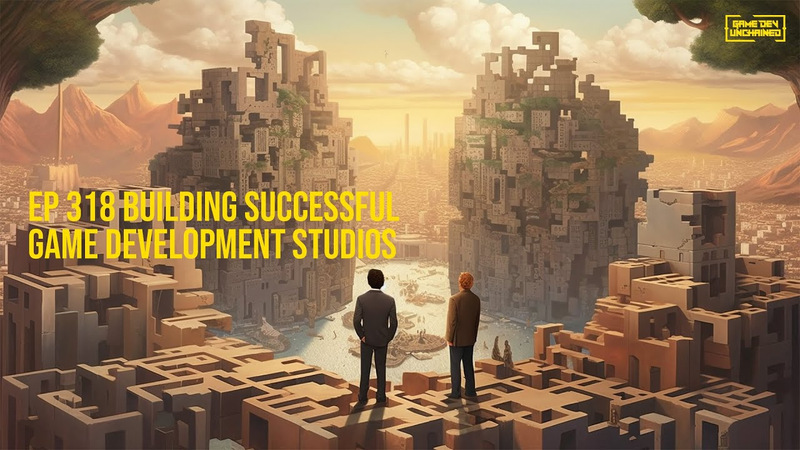
Challenges of Building Successful Game Development Studios with Dino Patti & Tadej Gregorcic | 318
Key insights
6 takeaways- 01Founders must pivot from hands-on technical engineering to strategic leadership, focusing on company culture, capital acquisition, and team alignment.
- 02Studios should prioritize creative output and gameplay quality by utilizing established engines like Unity or Unreal rather than investing resources into building proprietary technology.
- 03Multiplayer development remains a significant barrier for small and medium-sized teams, necessitating the commoditization of network stacks to allow for earlier iteration on social features.
- 04Speculative trends such as blockchain and NFTs are considered distractions that prioritize financial incentives over the core goal of fostering genuine player engagement.
- 05Artificial intelligence will redefine creative workflows by automating repetitive tasks, though developers must guard against the erosion of foundational skill sets by using these tools to augment rather than replace human expertise.
- 06To maintain agility in a competitive market, developers should avoid overscoping projects, prioritize the completion of smaller titles, and leverage scalable cloud-based infrastructure.
Ask AI about this video
Transcript
foreign [Music] welcome to another episode of Game Dev Unchained another game development podcasts about game developers and the lifestyle thereof I am your host Brandon Pham and with me I have two special guests Dino and today how you guys doing no how's it going good good good uh this is a part of the podcast where I kind of asked you guys to introduce yourself to the listeners and viewers out there of who you are where you're at where you heading okay yeah so yeah my name is Dino Petty um I have been working professionally with tech uh the last 23 years I've been professional in games the last 20 years [Music] um I'm probably best known for my
influence in play that which I have founded and I ran for almost 10 years uh since then I created two companies I created a company called jumpship uh which we actually sold last year to thunderfool um and I also created coherence us today hey how's it going uh my name is I'm the CTO and co-founder of coherence my background is I started in the 90s in the European demo scene uh doing low-level code engine programming Graphics all sorts of stuff and then I uh I went on to co-found a couple of companies in games and then in back-end software I had a startup uh called sure phone uh that dealt with real-time technology games and telephony that we sold at Telco back in the day and uh
yeah now we're here I love making products I loved in Tech awesome me obviously you guys are uh serial uh Studio Builders um which is a very unique valuable skill can you guys kind of talk about your experience from the first Studios you guys built to where you guys are now and the differences and challenges that that or things are getting easier a little bit of history about that I can start again um yeah so so with played it I I was 26 when I started it and I was uh extremely uh what would you say inexperienced in building companies and I I mean I I I think it was more like we I did was was needed I never thought of it that I was an entrepreneur I was just
doing all the that needed to get done oh can I say that oh yeah [Laughter] thought about it as like you know the the big driver's license you know you got it just get thrown out into something uh we got a bit of cash in the beginning we needed like work to go faster then I hired some people because that's how we when things go the way things go faster then we needed more money because you know when you start having people you need my money and then I I kind of like slowly got into all of it and I everything was a learning step everything was me banging my head towards the wall a couple of times reading up learning for people asking around [Music] um so yeah like that was kind of my like yeah everything was just had to be invented from scratch I felt I mean people with business educations
probably have learned a lot of those things but I didn't come from business uh so it was yeah it was very new to me I I and again I I I learned I learned to love it through the like through the whole process I was an engineer and I I loved being a coder before that and um I loved you know hacking opening machines and and finding out kind of figuring out how computer works and with this I kind of find out it's the same with humans not that you could open up humans legally but more that you can kind of find out what make humans tick and and manage that and put teams together and and hire and and all of that um yeah of course you ask how it's different now I mean I think the first time you do it is is clearly the cutest because everything is new um and yeah the second and third time is just all about building a dead
experience and I I think not relying too much on it but kind of standing on you know we say you you should say stand at the shoulders of giants but you kind of have to look at all that you learned uh and then learn from from that point on because it's it's it's new people it's new processes um and I I also I I did this stupid thing that uh I did two game companies and then I jumped to Tech and I kind of thought that that would be the same and in many ways I I kind of Started from the very very beginning it was in in games I I felt by I was known and I could put a lot of that experience and certainly going to take it was a lot of things was new again it was a like racing was racing funds was felt like starting from scratch the whole business model starting from scratch games is very set in the ways to
do business in many ways uh we're going to do technology which is like revenue for me [Music] um so yeah I'm just rambling on was that an answer to a question no no I mean today uh was the experience similar to yours or was there any subtle differences that you felt right now for sure and something that Dino said uh just now about having the feeling that you need to build everything from scratch that really speaks to me because you know I'm a coder I'm uh from the demo scene I started making uh uh you know game engines and uh Graphics engines and all sorts of stuff everything from scratch so back in the day we did it you know with x86 assembly with it with c and and we built all these things and it took a real effort uh to lay the foundations to build anything that could be called a game at some point and I really loved doing that uh and I did that for a long
time even later when I when I started my company uh you know all the software and the clients we had be we built everything uh from scratch and but we slowly learned to build on the foundations of what's already there and then at some point uh engines like unity and unreal started becoming a reality and I think um you know for me as a coder in the beginning it was really a matter of kind of swallowing my pride actually using somebody else's engine to work on something but then I you know you slowly discovered that what you really care about is the end product and it doesn't matter uh if you build the foundations you're never going to be able to catch up with somebody who's totally focused on on this and yeah slowly but surely you know I think this reality is also one of the things that's behind the inspiration of coherence you
know like why why build it yourself if somebody else can do it better and you can benefit from all that uh deep experience and knowledge and effort put into it um and yeah so I I also learned a lot from uh you know past companies from working with with big games and and then clients from different Industries building uh Building Systems and and games with you know hundreds of millions of users and learning about scale and also not not only about scale and how to do it technically but how to do it you know like well what do you have to do socially to get that actually done because it's not only about getting machines to work together it's also about working with people to make sure that these things get uh the way they should be yeah there's definitely uh a lot of things you guys are speaking to is like as game developers you talk to any Studio Founders they really rarely go to
business school and we kind of learn on the Fly I mean we emphasize a lot of our knowledge and to the craft and then find ourselves in definitely situations that we have to upgrade or just for the necessity to kind of make our projects come to life um and I from all the interviews from everyone I talk to that's usually how it happens kind of learned by failing uh and it's exciting and I think that's one of the greatest achievements for from the game industry is just that there's just so much Innovation because we don't do things by the norm uh obviously building up Studios and the experiences that you guys gone through there's so much elements to it how did you guys balance when building out these Studios um to kind of Leverage your craft but
also take up these responsibilities of maintaining a studio uh which I think often Founders are finding the self-sacrifice and more on the creative side and and managing rather than actually rolling out their sleeves and putting in the time to to deliver that first project so you're talking about like the balance you have in the company between your own craft and managing it yeah okay yeah I mean for my sake I I kind of threw it out the window really early um I was I remember in limbo I remember I was kind of to kind of look a bit for some engines I could build on to build the tick I just feel like the first code as we got was so much better and I felt like you know either I could kind of keep up with that and but I felt there was so much on my chair
already like early on there was so much like just finding funding and new people and making the plans and we had nothing to begin with like being the first ones in the coming like you're always behind on everything yeah you are you are never you're never in front I feel so you [Music] um yeah I so so for my sake I I felt it was more important just to to get like be the glue in the company kind of look and identify what what was missing um um and then kind of work on that uh it was a bit sad like maybe like at least for 10 years since I started maybe a bit less eight years I was still coding at home like coding small projects and like kind of missing it a lot and thinking about how to get back to it yeah and I think after 10 18 years I was kind of just saying okay this is
this is not my path in life anymore I spent more time professionally kind of leading and doing CEO related stuff yeah uh too much I gotta do that because what is I don't know what it is like you're doing right um but doing everything else that's needed for the company to run uh to create culture to hire people to get funding to uh form a plan and a vision and yeah and I like to be honest be everywhere because like before you get your marketing person you need to sit down and write text before you yeah before you get I've hired a certain place you need to do it yourself right um so yeah but today like um I know the biggest sorry well I mean one of the biggest
um I mean this applies to both of you one of the biggest challenges as an engineer especially when you're starting a project for scratches is is is building off a foundation rather than building the foundation from scratch um there's definitely a period where uh I felt you know unreal and unity didn't have as much you know uh traction as now I mean it was during Gears of War day that everybody was using it and then there was a period during the PS4 where like everybody was relying on their own internal engine like big AAA as well as Indie and then it kind of returned back you know as development uh cos was just unbearable right um what was your journey exactly where you felt like you know the end product you were kind of speaking to it before is the final ideation you know is what's
the most important I mean what was that moment exactly where you're like you know what these are fine my value can be more unique right I don't have to recreate the will uh what was that exact timing it's a good question uh I think you know when you're building up something of your own and at the same time you see this uh alternative out there or several Alternatives and uh you're building it you're building it and then you start um building something creative on top of the technology that you have built right and as you're doing that you're of course exposed to you know news and and and uh you know people are telling you like all the features that all these other technologies have and slowly you're you're noticing that okay if I if I try to catch up with all this I better focus on this and make this my business so building the tech itself not
what I'm building on top of it so of course there are edge cases and there are special uh circumstances where they're that's totally okay and a lot of people do that fantastically well uh but for me personally it uh there was just this moment where I saw that all right let me try this this tool out in particular Unity back then I think it was like when Unity 1.1 1.5 or something was out there it was like a year or two after they had launched and and I saw okay that's pretty cool I thought this technology was pretty cool and then I decided I'll give it a shot and uh it really it really helped and it it um I I felt that in the following years what I was able to do far surpassed what I would have been able to do with uh had I been also focusing on the tech itself and uh it's a similar thing that I mean now with coherence
we're going back so we're building the tech from the ground up everything the whole stack uh we built ourselves and uh now we're the guys who are trying to enable this for for other people right and to come back to to just quickly to your previous question because I I thought of this as well you know like for for Dino you said that for you it was uh a few years ago like maybe many years ago that you decide okay I'm gonna focus on on these things instead not do the coding and stuff for me it's much more recent or immediate because I still do quite a lot of coding but we both realized that the team we're building uh is far better than we are and in so many things and and uh and then leveraging that but at the same time Brandon you asked about your your craft or craft I think one of the ways we we try to satisfy that is you know doing internal
game jams with their own Tech to get that creative thing out uh also we have a lot of you know if if we look at at our co-workers most of them are game developers so they all want to make games as well but we're making Tech so so in order to get that creativity out we we also do things like game jamming that helps you know make the product better in the end um and um yeah I just wanted to say that that realizing that surrounding yourself with people people that they're better than you also at at very specific things uh is is the way to go if you want to grow anywhere and I'll become a bottleneck uh in the whole process yeah one last question I I definitely want to jump to uh coherence and and learn more about that um just to kind of end this this line of questioning uh so you know from the first ended
project that you guys made in your relative Studios you know building the studio from scratch uh wow what did you guys learn from success from those first projects in first Studios uh and subsequently apply to what you guys have now you know um being a serious Studio creators I'm sure there was a lot of lessons learned from each place that of your careers right so you ask how what we learned from success Yeah Yeah from your first Studio to now you guys kind of went through um different stages right obviously the first one was all kind of crazy you guys kind of learning how to go second one you had more confidence third one so on and so forth uh what were the things that you were able to carry over and improve on uh so that when you were hit the hitting the ground running uh you
weren't so much in in a confused state I mean for me it was a lot about hiring I think hiring is is really really tough um and I learned that the best people you can have have the like the skill of uh intrinsic motivation um and especially these online days I think is really important if you don't have that it's so hard it's so hard you cannot uh you know force a guide Elite people that want something else or not motivated to do something yeah and especially in this online world where like no coherence is remote um you don't you know you don't see people every day you we see people every day but we don't follow them every like all hours of the day
um and just knowing and feeling and of course like that like that they they are motivated uh intrinsically um obviously there's plans and we have a producer and you you can do stuff to check output but I still feel that the true quality and and like work out of the extraordinary is when people are motivated by themselves like one thing is telling them to do a job and they do it but another thing is that you tell them something they go back they research it they find out another a better way of doing it um and coming back with something that was better than you asked for because they kind of you know we we like we just hired a a marketing person for the team and I love that I know this person is digging deep into the subject I would not be able to say all the details of what this work it entails I mean I can guide and I can we can come up with a Direction together but I
cannot come up with with every small step and I think there's I learned that is really important and I did that that failure many times but the funny thing is your question was what did I learned of success but I feel that um even though like a plaintiff was successful um I still learned more of all the the mini failures like all of the times where something didn't work and I banged the head towards the wall it's where I learned the most and I sit down and I really when I fail I always try to figure out why and what I can improve where sometimes I feel with success you you kind of attribute the wrong things to your success which is maybe not the right thing and you actually don't know there's no way of testing it um yeah yeah hindsight is 2020 right so you're you're always uh your brain has a way of of making successes feel like it was all
meant to be or you plan for it but it's sometimes it it goes it's just the way it turns out and I I uh yeah I was gonna say the same about uh failure because one of the things that that I I I saw not early enough uh was that you know we we're in an industry that's really nice so there's a lot of people willing to help there's a lot of advice out there people are not as competitive uh in the same way as in different Industries so we're not trying to hide on as much as in other Industries and there's a lot of advice that comes people's ways uh also you know you end up reading business books you end up reading books about you know startups and and and building Studios and stuff like that and often I remember early on feeling that oh but you know my my uh my example is very different my example is special it doesn't apply to what these guys are saying but then
later I learned that yeah it does you know like very often very often a lot of these things can be generalized to a certain extent you know if you take it with a grain of salt you can still benefit from the advice and one of those is uh to really focus on what you're trying to achieve [Music] um cool yeah I I think it's a people business the the solutions and problems are the same it's people and finding like the right people to kind of exponentially expand on an idea is is so valuable uh I do want to Circle back later to the remote and versus in office thing later but I do want to talk and learn more about coherence so how did this idea uh come about um um so yeah
um I mean I was I was actually in the middle of jump ship um um but I remember we went to a size and I hired some people around me at that at that studio so I was not so heavily loaded um and and by random chance I I went I ran into an old friend uh David cousin from unity and we kind of had the same thought about like the industry and I I can remember I I said to him I think Unity they got too little credits the unity Unity has just changed the gaming space so much and everybody they say like the mobile was you know a huge boom but the mobile would never have been that boom without Unity because without the content it would not have kind of uh yeah exploded so much as it did um and I don't know we just went down a
path of like thinking about what's the next things for game what's next thing for games what was it that Unity did and obviously what university did was um commoditizing a network engine and it it they made it super super easy to make games for even the small Developers um and I know slowly this thought goes I just went to what's what's next for games and obviously it's multiplayer right everything needs to get more real-time every popular game has some real-time components um interaction with other people is what you often remember from games so we the first thesis was just that if we can make it extremely easy to make a multiplayer game we would lower the barrier entry and we would thereby also create a new Revolution within games again um and that was kind of the starting point um yeah
[Music] not yeah not long after we we kind of uh we kind of got today involved um and and Restless history yeah for me uh as I said before uh it's recognizing what uh what this kind of what is it is tools can do uh for uh for creators the magical thing like imagining so if you if you look at the multiplayer space now where are we uh multiplayer is still very hard um people are um afraid of it like we we talked to you know we talk to streamers like you we we talk to game Jammers we talk to everybody and people are afraid of multiplayer and uh one of the things that um that we're very passionate about is is uh kind of removing that fear and and
I think we've done it and um with uh we've done a couple of uh game jams uh where people who had never made multiplayer games before we're now able to do it in a weekend which is which I think is pretty amazing and then you can see you know all the different places people are coming from creatively and and what they can achieve if you just give them the right tool set to do it and um so we we we looked at the multiplayer space uh we looked at uh everything from you know um session based games to Big MMOs and uh first of all whether they like Tech wise what is what are the common denominators here uh and also like what things are being done well and what things are being done this way just because they have always been done this way and uh for the former uh we of course
adopted all the optimization techniques everything like it's the 90s like bandwidth is super small uh and um and really came up with an engine that you can build anything on uh and for the latter uh we saw that in the whole process of making a multiplayer player game there can be amazing Innovation and uh and we really the benefit of us building it from the ground up is that we now came with an engine and a tool set that is both powerful enough to build an MMO and simple easy to use enough to build you know a simple mobile multiplayer game or a multiplayer game for any platform yeah I mean I I can be I can definitely speak to that I mean I mostly develop you know in the AAA space worked on several multiplayer projects I
come from environment art backgrounds so I'm used to making levels for both single player and multiplayer but that side is beyond that as mystery and Magic to me I was like I don't know or understand it's not the first tutorial I even open when I try to learn an engine like unreal Unity it's not it doesn't seem reachable right uh there's no magic button that allows me to kind of just get it and you know beyond that the optimization to kind of make it work uh there's definitely like a huge development sorry real quick sorry I wanted to jump off that yeah I just said imagine imagine that solo developer if you look at like some creative Talent as Lucas Pope you know that did the papers please you've done so many crazy amazing games he had such an amazing brain uh it's always new ways of interaction I would love to see somebody like him or
a small team experiment I feel like a right now it's it's only the bigger companies that have enough manpower to build their own network stack they build games and the games that come out of it is so boring I mean Ubisoft games sorry to say this so boring that multiplayer parts are so boring it's uh it's I I really want to see small medium companies to thrive here and an example I always give is that uh today they've mentioned it a bit but that that 15 years ago people would reject a Unity they would they wouldn't they would they would build their own stack they would not like rely on something else but if you ask people today who would build their own engine first and I I think it's the same with network Tech why would you in three five years build your own network stack like a movie we take everything that has been proven for the last uh 20 years and
we put into a package and we connected with the cloud and you can do any type of architecture there's actually no reason for you to build the stack from new maybe if you're a big company 300 people you want to own the whole stack I mean they may be also put your own engine I understand that's what like a small to medium company uh like you should like you should get multiplayer in into a game somehow that's that's a that's how I feel there's definitely a dawn of um Indie teams small to medium size have been so uh empowered like the last decade you know the the tools that you guys with coherence and many other are like unreal or everything else is becoming more accessible they're free right all the way to basically to publishing uh on on steam or even epic
you know if you have an idea it's doable and the tools allow to do things that were seems like a big undertaking for a small team but now it's like 10 people can output something like a 6 30 person team used to do right and uh yeah multiplayer is still like a a big it seems like it was a a tool for the bigger dogs for a while right uh when you're developing a studio multiplayer is not the first thing if I was like hey let's take it slow let's do a single player experience linear if possible just trying to get this out of there but like you're right it really cuts out a lot of the great ideas that these Indie teams are known for their smaller teams are capable you know the Innovation that we're routinely kind of outputting here uh because of just a tool right um that is not another thing it's also
that's that I I what is also like the norm in development is that you built your single player first and then you slap on multiplayer yeah and when you do it this way you always get a certain type of multiplayer and we actually we actually had a customer that that started out uh with us and they started our single player and I said like you have the option now to go in and already know if your game surrounds about multiplayer which it did you just do all the iteration now start with multiplayer like you start finding out how you work together instead of doing your single player game and then putting on booster afterwards and you get it take you get a totally other game because you can think in a totally other way you can iterate on the interactions rather than iterating a gameplay and then put some injections on afterwards yeah yeah and one of the benefits of making it uh much more accessible it's not it's
not just to give these very small teams uh the ability to work with it or individuals but also in in larger teams you get more people you know with with unity with unreal we've seen we now see much more overlap um between what systems uh certain people are working on right designers artists coders audio like everybody is using the same uh it has an overlap in this engine and the tools connected to the engine and uh we want to see that with multiplayer as well you know like the who's the person who's gonna make sure that the interactions in uh in multiplayer are fun it's a designer not a coder right so so we want to give designers also artists uh the ability to make changes inside the multiplayer space and in interactions and and all that kind of stuff I think it's super important that that that this
barrier to entry to everything multiplayer is lowered so that we can actually end up seeing more creative and and uh a ballsy you know products in the multiplayer space I can say that right yeah yeah ball out with all your terminology it's like yeah go ahead no no you know go ahead well I mean like uh you know we all went through the pandemic right we saw a huge increase on where I think we're still dealing with the Fallout of people trying to connect more than ever still a lot of people are working remotely um I do see a slight Resurgence with single player games weirdly enough the last you know maybe it has to do with all the Resident Evil remakes but there's like this weird like past year and upcoming year of like a lot of single player games so you know it's one of those like you know the pendulum swinging back a bit but multiplayer is still dominant right in everybody's
preference it's just fun to play with friends it's just more meaningful um I mean when I talk about doing to actions one of my both favorite games but also best examples the space is kind of Journey yeah like journey is a single player game but when you ask people about the experience most people have mention like the friend they met in there and people felt very connected to this game because they met a person and they follow them around and you know you lost you lost they lost about one point or whatever there's this story with another person and that's whenever I ask people about it that that's like what they mentioned and I feel like right now we have single player which is you go from a to set and that's the experience or you have multiplayer where you wait in a Lobby and there's a countdown and you go and then you play right I I I can also see this this hybrid game coming up coming up where you you do
single player but people have more tools to make somebody cross your path um in some ways you know you see people on the other side of the river like there could be others just subtle ways of integrating that there's life in the world and you're not alone and you play with others and I just feel that would make single play game so much stronger and I don't feel that these that needs to be hard to do that even though I don't know I'd love to single player games I I it of course it's very very deep to my heart that some of the best experiences I had single player games but the games I returned to are multiplayer games um they don't have the same steep story usually because it's it's different but that's where I I play with others I play with my kids I I kind of there's replayability in another way and I feel those things could could be combined yeah uh definitely I think you know playing with the friend through
experience just multiplies The Experience always like I you know I'm guilty of playing war zone but even like connecting with strangers right I have much more fun when I'm just playing with a friend on a squad you know there's just something an added element I was like let's play through this experience together and then figure this out I have to ask you guys you know I mean the buzz has gotten down a bit pandemic kind of uh kind of um amped up you know all these crazy ideas that I feel like died out you know the the blockchain decentralized multiplayer all these kind of crazy investor things uh uh the metaverse is still sticking around I would love to kind of hear you guys thoughts because it's kind of within the field have you guys even were you guys like from the programs that I talked to they always laugh about that and have really strong opinions against it but I want to hear what your
thoughts as this was happening you know I'm guessing during the development of coherence you know how this was happening a bit later later it was like the the last two years we've been talking about metaverse right A lot of people are excited about it and I mean everybody like who doesn't like uh you know 3D environments where you can do all sorts of things uh but we as a company very early on you could see you know people sharing so most of uh you can imagine what the opinion General opinion in the company is if you imagine that most of the people are game developers inside of it so it's it was not we're not uh really wants to jump on the hype train uh when it comes to all that uh but we do see you know certain potential in certain areas uh but I would not you know um use blockchain just for the sake of using blockchain or you know the whole
idea of um liberating the items from the hands of the big Publishers and stuff like that yeah those are interesting ideas but are there really things that players are uh hoping for you know like all sorts of sorts of things so so I don't think this the these Trends dying down has not affected us at all basically what do you think do you know no I mean the need for deep human connections will never disappear and that will that's that that's what you can want to be basing our our business on right uh these these Trends came up I mean I I never understood nft and I don't think yeah I don't know it's definitely dead you know you know what the people would say like crypto Bros would say good luck being poor yeah no but it's such a I I mean I it's I did
this we have two little times for a minute for me to really dig deep into it uh I just I just feel in general the data you know it was we have the physical world then the computers came and and data showed us that you could have something and you can copy and you have double the amount of data and you can have three things and there was like you know the whole Napster thing and data was free and like and now we're trying with with the algorithms to limit data and we're not really uh the whole way nft works technically is that you just put in a ledger that you own a link to some place on the internet which don't really have any value I don't know I I think this is will never really catch on and I think when you use it and get people that try to use them in games have misunderstood what games is about I think a secure Ledger could be a tool you can use for something I don't think anybody has found out a good way to use it yet
um but the people like the games that surround that I don't I don't know I don't I don't think they'll ever take off really not that because the head of FTS if they're also building a good game they will they will take off I think even regardless if it does or doesn't uh where so having been in the games industry for for a while now we see like the hardest thing to do is to get players interested in anything yeah right this is hard like um getting getting players getting users into your product is is a hard thing to do and there's such competition for attention we have you know not only games we have Netflix we have every HBO we have all these networks everything is fighting over play uh over users attention and the motivation behind a lot of these initiatives has has been elsewhere right it's been like okay I will build this system and then we will create some crappy
interaction that we will hope people will come in and use it and a lot of the motivational Loops behind it have been financially motivated uh and not so much motivated by where the fun is and I think you know if we can get things that that are fun and people are really engaged with and and still use these Technologies here why not uh but so far I haven't seen anything that would excite me very much to be honest yeah from everyone I talked to uh especially Engineers like all that Tech right Tech during the pandemic uh they weren't solving a problem we were trying to solve they were trying to just wedge into investor uh situations you know uh it was like a good period that I was talking to a bunch of people and it was like it's hard to sell an idea without like jamming that those things in it's just the buzzword right now around Silicon Valley right thankfully it's died down by its own
death I don't think anyone has talked about it there's a lot of you know uh people's feet in their own mouth about it um and uh to me it was good riddance it was fun maybe it gave birth I I think the most Optimist thing I've heard about is that it made spawn like another idea that could be useful right that it was more a transitional thing but I haven't really heard much else about it since then um I do want to ask this uh this is kind of like a I mean the focus this year on the podcast it's affecting anyone I mean colleagues have your own discipline created Ai and related tools this year I always want to hear you guys opinion how many programmers for the longest time we always you know as artists who are always like yeah you know we don't need
you or programmers are like coming out with Minecraft it's like we don't need artists and then literally it created a tool where you know it's I think it's one of the biggest crisis however you want to look at it a benefit crisis uh in game development tools and and just game development overall I would love to kind of hear you guys thoughts on as you guys are watching this like what are you thinking will transpire um As Told creators you know how you think this is going to be useful or not I don't just go ahead today [Laughter] great potential in AI yeah and I say that and then I see like you know the first five game that implements AI in an annoying way yeah where that generates
text and to do very uh boring dungeons basically so I don't know it's I I it's 100 I think AI is yet to stay it's it's in another ballpark but we still need to figure out how to use it and I don't think it will replace okay Ah that's to watch now it will replace some people's work you know for sure um I don't think it would replace like you would have to replace a lot of jazz so I don't think the good games will get better yeah I think the bad games will get worse yes can I say that and there'll be more of them there'll be more worse games but this the really
good games will still be crafted by humans for a while yeah I think it's certainly disruptive uh if I think about you know our work you know if you think about coding if you think about art if you think about design um even sound design like like things like that a lot of the uh more boring work can certainly be accelerated people can also get inspiration much faster yeah um I think you know I I feel for for I see a lot of artists uh complaining about you know uh these uh models basically sucking all the original art and rehashing it right yeah I feel for those I think if there's a way to solve that we should definitely try to solve that as well address it in some way um but in general I think it's
accelerating creativity is is where I see this going even in coding I can see you know you can you can ask Chad GPT today to write you a method in a specific programming language to solve a specific thing you know like oh you have two arrays uh you know pair them or or align them uh based on you know the nearest possible value write the algorithm and then you can basically copy paste that into your code um granted very often it still doesn't work uh because there's there's certain limitations there but this is you know a stepping stone yeah um and I think uh I think where where they're gonna see a lot of challenges and are seeing a lot of challenges already is education how do you make sure that students um are actually going through the process they're not learning something along the way and not just you know like going like to the next level of
abstraction yeah like we still as I think as humans we need to stay remain capable of doing things on our own yeah um you know if we have no electricity for instance um but I think in general I mean it's uh it's a big step forward it's like you know getting those beefy calculators uh back in the day in school uh but 100 times that yeah I think I think the Gap definitely will widen between the efficient and the lazy uh I really do feel the tools that come out will Empower for those who are really good at creatively outputting their ideas and then the lazy people are just not gonna edit or you know uh subtly change anything um that the computer or AI model is giving them both for r or jet GPT
so uh there's definitely I think the I do feel the Vigilant people who are hard working will definitely bear the fruits of all these AI models that accelerate you know what they're trying to share with the world um there's definitely a disruption there's definitely a lot of Jaws like he said I think that we're repetitive uh it's gonna be erased there is a crisis with teacher I have college friends that are teachers in colleges and yeah students just straight up like bragging about how they're getting hundreds for everything right uh the educational system needs to pause in my opinion to kind of uh combat how why and justify why why is it
even necessary to go college at this point or pay for education the only time like um the Khan Academy I don't know you guys familiar with that it's like an online um educational system you know it's based on Academy for cons or Yeah Yeah k-h-a-n Yeah from okay okay from kindergarten to college courses you know it's it's an affordable way for worldwide students to to go online and learn these subjects that people pay a lot of money for they're integrating chat gbt and the way they're doing it is kind of like an AI uh tutor right so instead of like if you ask you know give me the answer to this it walks you through of solving these abstraction uh as as if like a personalized 24 7 tutor
so like teachers are definitely going gonna have to combat against that but it was the first time I think relatively pretty quickly I saw like ah now this is someone who sees what's going on and is accelerating and maximizing you know which pretty much is a smaller team right they're not like a huge university or anything uh I think they're like a non-profit yeah as an individual you have to decide do I want to use this tool to better myself and become a better version of myself although I wanted to cheat and not become better and just let it replace me and you I think you have that choice still maybe at one point you don't have that choice but you still have the choice uh to to use it as a tool instead of just you know make it deliver something and and that you learned nothing you just deliver that and you get uh whatever a good grade and you come out with nothing learning nothing I think that that's going to go what's going to Define who's going to go
above or below like that line of of being what's it called if they if the people who does the second thing go come out and get a job then chat TPT will actually be better than them doing their job yeah um it's a I love that uh similar to what you said about uh Khan Academy sorry I didn't understand you earlier um about the name but um you know people are using jgpt to practice for uh job interviews yeah uh so uh they make charging PT act as a you know a marketing director uh is interviewing me for this and this job and just you know like the company is doing this and then getting questions and I think that you know that's an example of how it can be really really helpful and actually improve your knowledge improve your Readiness improve your uh efficiency kind of but I agree with you that the lazy are gonna get
lazier uh to be honest and there's there's certainly a risk of that but I thought that's the case with every technology people thought that the newspaper and radio would ruin uh Humanity right yeah Dr Collie for a colleague for a cup of Industry recently and he said you know a lot of his work is emails and documents and he said I will after chat TPT I've decided I will never buy the first draft of anything anymore and that improved my efficiency and I I kind of thought about starting that and seeing if how it works um I tried it a bit and sometimes what activity rights leads me down a path I don't want to go down and limits my thoughts sometimes yeah but I can see with there's some standard stuff standard vehicle document standard maybe standard emails that you could that are longer you can get chat TPT to just come up with the first revisions and maybe many times it's okay and for your productivity to to productivity to stuff
that's not doesn't matter maybe that's fine just to save time yeah I I'm thinking you know to kind of circle back to what you were talking about at the beginning is like you know when you're uh yeah building up a studio you're just trying to figure out what's my value that is unique right and concentrating on that and I think people individually are starting to find that out in you know in their personal life like using chat GPT as a like a personal assistant but also like you know in mid-journer or all these AI art prompt machines right like where do I uniquely fit into this picture uh and spend less time doing you know the laborious stuff where I think the idea of putting ten thousand hours into something is quickly dying to an extent
it needs to be reshaped or that guy needs to come up with a new book to update but um it you know I think overall it's definitely an evolution of how we want to spend our time and and force people to not just get by there was one alarming thing that I saw and this is where I feel AI is gonna help us kind of uh face that dilemma better is that you know this new generation gen Z is particular I saw an article how parents are emphasizing Less on success meaning like hey you don't we don't want our kid to be Jeff Bezos or work that hard like they should I mean to to a certain degree I agree but I feel like they're just going the wrong direction where happiness at whatever you're doing should be key like working at you know Amazon no no
hate on Amazon or like you know all these kind of like uh less um skilled jobs right that doesn't need a diploma or anything it's like emphasizing that those are fine as long as you're happy but the reality is they're pushing their kids in these industries that they're being replaced by robots and AI it's like and we're seeing it across the board that these Jaws are being laid off every quarter to the ten thousand but this is like the result of the pandemic too A lot of people are coming out of it uh prioritizing happiness over hard work and skill right which I feel is a very this is not the time to be doing that with all this new tech coming out yeah so I also feel it's hard to give advice to everybody yeah you cannot give a dinner advice because I mean there will be some people replaced by
this I can give advice to that I don't know 10 20 that want to be stay Beyond stay beyond the Curve and and use like yeah use this AI like use AIS to do better yourself and just be a better version of yourself and there will always be there'll always be need for humans disagrees in the chat I mean we have to talk we have to talk what they call speak well about their TPT because if this stick gets transcribed yeah and Skynet takes over uh we want to be and beyond their kids but I think also uh I mean if you want to get slightly political I think having a strong social
um system some kind of safety net can help people adapt yeah if times change and jobs change and stuff like that because certainly people can adapt but they need time to find you know what is it that where is the unique value that you can keep keep adding uh in general fantastic so uh we're we're about the now I do want to have one more question before I kind of hand over the mic uh we're talking about advice all right what advice do you have for aspiring game developers out there who are trying to get in might be an indie developer uh look to expand anything uh what would you say Jessica Point them in the right direction in this you know trying uh exciting time I would say keep your first project simple and focus on what makes you
unique you yourself unique and just double down on that simple don't overscope and uh and try to get it out uh I think the one of the hardest things in in the games industry is finishing things well all of us have started a million different things and never never finished them so uh yeah I would focus on that definitely I could not say it better that was a Hector but I thought scope and focus on what you're good at I mean there's so many generalists I mean you know if you're generous you maybe become the CEO but [Laughter] no no I think it's really important just over like dig deep like whatever you're good at just stick deep in that and yeah scope especially for your first project I mean the first project is always
yeah how can I say this without repeating you today whatever today said well uh that that sums up our time uh I wanna you know kind of at this point hand over the mic to kind of uh if you guys can point the listeners how they can find you learn more about you guys about the project you guys are working on uh this is a time for you guys to kind of freely talk about that and I shut up so go ahead do you want to go today sure um so coherence is live right now you can go to coherence IO coherence dot IO and sign up for a free account you can use it to make your first or second or tenth multiplayer game uh it is definitely the easiest way uh to make multiplayer games uh but also a very powerful make to make multiplayer games
in June we're also planning our 1.0 release um which will come with a lot of exciting uh new stuff so coherence is not only a network engine and an SDK but also a managed hosting solution with automatic scaling uh and of course we have free plans we have paid plans for that but in June we're even releasing a self-hosted plan where you pay nothing uh for your game and you you'll be able to self-host your game uh and run it uh as much as you want um with um and um one one important thing to mention there uh is that uh the way most indie game developers go about multiplayer games is that in the beginning you're afraid of all the costs associated with uh Cloud hosting so imagine you have a game like uh deeprock Galactic I even have a let me show you
to plug them I just got today this board game from the broadcast which is pretty cool uh so deeper Galactic is a game that has uh self-hosted multiplayer it means that when we're playing together one of us is uh hosting all the data for everything we do all our progress and everything uh but we can never invite more than a certain number of people uh but let's say we launch you launch your game in that model uh and you don't have any online system you're not paying for servers or anything and then the game uh and you have no risk launching it like that and the game takes off uh and you want uh now you finally have money uh to expand it and uh then you can seamlessly transition from this self-hosted model to a managed model where you can have have hundreds of players in the game uh and uh you know a few years go by and this game is now old they do not want to support it anymore but there's some you know Die Hard fans that still want to play it online and
you can transition back to the self-hosted model so we really we give developers all the control uh with we give developers um all complete freedom to decide you know how they want to manage their game projects um we're gonna have a bunch of other exciting features like floating origin where you're going to be able to simulate worlds you know from here to Mars with a millimeter Precision uh we have unreal support on our roadmap right now Unity is our primary engine that we support uh and if you go to coherence.io you will also find a video that we made that shows you how you can take a single player game and make it multiplayer in less than five minutes awesome man this is exciting on behalf of all the listeners on behalf of the prospects of any developers developers that want to turn the game into multiplayer I want to thank you guys for
coming on it was awesome uh learning from you guys experienced opinions about what's going on uh thank you thank you so much guys thanks for having us anytime all right see you guys all next week foreign [Music]
Summary
Building a successful game development studio requires a fundamental shift from hands-on engineering to strategic leadership. Founders must transition from personal technical contributions to managing company culture, securing capital, and acting as the cohesive force that aligns diverse teams. A critical component of this evolution involves moving away from the resource-intensive practice of building proprietary technology from scratch. By leveraging established engines like Unity or Unreal, studios can redirect their focus toward creative output and high-quality gameplay experiences, which remain the primary drivers of long-term success.
The industry faces a significant technical barrier regarding multiplayer development, which often proves too complex for small and medium-sized teams. To address this, there is a growing need to commoditize network stacks, enabling developers to iterate on social interactions earlier in the design process. This accessibility fosters the creation of hybrid games that blend single-player depth with robust connectivity. In this context, speculative trends such as blockchain and NFTs are viewed as distractions that prioritize financial incentives over genuine player engagement and human connection.
Technological disruption, particularly through artificial intelligence, is poised to redefine creative workflows by automating repetitive tasks and accelerating production. While this shift risks eroding foundational skill sets among those who rely too heavily on automation, it offers diligent creators a powerful means to augment their unique value. Ultimately, the industry is moving toward a landscape where success is defined by the ability to balance these new efficiencies with disciplined project management. Aspiring developers are encouraged to avoid overscoping, prioritize the completion of smaller projects, and utilize scalable, cloud-based infrastructure to maintain agility in an increasingly competitive global market.










Comments