1 free read left. Create a free account for unlimited reading + AI research.
Create free account
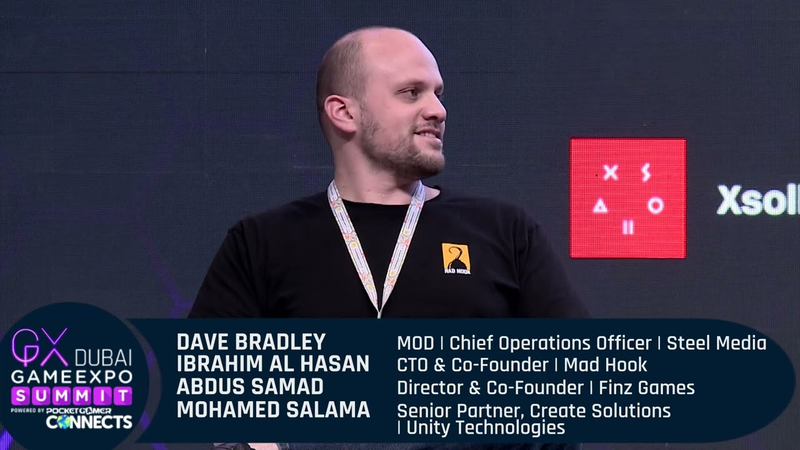
Panel: Mastering the Craft: Tools & Processes for Successful Game Development.
Key insights
7 takeaways- 01Engine selection should be based on project requirements: Unity is the primary solution for mobile ecosystems, while Unreal Engine is the industry standard for high-fidelity, performance-intensive 3D projects.
- 02Standardizing creative workflows through established software suites including Maya, Blender, and Substance Painter is essential for maintaining consistent production quality.
- 03The effectiveness of analytics platforms like Firebase depends entirely on a team's ability to translate raw player data into actionable refinements for game mechanics and development roadmaps.
- 04Operational efficiency is maintained by pairing project management tools like Jira and Trello with a collaborative, remote-first culture to ensure transparent and agile development cycles.
- 05Data-driven design for complex tasks like economy balancing is best achieved using specialized prototyping software like Machinations, which reduces the time required for iterative design.
- 06Monetization strategies must evolve beyond basic ad mediation platforms like AppLovin or AdMob to incorporate sophisticated, localized financial strategies.
- 07Success in global markets requires moving beyond simple currency conversion to implement region-specific pricing models and payment methods, such as mobile carrier billing in emerging economies.
Ask AI about this video
Transcript
this is the last session of the developer toolkit track here uh is a panel it's a panel so I'm going to host this panel so what we'll do is we'll invite my panelists to the stage and then I'll use the podium probably so [Music] three experts are going to join me on stage to talk about um the uh processes and the tools and processes for successful game development so I'd like to welcome to the stage please and I think we have them uh Ibraham from Mad hook Mohammed from unity and Abdus from Finn's games so please come on up if you're in the audience Applause okay you're comfortable you've all got mics
yeah great okay in that case what I'll do to get things started I'll invite uh my panel my distinguished panel um to briefly tell us who they are and tell us just the you know just in a few words the nature of your business I'm part of the senior senior partner client team which mostly the business development and different world for the region of the Middle East and Africa it's almost like here now with unity I used to work with the technology for a while thank you great thank you go for it so uh my name is Abdul Samad I am director and co-founder of pins games so uh we are a game developer and Publishing company based out of Oklahoma Pakistan uh we bootstrapped over company from beginning uh without any investment and right now we are around 130 percent so that makes us one of the largest company in operating in mobile app development and Publishing uh based in Pakistan perfect that's great so we've got Unity we've got a great game
developer and please introduce yourself hello everyone my name is Ibrahim al-hassan I'm a scofunder and CTO of madok madok is a game development Studio based in Jordan we have like around 16 million dollars in our portfolio with 13 games we started in 2018. perfect thank you very much so two insights from developers thank you very much uh there Ibrahim so let's get started game engines so we've got to we've got uh our representative from Unity on the panel so um I think I can suspect where this is where this is going to go but we need a game engine how do you choose which games engine to go for uh our last speaker Surat gave us some uh some insight into do's and don'ts but I'm going to start with our game developers I'll start at the end there and we'll come back this way how do you choose a game engine to use what a criteria you're looking for what is that choice how does that impact on what you do um in my opinion I think the major part is the targeted platform for example if
you are developing for mobile um I would pick Unity because all of the assets and there is the case for the example for example the analytics the ad networks and all of that are let's say they have a huge support in unity for mobile rather than the other platforms but also unit is good for other platforms like PC consoles and all of that but another thing to consider is the talent in that country or the talent that you can access for example in Jordan the majority of people that they learn Unity rather than any engine so if you basically choose Unity for the game you will have you will have no issues with hiring more people on the scale the project that's a really good point because I I'm when we come to uh to to either Mohammed we might talk up a little bit about about that but my understanding is that Unity accounts for about 60 of all game development something like that you can you can correct me if I'm wrong which means that from a recruitment point of view perhaps it's easier to find Unity developers
do you want to speak to that as well how do you go about choosing it yeah definitely I would like to add on this as far as my experience like um I think we would prefer Unity for the like for the 2D games Unity we will go Unity without any thoughts for 3D games we'll see if if we need a very realistic and high performance game like very realistic and visuals and graphics and very high performing games will go with the uh Unreal Engine otherwise for the simple 3D game games we will go for the unity as he speaks uh that there are a lot of support available and the talent available we have very skilled labor uh skill level available over there back in my country Pakistan or from Unity so um probably if we are looking for something very highly optim like optimized game realistic Graphics I will go with the unreal and for the simple 2D or 3D game we will go with the ammo simple to the
trade mobile game we will go with the unity yeah so one more thing uh Unity is very easy to learn uh like as the I mean like development language is C Sharp uh while in Unreal Engine it's C plus plus C plus plus is little more complicated hard to learn but it's it really helps in optimization of the project that's great thank you I'm glad that you uh you raised the the alternative there because I was going to have to say other engines are available but uh but that but that's great and a very good summary actually of the differences is there and of course there are other engines 2D engines I know Sue I mentioned a couple there as well sorry sorry I would add that there are few mobile games as well that are made in Unreal Engine but they're really big games like fortnite pubg ganshin impact they are all made in uh they are all mobile games and they did uh Unreal Engine so so it depends on Project to project you know perfect thank you well look um however Muhammad you represent Unity here today uh I know but I know you have a background in technology generally but but um tell us
a little bit more from your perspective then about why people should choose Unity I mean I guess there's you know how some of the key features and tools but I'm interested particularly is when you come to an engine like Unity it's got a great ecosystem around it as well right there's all the plugins there's the community and so I mean the third party resources and all the stuff that that you do to support developers this isn't a sales pitch but do you want to just tell us a little bit from your perspective about why Unity is great for developers yeah so I'm not taking from sales perspective right so from technology perspective yes so Unity used to be very famous when it comes to easy to learn so this is like very straightforward maybe the asset and the community and also tons of talents around this you ain't also when it comes to famous off being a mobile oriented to some extent also the whole VR XR as well this is like a leading leading Spike 3D game maybe in the past yes it was a bit of a challenge and this is where the unreal for example jumped to the state goes without saying yes there is a lot of other open source uh engines it depends on how people trying to develop
so if if you have an indie game studios or you need to develop very quickly and you need to have also talented people outside so Unity is very straightforward uh choice I would assume I'm lucky to be part of that region so at which is a mobile First Market so yeah so that's why Unity eventually is there a lot of knowledge with unity is there it works on the PC and Mac so it's also agnostic when it comes to development kit and development platforms so it gives us this ability and there is tons of plugins and asset stores which is everyone is using even without a proper knowledge to the topic of the c-sharp so uh I'm not sure also if you are aware that Unity has the visual visual scripting it's like no code concept so even if you are an artist not a programmer or developers you still can develop a full game just with with the visual scripting which is very easy way to use and even if you are students and
have your own phone or mobile or iPad for example there is struct it's a mobile editor you can build a full game full game experience that you can publish it even on Steam only on the mobile screen so this is a part of the capability of unity that may be a bit of challenging for the rest of other engines that's great a really good introduction there thank you perfect you know we're um because we're uh we've only got a limited amount of time and so much to talk about when it comes to development let's skip ahead a little bit you've both you've all mentioned 3D 2D you mentioned about artists there as well let's talk about some of the other tools obviously the engine is important you know and it enables you to create what you want but for those in the audience who are maybe your Indie developers or students what are the industry standard tools for 3D and art and the creativity that they should know about um do you want to throw some names of tools out there I'll tell you what I'll start with you after so maybe give us some suggestions what what do you what other tools do you use for development on the creative side what do your artists need for creating the assets of the game like
3D and 2D assets there are plenty of the tools that are industry standard and we extensively use them like blender Maya 3ds Max and uh there are a lot of other tools as well so probably uh I I think if you are if you are a beginner and you and and you just wanted to start on the asset creation uh you should go with the blender because it's a free tool and it's a lot of yeah there is a lot of support available and it's very easy to use for the beginners so uh when you go uh when you move on and you go to the sculpting like uh character uh creation you can you can use uh you can use the 3ds Max as well and the zbrush I I would mention it's a very interesting tool and you will find a lot of support and and community over there who can help with the creation so um so there are two other tools as well but but it depends on need to need for for characters uh select for for correct it
creation as I mentioned the zbrush is good and for the 3D assets and environment and the game like uh modules you can go with the 3ds Max and Y as well great thank you and Ibraham do you agree with that is there any other are there any other tools that you're yeah definitely I agree with the with the Maya and 3D Max also we use uh substance painter but it's paid um it's easier to texture and color the 3D model once you've done it on Maya um also Z Plus blender nothing to add to that but just substance painter is a very good Tool uh for texturing no that's great we're building up a list of things that people should use and yeah but I know you obviously you you have a you work for a company but do you want to throw out you know some suggestions there what else do you yeah so so with the wire the blender there is an adobe system as well I'm just trying to throw one more name it's one of the companies here actually based in the UI called three exam it's like three eye exam it's also a new Tool uh jumping or found that
actually from the Middle East potentially it has also a lot of capabilities like the Mayan the rest great that's that's fantastic and so for for the developers in the audience on the creative side lots of suggestions there I want to talk about some of the other things that we have to be mindful of as developers and Publishers um one of the things that we need because this is a business after all is Market insights player data um in fact particularly in Mobile developers and Publishers have access to an incredible amount of data even even allowing for for things like IDF changes and so on but the player data as you play how do you manage all that information um if you're if you want to be able to leverage that data whether it's to refine the gaming experience or for monetization purposes what tools do you need to and processes do you need to understand about managing data um again I'll tell you what I'll start with mad hook at the end there or what yeah what do you recommend um the interesting thing about analytics tools they are they are really good
tools and a bunch of tools that are free actually and they have really good performance and give you an early insights of your game once it's launched um like for example game analytics uh is a free tool um uh the entry tier of Firebase as well Google analytics Unity analytics as well um all of these great Analytics tool that give you an initial data out of the box without implementing any extra code just the SDK for example the retention numbers uh day one day seven retention they give you like session time session length all of that data just by implementing the SDK itself at a later stage you may Implement a more advanced or detailed analytics events like for example when the user converts to actually purchasing the game him or buy this car or this character or reaching that level inside the game but as out of the box data it's day one day two days of our attention session length which is really insightful at early
stage that's great actually we're actually going to come here because you mentioned like Unity Unity analytics but Mama do you want to tell us a little bit about about yeah so Delta DNA is one of the companies that has been acquired by by unit a few years back and yes they have a full grab when it comes to uh to the data beat the engine also it connected to the multiplayer game and other services so I give you a full holistic of of data space when it comes to the gameplay where's the turn rate as you mentioned where's the fail-off that you have of the users you can use this type of analytics as well on the monetization model when it comes to an app purchase or even a free to play so the analytics from Unity is really extensive if if I mean if you have a chance to use the whole Unity ecosystem you get all the data points from from that ecosystem into One dashboard with unity analytics that's great thank you and your experience at this year yeah I think um the both panelists that covered it really well I I just want to add another perspective to it that collecting data is very important but the most important
part of is that how you use that data because how the mobile game industry is really uh like it's evolving it's not now enough to have one core mechanic in your game you have to introduce a lot of mechanics like two or three mechanics as well at least and then the meta of the game so it's really important that how you use the collected data and we as a publisher we have a great Library Studio to having a lot of data we can understand that what what mechanics and what features are working uh well in a game and we can replicate it to other games as well so that we can combine over learning uh we can we can have over learning by combining data from all over these platforms uh collected from all this platform and we can use it in our next games so that that gives us really a good leverage of yeah that's great absolutely and you know you're you're right just to have the access to player data is incredible I mean elevator that's available now is is astonishing and it's using for for planning your future games um because we've I mean we've got about
15 minutes left and we could there's so much involved through I'm going to skip ahead so making games is about the most collaborative thing you can do well maybe maybe making movies is about as collaborative but you know you need you need a group everyone's involved so many people even on small teams it's often multi-disciplinary people you have people working across across things so let's talk about the collaboration and communication tools that are available to teams uh to Studios um to bridge the gap between the different roles and to make the process as smooth as possible um they stick with you what do you use um at fins what kind of tools do you use for collaboration workflow team communication that kind of thing yeah so this is a really important Point uh for the collaboration and team communication we use like uh as as we develop for our production team so there are a lot of version controls and we personally use our bitbucket and like a bit bucket for it uh for the Version Control and then project management tool
we use like assembler and like uh like jira atlasia this is also very important tool so I think these tools are important but uh it's also very important that how you use that Tool uh one and and if the communication between team if we talk about that I think uh one thing that we uh figured out that that it should be done it's it's a weekly sync of the team so there are a lot of teams that are working on one game and they have to be on one page in order to like uh in in order to make a very good product of it out of it so there should be no communication gap between the team so I I think the tools are very helpful but our whole picture together yeah so we in our culture we would really promote open communication a lot of meetings a lot of like uh open discussions in order to figure out the the redundancies and to exclude them that's great and I'm glad
you you mentioned that because it's not just about software it's about the processes and the culture you create in your studio as well absolutely and um particularly in these days where we were a remote first company now we always were even before the pandemic so you have to over communicate everything and invent processes to stand up and talk um Ibrahim yes tell us about about that there what would you like to add about that how do you manage collaboration and communication um there's a different aspects of collaboration like for example tools for collab for communication inside the the company we use Discord and the slack but all of the communication tools that will do the work because all of them are almost the same features which is communicate with others and chatting with your colleague uh for development to use plastic for Virgin control um but use um for collaboration we use Trello it's a simpler version of let's say jira but jira is more more capable
in terms of large teams and the Sprint planning and the agile process in general I believe these three main tools for collaboration are good for different departments at least between the developers yeah okay absolutely perfect and yeah Muhammad what do you think about yeah so plastic for sure is a nice cool part of that yeah it's amazing yeah awesome thank you and and you have the same sketch as well this is mainly for the artists and the creators so with the three modeling you can engage with collaborative tool as well for the artist and the Creator so as long as you are away from that noise of the slack and tons of Channel and dimensions many are cool that's that's great I tell you what you've raised something there that I want to just get into as well all of you but just a reminder that we have an opportunity for questions at the end here we've got about 10 minutes left of of me quizzing the the panel and then we'll if anyone has any thoughts about they what they'd like to ask our experts oh we've got one now but you wouldn't touch it let's do that um
nice to see you again hi uh great talk by the way um there's a lot of talk about tools for management art creation and men and all of that uh I am more wondering about the game design aspect of all of that for you what kind of game design tools do you use to iterate your projects prototype them and create drafts thank you okay who wants to go first do you want to take that one oh yeah sure um uh interesting guy okay the game design um it has a lot of aspects okay but the most let's say um aspect that that really needs a tool which is the game economy system inside the game like game mechanics balance and the game economy and all of that um we at madoku use a stool called machinations um you can simulate through diagrams a
multiple thousands of simulations where the player can use the resources purchase in the game and you see the flow of the resources of the game like um coins characters tokens loot boxes all of that you can see it it's very good tool and it's straightforward it's in machinations.io the website it's really good tool the other tools is like anything you can do for game design you can use any tool like for example sketching paper-based initial Prototype all of the that but machinations is really good for game economy system um right thank you yeah yeah so I I think uh the most important part of is the whole process like from where you collect the data and how you manage to use that data to in order to create a new game design based on the learning of the data you can come up with the new designs so it's it's really important that how you use that data so internally we use a lot of tools for this like he
mentioned that sketching of course uh like and and the workflows and and the diagrams so you would adopt XD which we really find it's very helpful and easy to use and um and it it really help us in visualizing the data and there is a very common tool everybody I think in this room is using a Google Sheets it's also very important and it's highly yeah it's highly customizable easy to use and very collaborative tool so uh so I think the mix of these things we use in House of nuclear great thank you so so from if you have a Unity background on this I would I would suggest the visual scrapting bold which is visual skeptic tool you can go through this type of multiple iterations as you mentioned not like an infinite but still you can have this type of very quick like we call it like dirty and quit yeah so uh if you need to have the gameplay the whole flow of resources and all the leveling for the app for the game very quickly perfect thank you very much for your
question and if anyone um I'll carry on oh yeah I should say you're you're developers I'm a journalist so your questions are going to be better than mine so I've got to bring the thing down be ready to go there you are thank you Muhammad I'm asking from you that there's a tool make a scan in Unreal Engine so do you have something like this in unity scanning and Max scan like we can scan an environment right yeah oh yeah we do yeah so uh we do so we have a lot of cinematic and and Video Productions uh within Unity yes it's famous on on the gaming but we have video productions uh tool eventually is there Zeva aweta if you are aware of and waiter the one that who's producing avatars and the Marvel movies and this is part of the unity ecosystem yes you can put that into the editor so you can create the puppet whatever the format is and then use the whatever the
camera as be the the lidar advanced cameras or even a web web cam and do the whole animation immediately on the editor great great question uh does anyone else have any uh questions for for our panel we've got a few minutes left so I I can keep asking uh if anyone does want to say anything please put your hand up let's um you you mentioned for internal communication you there was a some talk of Discord and I know the platforms are often very similar what about your communicating with your players we talked about data but how do your teams communicate with you with your players Community Management for instance is a huge topic I think there's a panel about it elsewhere here um other you know are all your players on uh on Discord or how else how else do you build a relationship with your players um I don't have just you wanna so um we don't have a lot of multiplayer games so are we mostly operating offline games so uh this is I think I will pass on this question too I don't have a lot of experience in this so that's why I
will pass on this question too yeah thank you um uh it's uh maybe it's at least mad hook it's a pretty straightforward uh how we communicate and the feedback communication between the players on madhuk first of all the review the review process uh reviews on Google Play App Store obviously um social media and we built around built we built a good community in Discord actually right at the same tool used for communication yeah we created a server for each game or not every game but the game that have multiplayer fan base um that actually go that needs community so and Discord is pretty good tool but in Mobile I think there is a much better tool but we don't know it yet but we use for now a Discord uh for mobile and it's really good but I believe there are some tools that the users I mean you can open any channel for the player that can communicate with there is no like specific tool just give them the platform the easy way to communicate
with the developers and join them like we we did a couple of times uh one-to-one sessions like requesting a feature with the Discord community and the developer is making it on the spot something is fun like that um but I think every tool is a good Tool uh if you use it right with the with your players and the developers right yeah even a chatbot will do the job right so that's something very interesting there's WebEx if you are aware of evox which is one of the products that give you the voice ability text to voice and voice to text within the gameplay that also something within the unity ecosystem if you are interested and that's interesting and of course on this stage later today we have the the AI conversations and and about I'm sure that their role in uh in Community Management will will come to the fore um we've got about five minutes left if anyone has any questions for our panel please do put your hands up and I'll take you there um but while I'm here let's talk about monetizing your game uh this is a
business after all we have to make money people do it in different ways they're premium games they're in-app purchases there's you know there's all the always we do that advertising is a huge topic yesterday here on stage um what tools do you use to do that what plugins what sdks what services uh you know what companies do you use to to monetize your game obviously there's Unity ads and so on but let's start with Ibrahim at the end there do you want to talk about yeah what what tools processes services do you use to monetize your game um basically if your game the business model for your game like ad Revenue based um basically you definitely need to use something called mediation I believe at early stage some some terms are a bit confusing especially for the ad monetization model but mediation is like the police officer for multiple ad networks when they are showing on when they are not basically that's it but using a mediation is pretty good as a start and you need let's say depends on the
country but as a start Implement like three four ad networks um that you can use uh to to mediate between them in the game if it's in our purchase I think there is no like a great tool every tool will do but they end up billing for Google and apple is pretty good for that too um I think yeah it's it's as I start you need you don't need to get overwhelmed by the sum of tools and all of that just use the basics and keep scaling as you go I believe that's perfect thank you and your ad mediation I'm glad you brought that up at this what's your what's your taking it yeah so um definitely if we we can talk a lot a lot about this but the end solution will be the mediation uh we started from using over on our custom written waterfall methodology where we integrated a different networks in in in in the game at Network in the game in order to monetize but after like after a few
years after evaluating it after like incrementing it and developing it we figured out that like uh we must go for the mediation and and for the mediation as well it depends on genre to genre and the market to market as well the few mediations will work on uh and and few platform will work on probability or one countries and few will work on the other other part of the uh of the of the world for example um for the China and Japan probably you cannot go with the traditional Network you have to incorporate their own uh like data specialized at Network that that really work good in Japan and China so so you have to integrate them so uh in fans in my company we uh use Google admob mediation uh and App 11 mediation and few networks uh that depends on region to region and geography genre we keep on Switching and we we see that what network is working best for us we
keep on adding them in our projects and then removing them in a project uh that depends on data so we closely monitor the data which ad network is performing well and we can keep on rotating them and testing them that's great so mediation with the analytics I would say that's that's a good couple and then you need to choose the mediation the Googles the upload and the iron Source whatever limitation engine that you need to play with that's something with analytics as well you can enhance this as you go for 10 an app purchase and the full game maybe let me jump away from from that from that region because it is very emerging teleco operators they have the mobile payment and the microtransactions so that's something also that you need to consider a newer app because that not a lot of people can pay one USD like one one one shot especially in the African Emerging Market but few cents that's possible and that's with the mobile payment no wallet no banking system no credit card only from the mobile credit that's something that also has a great value for the monetization yeah perfect
really interesting absolutely different payment methods in different territories and also it isn't enough just to uh for an in that purchase to convert how much that costs into the local currency is the the spending power in different places is different as well so so that we're we're kind of almost at the end we're gonna have a flashing light in front of us very soon but I'll take one more question from the audience if we if we have one for our experts here I know it can be intimidating to put your hand up in front of everyone so if you do have questions they should look you up on me to match is that the best one yeah definitely perfect thank you and I know I think Matt Hook have got it you're outside as well so yeah exactly and fins two should be out there so perfect thank you very much well look we're right at the end there is a red light there Round of Applause please Forum Ibrahim thank you thank you so much thank you very much guys I appreciate that thank you
Summary
Effective game development requires a strategic alignment of technical infrastructure, project management methodologies, and data-driven decision-making. Selecting an engine remains a foundational choice, with Unity serving as the primary solution for mobile ecosystems and Unreal Engine functioning as the industry standard for high-fidelity, performance-intensive 3D projects. Complementing these engines, creative workflows rely on established software suites like Maya, Blender, and Substance Painter to maintain production quality. Beyond technical execution, the integration of analytics platforms such as Firebase is essential, though the ultimate success of these tools depends on the team's ability to translate raw player data into actionable refinements for game mechanics and long-term development roadmaps.
Operational efficiency is sustained through a combination of rigorous project management frameworks and a collaborative remote-first culture. Tools like Jira and Trello, paired with consistent team synchronization, ensure that development cycles remain transparent and agile. For complex design tasks, such as economy balancing, specialized software like Machinations allows for data-driven prototyping, which significantly reduces the time required for iterative design. This technical rigor extends into the monetization phase, where developers must move beyond basic ad mediation platforms like AppLovin or AdMob to implement sophisticated, region-specific strategies.
Global market success hinges on a nuanced approach to monetization that accounts for local economic realities rather than simple currency conversion. Developers must optimize conversion rates by integrating diverse regional payment methods and adjusting pricing models to reflect local purchasing power. By leveraging localized solutions, such as mobile carrier billing in emerging economies, studios can effectively scale their reach and ensure financial sustainability across a fragmented global landscape. This holistic integration of development tools and market-aware business strategies forms the core of a successful, modern game production lifecycle.















Comments