Unreal
Game
Documents about Unreal
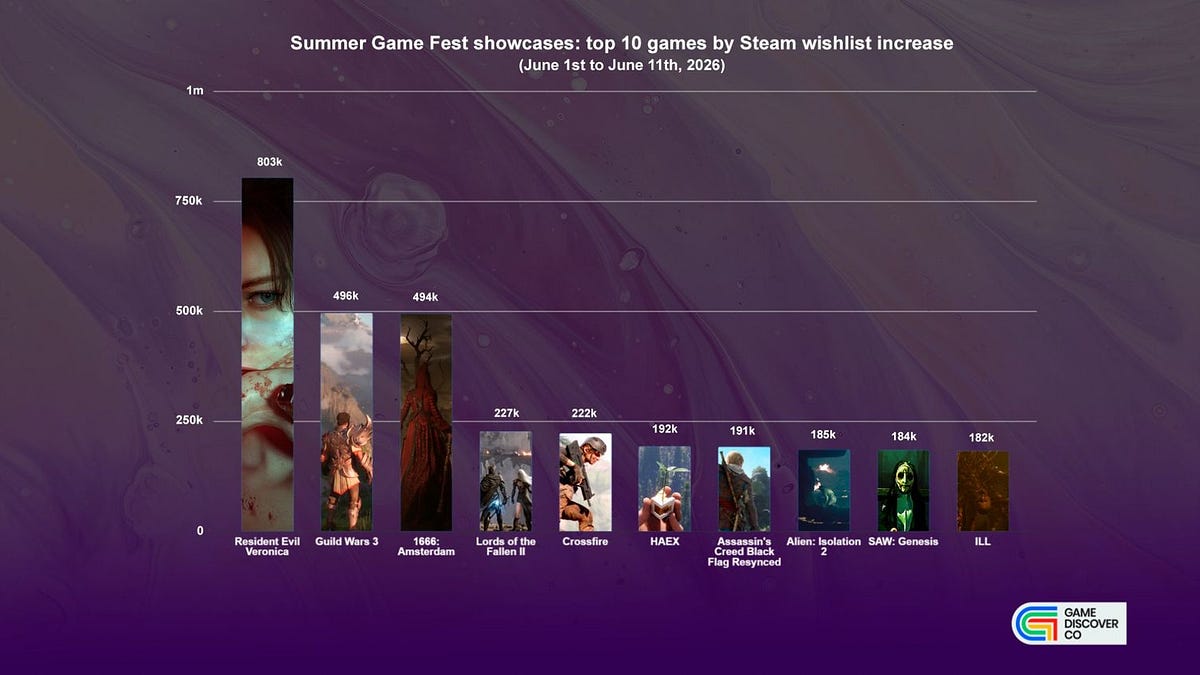
What Were the Top Games & Showcases During Summer Game Fest?
The article examines the impact of Summer Game Fest 2026 on game discovery, focusing on livestream viewership, wishlist activity, and platform coverage.
- Summer Game Fest 2026 viewership reached 62 million, a 23% year-over-year increase, with co-streaming driving nearly two-thirds of the total audience.
- Resident Evil: Veronica led all titles with 803,000 new Steam wishlists, followed by Guild Wars 3 (496,000) and Assassin’s Creed 1666: Amsterdam (494,000).
- The main Summer Game Fest showcase generated the highest median wishlist growth per title at 72,000, outperforming PlayStation State of Play (52,000) and Xbox Games Showcase (46,000).
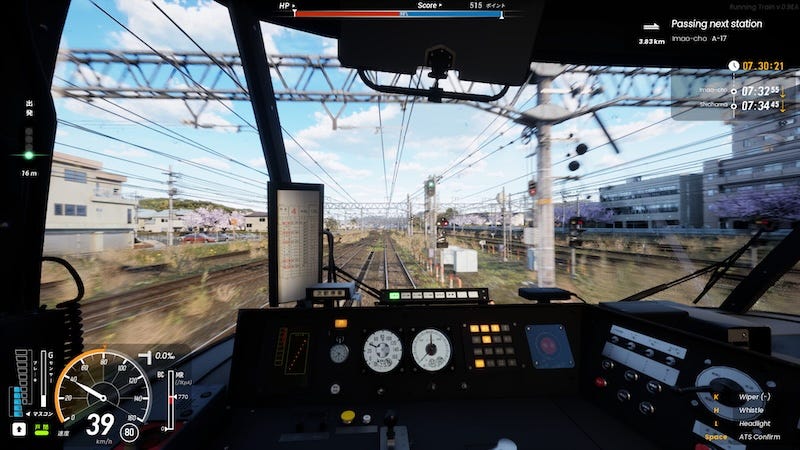
Why Hobbyists Are a Bigger Discovery Disruptor for Games Than AI
The primary thesis posits that hobbyist and semi-professional game developers represent a more significant disruptive force in the modern PC gaming market than artificial intelligence.
- Hobbyist and semi-professional game creators, not AI, are the primary disruptors in the PC game market, exemplified by titles like "Running Train" and "Dinkum" ($23 million LTD Steam gross revenue).
- The rise of hobbyist developers is fueled by accessible, inexpensive engine technology (e.g., Unreal, Unity), readily available asset stores (e.g., Fab.com), and global distribution platforms like Steam that offer equal reach.
- "Dinkum," a solo-developed game, achieved $23 million in lifetime Steam gross revenue and secured a publishing deal with Krafton, demonstrating the commercial viability of hobbyist projects.
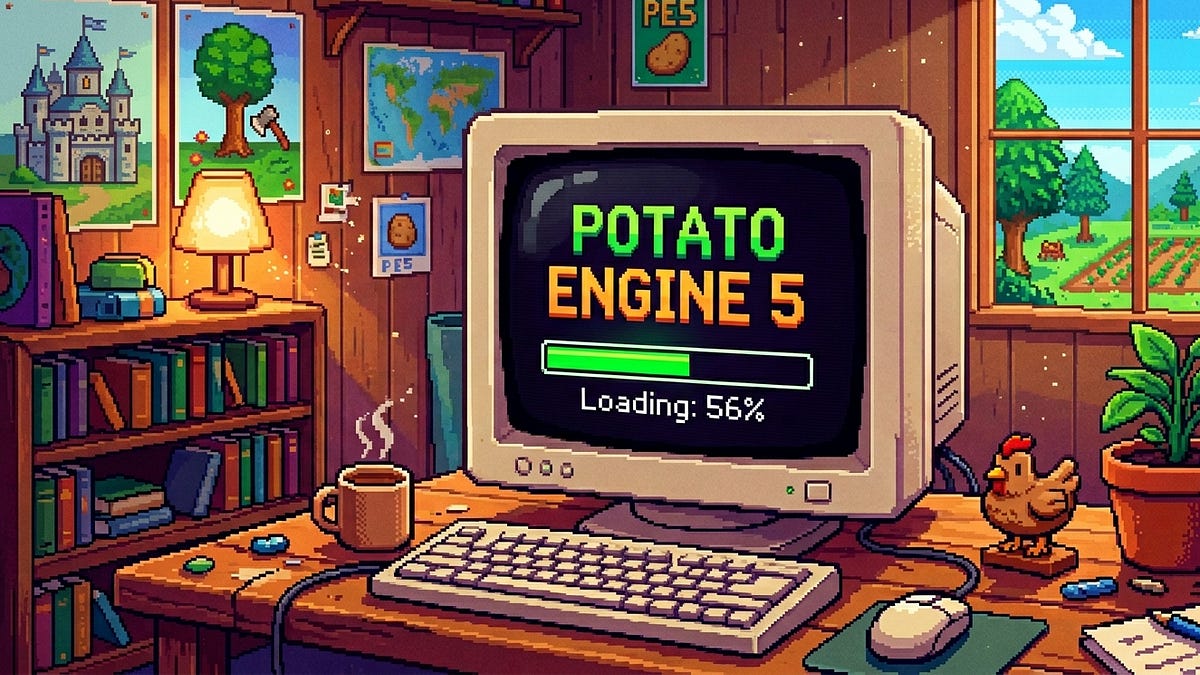
Poor Performance Is Not a Game Engine Problem
The prevailing industry narrative that game engines are responsible for poor performance in modern titles is a fundamental misdiagnosis.
- Poor game performance, particularly frame rate issues, is primarily a result of development process shortcomings rather than the game engine itself.
- Common development mistakes leading to performance problems include over-reliance on visual features, inadequate use of profilers, poor GPU/CPU budgeting, lack of ongoing optimization, unoptimized assets, insufficient testing on dev kits, and aggressive minimum specifications.
- Several high-profile games, including The Callisto Protocol (Dec 2022), Lords of the Fallen (Oct 2023), Immortals of Aveum (Aug 2023), Remnant II (Jul 2023), STALKER 2 (Nov 2024), The Oblivion Remaster (Apr 2025), Borderlands 4 (Sep 2025), and MindsEye (Jun 2025), launched with significant performance issues, often attributed incorrectly to Unreal Engine.

How's PC Game Engine Usage Changing?
This analysis examines shifting trends in PC game engine adoption by leveraging file structure scanning across more than 33,000 Steam titles.
- Unity maintains a 50% market share of released PC games, holding its position as the industry's most widely used engine.
- Unreal Engine has grown its market share from 15% in 2020 to 20% in 2025, with its top 50 titles generating $1.8 billion compared to $930 million for Unity's top 50.
- Godot has emerged as a significant challenger, increasing its market share from 0.9% in 2017 to 7.1% by 2025.

Who 'won' February 2026's Steam Next Fest?
The February 2026 Steam Next Fest analysis evaluates the performance of over 3,500 game demos, highlighting a significant increase in event volume—up 19% from October 2025 and 51% from the previous February.
- The February 2026 Steam Next Fest saw a 51% increase in demo volume compared to the previous February, with over 3,500 titles leading to a significant concentration of attention among top-tier games.
- The top 5% of participating games secured approximately 350 Steam followers, while the median entrant gained only 11, highlighting a sharp decline in visibility for the average project.
- Performance data indicates a trend of diminishing returns for median participants, as the saturation of titles makes it increasingly difficult for games without pre-existing audience momentum to achieve breakout success.
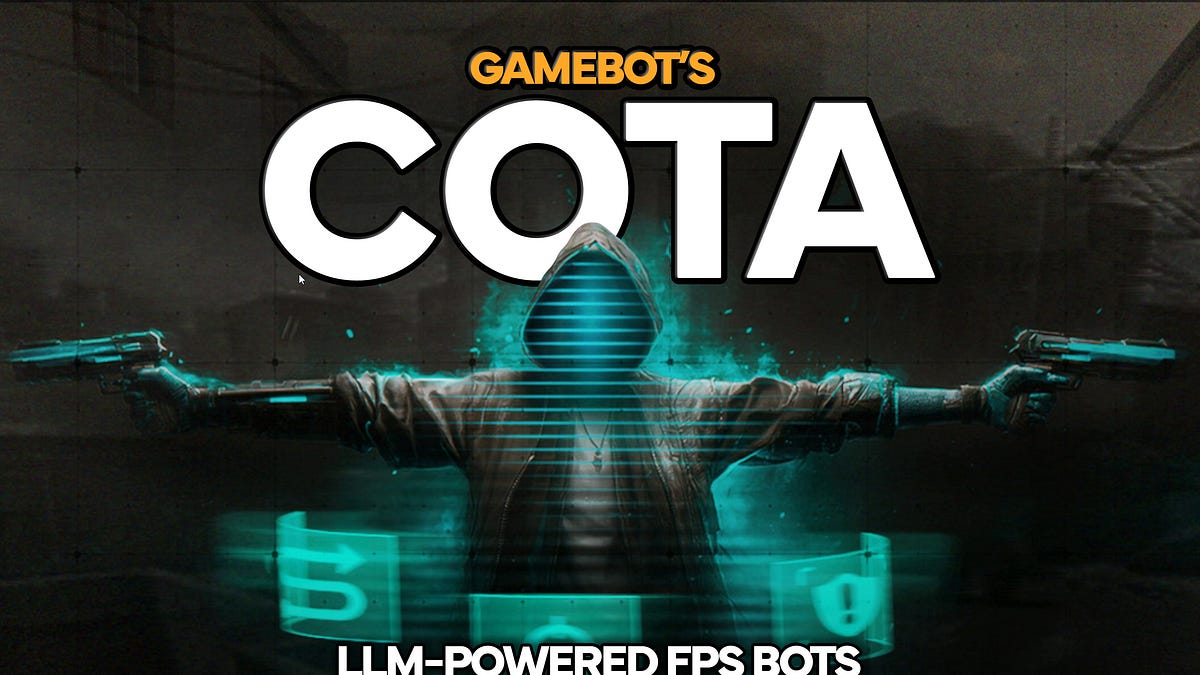
GameBot's COTA Demo Showcases FPS Bots Powered by LLMs
The COTA technical demo, released in February 2026 by GameBot, serves as a proof-of-concept for an artificial intelligence architecture driven by large language models (LLMs) within a first-person shooter environment.
- GameBot released COTA, an LLM-driven AI architecture for FPS games that enables real-time team coordination and strategic decision-making with a response time of less than 100ms.
- The COTA architecture utilizes an 8 billion parameter model (16.5GB) that functions via a two-tiered system: a 'commander' layer for macro-level strategy and an 'operator' layer for individual tactical execution.
- Unlike previous projects that relied on professional player data, COTA uses a synthetic data pipeline for supervised fine-tuning, followed by GRPO-based reinforcement learning and human feedback alignment.

Weekly Gaming Reports Recap: February 16 - February 20 (2026)
The global gaming industry in early 2026 is defined by a period of profound structural instability and technological transition.
- Over 50% of gaming industry professionals report layoffs at their organizations as of February 2026, marking widespread structural instability.
- Development efforts are primarily concentrated on PC, with Unreal Engine remaining the dominant tool for large-scale projects.
- Developer interest is increasingly shifting toward portable hardware, specifically the Steam Deck and the anticipated Nintendo Switch 2.

The Gaming Industry Isn't in a Downturn: It's Losing Its Moat
The gaming industry is currently undergoing a fundamental structural transformation rather than a temporary cyclical downturn.
- The gaming industry's traditional 'moats' (capital, talent, technology) are collapsing, indicating a fundamental restructuring rather than a temporary downturn.
- Funding for game development has shifted dramatically: 35% of developers now self-fund, while traditional sources like publishers, VCs, and platform deals collectively account for less than half of funding.
- The 'people moat' is eroding as layoffs increase (19% in the past year, with 48% still unemployed), and the need for large teams diminishes due to technological advancements.
GDC State of the Industry Survey 2026
The 2026 Game Developers Conference (GDC) State of the Industry survey provides a comprehensive analysis of current trends, labor conditions, and technological adoption within the global gaming sector.
- Developer sentiment toward generative AI has turned increasingly negative, with 52% now viewing it as harmful to the industry, up from 30% a year ago and 18% two years ago.
- Despite growing skepticism, 36% of developers report that their companies currently use generative AI, with ChatGPT (74%) and Google Gemini (37%) being the most widely adopted tools.
- The industry has faced significant labor instability, with 28% of developers reporting job losses over the past two years and game designers experiencing the highest layoff rate (20%) in the last 12 months.
PC & Console Predictions in 2026
The gaming industry is entering 2026 characterized by structural shifts in development, monetization, and market dominance.
- The $60 game price point is obsolete, replaced by a fragmented market ranging from $5–20 for indie hits to $100+ for tentpole releases like GTA VI, with $80 becoming the new AAA standard.
- Development cycles are contracting from 6–10 years as studios adopt AI tools for asset creation and coding, while shifting away from the expectation that every title must be a 200+ hour open-world experience.
- Sony is expected to enter the dedicated handheld gaming market to compete with the Nintendo Switch 2 and Steam Deck, driven by strong consumer demand for portable PlayStation experiences.
How Much Does It Cost to Make a Video Game?
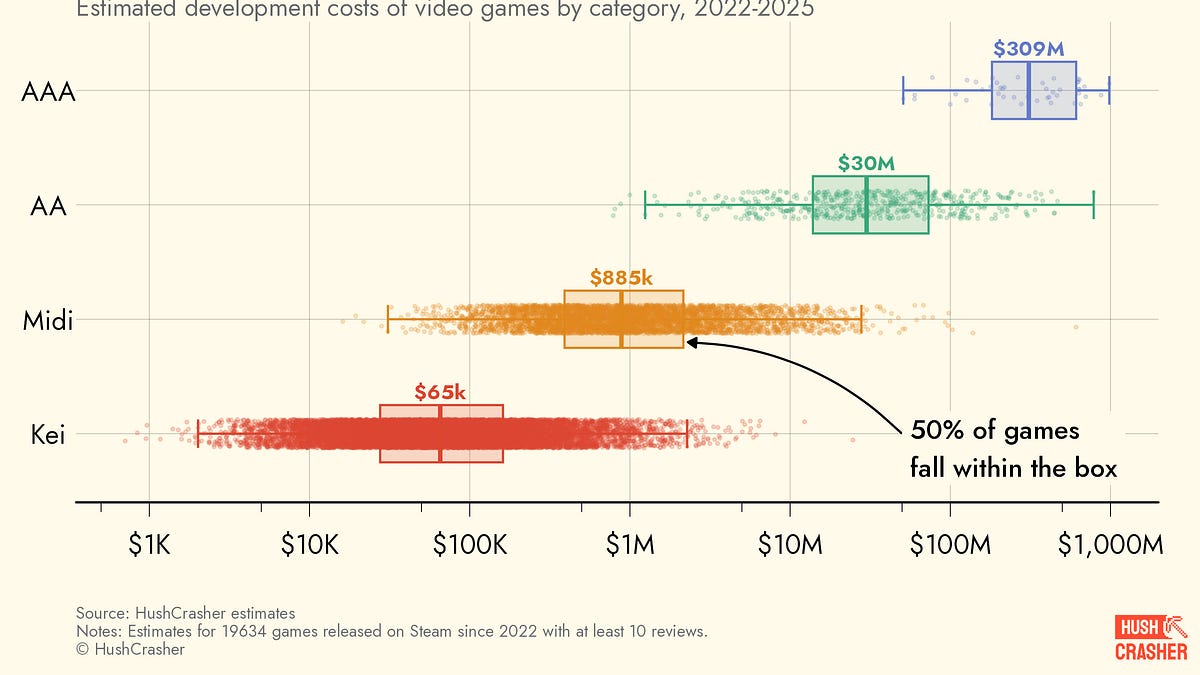
The video game industry faces a persistent lack of transparency regarding development budgets, which are rarely disclosed publicly.
- Development costs scale exponentially with project scope, as evidenced by AA games costing 33 times more than 'Midi' games, and AAA titles costing 10 times more than AA titles.
- Multiplayer games represent only 16% of the total market but account for 50% of all games with budgets exceeding $10 million.
- Partnering with a publisher significantly increases development budgets, typically resulting in costs three to four times higher than self-funded projects.
Gameplan Launches Unreal Engine 3D Fundamentals Certification
Gameplan, an edtech company based in Upsala, Sweden, has introduced a new Unreal Engine 3D Fundamentals Certification program.
- Gameplan has launched an Unreal Engine 3D Fundamentals Certification program developed in direct collaboration with Epic Games.
- The certification covers a broad range of technical skills, including game development, animation, virtual production, visual effects, architecture, and extended reality (XR) simulations.
- Individual vouchers for the certification are priced at approximately $50 USD, with additional bulk and course-specific pricing options available.